A dinner with Milan as the observation point and the world as the language. Braschi's cuisine is one of experimentation, playfulness, and curiosity.
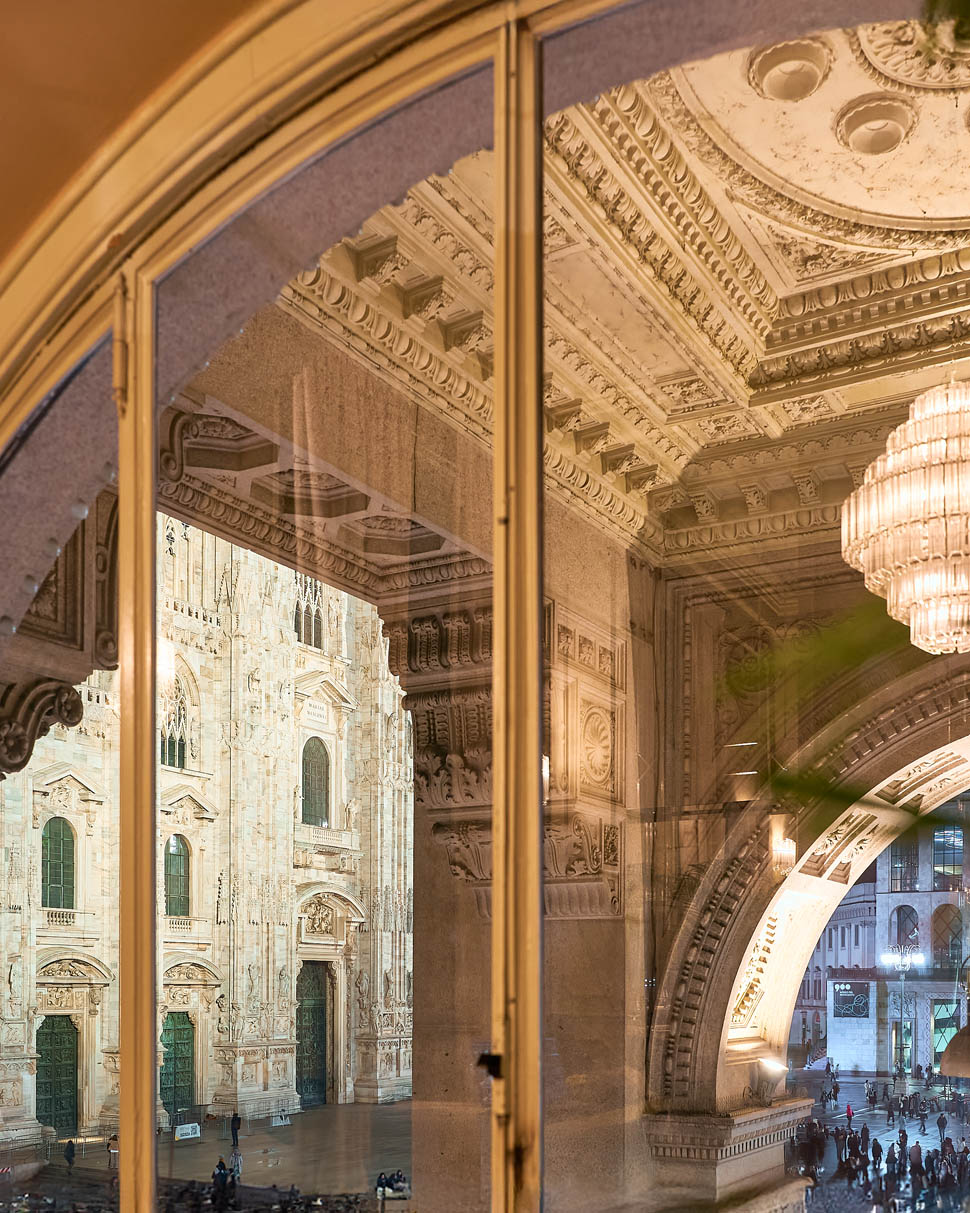
Entering The View by Valerio Braschi means accessing one of the most powerful and symbolic views of Milan. It is not just a question of beauty, but of emotional and cultural proximity. The sensation is that of touching the heart of the city with your hands, but as if you were in a Tarantino film. The restaurant is located on the first floor of Piazza Duomo 21, inside the Glamore Group building, and overlooks the cathedral and the capitals of the building that houses it. The view is immediate, almost dizzying, and conveys the idea of a rare privilege: looking at Milan from above, feeling immersed in its history.
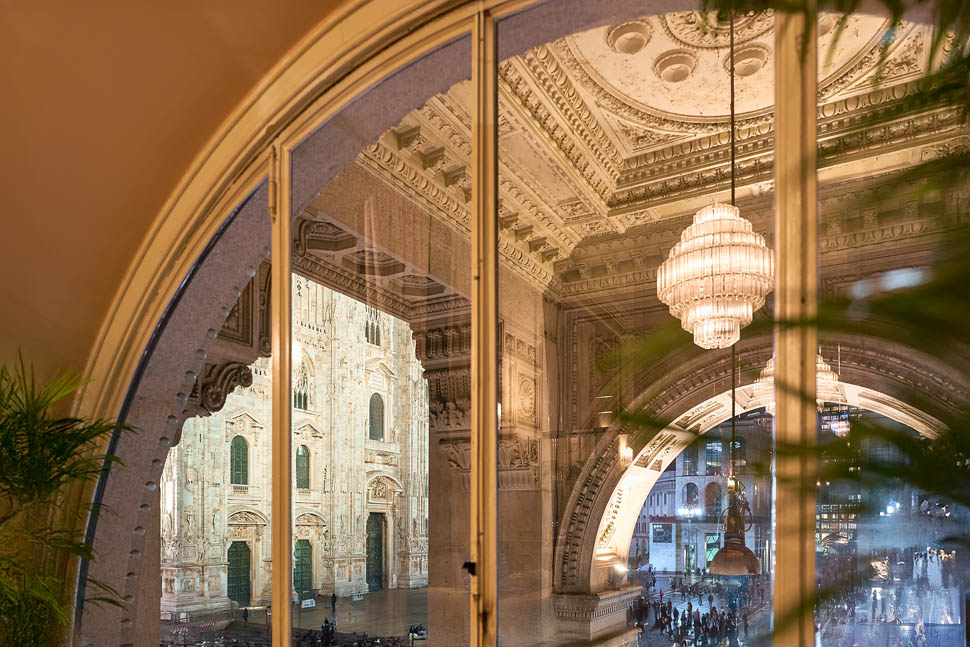
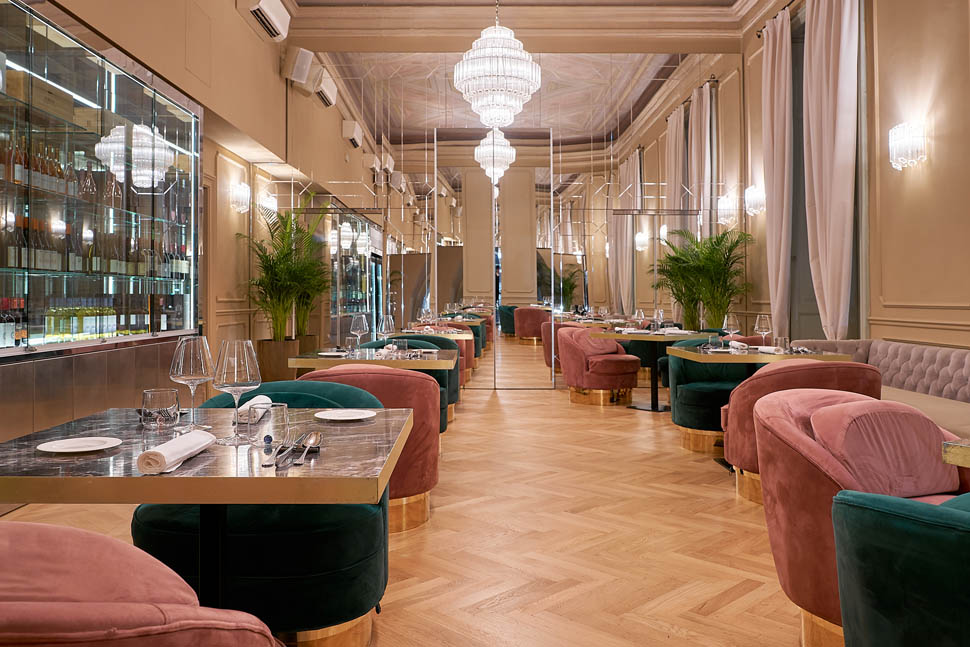
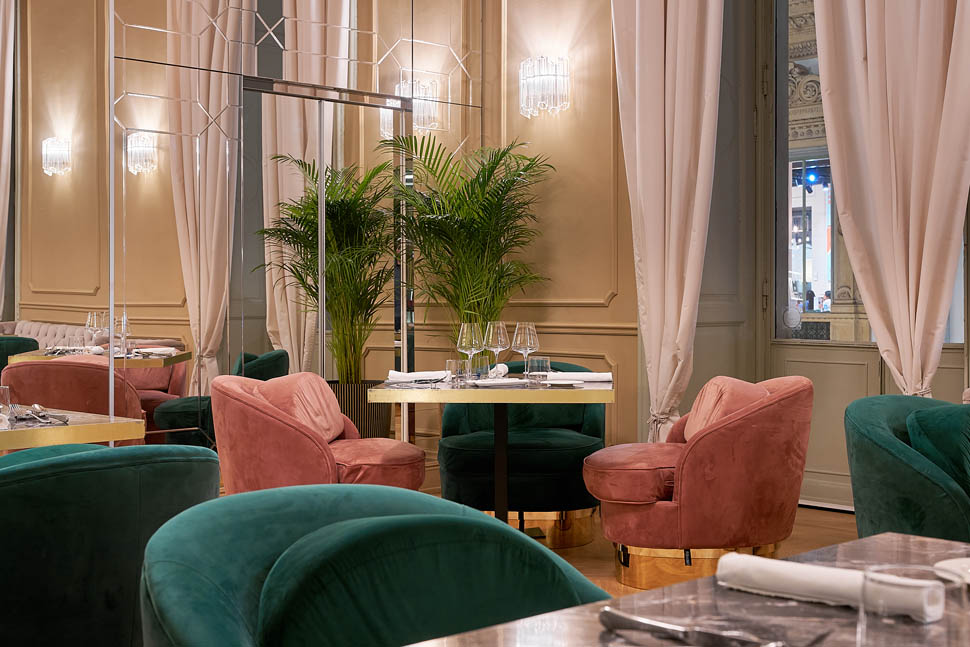
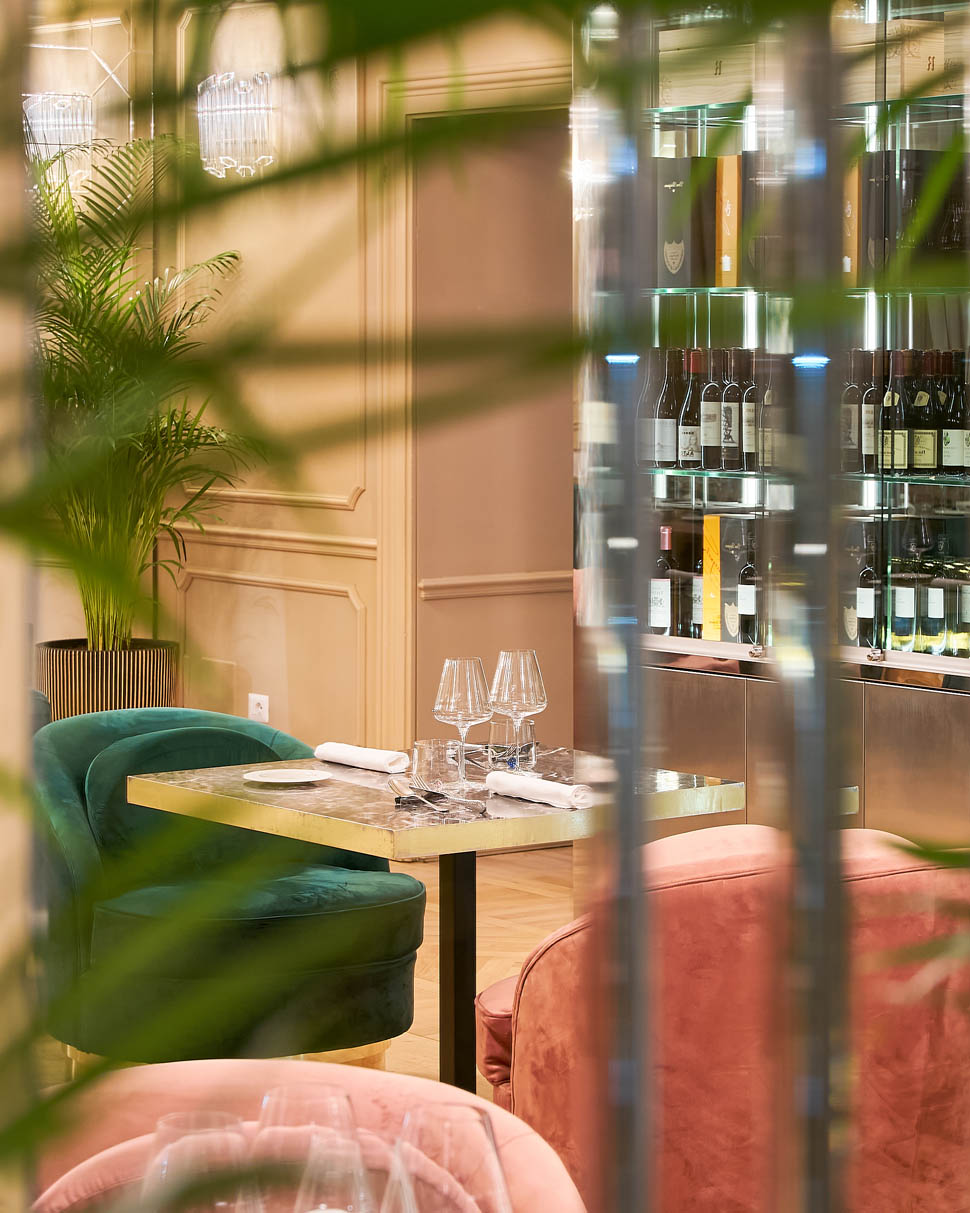
The interiors are elegant, well-kept, and consistent with the context, but they do not dominate the scene. Here, the real star is the view, which becomes an integral part of the experience, a living backdrop that accompanies every course. It is the iconic and symbolic Milan, the Milan of the world (because, as we know, the Milanese do not frequent this part of the city) that provides the backdrop for a restaurant that, just two months after entering the 2025 Michelin Guide, has already chosen to reposition itself in order to convey its identity more clearly. The move from the fifth to the first floor is not a change of identity, but a refinement: same name, same vision, but a more intimate and focused setting, designed to leave room for the cuisine and the chef's personal story.
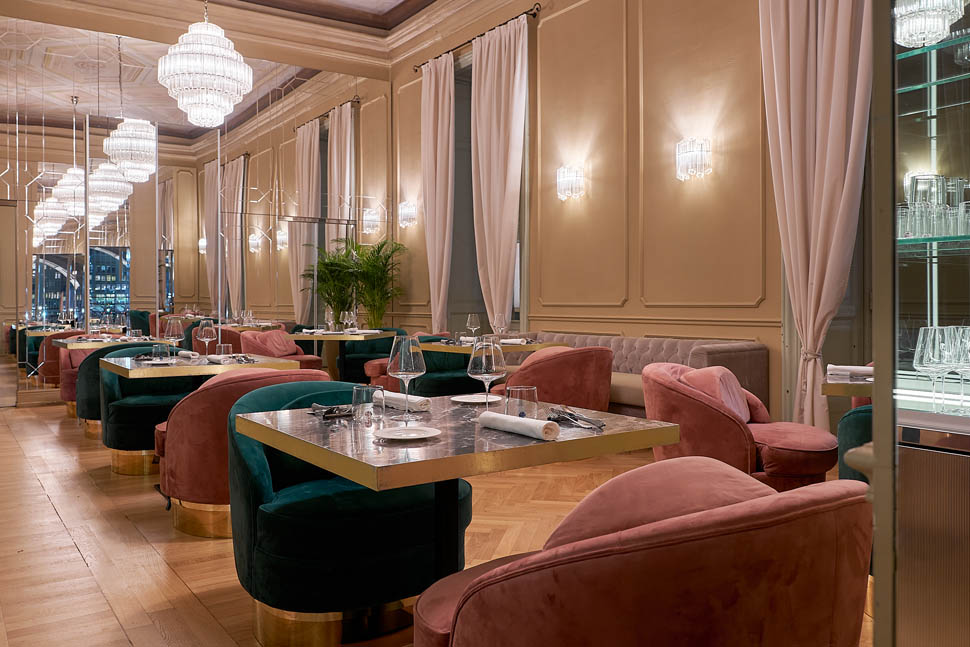
Valerio Braschi, beyond the talent show label
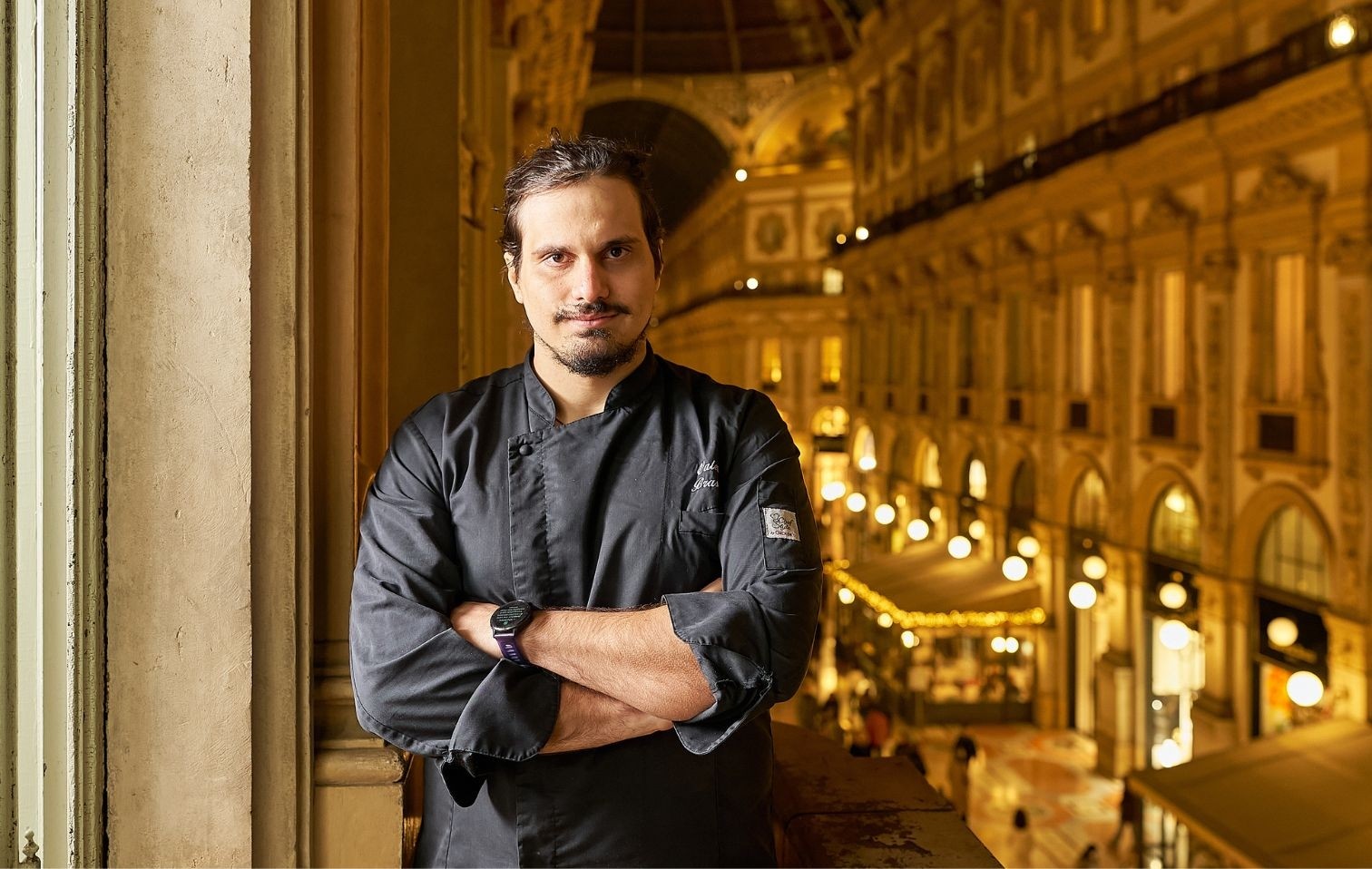
Before talking about the gastronomic experience, I think it is worth pausing for a moment to reflect on something that is often avoided or treated with a certain snobbery in Italian food journalism. In Italy, anyone who has participated in a television talent show such as MasterChef continues to carry a label that is difficult to shake off. Valerio Braschi won MasterChef at a very young age and, for some critics, this seems to be more of a stigma than a starting point. Abroad, this is not the case. In Korea, for example, MasterChef winners are considered chefs who are just as respectable as those who have trained exclusively in the field, if not more so. The talent show is seen as an accelerator, not a shortcut. After his victory, Braschi did exactly what is expected of a chef: training, practice, trials, errors, adjustments. Today, he is a chef with a restaurant in the heart of Milan, a recent but significant entry in the Michelin Guide, and a clear, personal, recognizable gastronomic vision.
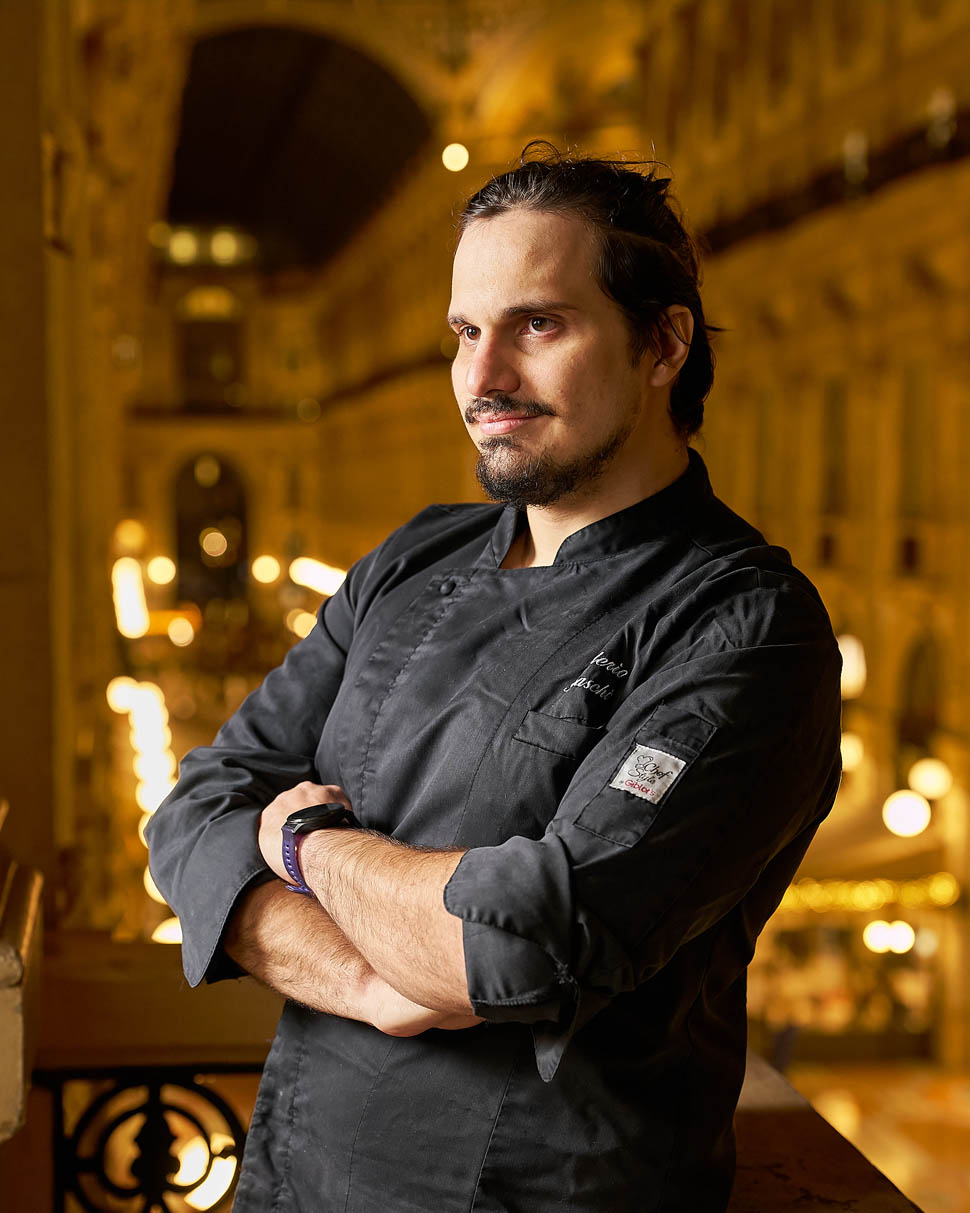
His cuisine is intriguing, open, and eclectic. He blends flavors from around the world with Italian influences without worrying too much about pleasing those who seek a reassuring narrative. And this, in my opinion, is where his strength lies: in his freedom (which, in his case, is also free of arrogance, which is a plus). Experimentation, as we know, proceeds by trial and error. There are highly acclaimed restaurants that offer experimental cuisine with questionable taste, but which legitimize themselves under the label of conceptual regional cuisine, earning a hipster allure that often leaves little lasting impression. Braschi, on the other hand, experiments openly, without too many ideological superstructures, with humility and kindness.
The experience: a trip around the world with Braschi as your guide
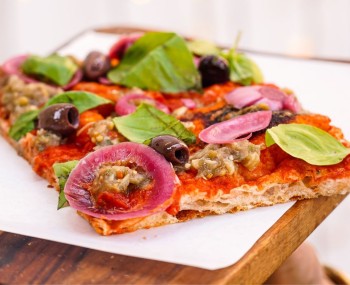
Let's talk about the experience. The service still needs some work, and I say this honestly. I would also like to point out that I was invited, and that the declared presence of a journalist who is likely to write about the experience can, in some cases, create a certain tension. Nothing that can't be fixed, but today the service needs the same personality as the cuisine. It's a question of consistency. The menu I was offered began with four amuse-bouches that represented Italy as the starting point of this journey, coordinated by Braschi. A bonbon of amatriciana sauce covered with pecorino cheese and served cold, a fake tomato stuffed with caprese, a liquid pizza. This is followed by a shortcrust tartlet with avocado and caviar, designed to cleanse the palate of the tomato and prepare it for a change of direction. Before the main courses, a palette with four small compartments arrives at the table, each filled with a different oil, accompanied by excellent bread. No France and no butter: here, the homage is to the Italian terroirs of liquid gold.
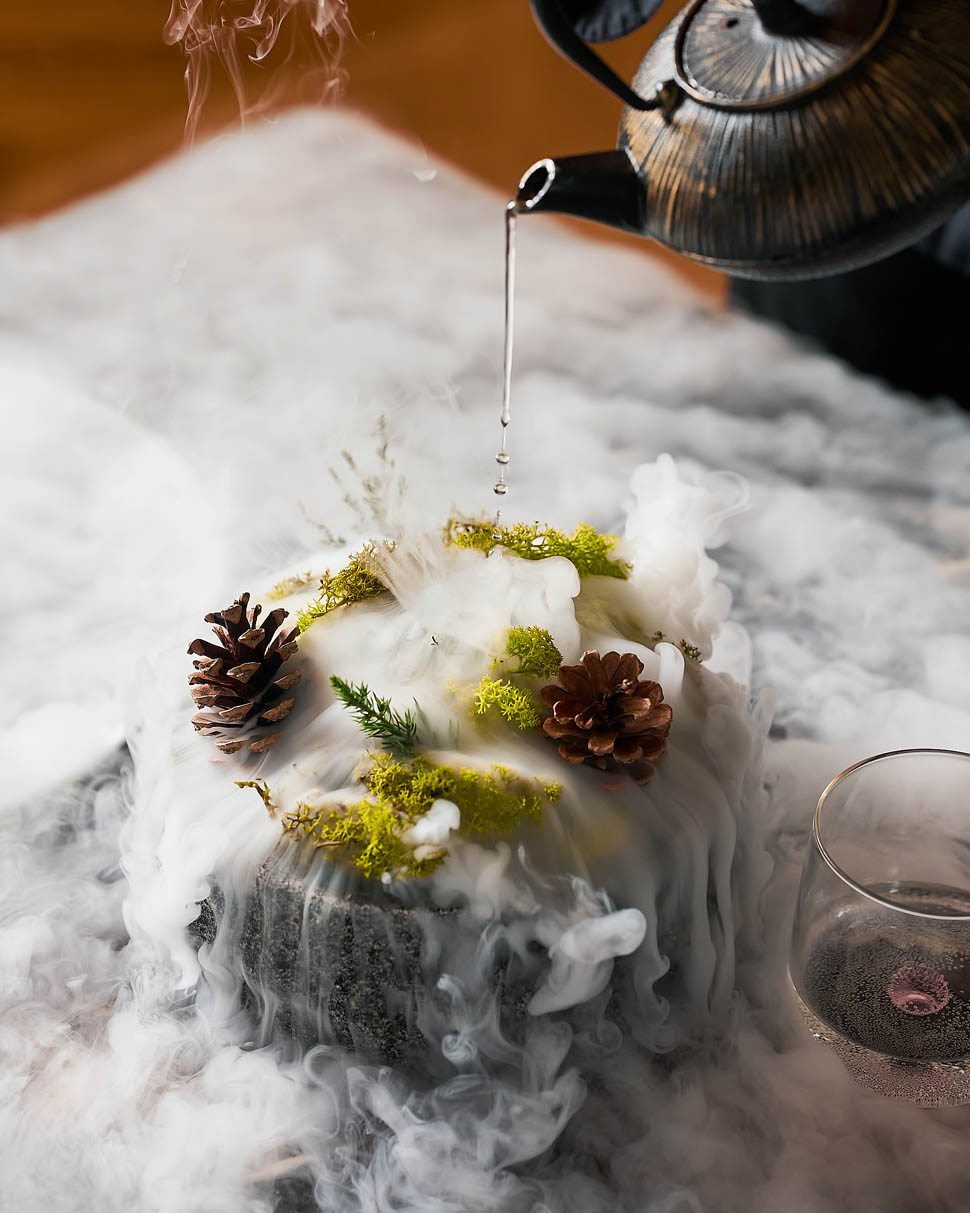
We then move on to Chawanmushi, a Japanese pudding made with eggs, milk, and dashi, traditionally eaten with a spoon. It is worth remembering that, as is often the case, this dish also has its origins in Chinese cuisine, a detail that makes the story even more interesting, especially when considered in relation to the recent lively Italian debate on the idea of gastronomic tradition. It makes me think that, in the end, the whole world is one country.
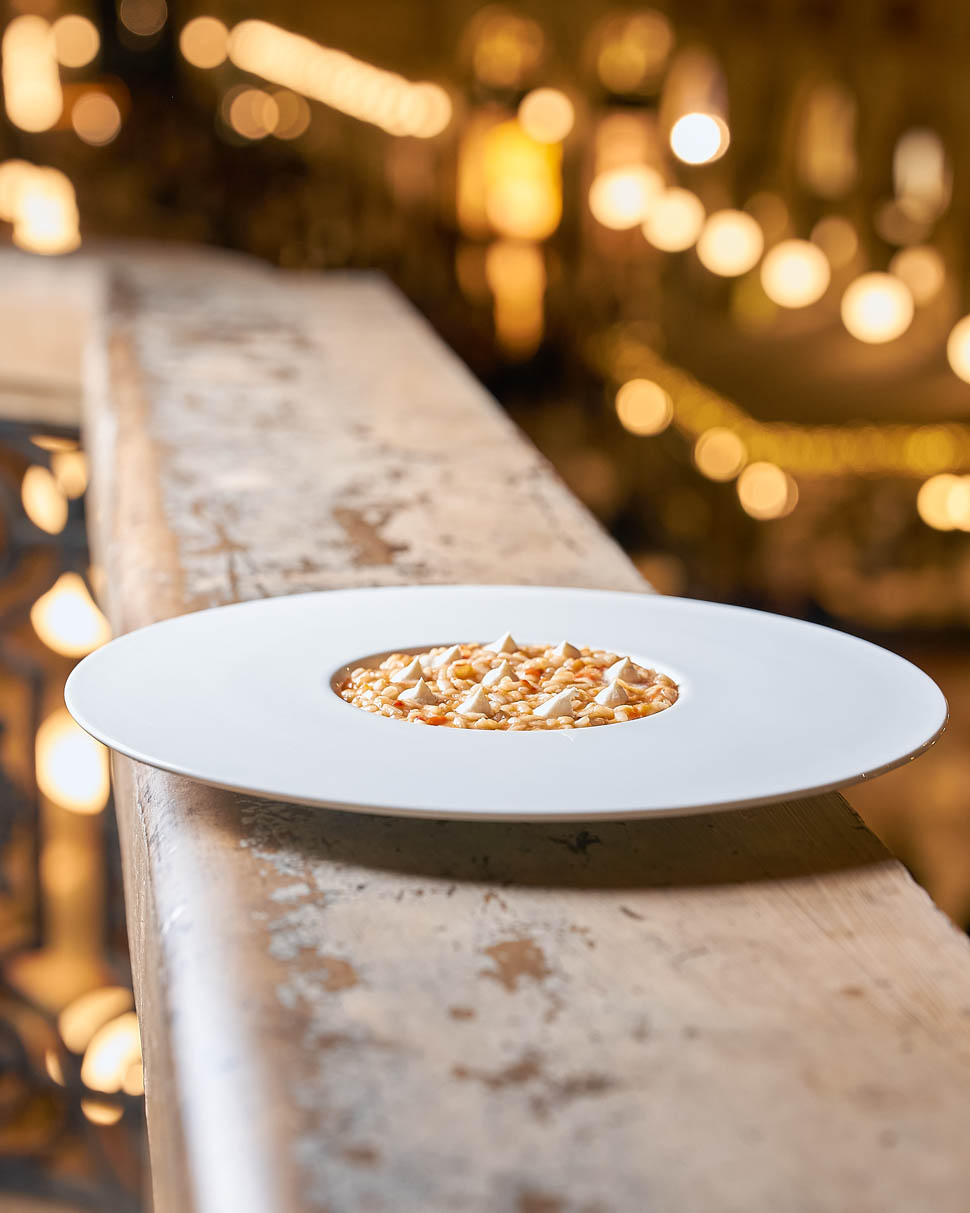
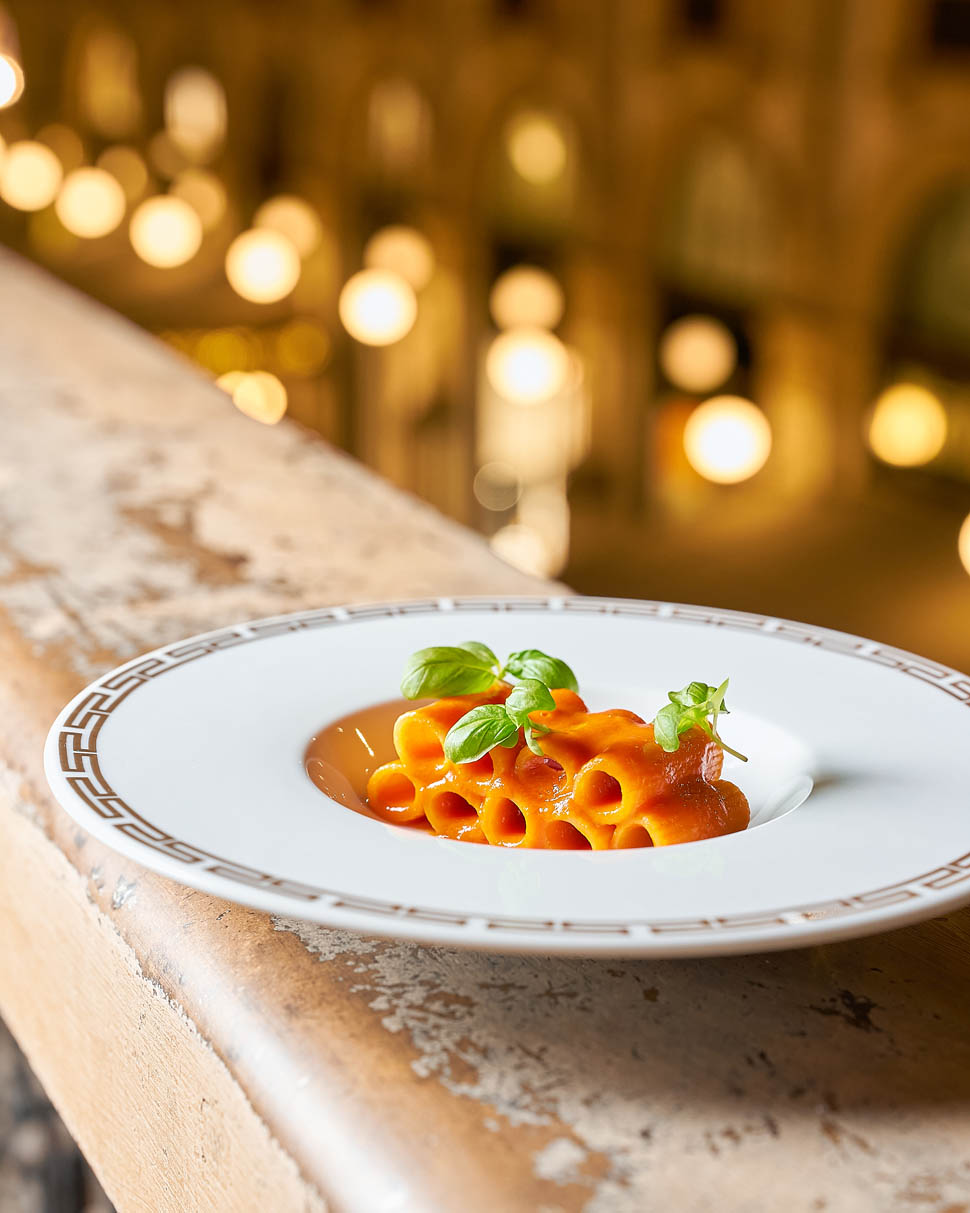
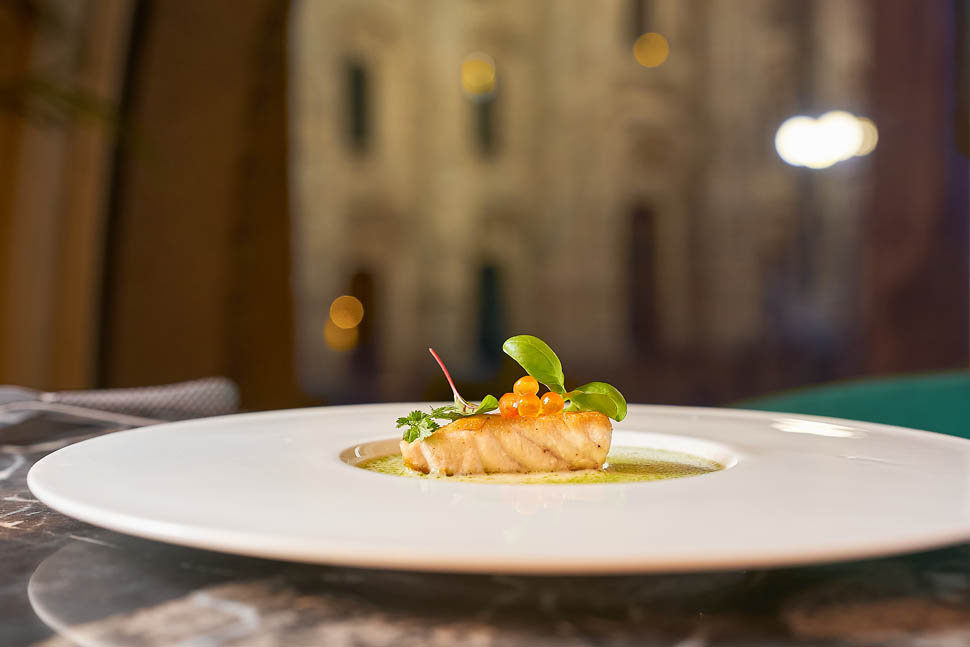
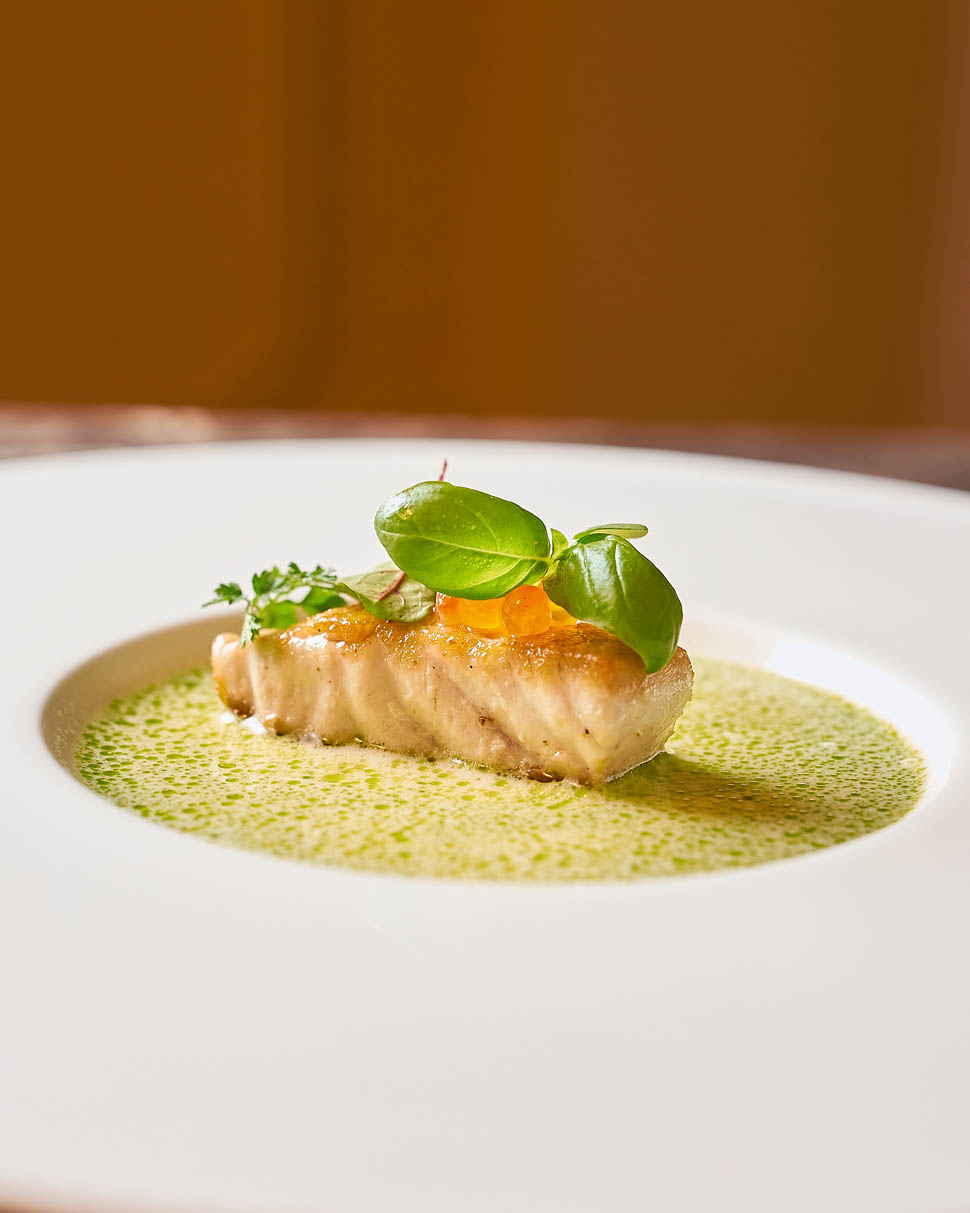
Braschi suggests it as a dish he would like to add permanently to the menu, and I agree. The texture is perfect, even if it might eventually tire a Western palate accustomed to the mantra that everything must be crunchy. But when served in the right portion, it is more than enjoyable. The spiciness is cleverly balanced: it becomes one flavor among others, it does not overwhelm, it does not paralyze the taste buds, it cheers them up. It uses bison meat, which is also featured in another course on the menu. Sustainability, the experts would say. We continue with Catfish in Northern Europe, catfish cooked in hibachi on a Scandinavian sauce made with dill, cream, smoked eel, leek, and potato, topped with a salad of sorrel and salmon roe. I hadn't eaten catfish in years, and my childhood memory of it was not the best: a difficult fish, often with a muddy aftertaste. Here, Braschi does an enormous job of ennobling the raw ingredient. The dish is fresh, clean, and transports the mind and mouth to Scandinavia without hesitation. We return to Italy for a moment with rigatoni with Piennolo tomato sauce. A simple, straightforward, tasty dish that will also work very well for an international audience. It is executed correctly, and when things are done well, there is little to add.
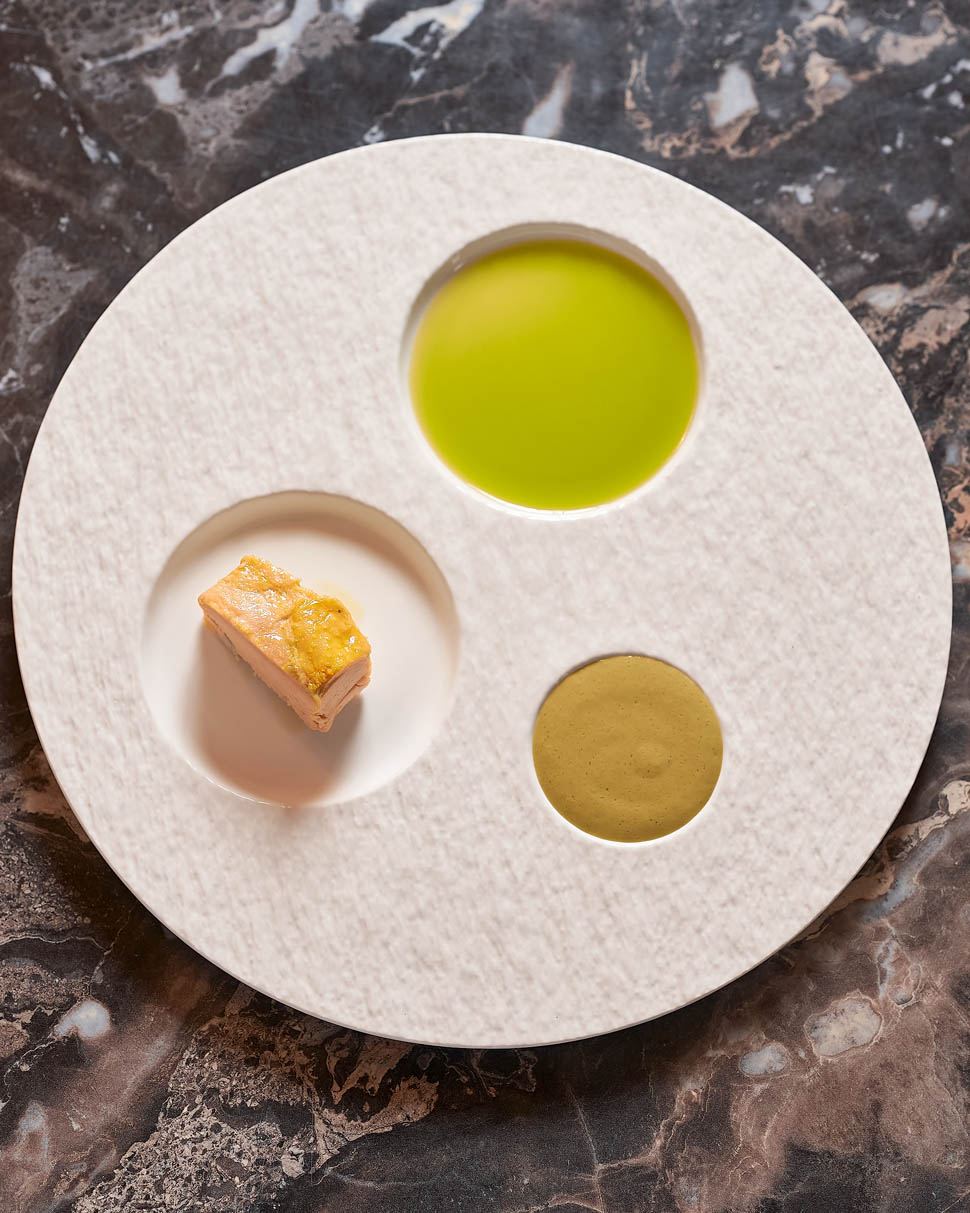
The last two courses are the best of the entire meal, and I'm glad they come at the end because I'm part of that team that saves the best bite for last. The Glacier 51 and Rubia Gallega, cooked on the hibachi and served on a sauce emulsified using ultrasound from beef stock and pure Rubia Gallega fat, is an exceptional dish. For those who don't know, emulsifying a sauce with ultrasound means using acoustic cavitation to create ultra-fine and stable emulsions, known as nanoemulsions, of normally immiscible ingredients such as oil and water, without the use of stabilizers. The process is carried out using sonicators, ultrasonic homogenizers that generate microbubbles whose implosion produces strong shear forces, capable of dispersing one phase into the other in nanometric droplets. The result is smoother, more stable sauces with a more intense and persistent flavor, applicable to mayonnaise, vinaigrettes, creams, and stocks. The Glacier 51, caught according to a sustainable zero-emission protocol, has firm, buttery flesh, crisp skin, and a delicacy that is enhanced by the sauce. It is a balanced, sensible dish with an essential and elegant presentation reminiscent of the design of a piece of jewelry.
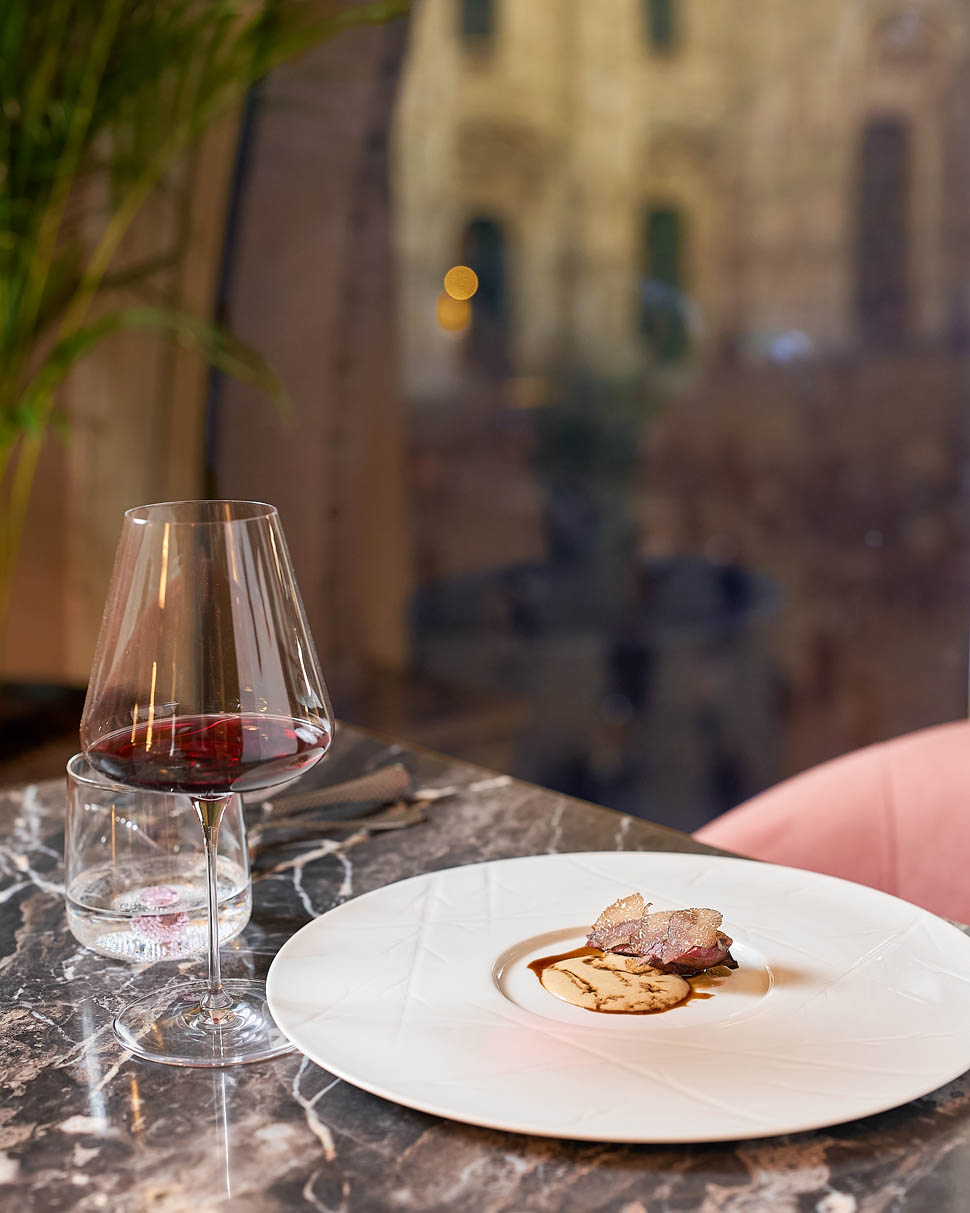
I never thought I would say this, because I don't particularly like desserts, but Braschi's is one of the most interesting desserts I have ever tried. Perhaps because it is actually a dessert. The main difference is that “dessert” is a broad category of sugary foods that can be eaten at different times, while “dessert” refers to the specific course served at the end of a meal, which can also include fruit, cheese, or ice cream. The term comes from the French desservir, meaning ‘to clear the table’. So yes, all sweets can be desserts if served at the end of a meal, but not all desserts are sweets. Sea urchin, cream and lime: lime panna cotta, Japanese UNI, jelly and lime powder. The use of Japanese UNI, instead of the more common Galician variety, is a smart choice. This sea urchin is salty with a nice umami flavor, but also sweet, with notes vaguely reminiscent of hazelnuts.
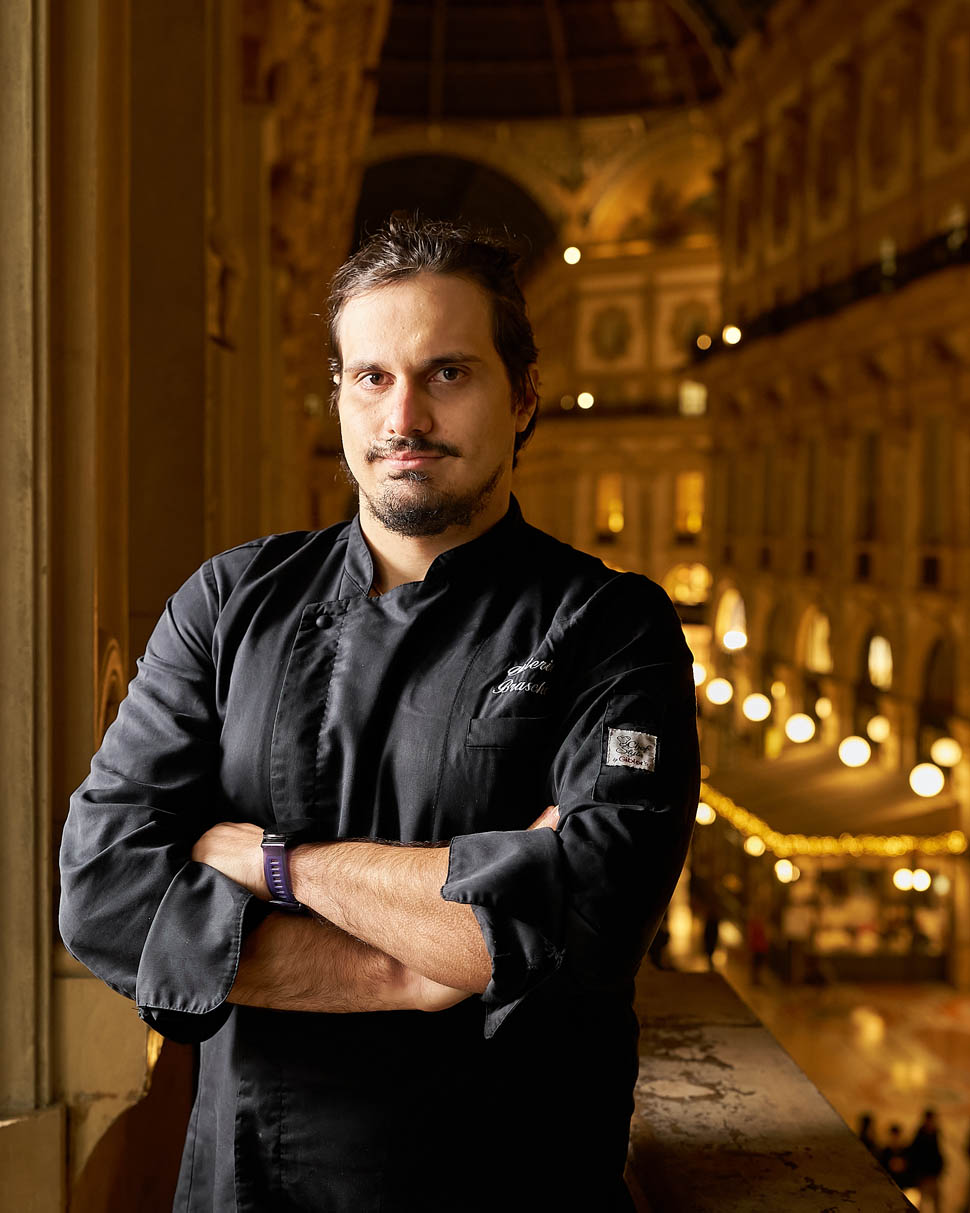
You don't go to The View By Valerio Braschi to be reassured by familiar flavors. The chef doesn't want to pamper his customers' palates, but rather take his guests by the hand and lead them on a journey of discovery through his eyes and his palate.
Contacts and info
The View by Valerio Braschi
Piazza del Duomo, 21 – 20122 Milano
Phone: +39 02 47751942
Email: info@theviewmilano.it
Website: https://www.theviewmilano.it