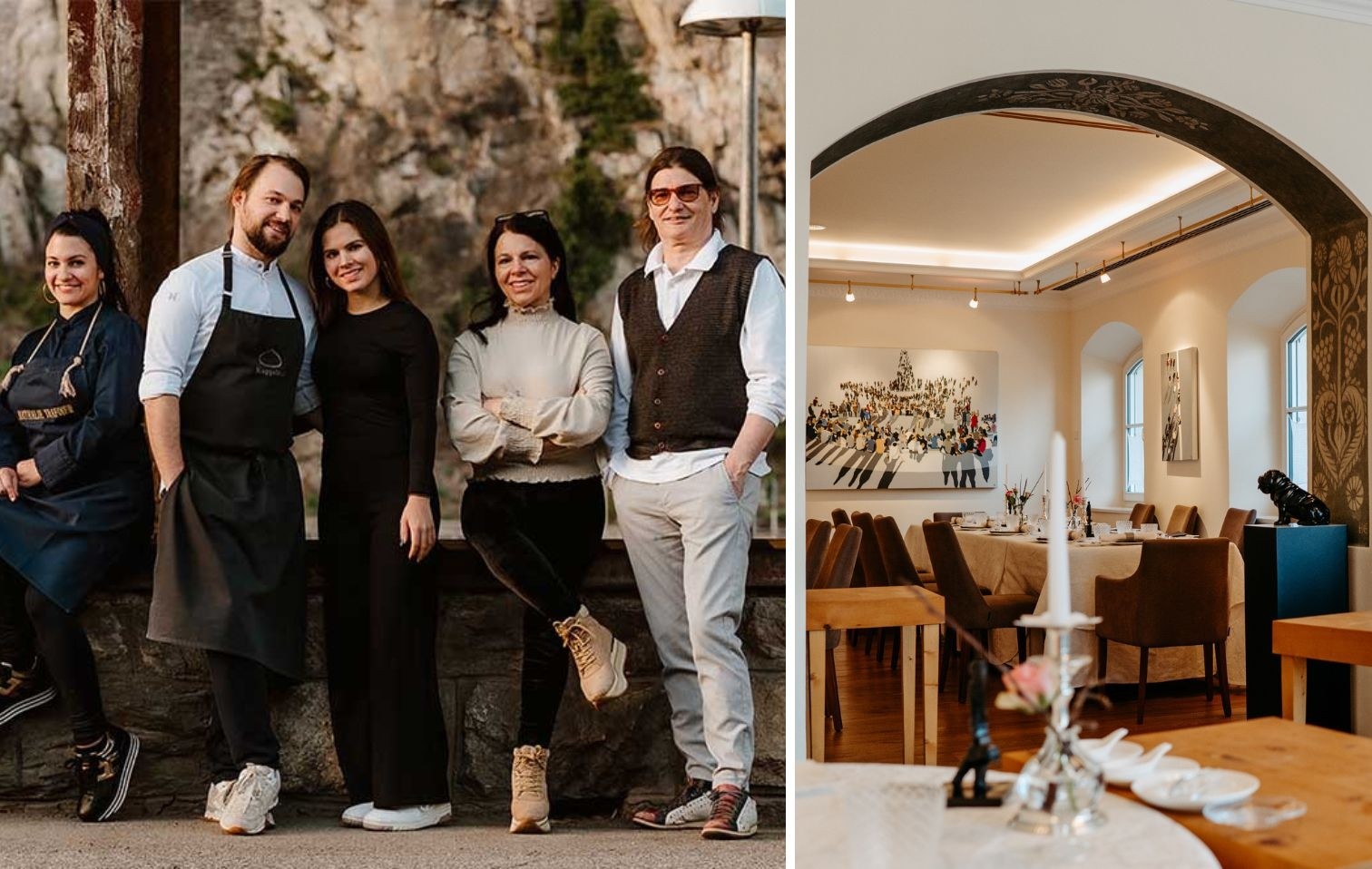
Kuppelrain tells the story of a family that transformed a small station in Val Venosta into a place of haute cuisine rooted in the land, in ancient traditions, and in daily care. A home where tradition and creativity intertwine, and deep attention to people and the environment becomes a way of life, even before cooking.
The story
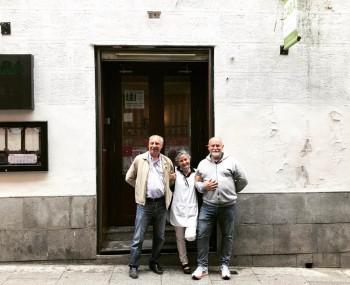
Kuppelrain tells the story of a family that transformed a small station in Val Venosta into a place of haute cuisine rooted in the land, in ancient traditions, and in daily care. A home where tradition and creativity intertwine, and deep attention to people and the environment becomes a way of life, even before cooking. The first thing that strikes you when you arrive at Kuppelrain in Castelbello is the contrast. A Michelin star shining next to the tracks of a small railway station: a place of passage, of everyday life, of iron clanging and departures, which is home to one of South Tyrol's most refined restaurants. It is from this collision between popular simplicity and haute cuisine that the story of the Trafoier family takes shape—a tale of determination, slowness, and sustainability that is not limited to the management of resources but touches on the emotional sphere, the one that allows a place to preserve its soul.
When Sonya Egger Trafoier and Jörg Trafoier took over the old Art Nouveau inn in 1988, the situation was far from encouraging. The building had lost its charm, business was sluggish, and the location, far from the center and overlooking the railroad tracks, seemed ill-suited to an ambitious dream. Yet the couple saw beyond the obvious: they sensed the possibility of creating a home with a distinct identity, a cuisine capable of speaking the language of the Val Venosta without imitation, letting its landscapes become its voice, its rhythm, its inspiration. From the outset, their direction was clear: to enhance what belongs to the valley, to work with respect, to listen to nature and its rhythms. Not a simple reference to the “territory,” but an authentic intertwining with its fruits, with artisans and producers who share the same ethics, with raw materials treated as living presences.
Philosophy and cuisine
This vision has given rise to an imaginative and unexpected cuisine, rooted in tradition yet capable of looking beyond the mountains, just like the Val Venosta. Jörg Trafoier's recipes capture the aromas of the valley, transforming them into creations that combine original flavors with distant whispers. Val Venosta asparagus heralds the arrival of spring, summer flowers are combined with lightness, lamb from high-altitude pastures and autumn fruits are presented in subtle variations: a circle of freshness that spans the seasons without betraying the purity of the ingredients. Carefully selected aromatic herbs, never overpowering spices, traditional dishes—speck, smoked meats, ancient breads—coexist with marine influences and exotic accents that lend depth and boldness, without ever forcing the issue. You taste what the earth offers and recognize it, and that is why every dish surprises you with its naturalness.
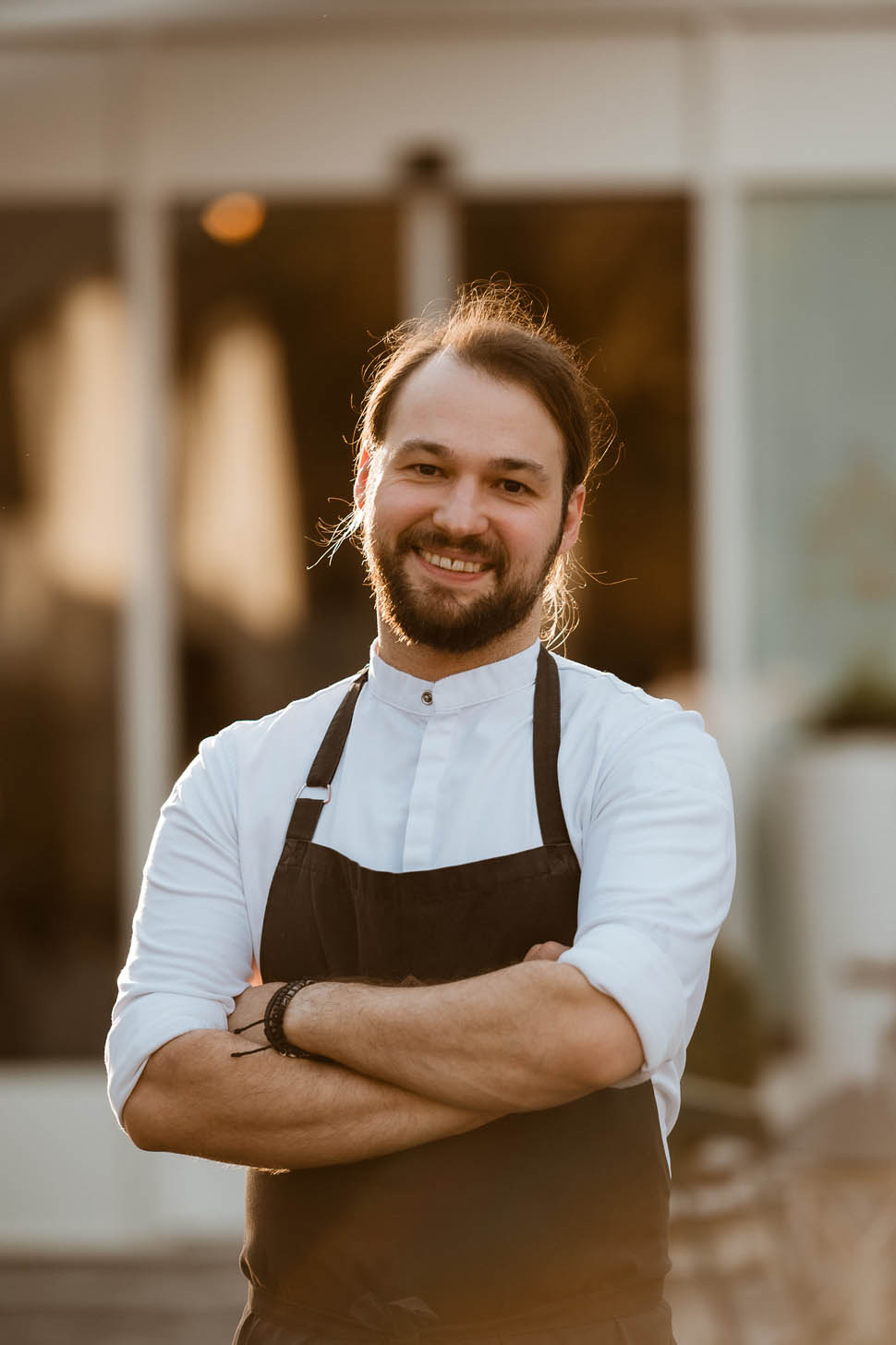
Every season, the family personally harvests herbs, flowers, rose hips, walnuts, wormwood, and sun-ripened fruits, which are processed and preserved using methods handed down from mothers and grandmothers, becoming jams, syrups, and preparations that return to the breakfast table or enrich the dishes on the menu. Whenever possible, everything comes from organic farming, not to follow a trend, but because this way of working is part of their identity.
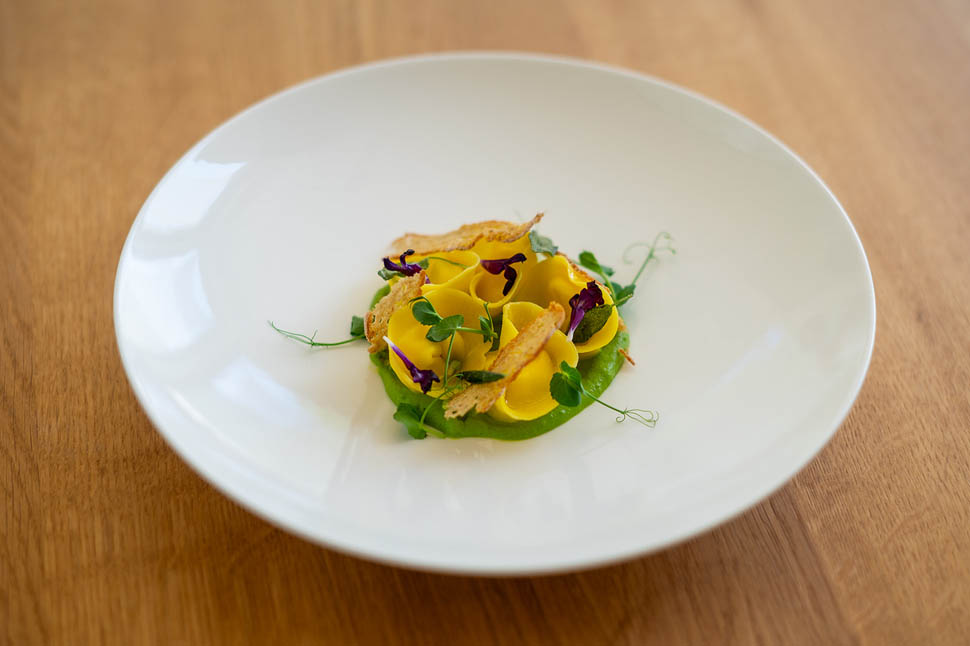
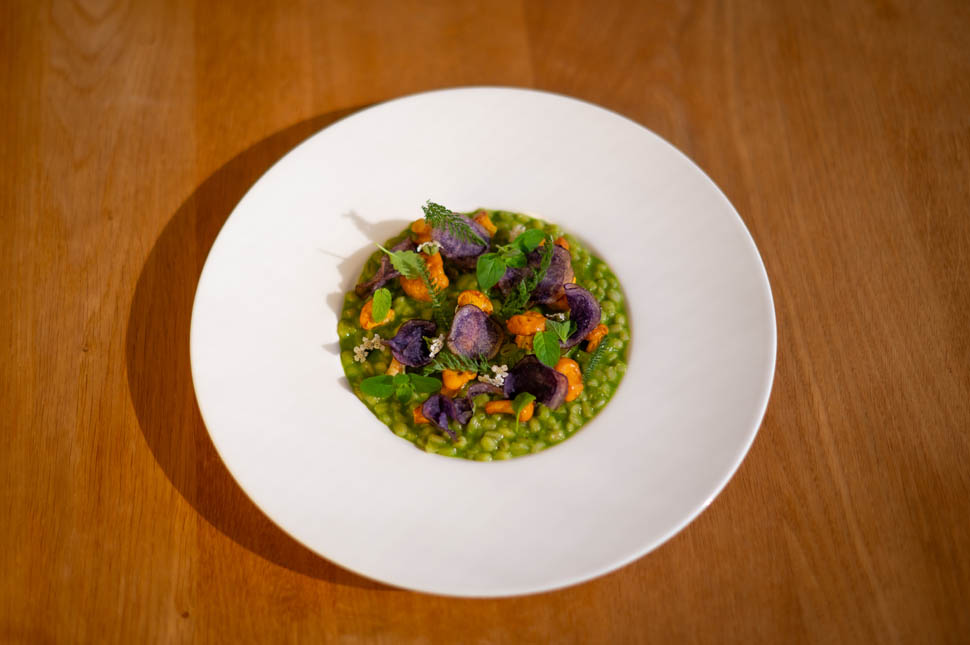
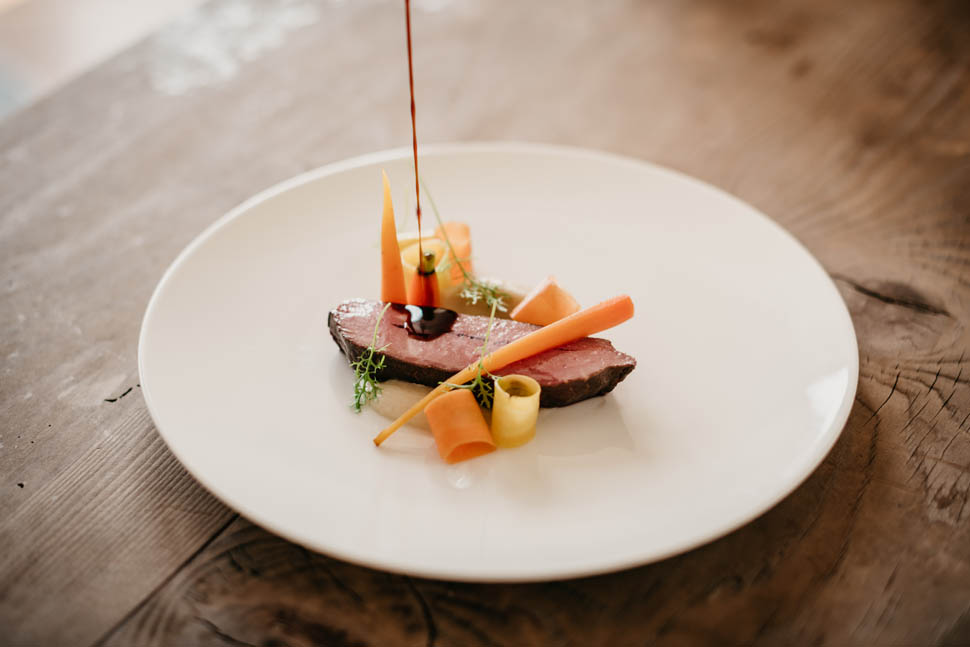
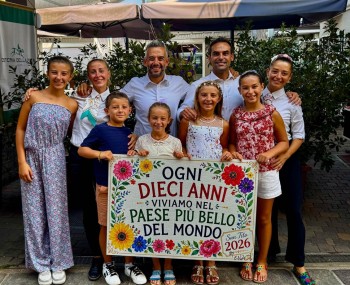
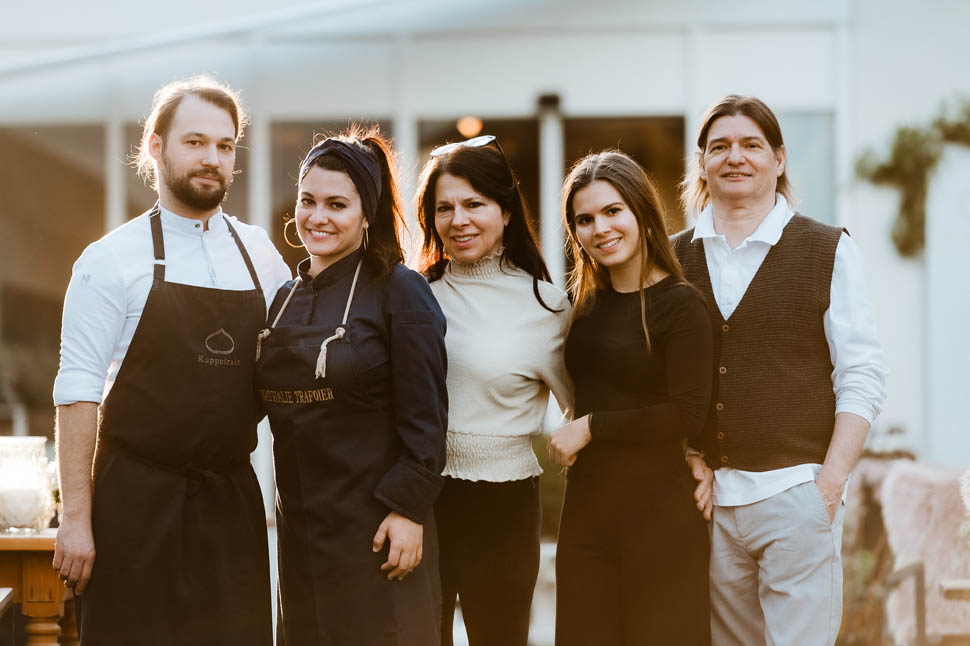
In 2001, the restaurant received its first Michelin star, which did not change its character but rather confirmed it. Year after year, the restaurant has grown alongside the family: Kevin Trafoier has brought new techniques and a contemporary gastronomic language; Nathalie has created a world of desserts that dialogues with its roots without being limited by them; Giulya contributes to daily life, making Kuppelrain a family organism rather than a culinary stage. And then there is Sonya, sommelier and beating heart of the restaurant, who in 2022 became the first woman in Italy to receive the Michelin Sommelier Award. Her sensitivity in pairing wines never seeks to impress, but rather an intimate balance between regional cuisine and international flair, a quiet trajectory that unites what is born nearby with what comes from afar.
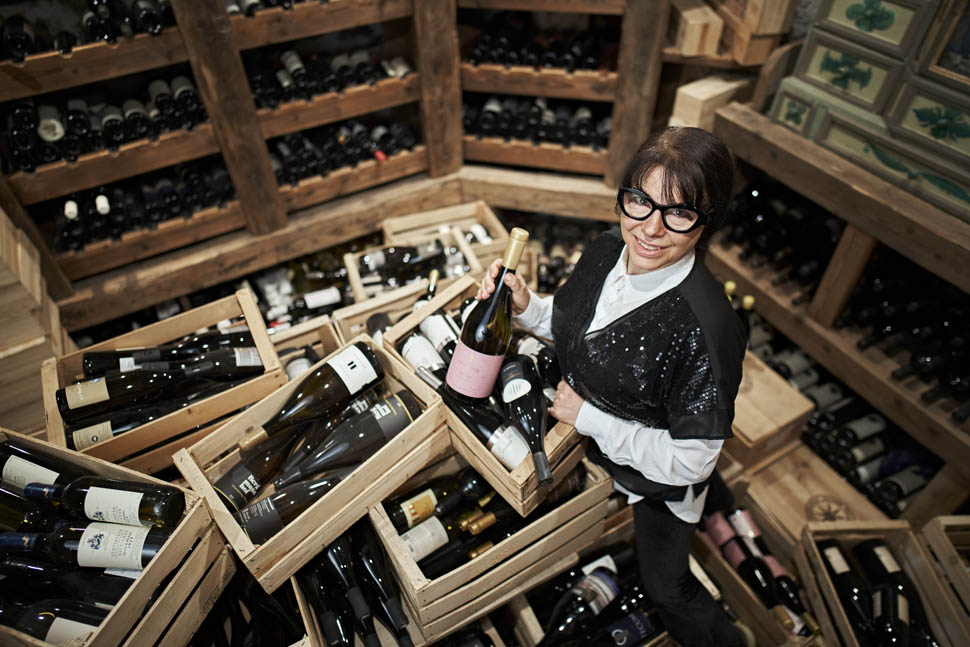
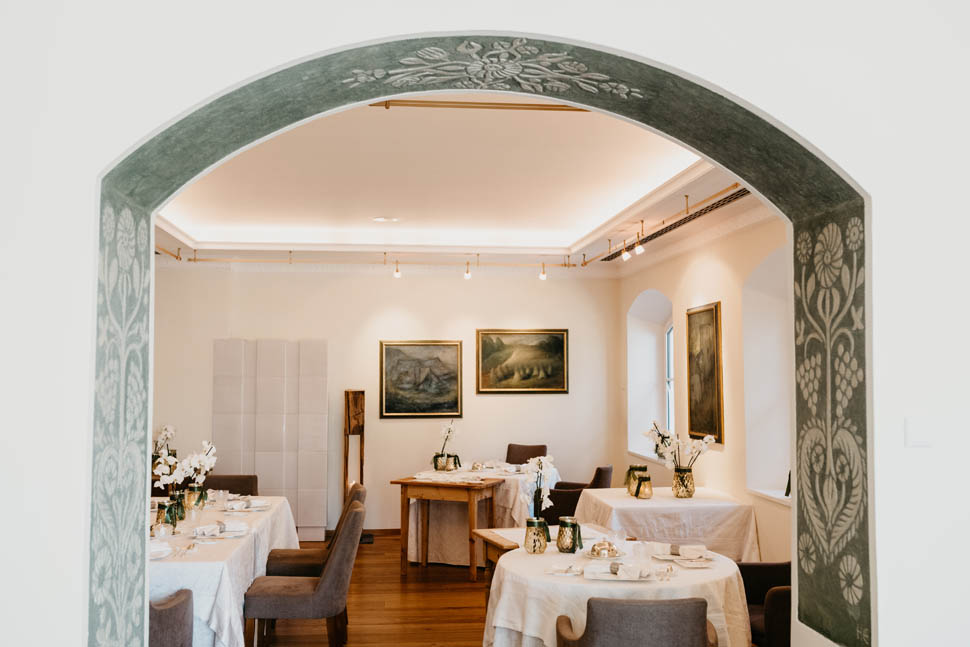
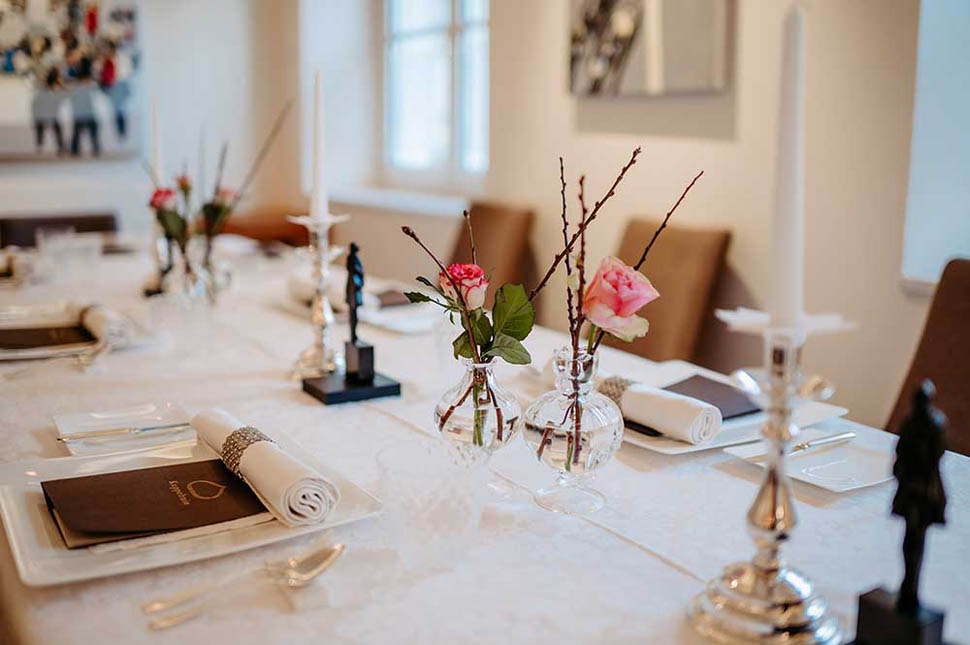
Today, Kuppelrain is a rare example of refined cuisine that remains true to everyday life. The Art Nouveau setting retains a sober elegance, the dining room welcomes guests with a warmth that does not shy away from simplicity, and many of the ingredients come from the restaurant's own garden or from partnerships that have lasted for decades. Here, according to the South Tyrolean family, quality is not a proclamation but a relationship; it does not seek to convey a message, but rather an attitude, a way of preserving affection, continuity, and balance. This philosophy is also recounted in the book Alla tavola del Kuppelrain – La sostenibilità in una cucina stellata (At the Kuppelrain table – Sustainability in a Michelin-starred kitchen): a sort of mission statement that not only describes how they cook, but above all why: a vision that links gestures, time, memory, and responsibility.
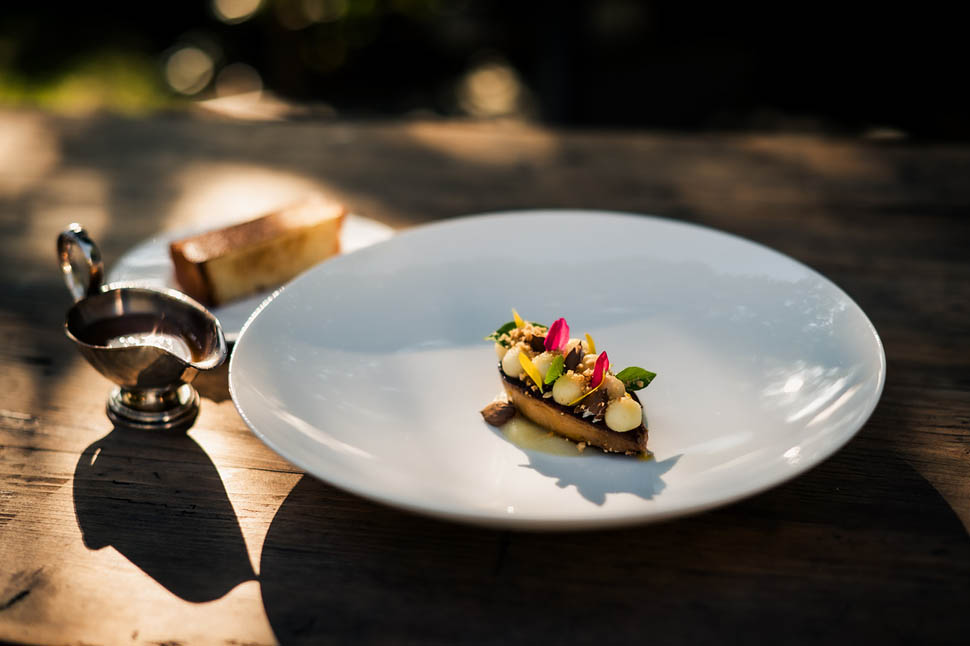
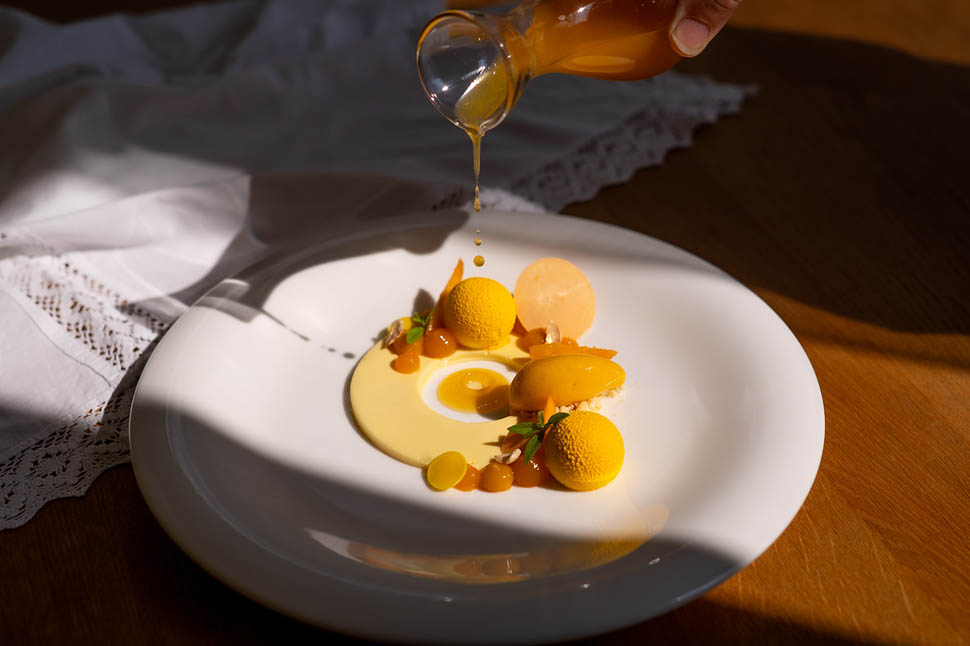
And so Kuppelrain continues, discreet and steadfast, to demonstrate that there is a cuisine capable of uniting roots and horizons, home and world. A cuisine that does not seek to impress, but rather the truth of flavor; that does not wish to amaze, but rather to remain. A star that has never strayed from its path, perhaps because its strength has always been to remain true to what it is.
Contacts
Kuppelrain
Via Stazione, 16, 39020 Castelbello BZ
Phone: 0473 624103