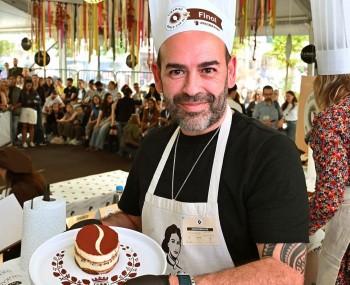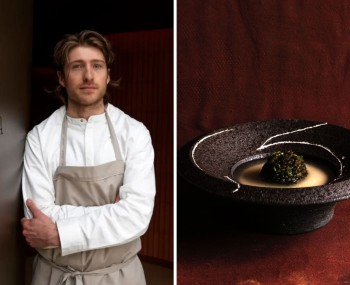
We asked Cannavacciuolo, Alajmo, Romito, and Cerea what the annual challenge of making the most important festive leavened product means to them, how they make it, and in what versions. “An opportunity to share our vision with more people once a year.”
No, you can't just fall for a panettone. The great chefs return punctually to try their hand at making the most classic of festive leavened products, and they do so with the commitment of those who have to bring a product to the table that lives up to a three-star brand. This is also because, for the average customer, buying a panettone from a famous chef instead of one from the supermarket or local bakery represents not only the hope of ending the most important lunch of the year on a high note, while also impressing Uncle Piero (take that!), but also the opportunity to feel, for a few minutes (the time it takes to eat a slice), like they are in a restaurant that not everyone has the chance to visit. A great responsibility, for this panettone and for those who make it.
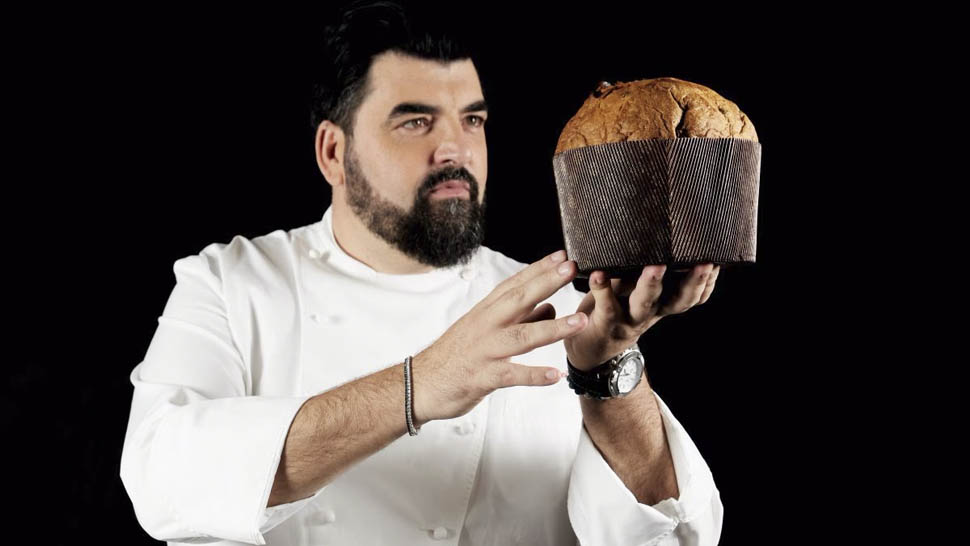
As we all know, panettone is one of the most difficult desserts to make. The long rising time hides many pitfalls, temperatures must be respected to the millimeter, and the gluten network must be strong and elastic. And, of course, the ingredients must all be of the highest quality, like those used by Michelin-starred chefs in their restaurants. Making a mistake would be unforgivable. “The biggest challenge,” explains Antonino Cannavacciuolo, three Michelin stars at Villa Crespi in Orta San Giulio, on Lake Orta, “is to guarantee absolute standards of excellence for an extremely delicate artisanal product such as panettone, especially when volumes increase during the Christmas period. Every panettone must be impeccable and consistent with the brand's identity.”
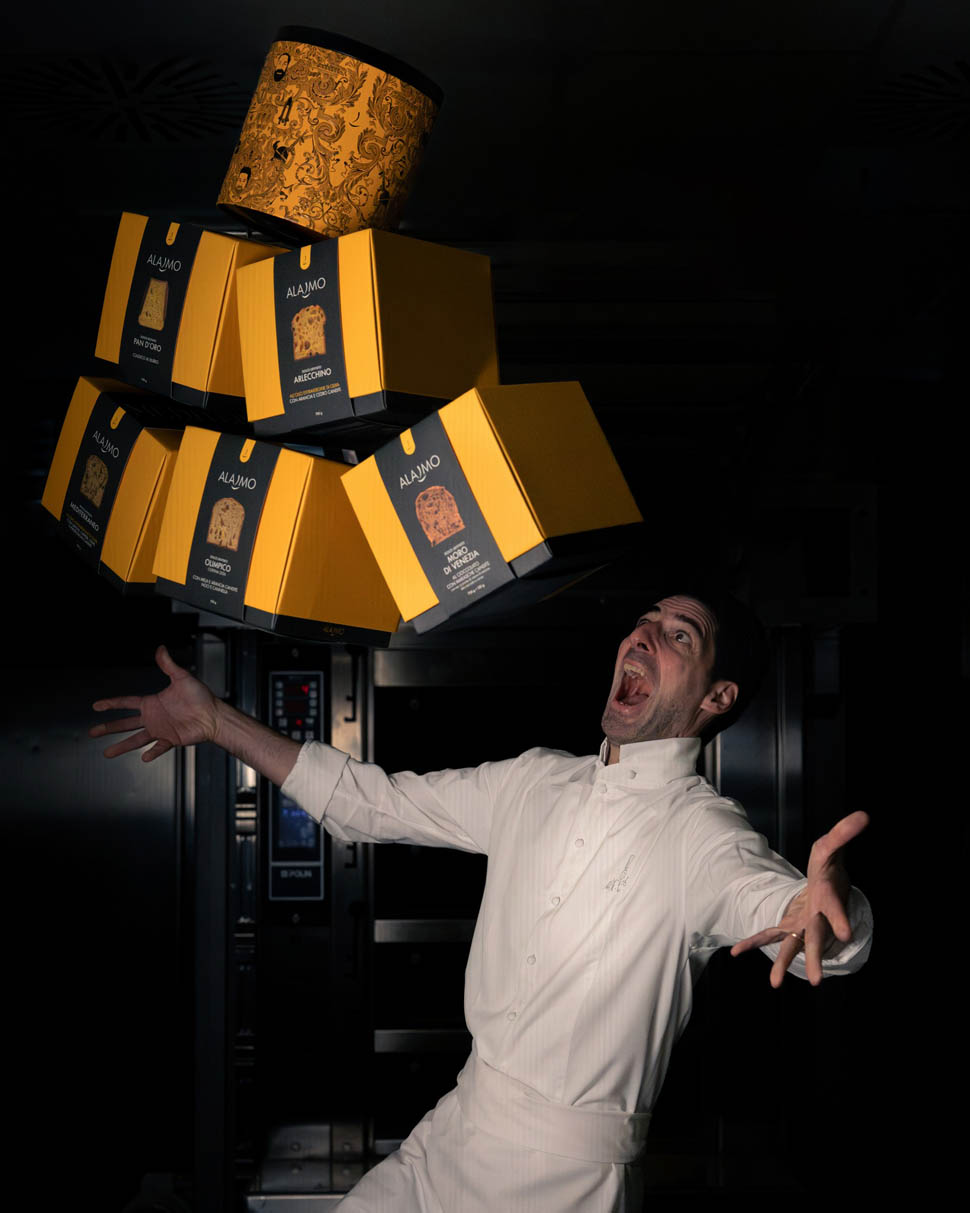
Identity is the decisive factor. Even in a rather traditional and standardized product such as panettone, consumers must find traces of the philosophy of the chef whose name is on the box. “All our products,” explains Massimiliano Alajmo of Le Calandre, the historic three-star restaurant in Rubano in the Padua hinterland, "must be consistent with the concepts we have long applied to our cuisine, namely lightness, digestibility, taste, pleasure, color, enjoyment, and naturalness, in order to convey an experience that in our restaurants starts with coffee and brioche for breakfast. Panettone is a leavened cake that marks an important moment in sharing our vision."
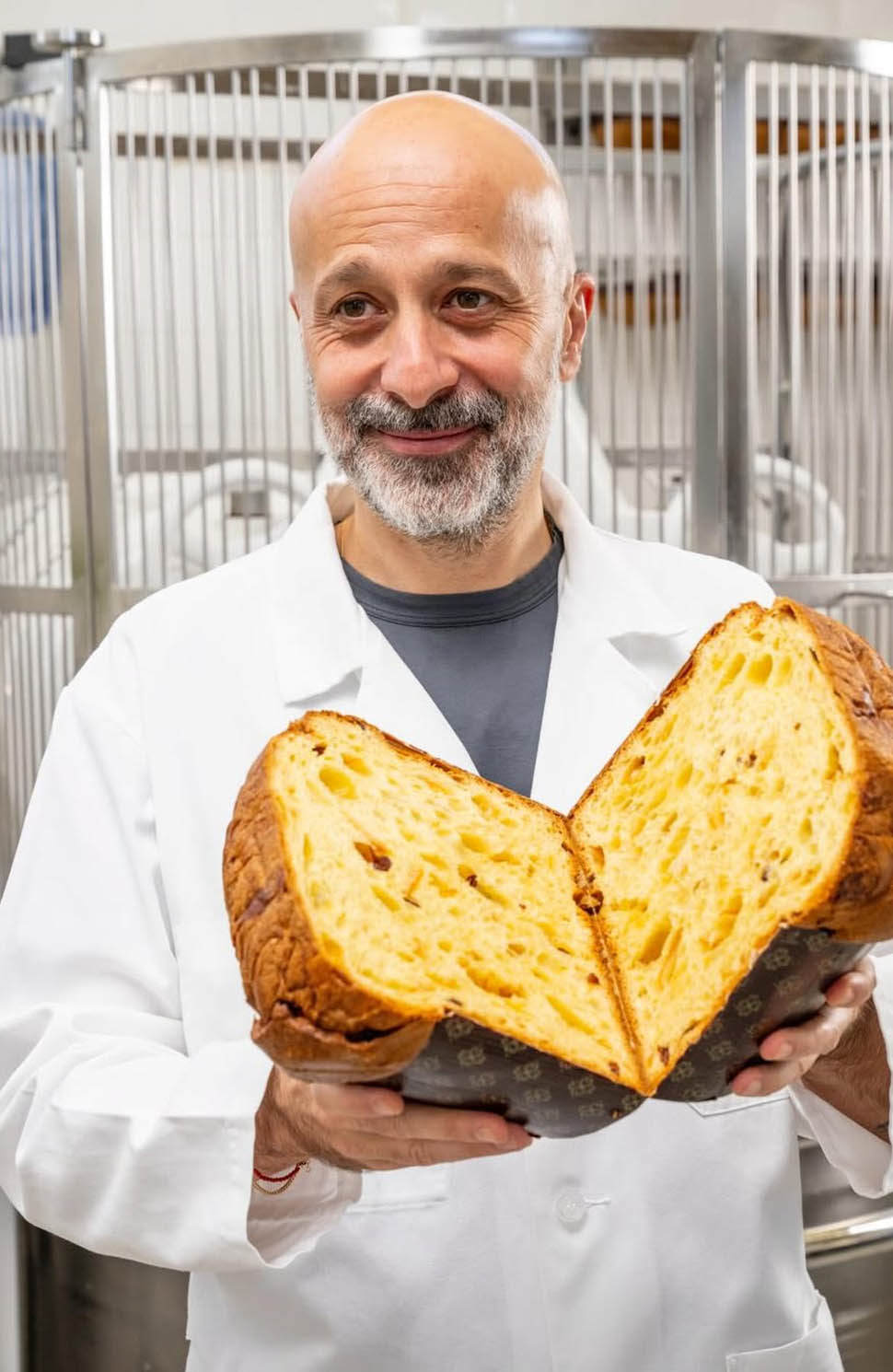
Another three-star chef, Niko Romito of Reale in Castel di Sangro, identifies the goal of producing a panettone as “fully reflecting the identity of the workshop: clean taste, lightness, technical precision, and total sensory recognizability.” This is also because "panettone is a living product, extremely sensitive to micro-variations in temperature, humidity, acidity, and dough strength. To keep it consistent with our philosophy, with an essential but profound taste, an airy structure, and high digestibility, rigorous control of every stage is required, from the sourdough starter to baking. The goal is not to replicate a traditional panettone, but to create a panettone that speaks the language of the bakery."
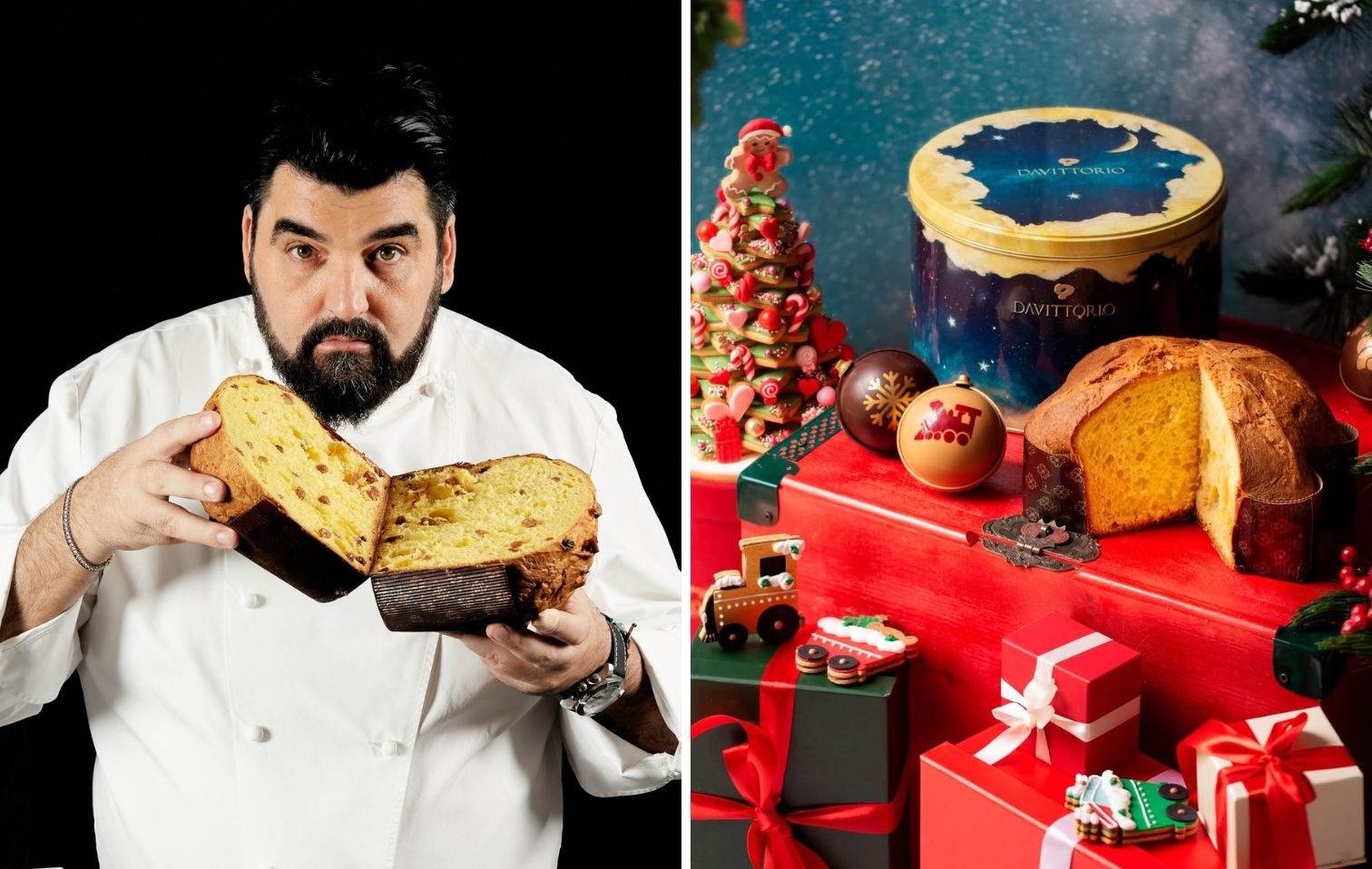
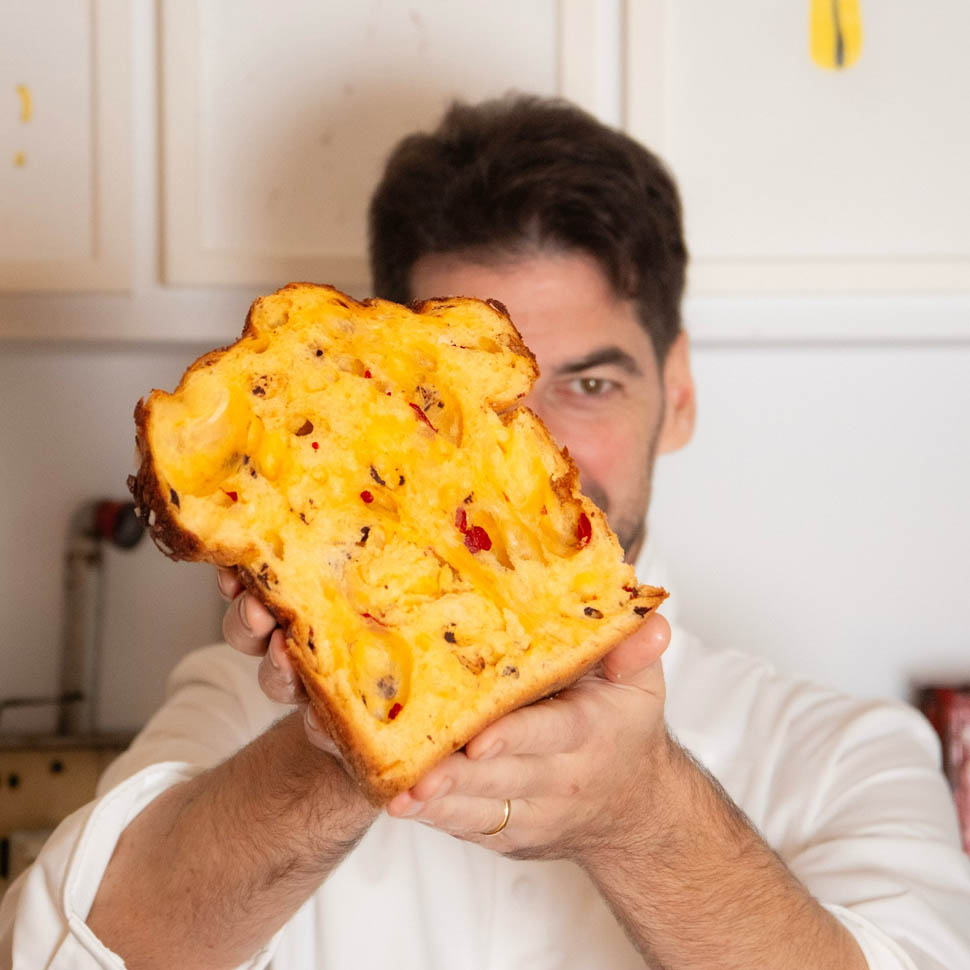
As for Chicco Cerea, one of the chefs at Da Vittorio in Brusaporto, which has three Michelin stars, and who runs a leading group of high-end restaurants in Italy with his brothers, he explains that “the biggest challenge is maintaining consistency in production, because the panettone production process is divided into many stages and involves several operators. It is produced entirely in-house; no stage is outsourced.”
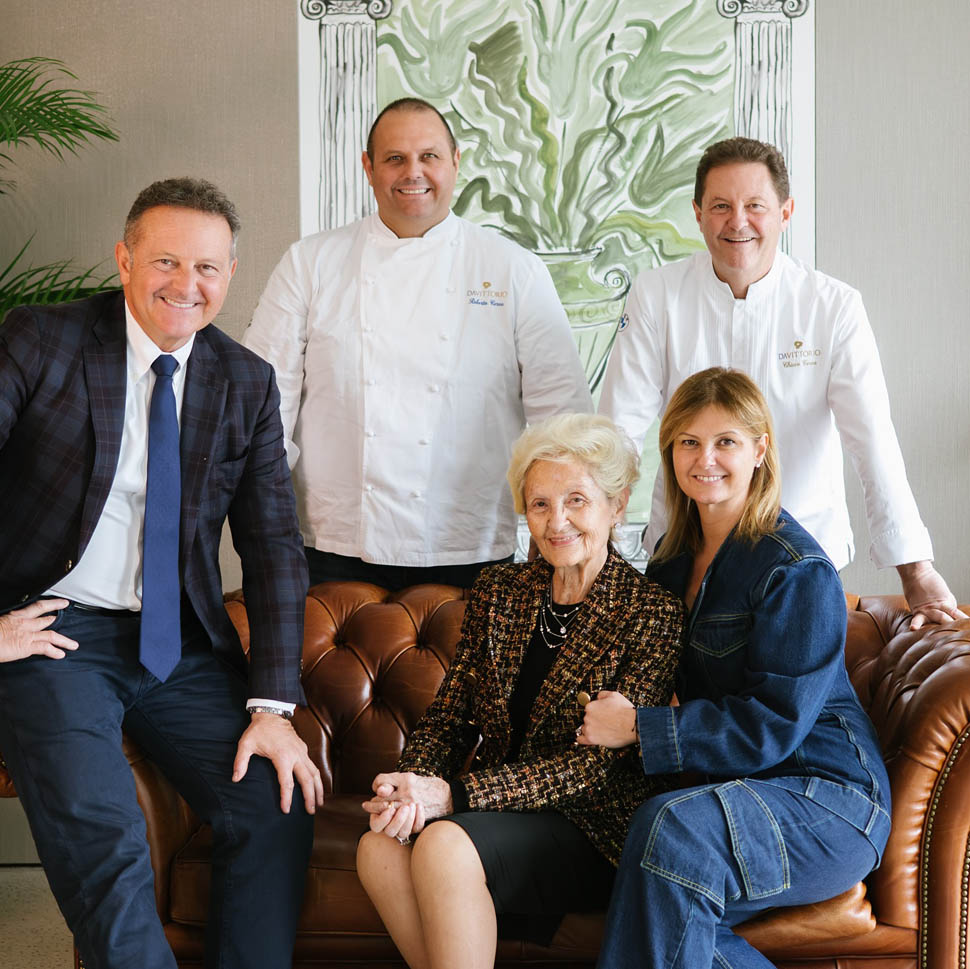
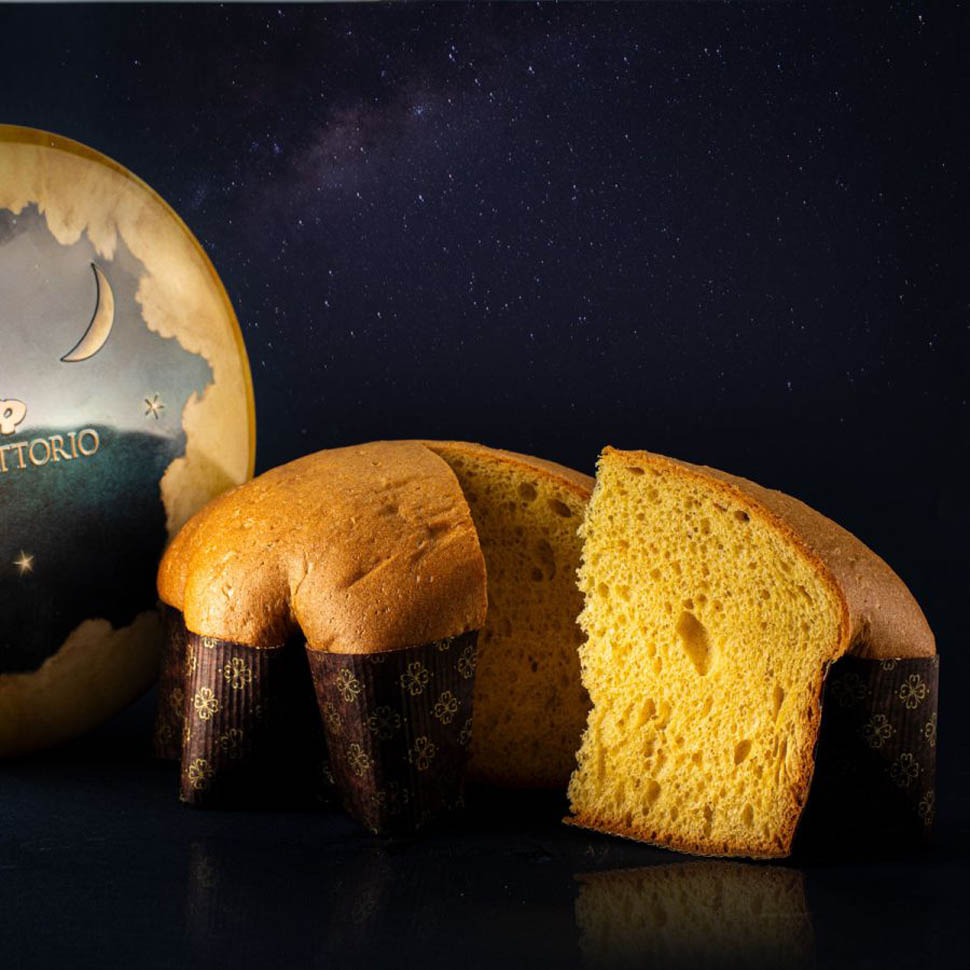
The point emphasized by Cerea is crucial. Producing in your own laboratory means keeping the entire production chain under control. At certain levels, delegating can be risky. We have already mentioned Da Vittorio, while Cannavacciuolo produces his leavened products in the Cannavacciuolo Lab in Suno (Novara), a 1,500-square-meter facility staffed by a team of 15 people—which grows to 20 during the Christmas season—led by pastry chef Kabir Godi, an APEI member and the chef's right-hand man, who also worked at Villa Crespi.
Alajmo, on the other hand, makes his leavened products in the in-house pastry laboratory MammaRita Lab, named after Rita Chimetto, mother of Massimiliano and Raffaele, who helped revolutionize pastry making with her completely natural approach. Romito also does everything himself, producing entirely in the Niko Romito Laboratory in Castel di Sangro, where sourdough, dough, leavening, and baking are managed. “For some raw materials,” explains the chef from Abruzzo, “such as flour, butter, and eggs, we work with highly selected suppliers. But the transformation, the recipe, and quality control are completely managed in-house because they are the decisive factors in determining structure, moisture, and aromatic profile.”
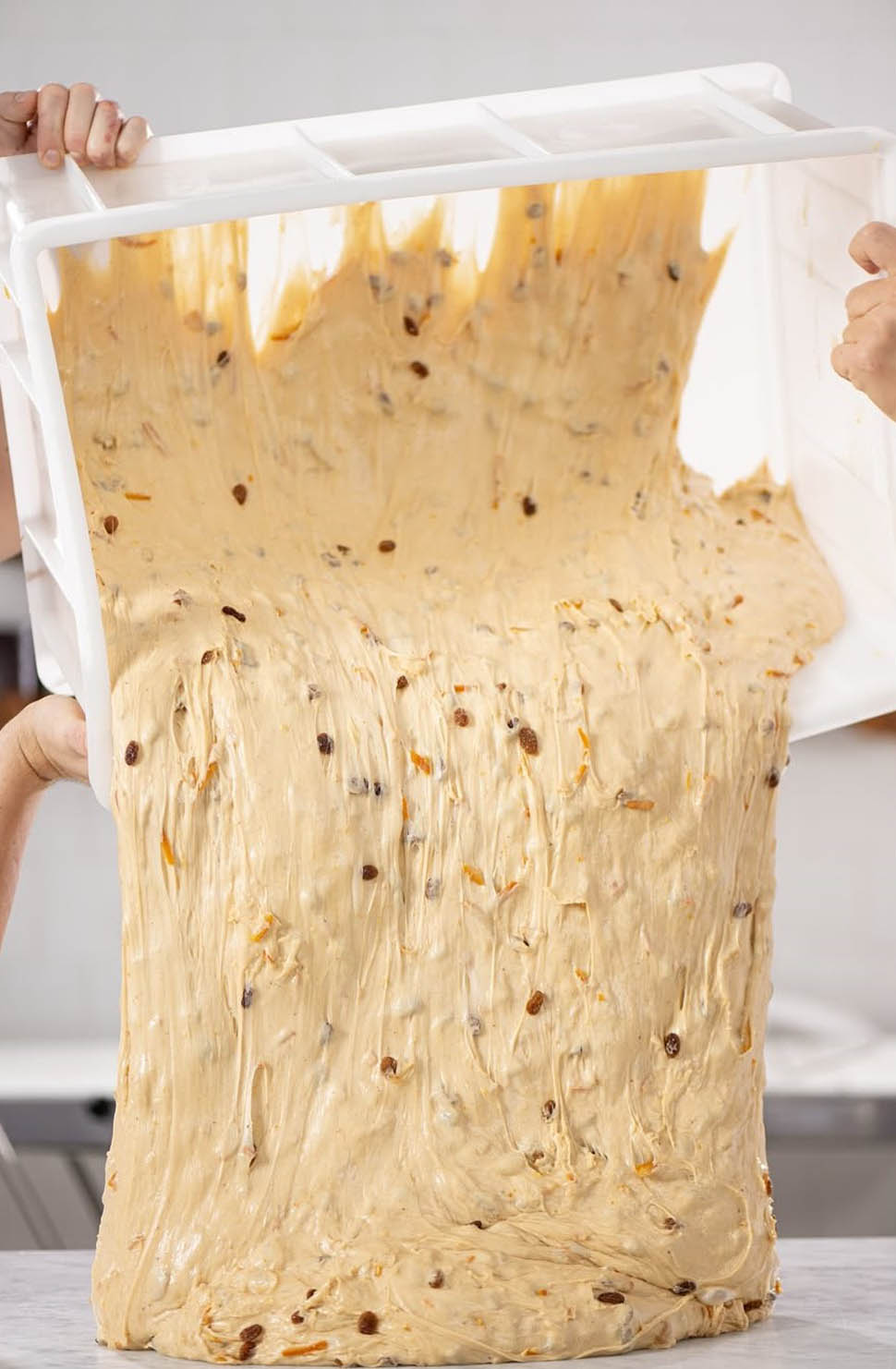
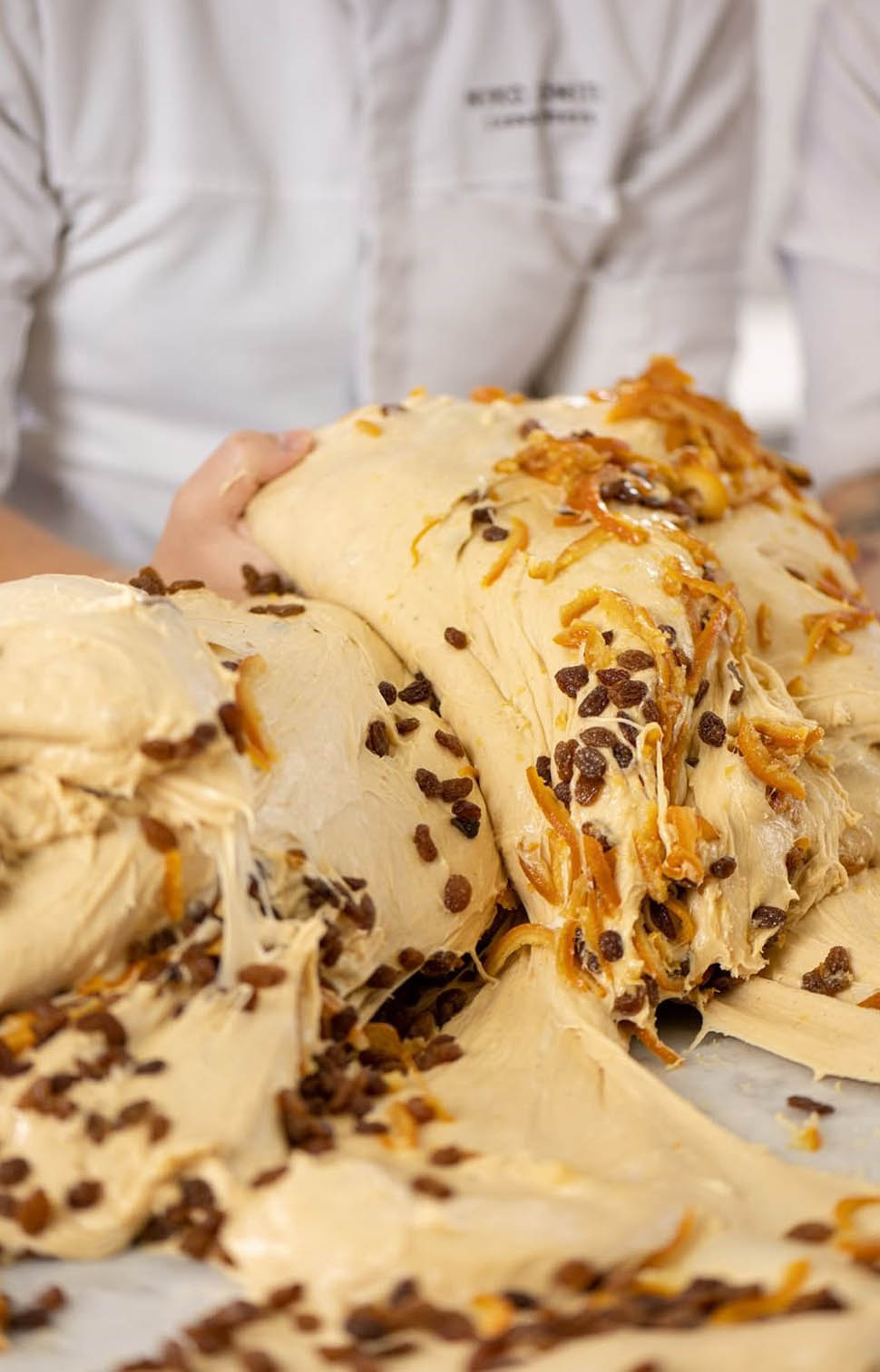
The production of panettone is a long process involving many steps. “Our method,” explains Cannavacciuolo, “follows the tradition of the great Italian leavened cake, with a totally artisanal process that requires three days of work.” We can basically identify nine steps: "The first is the care of the sourdough starter, refreshed daily to ensure its strength and stability. Then there is the first dough, made with selected flour, butter, water, and natural yeast; followed by a long rising period at a controlled temperature. Then there is the second dough with sugars, egg yolks, and the characteristic additions (candied fruit, spices, chocolate...). Then comes the manual shaping and placing in molds, the final rising, slow and without accelerators, baking with a core temperature check of 95°C, cooling upside down overnight, and finally packaging, which takes place after natural settling." All stages are carried out by hand, without preservatives, but there are also cutting-edge technologies that are “frequently updated” and “support the processes without ever replacing the manual intervention of the team of pastry chefs, who remain central to every stage of the process.”
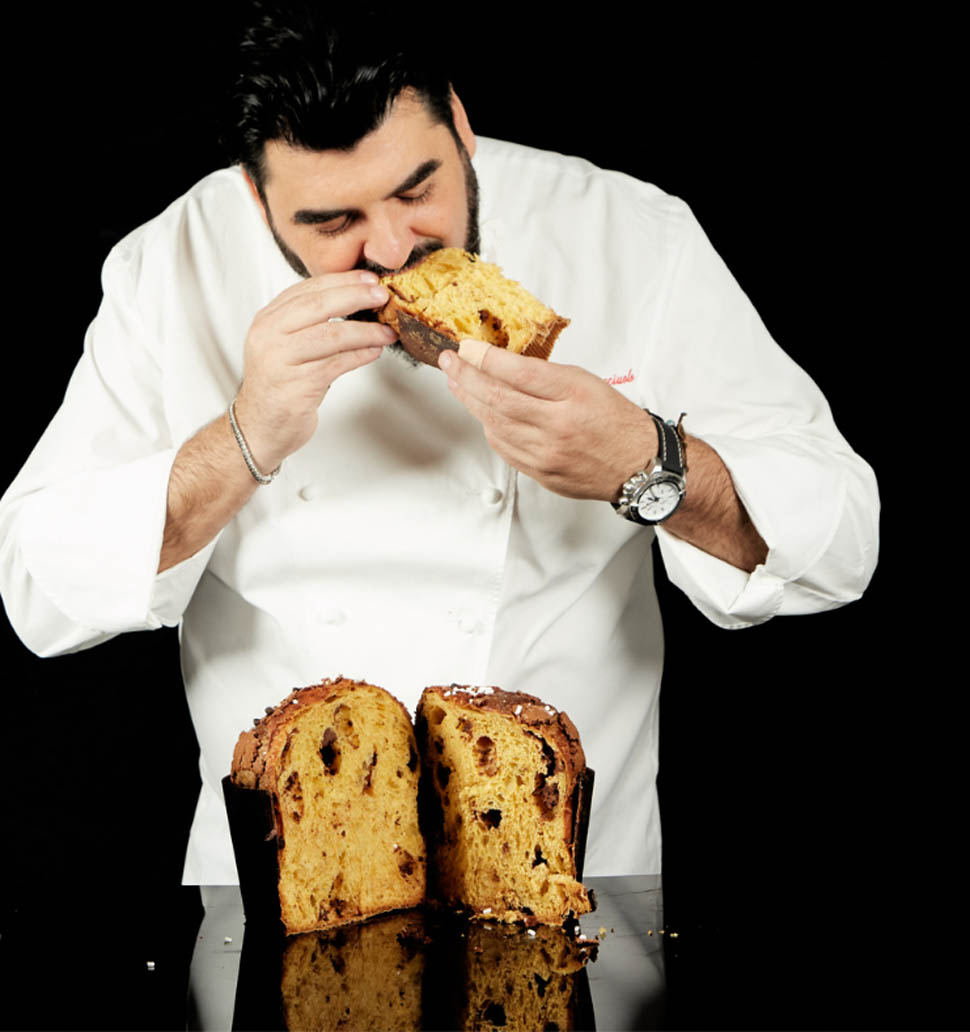
Romito follows a similar method: "In short, we take care of the sourdough starter, refreshing it several times until it reaches optimal strength and acidity. Then we proceed with the first dough with yeast, flour, water, sugar, and egg yolks, and let it rise overnight. The next day, we make the second dough, adding butter, orange paste, vanilla, honey, salt and – in the case of classic panettone – candied fruit, while we add large chocolate chips to the more indulgent version. We then proceed to the pirlatura and manual shaping to give tension to the dough, let it rise in the mold until it reaches the desired height, bake it while checking the core temperature, cool it in suspension for 10-12 hours, and finally package it after a settling period that allows the aromatic development to stabilize." A process, adds Romito, “guided by very strict standards on temperature, humidity, pH, and dough consistency” but which “also requires a human eye and artisan sensitivity, which are essential for reading the signs of the leavened dough and achieving a flawless result.”
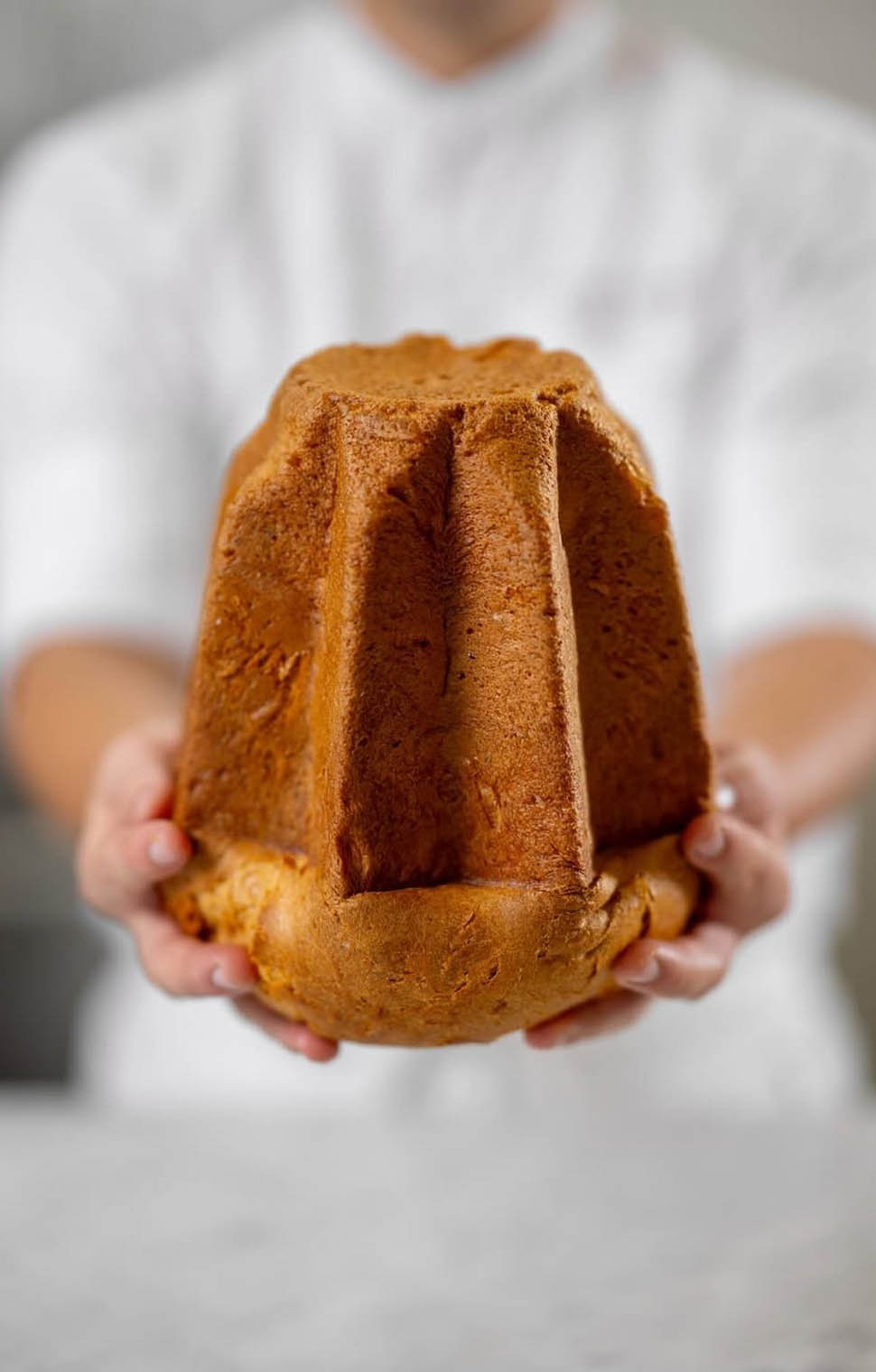
Of course, all entirely artisanal leavened products have a very short shelf life. “Our leavened products, which contain no preservatives, colorings, or hydrogenated fats, have a shelf life of three months,” says Alajmo, while the Da Vittorio website recommends consuming them within 70 days. For this reason, production begins about two and a half months before Christmas and accelerates in the weeks leading up to the holidays, when the bakery works at a frenetic pace to ensure that the freshest possible products reach the tables of gourmets.
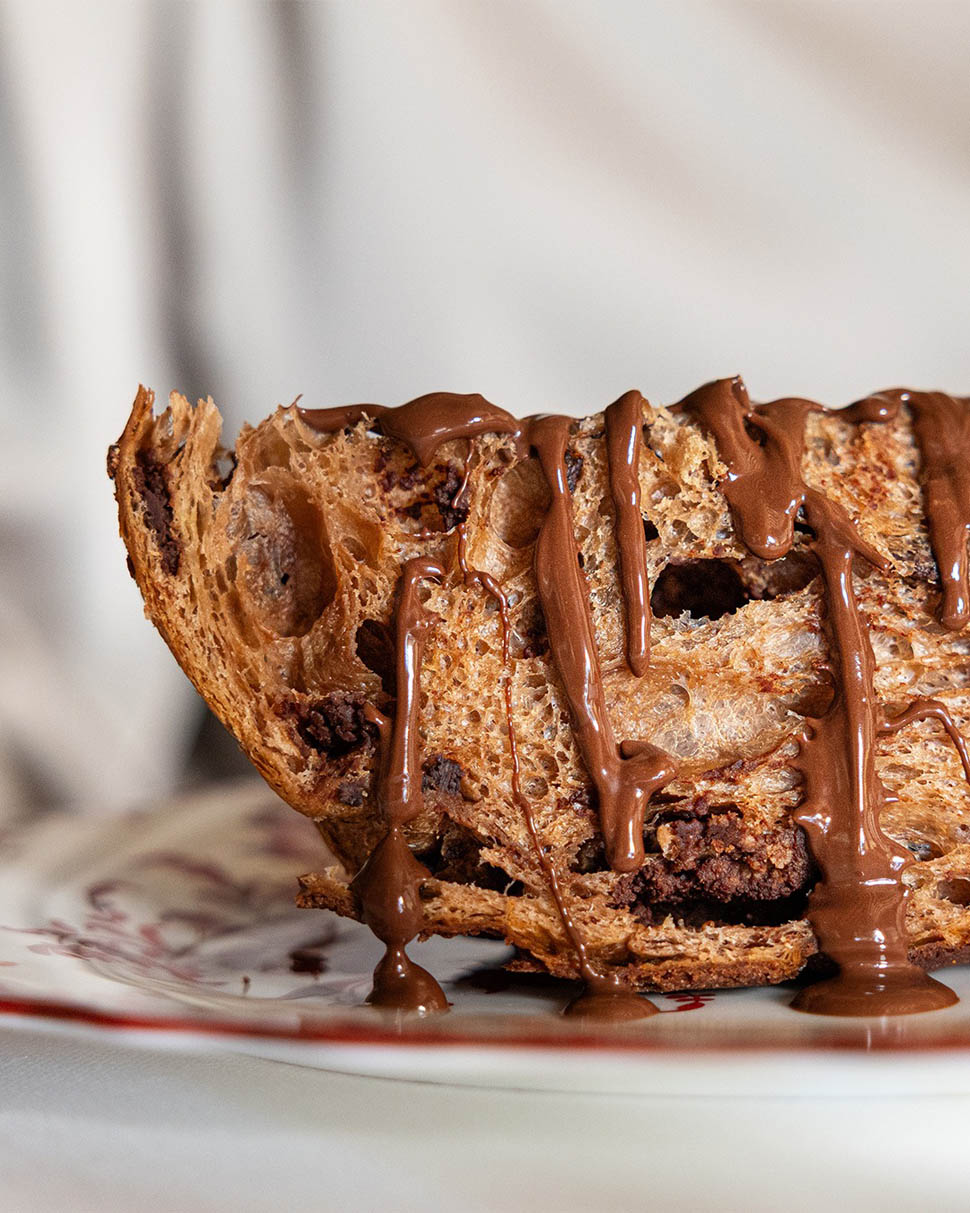
And while the classic Milanese panettone is the cornerstone of production, even three-star chefs indulge in all kinds of “twists,” usually with at least one new creation per year. “We also make bold choices,” says Alajmo, “with applications more closely linked to the world of savory cuisine. For example, we use candied fruits and vegetables and typical Mediterranean ingredients, such as extra virgin olive oil.” The Calandre panettone for Christmas 2025 are il Ducale with gianduia and dark chocolate with a chocolate and white truffle cream contained in a piping bag, il Moro di Venezia with butter, marasca cherries, chocolate chips, and an Eccezione hazelnut and cocoa cream, the Olimpico dedicated to Cortina 2026 with typical mountain flavors (apple and candied oranges, walnuts, and cinnamon), the Mediterraneo with extra virgin olive oil, lemons, capers, olives, and candied peppers, and finally the Arlecchino, the most classic but lightened by the use of extra virgin olive oil instead of butter.
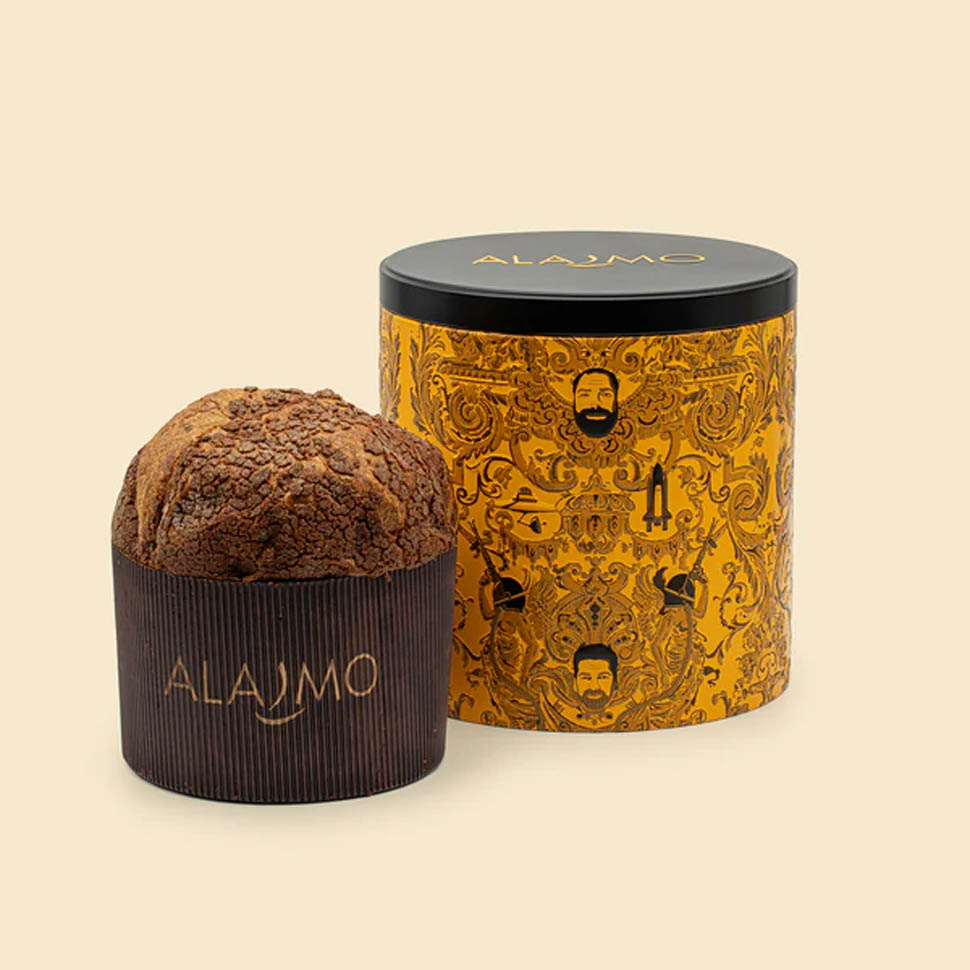
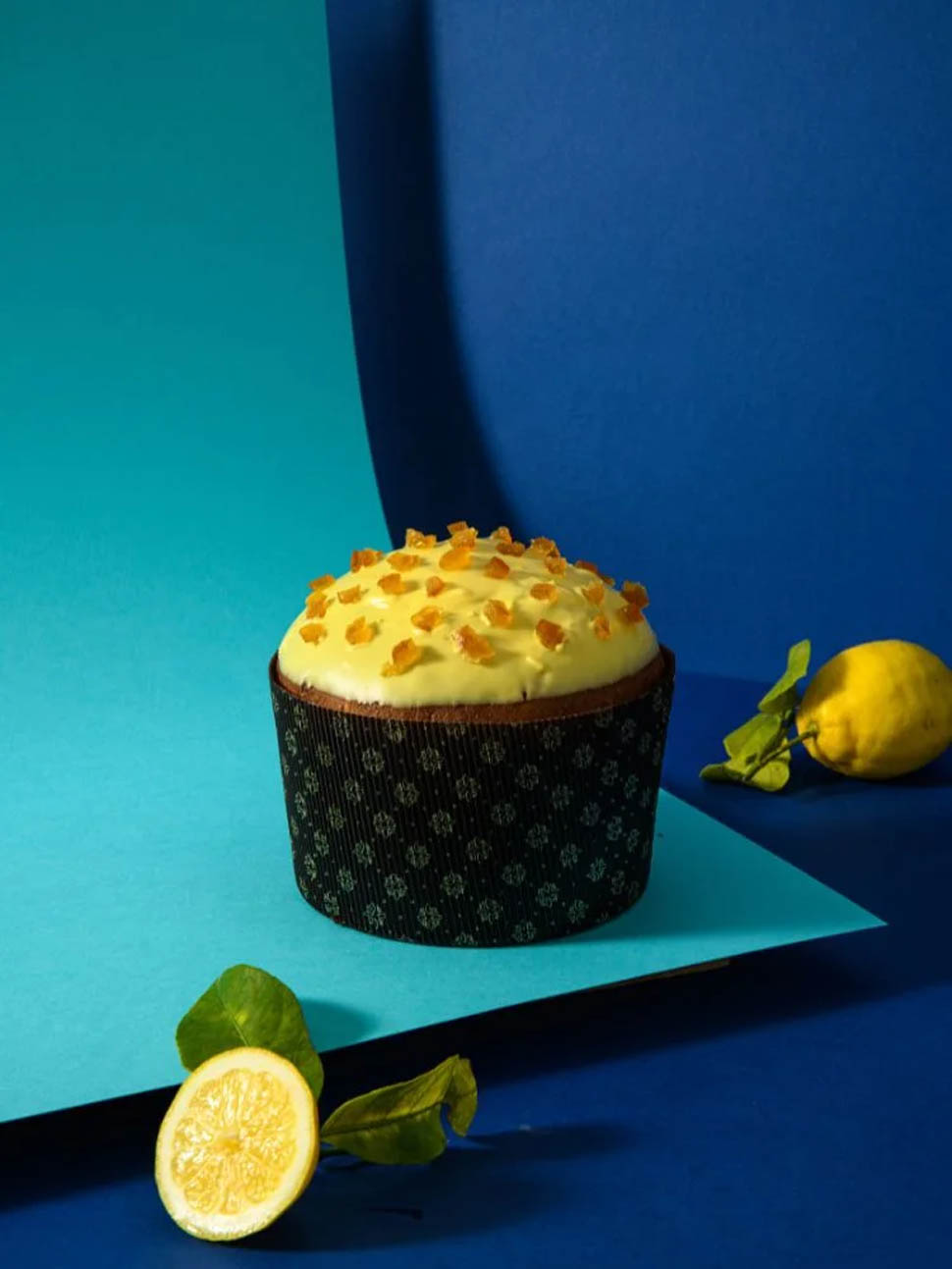
The Cannavacciuolo Lab also offers a remarkable variety, with classics (in addition to Milanese, almond, gianduia, limoncello, and Annurca apple from Campania IGP), contemporary interpretations (pear, cinnamon, and ginger; whole wheat with chocolate and red berries; and Vesuvio Red Velvet with red dough, white chocolate chips, and cranberries) and new additions: vegan mango and ginger Christmas star and Vesuvio alla pizzaiola, an unusual savory zingarata. Starting this year, there is also a 500-gram version of the classic, the one without candied fruit and raisins, and the gianduia version.
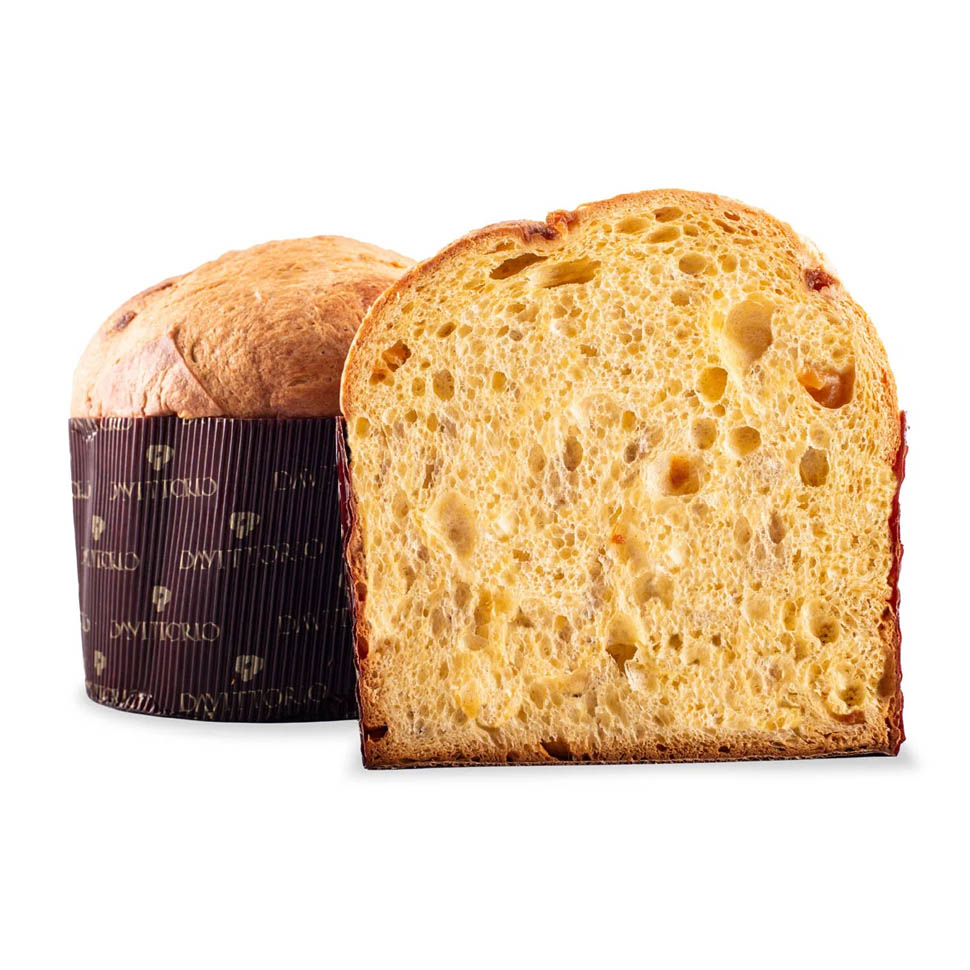
Cerea's production is more concise: the Classico milanese in one, two, or three-kilogram versions, the Classico mandorlato (probably the brand's bestseller), the Cioccolato e gianduia with crunchy cocoa glaze with almonds and hazelnuts, and the Stellato with vanilla and without candied fruit, which combines the tradition of panettone with that of pandoro (enough controversy. Or not?) and the most prized, with apricots and Picolit DOC Friulano.
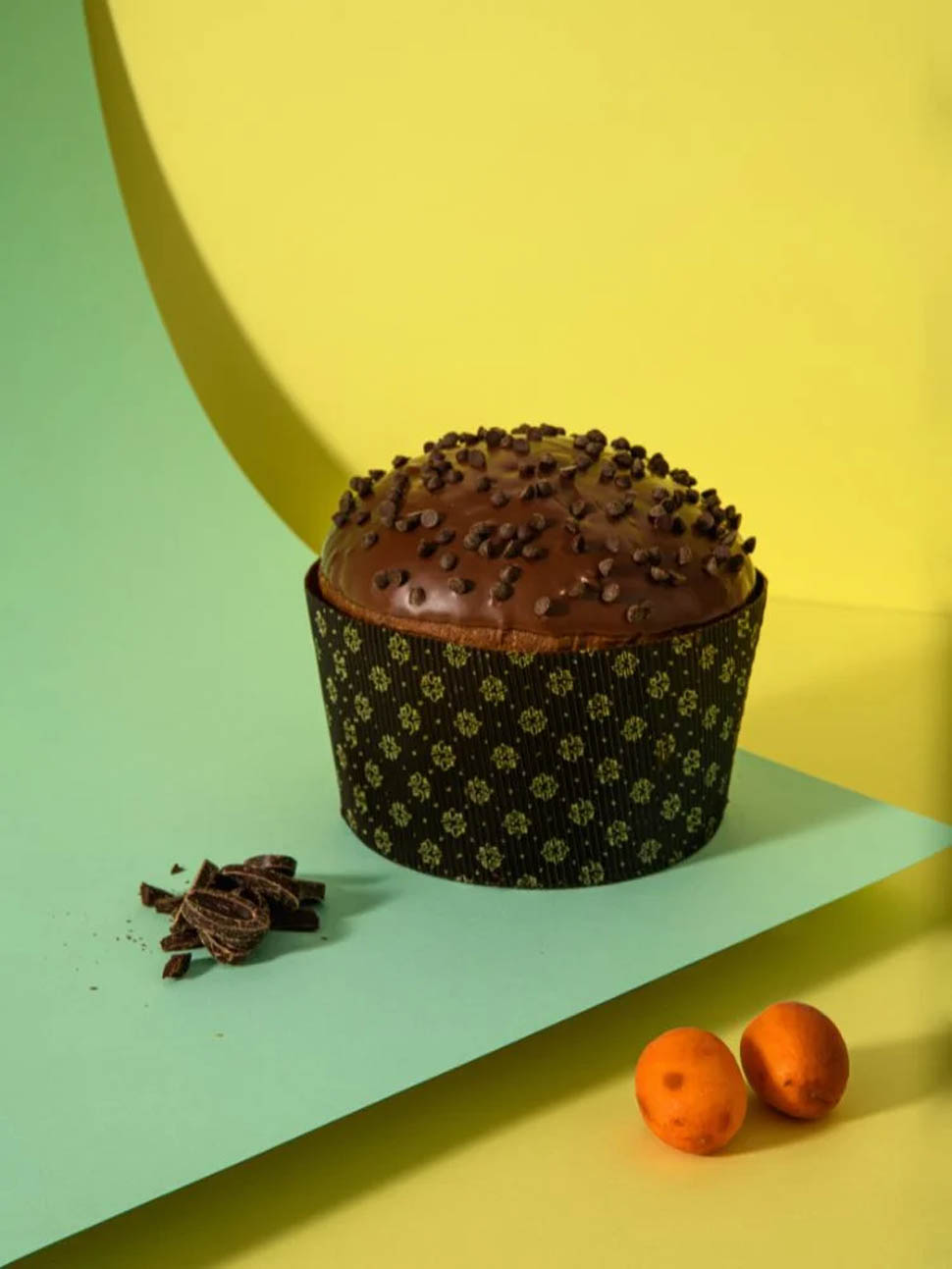
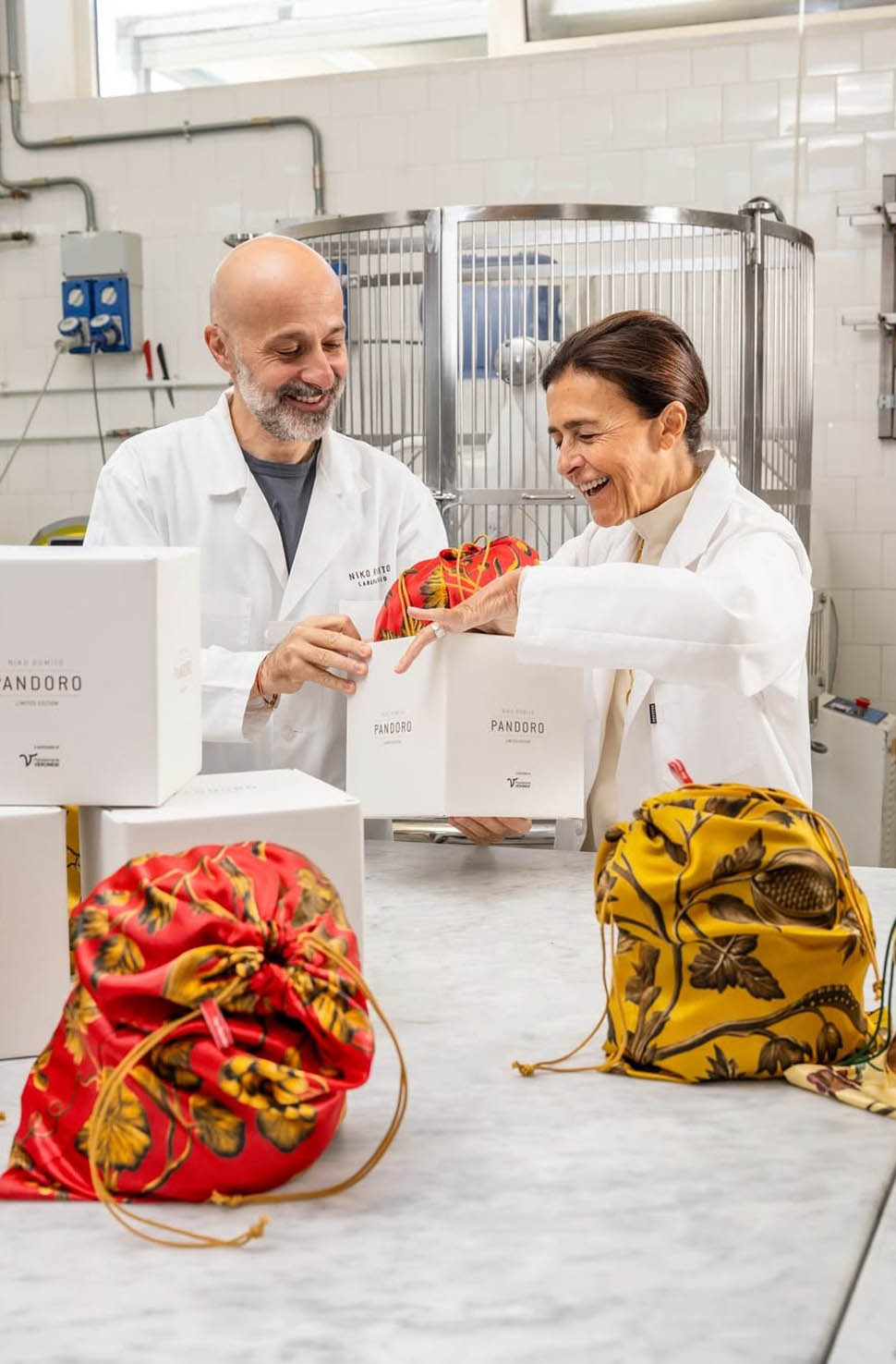
As for Romito, his recipe is simple, “like everything we do: Classic Panettone with raisins and candied orange and Chocolate Panettone with orange and chocolate chips; more indulgent but still faithful to the idea of a clean, balanced flavor.” Finally, the numbers. Cannavacciuolo produces about 35,000 (an average of 750 per day), while Da Vittorio churns out 70,000. Romito's numbers are smaller: "The number varies each year based on demand and the production capacity of the laboratory, but production remains deliberately limited in order to ensure total control over each individual batch and preserve the brand's quality standards. Our approach is not industrial: the priority is consistency of results, not volume." Alajmo, on the other hand, does not provide us with figures.
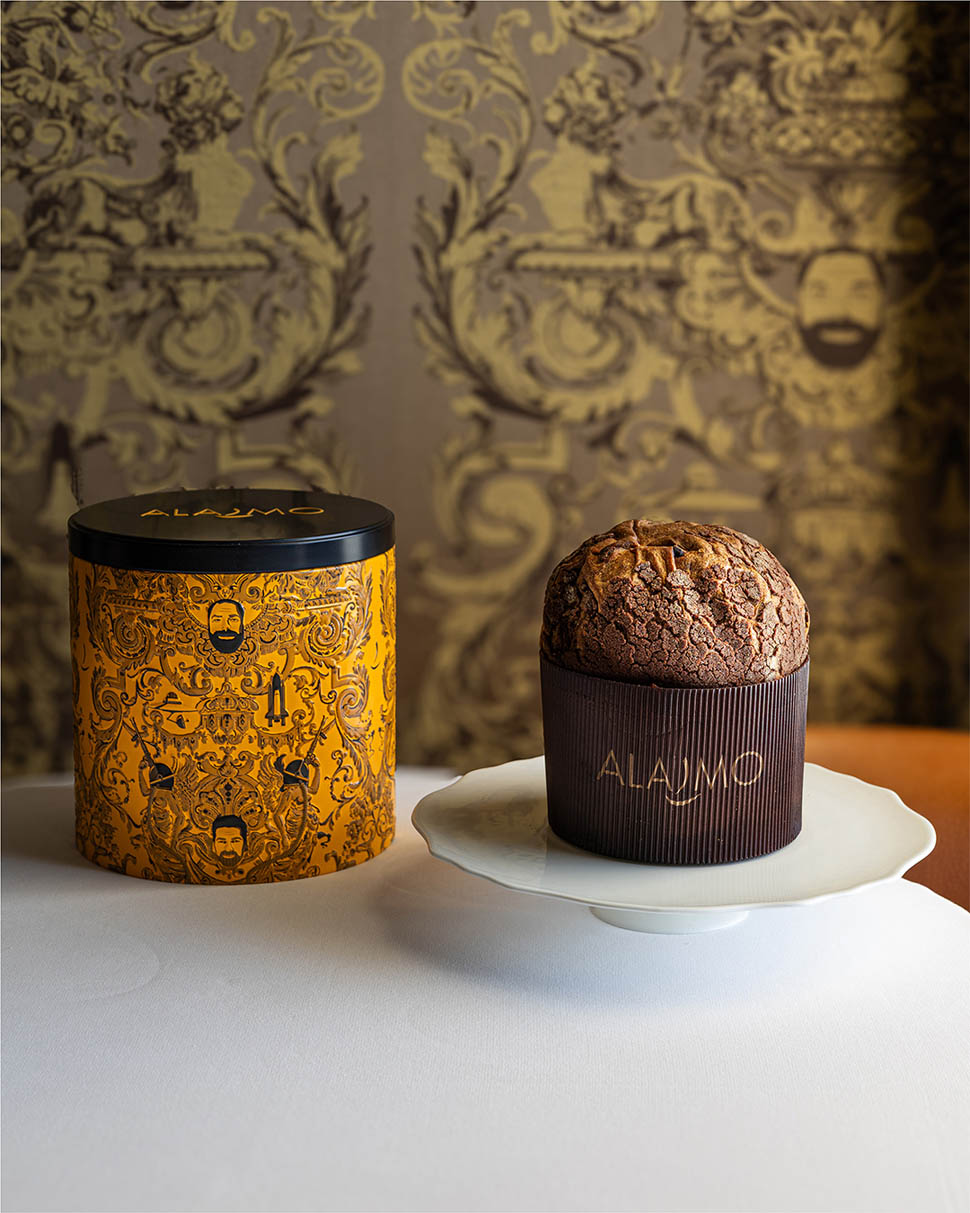
And speaking of figures, let's finish by talking about prices. We'll say straight away that they are not cheap, but they are in line with the excellence of the sector. Da Vittorio sells its panettone for €55 for the one-kilogram version (for Milanese, the two-kilogram version costs €110 and the three-kilogram version €170), while the apricot and Collio Picolit version costs €65. Alajmo prices his simplest panettone at €45 (but they are 750 grams) and those with cream at €48 (but the Ducale comes in a tin that echoes the fabric of the historic Tessitura Bevilacqua in Venice, reinterpreted by Philippe Starck for Caffè Quadri). Cannavacciuolo's classic panettone costs €43 for the one-kilo version and €28 for the ‘half portion’, but the other versions vary from €47 to €58, while Romito has only one price: €55. All panettone cakes can also be purchased online, but the closer Christmas gets, the more delivery times could be at risk. For a star-studded Christmas, at least in conclusion, it's best not to wait too long. Santa Claus has an expiration date.