The most distinctive rule of the restaurant is also the most radical: the strict request to avoid perfumes and strong scented lotions (along with the request to silence phones).
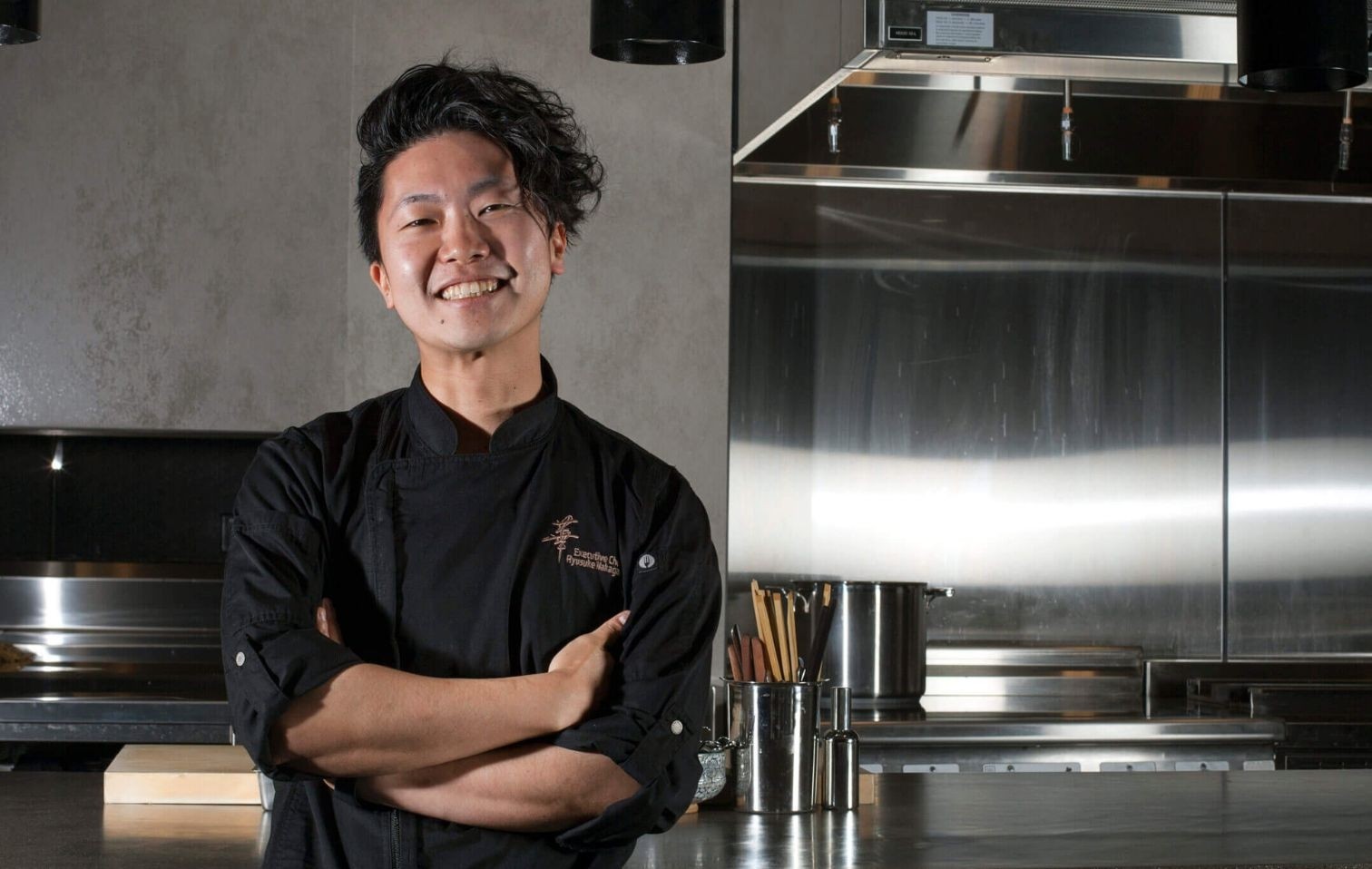
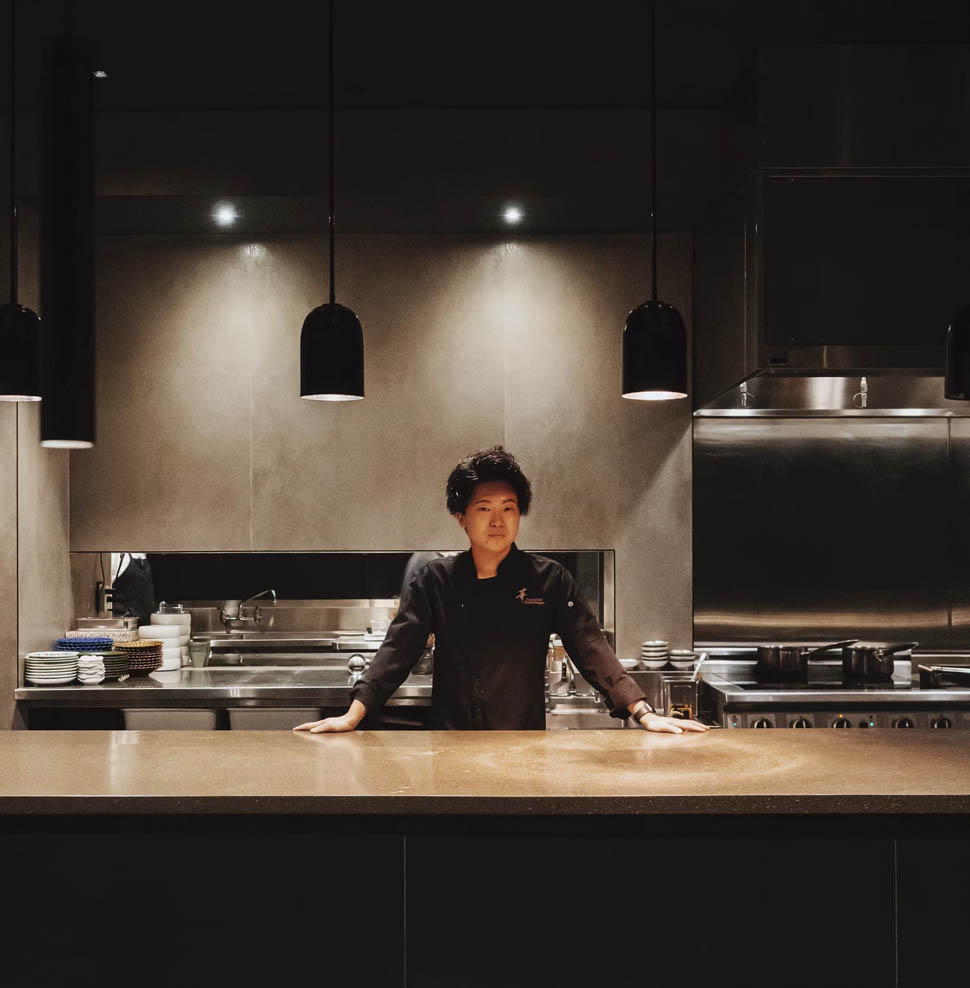
Winner of the 2025 MICHELIN Guide Toronto Service Award, Aburi Hana is not just a restaurant: it is an ode to Japanese hospitality, where every detail is crafted into an all-encompassing experience. Chef Ryusuke Nakagawa has elevated kaiseki service to a true immersive art form, combining ritual, rhythm, and the unexpected rule of olfactory silence.
The mathematics of service and the timing of tasting
The kaiseki meal, according to the MICHELIN Guide, unfolds like a carefully orchestrated narrative. It is not simply a succession of courses, but a narrative rhythm that reflects the seasons and facets of Japanese culture.
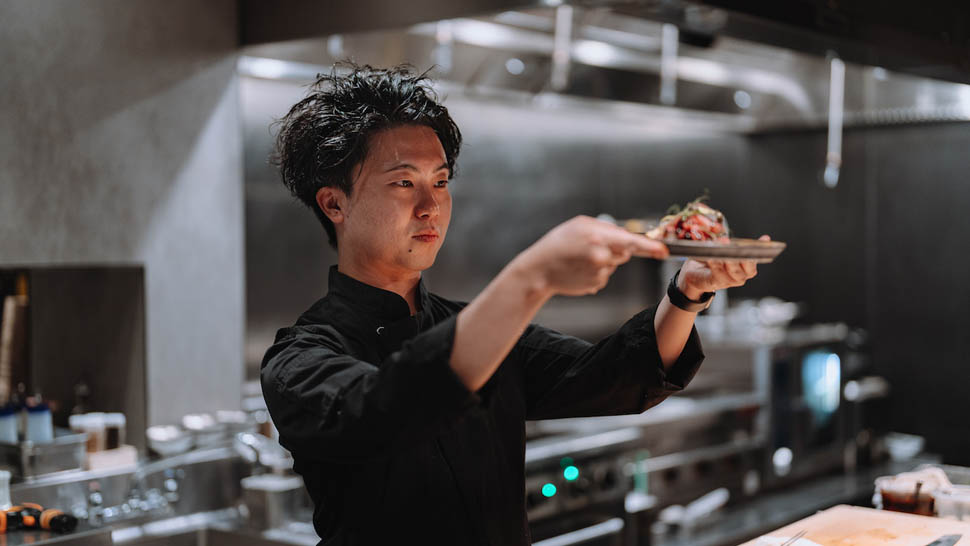
The sequence is a geometry of taste: it begins with a bowl of soup, because dashi is “the basis of everything, and I want guests to savor this essence first,” explains Nakagawa. The journey continues, skillfully alternating between hot and cold dishes, lightness and substance, before culminating in a dessert that sweetly closes the culinary act. The entire choreography, supported by a team meticulously trained in the “spirit of Japanese hospitality,” conveys not only the flavor but also the cultural context of each preparation.
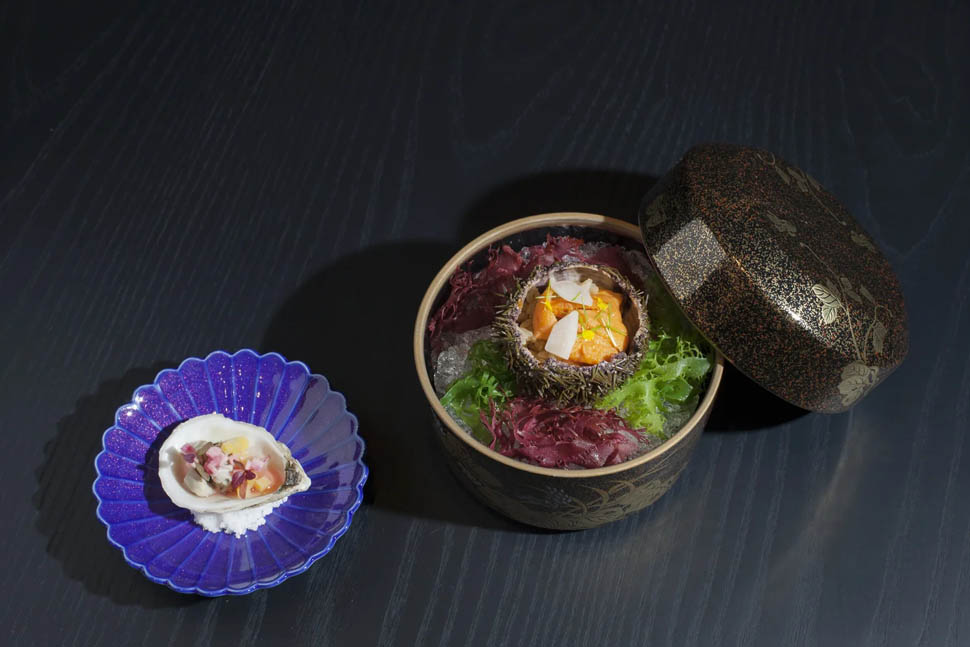
Porcelain canvas: history in your hands
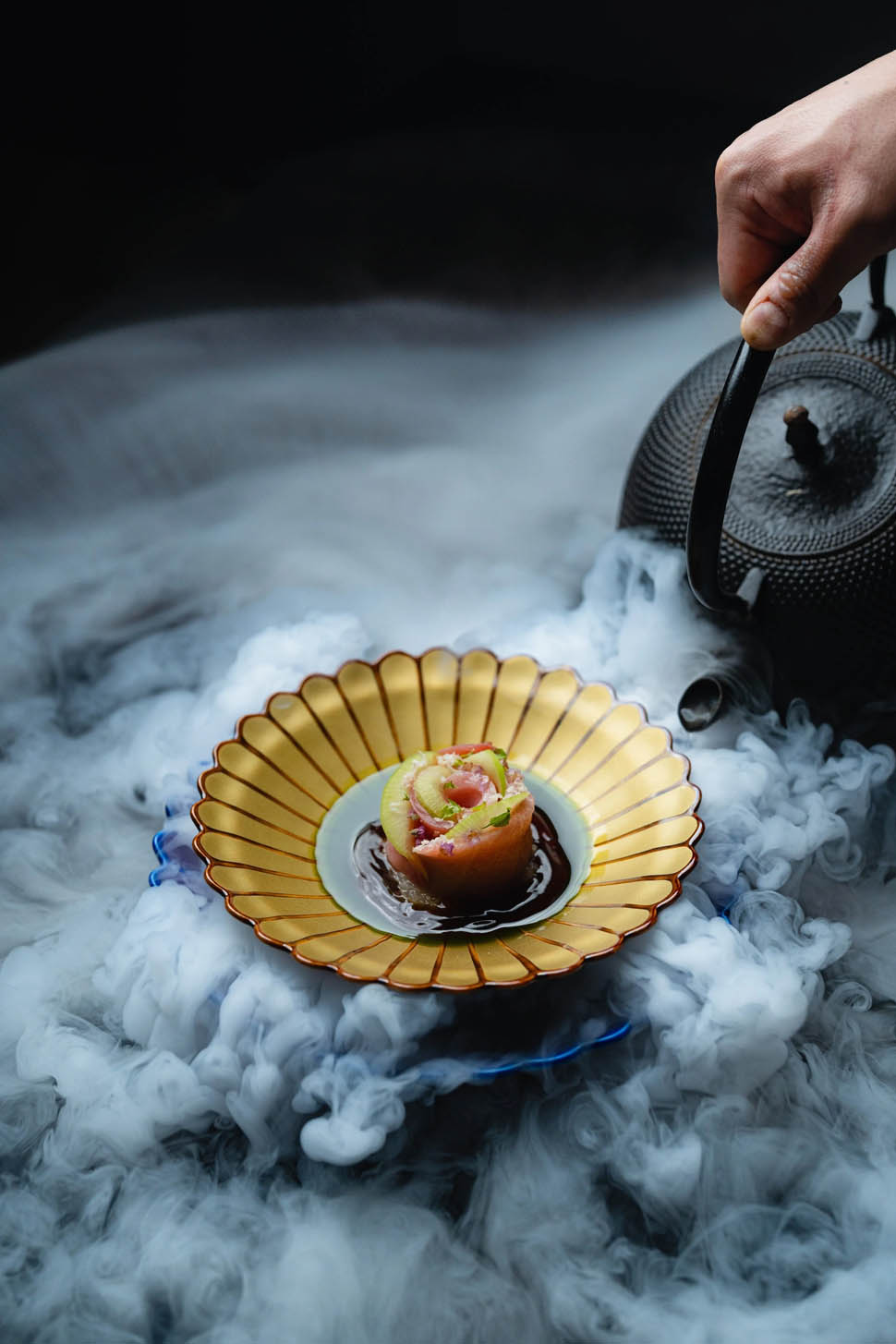
At the heart of the visual and tactile experience are ceramics personally selected by Nakagawa. These plates, which hold Michelin-starred cuisine, are not mere containers: they are works of art steeped in history, originating from Arita, the cradle of Japanese porcelain. With their ancient motifs and vibrant pigments, they serve as a bridge between centuries-old aesthetics and contemporary palates. “Pairing food with these traditional patterns allows guests to experience something uniquely Japanese,” says Nakagawa, transforming each bite into a layered experience that blends taste, culture, and history in your hands.
Olfactory silence: protecting the essence
The restaurant's most distinctive rule is also its most radical: a strict request to avoid perfumes and strong scented lotions (along with a request to silence phones). This choice is not a whim, but a way of preserving flavor. Nakagawa explains that the aroma of the ingredients—the freshness of shiso, the citrus of yuzu—is as essential as the flavor itself. Strong external scents would risk “overpowering these delicate notes,” compromising the integrity of the kaiseki for all diners. It is the ultimate, subtle demonstration of an approach in which every detail is sacrificed on the altar of the gastronomic experience.
Aburi Hana offers its guests an experience that transcends dining: it is a “cultural capsule” in Toronto, where hospitality translates into deep immersion and every element, from the food to the ambient scent, is a tribute to Japan.