How much is a basket of bread really worth? Above all, is it worth more as a symbol of courtesy or as an expense item?
The news
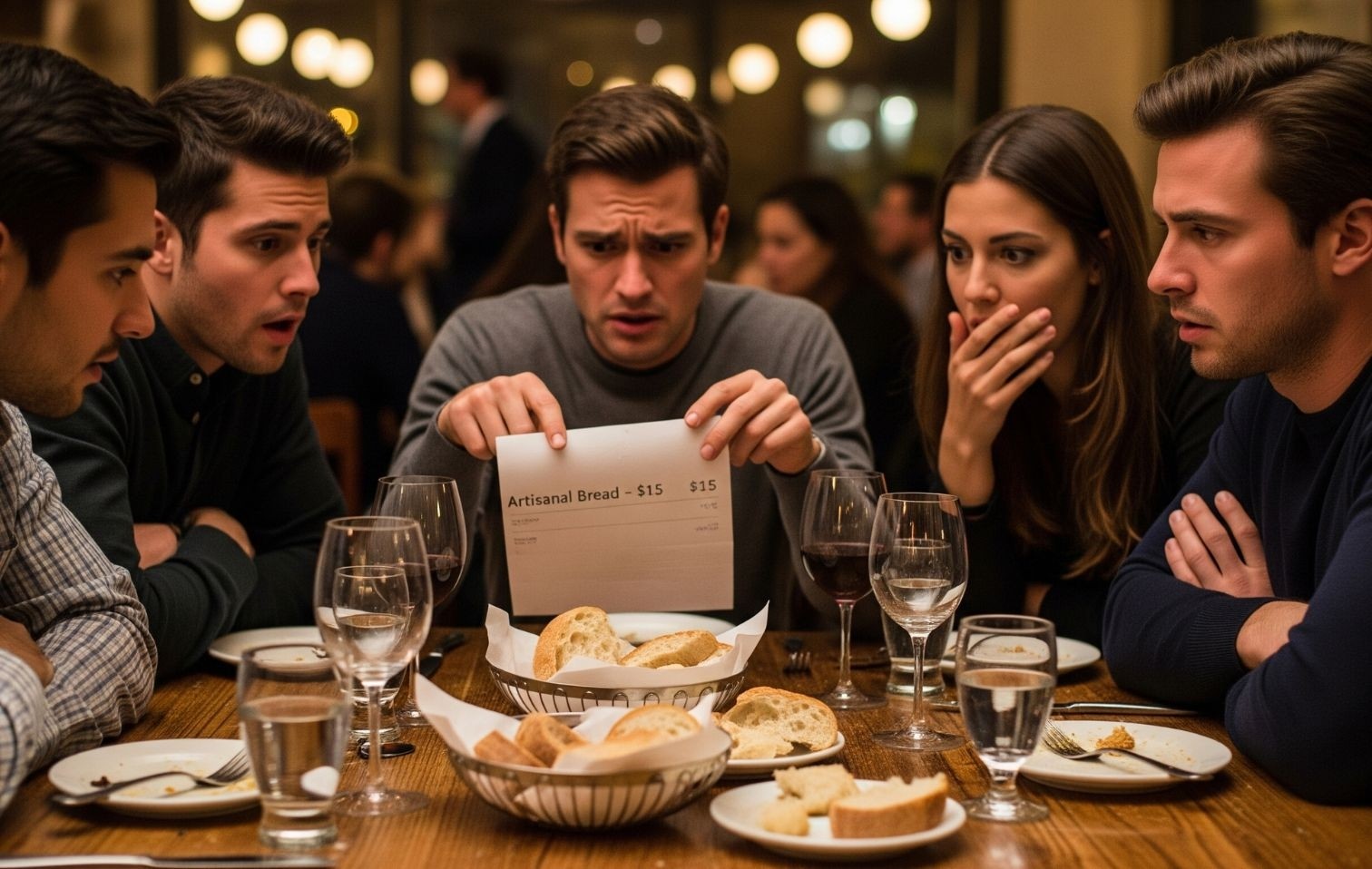
It seemed like an innocent gesture: a basket of bread placed on the table before even deciding what to order. An invitation to conviviality, a widespread habit, almost a conditioned reflex of Mediterranean hospitality. Instead, in a restaurant in Malaga, that small gesture sparked a digital storm. It all started with a receipt posted online: three place settings, no appetizers consumed, but a charge of almost seven euros for bread and breadsticks. All hell broke loose. “Is it legal to charge you for bread you didn't order or eat?” asked the profile X (formerly Twitter) @SoyCamarero publicly, sharing a photo of the offending bill. From then on, the fuse was lit. It's not the first time that an innocent bread basket has sparked heated debate. But the Malaga incident struck a particularly sensitive chord because the customer had simply not touched anything. Neither he nor his dining companions. No one had ordered an appetizer. No one had asked for it. And yet: seven euros on the bill for just bread.

Many users were not happy. “I always say I don't want it, because if they bring it to you, you have to pay for it anyway,” commented one customer. Others responded in a more pragmatic, almost exasperated tone: “If they don't ask for bread, you bring it to them, they eat it and then they don't want to pay. Why didn't they ask for it in the first place?” And here we see the rift between two worldviews: that of the customer, who feels cheated by an automatic gesture; and that of the restaurateur, who claims the right to be paid for everything—even air conditioning, some joke—because everything has a cost. One voice stood out above the rest, that of a user who summed up the raw nerve: “Everything should be paid for; people think these things fall from the sky and are free for the restaurant owner.” And this is where the discussion moves to another level, that of perceived value. How much is a basket of bread really worth? Above all, is it worth more as a symbol of courtesy or as an expense? In some cultures, as another user points out, these gestures are standard practice: “In Portugal, they bring you appetizers you didn't order before the first course. You think it's a gift, and then you find out they charge you an arm and a leg.” In short, the perception of hospitality varies from country to country. But what remains unchanged is the increasingly widespread need for transparency.
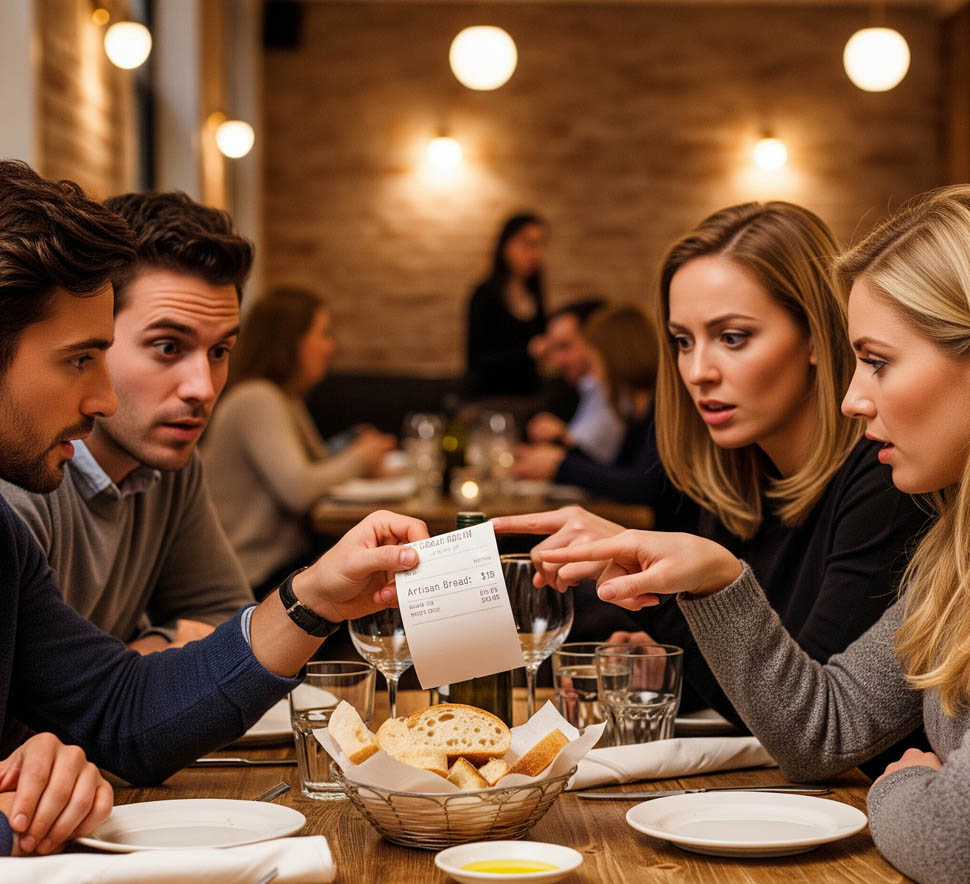
The real problem is not the bread itself, but the principle. If something arrives at the table without being explicitly requested, should it be considered a gift? Or is simply touching it enough to make it a debt? It is a subtle but crucial question that has to do with the trust between customer and restaurateur. Because sometimes all it takes is a receipt to make that trust collapse like a house of cards. And here comes a narrative responsibility: how does the restaurant present itself? Does it bring bread as a “service” or as a ‘course’? Does it call it a cover charge? Or does it disguise it as a welcome gift? In Italy, for example, the cover charge is often a fixed item, a “hospitality cost” that includes bread, cutlery, tablecloths, and so on. But the line is blurred and often poorly marked. That basket, which was only meant to fill the wait, suddenly became loaded with symbolism: the idea of what is due, what is given, what is imposed. It sparked a small debate about the meaning of the gastronomic experience. And, ultimately, about how our relationship with food is becoming less spontaneous and increasingly filtered by commercial, contractual, if not legal, considerations.
Social media quickly divided opinion. Some defended restaurants, squeezed by rising costs and increasingly demanding customers. Others claimed the right not to pay for anything they hadn't chosen. The point, however, is that the debate has shone a spotlight on an issue that has remained in a gray area for far too long: hidden costs on menus. Ultimately, it is not just about a receipt, but a broader idea of what is fair to pay. And how the unwritten rules of hospitality clash with the increasingly pressing need for clarity and honesty. An untouched appetizer, seven euros spent, tens of thousands of comments online: the outcome is far from trivial. If the restaurant industry really wants to return to being an art of hospitality, perhaps it needs to learn to clearly state what is offered and what is imposed. Before even bread—the ultimate symbol of sharing—becomes simply a pretext for argument.