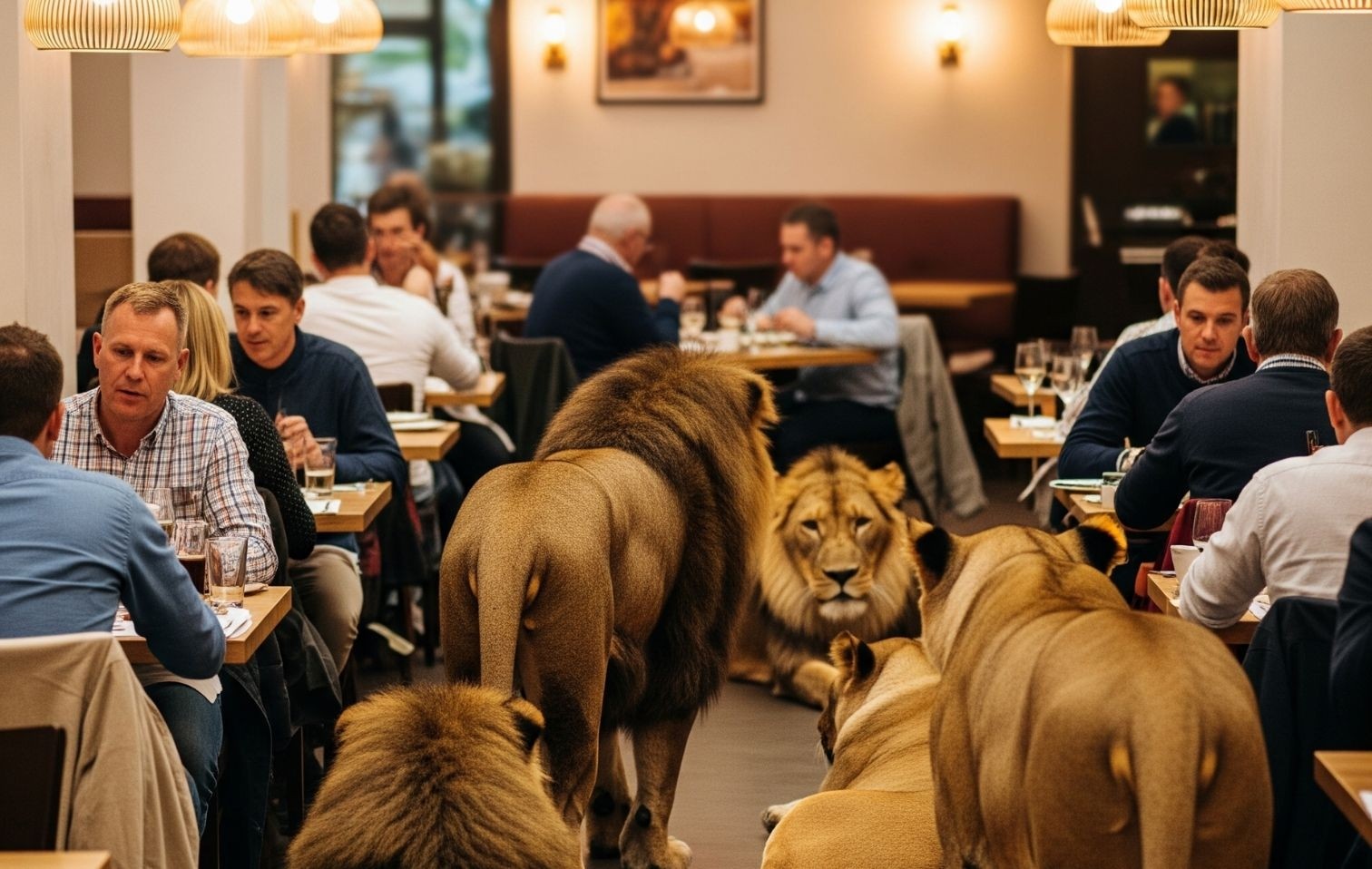
“This is a game for rich people,” wrote one user commenting on the format. “Ordinary people can't even afford to drink.” Others talk about exploitation, calling the experience ‘dangerous’ and “harmful to animals.”
Cover image for illustrative purposes only
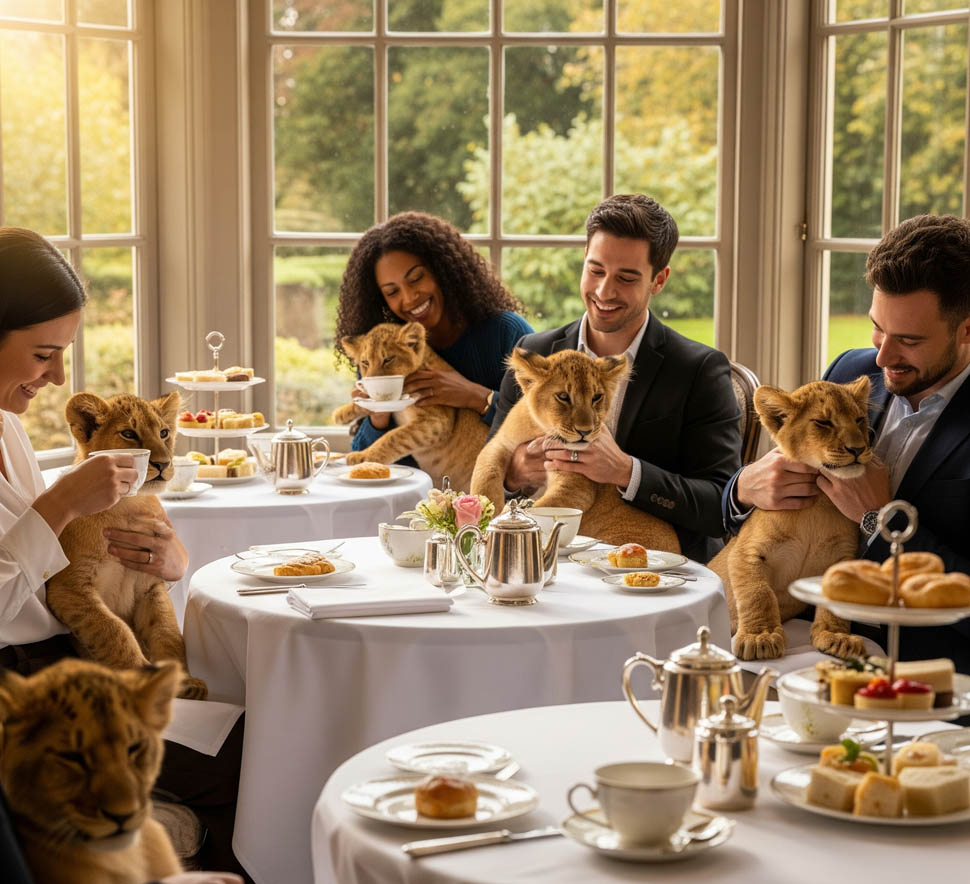
Every afternoon in China, a customer knows he has to hurry... to reserve a table at a restaurant where he can eat with a lion cub in his arms. Welcome to Wanhui, a restaurant that opened in June in the Chinese city of Taiyuan, Shanxi province, which has decided to transform teatime into a sensory safari featuring elegant dishes and close contact with lion cubs. A ‘gastronomic-wild’ experience, so to speak, that has sparked public debate amid curiosity, bewilderment, and controversy. The format is as simple as it is controversial, reports CNN: four courses, a ticket price of 1,078 yuan (about $150), and the chance to cuddle lion cubs as if they were exotic stuffed animals, all documented by photos and videos shared widely on the Chinese platforms WeChat and Weibo. In the images, customers caress the small felines like babies, smiling and posing for social media. But behind the soft lighting and sophisticated dishes, a heavy shadow looms, made up of ethical and legal questions.
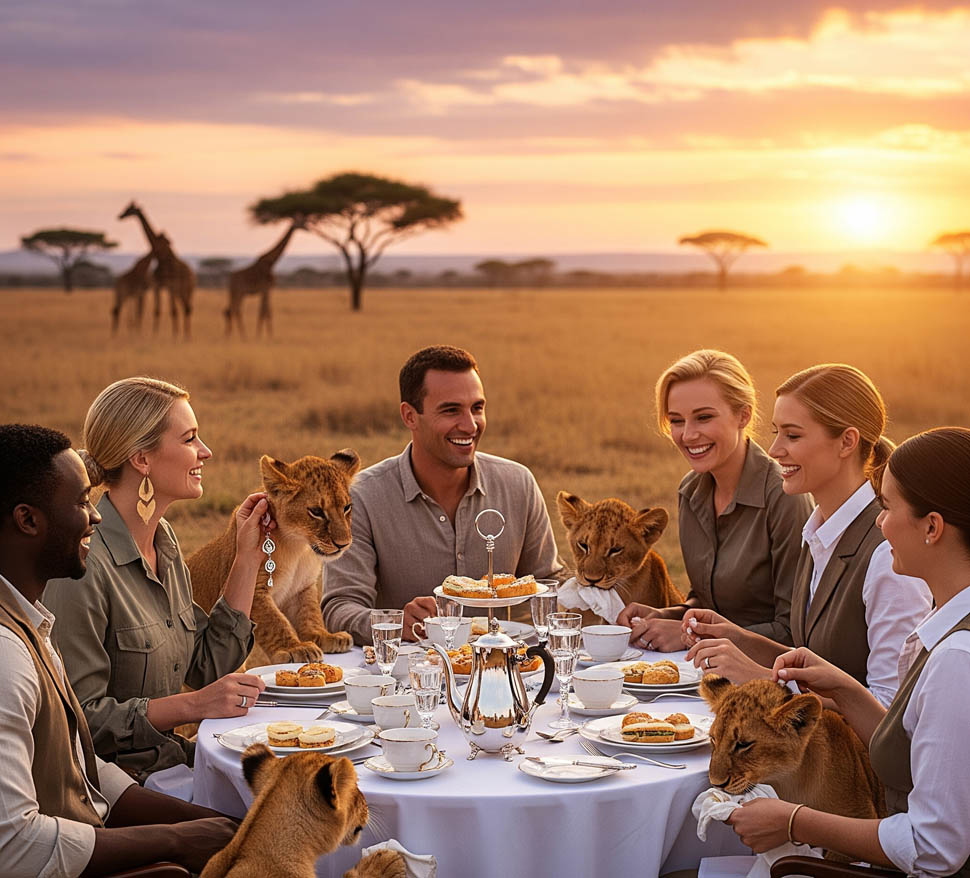
The idea of incorporating animals into restaurants is not entirely new. All over the world, there are cafés with cats, bars with hedgehogs, and hostels with alpacas. But here, a line that many considered sacred has been crossed. The Wanhui does not just offer the company of pets or animals accustomed to living close to humans: it is home to lion cubs, llamas, deer, and turtles, as reported on its page on Douyin, the Chinese equivalent of TikTok. This type of ‘edutainment’ – animal-themed entertainment – is based on an appealing aesthetic that blends nature and design, exoticism and well-being. But in the case of Wanhui, critics are multiplying. ‘This is a game for the rich,’ wrote one user on Weibo. “Ordinary people can't even afford to drink.” Others speak of exploitation, calling the experience ‘dangerous’ and “harmful to animals.” The issue is not only moral, but also legal: according to the Shanghai Daily, the authorities are also closely monitoring the situation, concerned about the legality of the service and the conditions in which the animals are kept. This is not the first case. Back in June, a hotel in the Chongqing region was investigated for a similar initiative, dubbed the “wake-up service”: in the morning, guests were awakened by red pandas visiting their rooms, ready to jump on their beds to “say good morning.” The stunt went viral, but raised more concern than amazement.
It seems that animal entertainment is becoming increasingly popular in China, while critics are growing louder. The issue, of course, is not simply a commercial one: it involves animal rights, regulations, public health, and a broader reflection on the relationship between humans and nature. Is it acceptable to touch a lion cub just because you paid $150? And what are the repercussions for wild creatures forced to live in artificial environments, in constant contact with strangers, amid camera flashes and cooking smells? The Wanhui—which Reuters was unable to contact directly—seems to be betting everything on the “wow” effect and Instagrammability of its offering. But in a world where experience seems to be worth more than substance, the price to pay is likely to fall on the shoulders (and fur) of those who have no choice. Limited tickets (around 20 per day) and apparent attention to the environment are not enough to calm the spirits. For many, the restaurant is a symbol of a casual and dangerous approach to living beings. Another user comments: “The authorities should intervene.” A clear statement that sums up the general sense of outrage that has emerged in online reactions.
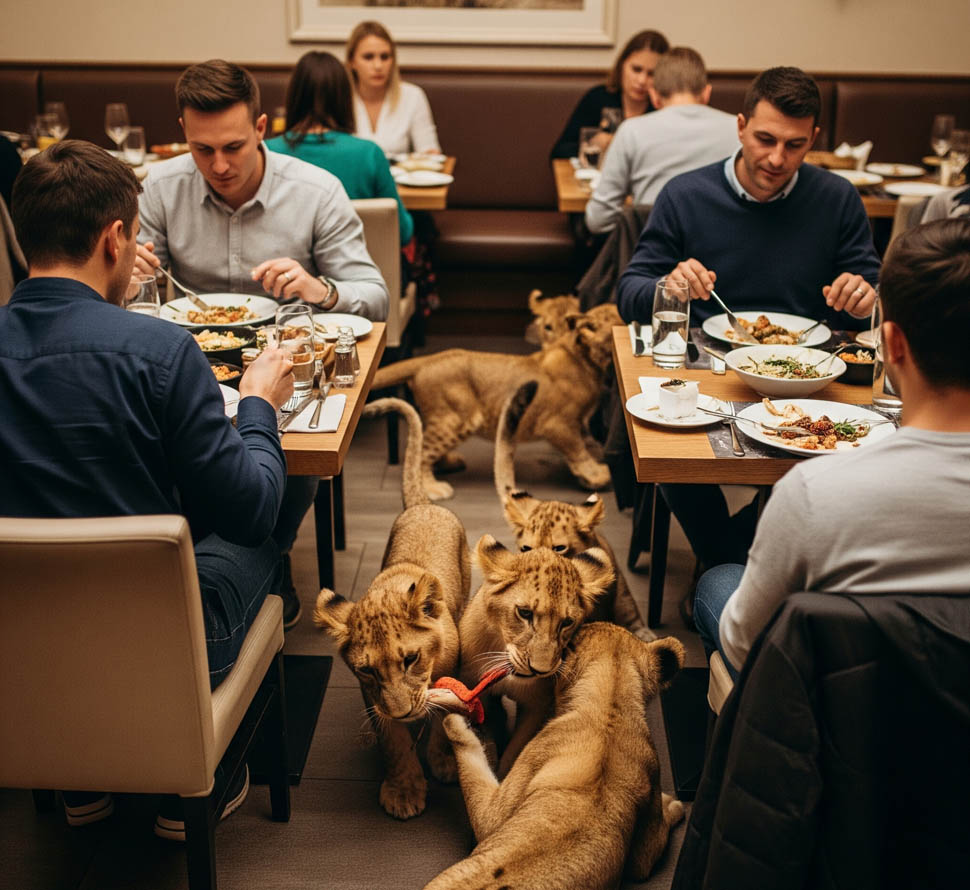
Among the many forms of hospitality, serving wild animals alongside dessert is perhaps one of the most extreme. While on the one hand it is a business venture with strong visual and commercial appeal, on the other its ambiguous nature casts a shadow over what should be a place of pleasure and conviviality. No matter how aromatic the tea may be, or how carefully prepared the dishes, it is difficult to ignore the gaze of a cub that should have grown up in the savannah, not under a designer chandelier. And as the cups clink, the real question remains unanswered, like a discordant note in a bittersweet melody: how much are we willing to pay for an emotion that does not truly belong to us?