High-end Japanese cuisine is all about tradition, perfection, and often strict rules of access. Simply booking a table? In many cases, it's almost impossible. The philosophy here goes far beyond food. In Japan's gourmet restaurants, it's not just the excellence of the cuisine or the quality of the service that counts: guests are also selected with great care. If you're unknown, you have little chance. An invisible but powerful system rules here.
An invisible barrier
Many of the best Japanese restaurants follow a principle called Ichigensan okotowari, which means: “No first-time customers”. Formally, there is no membership card or registration fee, but in practice, a new customer cannot simply book a table. Only regulars who frequent the restaurant and know how it works can make reservations—and invite friends. However, even these potential new guests must first prove themselves before they can enter the exclusive circle. Why all this? To preserve quality and atmosphere. In these gastronomic environments, it is not just the Michelin-starred cuisine that counts: it is essential that guests respect and understand the philosophy, rituals, and culture that accompany the food. A casual visitor who just wants to “try it once” and then disappear is not welcome.
A prime example of Ichigensan okotowari
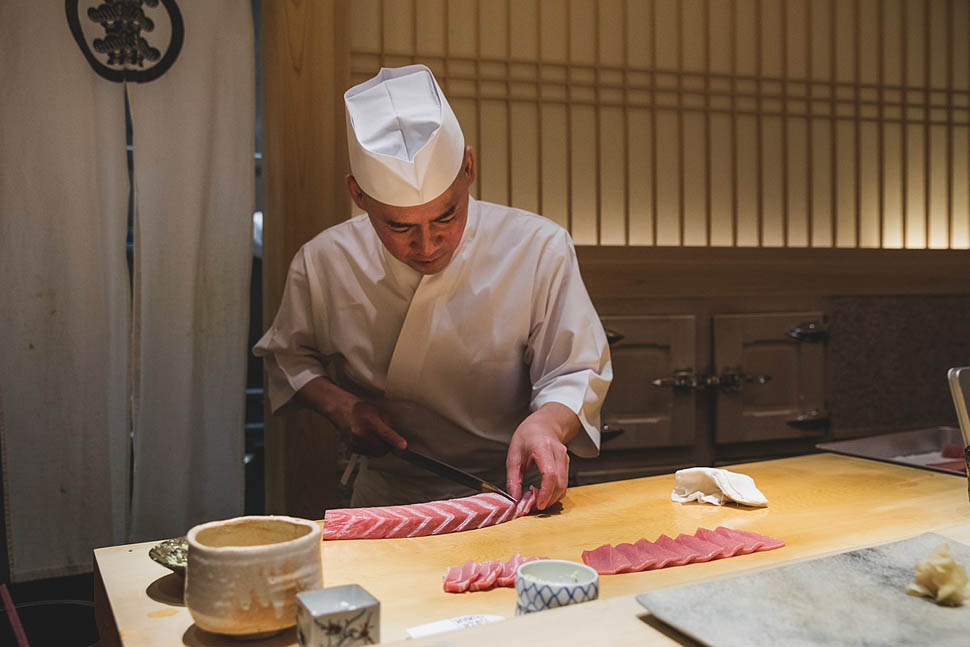
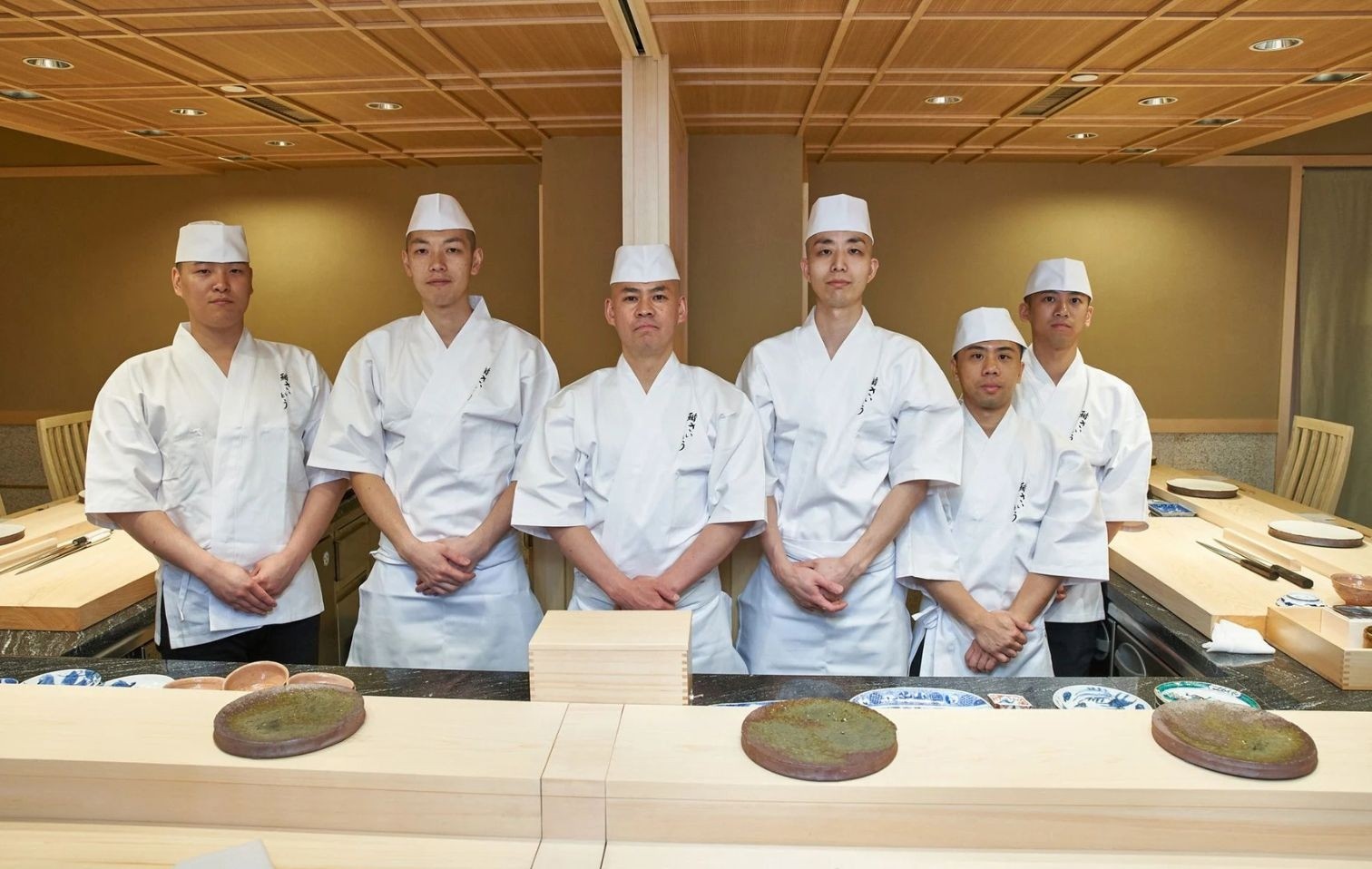
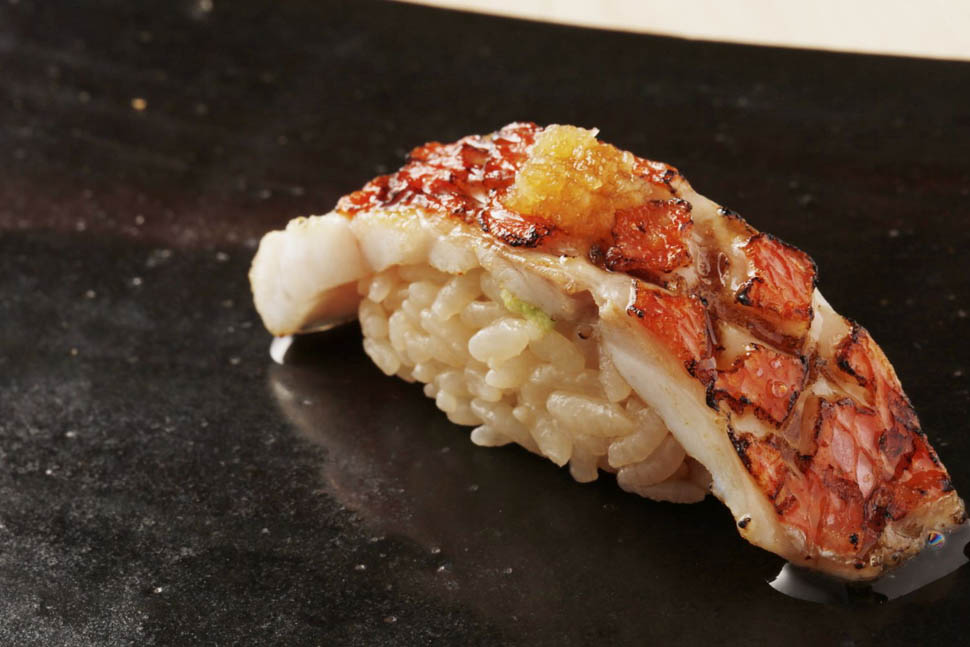
The restaurant Sushi Saitō in Tokyo is one of the best-known examples of the “no first-time customers” principle. Until 2019, it boasted three Michelin stars, but it was removed from the guide precisely because getting a table is practically impossible. Under the guidance of chef Takashi Saitō, the restaurant has only eight seats at the counter, with a direct view of the art of sushi, as well as a private room – but no guest bathroom. An experience to be considered carefully... if you can get in. An alternative is the highly regarded restaurant Sushi Tsubomi. Here, it is at least possible to book without personal connections – but you still need a lot of patience.
Reservations come at a price
Even for the Japanese themselves, getting a reservation is a race against time: seats are often booked months in advance. And once you've reserved your table, there's no room for compromise: if you don't show up with the exact number of guests or cancel at the last minute, you lose your reservation – not just for that day, but for all future reservations for the rest of the year. In fact, these restaurants have reservations for the entire following year already planned. The system demands absolute commitment. Some seats are even auctioned off, often for at least 100,000 yen (about $750) per sitting. A seat at the sushi bar thus becomes a status symbol, and the meal itself an experience that must be earned.
The art of exclusive hospitality
From a Western perspective, this system may seem inaccessible or even elitist, but in Japan it is experienced as a profound form of respect: towards the cuisine, the culture, and the people who make the experience possible. It is not just about eating, but about sharing an understanding, a common language made up of care, discipline, and mutual listening. Japan's top restaurants thus demonstrate that quality and sustainability can often only thrive where not just anyone is allowed in, but where a community is created that grows and values each other.