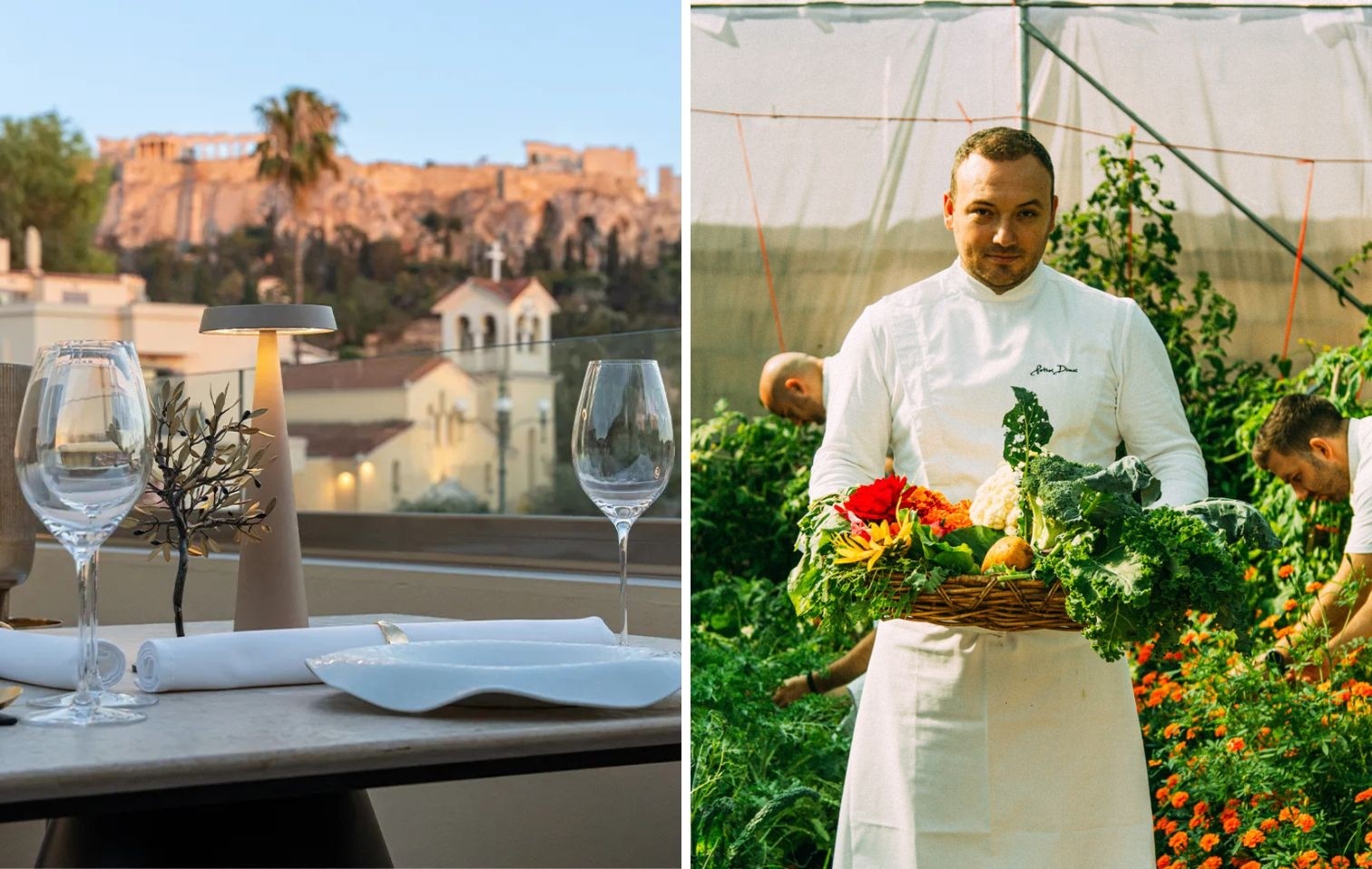
The view of the Acropolis, the cuisine of a talented Greek chef, and his green philosophy: sustainability on the table with Dimas Petros, awarded a Michelin star in 2024.
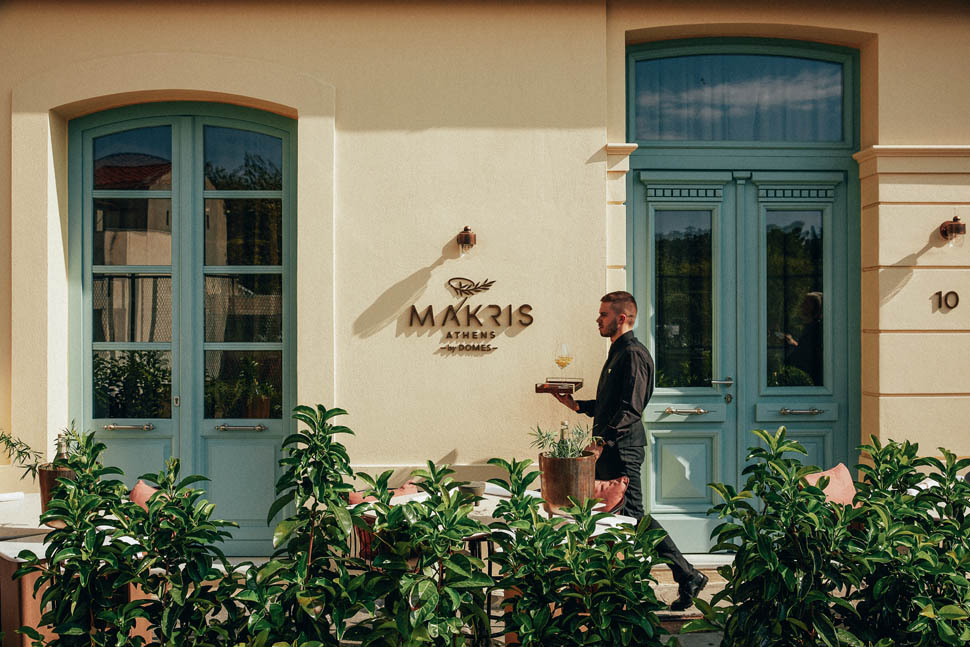
I returned to Athens after 18 years. The last—and first—time was on a school trip in 8th grade. It was 2007, and Greece had not yet experienced the deep economic crisis that would soon follow, with its dramatic consequences. My memories of the food were all tied up in an amazing gyros pita—which cost €2—that I ate several times in Syntagma Square. I remembered that square as a very chaotic and very large place, but this time the feeling was different. There was a sense of tranquility, except for the large number of journalists and cameras waiting for someone to come out of a large hotel a few steps from the Parliament. From Syntagma Square, walking along one of the shopping streets, in about 15 minutes you reach the heart of the city, the Thissio district, where you will find Makris Athens By Domes. The restaurant is the haute cuisine extension of Domes Resorts, a group of luxury villages in Greece and Portugal.
The restaurant
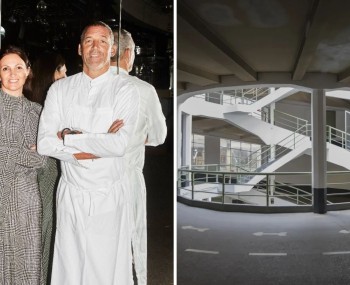
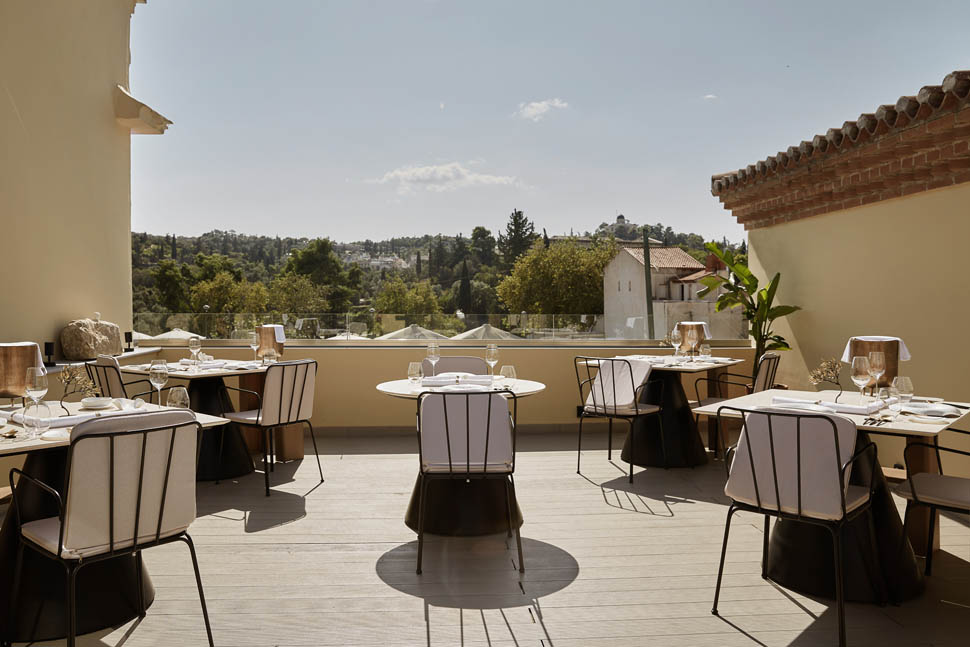
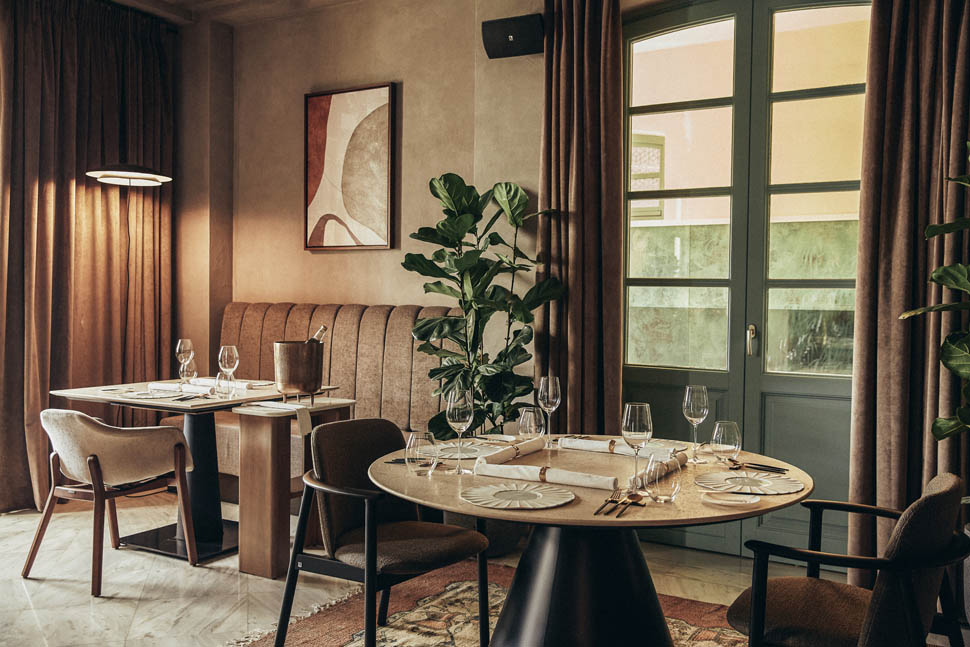
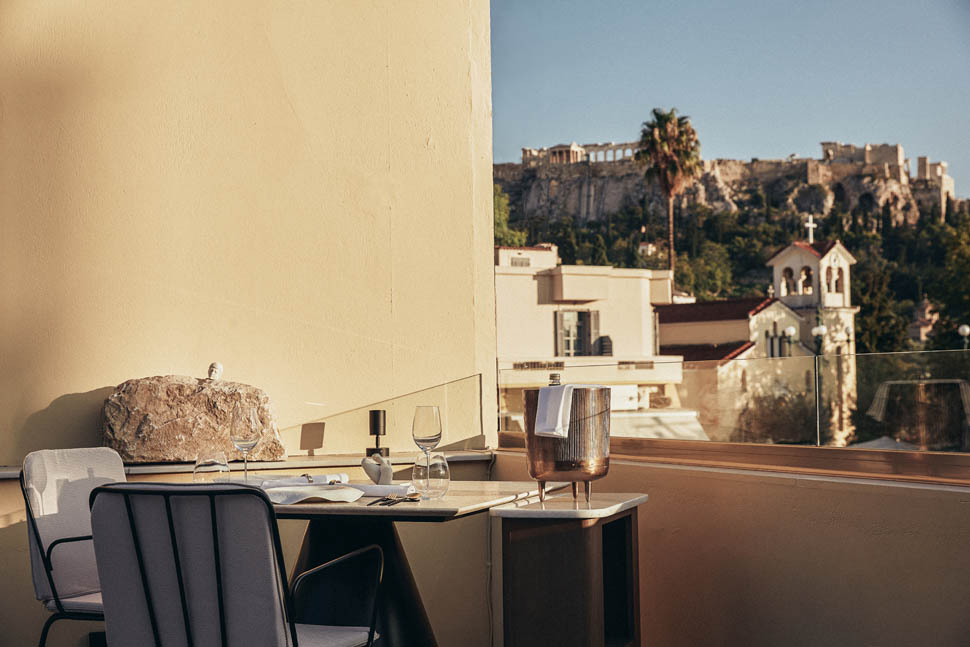
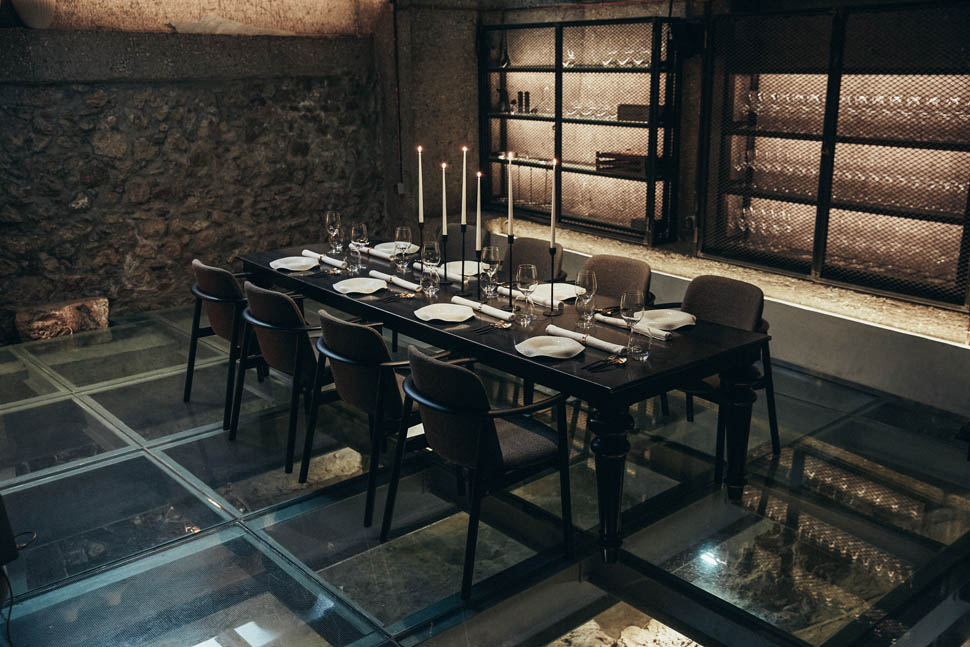
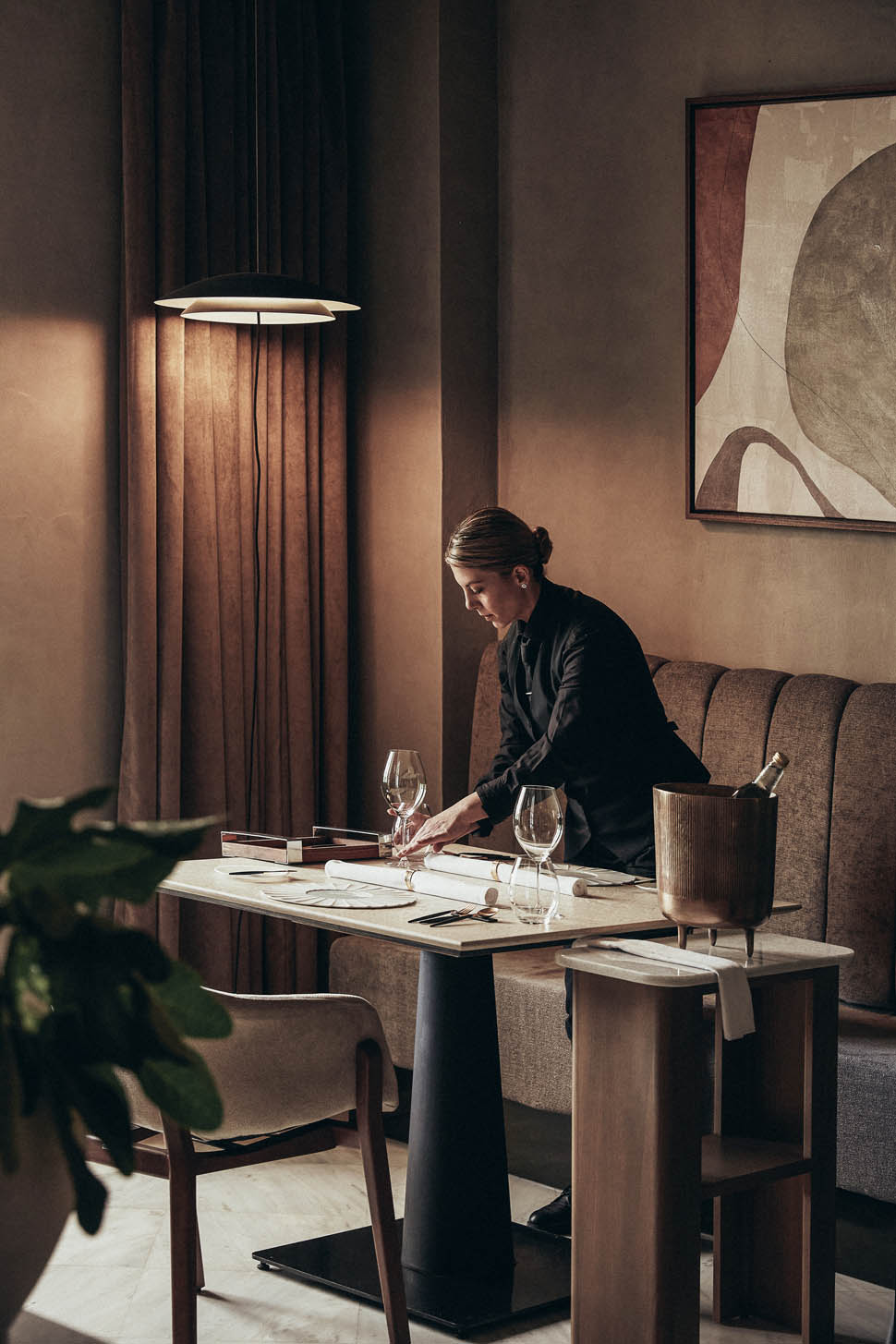
The 32 seats are distributed throughout a restaurant that blends contemporary and antique styles. In the basement, there is a private room above Aktiki, ancient Athens, while in the milder months, the terrace overlooking the Acropolis and the Parthenon is opened, where it is particularly pleasant to dine, starting just before sunset. This is the fourth Makris restaurant, opened in September 2023, and is the only one that is independent and not part of one of the Domes resorts. The others are located in Corfu, Milos, and Crete. The Athens restaurant was awarded a Michelin star in December 2024.
The chef
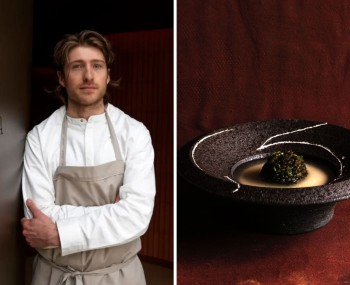
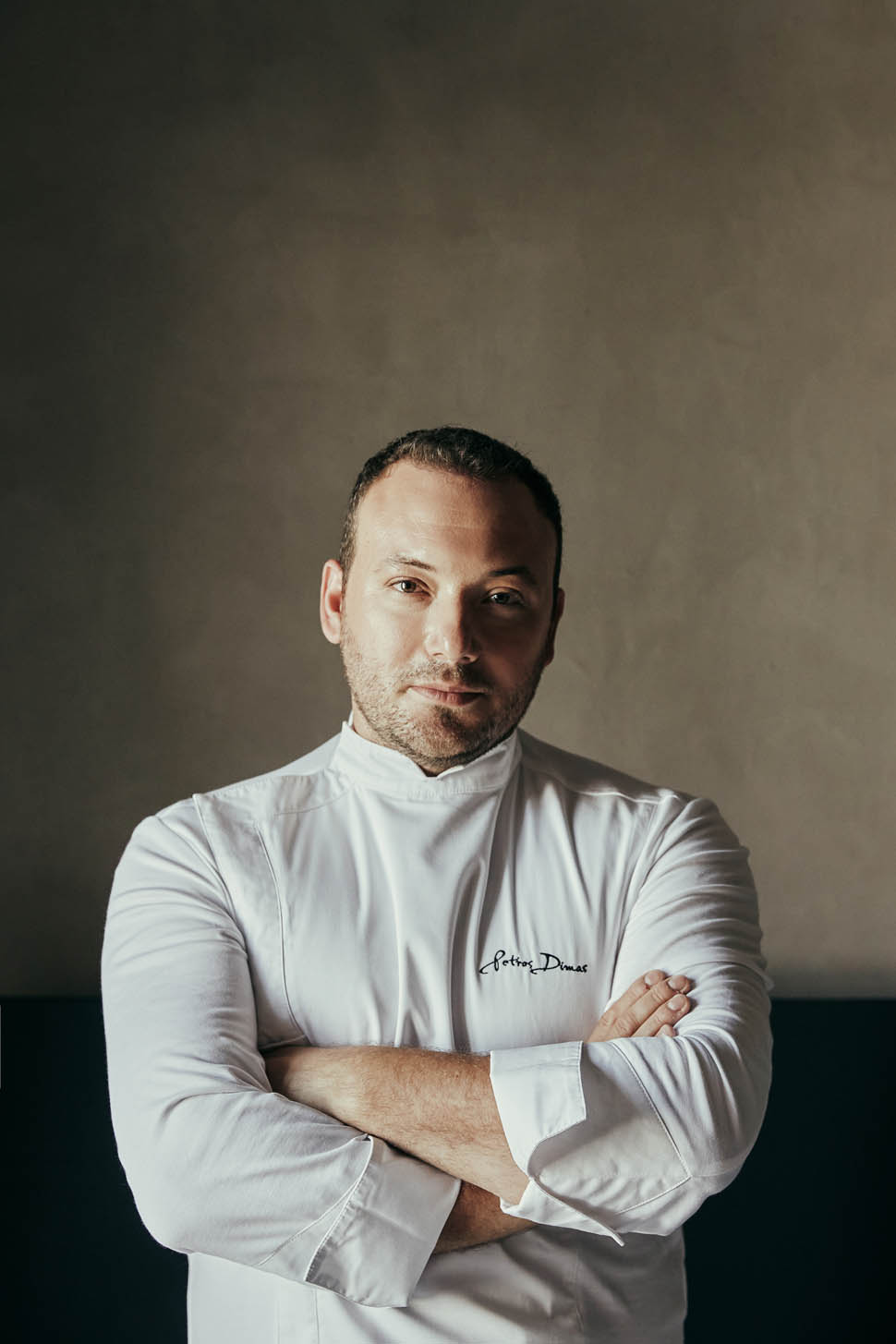
In the kitchen is Petros Dimas, born in 1988 in the north of the country but raised in the neighborhood where the restaurant is located. Before returning home to open the restaurant, he gained experience in Greece, England, and Switzerland. In 2018, he joined the Domes group, with Makris in Corfu; the restaurant takes its name from the ancient name of the town.
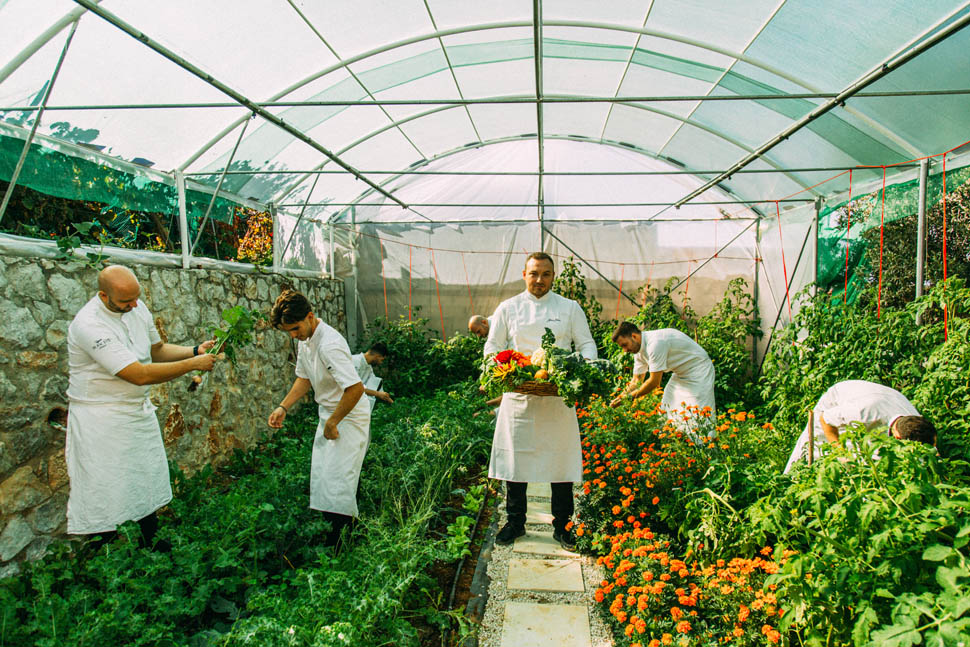
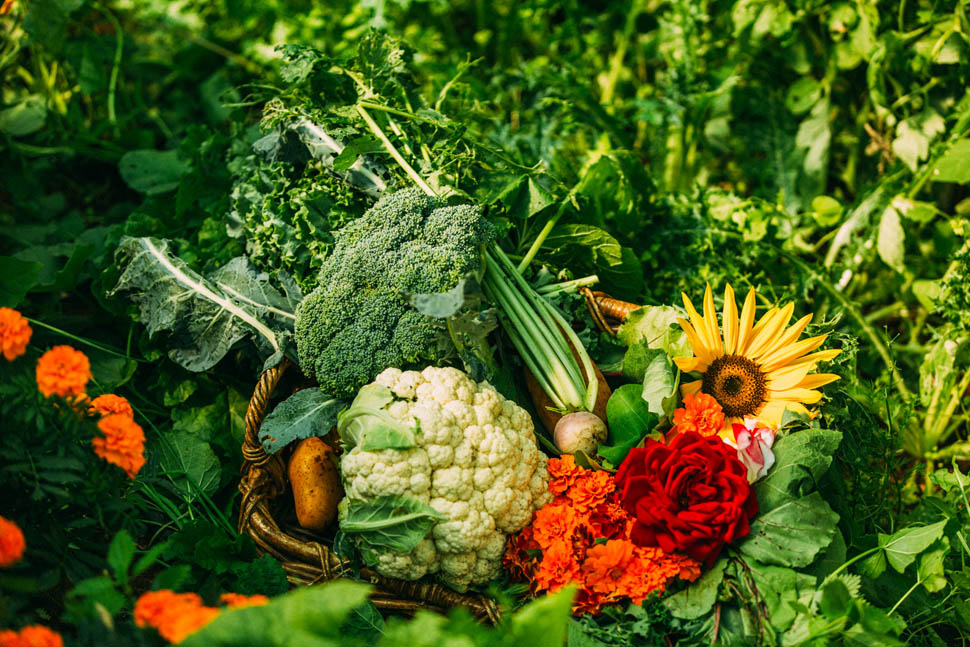
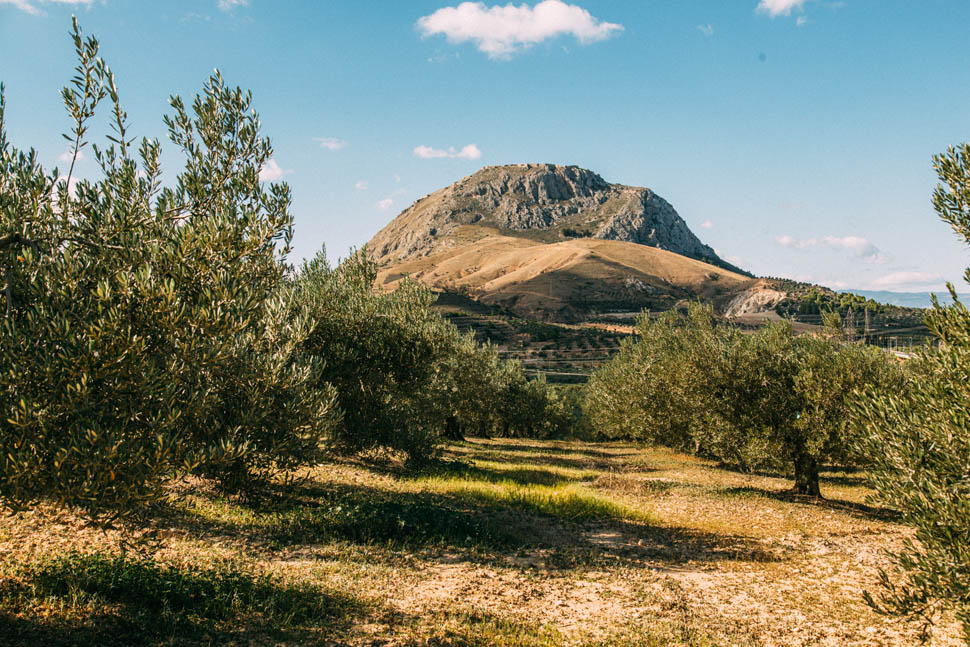
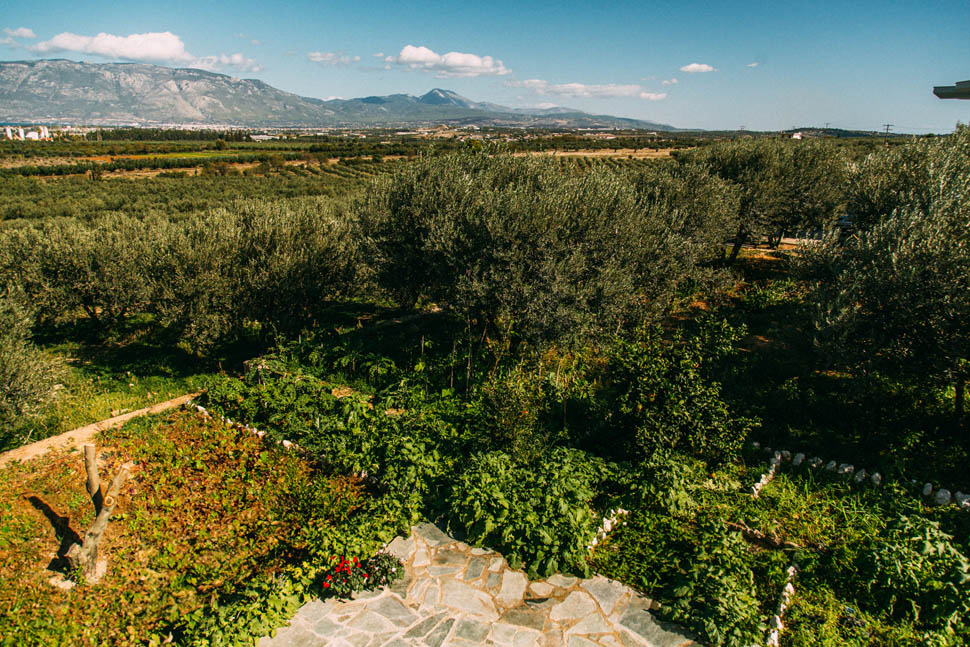
Dimas' parents, Napoleon and Ermioni, had and still have a house and farmland at the foot of the hill of ancient Corinth. Today, Petros and his team source fruit, vegetables, herbs, aromatic herbs, and edible flowers from this piece of land, which is still tended by his parents, and these ingredients are widely used in the kitchen. It is a real small farm where oil and wine are also produced.
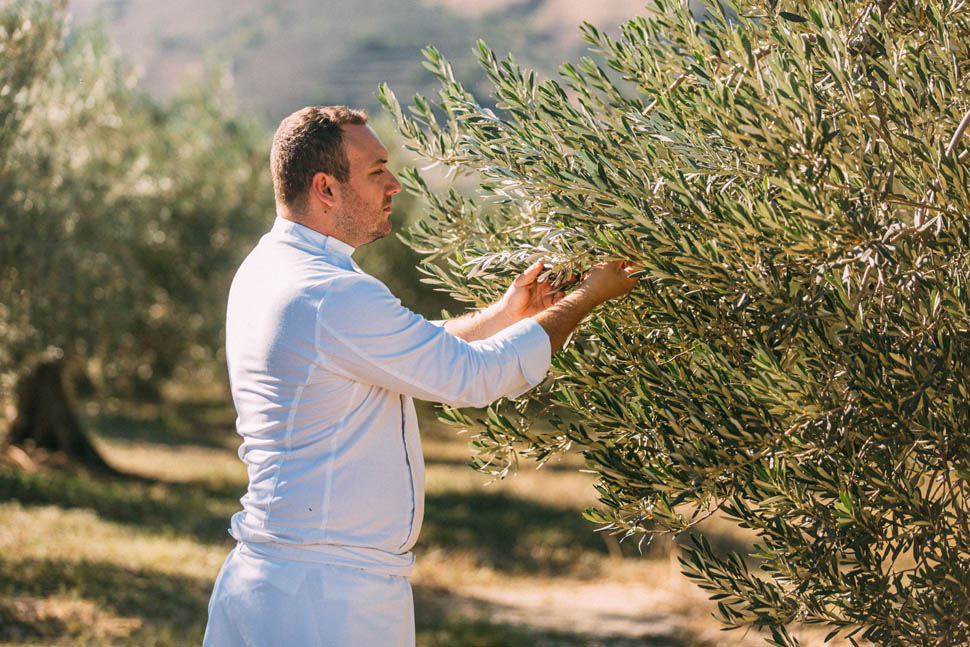
Dimas' philosophy is closely and proudly linked to Greece and all the products it has to offer, so much so that the menu is presented alongside a map of the country indicating 26 specialities, including different types of oil, meat, shellfish, cheese and dairy products, as well as olives, bottarga and honey... This is a heartfelt tribute to the country but above all to the stories of small producers and suppliers, and therefore to the people who make it possible to serve such high quality and variety of food in the restaurant.
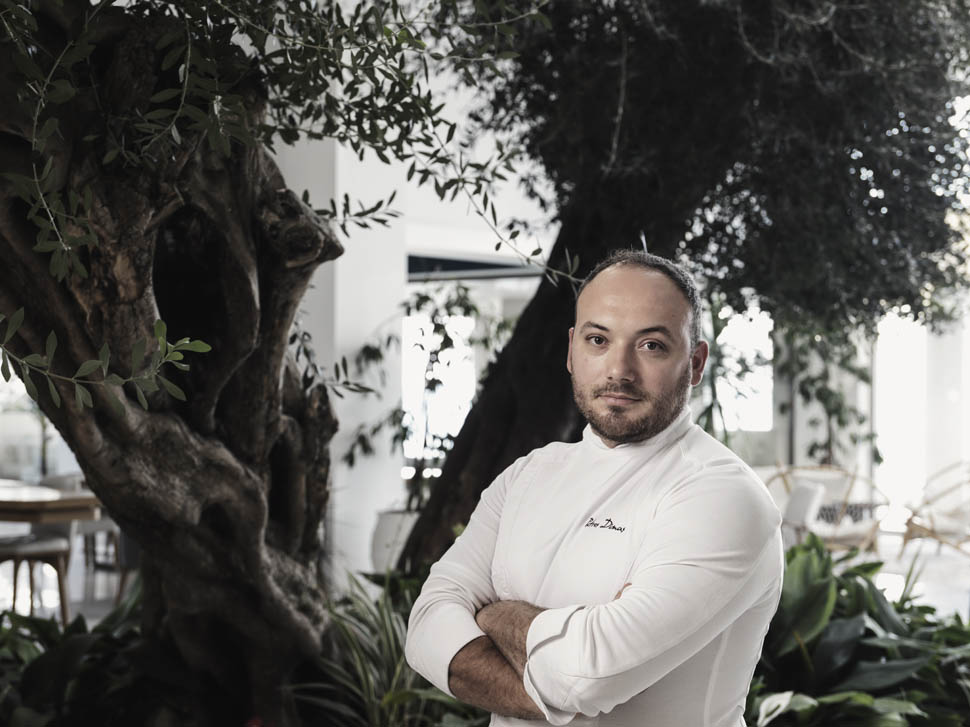
The restaurant aims to minimize its impact on the environment and therefore limits the use of plastic, uses 100% of raw materials, and waste is used in preparations or becomes compost and fertilizer for the small farm.
The dishes
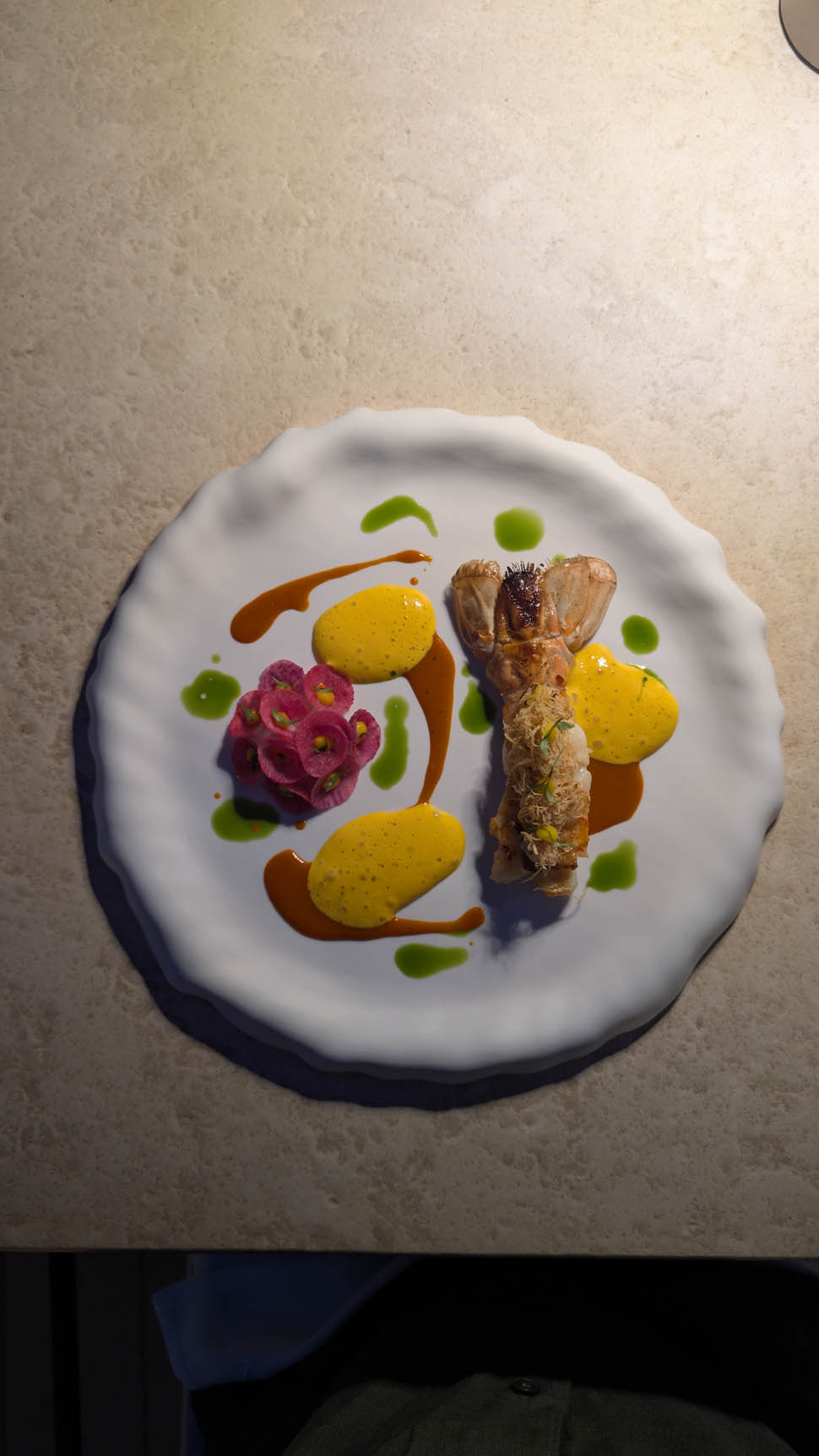
The overall approach is very classic, with a strong focus on vegetables and the purity of the individual ingredients. The idea is not to complicate the dishes, not to add unnecessary elements, and to let the richness of the territory speak for itself through its best products.
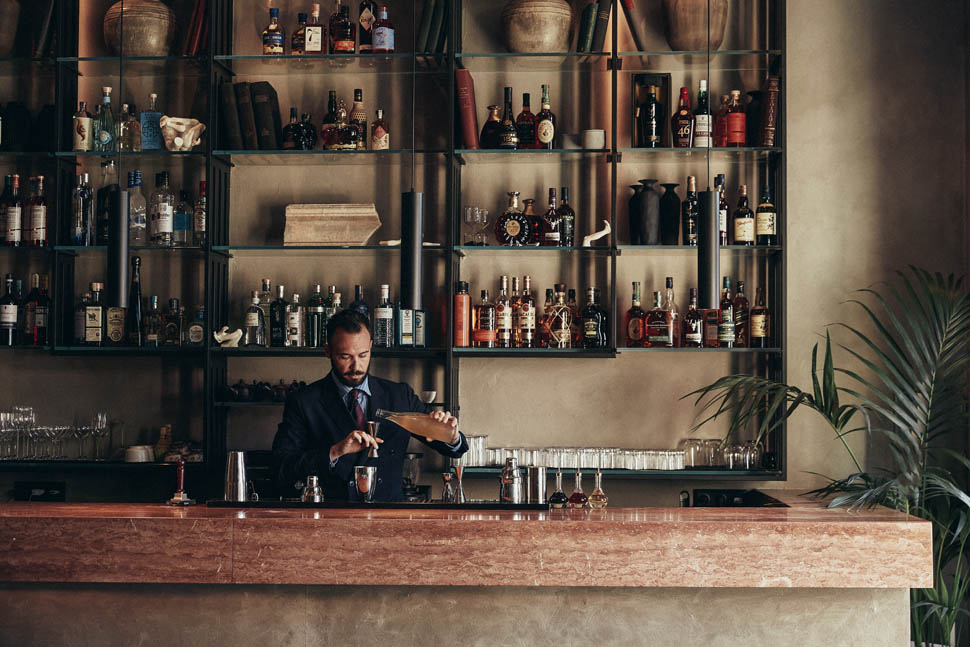
Three tasting menus are available: Genesis with five savory courses and three desserts for €115, Utopia (7+3) for €165, and Physis Vegan (6+3) for €95. All three menus follow the seasons and the availability of ingredients. You can also choose from different types of pairings, including a non-alcoholic option, as well as one with cocktails and one with Greek wines only.

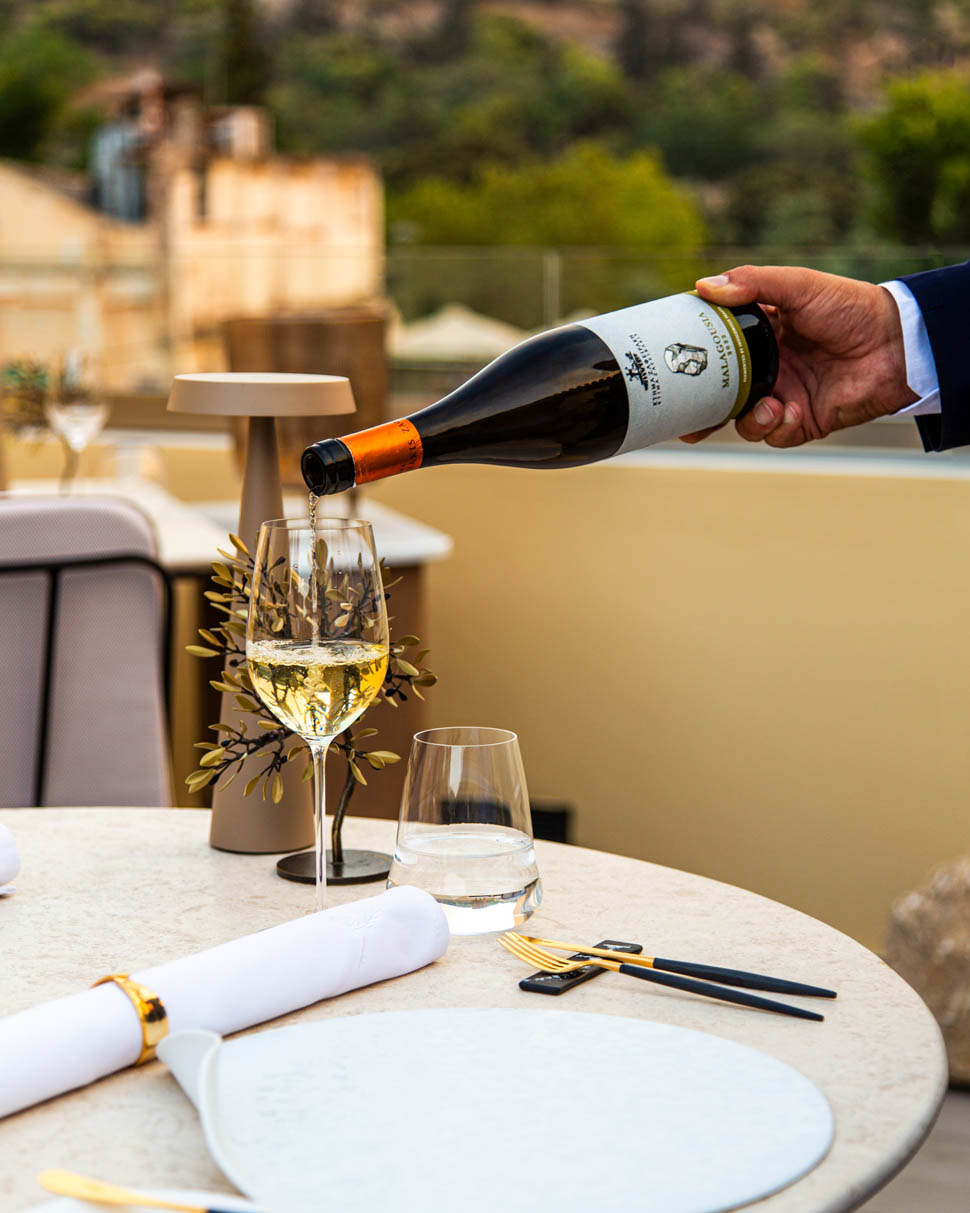
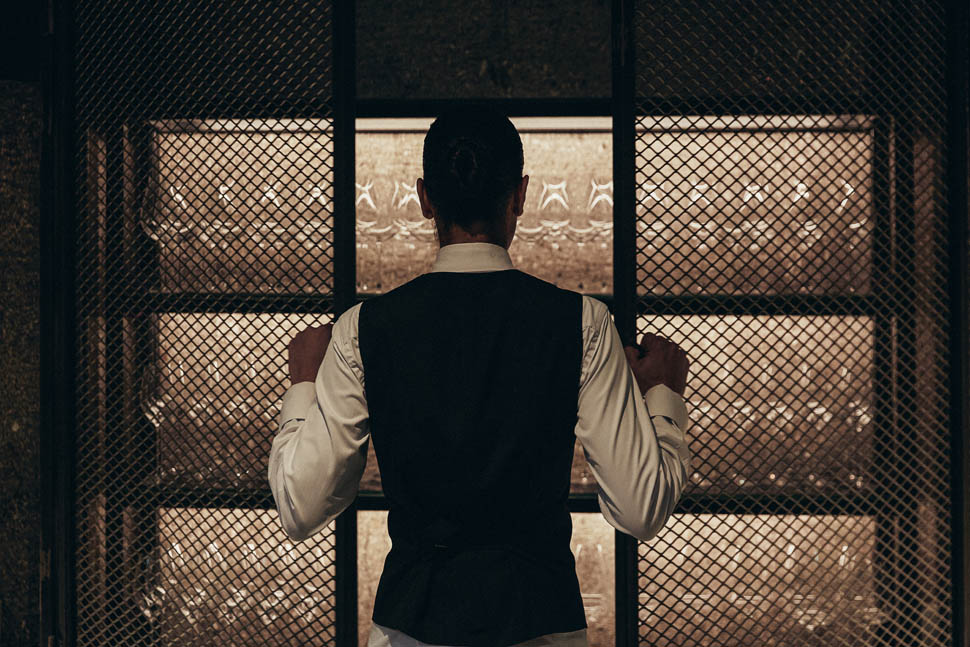
The service is informal and relaxed with just the right level of attention to customer needs. The waiting staff are very young but extremely well trained and knowledgeable about wine—special mention goes to sommelier Michalis Kapranos—and general restaurant management—special mention goes to the young Dimitri, who is brilliant and extremely skilled at interacting with guests.
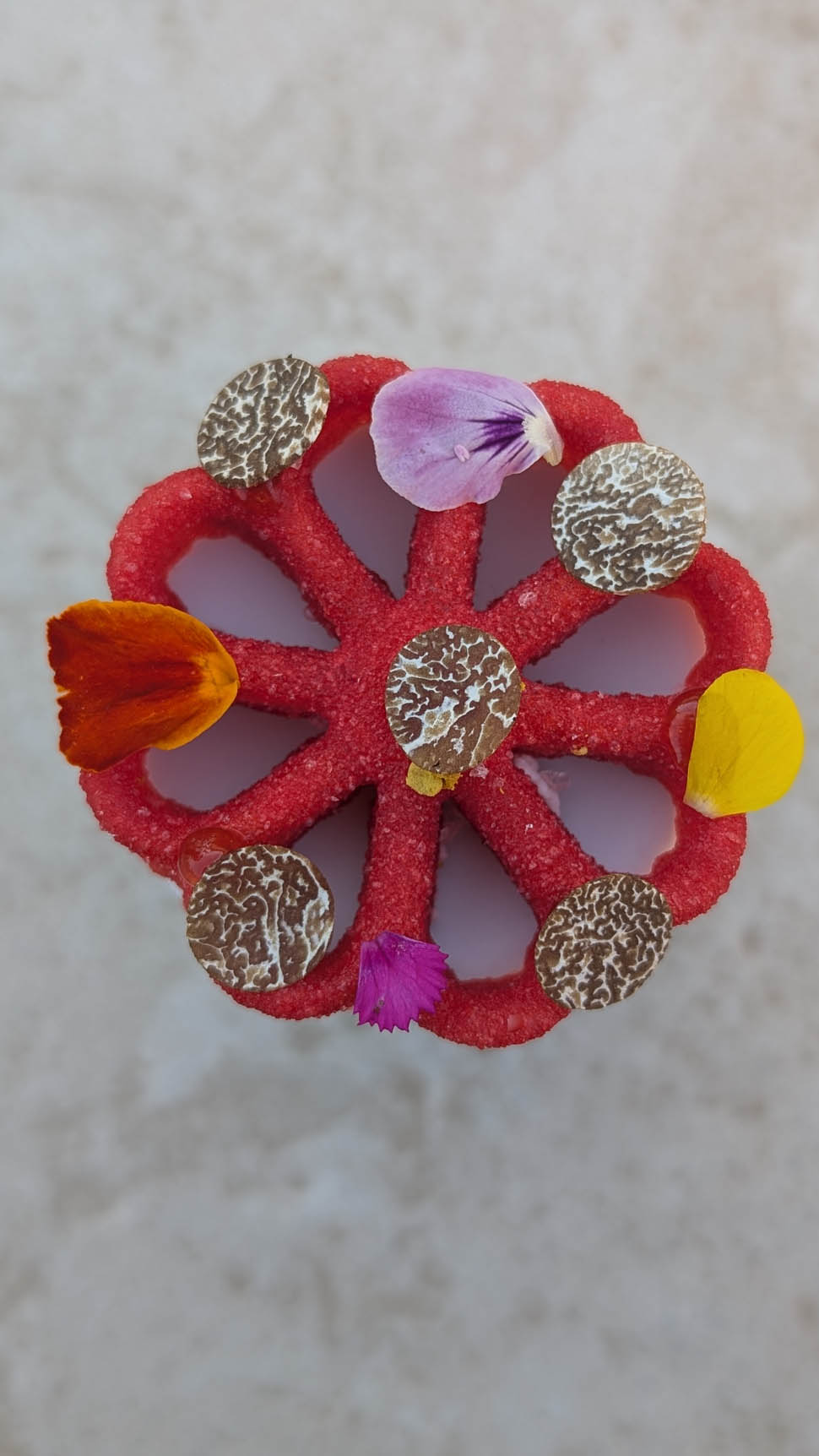
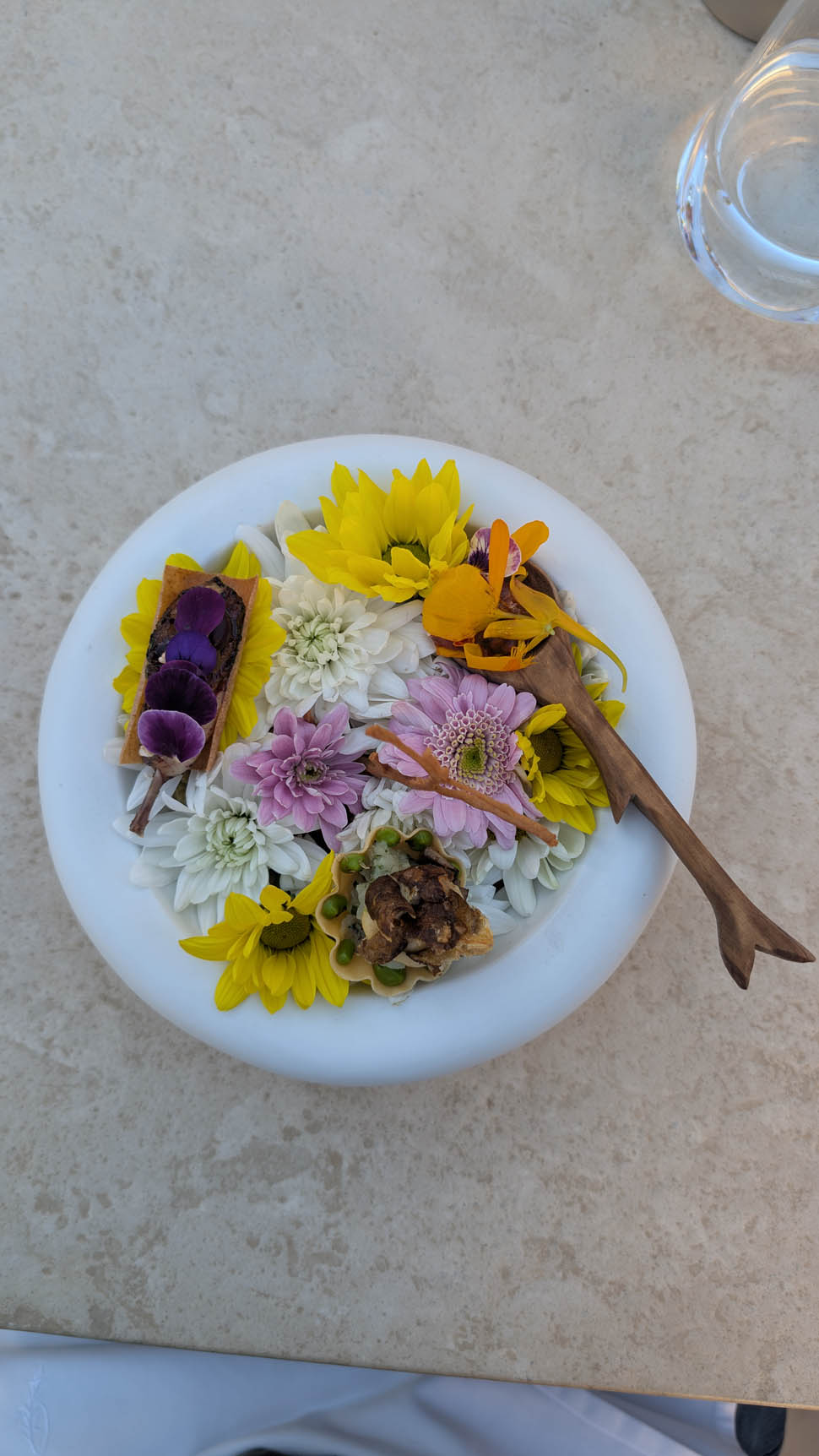
On this occasion, I had the opportunity to try the longest menu, in which certain elements and dishes stood out in particular. The amuse-bouches were elegant and summed up the menu, with colors, flowers, simple yet rich flavors, and childhood memories, such as the star-shaped pancake, which reminded the chef of a dish he used to eat with his family when he was little.
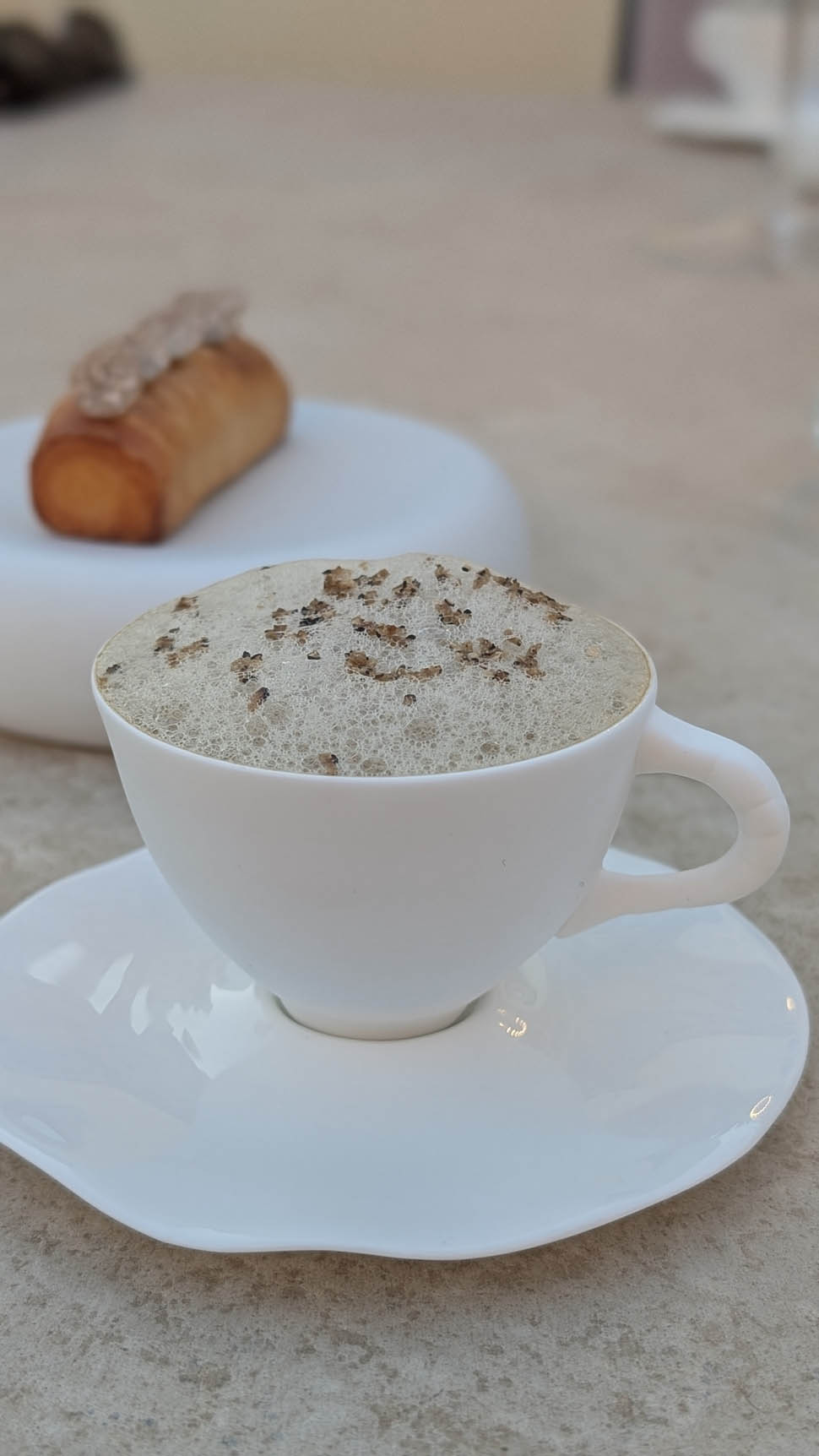
The tasting menu then unfolds with dishes that dance in perfect harmony, offering a sort of simple opulence. It starts with a mushroom cappuccino accompanied by a flaky brioche topped with truffle shavings, rich in flavor and umami. This is followed by the signature dish: the bouquet, featuring up to 20 or 30 different aromatic herbs (and other herbs) and edible flowers, which evokes the family garden and completes the dish by tempering the sweetness of the lobster, which is also enhanced by the saltiness of Beluga caviar.
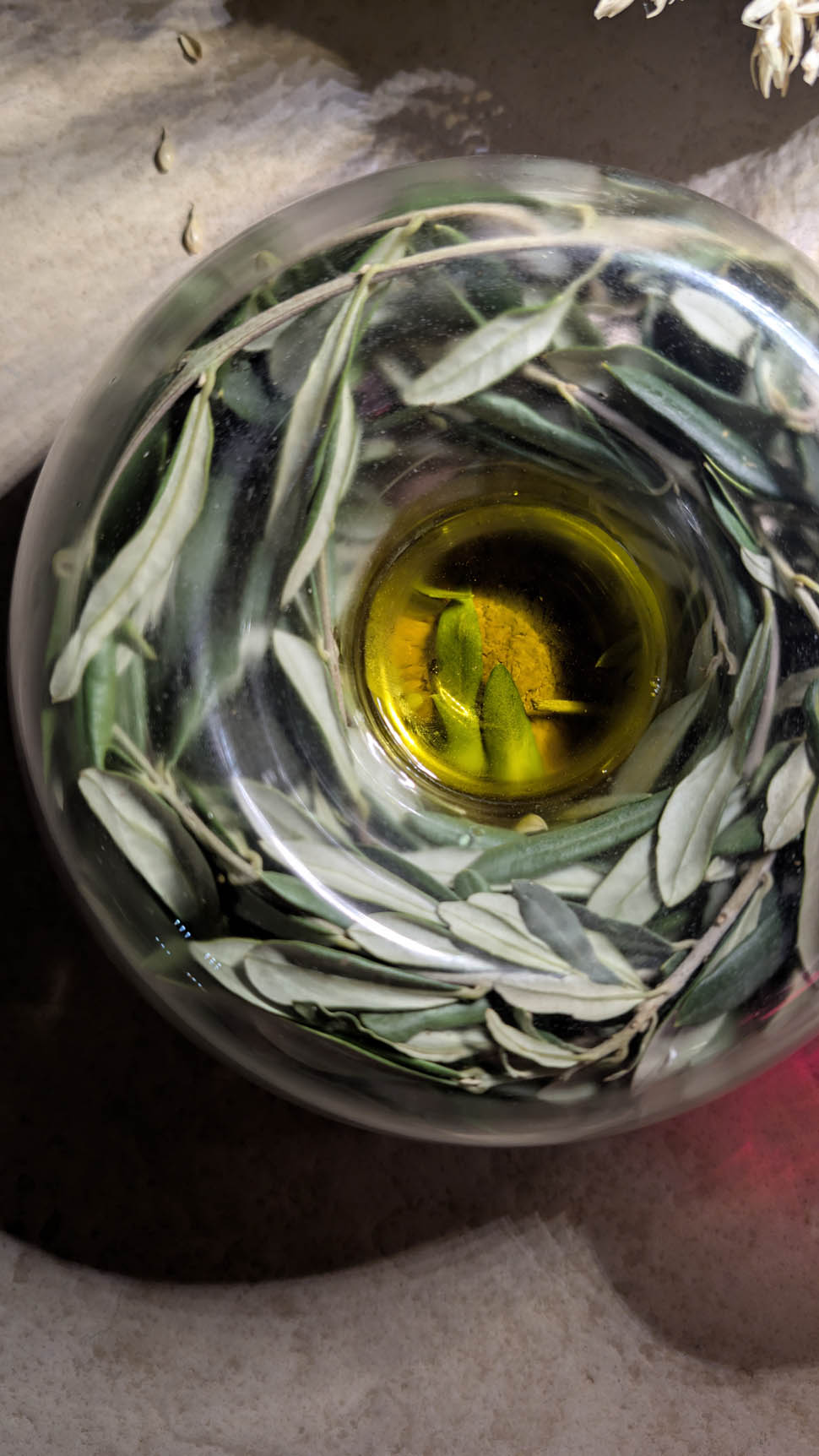
This is followed by the two escape temperatures, a dish finished at the table in a colorful way using different salts. Next, there is a mini-tasting of olive oil from different areas of Greece, accompanied by a loaf of warm bread.
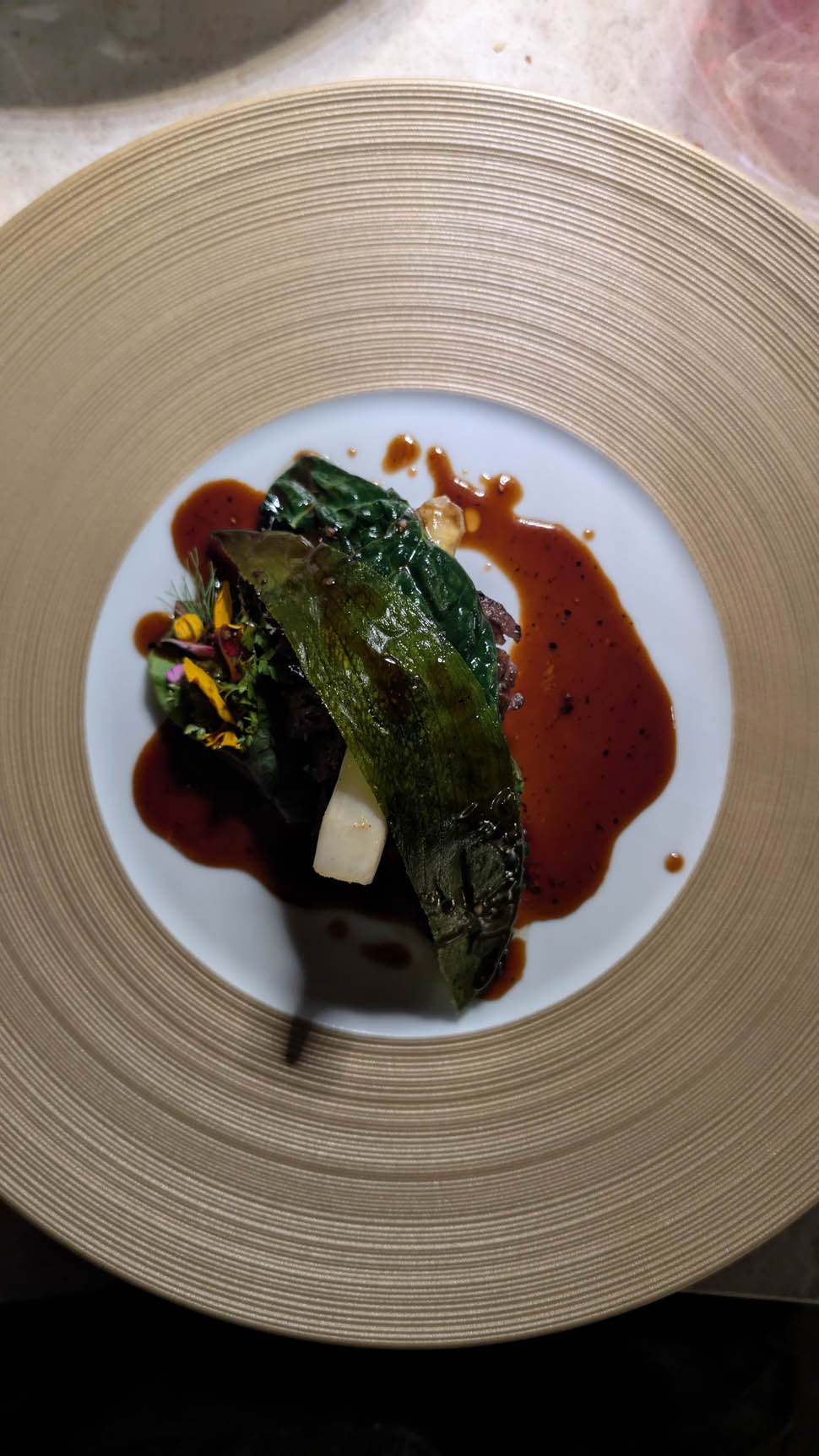
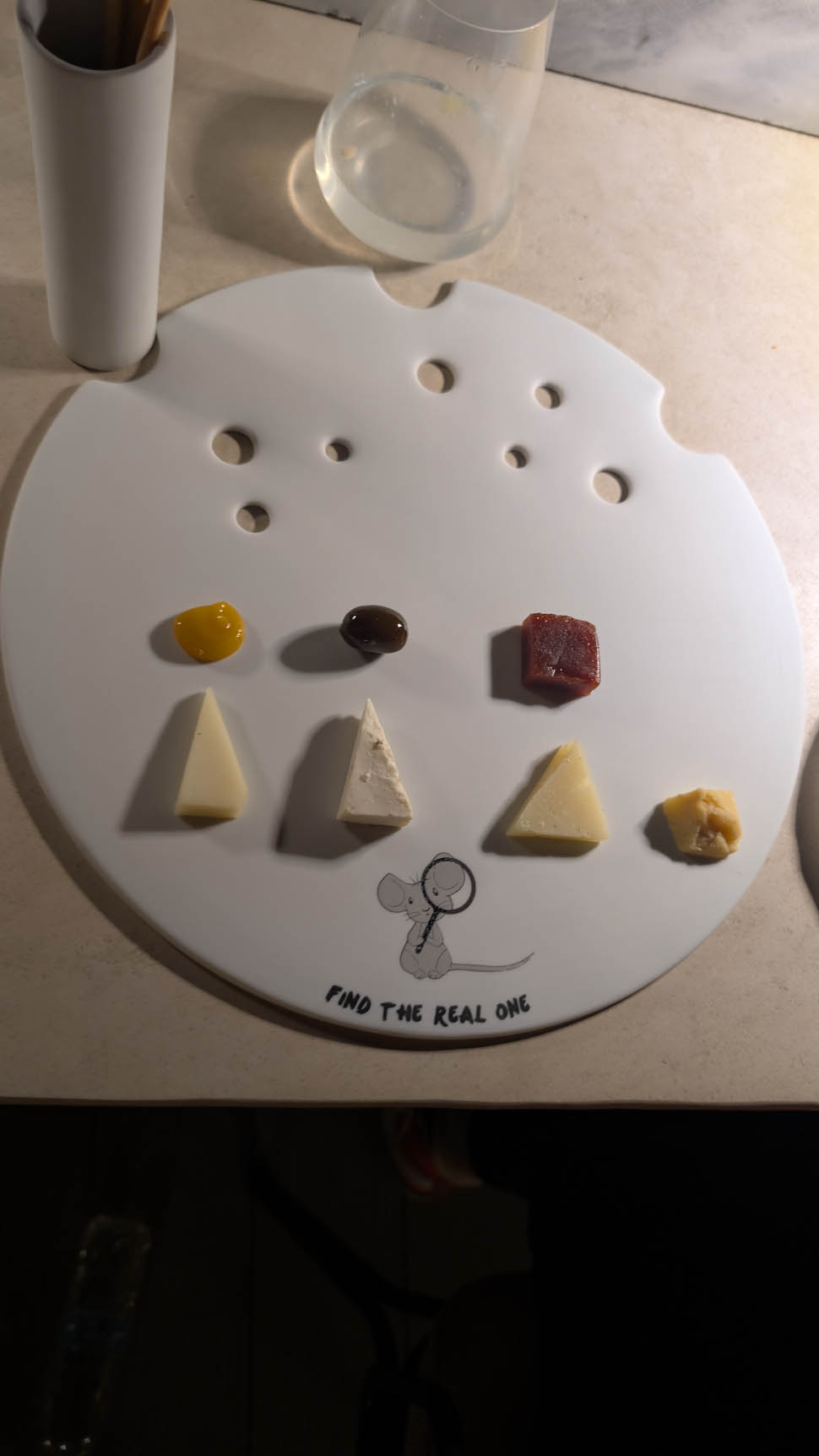
The main course features Iberian pork raised in Greece, accompanied by seasonal vegetables, which vary with the seasons. In this case, white asparagus, fresh peas, chanterelle mushrooms, and wild garlic. The savory part ended with a dish dedicated to Greek cheeses, once again a summary of Greece through the richness of its products and the work of its producers.
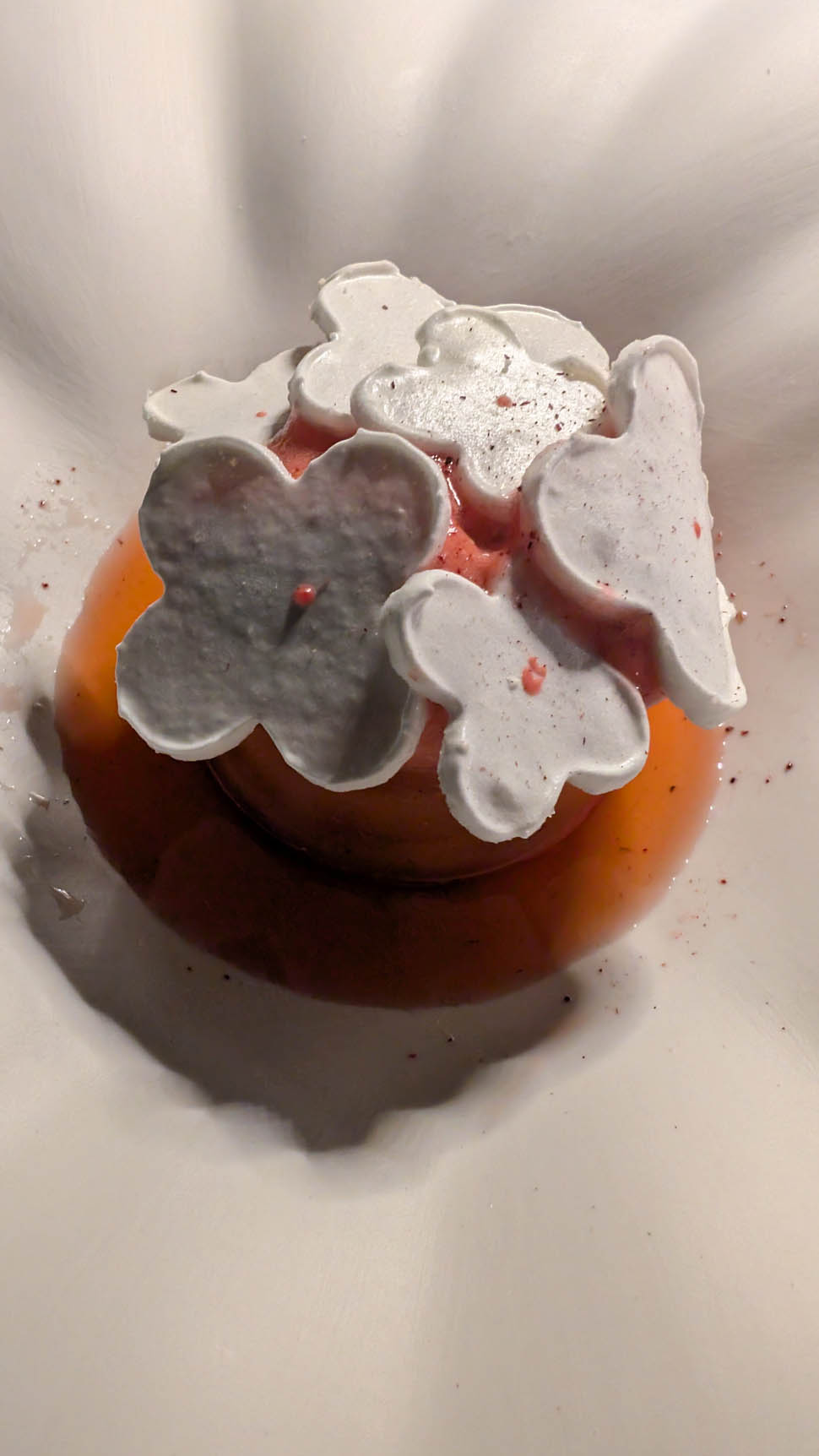
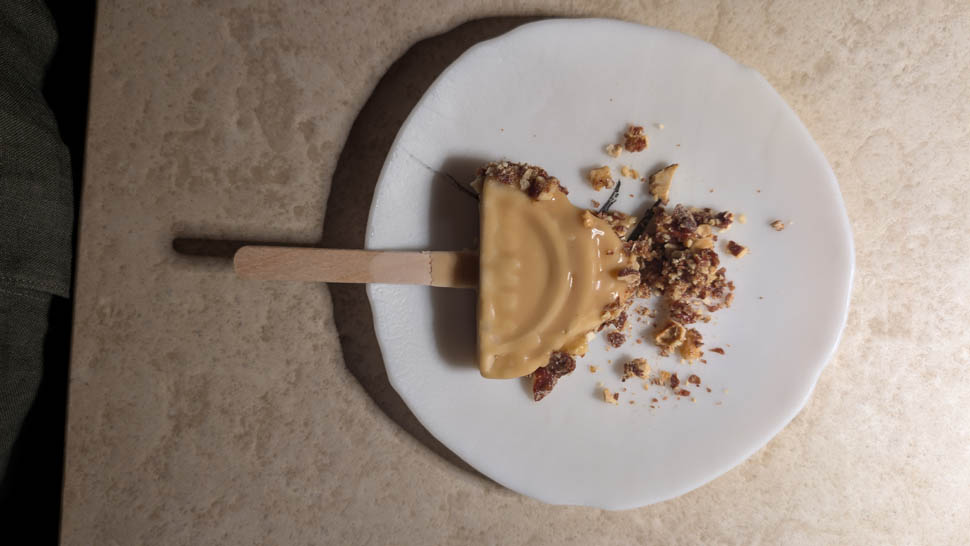
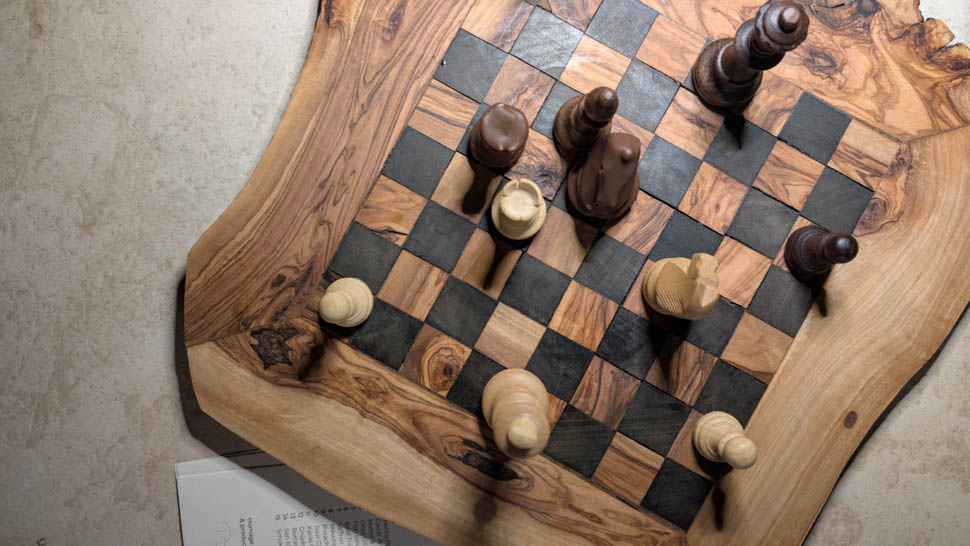
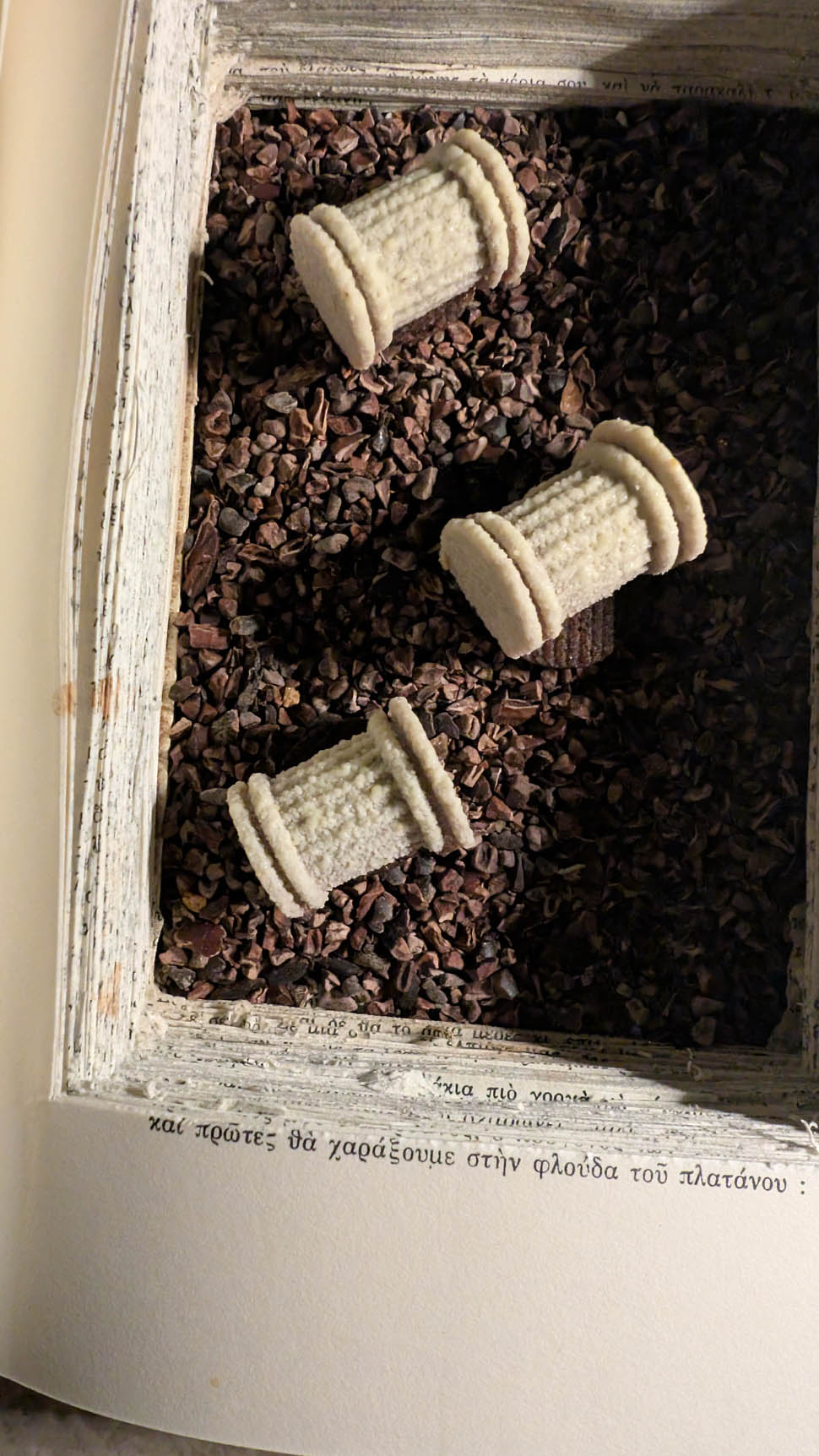
As for the sweet side of the menu, it starts with a fresh and balsamic sorbet made with strawberries, balsamic vinegar, fennel, and basil. Before the petit fours—themed around chess and mini columns—comes the most spectacular dessert,an ice cream with the Domes symbol in salted caramel and almonds on a stick, finished at the table with dry ice.
The vegetable garden and the countryside experience
The day after dinner, I had the opportunity to visit the chef's vegetable garden and family land. It is located in the open countryside, at the foot of ancient Corinth. This is where the creative process comes to life, walking among herbs, aromatic plants, flowers, fruit trees, vegetables, and vineyards. It was also an opportunity to meet Napoleon, the chef's father, who takes care of the place. A man from another era, he was particularly enthusiastic about showing how much richness comes from the land.
The visit ended with an informal lunch of grilled meat and vegetables with part of the Makris team, including Stelios and Ioanna, and Chef Dimas, who was enthusiastic about his work and happy that the culinary scene in Athens, and Greece in general, is booming—in a short time, the number of restaurants with at least one Michelin star has more than doubled. A chef who is happy to bring his homeland to his dishes but also curious to learn about other cuisines, so much so that he asks his guests for recommendations based on their origins.
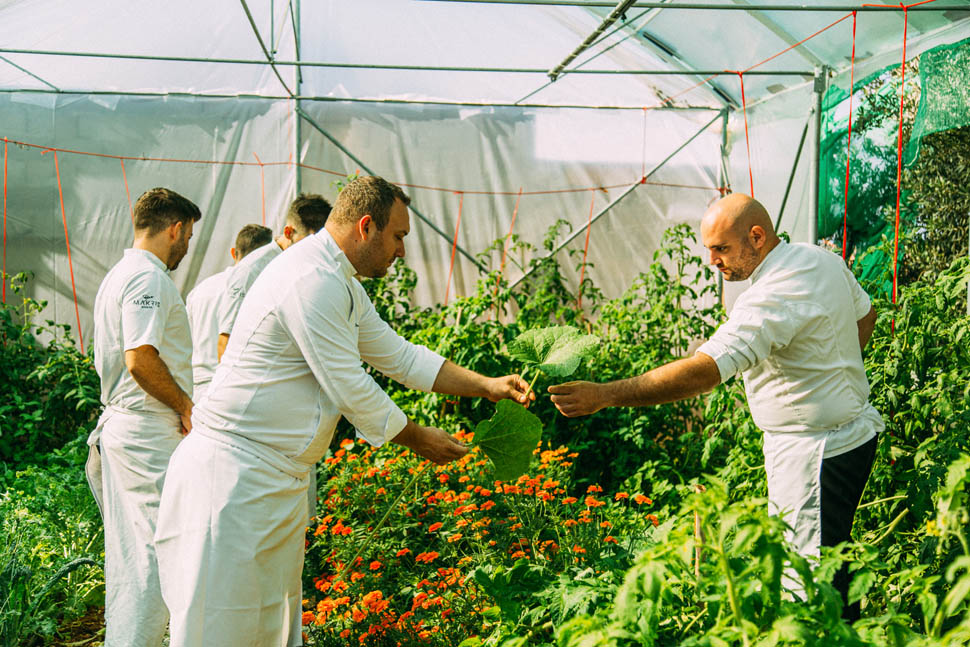
This experience at the farm is exclusive and not for sale, but if you show an interest in learning more about the restaurant's philosophy, the chef himself will invite you to visit him the next day. He will open his home to you and make you feel welcome and part of the experience. It will be worth the trip—a couple of hours from Athens—for a relaxed lunch, but above all to learn more about a family history and hands stained with soil.
Contacts
Makris Athens Fine Dining Restaurant
Astiggos 10, Ermou 119, Athina 105 55, Grecia
Phone: +30 21 6004 7777