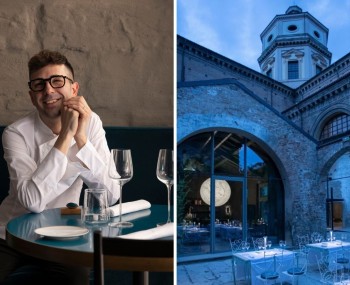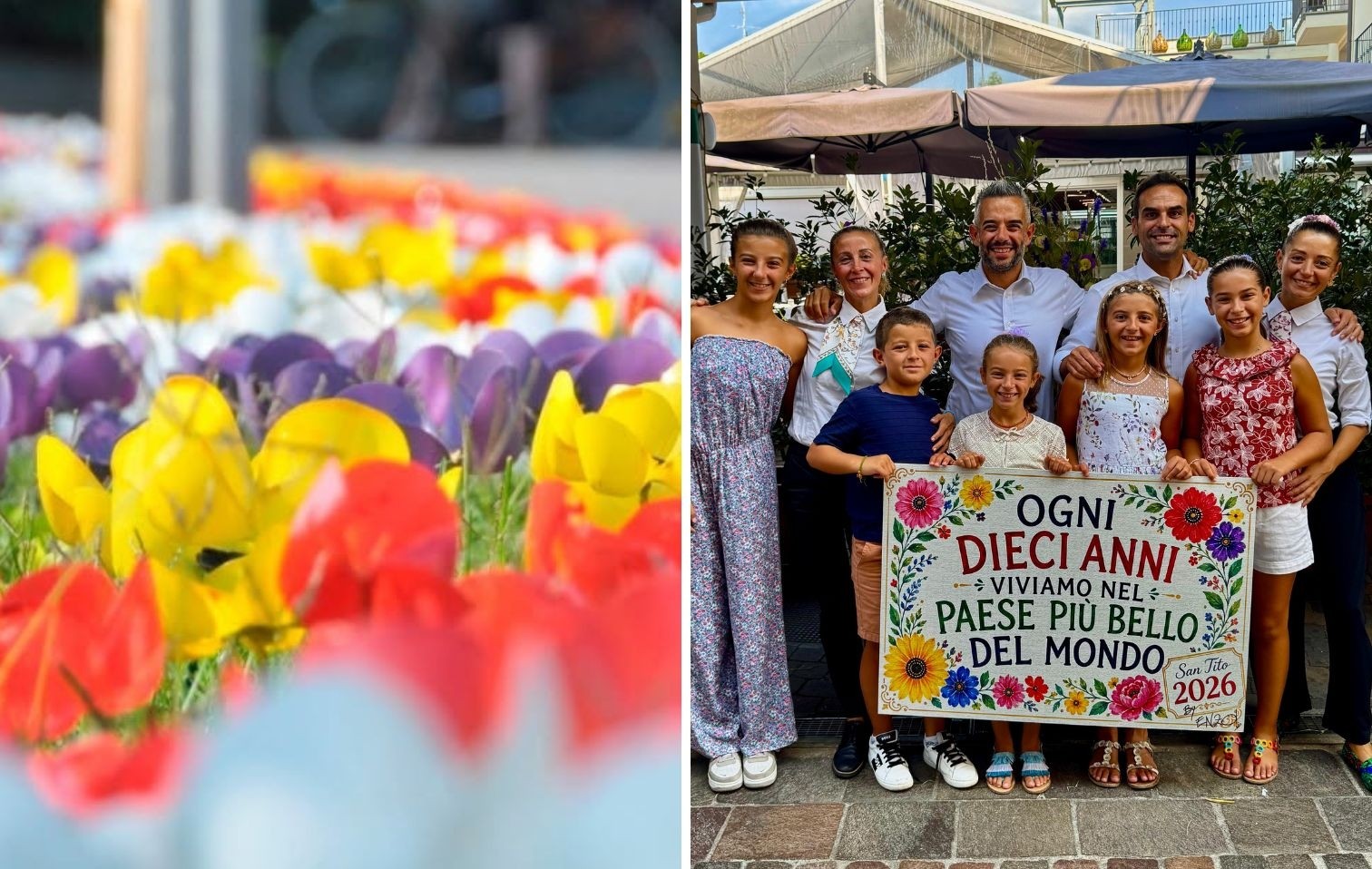
In Casorate Sempione, the Feast of St. Titus returns every ten years and, for ten days, transforms the town into a massive floral installation. For the centennial edition, the Osteria della Pista has chosen to revive a liqueur originally created for the feast, with the aim of introducing it to the world.
*Content with promotional purposes
In Casorate Sempione, for those who don’t know, the Feast of Saint Titus is held every ten years. And it’s easy to be unaware of this—this celebration doesn’t have the same prestige as the Venice Carnival, nor the fame of the Palio di Siena, nor the history of the Miracle of Saint Januarius. Yet it is a small festival in a small town—one that has been growing steadily over time. This year, from September 5 to 15, it celebrated its centennial. Over the course of ten days, more than 100,000 people visited a town with a population of about 5,000. And among the businesses that played a leading role in the festivities is theOsteria della Pista, which aims to transform this event into a symbol capable of making its mark around the world with a liqueur created for the occasion to ensure the spirit of this celebration endures beyond those ten days (and ten years) and, above all, beyond the walls of Casorate Sempione.
The festival created to unite a divided town
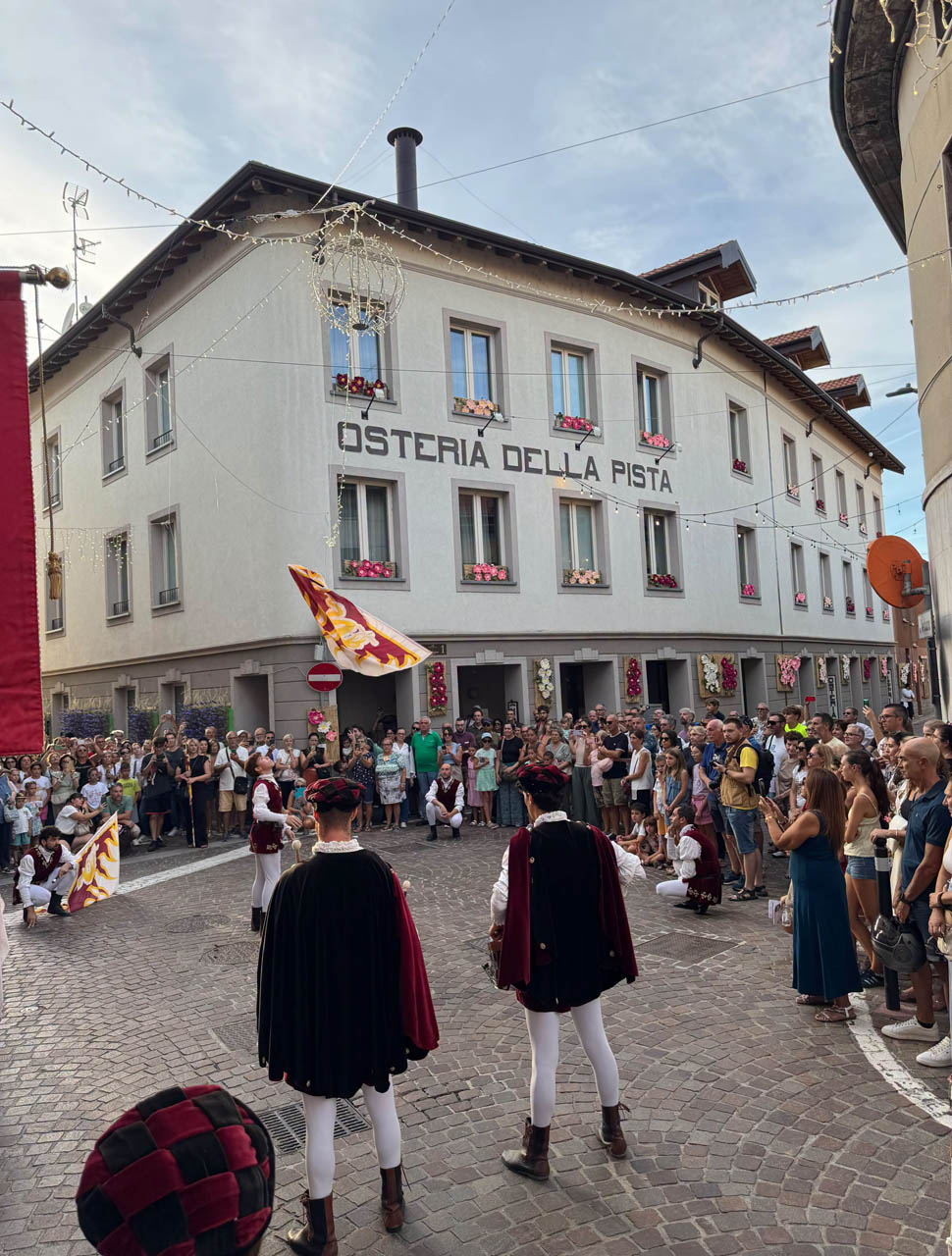
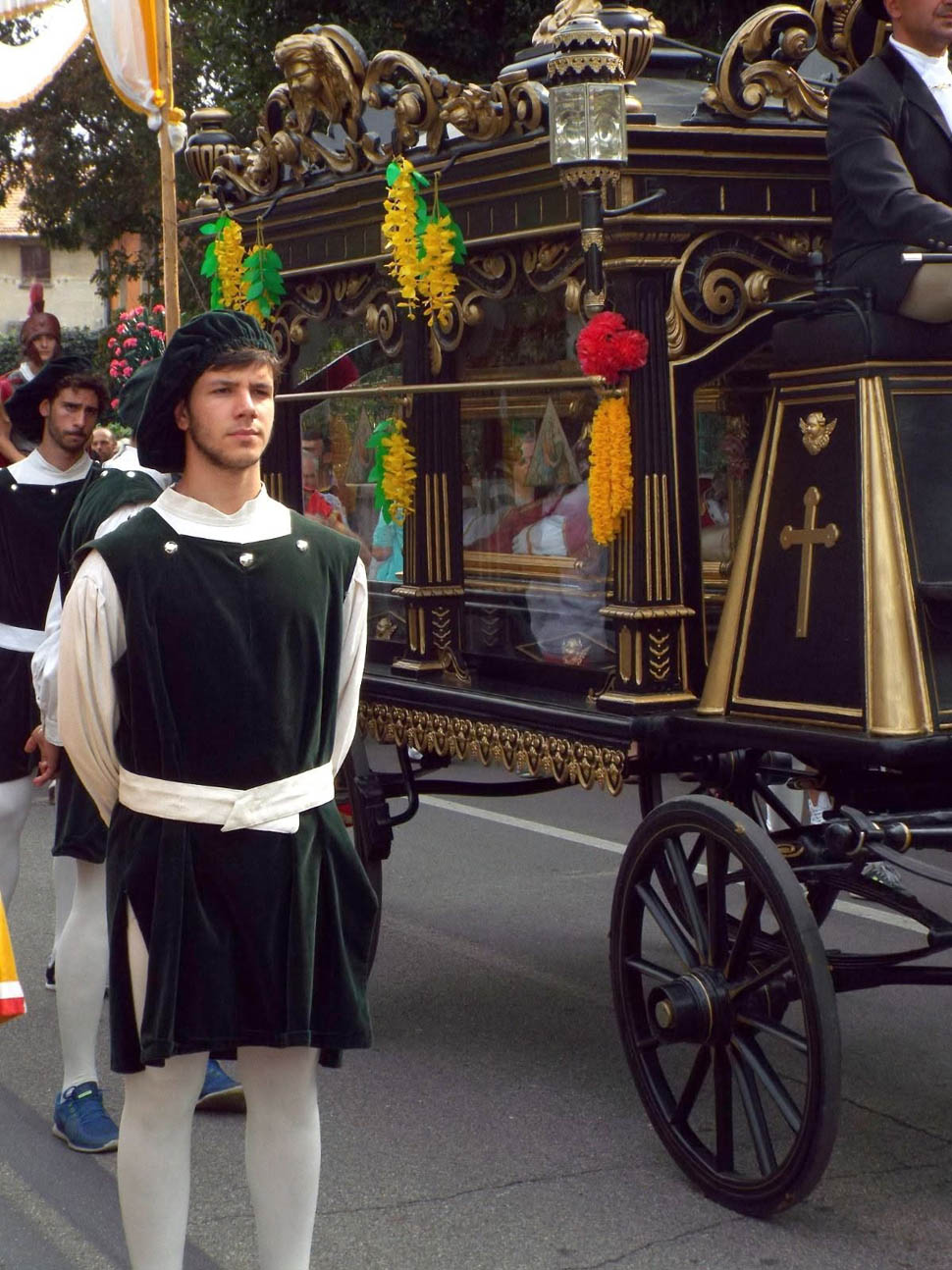
The history of San Tito began in 1926, when the town’s parish priest sought a way to bring together a community that was then torn by deep internal divisions. In Casorate Sempione, there were two factions, and the festival was conceived as an occasion capable of involving the entire town. At the center of it all was Saint Titus, whose relics are preserved in the town church after being donated by the Pope in the 17th century. The saint’s procession through the town’s streets gave rise to a competition that was destined to become an integral part of the event. Each street began preparing its own floral decorations, striving to outdo the beauty of the others’ displays. Over time, the competition has evolved into a much more complex shared tradition.
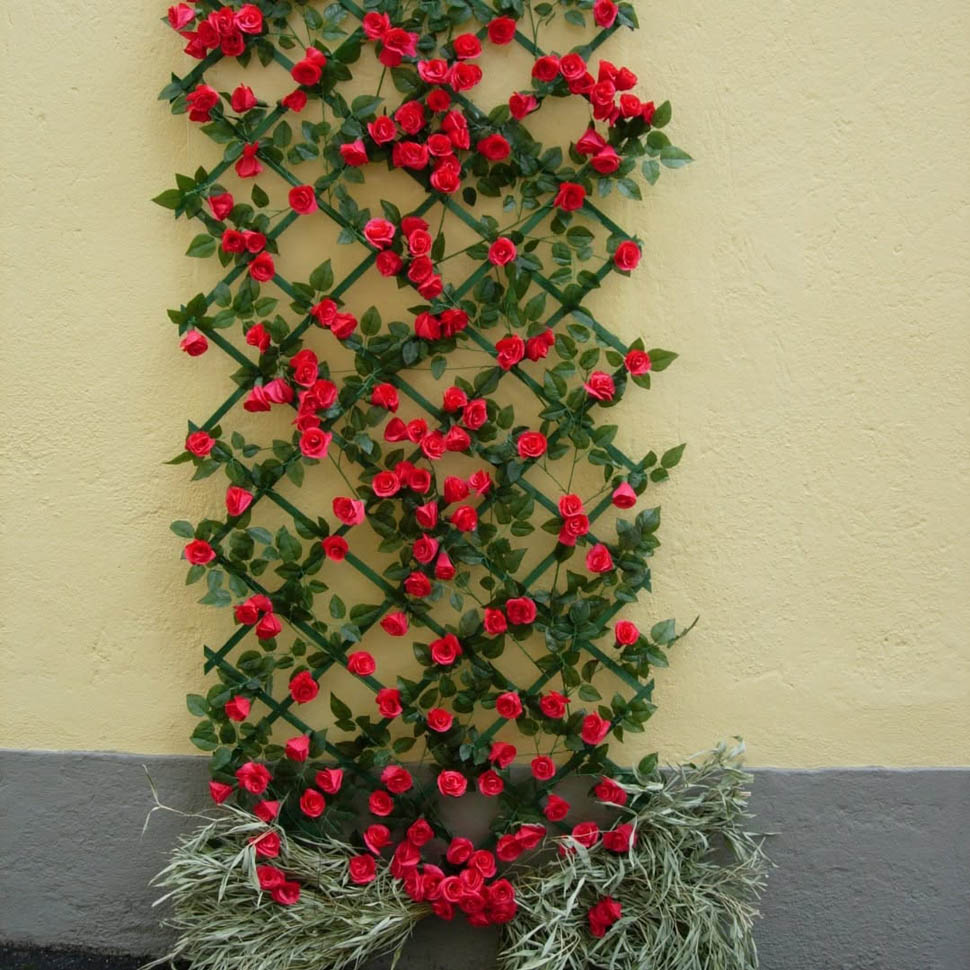
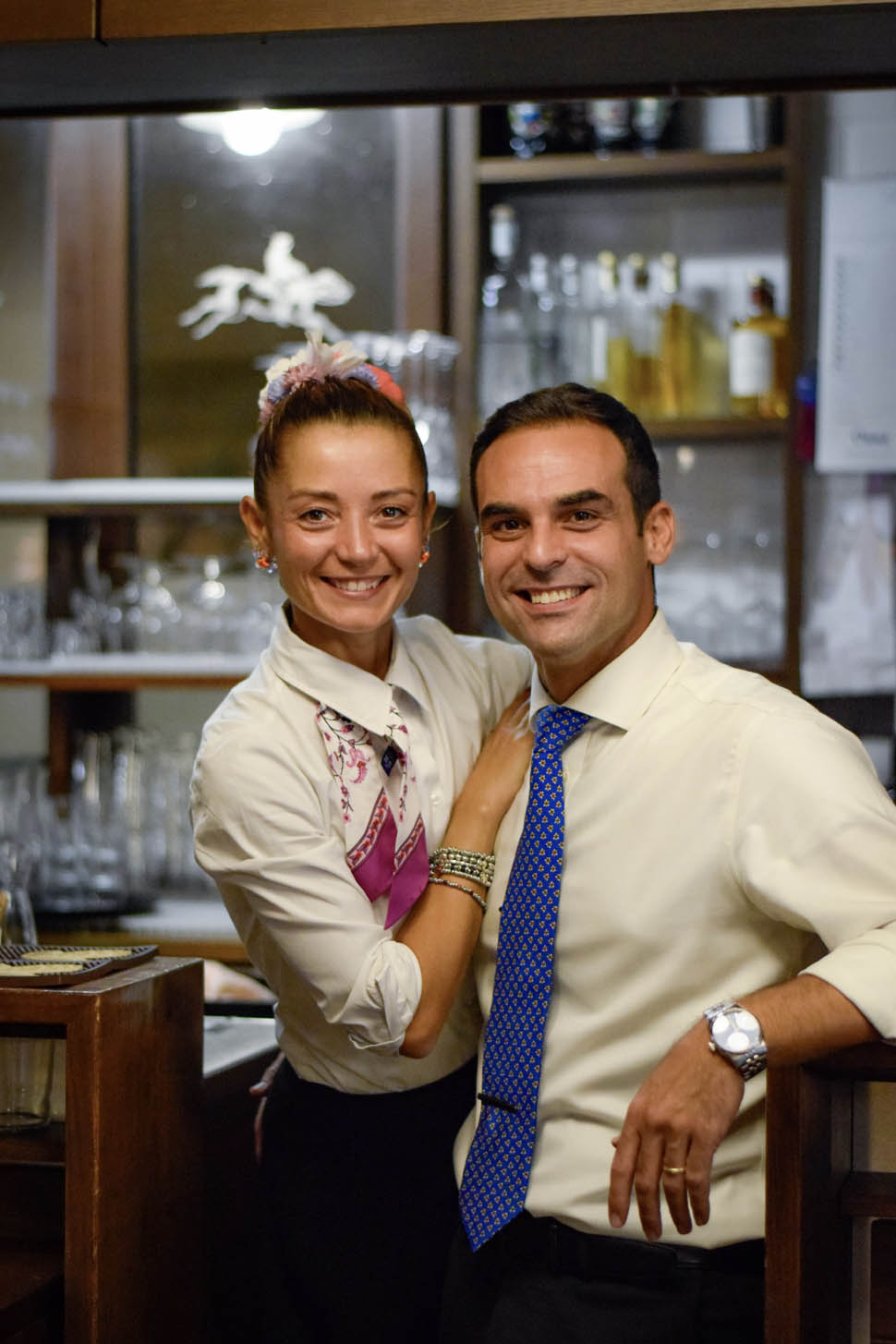
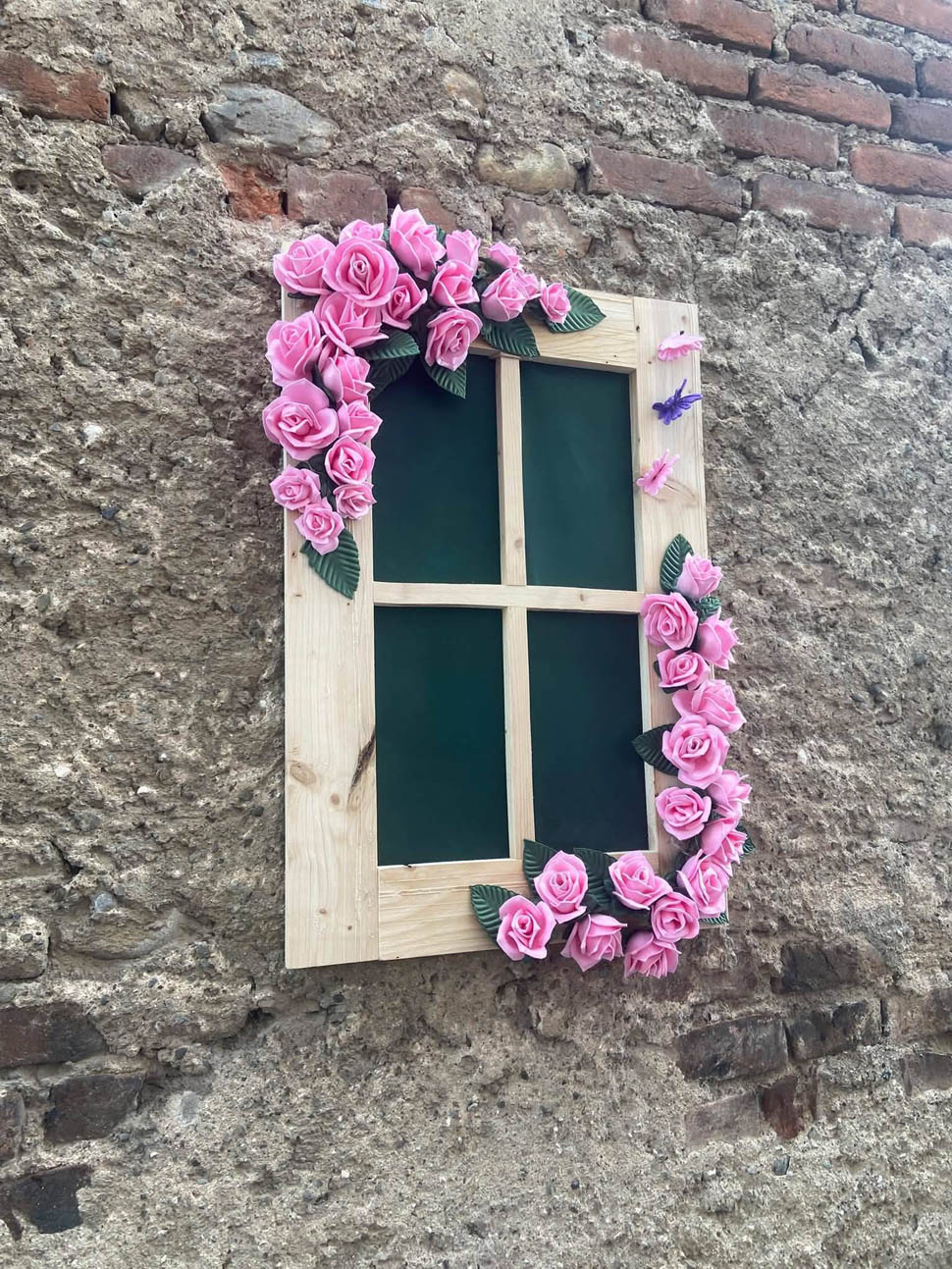
What was a gesture of reconciliation a century ago has today become a collective artisanal endeavor. Each street forms its own committee and begins working on the flowers four years in advance, deciding on shapes, materials, and placements in total secrecy from neighboring streets: paper, plastic, glass, crepe rubber—any material that can be turned into a petal. Perhaps the most unique part is the period leading up to the display. The designs remain secret from the other streets, and the materials must be hidden for years. “You need garages, sheds, and warehouses. We’re always looking for a place to store these things. I had a garage with 7,000 flowers; I kept them there for a couple of years,” tells us Giacomo Moalli, who runs the Osteria della Pista with his family. The result isn’t revealed until the eve of the festival. The night before the festivities begin, the residents take to the streets and set up the decorations all together. That’s the moment when the secret is finally unveiled.
Ten Days That Change the Town
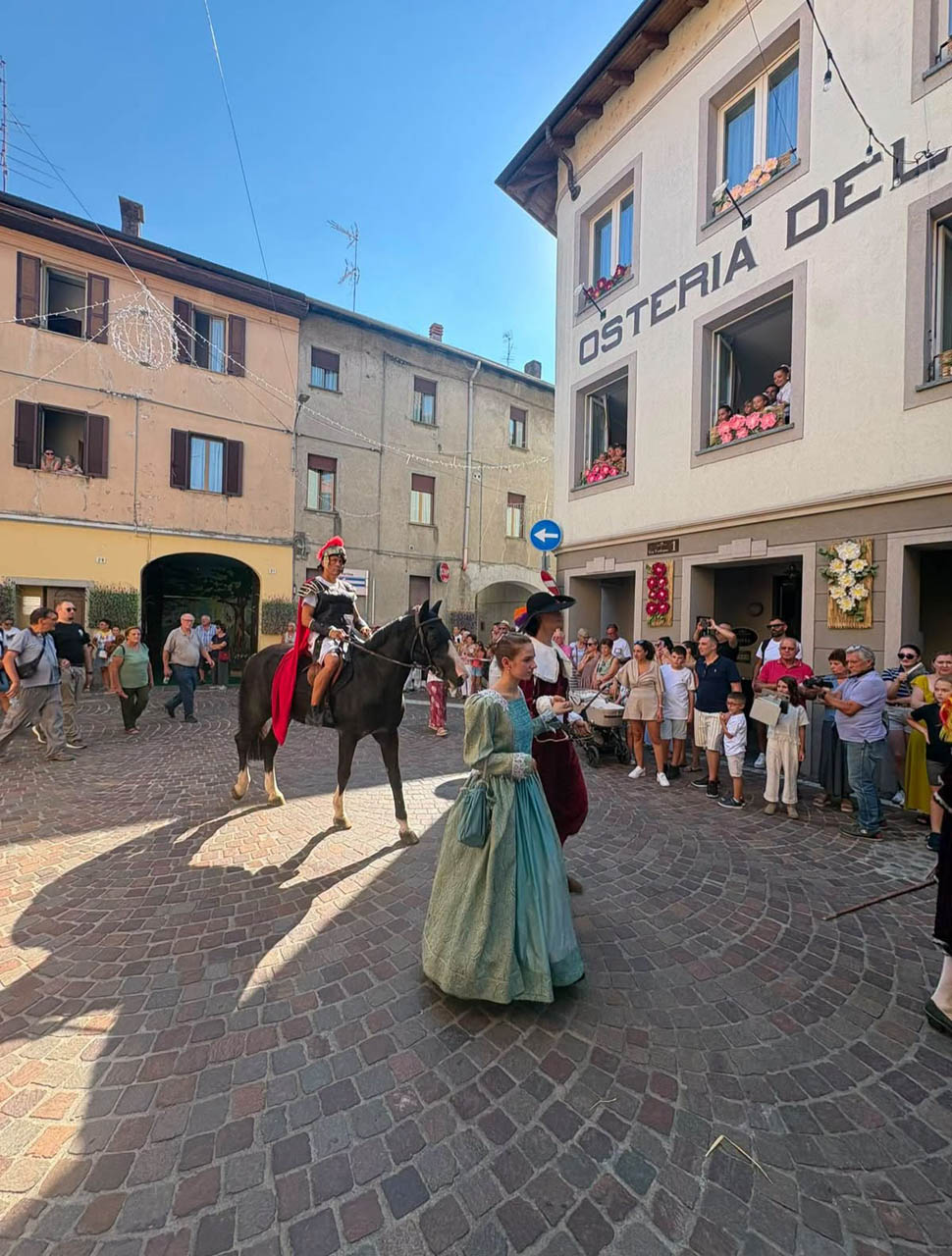
The frequency of the event also explains its intensity. Giacomo doesn’t know of any specific historical reason why the festival was set to take place every ten years, but he sees a very practical reason in the amount of work it requires. “We start meeting about four years in advance, with the first planning sessions, because we have to decide which flower to create, how to make it, where to place it, and so on. Then we begin the actual production,” he explains. “If it were held every five years, there wouldn’t even be time to recover from the festival. There’s so much work to do.” During those ten days, Casorate Sempione takes on a completely different rhythm. The streets are closed to traffic, and each street organizes its own events, ranging from concerts and performances to artist installations. Once the festival is over, the flowers are available for purchase, and a portion is sold to raise funds for charity and to cover the festival’s expenses.
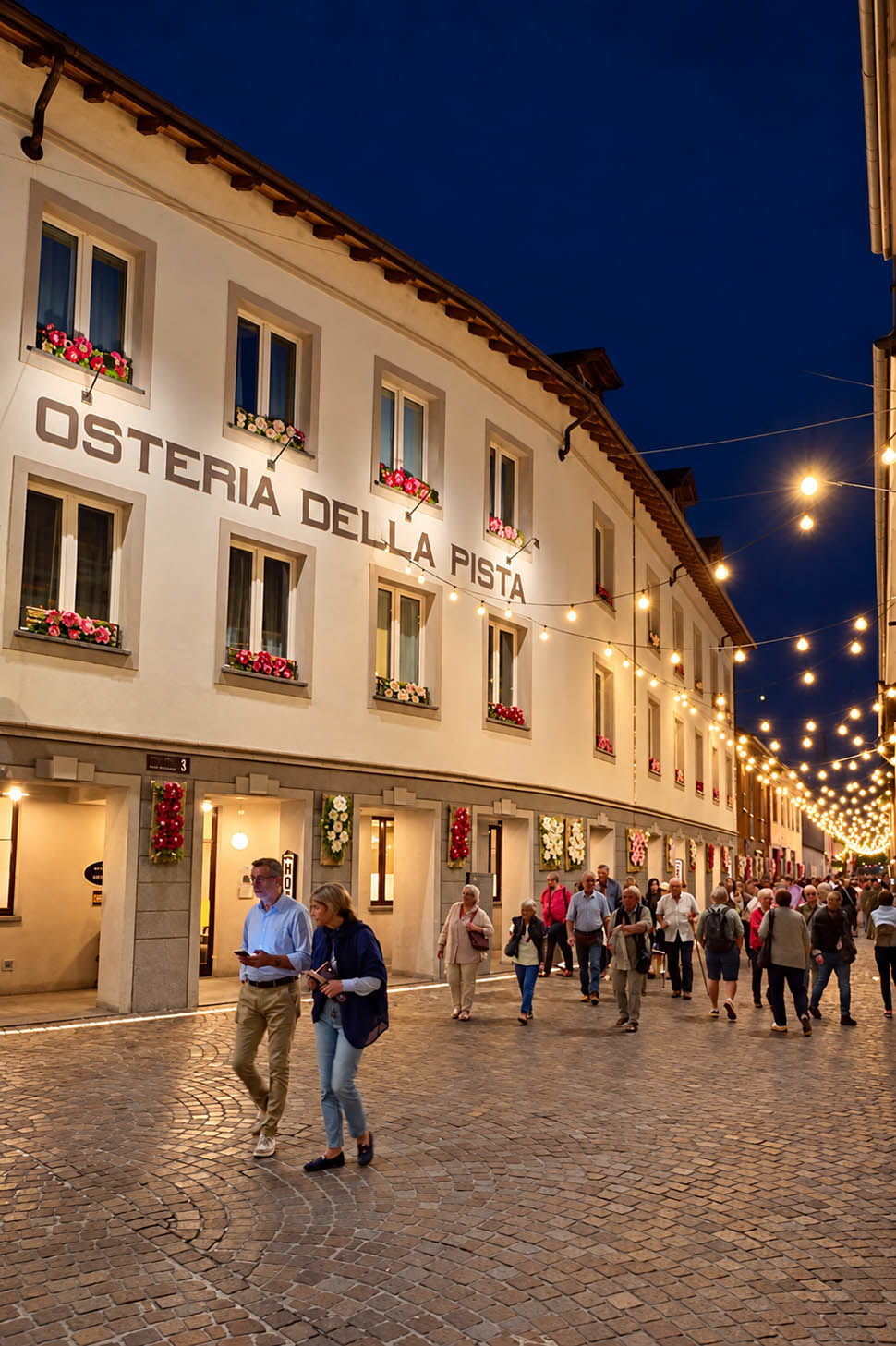
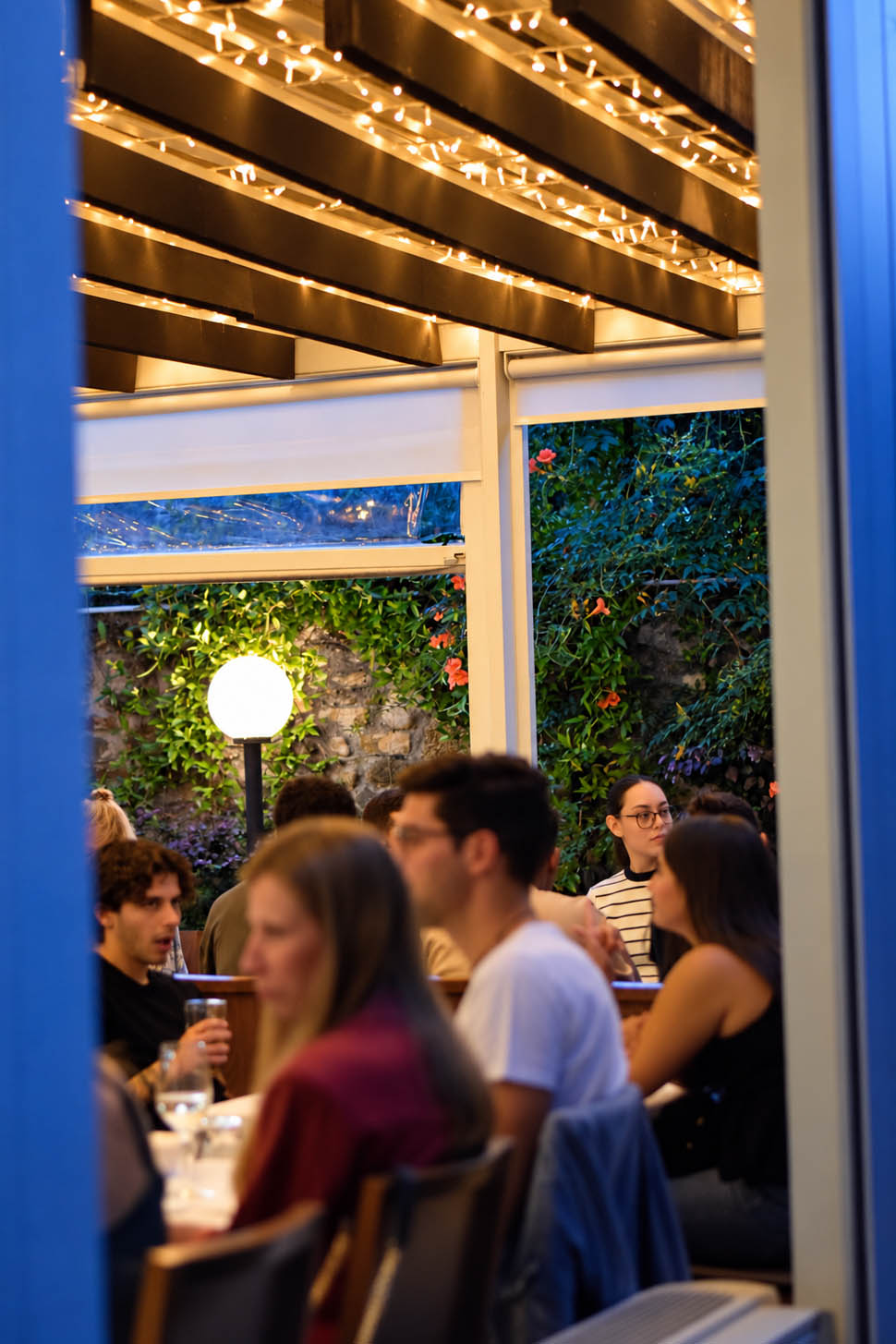
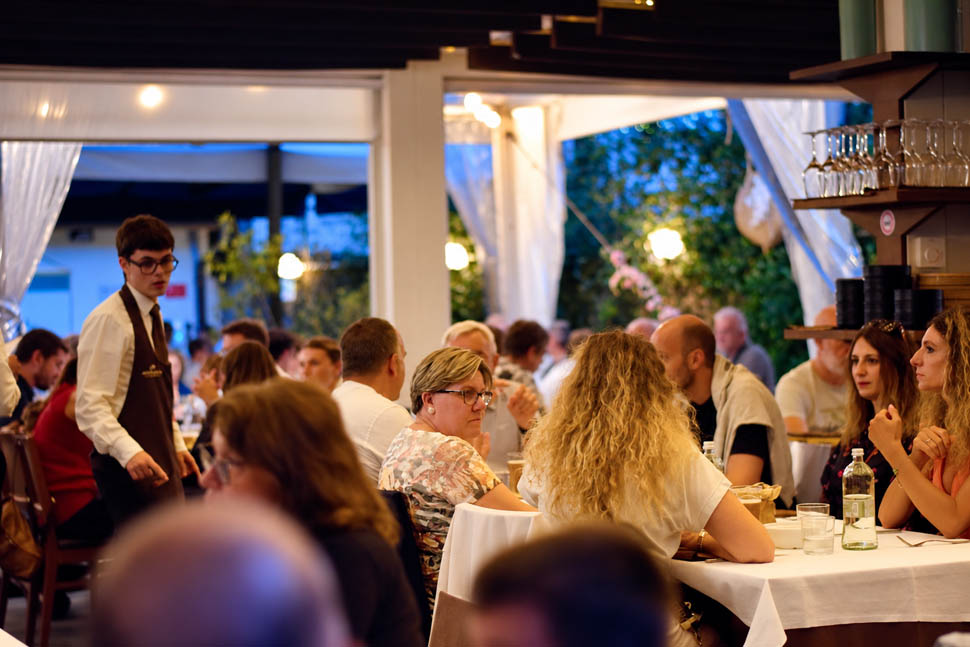
During the most recent edition—the centennial celebration—the town was adorned with over 500,000 flowers and welcomed more than 100,000 visitors: twenty times the population of Casorate Sempione. Families even traveled from outside the region to take a trip just to see the town transformed into a garden with their own eyes. For the Osteria della Pista, this meant quickly adapting its space: the indoor parking lot was turned into a dining area, more seats and umbrellas were added, and service was organized to handle a much larger crowd than usual. “We had more than 300 seats during those days, and every night we were packed to the brim, with a line out the door,” says Giacomo. “We had to get people served as quickly as possible.” The menu was also scaled back to allow people to eat without missing out on the festivities. At certain times, about 250 people would arrive within half an hour. The Osteria’s operations, therefore, fell into step with the rhythm of the event without trying to compete with what was happening outside: the restaurant had to allow visitors to sit down, eat, and quickly return to the streets, while maintaining the quality of the food and service that has always set the restaurant apart.
Foreigners also came for San Tito
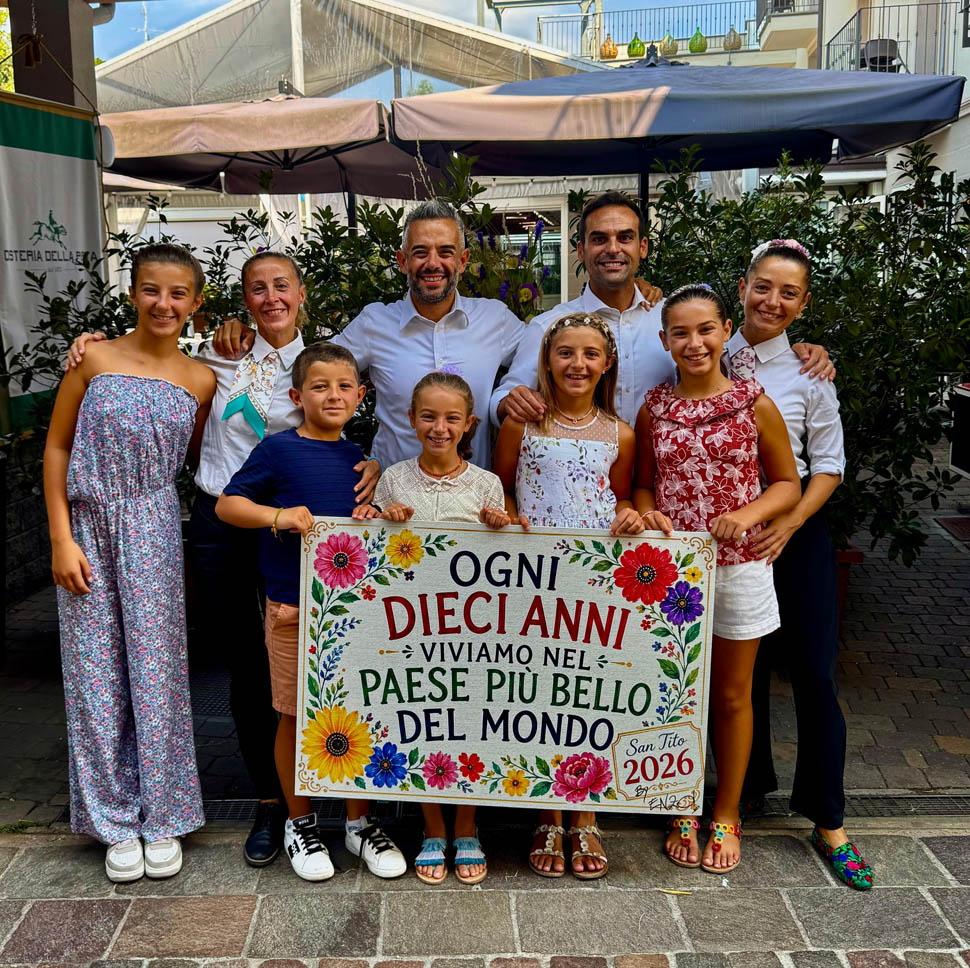
Amid this festival featuring thousands upon thousands of flowers, the Osteria della Pista’s location was (literally) central. Situated right between the town’s main streets, it hosted a large number of people, serving as a hub for the festival for guests from all over the world. Some foreign guests were already staying at the hotel and found themselves in the midst of the festivities; while others came specifically after being tipped off by their hotel owners. Among the visitors were also people who regularly visit the area once a year and chose to time their trip to coincide with San Tito. A celebration created to heal the divisions of a small town has managed to transcend its borders, attracting people who had never had a reason to visit Casorate Sempione before. Even a sign from the Osteria della Pista became part of this buzz. The phrase“Every ten years, we live in the most beautiful town in the world”—a phrase drawn from a family tradition that began thirty years ago—was photographed by countless visitors, influencers, and content creators, and continued to circulate on social media even after the festival ended.
The San Tito liqueur was first created ten years ago
This liqueur is part of that story. And here, the Osteria della Pista plays a special role, because it wasn’t the restaurant that invented it. The first version actually dates back to the 2016 festival. The town of Casorate Sempione commissioned it for the festival, drawing inspiration from the San Tito dessert, a traditional recipe made with figs, dried fruit, honey, walnuts, and hazelnuts. Ten years ago, the liqueur remained tied to the event. For the centennial, however, Giacomo chose to have it produced again in larger quantities, with a specific goal in mind: to ensure it wouldn’t disappear along with the anniversary celebration. “This year I had quite a bit more made, because as the Osteria della Pista, I’d like to keep it even after the festival. For the coming years, I’d like the San Tito liqueur to remain in Casorate Sempione—and who knows, maybe even beyond our borders,” he explains. Production is entrusted to the Rossi D’Angera Distillery, Distillers since 1847, a local company with which the Osteria della Pista already collaborates on other products. And according to Giacomo’s plans, the project doesn’t end with the bottles produced for this edition: if it becomes necessary to make more in the future, production can be resumed.
The liqueur remains a local product, born out of the town’s collective will as part of a community event. The Osteria della Pista, however, has become one of the places where it can still be found—even after the streets have returned to normal and the flowers have been taken down. Giacomo makes this clear: “It’s not something we invented or created ourselves, but rather something that belongs to the town—it was made by the town—and we want to share it beyond the context of the festival.”His ambition, therefore, is not to take the liqueur on tour throughout Italy or turn it into a product distributed elsewhere. The process is simpler—and, for that very reason, more interesting: anyone who stops by the Osteria della Pista can learn about it, taste it, and, if they wish, take some home.
“We’re showcasing it right here at our hotel; I don’t take it anywhere else. But the world comes to our hotel,” says Giacomo. “If someone buys it and takes it home, then yes, it ends up on the other side of the world. But it’s something we’ll showcase right here in town, at our hotel.” A festival built to last just a few days but prepared for years leaves behind something far less fleeting than flowers. The liqueur, first created in 2016, has returned for this edition and will remain available even after Casorate Sempione has resumed its ordinary life. The flowers will return to Casorate in ten years. The taste of San Tito, however, can continue to travel.
Useful Contacts
- Osteria della Pista
Via Verbano, 1, 21011 Casorate Sempione VA
Phone: 0331 295054