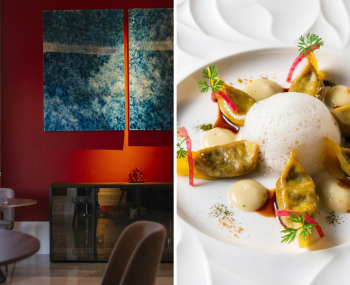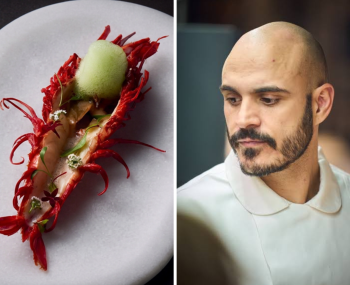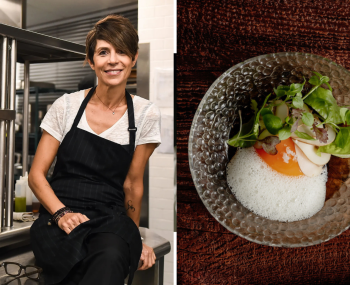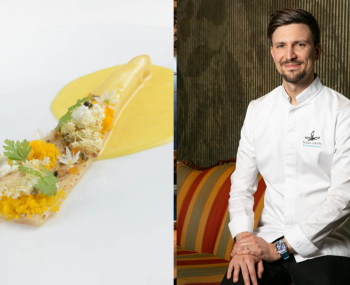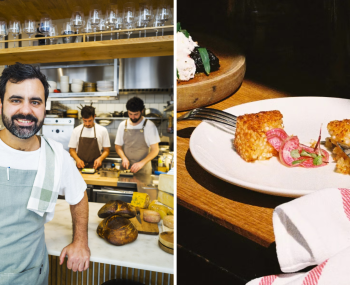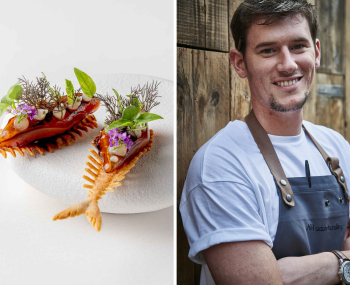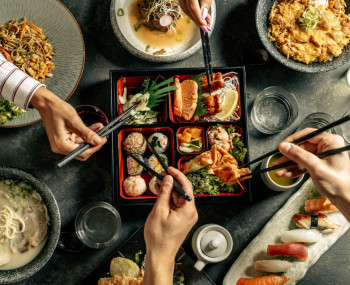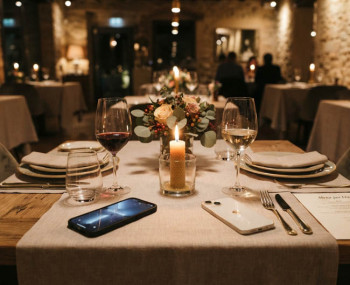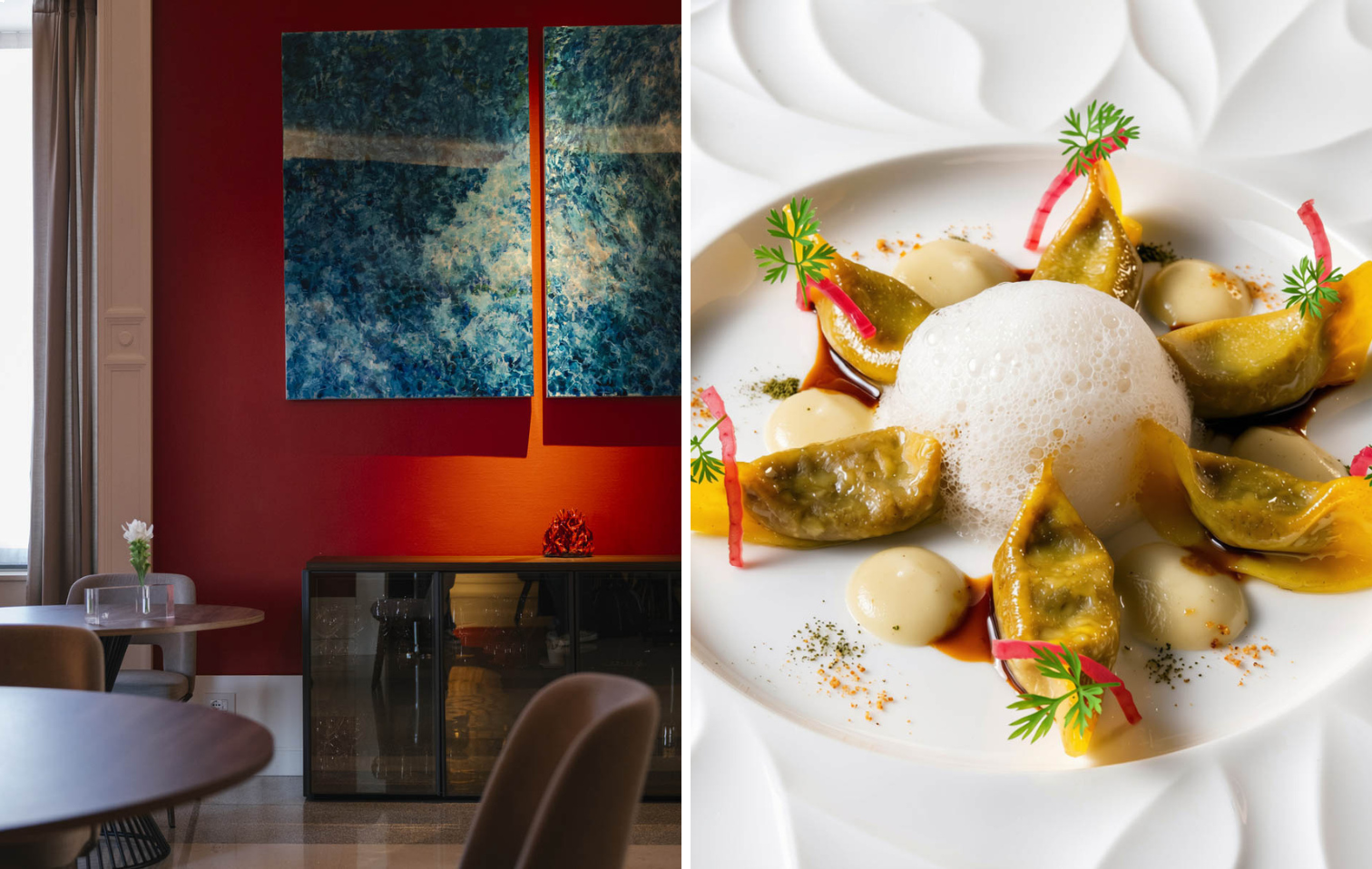
Here’s what dining is like at the second restaurant by the chef of Danì Maison, located inside the Hotel De Bonart with a view of the gulf. It’s a place where Nino—with the help of executive chef Antonio Autiero—enjoys putting a modern spin on Neapolitan classics, often with thrilling results.
From Ischia to Naples: How Nino Di Costanzo Reinterprets Neapolitan Tradition at Deschevaliers
Nino Di Costanzo was born and raised in Ischia, and like all people from the provinces of Campania, he has a unique relationship—part love, part hate—with Naples, a city that commands all the attention and judgment, so steeped in traditions, clichés, and stereotypes that it almost feels like a prison for those who, upon saying they’re from Campania, immediately hear the reply: “Ah, a Neapolitan!”.
This is why the Neapolitan project by the chef from Ischia—who has found his home on the “green island”—is generating quite a bit of interest, his comfort zone, and his creative canvas at the Danì Maison restaurant—one of the most enchanting spots on the entire Italian gastronomic scene, with that small park that nonetheless feels like a Mediterranean forest, and those ready-made pieces and works of art that transform it into an intimate and enveloping Tarot garden.
From his home in Ischia to the Gulf of Naples: the Deschevaliers team
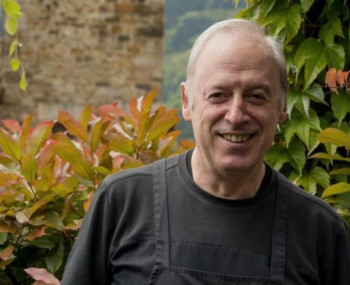
For just over a year—since the summer of 2025—the chef with the street-smart look has been running a second restaurant in a metropolitan setting: Deschevaliers at the Bonart Naples, Curio Collection by Hilton, a luxury hotel overlooking the Gulf and part of the Caracciolo Hospitality Group. It’s a place where Di Costanzo has taken on the challenge of reinventing himself without compromising his artistic integrity or his love for art as a constant companion to his culinary craft.
Born in 1972 in Ischia to a family with farming and seafaring roots, Di Costanzo trained after graduating from hotel school under masters such as Gualtiero Marchesi, Gaetano Trovato, and Juan Mari Arzak. The two Michelin stars he earned at Mosaico paved the way for the 2016 opening of Danì Maison, Di Costanzo’s lifelong dream—a clear tribute to his roots and a gesture of redemption from his humble origins, yet without a shred of shame: the restaurant is located in his family home on Ischia and boasts two macarons,confirmed in the recent Michelin Guide Italy 2027. Since 2019, the chef has also been a member of Les Grandes Tables du Monde.
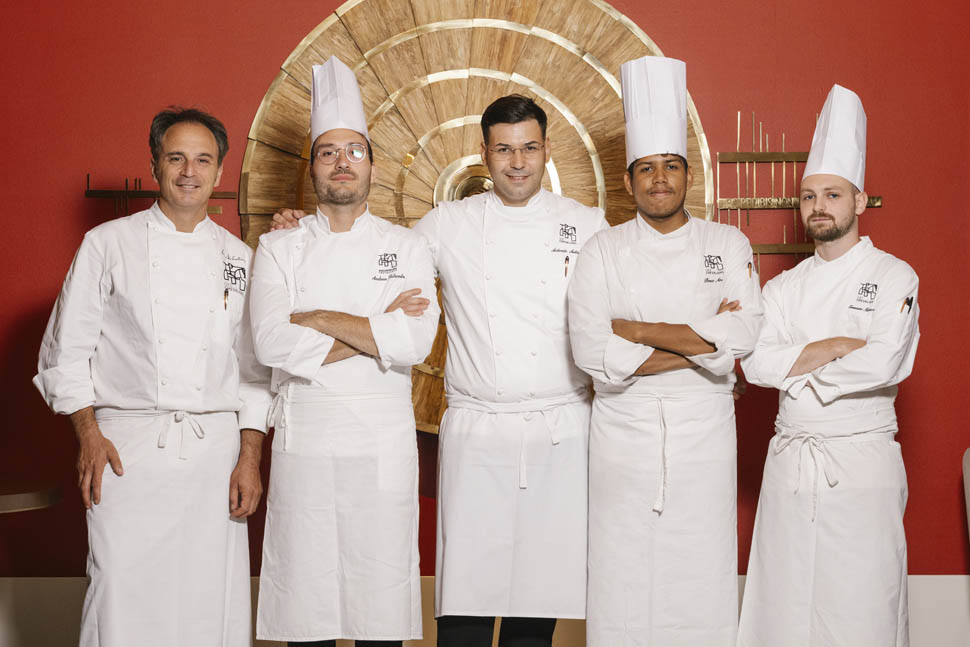
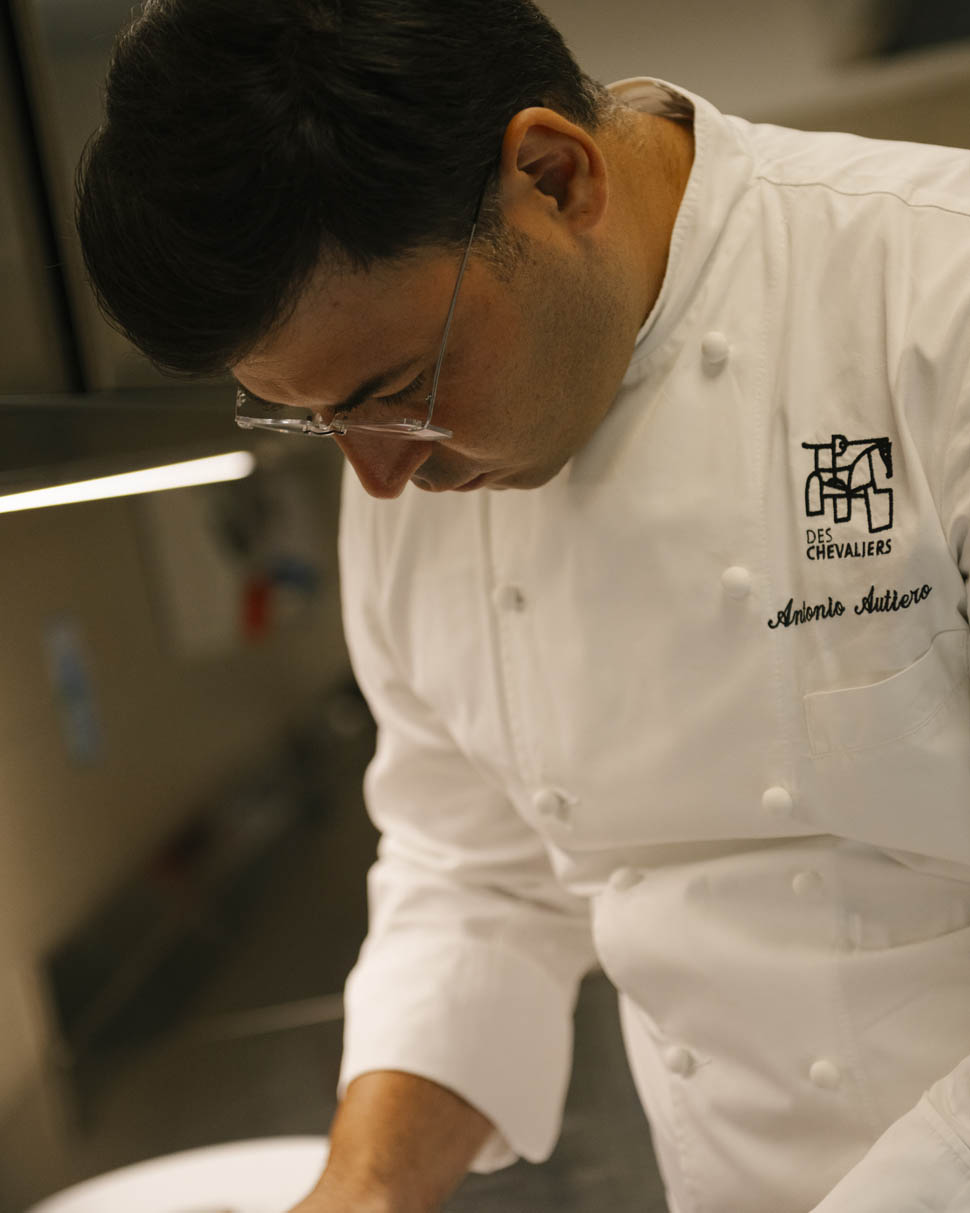
In this venture, Di Costanzo is joined by the resident chef and his protégé, Antonio Autiero, who has gained significant experience in Rome and along the Amalfi Coast, including Enoteca La Torre at Villa Laetitia. Autiero seems perfectly at ease in interpreting Di Costanzo’s vision with a personal touch. In short, this is not “translated” cuisine—a mere imitation—but a culinary journey filtered through a dual sensibility. It’s a daring gamble, but in the end, it pays off.
Irony vs. Stereotypes: The Challenge of Neapolitan Identity at the Table
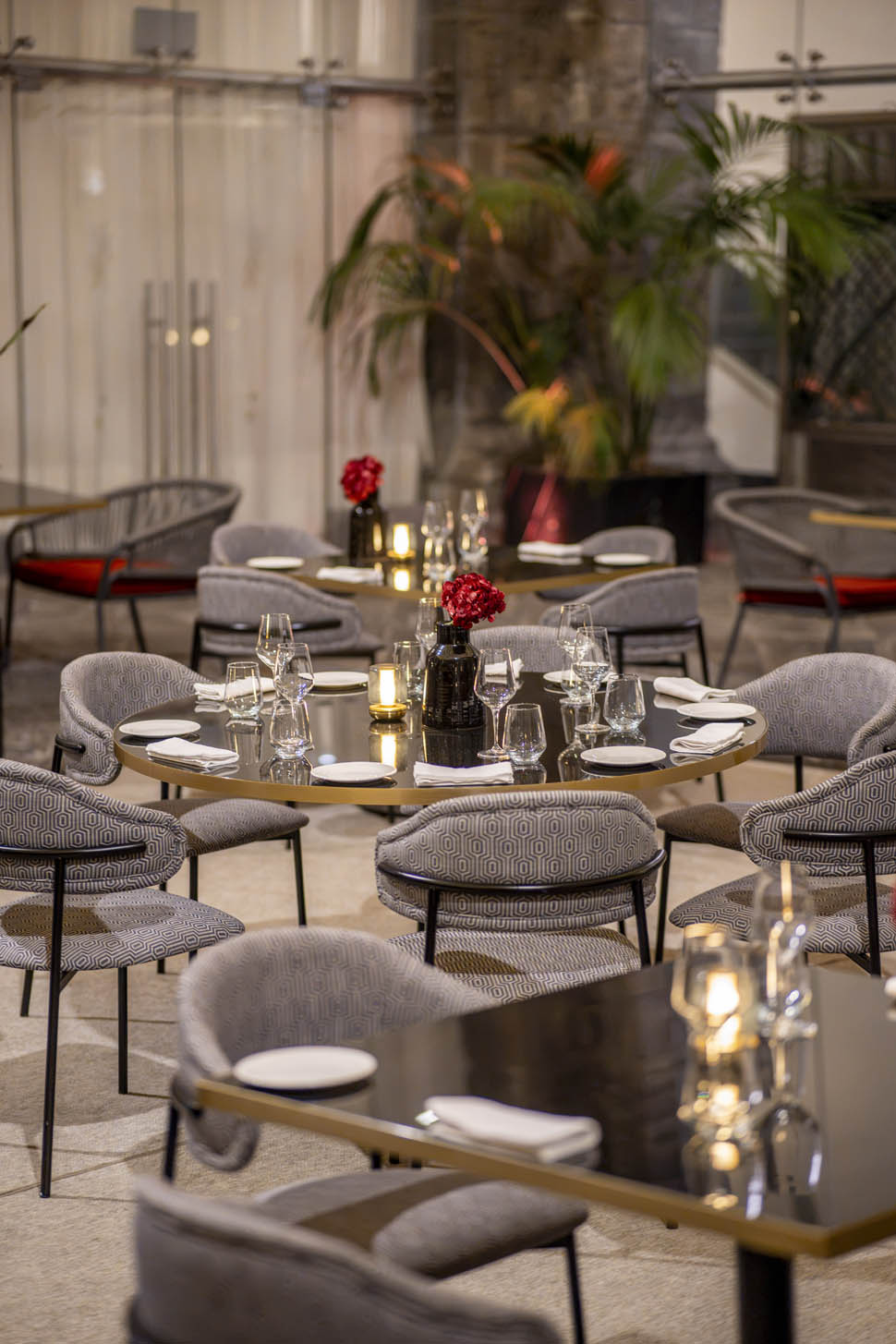
So here we are in the city—and what a city it is—staying at a refined and elegant hotel—part of the Caracciolo Hospitality Group, led by Costanzo Jannotti Pecci—that attracts wealthy tourists who gaze out their room windows and immerse themselves in the postcard-perfect view of the Gulf of Naples in all its unabashed splendor. It so happens, then, that these same hotel guests—or outsiders who come to revel in the same view—slip into “postcard mode” and seek out that visceral, feminine Neapolitan spirit even at the table. The solution that Di Costanzo and Autiero have adopted to meet this demand without compromising their true selves is the use of irony.
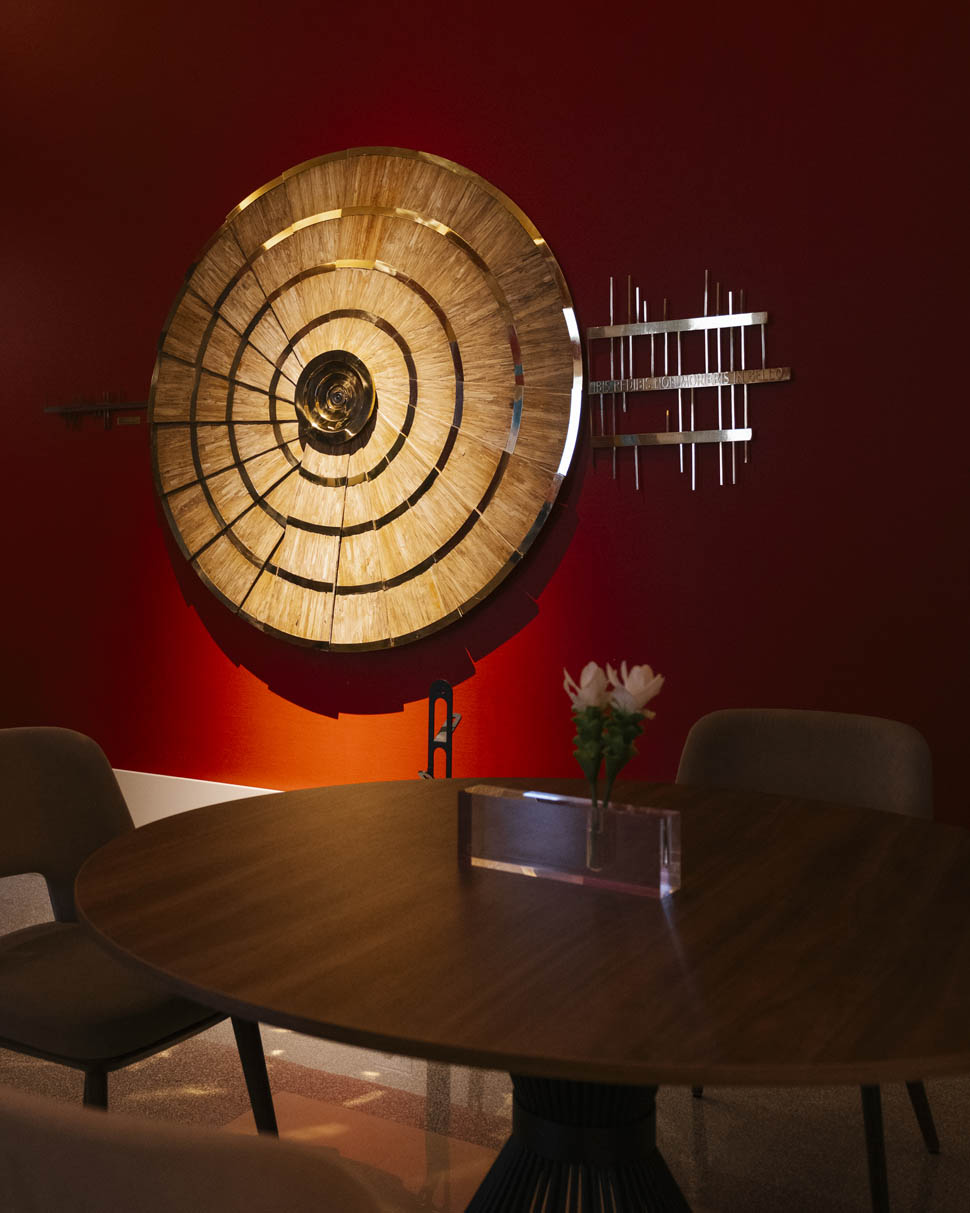
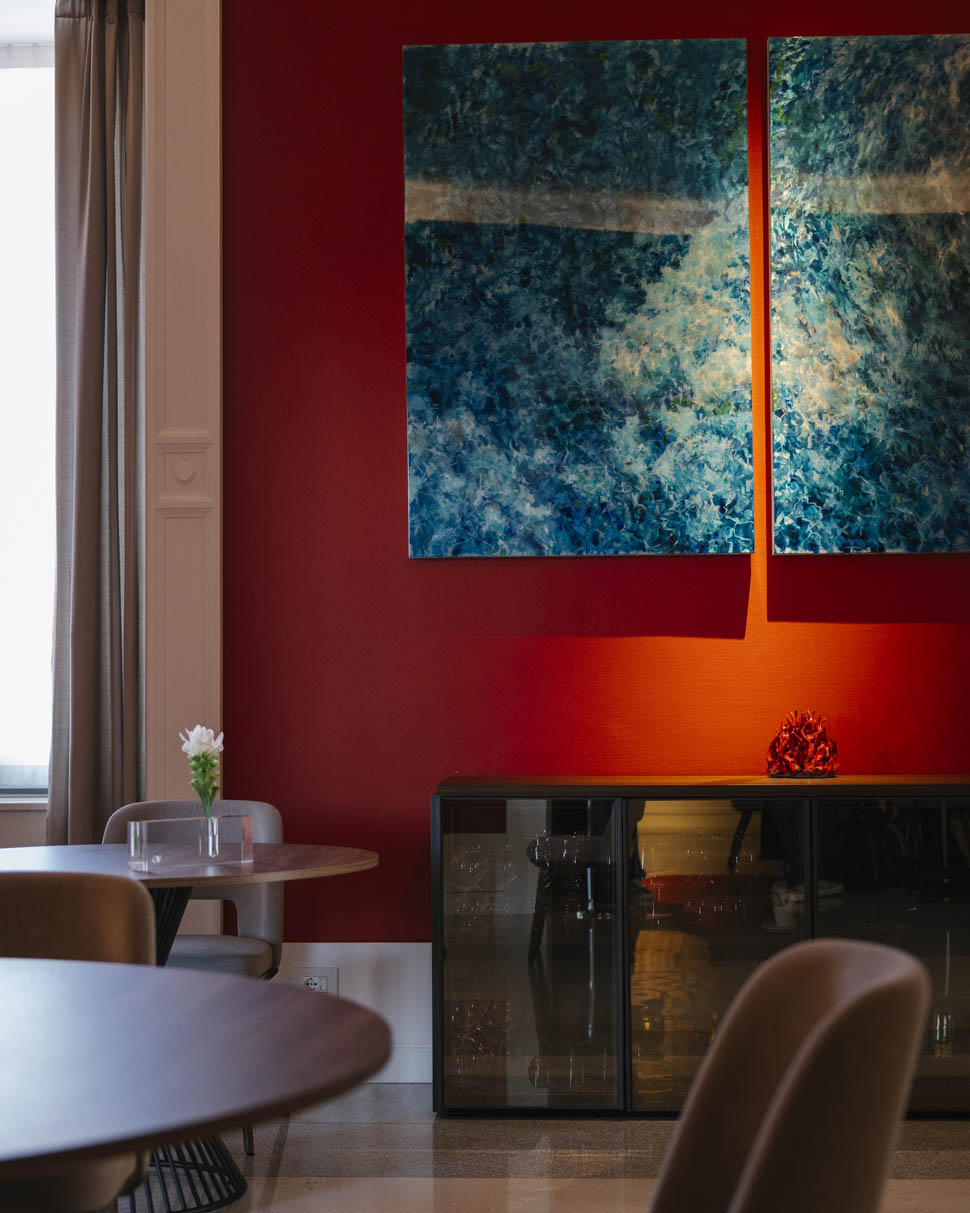
The menu at Deschevaliers—a name that references the artwork *Totem*, prominently displayed in the hotel lobby, by Neapolitan artist Sergio Fermariello, who also designed the restaurant’s logo, drawing inspiration from the figure of the knight, one of the recurring motifs in his artistic work—is rich in references to Neapolitan iconography, filtered through a lens of disenchantment. It’s a captivating game in a city accustomed to poking fun at its own saints—whether religious, like Saint Januarius, or secular (secular?) like Maradona—though it finds it less amusing when those “going crazy” over the family heirlooms aren’t true Neapolitans.
The tasting menu and the dishes: from the opening “luna park” to the great classics
Classic Neapolitan dishes, such as ragù (‘o rraù, which, as we all know, “ha da pippià?”) or the ever-reliable Genovese sauce, are certainly present—and indeed may represent the very best that Deschevaliers has to offer—but they are transported into an upper-middle-class setting, becoming Cinderellas invited to the ball, with everyone watching to see what happens.
There are two tasting menus, presented in a quasi-bilingual Neapolitan-Italian format. “Vedi Napoli e poi…” – or “Vide Napule e ppo’” – costs 120 euros for four courses and is the menu most directly linked to Neapolitan tradition. “Allegria…moci,” or “Arrecria…mmoce,” features six courses and costs 140 euros, offering more room for the innovative side of Di Costanzo’s cuisine.
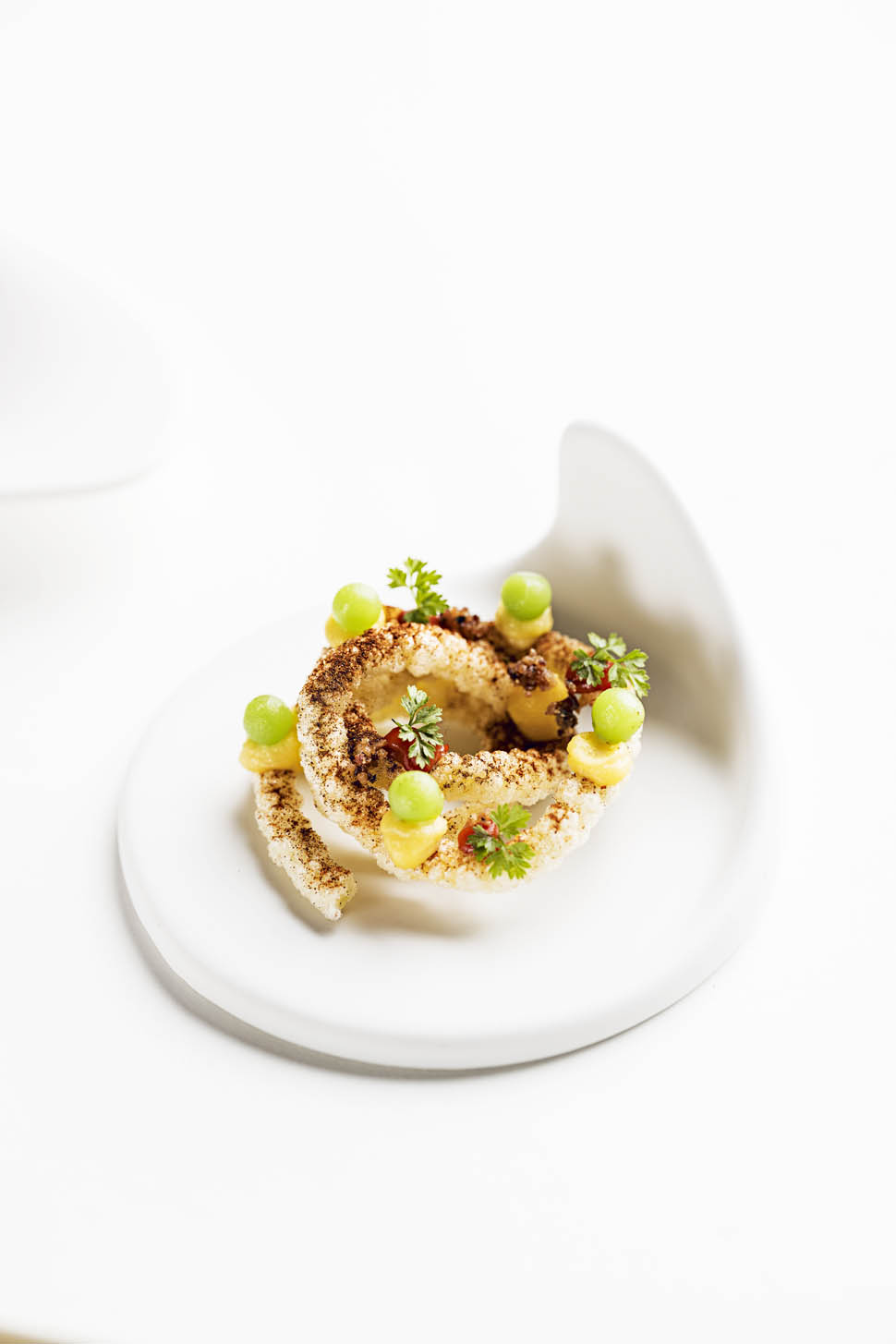
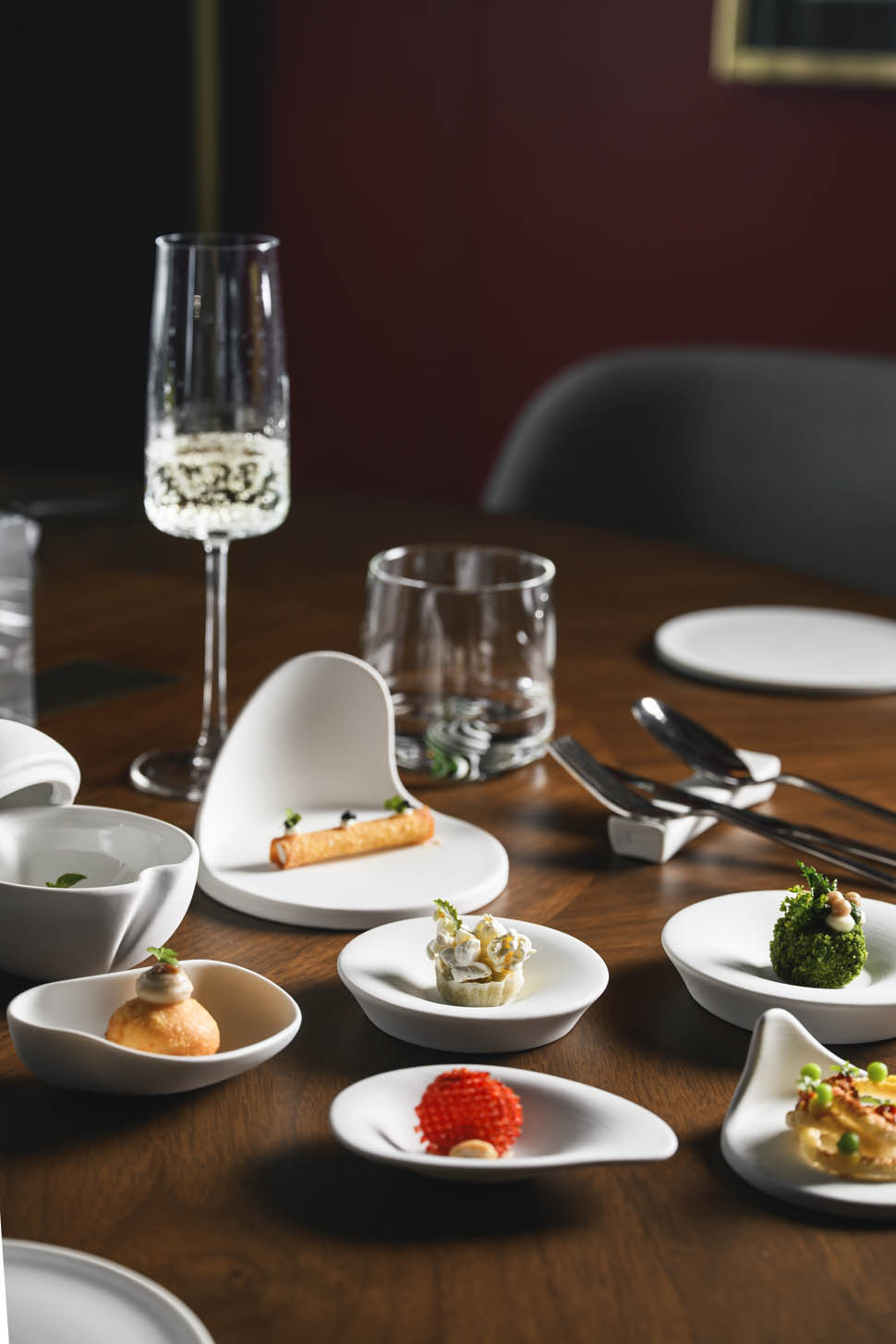
Of course, even here in Naples, there’s no shortage of Di Costanzo’s famous “luna parks”—those creations that overflow onto the table and delight customers’ eyes. Take the appetizers, for example: acorn cannolo with lemon ricotta and caviar, a Bao bun with a provola cheese filling and anchovy mayonnaise, a basket of rice noodle with eggplant and popcorn, Campari potato chips, peanut butter, and grapefruit, a fried dough pizza (a true icon of Neapolitan street food) with egg, pea, and tomato cream, followed by a savory meringue with sausage and friarielli, and a buffalo milk sphere, tomato water, and basil cream. Such a wealth of aromas, sensations, and friendly banter that one might already feel satisfied. But we haven’t even started yet.
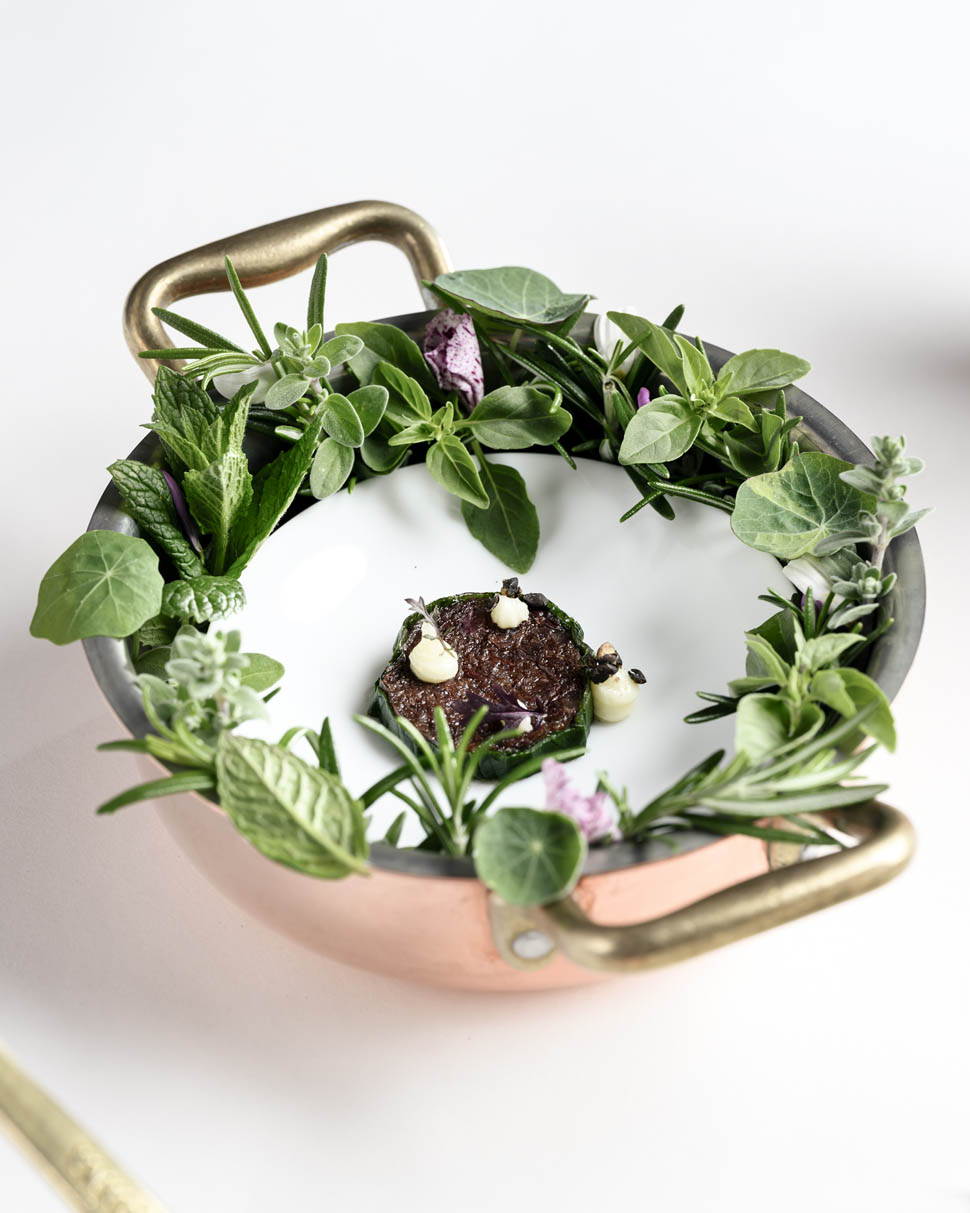
Here comes the bread (“o ppan”): Carta musica alla pizzaiola, a small Tortano (the classic rustic ring-shaped bread related to casatiello and packed with ingredients), and a white focaccia—all of which can be paired with one of the olive oils selected from a cart featuring twelve varieties from different Italian regions (a great idea, this).
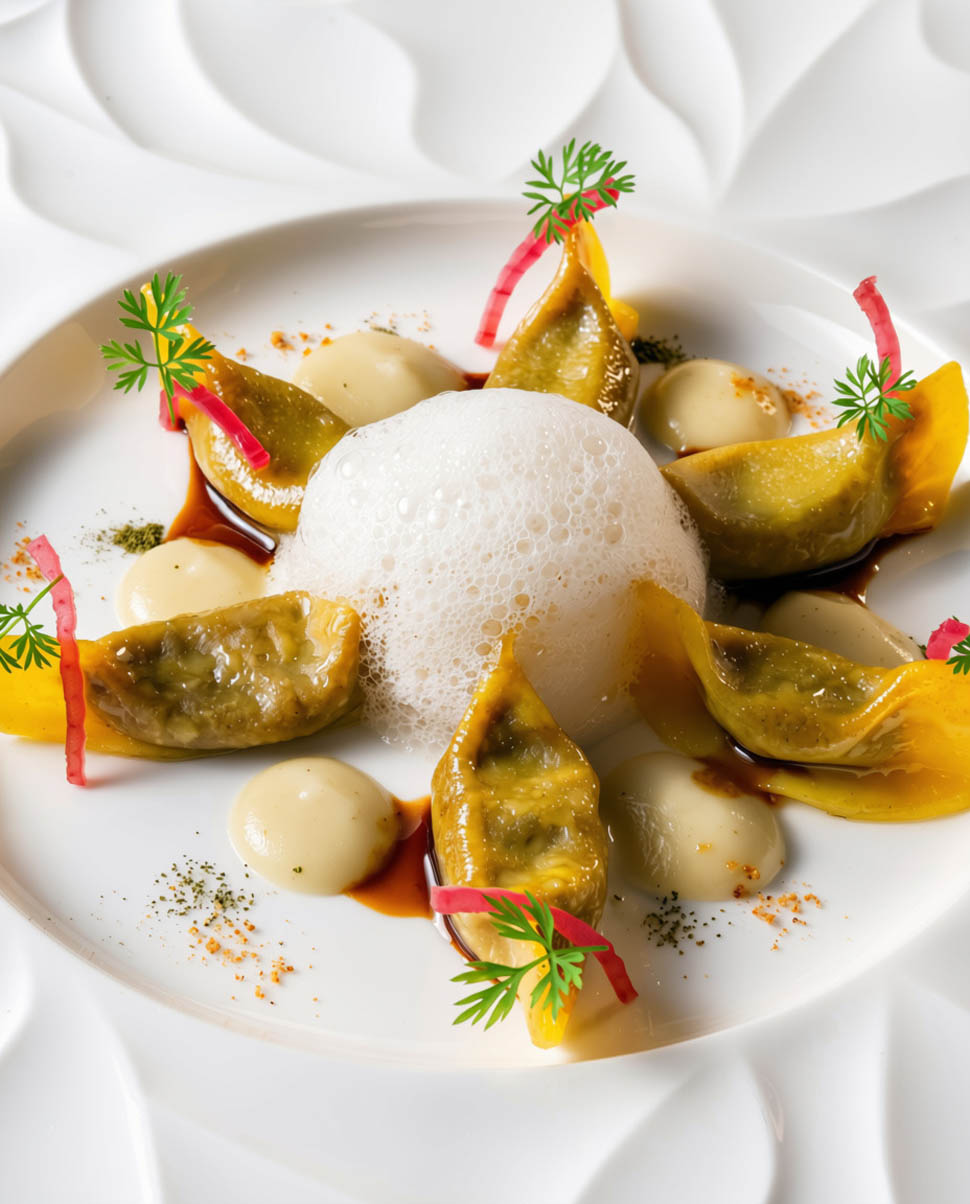
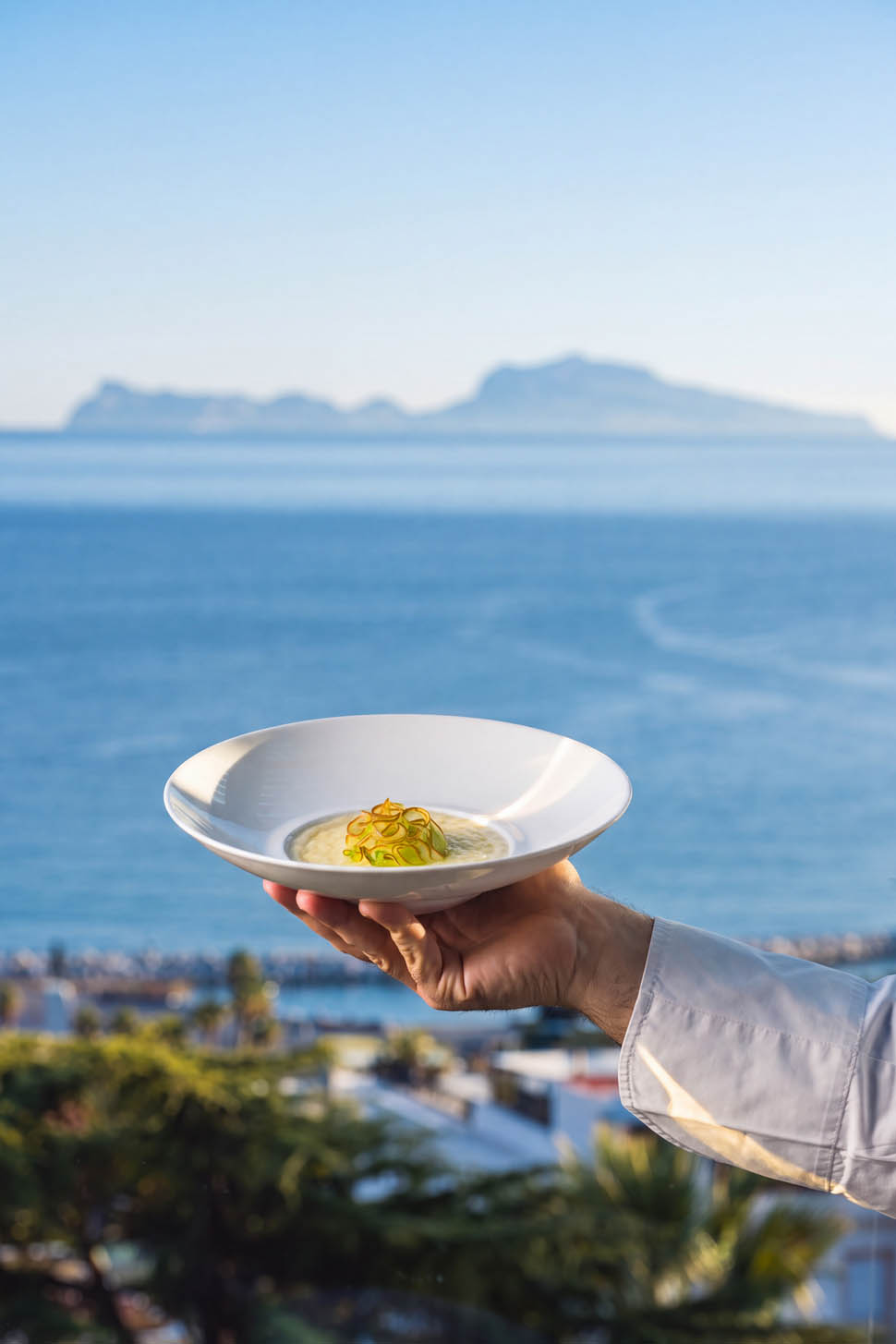
The first course is Lobster with pak choi and Contrera beans, a testament to Di Costanzo and Autiero’s ability to create a clear dialogue between the Neapolitan dialect and the international language of cuisine. Then, after a second serving of bread featuring a sourdough loaf with seeds—an eloquent tribute to Gualtiero Marchesi—comes an open raviolo with a filling of lemon-infused ricotta, tuna, and squid, all drizzled with a rockfish broth and a rockfish reduction.
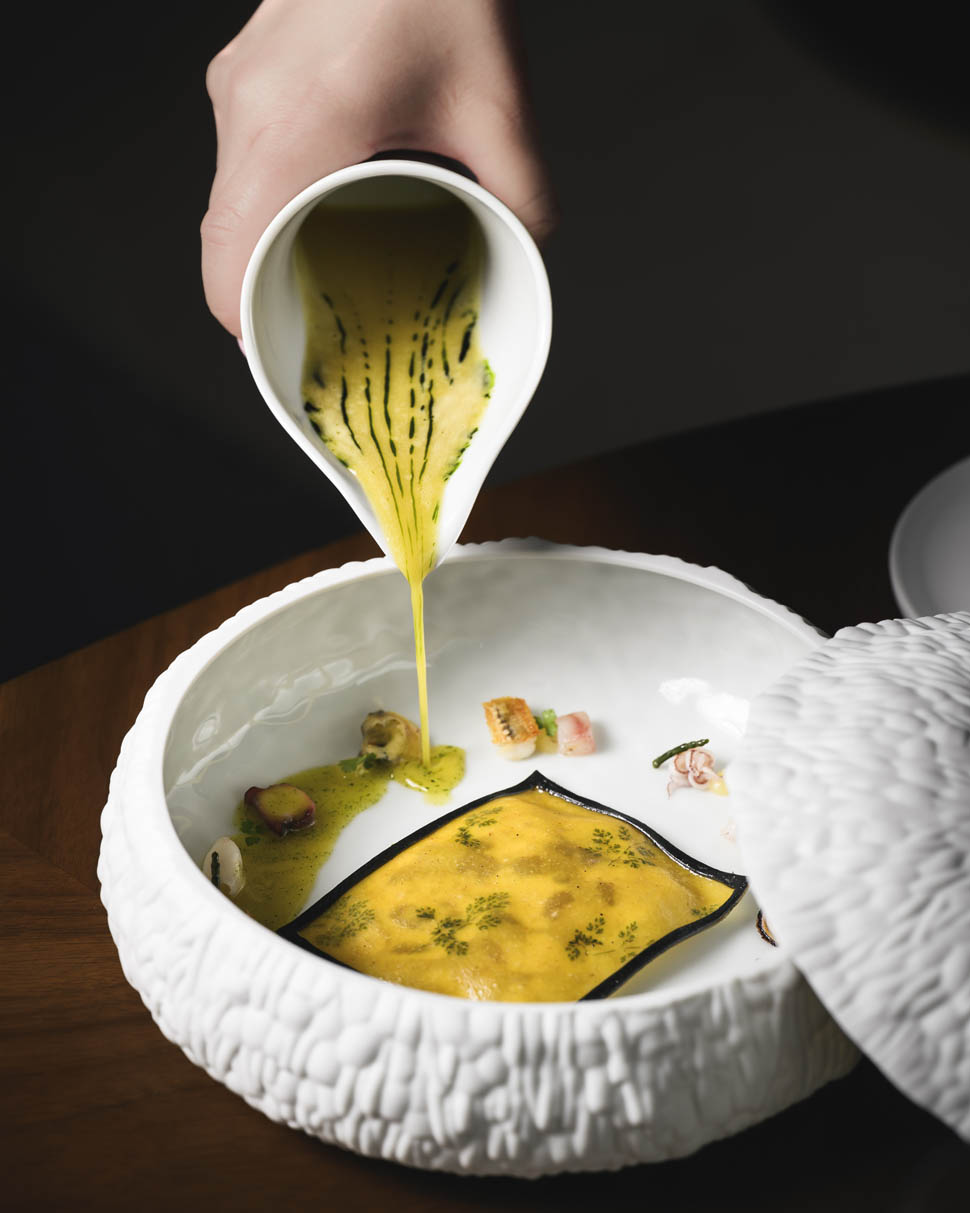
Next up is a mouthwatering Genoese Caramella, fresh pasta stuffed with beef stew, white onion cream, marinated red onion, and Parmesan foam, followed by a Pezzogna topped with shellfish and potato soufflé, served with “acqua pazza” sauce. Finally, to bring things back down to earth, a beef tenderloin alla pizzaiola, with nduja sauce, old-fashioned potatoes, beef stock, and vegetables.
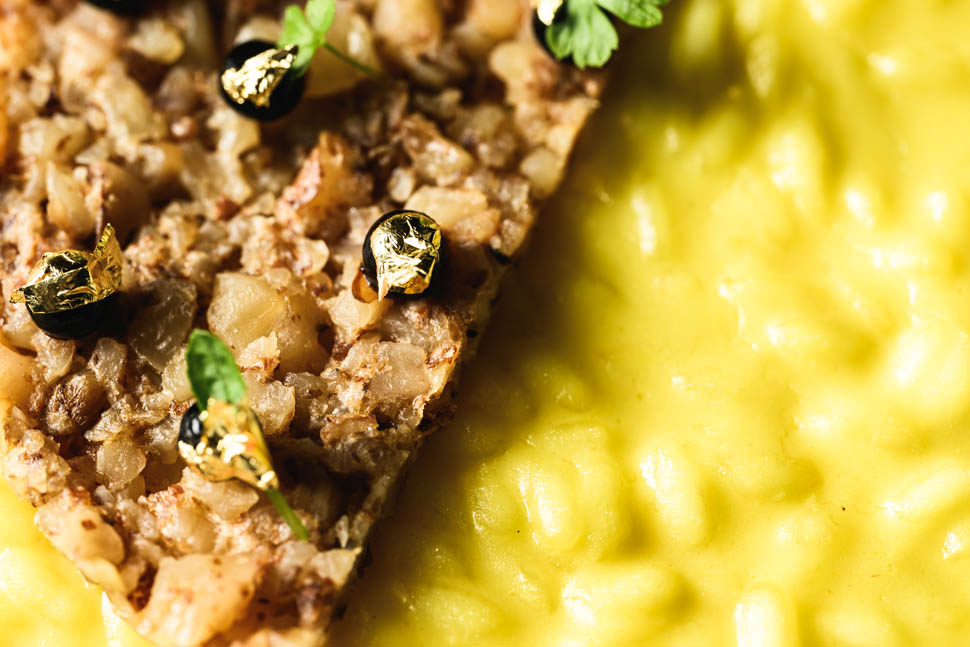
Desserts, the Campania pantry, and the restaurant’s showpiece
The dessert menu is always full of surprises when it comes to Di Costanzo. A fresh fruit salad (with celery to refresh the palate), featuring lemon mousse, a crème fraîche sphere, and red beets, served in a bowl adorned with an adorably old-fashioned dragonfly.
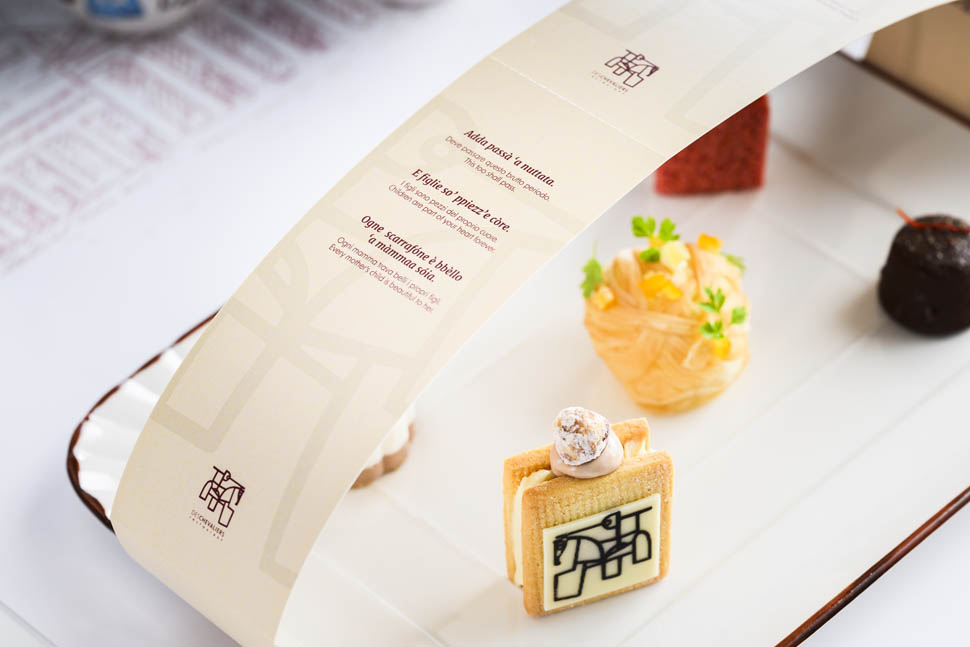
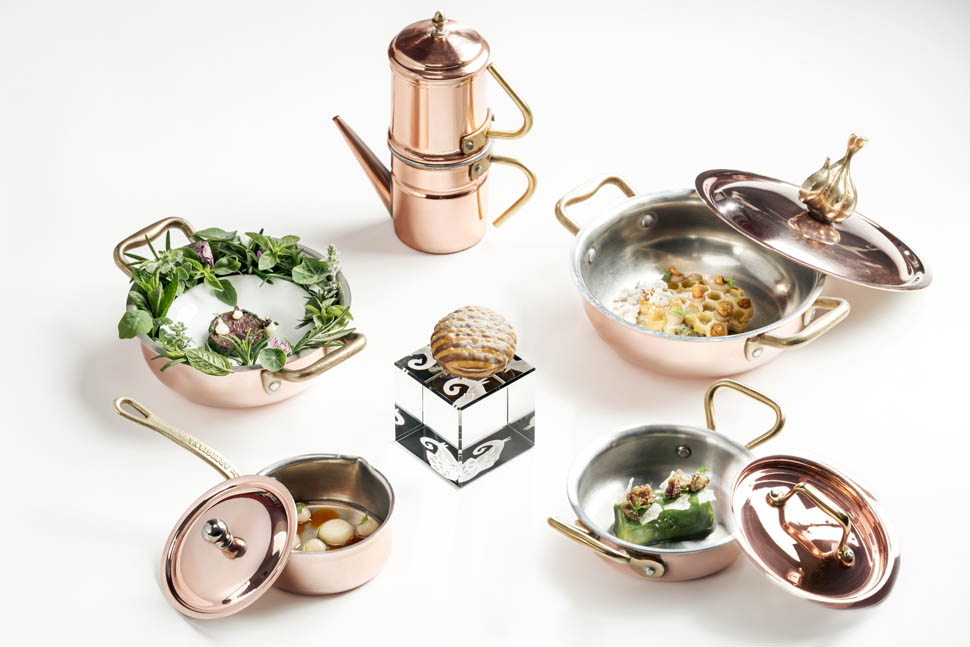
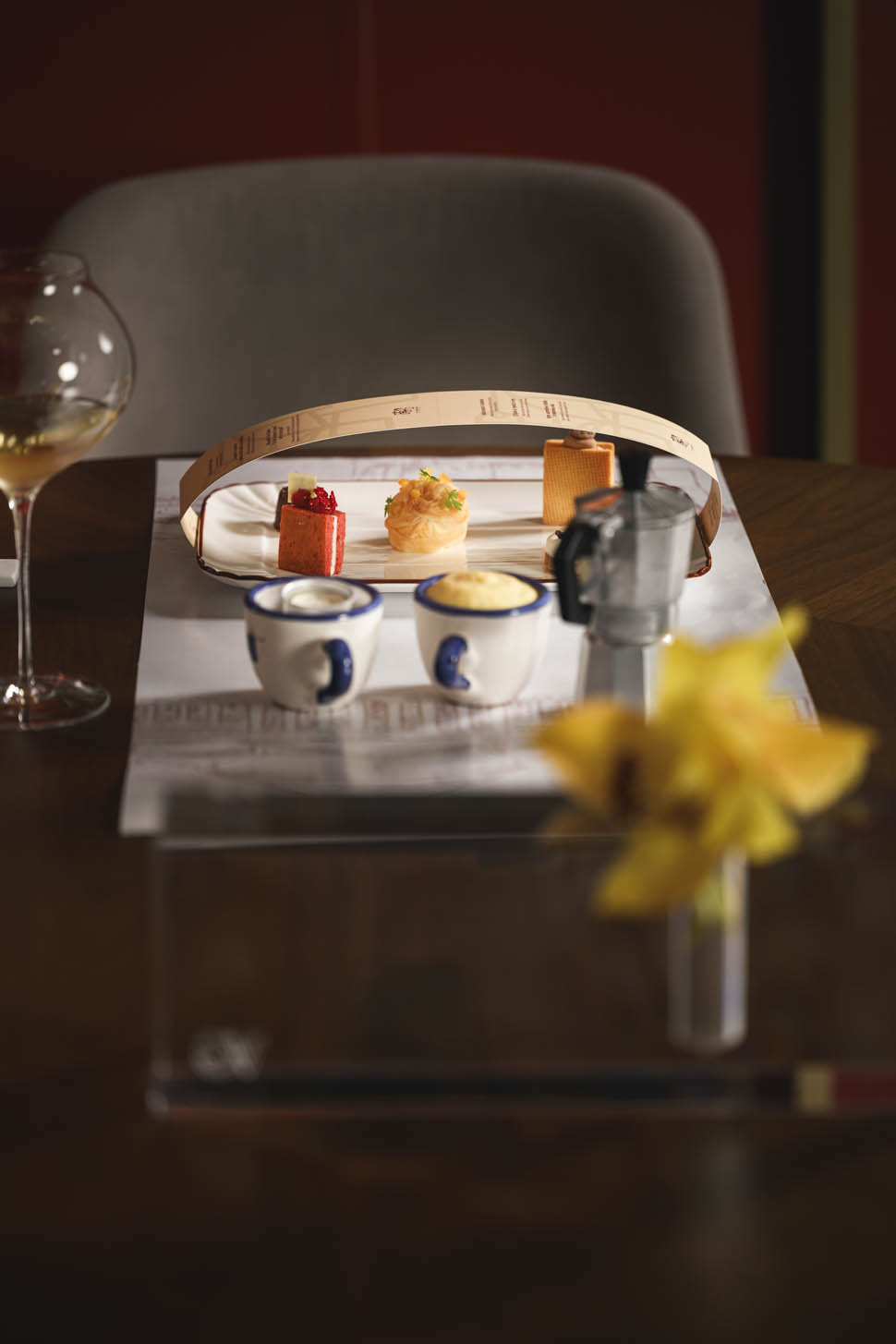
And before we say goodbye, the festival returns—a parade of sweets accompanied by a slip of paper featuring some Neapolitan sayings: Baked ricotta with crumbled pastry and cocoa butter, Deliziosa with hazelnuts and sandy hazelnut spread, Curly sfogliatella, Raspberry biscuit with Strega liqueur, Ministeriale with black pepper and chili pepper, Marsala-infused gelatinized coffee and, in a moka pot, vanilla panna cotta topped with coffee crème brûlée flavored with anise.
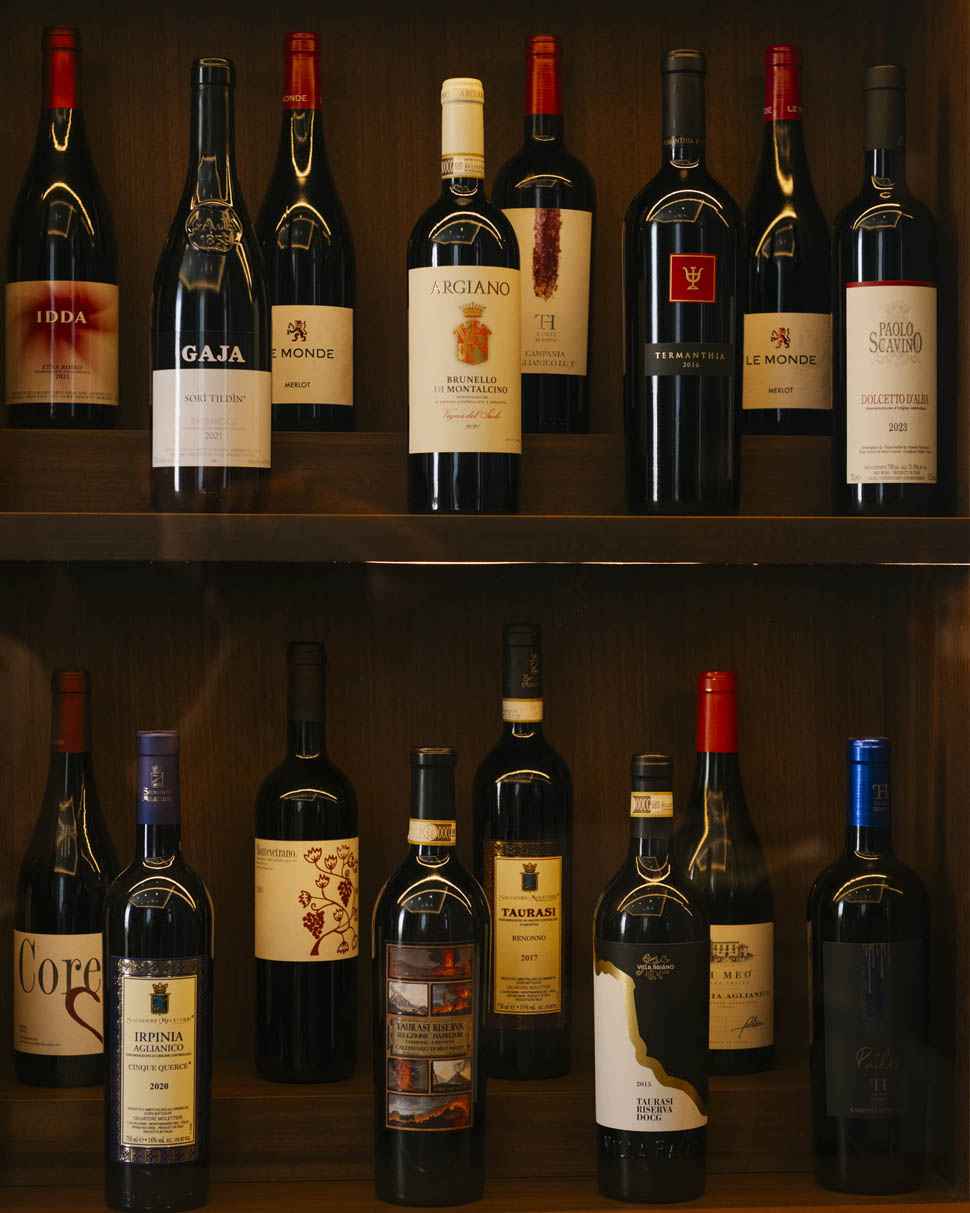
The pantry consists almost entirely of products from Campania: vegetables from small-scale producers, dairy products from Caseificio Costanzo, and fish and meat from suppliers chosen with a keen eye for traceability. The wine list is digital—a solution that’s not particularly traditional but very practical: naturally, there’s plenty from Campania, though they could be a bit more adventurous with their selections. The service is professional and elegant, yet with that touch of familiarity that’s a hallmark of this place.
A few final words should be said about the artistic aspect of the project, which is not merely an elegant embellishment but an integral part of it. Having mentioned the collaboration with artist Sergio Fermariello, which marked the restaurant’s opening, Deschevaliers stands as a true exhibition space, featuring a calendar of exhibitions designed to complement the purely gastronomic experience. In 2026, for example, Deschevaliers hosted “Finarte The Gallery,” a series of photography exhibitions organized in partnership with the auction house of the same name, featuring works by Isabella Accenti, Pierpaolo De Bona, and Heinz Schattner. This collaboration is part of the broader cultural initiatives of the Caracciolo Hospitality Group.
Info and Contact
Deschevaliers (at Hotel de Bonart Naples, Curio Collection by Hilton)
Address: Corso Vittorio Emanuele, 133 – 80121 Naples
Hours: Thursday through Monday, dinner only (also open to non-hotel guests)
Phone: 081 0902606