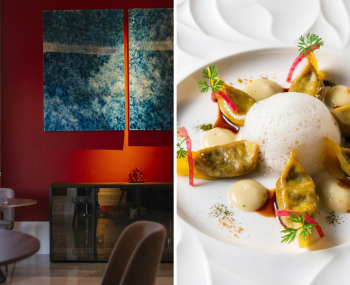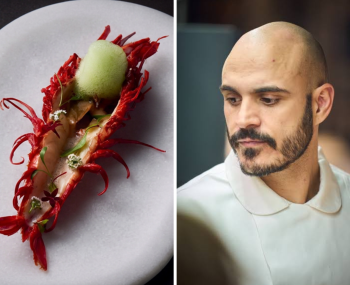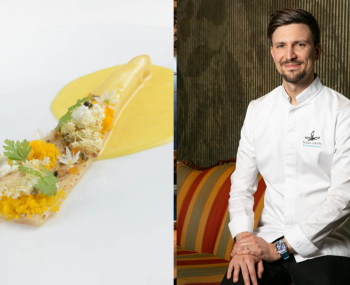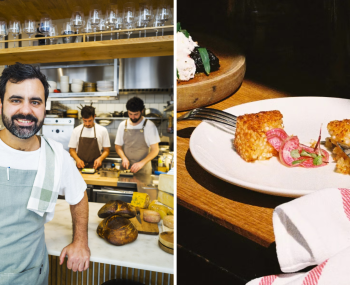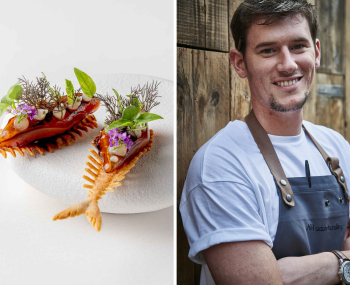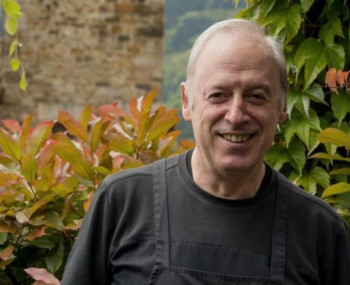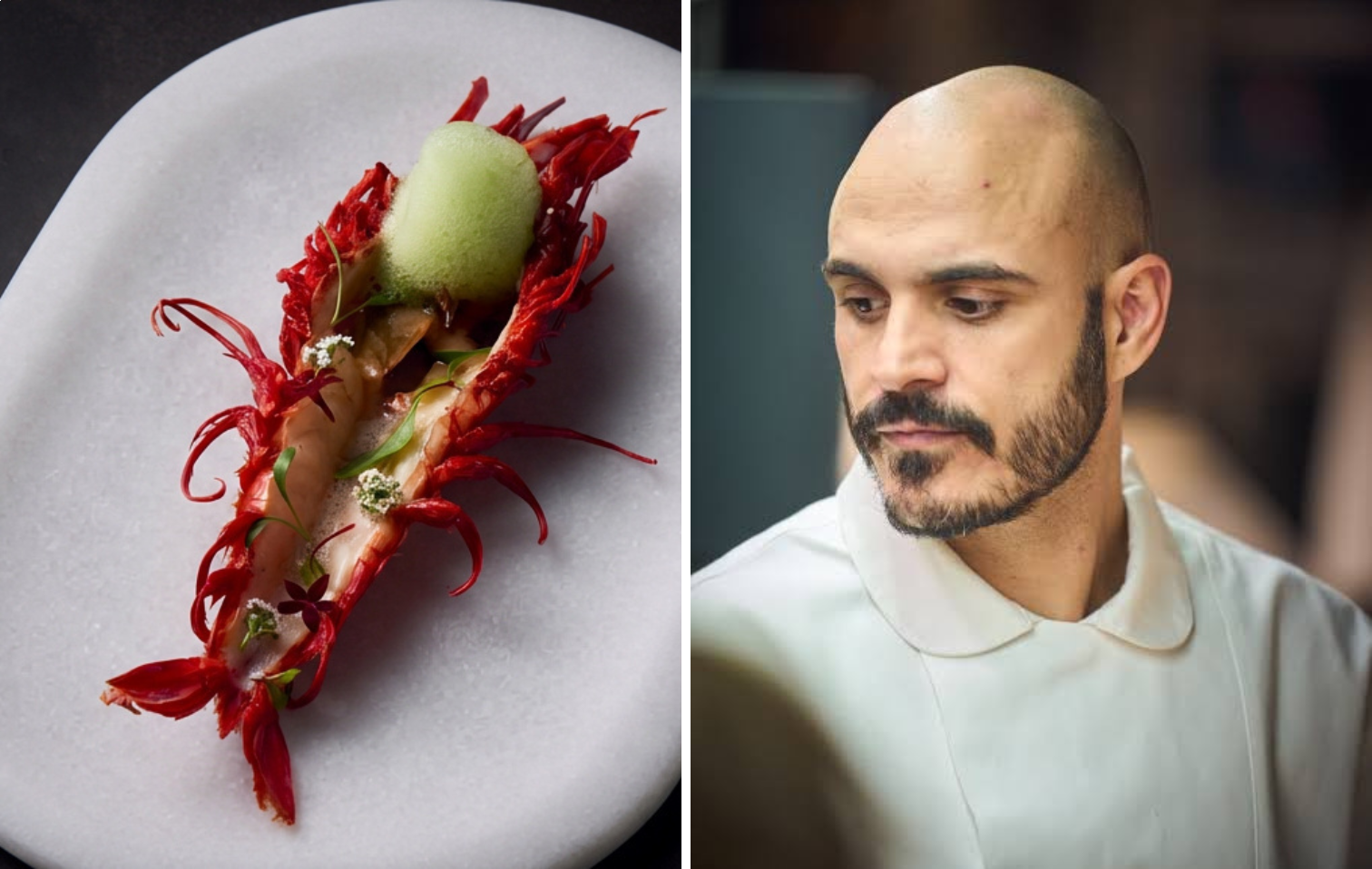
In the contemporary culinary landscape, a silent short circuit often occurs: on one hand, the glossy magic of tasting menus; on the other, the harsh reality of financial statements, hard-to-find kitchen staff, and mental sustainability. Frank Beltri, a Barcelona-born chef born in 1983, has shaken the industry to its core by taking a step that many saw as a heretical leap backward: closing the doors of his award-winning Michelin-starred restaurant, Slow&Low, to devote himself body and soul to a small, authentic neighborhood bar, Bar Canyí.
A decision that goes against the grain, candidly discussed on the podcast *Quédate a comer*, which reignites the debate on the crisis in fine dining and the profound transformation of those who work in the kitchen.
From a Youthful Love-Hate Relationship to a Michelin Star in Sant Antoni
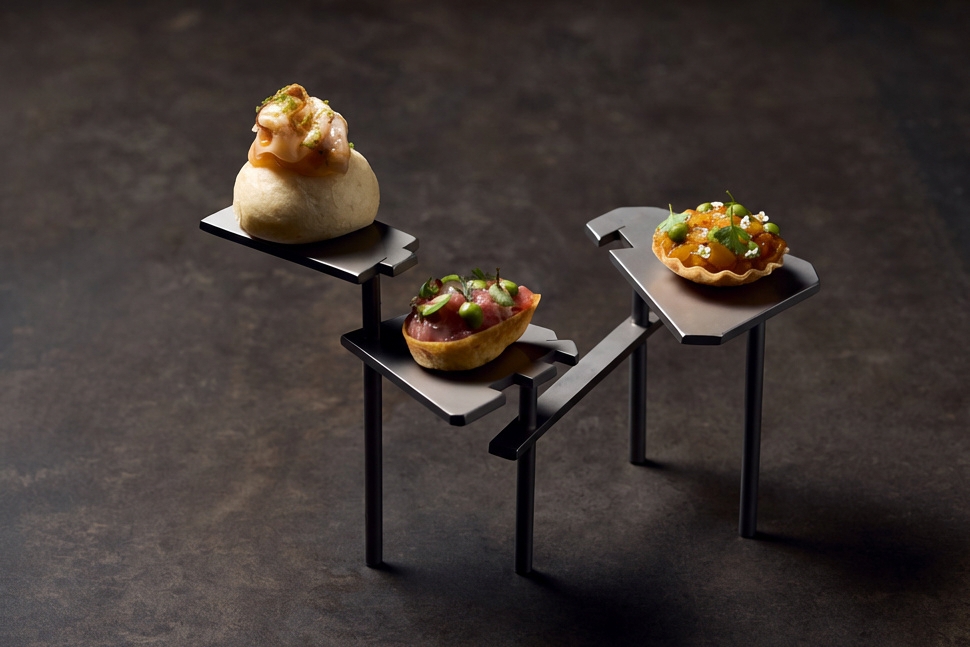
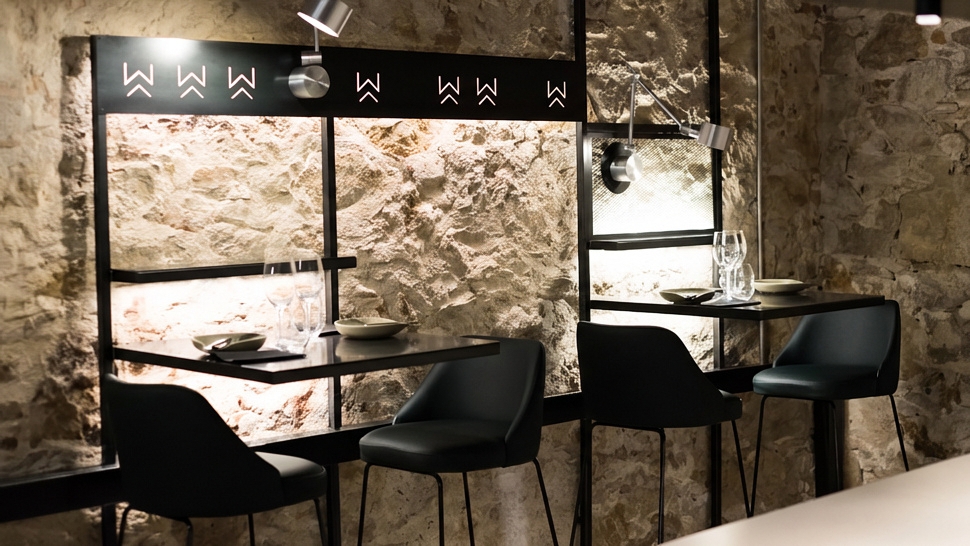
The story of Beltri is not a straightforward fairy tale that began in the cozy kitchens of grand hotels. Raised amid memories of his maternal grandparents’ bar (El rincón de César) and a childhood marked by heavy family shadows, young Frank had to come to terms with hard work and paying his dues from a very young age. Before finding his identity in the kitchen, he had a visceral love-hate relationship with cooking: he changed jobs countless times to escape an often toxic environment filled with shouting and rudeness; he cultivated a passion for music by studying sound engineering in London—where his creative streak finally blossomed—and he had to overcome the devastating grief of the sudden loss of his dear friend and business partner Bruno. In 2018, his return to Barcelona brought the Slow&Low dream to life in the lively Sant Antoni neighborhood. A project that won over critics and customers alike, culminating in the coveted Michelin star. Yet, reaching the top doesn’t always mean happiness or long-term sustainability.
“Fine dining isn’t dead, but our wallets are”
When asked about recent pessimistic statements by other big names in international cuisine—who claim that gastronomic luxury is now a thing of the past—Beltri dismisses the provocation with clarity: "Dining at a luxury restaurant is like going to the movies or the theater, but where you also get to eat. Do we really want to debate whether this tradition is dead or not? It will never die, because it’s part of what makes us human and happy. What’s deteriorating isn’t haute cuisine itself, but our wallets, crushed by runaway inflation and inadequate political management.” For the Barcelona-based chef, haute cuisine remains about research, technique, innovation, and pure emotion for the diner. The real problem lies not in the value of the experience, but in the economic machinery that sustains it and in managerial oversight—all too often neglected by those who open a restaurant driven solely by initial enthusiasm. “You need to know as much about EBITDA and taxes as you do about cooking,” he warns pragmatically.
The Major Staffing Crisis: The Gap Between Haute Cuisine and Neighborhood Life
The real trigger for Slow&Low’s closure, however, is rooted in a crisis shared by chefs across half of Europe: the chronic difficulty in finding qualified and stable staff.
Beltri paints a stark sociological and professional portrait of the current situation:
- In fine dining: The standards required are extremely high, the emotional and physical commitment is all-consuming, and finding staff who are truly passionate about this specific culinary language has become nearly impossible in recent years.
- In the neighborhood bar: The profiles change radically. These are often young people just passing through—students who need to work to support themselves, individuals with different priorities but no less deserving—with whom it is, paradoxically, easier to build a sustainable, day-to-day working relationship.
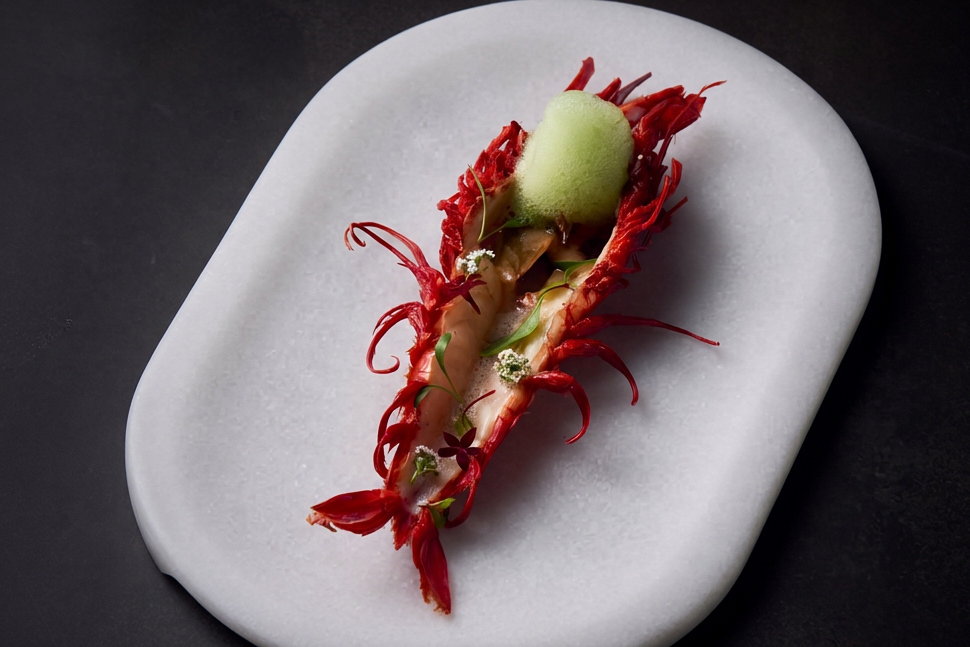
Closing Down Doesn’t Mean Failure
Giving up a Michelin star for a neighborhood counter is not, according to its creator, a personal defeat. On the contrary, it is an act of maturity by someone who has realized that success takes on different forms throughout life. “It’s hard to accept that everything has a beginning and an end,” concludes Beltri, ready to write a new chapter where gastronomy once again takes on the authentic flavor of human connection.