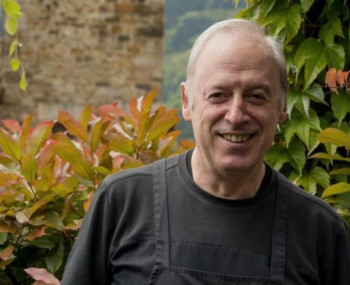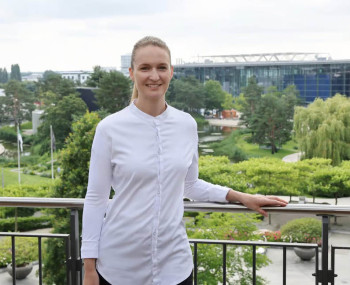
The Best Chef was born out of a collaboration between Cristian Gadau, an Italian gastronome, and Joanna Ślusarczyk, a neuroscientist. The project is celebrating its 10th anniversary and has grown into an international platform that connects chefs, cultures, and new generations. But the world of cuisine has changed, and with it, the way we talk about it: “Fine dining isn’t dead, but it needs to rethink its future.”
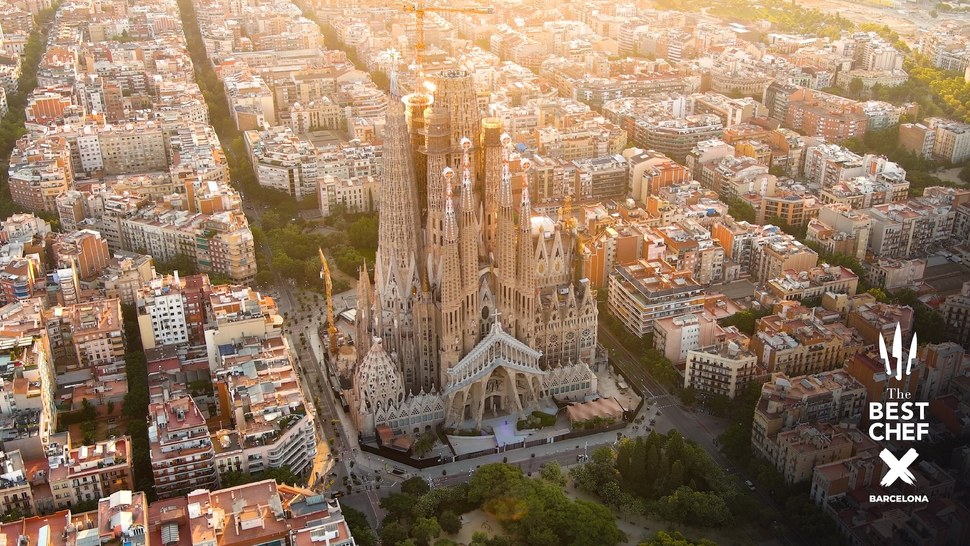
The Best Chef Awards will celebrate its 10th edition with a special return to Barcelona on January 13 and 14, 2027. For two days, the Catalan city will bring together chefs, journalists, and professionals from the culinary industry from around the world.
In the beginning, there was an idea, the enthusiasm of those who envision a world different from the one they know—and for that very reason, why not, a touch of daring. Ten years later, The Best Chef has become an international platform that connects key players and professionals in the culinary world. It’s been a journey that has spanned countries, cultures, and profound transformations, evolving alongside the very industry it set out to showcase.
The project was born in 2015 from a meeting between Cristian Gadau and Joanna Ślusarczyk, a Polish neuroscientist and co-founder. The first edition of the The Best Chef Awards took place in 2017 in Warsaw. Since then, the project has gradually moved beyond the confines of a simple ranking, developing initiatives such as Area Talks and Food Meets Science and building an international network dedicated to placing people, ideas, and the future of cuisine at the center. The recognition system has also changed: in 2024, the traditional numerical ranking gave way to the iconic knife-shaped stars, organized into three levels.
But what remains of that initial idea, after ten years spent closely observing the evolution of global gastronomy? And above all, what direction should an industry take today as it rethinks its language, economic models, and working conditions? We discussed this with Cristian Gadau.
From a Dream to a Responsibility
“The Best Chef is like watching a child grow up,” says Gadau. “When we started, we expected to truly live in a carefree world—a world free even from certain dynamics. Then, over time, we realized we were entering a world with its own business and its own dynamics.”
Reality turned out to be more complex than initially expected. The passion, however, has not waned. Rather, what has changed is the way the project is interpreted and the weight its founders place on the role they’ve taken on in the international gastronomic scene. “Today, compared to before, we’re more disillusioned—in the sense that the passion is still there, but today the sense of responsibility is stronger than that of a mere dream.”
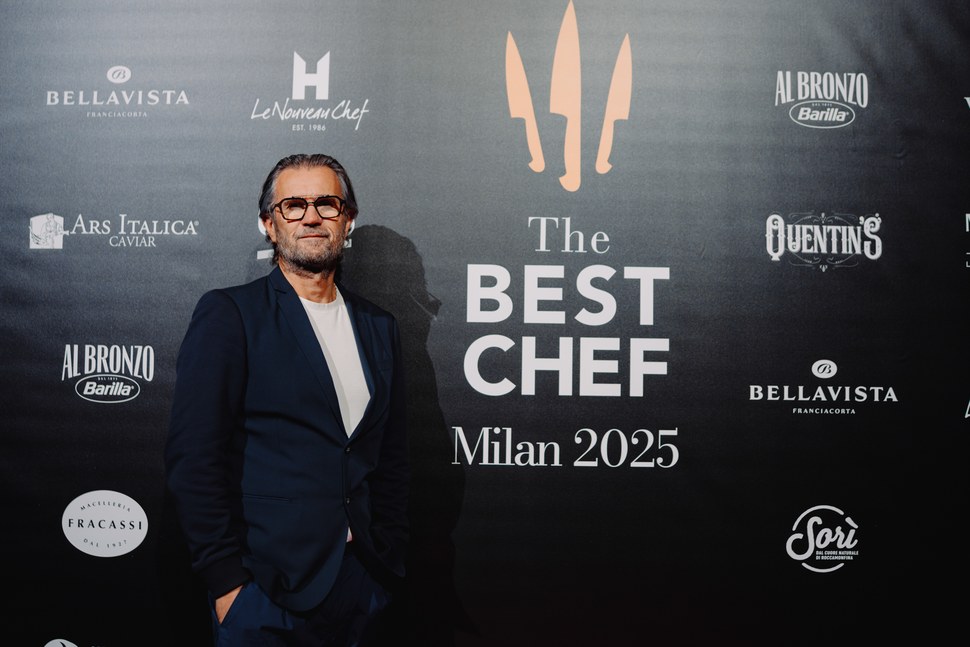
This awareness is also reflected in the evolution of The Best Chef: not merely an award for those who excel in the kitchen, but a tool to bring visibility to experiences and talents that might otherwise risk remaining on the sidelines. “Over the past ten years, we’ve grown; we’re the ones who launch talents on a global stage and support new projects that, without The Best Chef, might never have seen the light of day.”
Beyond the Rankings: A Community
The decision to abandon the traditional numerical ranking and introduce the knife system also stems from a reflection on the relationship between recognition and competition. A ranking, by its very nature, establishes hierarchies and ranks positions; in gastronomy, however, this mechanism risks fueling rivalries that are inconsistent with the cultural and collective value of the profession.
“Above all, we believe that gastronomy is about sharing, socializing, and positivity—not racing against one another,” explains Gadau. The new system allows for recognizing different levels of excellence without forcing every chef to constantly measure themselves against a specific ranking position. This doesn’t mean that egos and tensions have disappeared, but rather that the ambition is to create a space where competition can become an opportunity for growth.
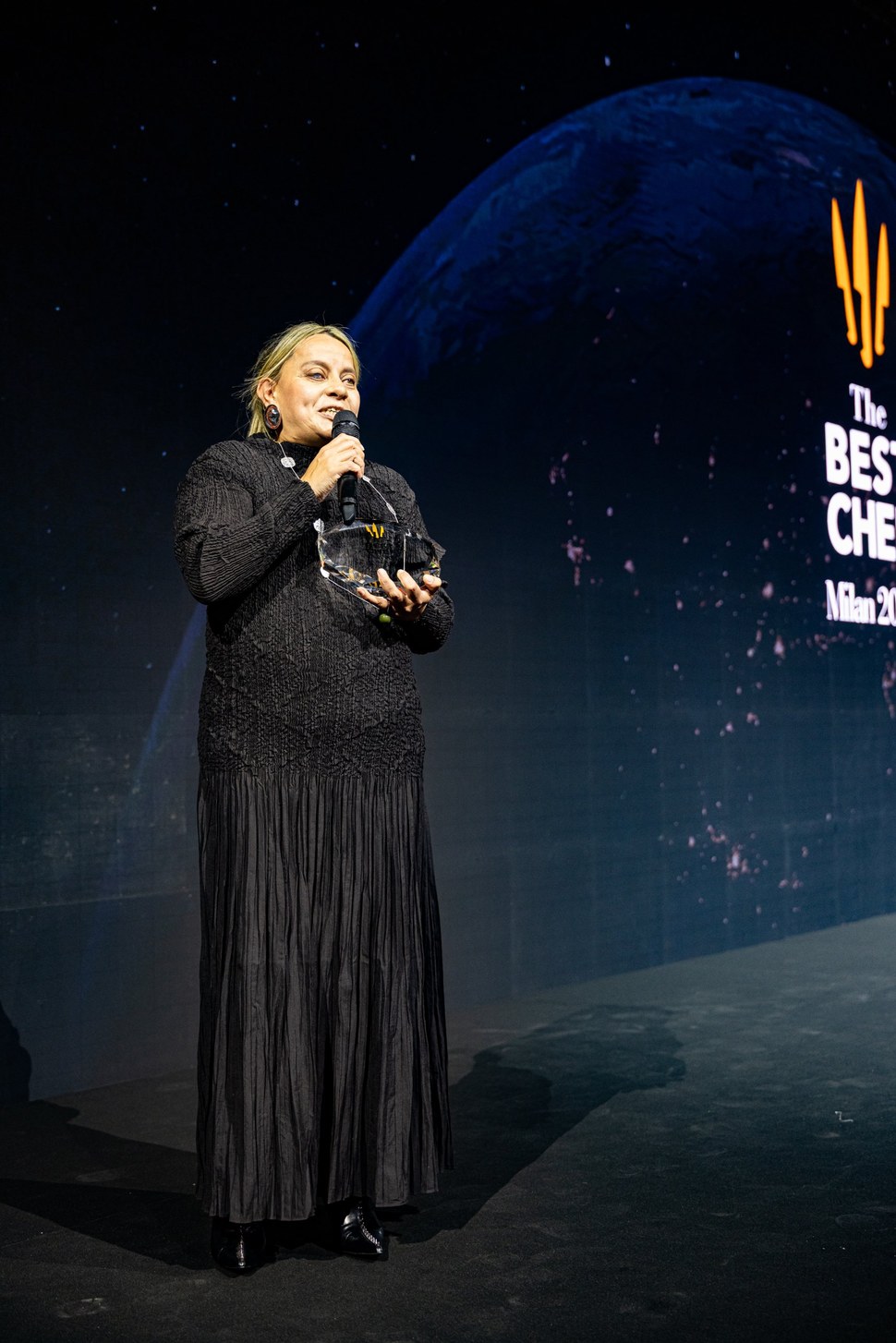
This transformation also affects the way the public views chefs. Television has helped make them recognizable figures—sometimes even full-fledged celebrities. This phenomenon has drawn criticism, but Gadau urges us to also consider its contribution to gastronomic outreach.
“Many criticize television, but in reality, through its showmanship—because it is purely a show—television has nonetheless raised awareness that there is a type of gastronomy that is much healthier and much more ethical.” Fame, however, is not something everyone can handle in the same way: “Not everyone can handle being a celebrity; some are better at it, others are worse.”
Work in the Kitchen and the Future of Fine Dining
Among the most significant changes in recent years is the one concerning working conditions. Professional kitchens are different environments than in the past, even if the transformation cannot be said to be complete. Gadau acknowledges the generational differences and the contexts in which yesterday’s chefs were trained, without for that reason considering old habits acceptable.
“Kitchens have certainly become better places than they were in the past.” The model based on endless shifts and almost military discipline belongs to an era that should not return: “Those days are definitely over.” The challenge now is to organize work in a sustainable way, without sacrificing the quality of the dining experience or the lives of those who make it possible.
“The real challenge for chefs today is to restructure their operations around shorter hours and working conditions that are certainly better than in the past.”
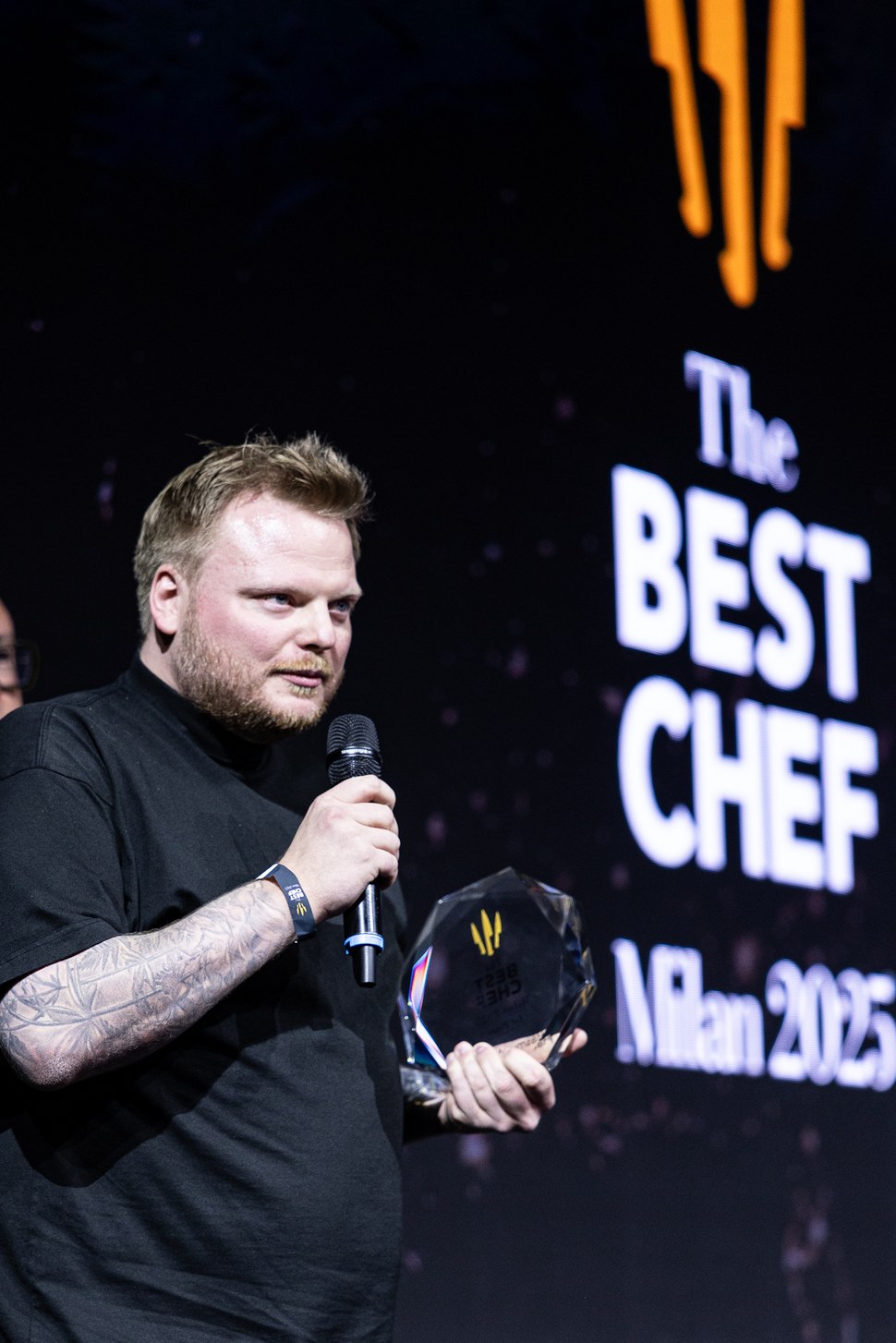
Even fine dining is being called upon to reinvent itself. According to Gadau, we are not witnessing its demise, but rather a natural selection: not all restaurants can sustain the costs and complexity of that model, nor does every dining experience necessarily have to adhere to its codes.
“Fine dining isn’t dead, but there will be a natural selection because not everyone is capable of managing that type of cuisine.” Meanwhile, he observes, a more essential style of cooking is gaining ground—one less focused on performance and more attentive to ingredients and the connection to the local territory. “There is a global shift toward a style of cooking that is more rooted in the local territory, more essential—a style with certainly fewer decorative elements or fewer elements that are purely gastronomic performance.”
This doesn’t mean giving up on innovation or technique, but rather questioning what truly makes a dining experience meaningful. Price, too, in this sense, is once again becoming a central issue: “There’s no longer any need to spend 500 euros on an experience; today, even with less money, you can eat just as well.”
Gadau looks in particular to Italy, where trattorias and osterias represent a model of conviviality that doesn’t need to turn every meal into a display of virtuosity. “Italy is the best example of this new trend, with its gastronomic culture, its trattorias, taverns, and so on, and its way of thinking about food—being social at the table, being happy, and sharing a moment of togetherness.”
Sardinia as a Lesson for the Future
When the conversation turns to regions that can point the way toward the cuisine of tomorrow, Gadau spontaneously returns to Sardinia, a land to which he is deeply attached. His travels and encounters with other culinary cultures have allowed him to recognize even more clearly the value of a cuisine he considers direct, deeply rooted, and proud of its own products.
“Sardinia is very grounded in its territory,” he observes. This is a heritage that elsewhere is pursued through significant investments: “In the Nordic countries, they invest millions and millions of euros to transform themselves and become a ‘little Sardinia’ or even a region like Calabria.” Here, however, the relationship with raw ingredients and their provenance remains an integral part of food culture.
For Gadau, the awareness of the younger generations is an encouraging sign. There is greater attention to what is produced locally and to the need to know the origin of ingredients. Even the decision to import products from far away, when alternatives consistent with the local area exist, deserves to be questioned: “We import Wagyu from Japan, which, honestly, as good as it may be, makes no sense.”
The path forward can be summed up in a few principles: “Simplicity, flavor, ethics, transparency, and the local area—and knowing where a product comes from when we choose it.” It’s not about idealizing the past, but about reclaiming knowledge that risks being overshadowed by the fast pace of life and the constant pursuit of novelty. The future, in his view, also lies here: “The future will involve taking a step back because we’re definitely moving too fast.” Technology remains an important tool, provided it is used to improve practices and skills, not to distance food from its origins. “Technology put at the service of farmers is something that is very useful and necessary today.”
The Next Ten Years
For The Best Chef, the coming decade will be about consolidating its role as a platform and strengthening its relationship with local communities. Chefs can become key partners in promoting more responsible agricultural and fishing practices, as well as in advancing environmental and social sustainability.
“In the first ten years, we achieved all our goals; in the next ten years, we want The Best Chef to continue solidifying its role as a platform serving local communities and chefs,” explains Gadau. This project must continue to make room for emerging talents, including those working outside the most well-known circles.
Gastronomy, he notes, has always offered a path to redemption for those starting from difficult circumstances. Many now-established professionals began by washing dishes or helping out in the kitchen. “Gastronomy has always played a role—one that few talk about—as a last chance for less fortunate generations.” For this reason, he insists, “we are always at the service of young people; we are open; we work for them.”
The community must continue to connect established names with chefs who are still unknown, even those from places far from the major gastronomic hubs. Receiving recognition alongside great chefs can provide a real boost for those building their careers: “When a chef arrives who, until yesterday, nobody knew, stepping into this arena and being honored alongside these big names is definitely a boost for them.” And the recognition can also have economic value, helping to raise the restaurant’s profile.
Finally, there is one issue that Gadau considers essential: independence. The Best Chef, he argues, has chosen to forgo potentially very lucrative partnerships with large companies when their operations in certain parts of the world were not consistent with the project’s values. It’s a more difficult path, but one necessary to preserve its credibility. “We are not purely a commercial entity,” he states. And he adds: “If someone wants to use us, that’s not possible.”
After ten years, therefore, the growth of The Best Chef is not measured solely by the number of chefs involved or the international scope of its events. The question is understanding what role it can play in a culinary world that is seeking a new balance between ambition, sustainability, and identity. For Gadau, the answer lies in the project’s ability to produce something that goes beyond the award: a concrete opportunity for those who still have a story to tell.