In the Barolo region of the Langhe, there is a place where the boundaries between vineyards, cuisine, and hospitality completely dissolve. It is Coltivare, a project born within the Brandini Farm, where the restaurant is not a secondary service but the natural extension of an agricultural and production philosophy.
*Content with promotional purposes
As Giovanna Bagnasco, one of the owners, explains, there is a clear vision behind the project: to bring the work back to its essence. “Wine has only one ingredient: grapes. That’s where it all begins.” A principle that guides not only production, but also the cuisine and hospitality. The goal is not to create a spectacular place, but a place of consistency, where every action is a direct expression of the territory.
The Restaurant as an Extension of the Winery
Coltivare began in 2014 as an agritourism business, in a more traditional form tied to tourism in the Langhe. But in the years that followed, the project took a radical new direction. The winery grew, the philosophy took shape, and the hospitality evolved into something more profound: an immersive experience in farm life.
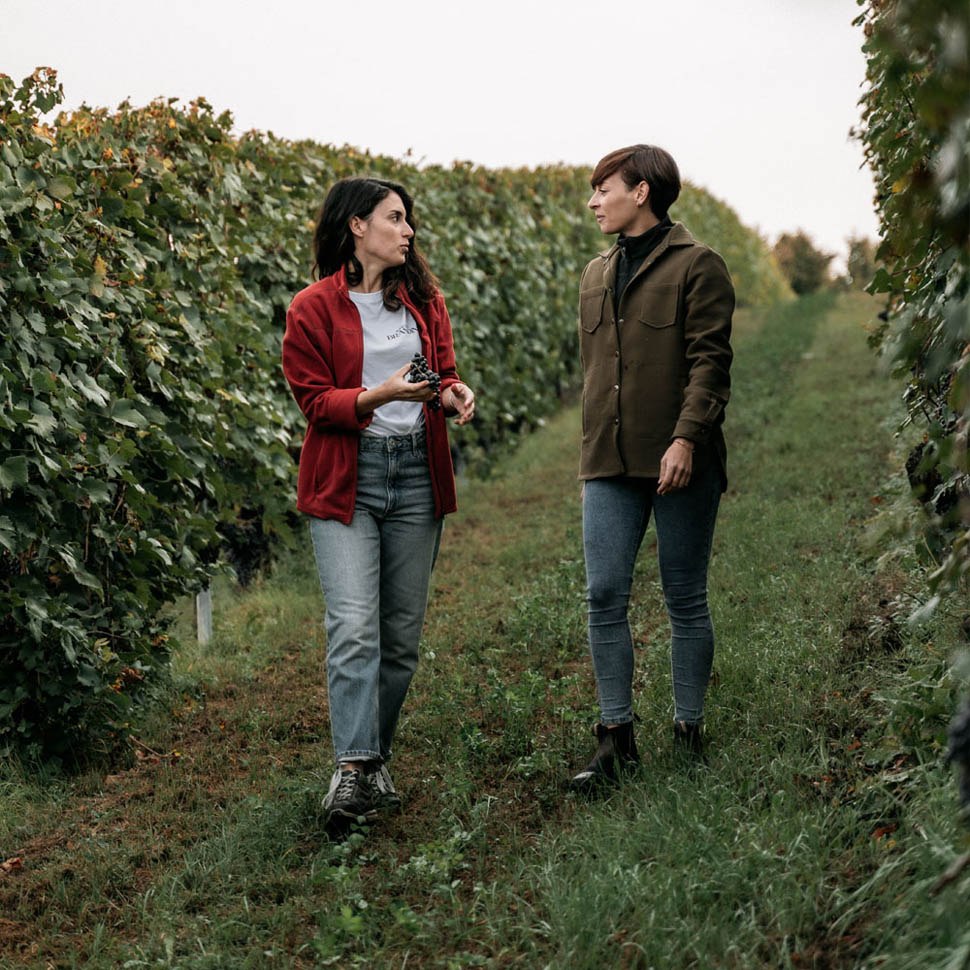
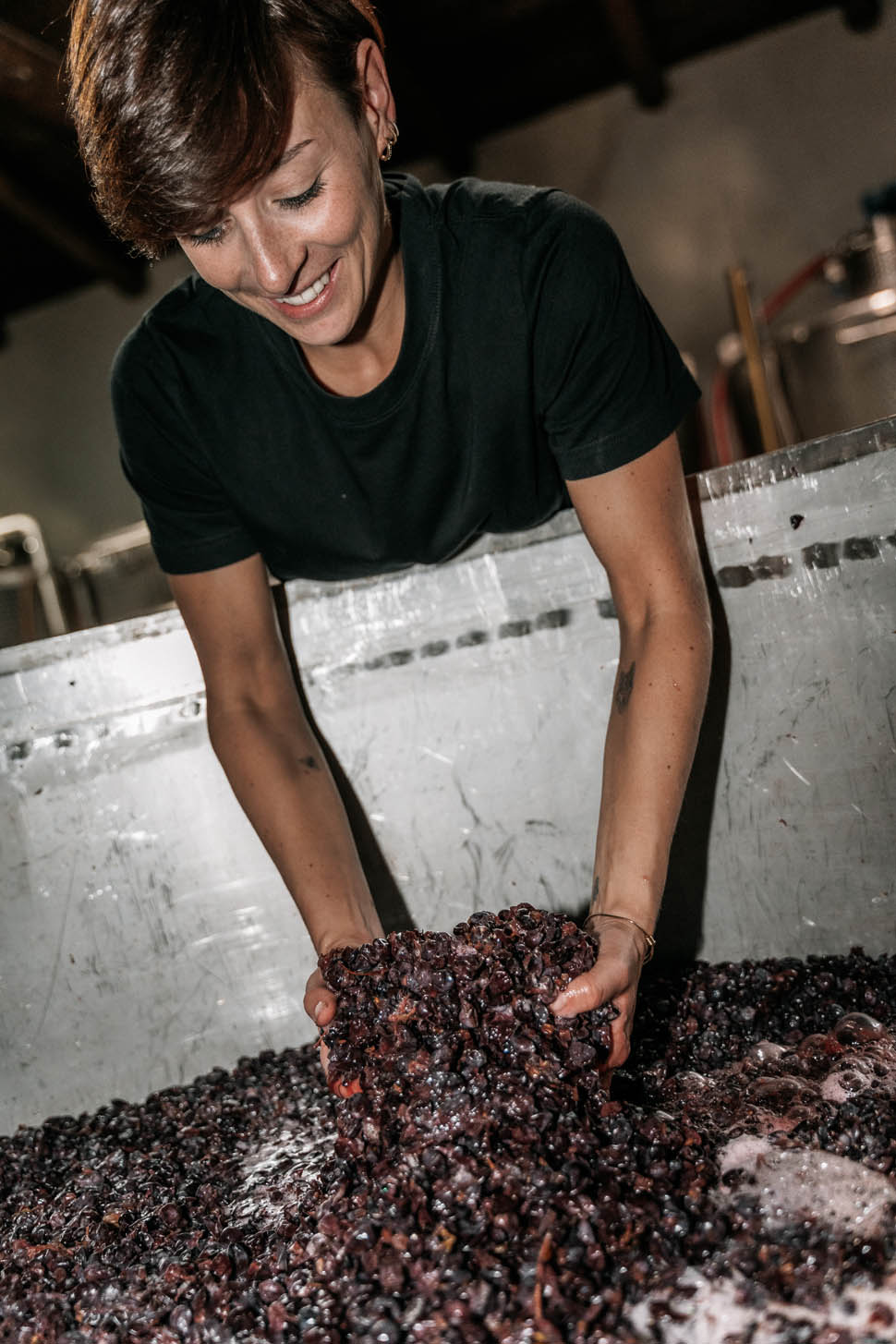
The restaurant thus becomes the natural extension of the vineyard. There is no clear separation between what happens outside and what arrives at the table. The kitchen works in very close connection with the local area and with what the land offers, following the same principle that guides viticulture: intervene as little as possible, respect the raw ingredients, and let the place express itself.
“We want to convey our philosophy through our hospitality as well: everything must reflect our vision of nature, slowness, and care,” says Giovanna. In this sense, Coltivare is not a restaurant in the traditional sense; rather, it is an integrated system in which the vineyard, the kitchen, and hospitality share the same language.
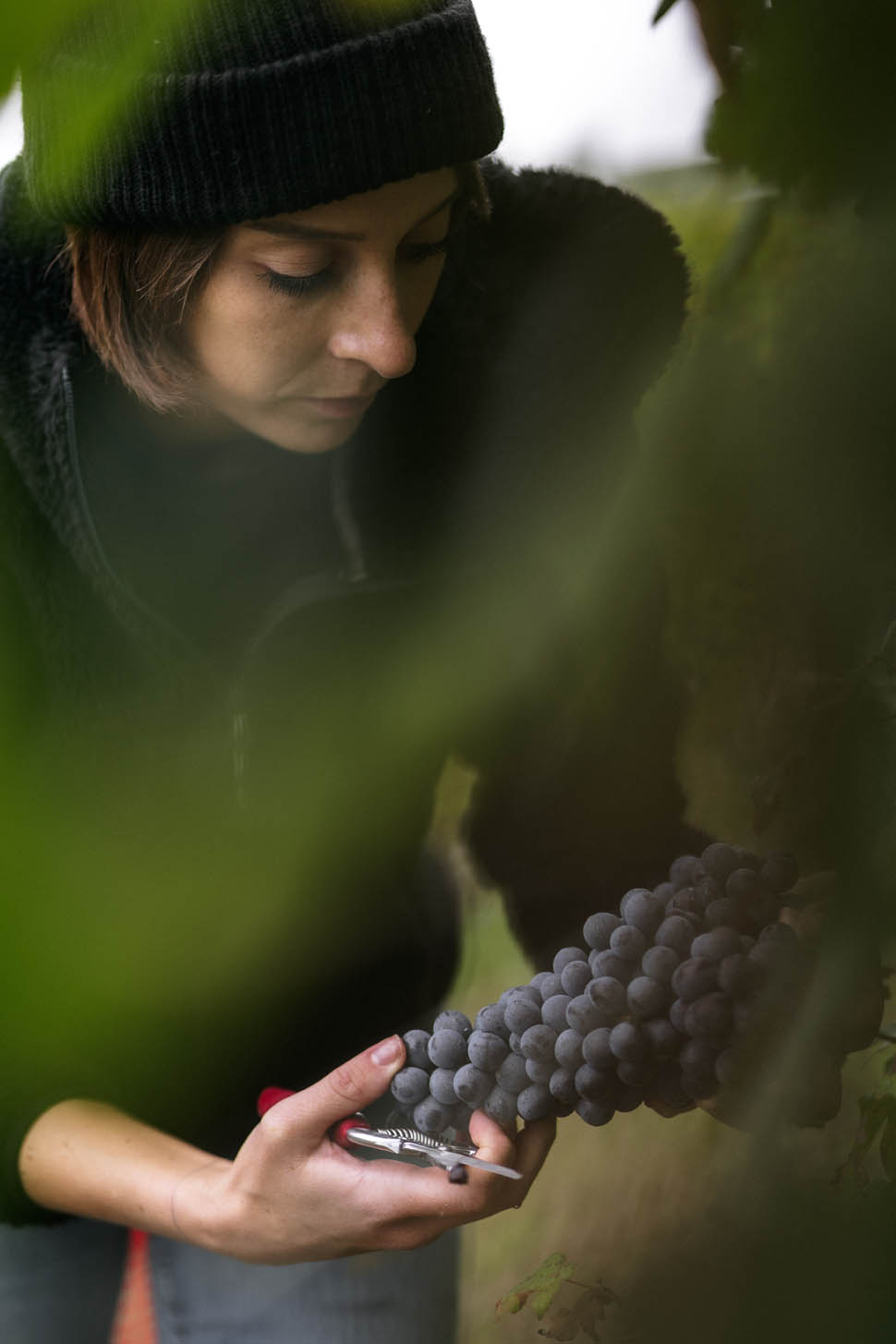
Time as the Main Ingredient
One of the central elements of the project is its relationship with time. In an era where everything seems fast-paced and fleeting, Coltivare deliberately chooses slowness—not as an aesthetic, but as a working method in and of itself.
“We encourage people to take their time,” explains Giovanna. The dining experience is not meant to be quick or standardized; on the contrary, it becomes almost a moment of pause. The rhythm is that of nature: not imposed, but followed.
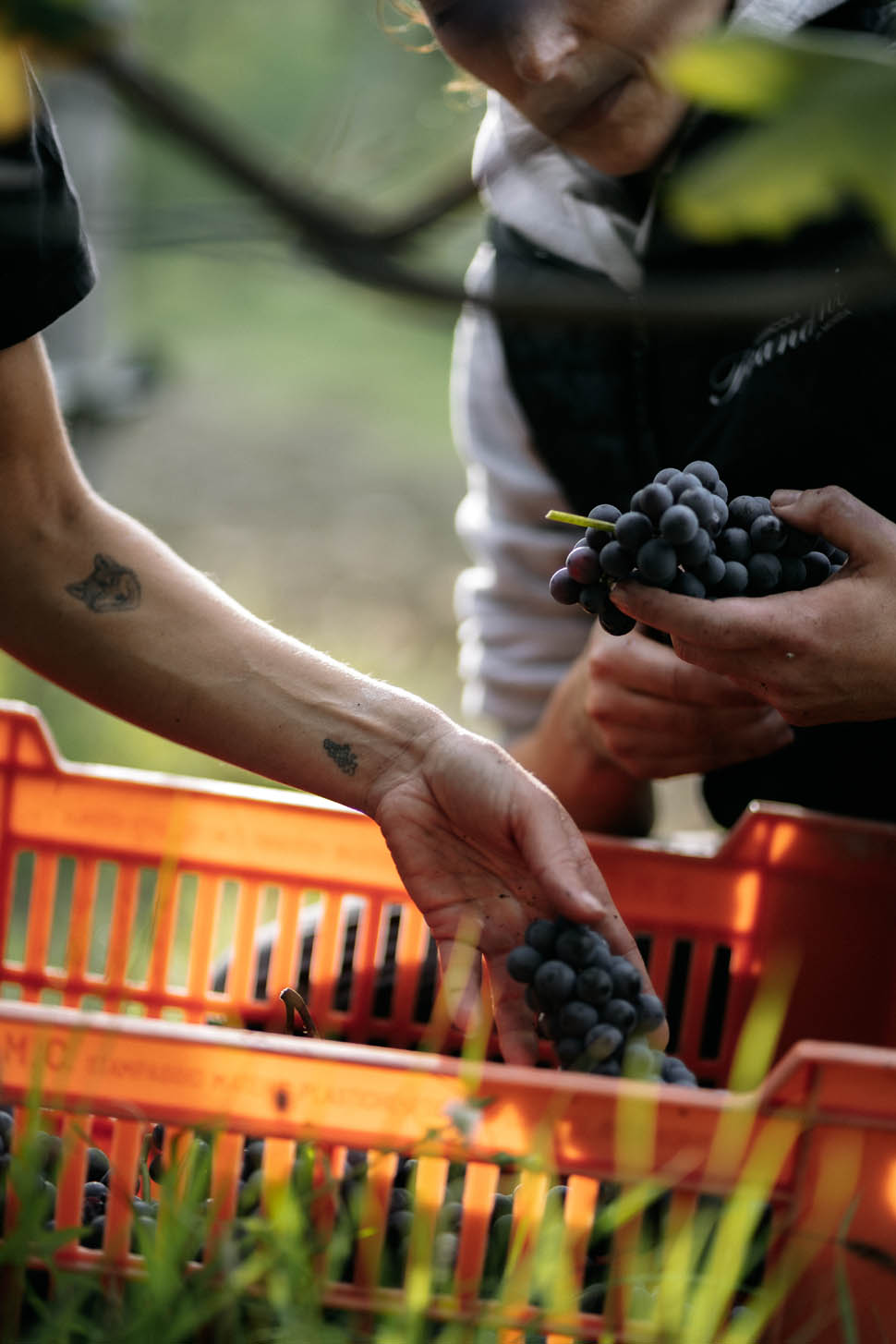
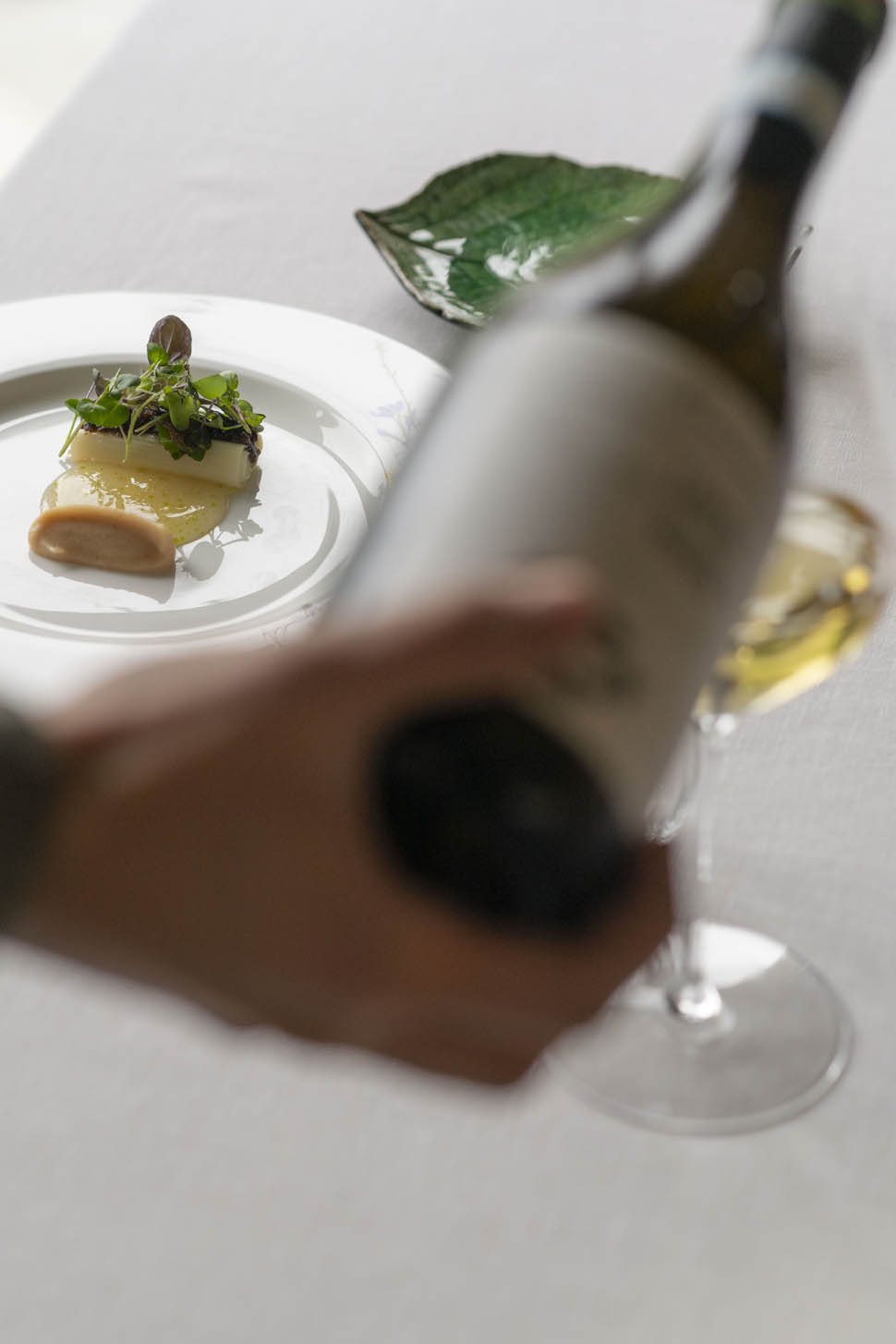
This approach is reflected in every detail, from agricultural production to dining room service. Even the concept of the “value” of the experience is completely turned on its head: no more ostentation or iconic ingredients. Instead, it starts with true value—the authenticity and rarity of the gesture. An example? A simple local ingredient, carefully cultivated and hard to find elsewhere, becomes the key to a contemporary take.
A cuisine that tells the story of Piedmont without clichés
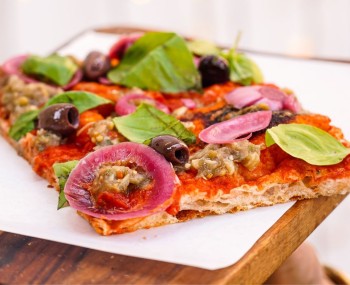
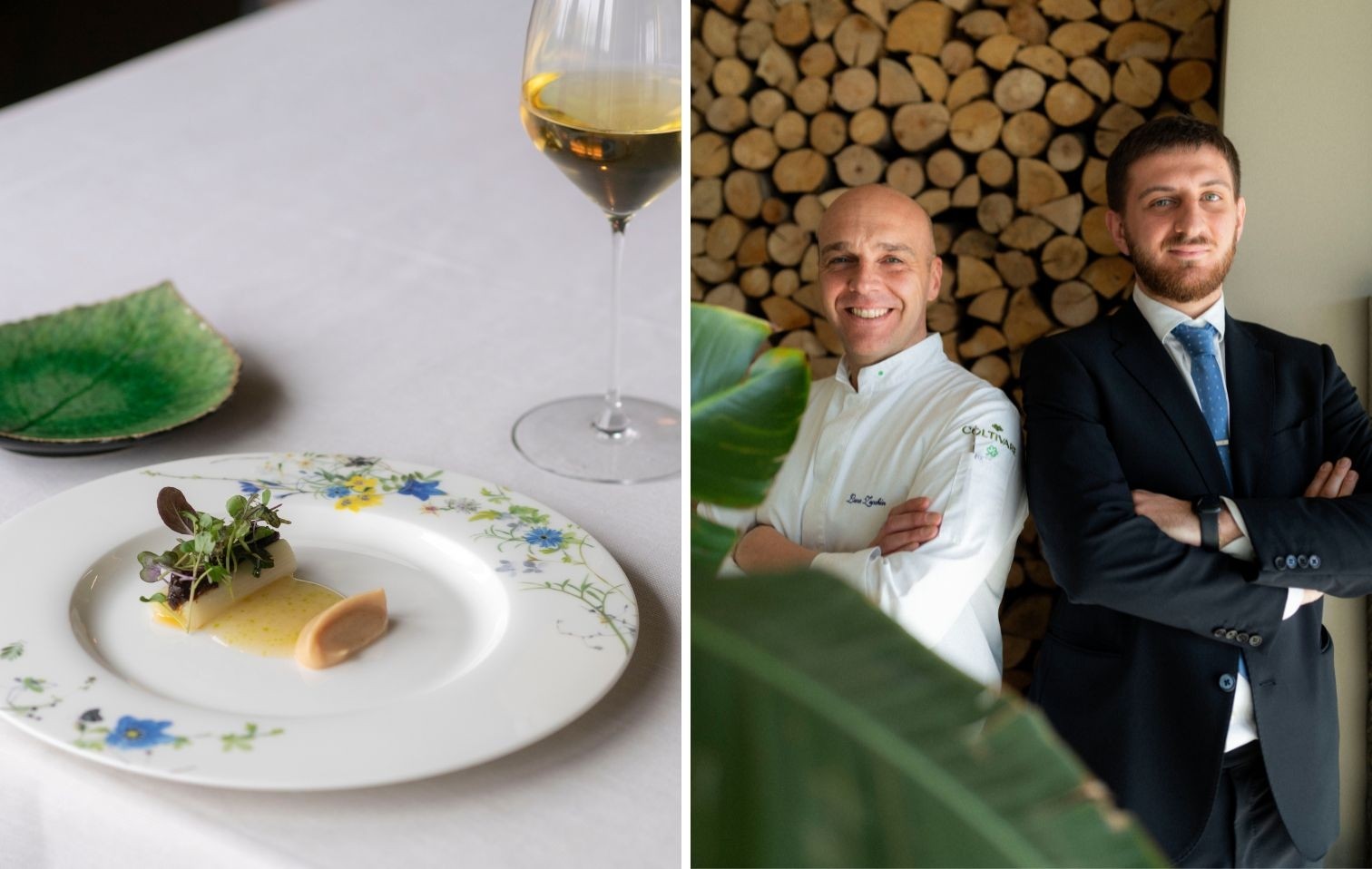
The work in the kitchen fits perfectly into this vision. Chef Luca Zecchin, a native of Asti, brings with him a deep knowledge of Piedmontese tradition, but interprets it without falling into the trap of repeating iconic dishes.
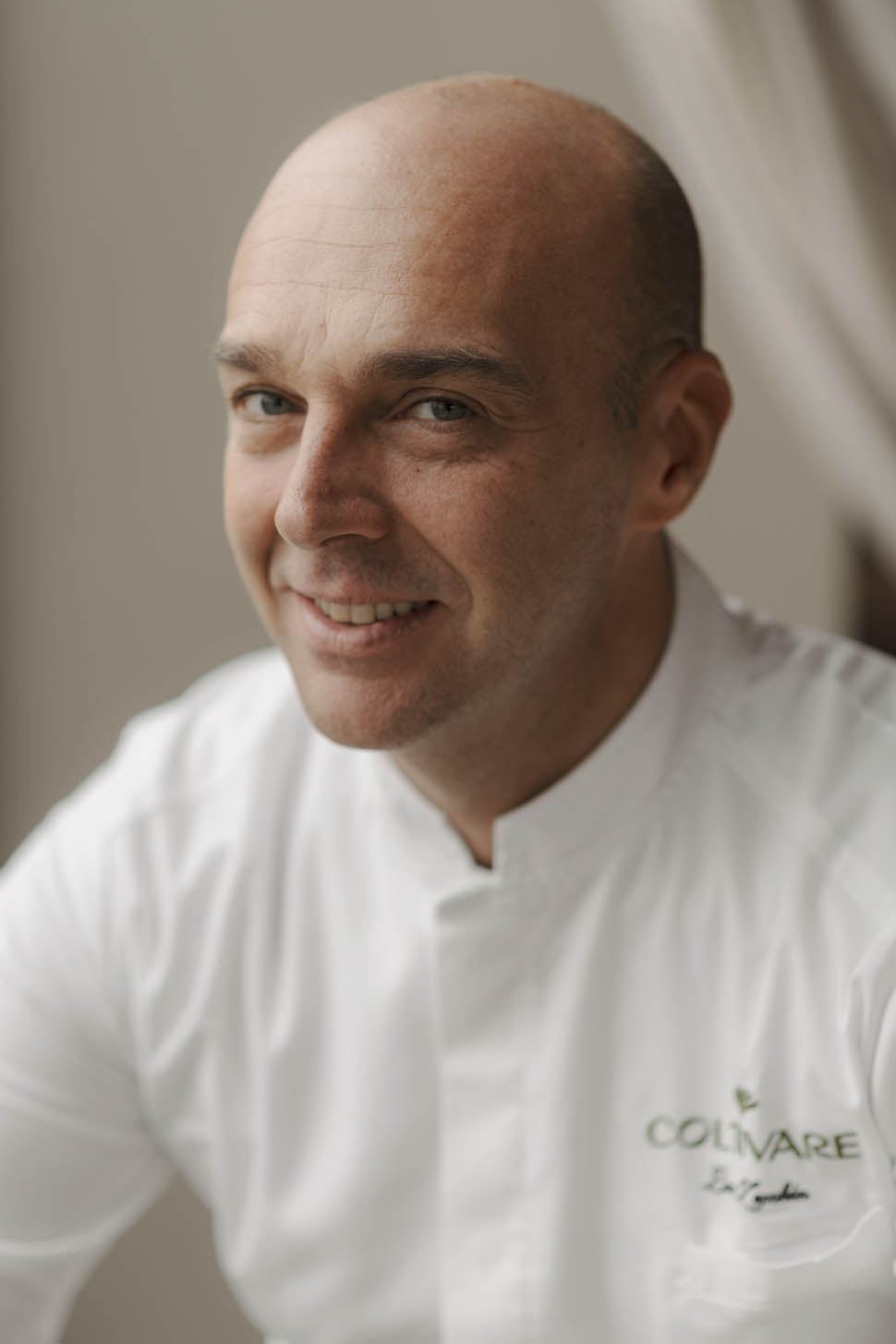
The goal is to showcase Piedmont in its entirety, not just its best-known aspects. Tradition is not disregarded, but rather reinterpreted: dishes from the peasant tradition, lesser-known ingredients, and an ongoing exploration of raw materials come together to create a contemporary culinary narrative. The same approach is reflected in the wine list, which becomes one of the project’s most defining elements.
The Wine List: A 360-Degree Portrait of Piedmont
Jacopo Cren, maître d’ and sommelier, is responsible for the selection and pairings. His vision is based on a clear principle: to represent Piedmont in all its complexity, without limiting himself to the most well-known names.
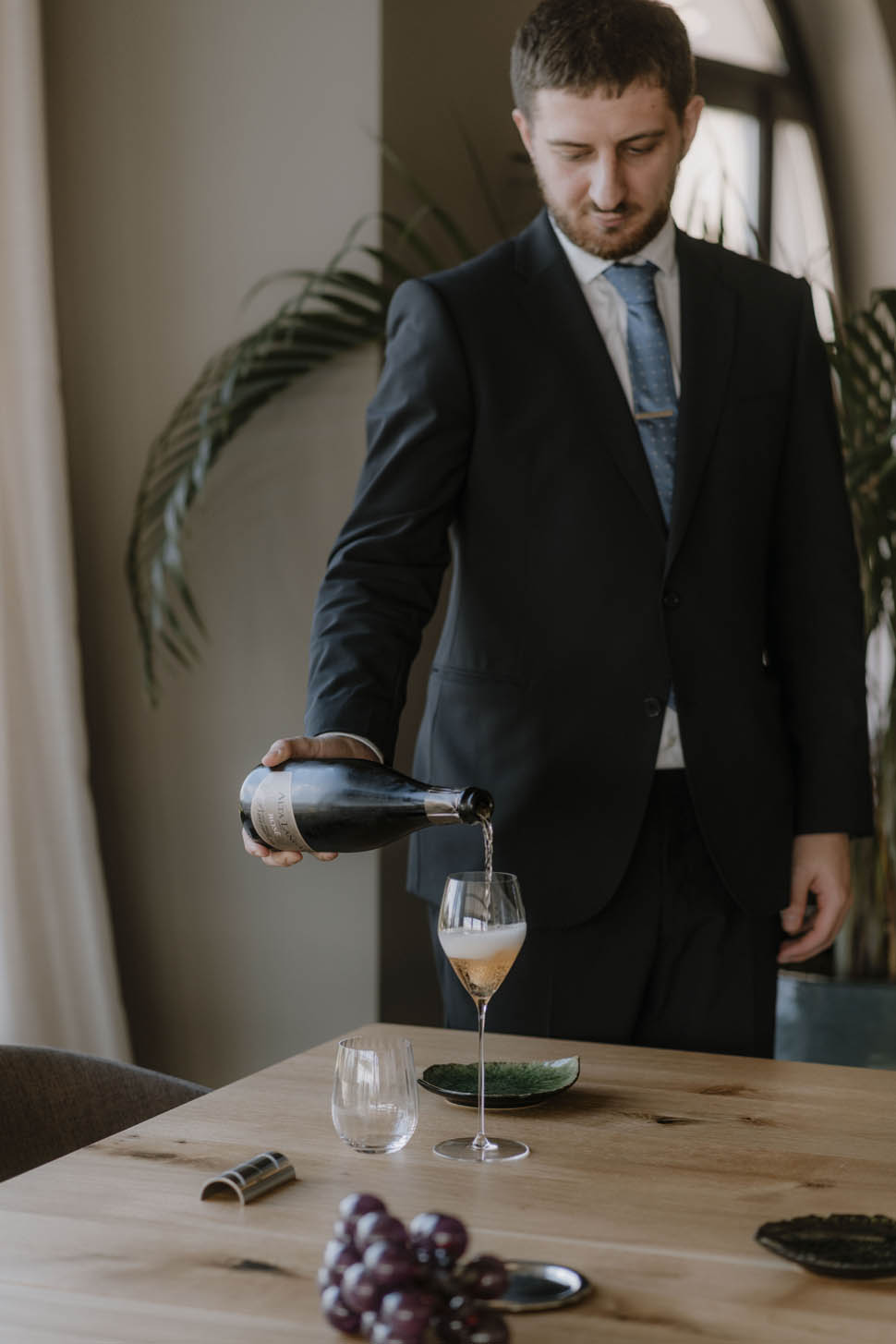

“Many people focus only on Barolo and Barbaresco, but Piedmont is much broader,” he explains. That’s why the wine list isn’t limited to the Langhe, but encompasses the entire region: from Alto Piemonte to Gavi, from Timorasso to the Asti area and the Roero.
This approach allows for a richer and more surprising narrative, in which even lesser-known wines find their place and value. The goal is not only to represent the region but to help guests discover it in a new way.
The Fundamental Role of Pairings
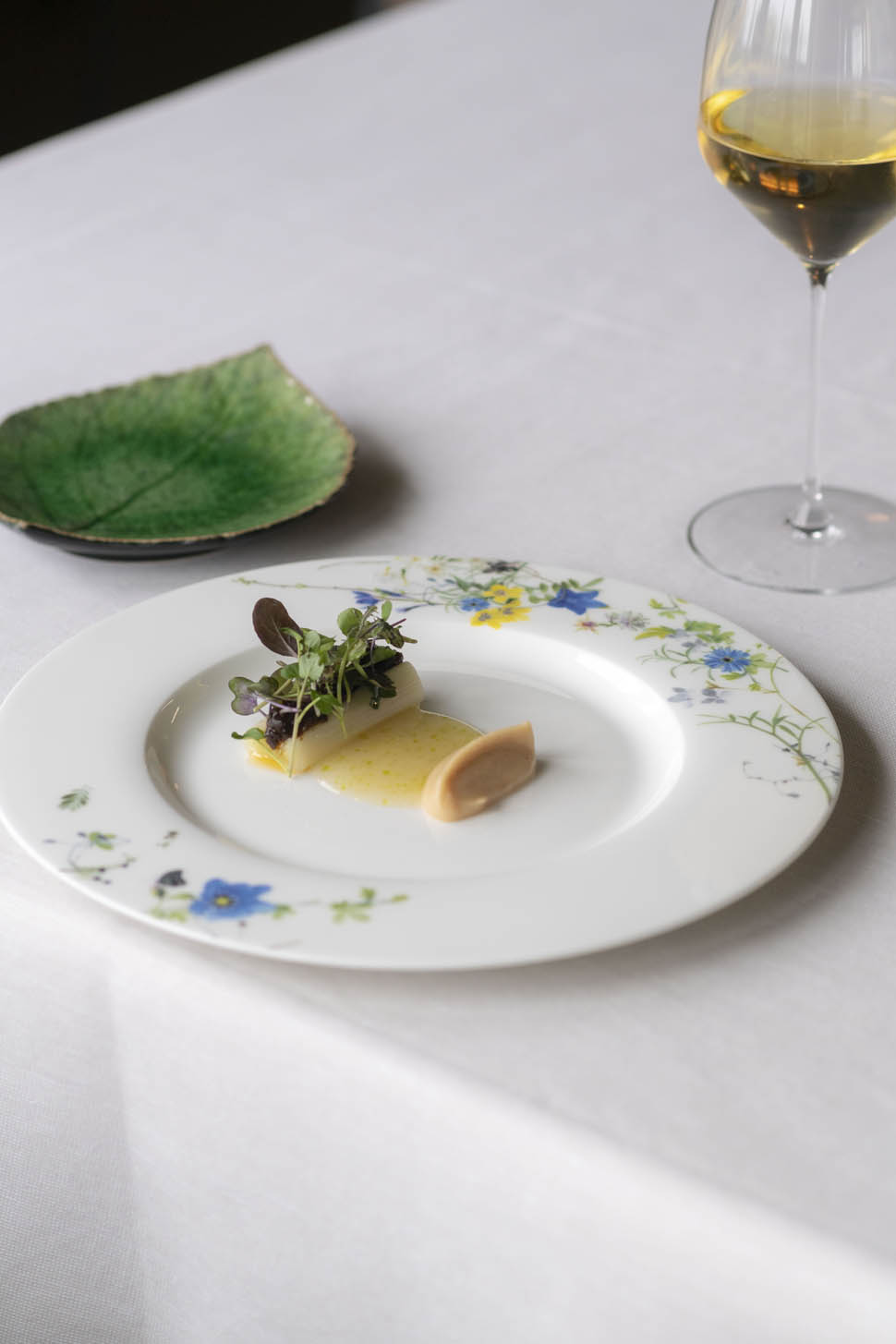
Coltivare’s wine list is not intended to be a static list; on the contrary, it serves as a dynamic tool for pairing and discovery. Jacopo’s work focuses heavily on interacting with the kitchen, crafting experiences in which wine becomes an integral part of the dining experience.
This also means offering lesser-known labels or different styles—such as oxidative wines or orange wines—that can create unexpected contrasts and harmonies with Piedmontese dishes.
“The idea is to make dining fun,” explains Jacopo. Wine shouldn’t be intimidating; it should complement the meal. And above all, it should be a discovery: something that takes the guest outside their comfort zone.
Openness to Other Producers: A Defining Choice
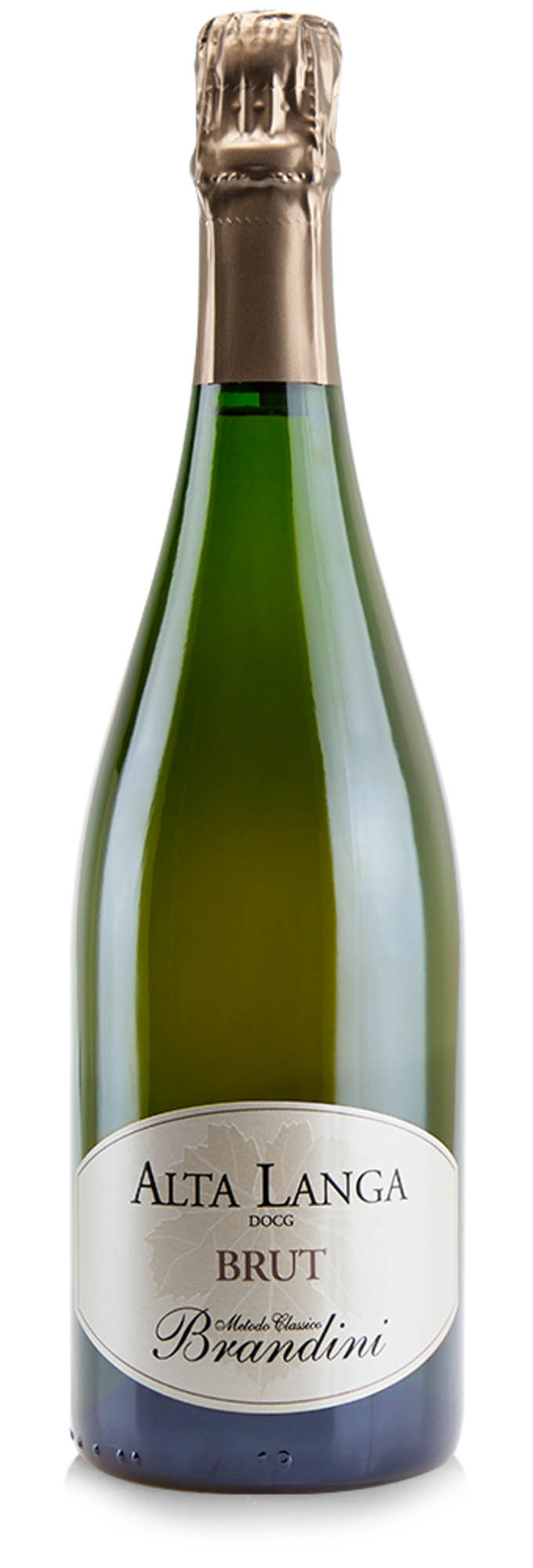
One of the most interesting aspects of the project is the decision not to limit the wine list to wines from the Brandini Winery alone, but to open it up to other producers. This is a choice that is anything but obvious for a restaurant born within a winemaking operation. Yet it is precisely this openness that becomes a strong defining element.
The selection of “producer friends” stems from relationships built over time, based on respect, a shared vision, and a commitment to sustainability. This is not a commercial selection, but a cultural one: every bottle must have a purpose within the project.
In this way, the wine list becomes a broader storytelling tool, one that speaks not only of the winery but of an entire network of producers who share the same sensibility.
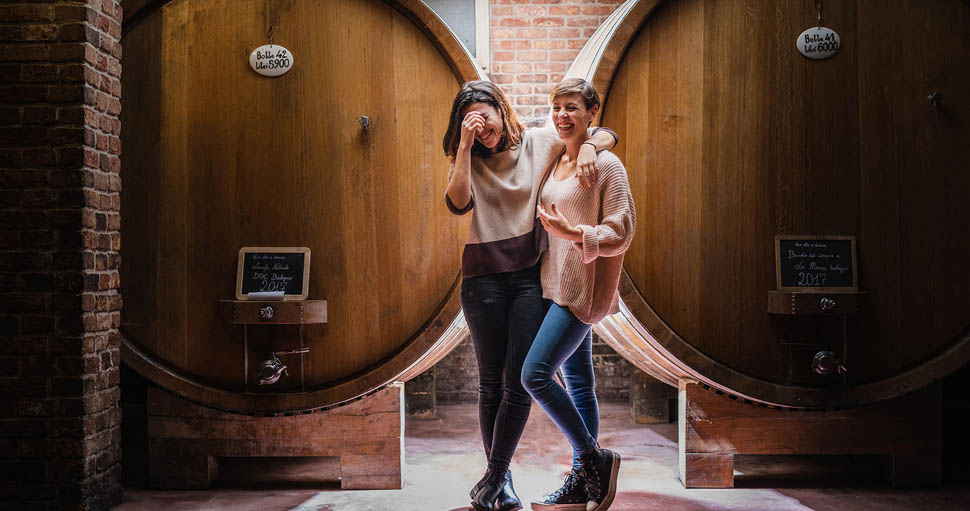
A Unified Experience Combining Winery, Restaurant, and Hospitality
Coltivare is more than just a restaurant; it is a true “modern farmhouse” where different elements coexist: the winery, the kitchen, and hospitality. Everything is designed to be cohesive and integrated. From the winery tour to the tasting, from dinner to the overnight stay, guests experience a single, seamless atmosphere without interruption.
“It’s like being at home,” says Jacopo. And that’s precisely the point: to bridge the gap between producers and consumers, creating a place that feels like home while remaining deeply rooted in the local area.
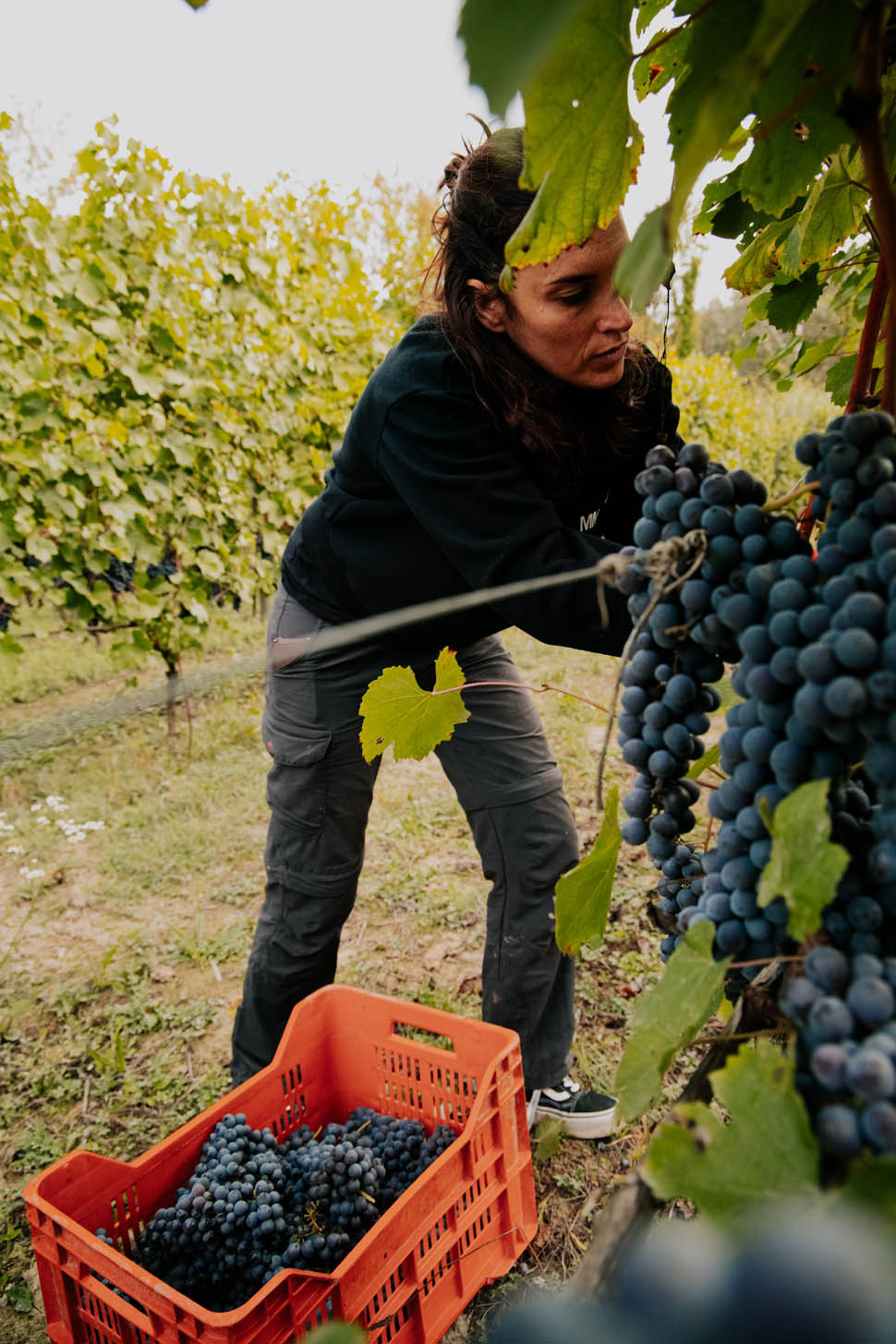
True Value Today: Simplicity and Authenticity
In closing, Giovanna sums up what is perhaps the most important concept of the entire project: the new meaning of experiential value.
“Today, values no longer lie in ostentation, but in time, slowness, and the quality of simple things.” A sense of comfort that isn’t measured by price, but by the ability to live an authentic experience, rooted in the local area and its rhythms.
Coltivare fits perfectly into this vision: a place where you don’t just come to eat or sleep, but to rediscover a slower, more mindful relationship with food, wine, and the landscape.
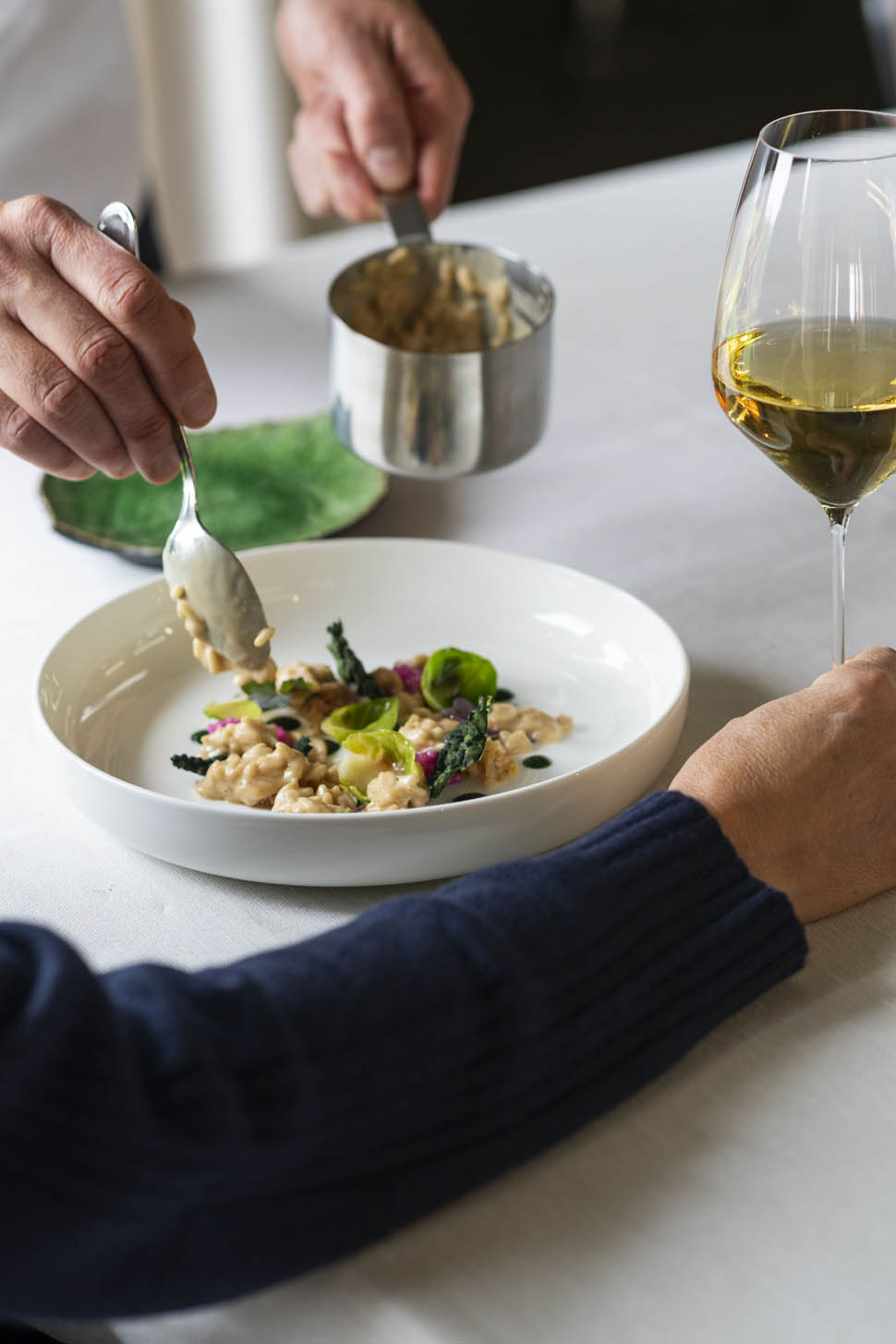
Coltivare Agri.Relais
Agricola Brandini
Borgata Brandini, 16, 12064 La Morra CN
Phone: 0173 328231