“In the past, trends were dictated by certain gurus; today, social media sets the trends, and there, anything goes.” After years of Michelin stars and the collapse of his restaurants in Madrid, the Catalan chef returns to the capital with Austral, a project dedicated to South Pacific cuisine and Chilean traditions. Seven years living in Chile have changed not only his understanding of gastronomy but also his perspective on the craft.
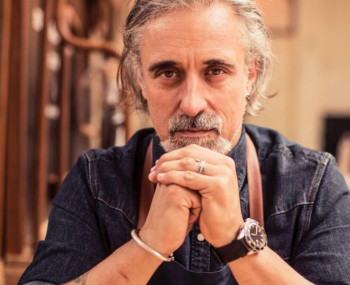
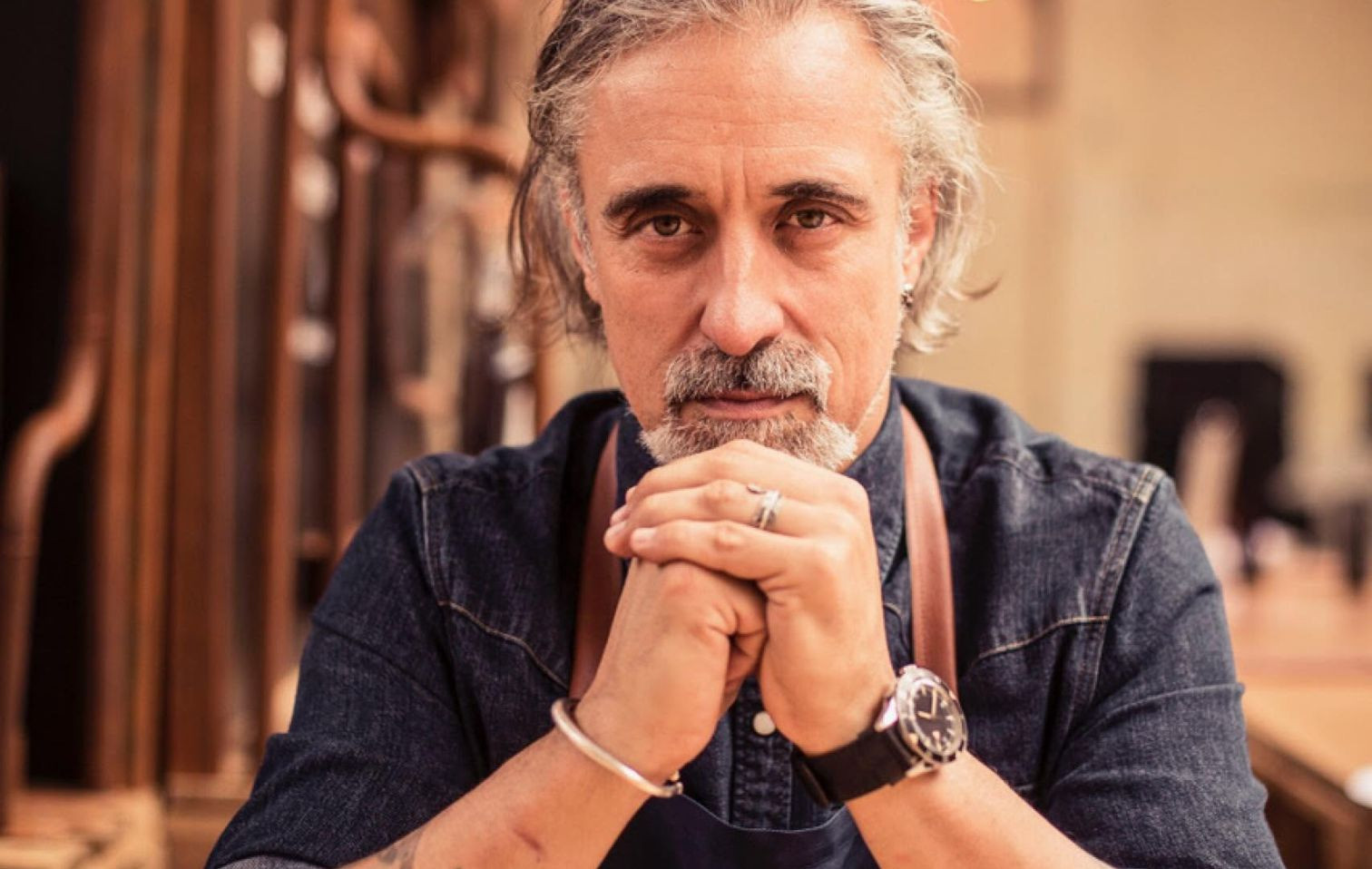
For years, Sergi Arola’s name has been synonymous with cutting-edge Spanish cuisine. Two Michelin stars, a stellar run in Madrid’s restaurant scene, and then the downfall—which came after the 2008 economic crisis and culminated in the closure of his restaurants. Today, at age 58, the Catalan chef returns to Madrid with Austral, a restaurant in the Salamanca neighborhood that tells a different chapter of his story: the one that has unfolded over the past seven years in Chile.
But in his assessment of the contemporary restaurant scene, there is also a reflection on the growing influence of communication. Trends, once dictated by a few big names in gastronomy, now spread through social media. It is these platforms that drive trends and bring chefs and restaurants into the spotlight. In this landscape, cuisine alone is no longer enough to guarantee success: the ability to build a recognizable image and communicate it to the public also matters. “There’s a certain weariness toward the egos that have surrounded a segment of haute cuisine for years,” he recently told El País. “New generations will emerge who will see modernity where we do not. Before, trends were dictated by certain gurus; today, social media dictates them, and there, anything goes. Today, the world is at our fingertips, with restaurants of diverse philosophies and origins. We travel to other countries through food. And what I’m proposing now is based precisely on this.”
Arola knows all about change. When he arrived in Madrid in 1997, the city’s high-end culinary scene was still quite small. With La Broche, which opened that same year, he brought a different vision of contemporary cuisine and earned two Michelin stars. In 2008, he opened Sergi Arola Gastro, but it was precisely during those years that the economic crisis began to profoundly change the industry. “It was difficult to maintain that pace of creativity,” he recalls in the same interviews—partly because resources were not infinite and the public was beginning to show some weariness toward the excesses and the personalities that had characterized a certain aspect of haute cuisine.
The Crisis, Mistakes, and a New Perspective
The most difficult moment of his career also came for a reason he now openly acknowledges: he was not prepared to run a business. “No one had taught us how to run it,” he admits, referring to the generation of chefs who had devoted almost all their time to gastronomic research, often neglecting the economic and organizational aspects. In 2013, the restaurant was shut down by the tax authorities due to tax and social security debts; three years later, it closed permanently.
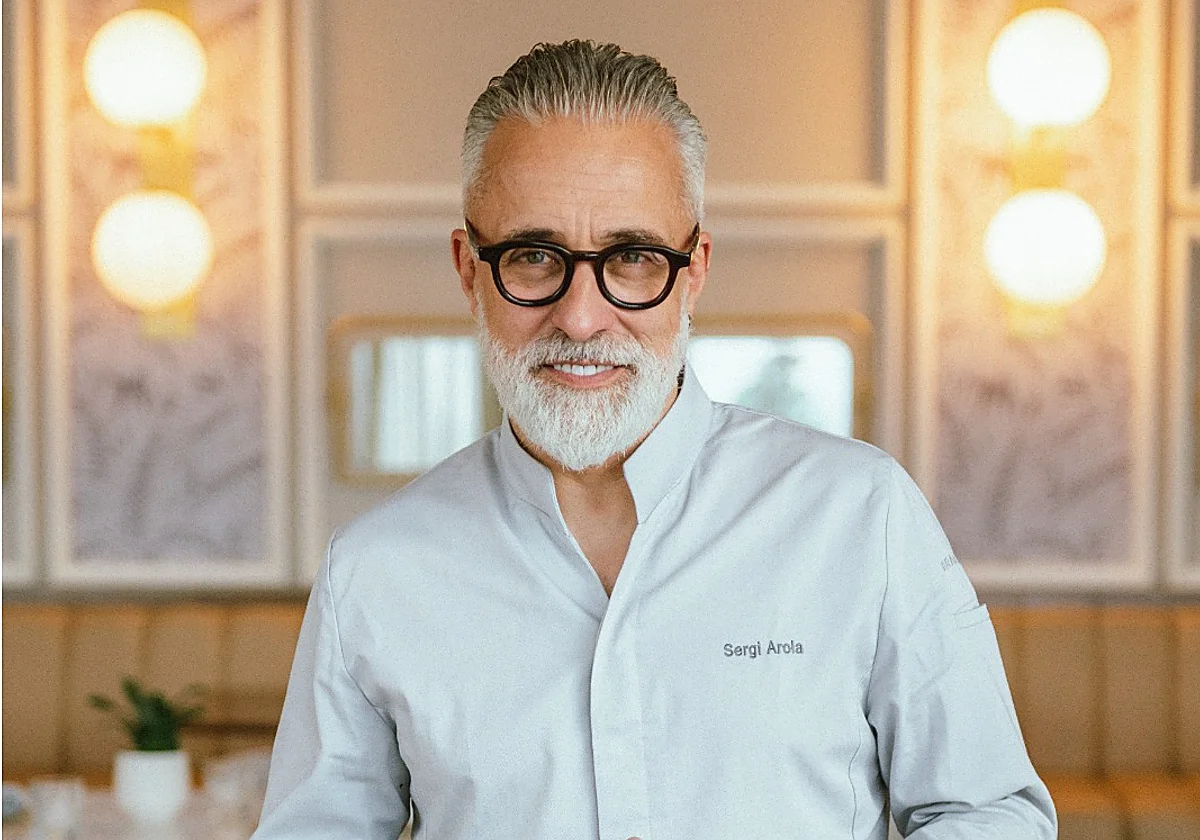
Looking back on that period, Arola uses a very stark comparison: “It was like being an alcoholic: I didn’t realize how badly I was getting beaten.” That realization came only later, when his work took him far from Spain. Since 2008, he has been traveling between Chile, Istanbul, and other countries, collaborating with a wide range of establishments, from small operations to high-end venues. The move to Chile, where he now lives and works, also changed his relationship with cooking. “Maybe it wasn’t all about making foams and spherifications”, he observes. A statement that doesn’t deny his journey in avant-garde cuisine, but reveals a different set of priorities. Today, Arola speaks enthusiastically about the flavor of Chilean lamb, the techniques he’s learned locally, and his direct relationship with the producers of the ingredients. His only regret is not having embarked on this journey sooner.
Austral Brings Chile to Madrid
The new restaurant stems precisely from this experience. Austral will open in early November at Calle Velázquez 61, in the Salamanca neighborhood, in collaboration with the Chilean group Los Lirios. The menu draws on the cuisine of the South Pacific and Chile’s traditional recipes, with a particular focus on local products and flavors. Arola does not want to replicate the model of his previous restaurants. “I don’t want to do molecular cuisine, but rather cuisine with flavor and hearty dishes,” he explains. Grilling will be a recurring element, but not an excuse to turn Austral into just another Madrid asador.
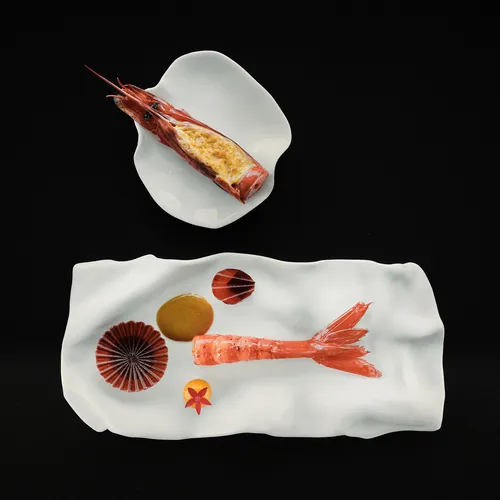
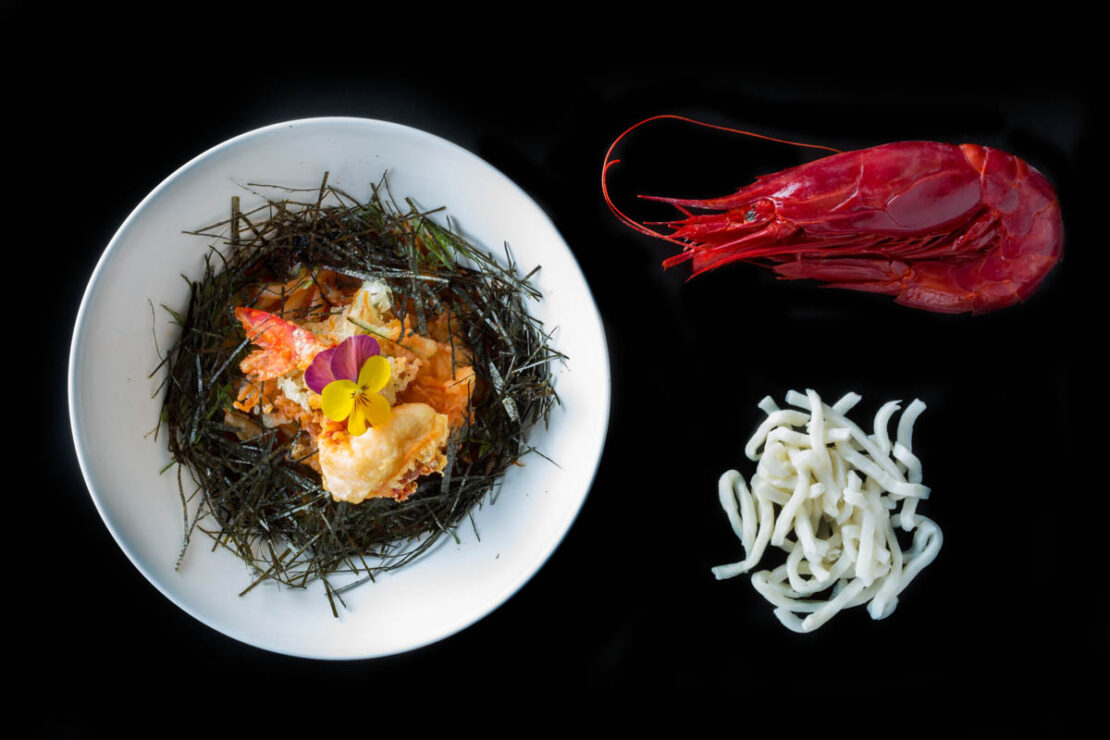
The project will be divided into two distinct areas. On the upper level, there will be a pisco bar, offering a more casual dining experience and dishes such as the cylindrical patatas bravas that have defined the chef’s career, as well as sandwiches and dishes inspired by Chilean tradition. The expected average check is approximately 60 euros. The lower level will house the fine-dining restaurant, with a menu featuring dishes such as lamb with luche seaweed and potatoes, veal tongue with walnut sauce and foie gras, as well as seafood and ceviche. Here, the average bill will be around 130 euros.
Arola makes no secret of his ambition to introduce Madrid to a cuisine that is still underrepresented in the capital, but he does not list earning a new Michelin star among his stated goals. “I aspire to do my job well,” he says. Any ratings from the guide, if they come, will be a natural consequence. His star, after all, continues to shine at the Penha Longa restaurant in Portugal.