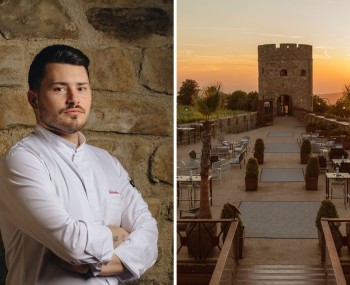
Twenty-six seats, top-notch cuisine, and a vision of freedom that the two chefs have now fully realized: “Those who visited in the early months and return today will already notice significant changes, because anything we believe can be improved is immediately put into practice.”
Photos by Fabrice Gallina and Roberto Pastrovicchio
The Restaurant and the Chefs
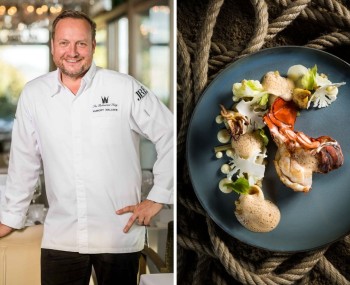
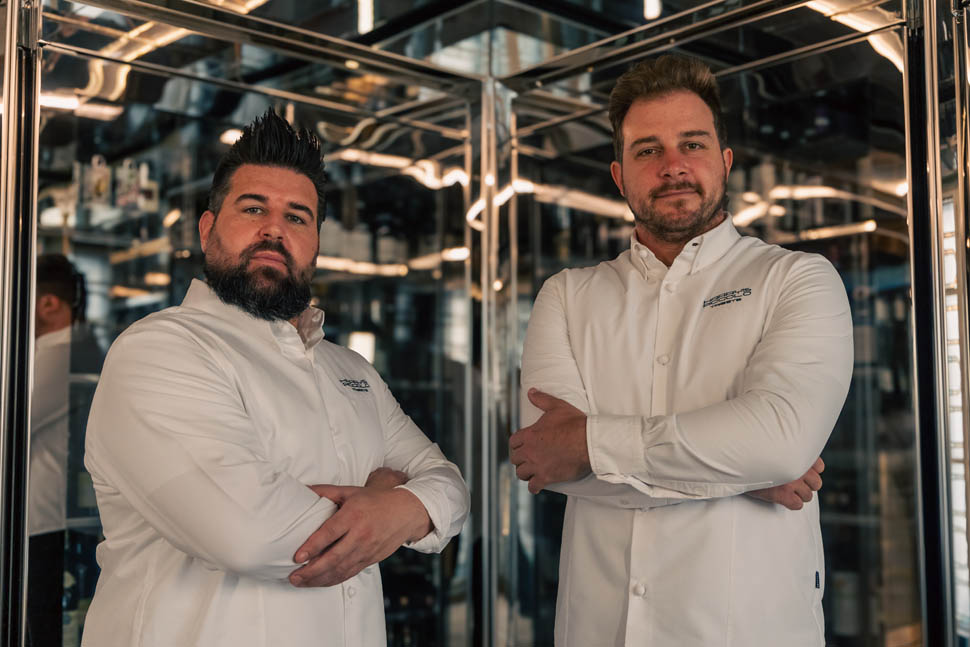
Palazzo Dreher is one of the iconic buildings of Belle Époque-era Trieste. Located between Piazza della Borsa and Via San Nicolò, it began as a large multifunctional complex commissioned by the Dreher family—historic beer entrepreneurs—and was built between 1908 and 1910 based on a design by the Viennese architects Emil Bressler and Gustav Wittrisch; at the end of World War I, it became the headquarters of the Trieste Stock Exchange. It is in this building—restored to one of its original purposes—thatMatteo Metullio and Davide De Pra relocated their two-Michelin-starred Harry’s Piccolo just under a year ago, moving from the nearby Grand Hotel Duchi d’Aosta.
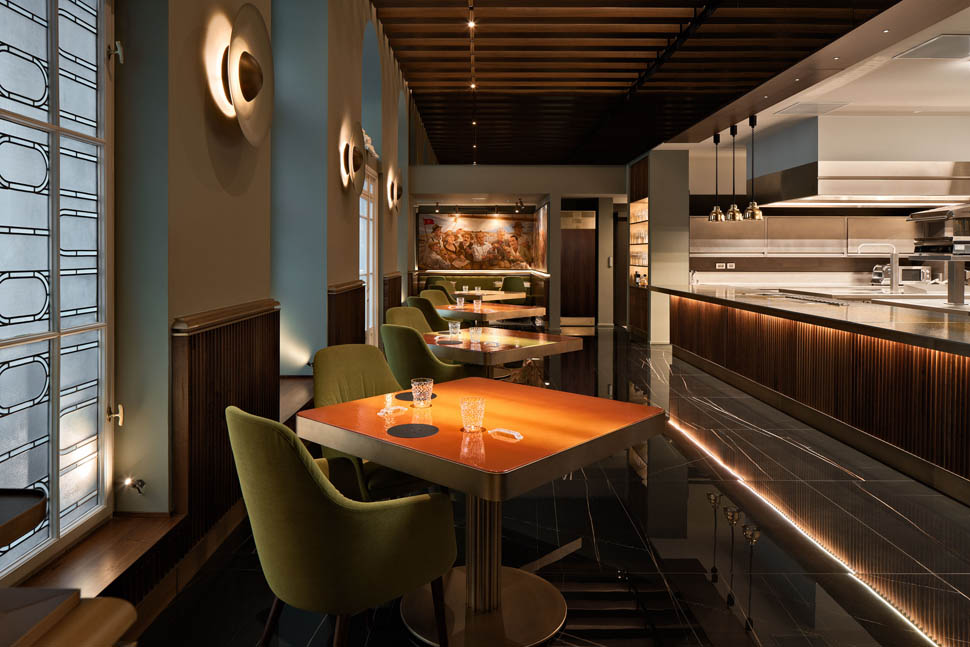
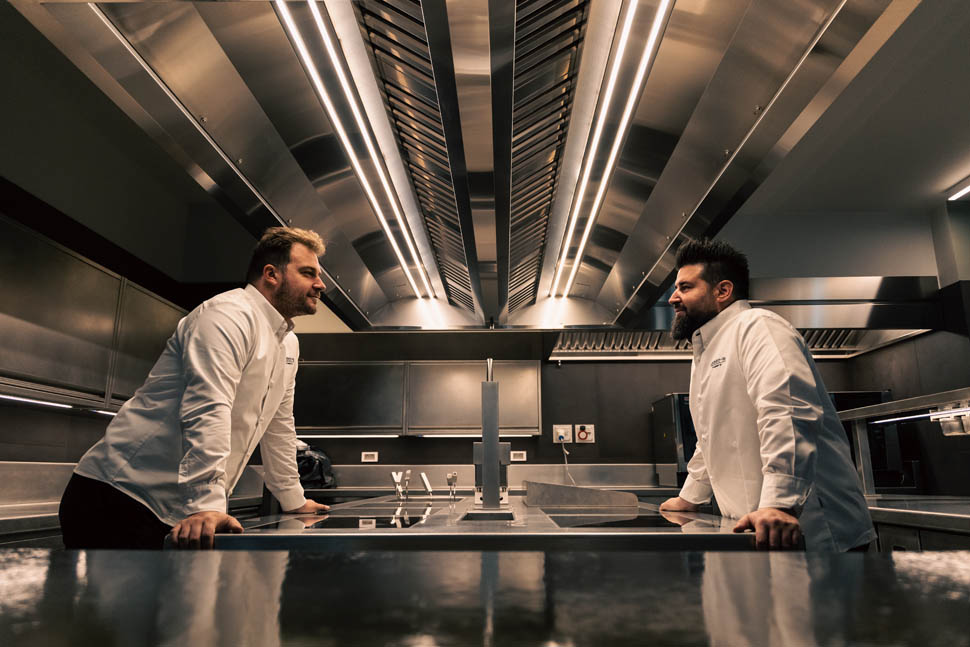
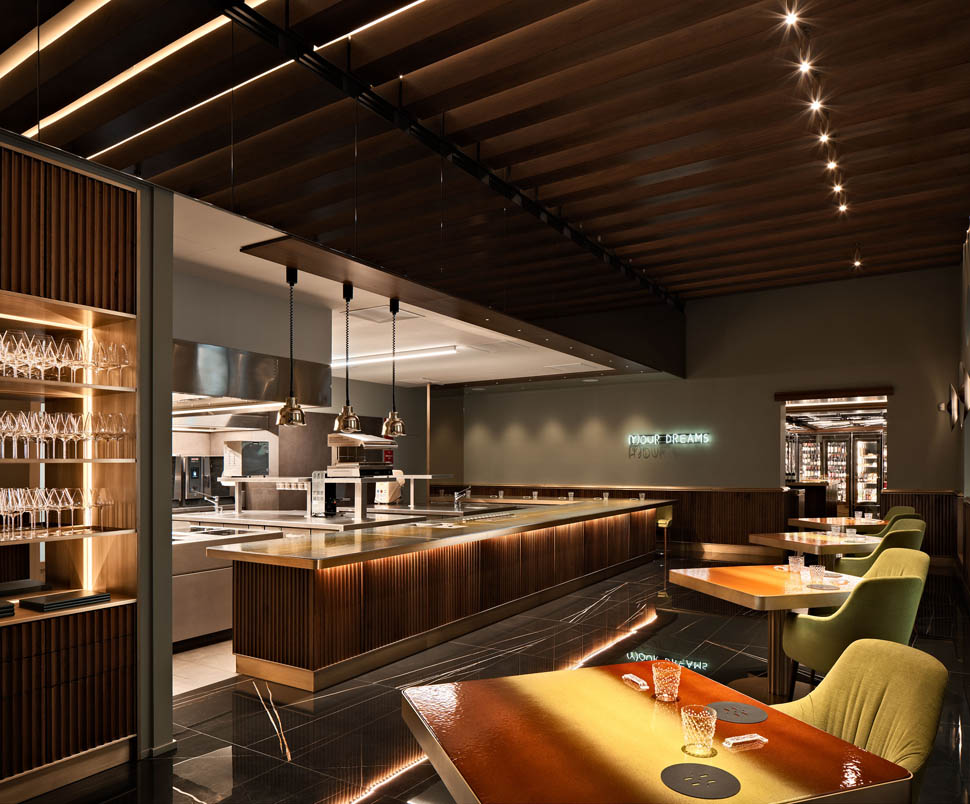
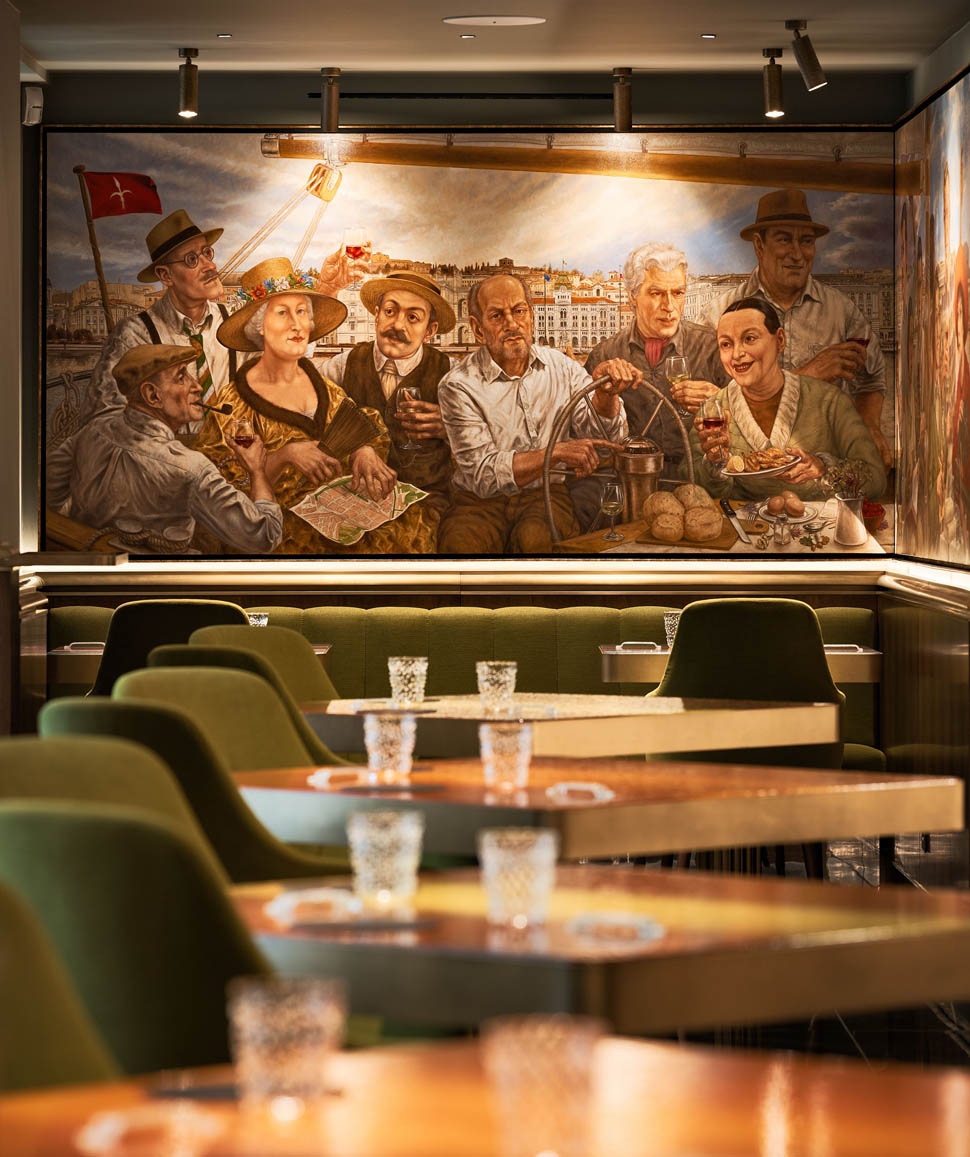
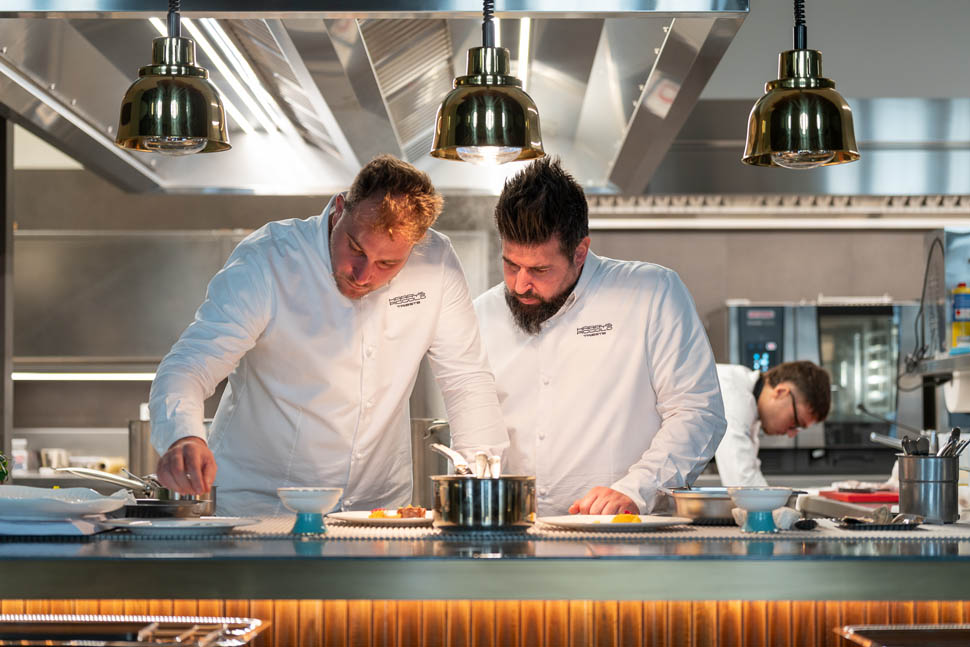
The space features soaring ceilings, a 1920s style updated for our times, and a majestic open kitchen that reflects the vision of the two chefs, who wanted to effectively eliminate any barrier between the kitchen and the dining room. Metullio explains: “Today, the restaurant certainly has a stronger sense of identity than before. Before, it was a very beautiful place, in a very beautiful building, on a very beautiful square—which made it unique in certain ways. Today, however, you step completely into our world: you see it and experience it the moment you walk through the door.”
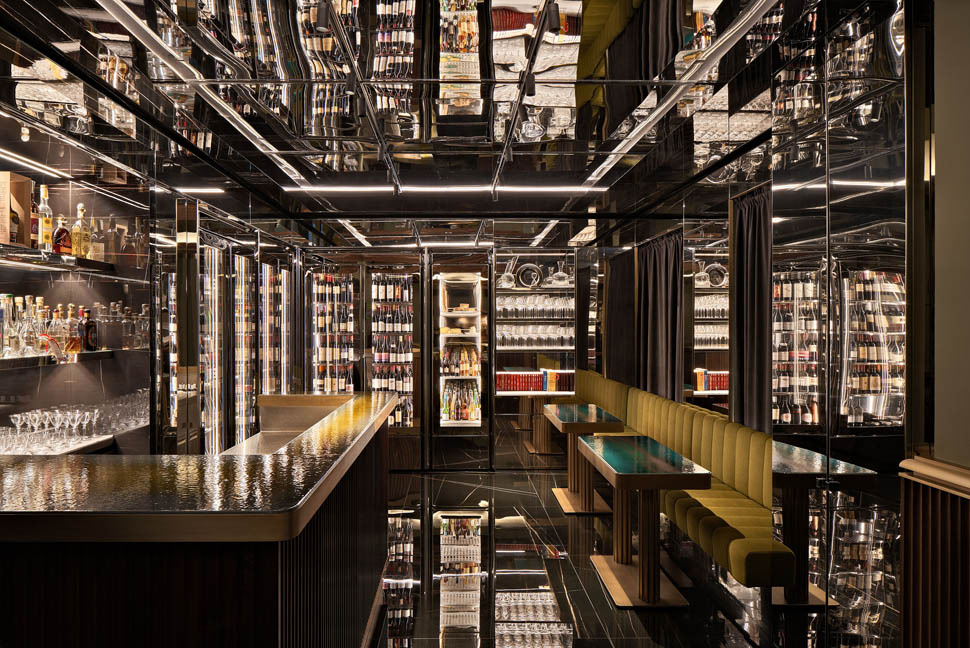
Twenty-six seats in total; the restaurant is divided into four different areas: six people can sit at the bar, twelve at the tables facing the kitchen, and four in the private dining room featuring “Una scontrosa grazia,” a work by artist David Dalla Venezia that pays homage to the city; finally, there is the wine cellar.
The Philosophy: Dining Room and Kitchen, One and the Same
The two chefs’ vision of freedom was clear from the start and represents a significant departure from the past: “Whatever comes to mind, we don’t have to consult anyone. If something can be done, we do it. Those who visited in the first few months and return today will already notice significant changes, because anything we believe can be improved is immediately put into practice.”
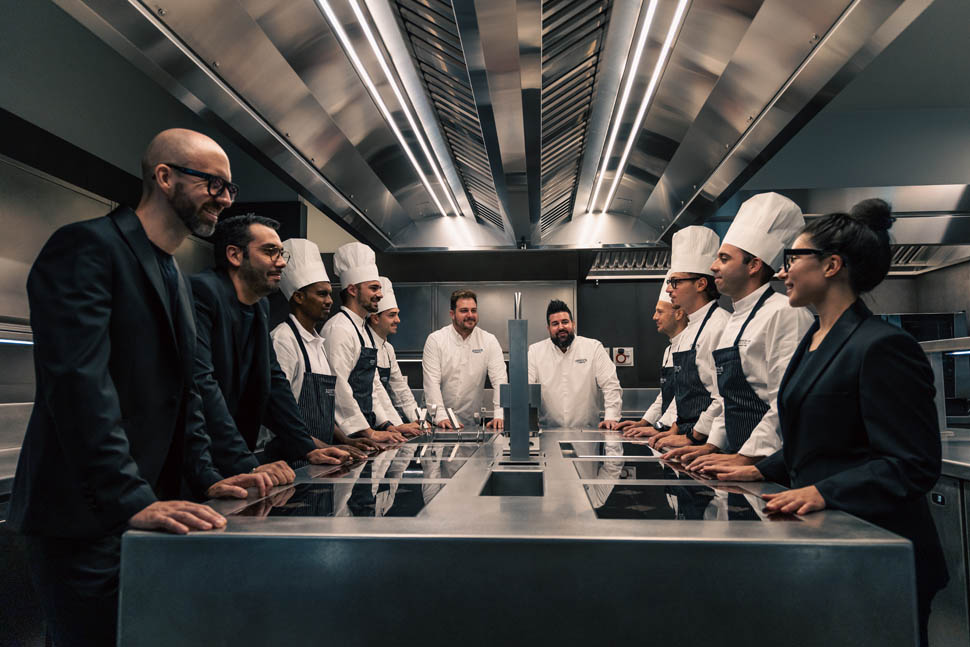
The “en plein air” format also plays a key role in the dining room, masterfully directed by Jgor Tessari, who has an elegantly informal way of interacting with guests: “The service has been streamlined. We rely exclusively on our guests’ suggestions, on what they tell us, and on the feedback we receive. What makes us happiest is that people feel at home, that they’re comfortable, with attentive service that isn’t intrusive. That’s exactly what we wanted to achieve.”
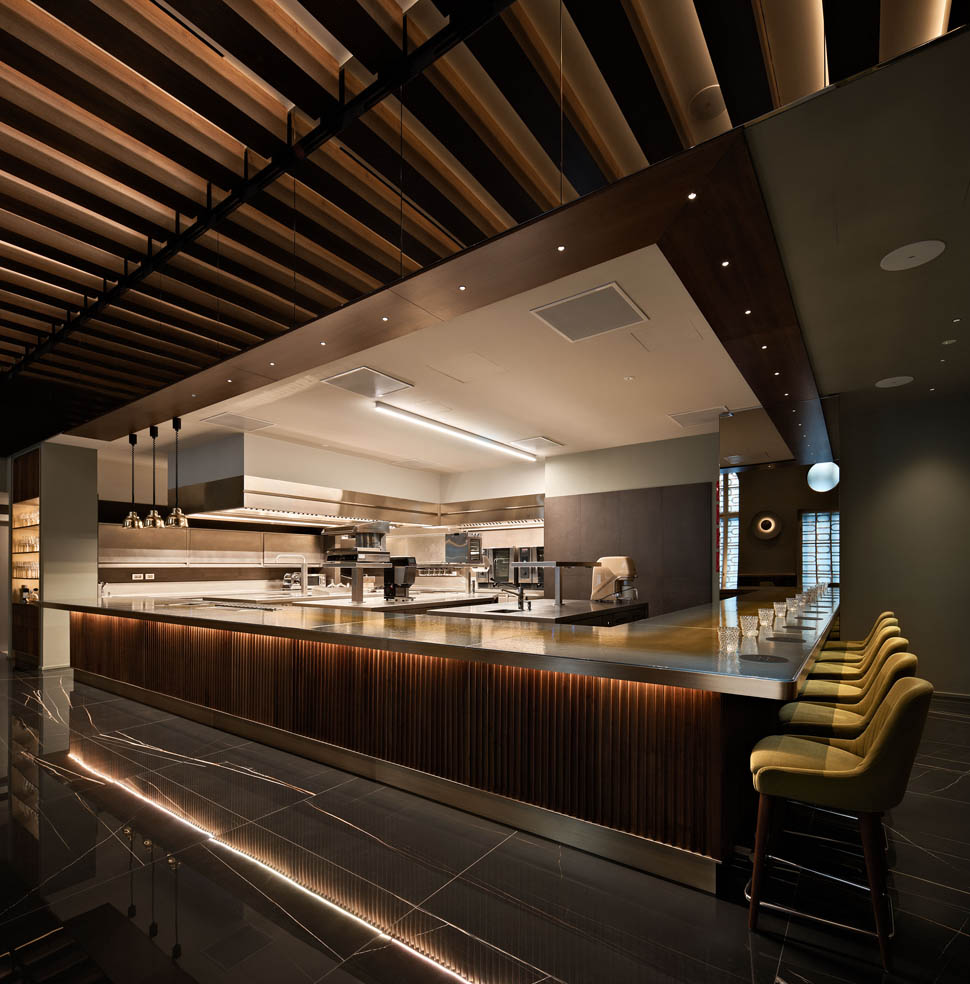
The decision to eliminate any separation between the kitchen and the dining room goes far beyond a simple architectural solution, because it radically changes the way we work and, above all, increases the number of eyes focused on the guests, making everyone a part of the hospitality experience, regardless of their role: “For the number of guests we have, 5 or 6 waitstaff would be enough. But with the kitchen completely open, we also have the eyes of all the staff working at the stoves. If someone sees a guest getting up or needing something, Davide and I can step out from behind the counter, bring a dish, or pour a glass of water. Today, in addition to being a chef, I feel very much like a host.” In this way, the boundaries disappear, and we, too, are a constant presence. “This is exactly what we wanted—one hundred percent—because the project called for us to be involved in front-of-house service from the very beginning.”
Although they’re still quite young, Matteo and Davide have achieved a maturity that comes from years in the field and experience that now translates into confidence: “There’s a different awareness of the team’s strength and of ourselves as well. When you start seeing the numbers—when guests come from all over the world to eat your dishes—you also realize something: the strength of great restaurants lies in how long they can remain great. At first, you have the energy and the desire to constantly change everything, but often you don’t give things time to mature. Today, we’ve learned that, too.”
Another key aspect relates to team cohesion and continuity, even though some turnover is always necessary: “We now have people who’ve been working with us for a long time. Manuele in the dining room, Michele, Kevin, and Daniele in the kitchen. We’ve been working together for six years. This creates tremendous stability. But some turnover is always needed. For example, we brought in Filippo, who had worked at *Gli Amici* for many years, and today he’s our sous chef in Croatia. He’s been very helpful; he’s brought fresh energy and new ideas. That’s what happens when skilled people join us. In the end, we replace one or two of our fourteen staff members each year—one in the dining room and one in the kitchen—while the others stay on. It’s a balance that works.”
The Dishes
When it comes to the kitchen, De Pra and Metullio remain two level-headed chefs, and as far as we’re concerned, they’ve always understood that practicality—combined with high-precision technique and a pursuit of direct, immediate flavor—is the supreme rule. In any case, according to Matteo, their evolution has followed a clear path: “We’ve always been somewhat baroque chefs. Our dishes used to feature opulence, creativity, and a richness of flavor. Today we’ve increased the vegetable component: before, it was two-thirds protein and one-third vegetables; now it’s almost half and half. We’ve lightened things up.”
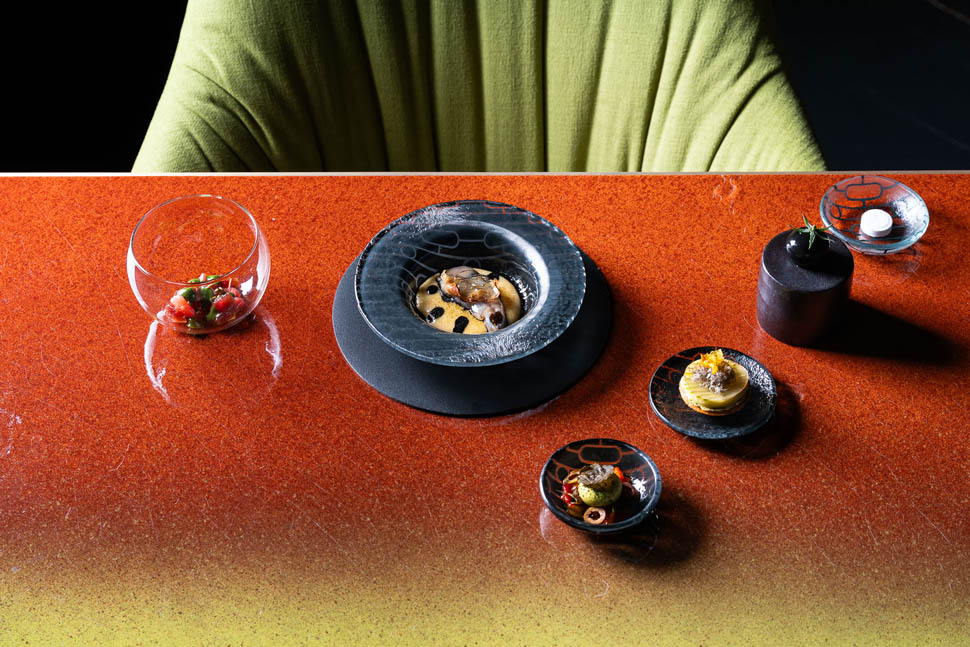
The culinary journey at Harry’s Piccolo is always exciting, starting with the freshness of the amuse-bouches. Our dining experience explored a variety of flavors, textures, and temperatures, all tied together by a thread of extreme elegance, skillfully balanced with bold flavors.
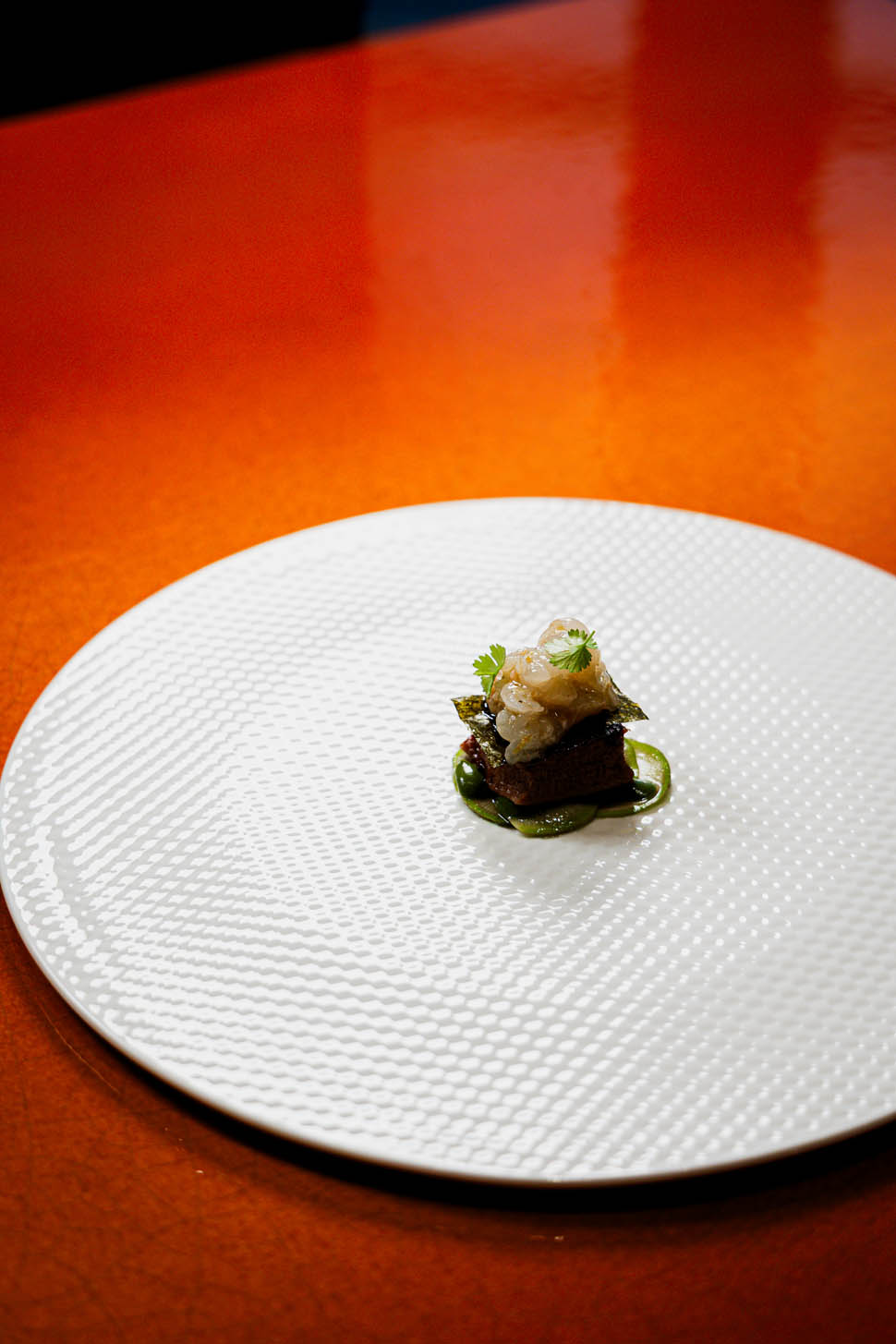
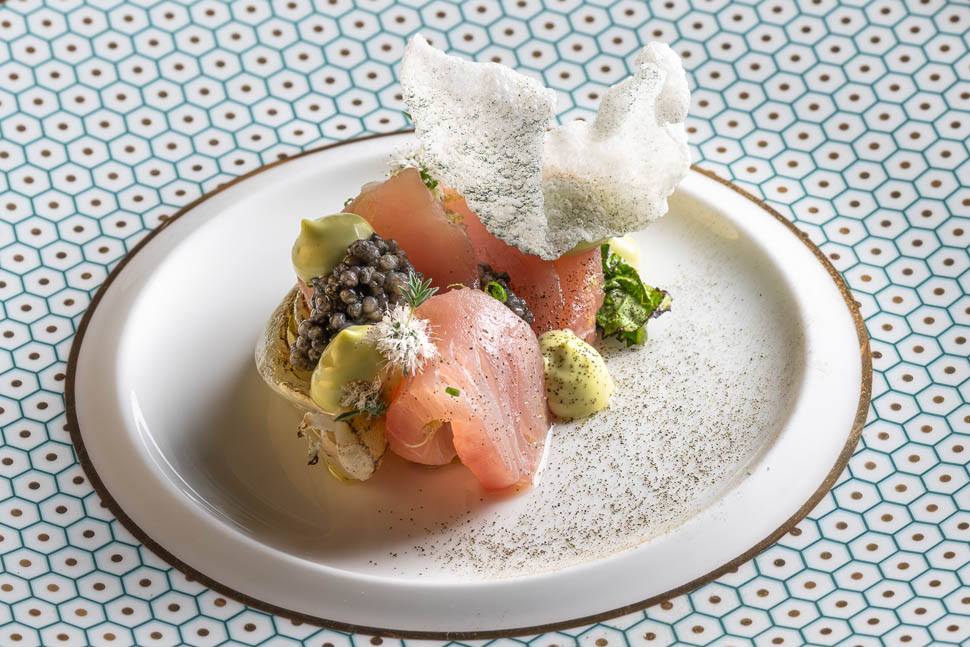
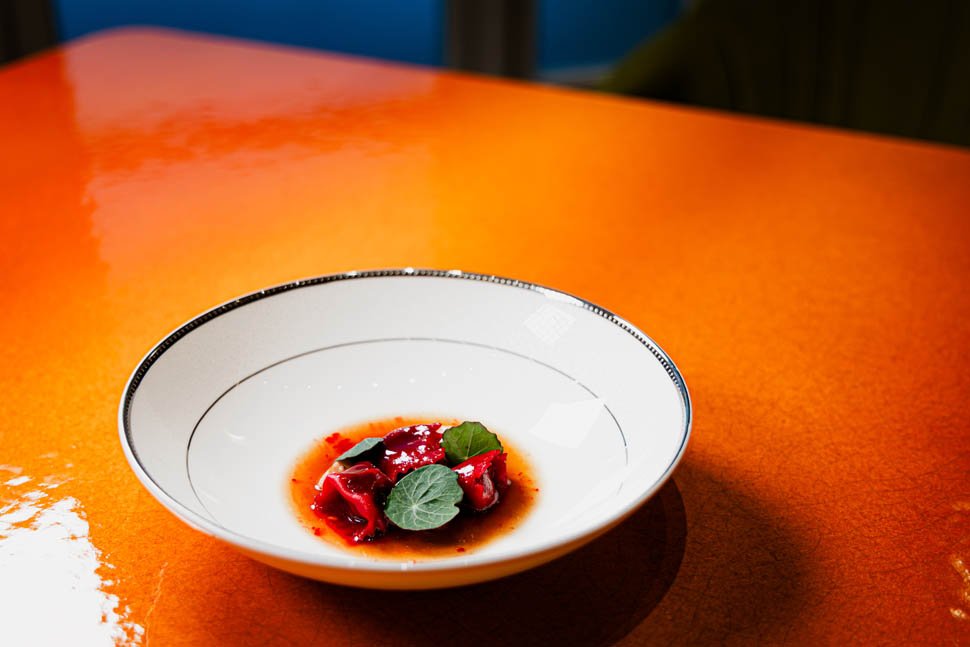
Here, then, is the remarkable seafood Caesar salad, from the classics menu: charcoal-grilled lettuce served with caviar, mint mayonnaise made from yellowtail marrow, raw yellowtail, and crispy rice chips with spirulina. Also, the tenderveal tongue with seaweed, cilantro, mustard, and raw red shrimp: the cilantro-and-mustard-based sauce accompanies the meat, which is first boiled and then grilled and garnished with a glaze made from veal stock; on top, nori seaweed, raw shrimp, and seaweed sauce.
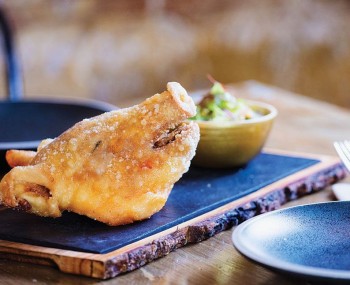
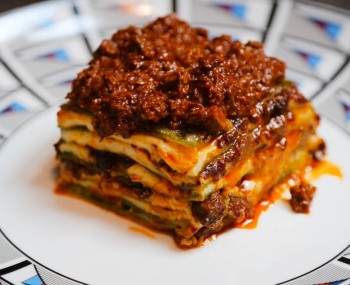
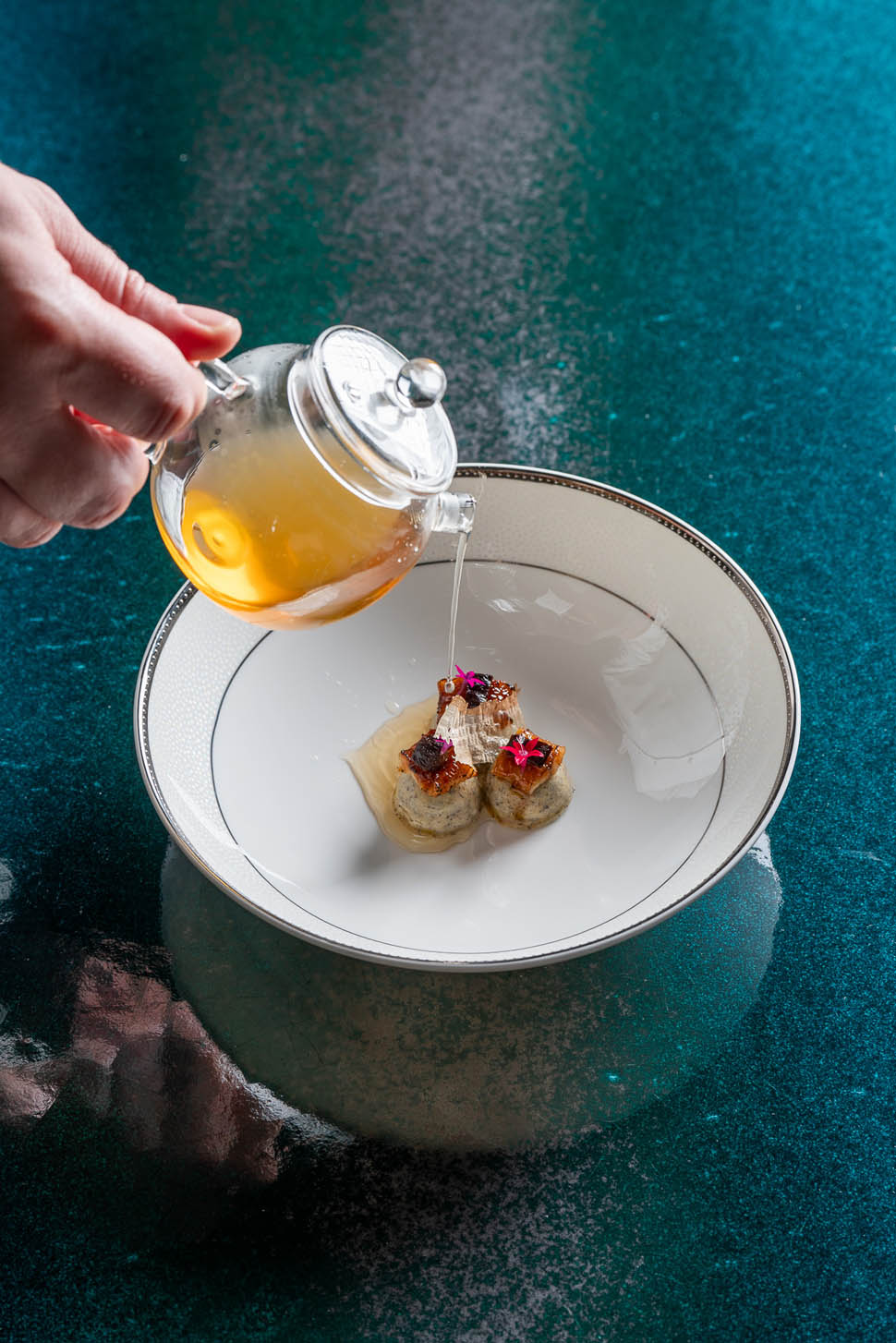
The scallop: seared very quickly on one side and served raw on the inside, is accompanied by a bell pepper salad, green curry oil, mayonnaise made from its coral, coconut milk foam, passion fruit, and parsley oil. The buckwheat and chicken dumplings, served with dashi broth, smoked eel, and plums, are an absolute delight: the filling is made from a pâté combining both chicken livers and giblets, along with the thighs and breasts used to make a slow-cooked stew; the mixture is blended and processed in a Pacojet to create a deliciously smooth filling.
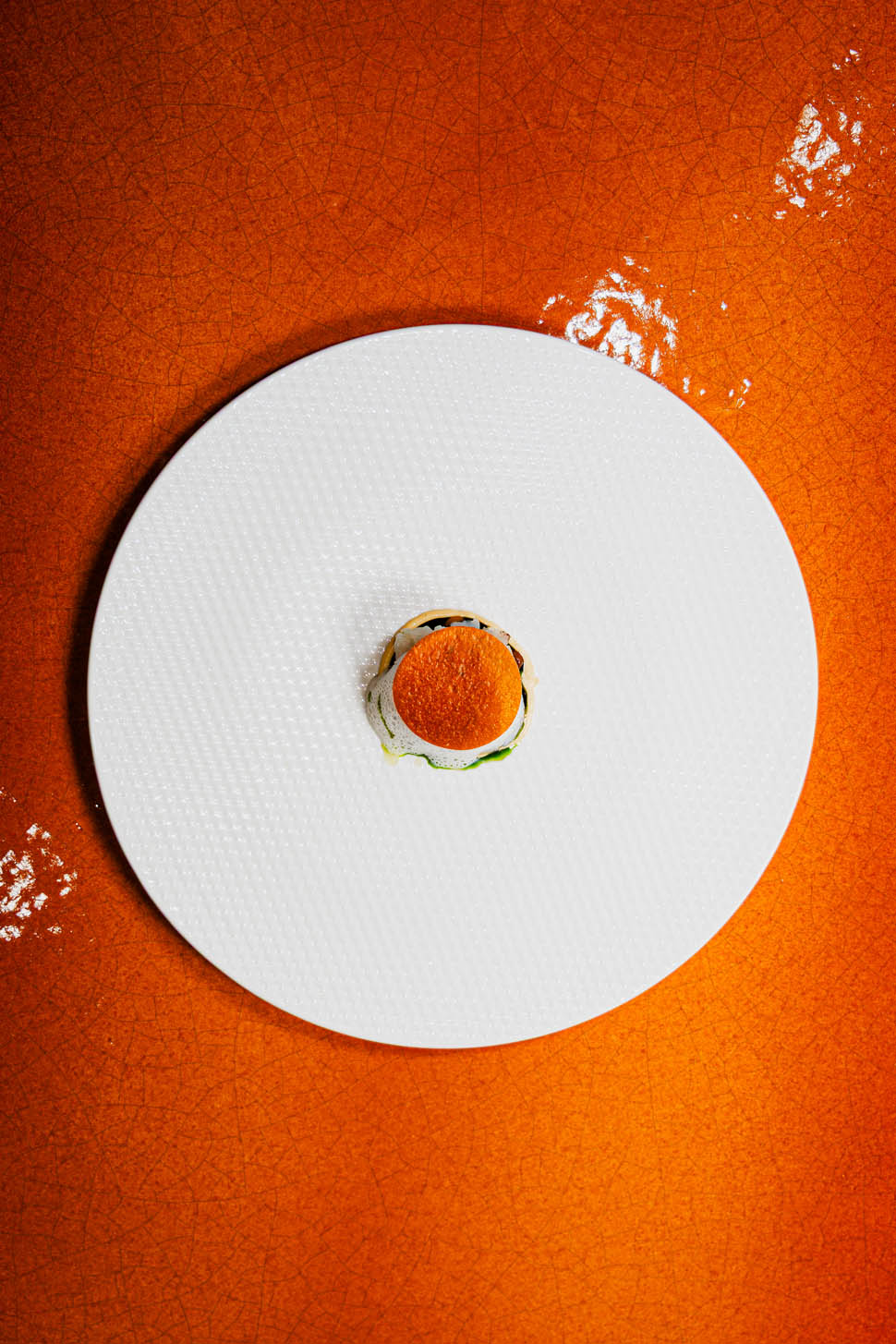
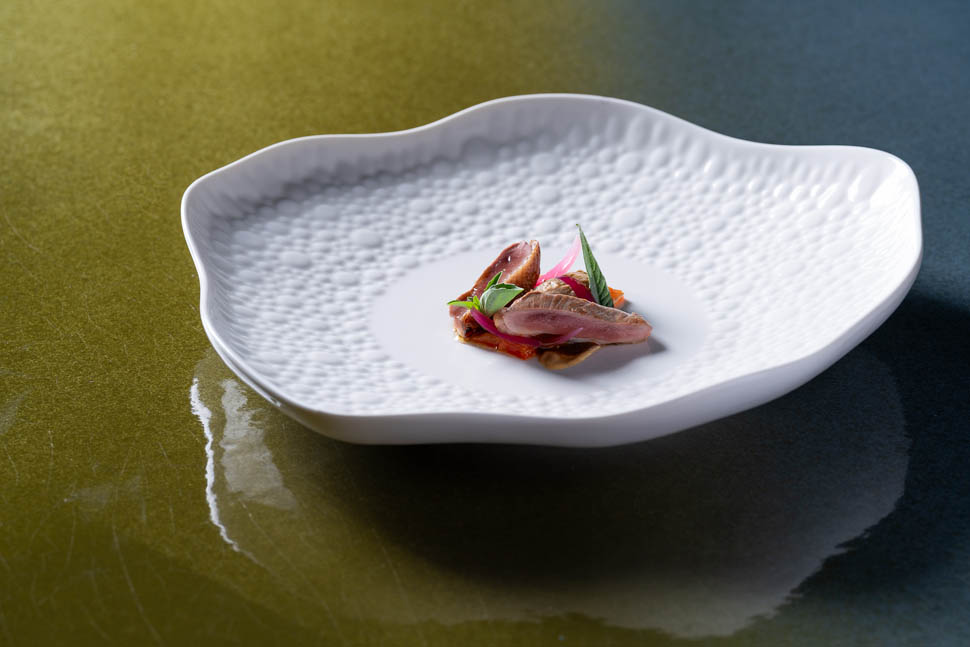
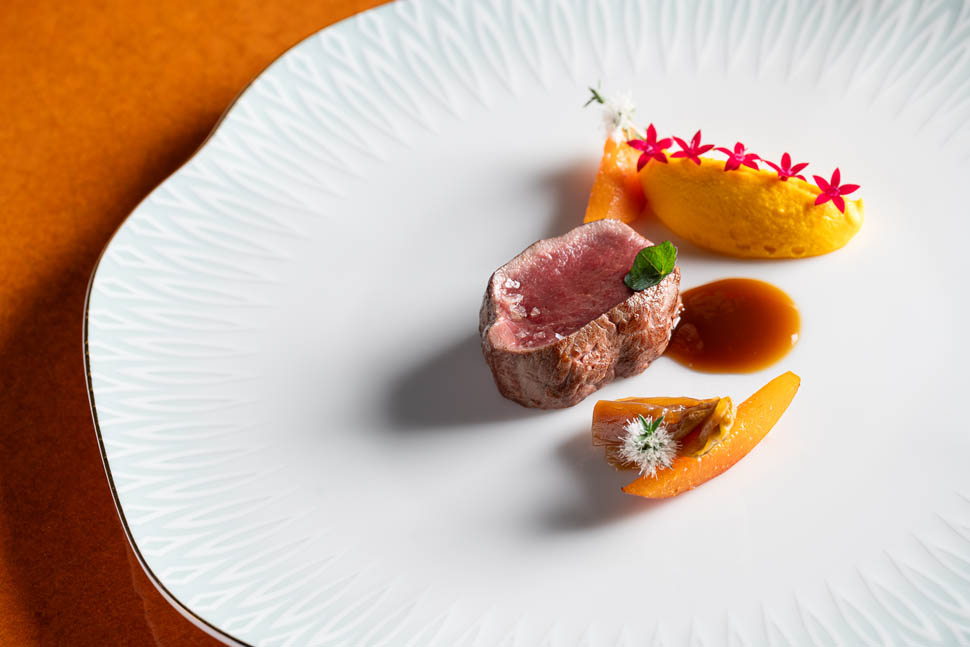
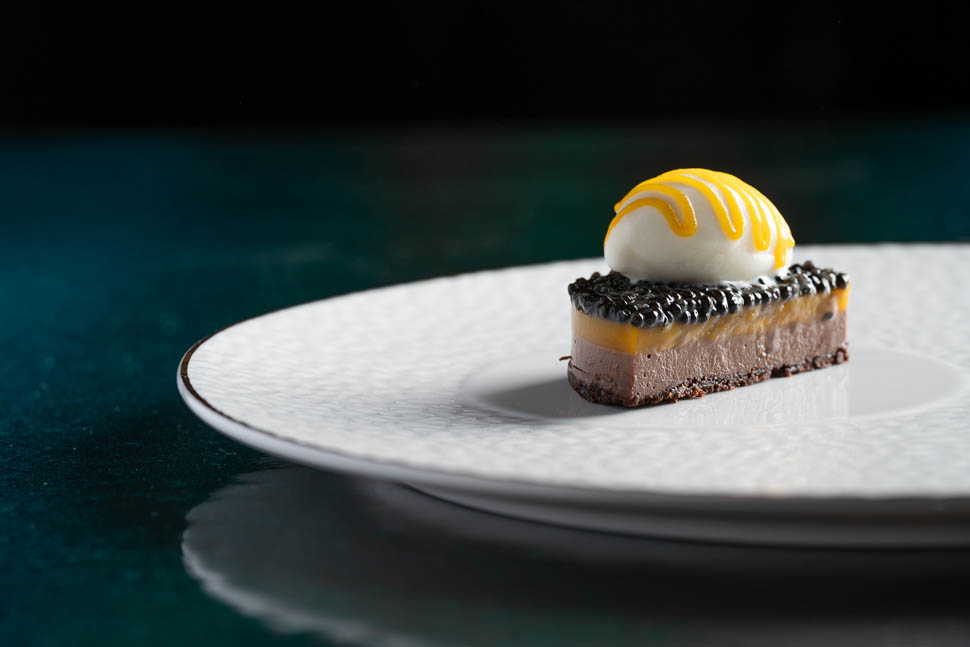
Cooked to perfection and guaranteed to be succulent, this flavorful roe deer sirloin, is served with cardamom-scented carrot purée, apricot vinegar gel, and apricot confit. The meal concludes with an elegant chocolate cake with mango, smoked caviar, and yogurt sorbet.
In addition to the tasting menus (190, 210, or 250 euros), Harry’s Piccolo also offers two smart options that allow guests to enjoy the restaurant in a more casual way, making it accessible even to younger diners: After21, available at 9 p.m. from Tuesday through Saturday, consists of five tasting dishes created by the chefs and offered for 100 euros (50 euros for wine pairing, if desired). For lunch, there’s Around12, a light lunch available Wednesday through Friday: the menu features an appetizer of the day and a main course chosen from three suggestions for 45 euros, including water and coffee; you can also order à la carte from a selection of dishes chosen daily from the tasting menus. A truly charming spot in Trieste.
Harry's Piccolo
Via S. Nicolò, 5A, 34121 Trieste TS
Phone: 353 484 5621