From the trenches of the Gargano to the beaches of Lazio, the “packed lunch” movement is setting the Italian summer ablaze and making headlines in the international press amid debates over high beach prices, rights, and culinary identity.
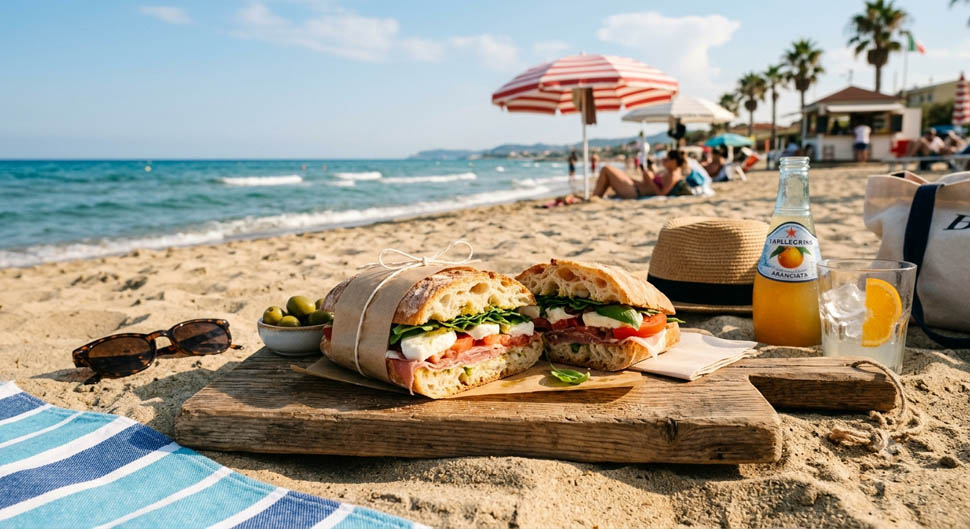
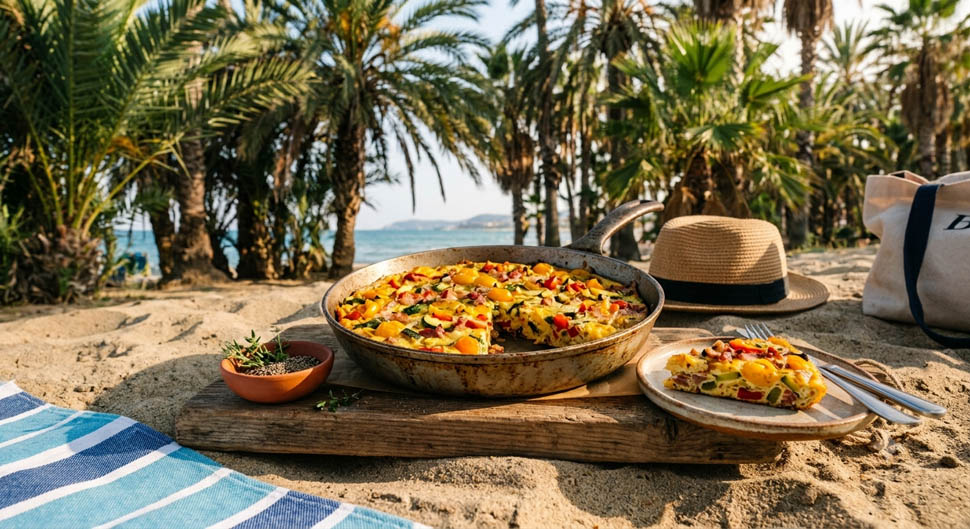
There’s an unmistakable scent that defines the Italian summer more than any sunscreen fragrance: it’s the enveloping aroma of macaroni frittata wrapped in aluminum foil, the savory scent of prosciutto that softens the crumb of a warm, moist michetta under a beach umbrella, or the golden embrace of a breaded cutlet prepared with a mother’s care at the first light of dawn. A secular, popular, identity-defining gastronomic ritual. Yet, along the shores of the Belpaese, this centuries-old tradition is turning into a consumerist and ethical battleground. “A child who ate a homemade sandwich smuggled in sparked the latest skirmish at private resorts [...] The ‘sandwich police’ are deployed along Italy’s coastlines.” commented The Guardian in a recent article on July’s “hot topic.”
Resistance Under the Beach Umbrella: “I’ll Do What I Want”
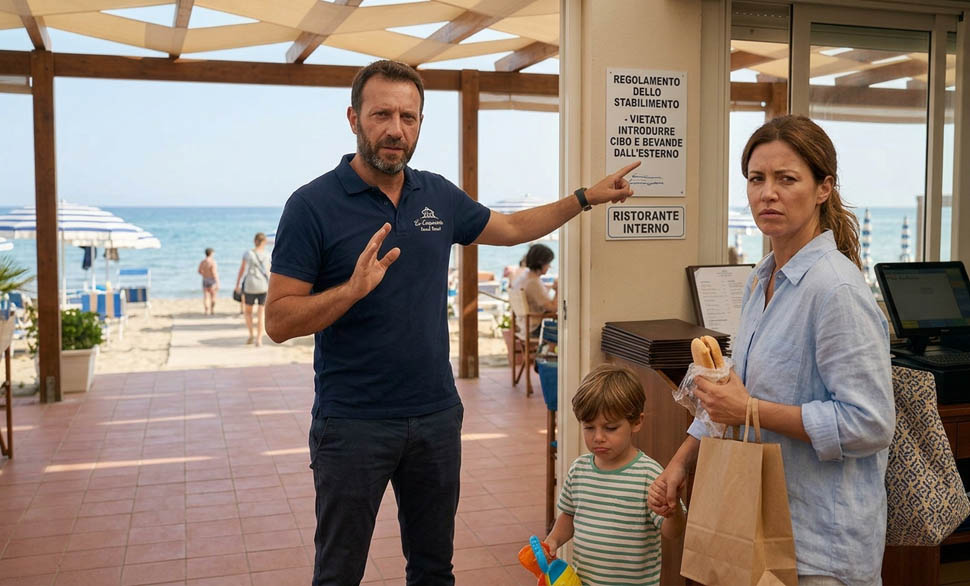
The spark that ignited the media firestorm was set off on the golden sands of Vieste, on the Gargano. The protagonist was a mother named Rosaria who, after paying the standard fee for a beach umbrella and lounge chairs, found herself having to deal with her child’s hunger. To circumvent the beach’s strict regulations—which prohibit bringing in outside food—the woman employed a truly clandestine tactic: a small roll stuffed at the bottom of her beach bag and a special mission entrusted to her little one, who was sent to eat his meal out of sight of prying eyes, near the water’s edge.
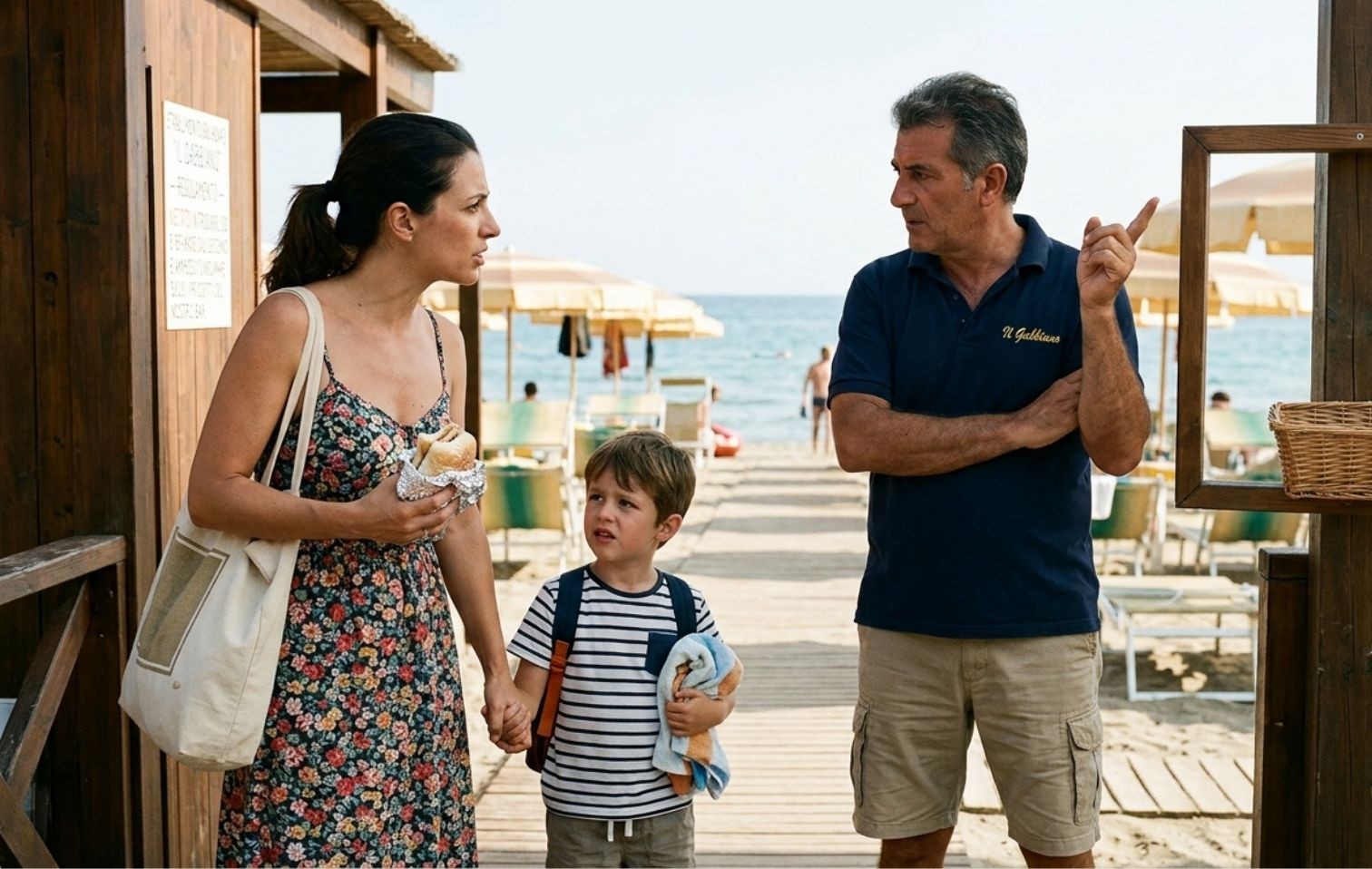
But the staff’s checks were relentless: the child was intercepted and the family formally reprimanded. The incident, documented by Corriere della Sera reporter Luca Pernice, who was on the scene, immediately made headlines abroad thanks to a quick follow-up by the British newspaper The Guardian, which devoted an extensive and ironic report to it, written by Angela Giuffrida.
“It’s a common occurrence on the beaches here. People don’t want to be forced to eat at restaurants every day—they can’t afford it—so they do this; they come up with strategies.”, Luca Pernice himself stated. The phenomenon, however, is not limited to Puglia. Traveling down the Lazio coast to Montalto di Castro, the atmosphere of intolerance is the same. Amid the blue beach umbrellas of the beach club Il Tirreno, Beatrice Bordo proudly unwraps a slice of homemade pizza. Hers is an act of open and peaceful civil disobedience: “I paid 850 euros for the season and spend money at the bar on coffee, ice cream, and granita. So they can’t expect me to spend up to 50 euros a day eating at their restaurant. It’s not mandatory. They can do whatever they want at their resort, but I’ll do what I want under my own beach umbrella.”, the customer told The Guardian.
On the same shoreline, Moira Maccharini and her mother Elisabetta are setting out a packed lunch that tastes like memories: crispy breaded cutlets, fresh salad, seasonal fruit, and yogurt. “Besides, it’s more enjoyable to bring homemade food,” they explain to the Guardian reporter, pointing out how inflation and the cost-of-living crisis are emptying the beaches and shortening the length of vacations.
The “Michetta” Economy vs. the Dealers’ Defense
According to the latest survey by the Altroconsumo association, the costs for renting beach umbrellas and lounge chairs have seen average price increases of 6%, with spikes of up to 16% in some of the most popular tourist destinations. This price hike makes the forced shift to eating at the beachfront restaurant—where a full meal easily exceeds 40–50 euros per person—unaffordable for most families.
On the other side of the fence, beach concession operators defend their positions by highlighting operational challenges and the scale of their investments. While in Vieste, Nicola Ragno (local president of Assoturismo) complains that many customers don’t just bring a sandwich but bring full-fledged feasts of pasta, main courses, and desserts—creating serious hygiene and waste disposal problems—beach concession operators along the Lazio coast are seeking a compromise.
Rachele Giambi, co-owner of Il Tirreno along with her brother Alessio and husband Marco Campione, clarifies: “We don’t ban packed lunches. The problem is rude people: for example, some bring takeout pizza and then leave us to dispose of the cardboard boxes.” Giambi points out that running a beach club involves taxes and operating costs that run year-round, while revenue is generated for only three months.
There are also those who have opted for a commercial compromise: the nearby beach club Il Gabbiano offers a “homemade packed lunch” option, allowing guests to enjoy a seafood risotto with water for just 9 euros, either right under their beach umbrella or in the bar area.
Legal battles and the jungle of summer bans
From a legal standpoint, the beach clubs’ position appears shaky, to say the least. In fact, there is no national law preventing customers from eating their own food under a beach umbrella. The President of the Puglia Region, Antonio Decaro, also spoke out firmly on the matter: “No one can stop you from eating food you’ve brought from home on the beach. The cost of beach chairs and umbrellas is already exorbitant. The sea is a common good and must not become a luxury.”
Rounding out the picture of a summer marked by high tension are cases such as that of the famous Pedocin beach club in Trieste—where controversy is raging over the wall that has historically separated the men’s and women’s sections—or the battles waged by the grassroots movement Mare Libero, which is fighting to restore the coastline to free public use. Against this backdrop of rising living costs, protests, and strict regulations, the packed lunch from home ceases to be merely a meal: it becomes the last bastion of an affectionate, down-to-earth culinary tradition that refuses to be erased.