New York City's restaurant restrictions are sparking debate: here's what to do and what not to do when eating out in the Big Apple.
Restrictions: Etiquette or Basic Rules?
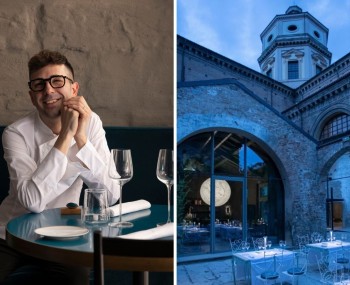
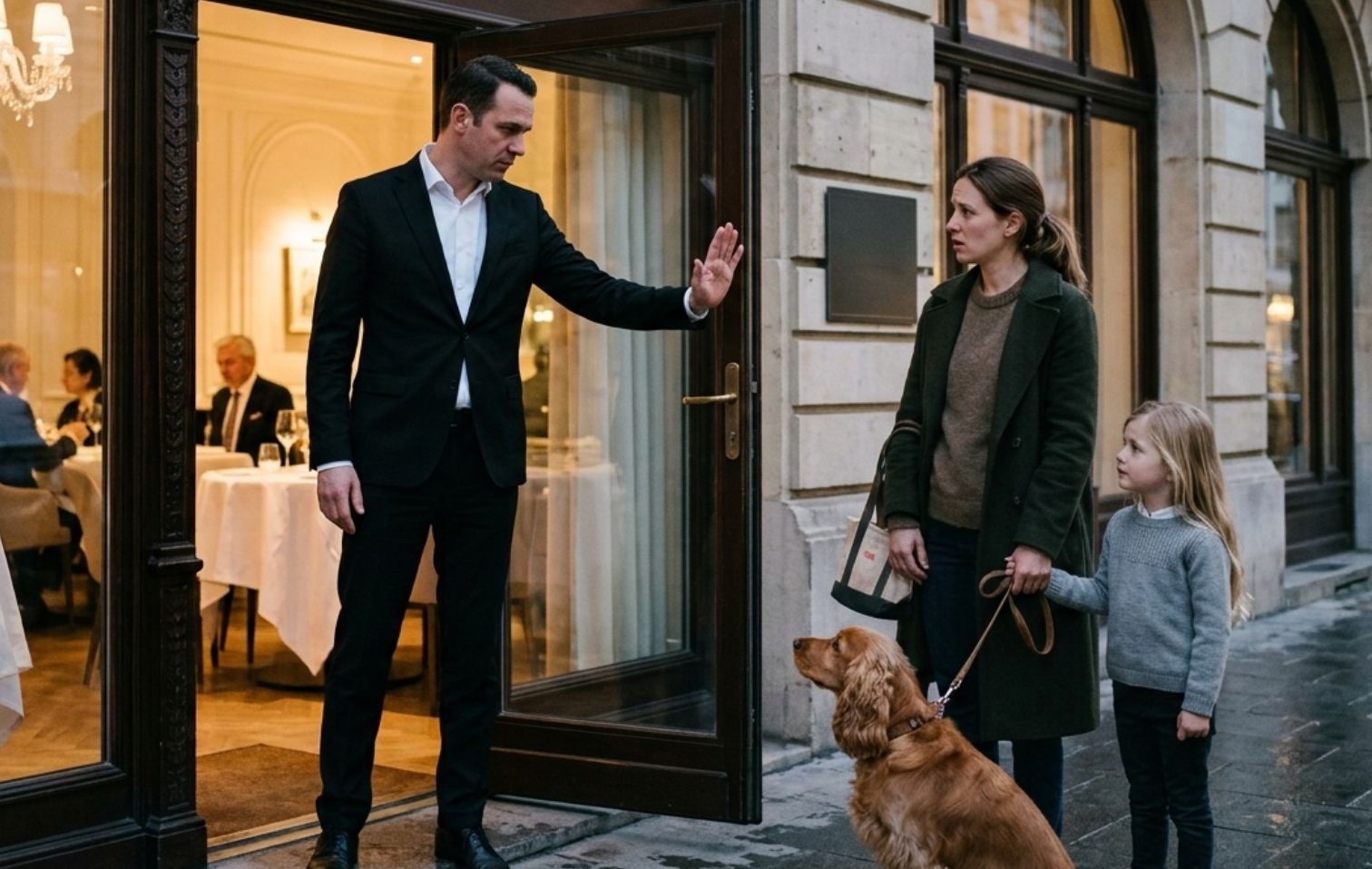
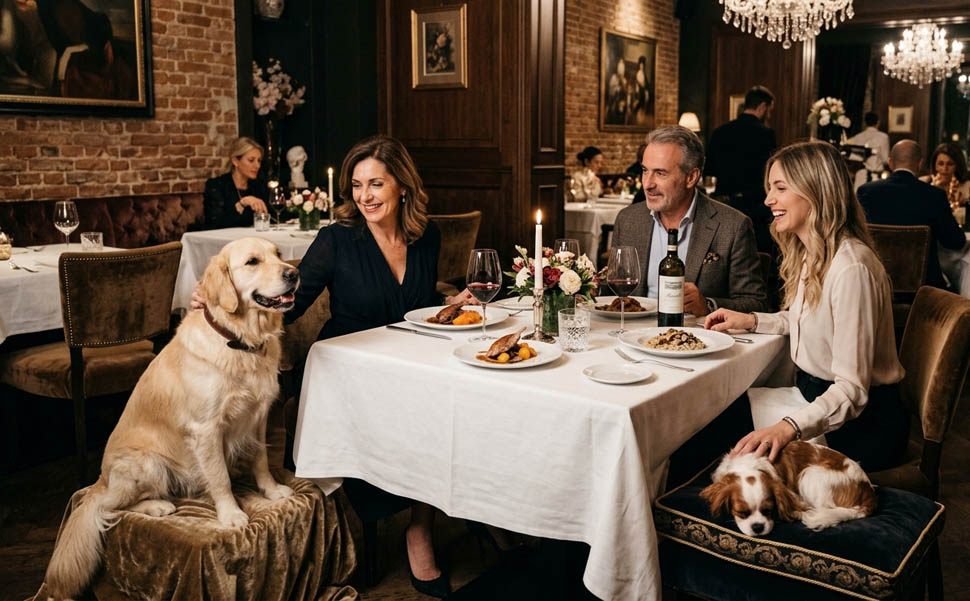
Among the most sought-after tables on the New York dining scene—where securing a reservation is a challenge and the Michelin Guide sets the pace for fine dining—eating out has become a veritable social choreography: Michelin itself recently dedicated an interesting article to the topic. The debate over dining room restrictions is becoming increasingly heated, starting with the presence of young children: this isn’t an ideological rejection, but a matter of timing and atmosphere. As Simon Kim, CEO and founder of the renowned restaurants Cote and Coqadaq, explains to Michelin: “There are many restaurants that welcome children and many others that aren’t designed for families. Context is key. If you arrive at 5:00 p.m. with children, most restaurants will be much more accommodating than if you were to bring them to a dining room with an intimate and formal atmosphere at 8:00 p.m." The same applies to four-legged friends: despite New Yorkers’ deep love for their pets, Annie Shi, co-owner of the restaurant Lei, firmly points out the regulatory limits, stating that “dogs are not allowed indoors, unless they are service dogs—which, we should note, means they cannot sit on the bench or eat from guests’ plates.”
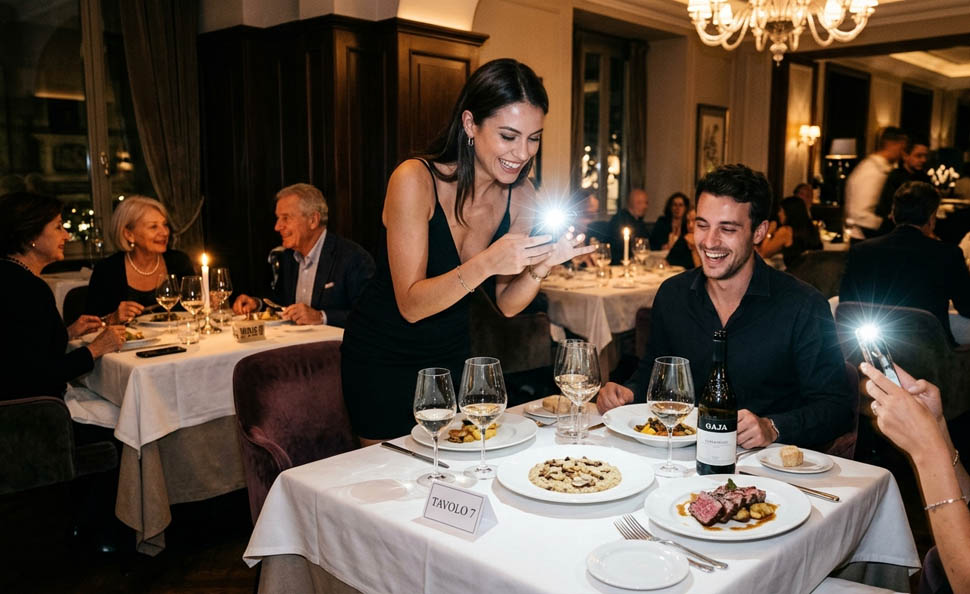
The trend of photographing dishes also requires extreme discretion. Taking photos has become an integral part of the experience, but as Simon Kim points out, “the key is to be respectful: a powerful flash in a dark dining room should be avoided.” Chase Sinzer, owner of Claud and Penny, echoes this sentiment, reiterating that “it’s forbidden to disrupt other customers’ experience by using a tripod or additional lights: we prefer to be discreet”, not to mention the warning from Chef Paul Carmichael of Kabawa restaurant about not blocking walkways and the temptation to take unusual souvenirs: “Don’t steal the decorative items. I know the skewer in your Martini is cute and unique, but please don’t take it.” Another golden rule concerns respect for the kitchen’s vision and table service. Letting the staff know about food intolerances is essential, but Simon Kim warns against excessive customization, noting that “if you’re essentially trying to redesign every dish on the menu, you might end up asking the restaurant to prepare a meal completely different from what they intended to serve.” And as for the courtesy of clearing the table, Chase Sinzer is categorical: “Don’t stack the plates while the server is clearing the table. Let them do it.”
Finally, managing punctuality, unexpected issues, and tips follows a very specific code of ethics. Annie Shi suggests always sending a text message if you’re running late and explains how to handle it if a dish is defective: “If there’s a problem with your dish—for example, if your steak arrives more well-done than you requested—let the server know so they can fix it. But if you simply don’t like it, it’s not fair to send it back.” On this point, Simon Kim strongly encourages direct communication and advises against indirect punishment, explaining that “the best approach is to politely ask to speak with a manager. What I’d avoid is saying nothing during the meal and then complaining on social media. Similarly, don’t use tips as a form of punishment: there’s an entire ecosystem behind restaurant service, and the people affected by a reduced tip often extend far beyond the individual server.” After all, as Paul Carmichael effectively sums up, every customer must remember that they have “an active role to play in the quality of their own restaurant experience.”