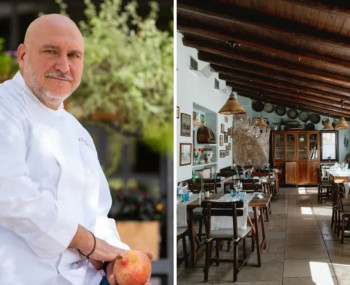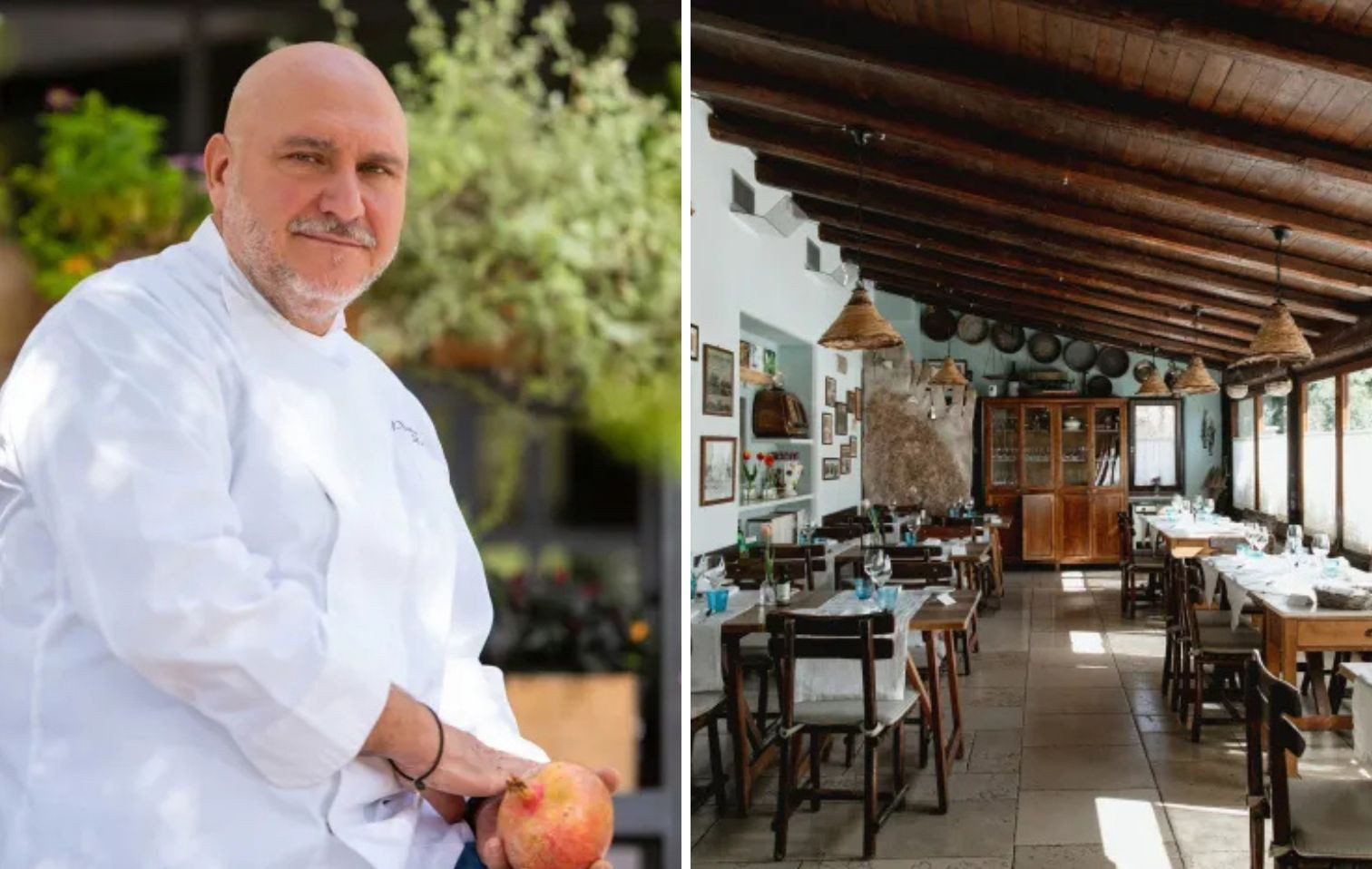
Since 1999, Antichi Sapori in Montegrosso has been closed on Saturdays and Sundays. For Pietro Zito, respecting the time of those who work in the kitchen is an integral part of the trade: now, the Apulian chef aims to further reduce working hours, with the goal of achieving a maximum 40-hour workweek for employees by 2027.
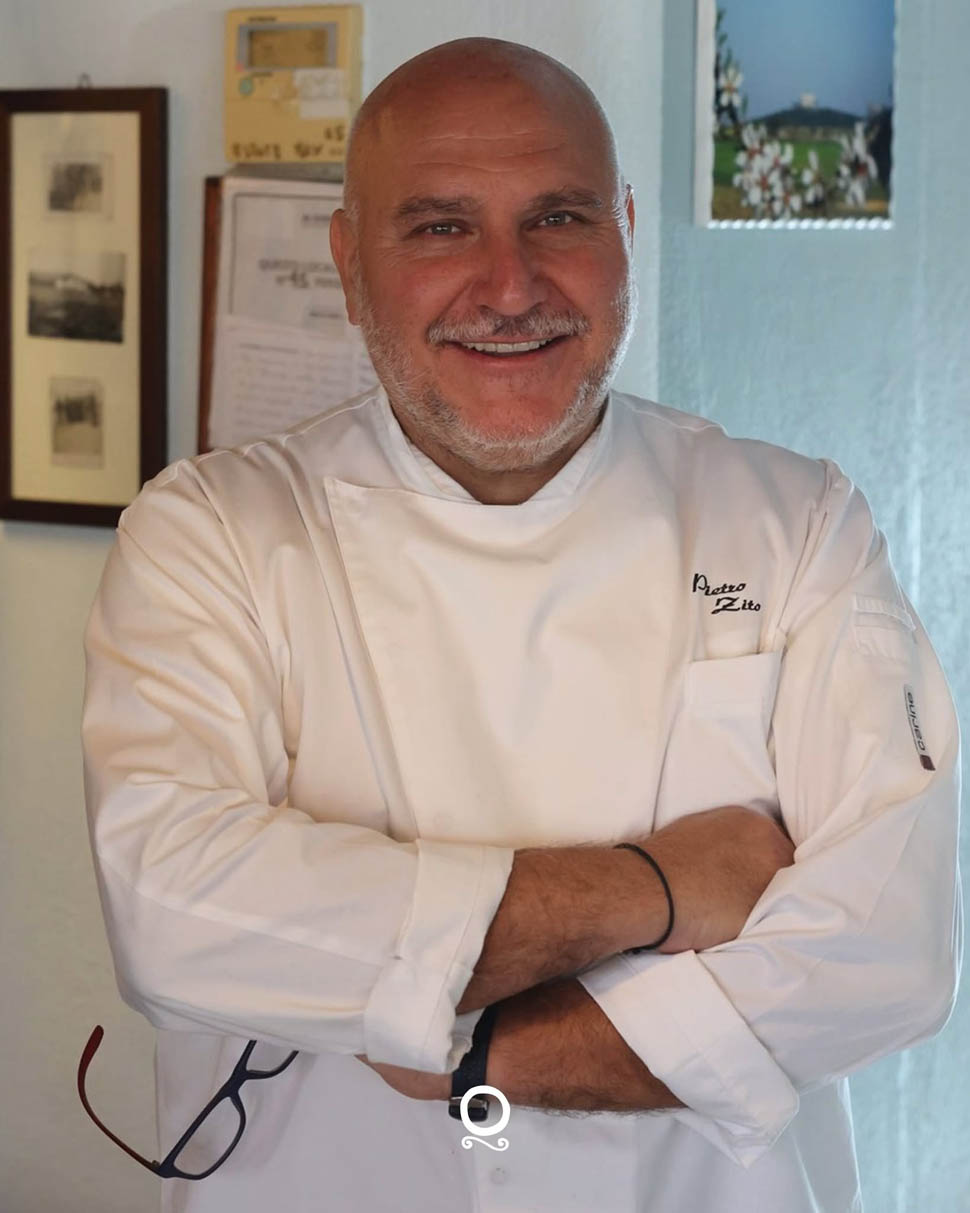
There is one habit that Pietro Zito has never been willing to sacrifice for the success of his restaurant: rest. Antichi Sapori, the trattoria in Montegrosso awarded Three Shrimps by the Gambero Rosso 2027 Guide to Italian Restaurants, has been closed on Saturdays and Sundays since 1999. It’s a countercultural choice for a restaurant that has built its reputation by attracting customers from all over the world, but one that its owner considers necessary to prevent cooking from becoming a never-ending job. Now Zito wants to take it a step further. He’s considering closing almost every evening and focusing on lunch service, with a specific goal in mind: “I’d like my employees to work no more than 40 hours a week by 2027,” he told Gambero Rosso just recently. The idea is to make the chef’s profession a job with hours more in line with those of any other profession, rather than a calling that ends up consuming every aspect of life.
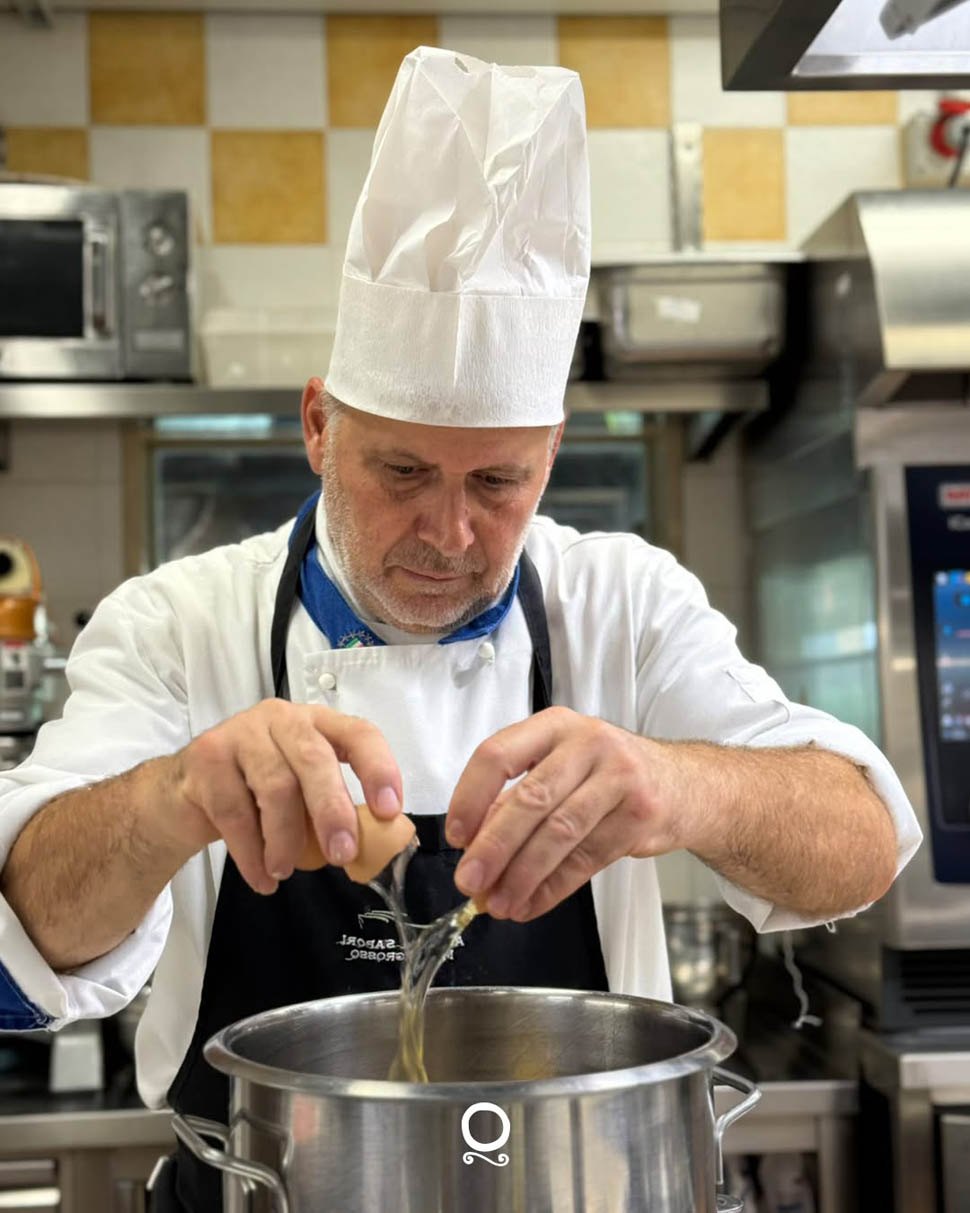
“Why should a chef have to spend more than twelve hours at the stove and be paid the same as someone who works five?” he asks. Zito knows full well the cost of this model: “Under these conditions, it becomes a mission rather than a job. Sometimes it takes over your life: many professionals haven’t married, haven’t had children, or have separated because they couldn’t devote themselves to their families.”
Since 1999, the weekend has been set aside for rest
Closing on weekends is neither a recent decision nor a response to the industry’s difficulties. Antichi Sapori has been closed on Wednesday evenings, Saturdays, Sundays, and holidays for over twenty-five years. This choice allows Zito and his team to carve out some free time, but it also has an economic rationale: on weekends, the restaurant welcomes many families, and children, the chef notes, aren’t always paying customers in the full sense of the word.
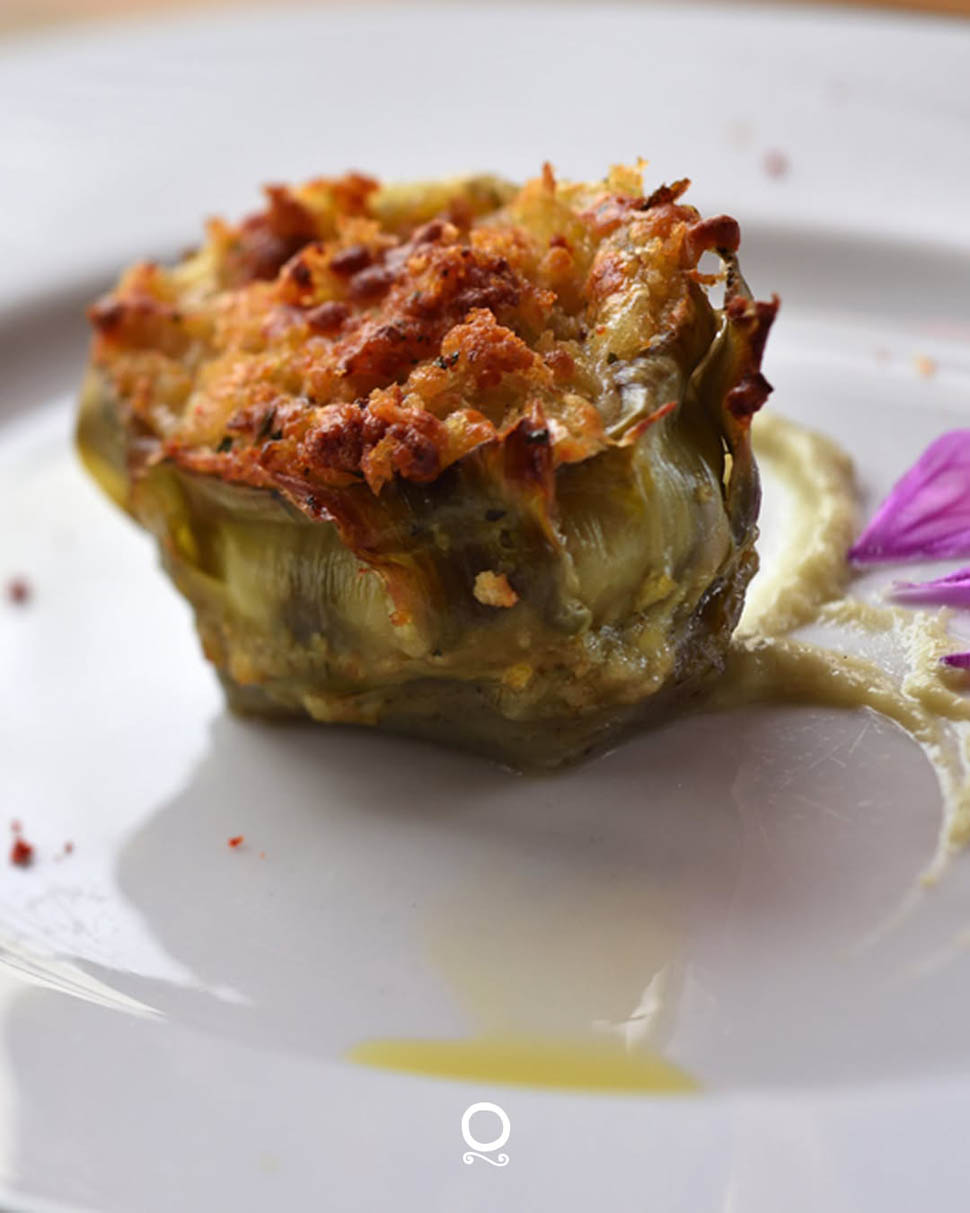
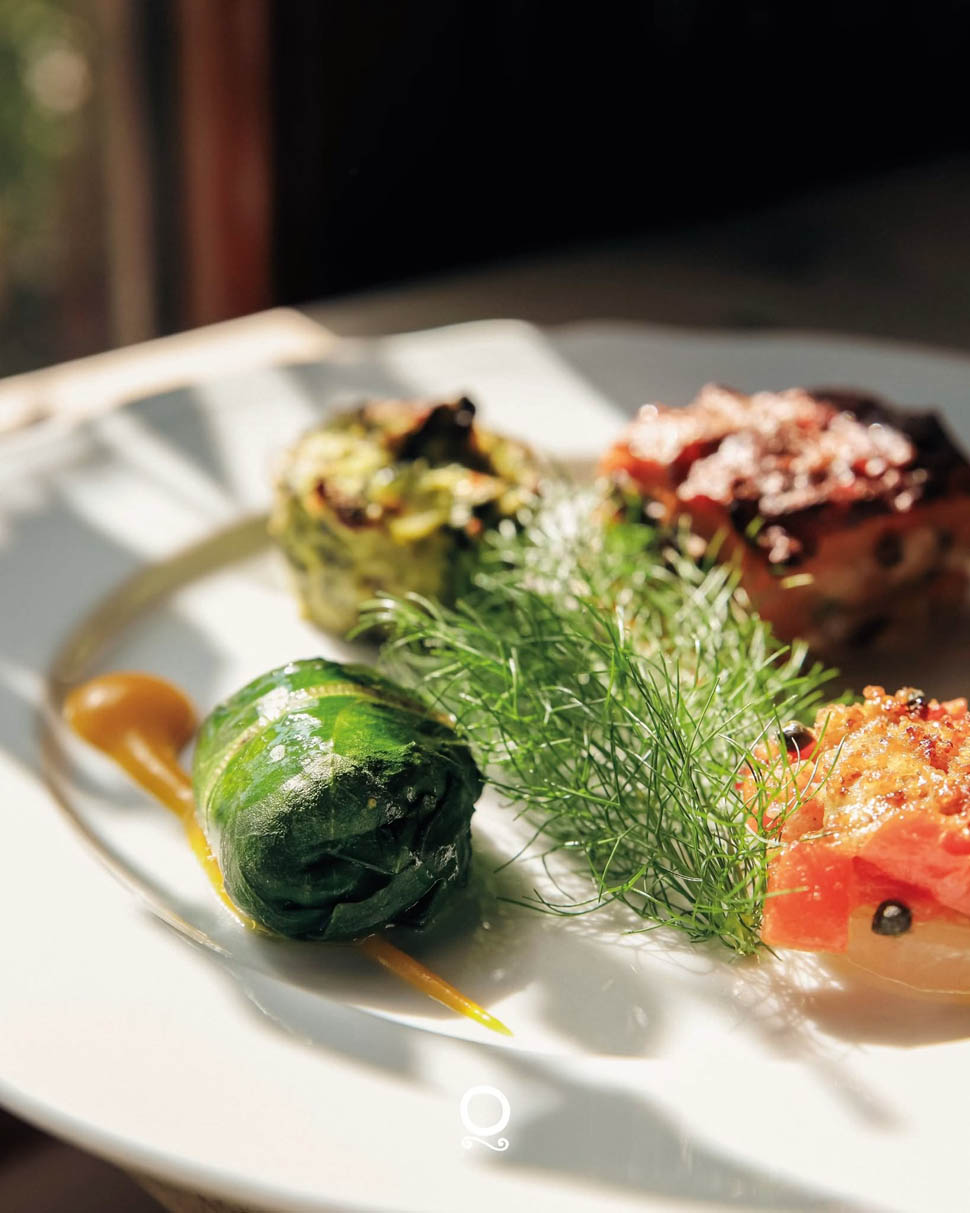
The plan to further reduce staff hours stems from the same conviction: the quality of a restaurant should not depend on endless shifts. “It can be a wonderful profession, one that brings joy and satisfaction to those who do it well. When I started in the 1980s, however, the kitchen felt almost like a prison. Things have improved, but we must keep working on it.” Since opening in 1993, Antichi Sapori has grown without disproportionate investments, focusing on self-production and a rustic cuisine built around what the land provides. The owner has been growing his own vegetables for decades and considers firsthand knowledge of the ingredients essential to cooking them. “When you follow this philosophy, the menu is determined by the land, not the chef,” he explains. This principle requires adapting recipes to the harvest, weather conditions, and the unexpected twists of the garden, rather than expecting to always find the same ingredients.
This model has made Antichi Sapori an international culinary destination, so much so that it prompted Zito to open a restaurant in Tokyo as well. But success hasn’t changed his core philosophy: to grow without biting off more than he can chew and without asking his kitchen staff to sacrifice their personal lives for work. Now the challenge is to translate this vision into a new organizational structure for the restaurant’s operations. If the project proves economically sustainable, by 2027 the chefs at Antichi Sapori could be working no more than 40 hours a week. For Zito, the future of the restaurant industry also lies here.