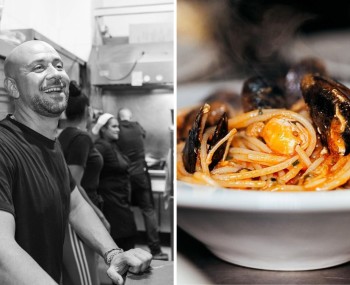
More and more restaurant owners are closing their kitchens on weekends. This decision continues to divide customers and industry insiders, while in Europe the issue is now part of a broader discussion about the future of the profession.
Closing on the Weekend: The Reasons Behind a Counterintuitive Choice
For decades, it seemed like one of the unbreakable rules of the restaurant business: when others are resting, the restaurant is open. Saturday nights, Sundays, and holidays. These are the days when most of the demand is concentrated—and often, a significant portion of revenue. Yet today, some restaurateurs are choosing to forgo precisely those services that, at least on paper, should be the most profitable. It’s not a matter of declining reservations. Behind the decision to close on weekends lies a deeper shift in how work in the kitchen and dining room is understood. The stated goal is to offer staff a better work-life balance, reduce the risk of burnout, and make the restaurant industry attractive again at a time when the sector continues to grapple with chronic staffing shortages.
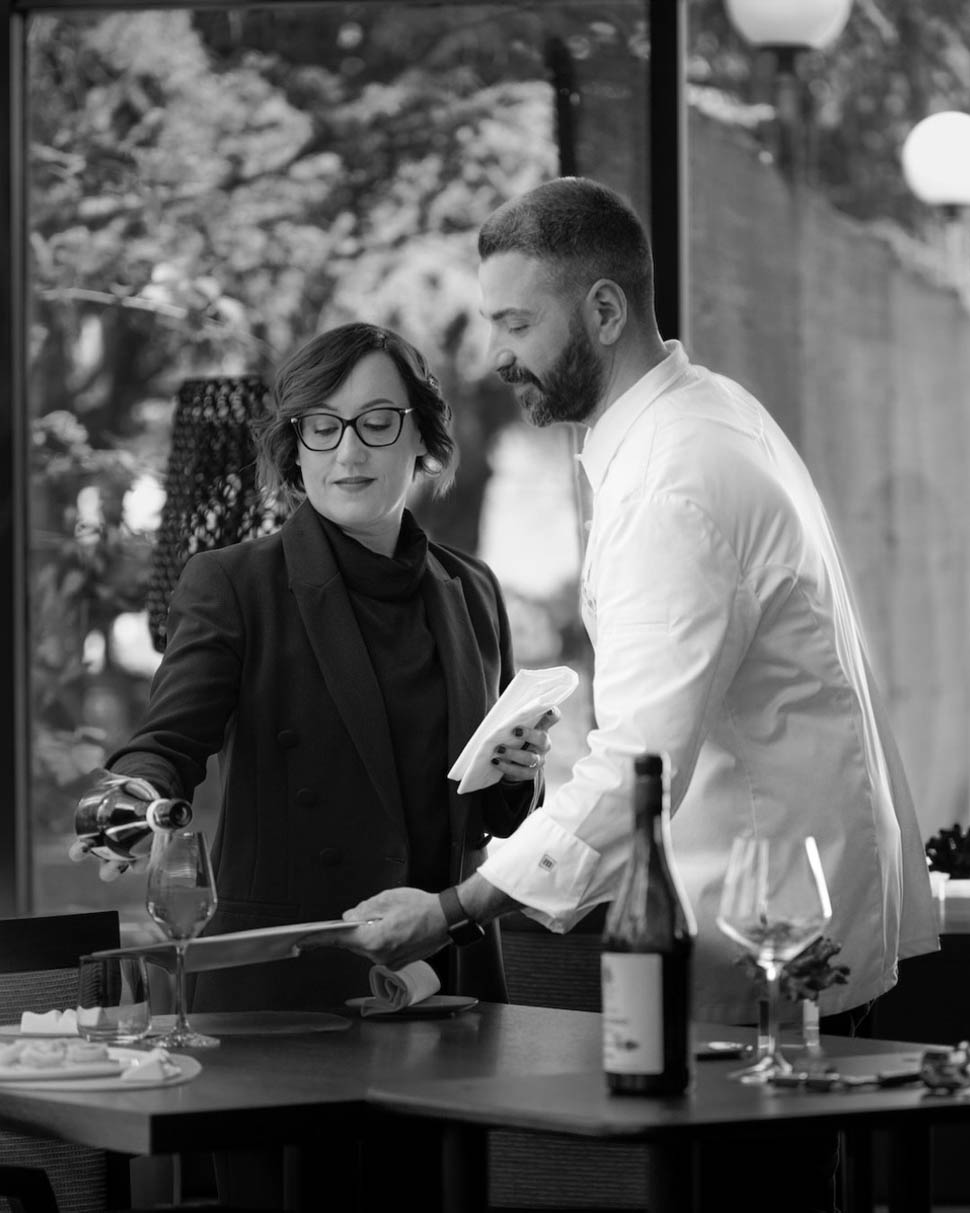
The numbers help put the phenomenon into context. According to the FIPE 2025 Restaurant Industry Report, 90.2% of businesses that had sought or planned to hire new employees reported having difficulty finding workers. The subsequent report, published in 2026, paints a picture of a sector that lost over 10% of its employees compared to the previous year. It is therefore not surprising that more and more business owners have begun to wonder not only how to attract new professionals, but above all how to convince them to stay.
From the United Kingdom to France: Who Is Closing Down Abroad?
This issue is not limited to Italy. HOTREC, the association representing the European hospitality sector, reported as early as 2023 that 92% of its member associations considered the shortage of staff and skills to be the sector’s main challenge. The same document revealed that numerous European restaurants and bars had begun reducing their opening days and hours precisely because of the difficulty in finding staff.
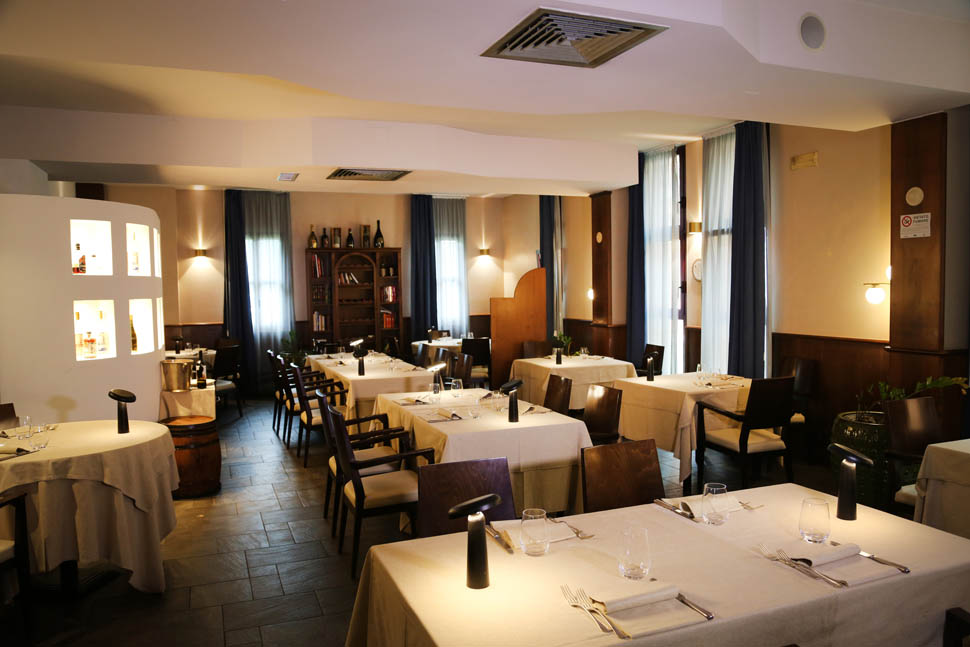
The responses varied, but they all tell the same story of transformation. In the United Kingdom, restaurants such as Restaurant Sat Bains, The Raby Hunt, and Aizle have experimented with four-day workweeks, reducing service hours without cutting salaries. In Ireland, the two-Michelin-starred Liath has closed one weekend per month to allow the kitchen staff to spend more time with their families. In New York, the restaurant Dame has developed a business model that concentrates revenue on weekdays, voluntarily choosing not to open on Saturdays.
France also offers an interesting example. Last March, Le Parisienreported on several Parisian restaurants that chose to close on Saturdays and Sundays to offer more sustainable working conditions to their staff, while 20 Minutes published an in-depth feature on A Table!, a restaurant that combined weekend time off with increased vacation time and higher wages as a way to improve the team’s well-being. This isn’t the first time the topic has been covered in the pages of Reporter Gourmet.
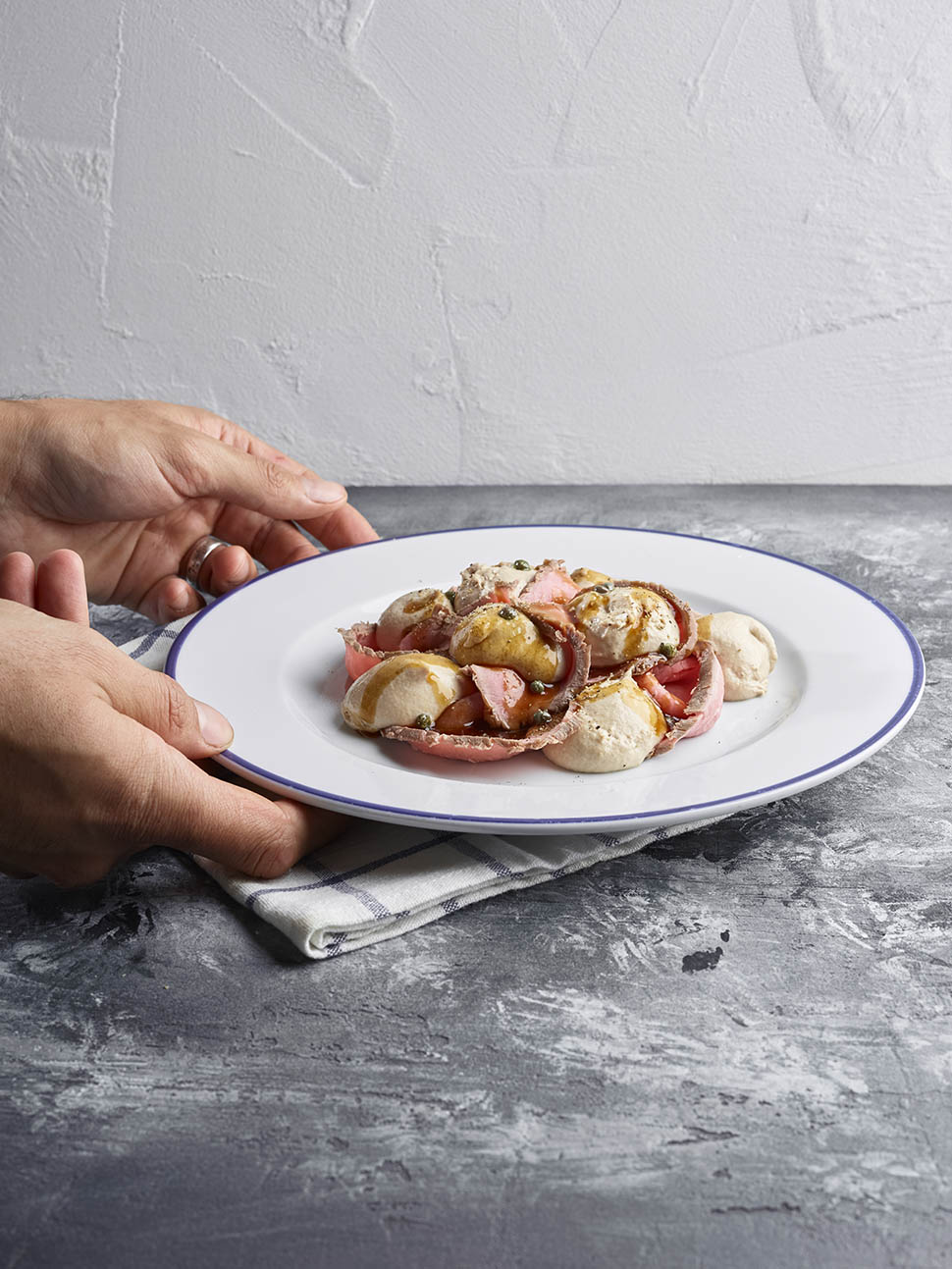
Back in 2022, we reported on the decision by Ricard Camarena to close his two-Michelin-starred restaurant on weekends, a choice made in the wake of the pandemic to lighten the kitchen staff’s workload and build a more sustainable operation. The Valencian chef explained that he wanted to continue striving for “the best” not only in his dishes and the customer experience, but also in his team’s working conditions, ultimately concentrating operations into eight service shifts spread out between Tuesday and Friday.
More recently, we’ve also covered the case of Spanish chef Enrique Valentí, who, with his new Madrid-based project Caja de Cerillas, has deliberately chosen to open only from Monday through Friday. This isn’t a sacrifice for the business, but a deliberate management philosophy: a stable kitchen staff, a small-scale restaurant, and an organizational structure designed to ensure that staff members also have a life outside the kitchen.
The situation in Italy: our interviews
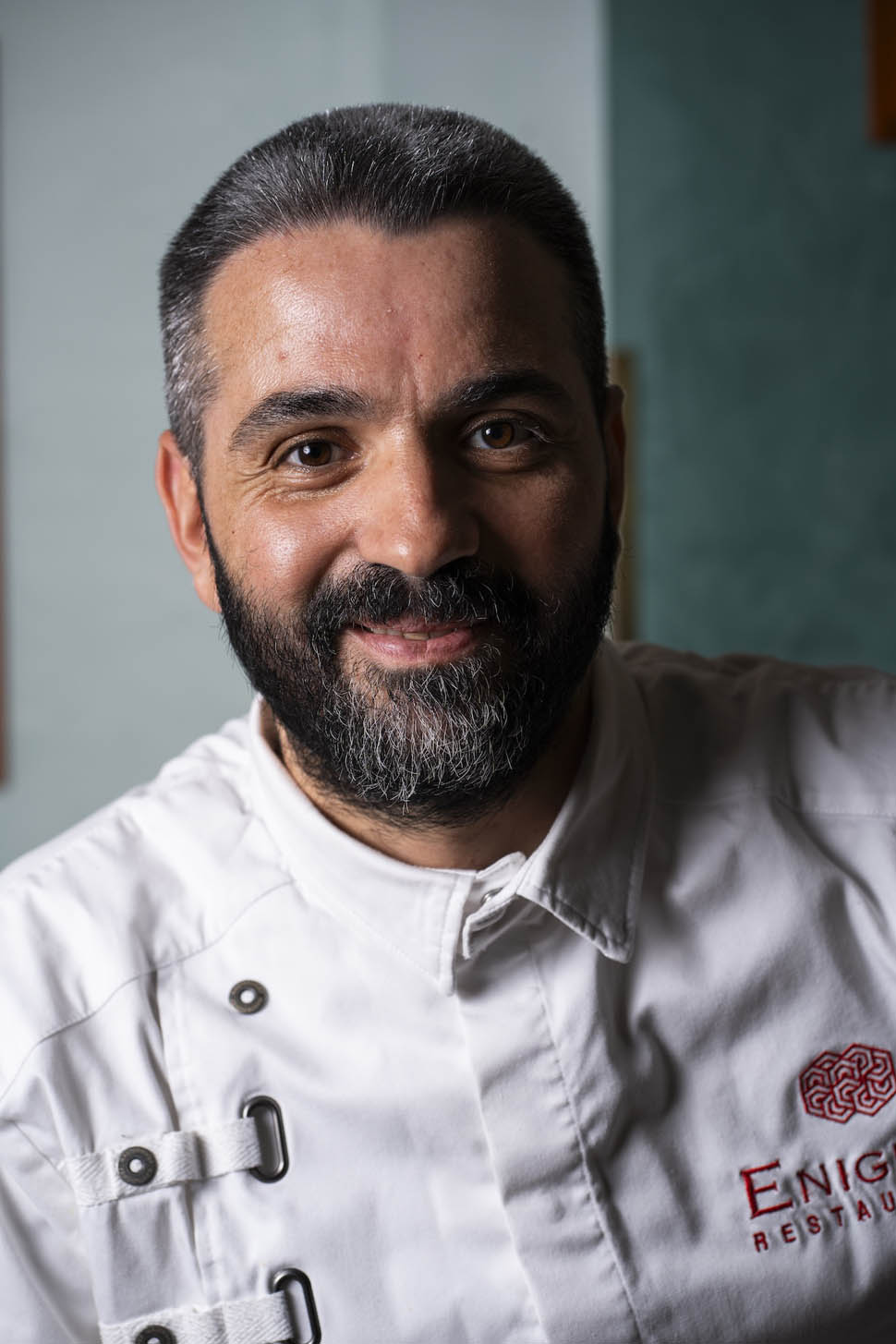
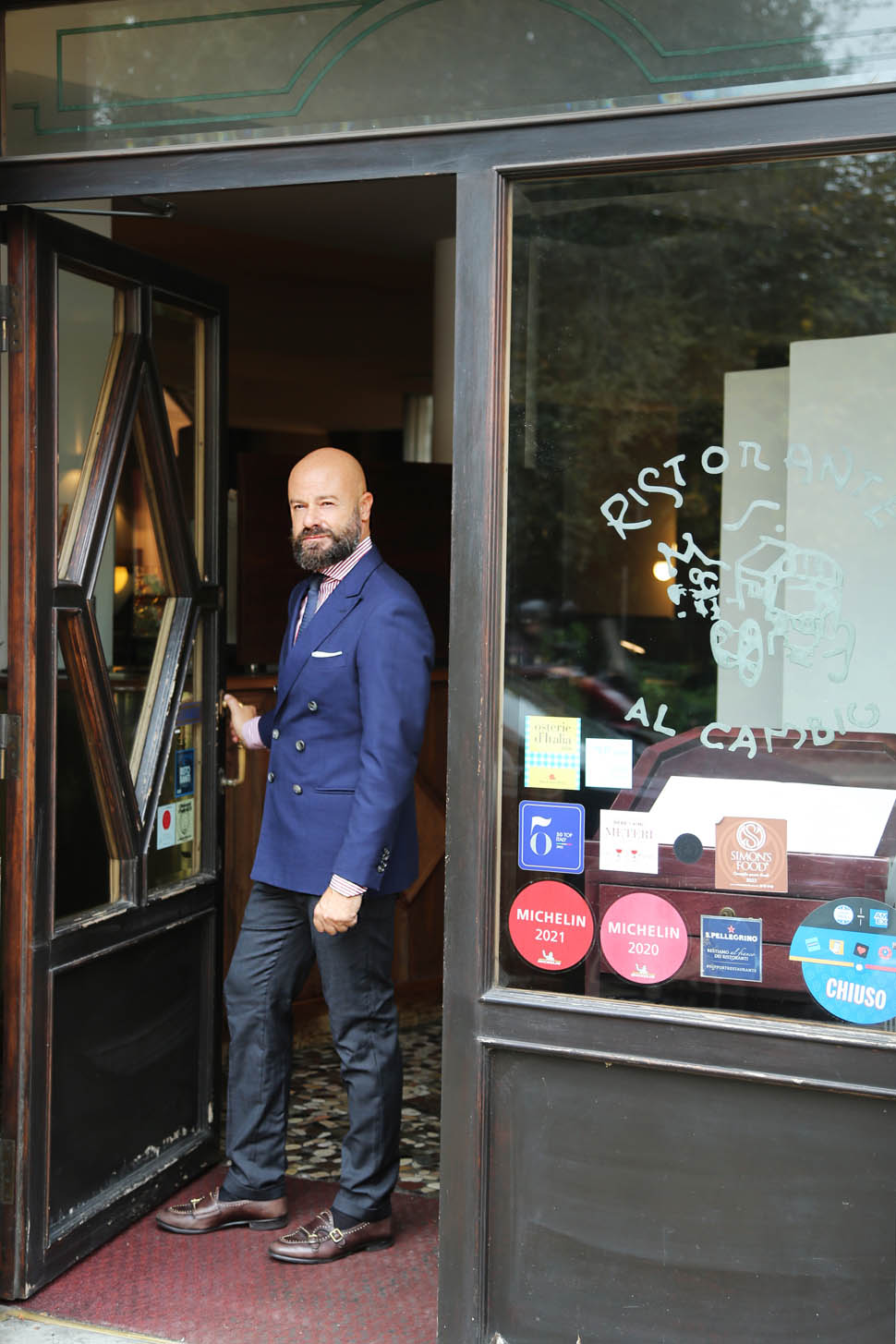
In Italy, the trend remains limited, but it is becoming increasingly visible. Last year, Diego Rossi decided to add Saturday to Trippa’s closing days (which has always been Sunday, ed.), keeping the restaurant closed for the entire weekend. A similar decision was made by Ciro Sieno, who, at Enigma, added Saturday to the traditional Sunday closure. In Bologna, however, Piero Pompili, director of Al Cambio, views the issue from the perspective of the dining room and staff management, asking a question that is now on everyone’s mind in the restaurant industry: Does it still make sense to measure a restaurant’s success solely by its ability to stay open all the time, or has the time come to rethink work schedules as well?
Cities are changing, and so are restaurants. Ciro Sieno’s decision at Enigma
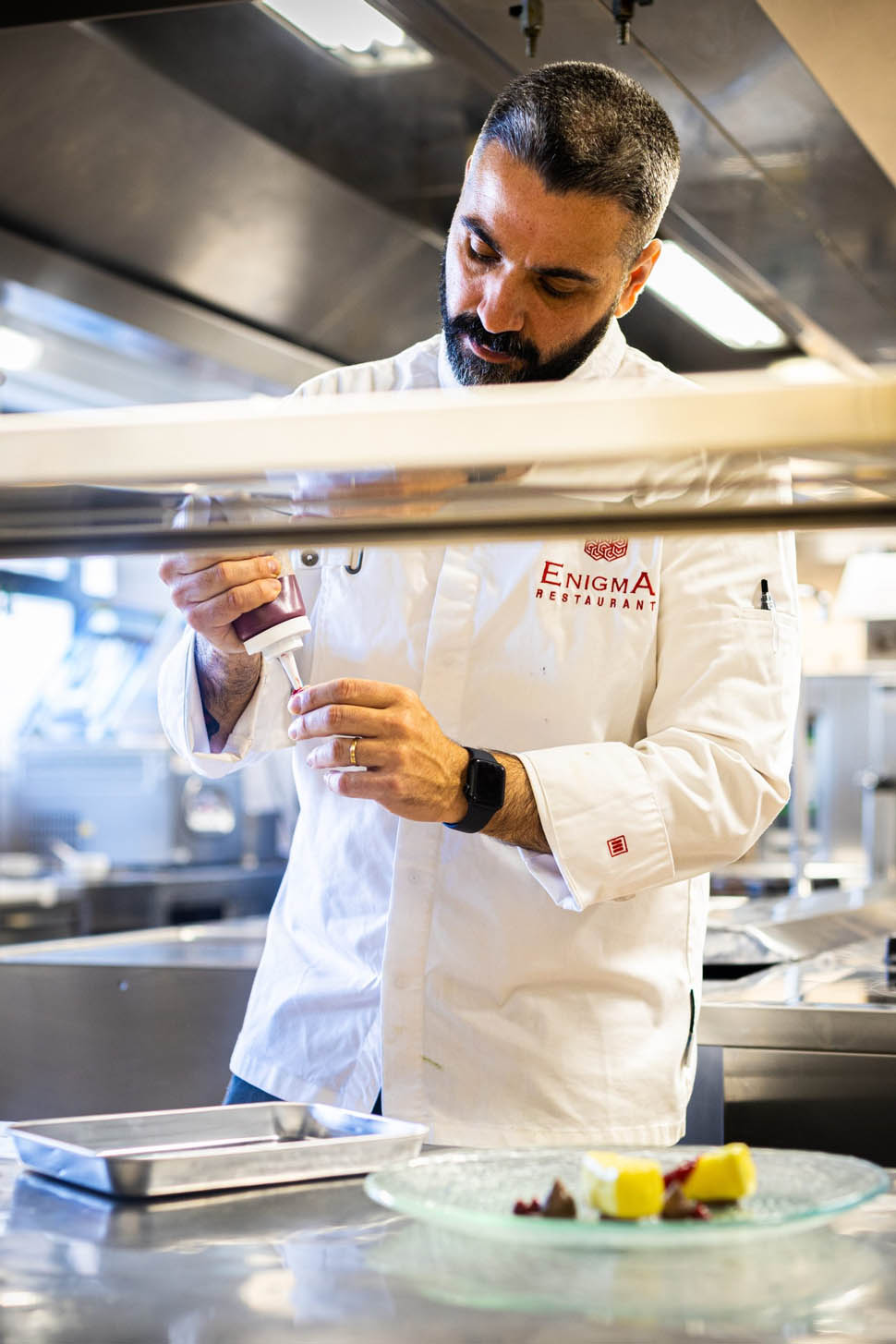
For Ciro Sieno, chef at Enigma, the change didn’t stem from taking a stand, but from observing reality. After a trial period, closing on Saturdays has evolved into a new balance, built around the kitchen staff’s needs without compromising the dining experience for customers.
“We’ve always been closed on Sundays. As for Saturdays, however, we stopped serving on that day last year, in July. It all started when we noticed what was happening in the city—it tended to empty out on weekends—so we decided to give it a try. We started in July, and when we returned after the August break, we realized that our customers hadn’t disappeared. They had simply shifted their reservations to other days of the week. At that point, especially given the difficulties in finding staff, my wife and I decided to make this change permanent. We did it both for our own personal lives and for the young people who work with us.
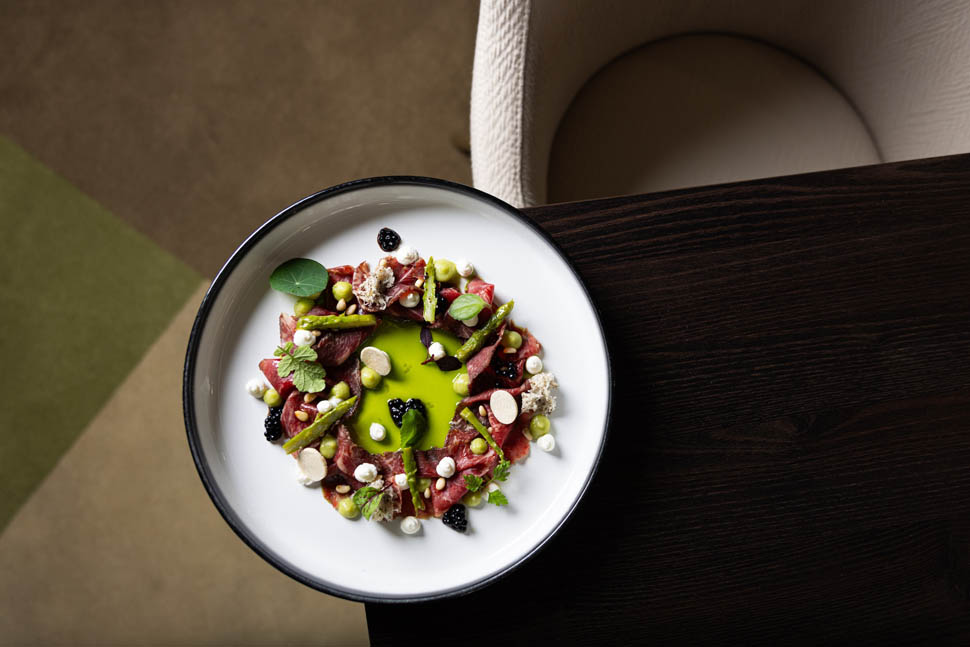
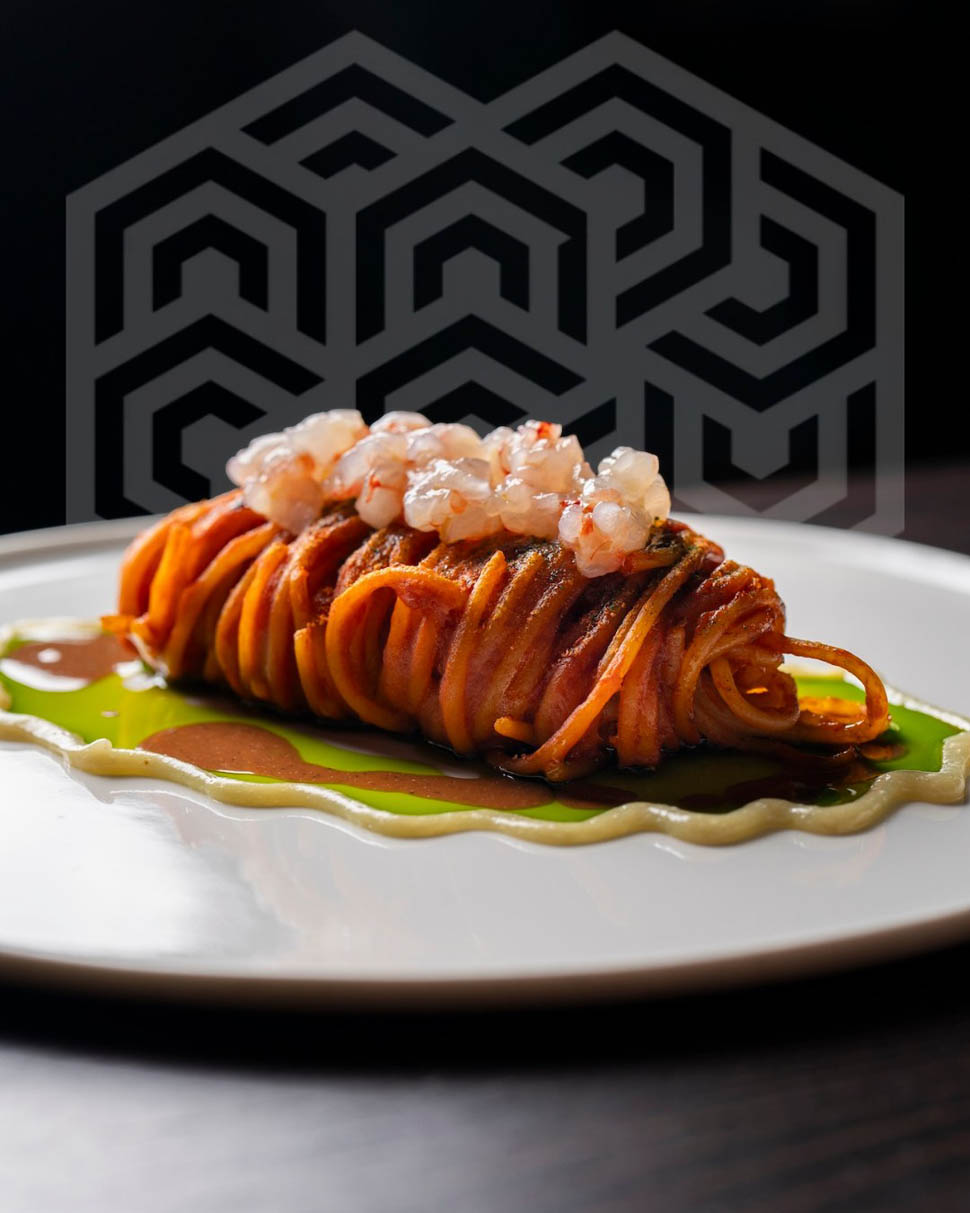
The restaurant industry is changing today. Not everyone can afford that kind of choice—I understand that well—because every restaurant has a different story. But I believe that if you have a distinct identity and customers come to you specifically for that kind of cuisine, then they can choose to come on Tuesday, Wednesday, or Friday instead of Saturday. Since we introduced the two-day closing schedule, I’ve noticed the staff seem more relaxed. Having the weekend off makes a big difference; the work atmosphere has improved, and we, too, experience the restaurant with a different spirit. We also need to adapt to the younger generations, who have different needs than in the past. If we want to continue attracting people to this profession, we have to take that into account. From a business standpoint, we haven’t experienced any negative repercussions. On the contrary, we continue to perform well, and from Tuesday through Friday we’re even serving more tables than before; the customer response has been positive. That’s why we’re continuing down this path.»
Rethinking the Week, Not Just the Weekend: Diego Rossi Discusses Trippa’s Turning Point
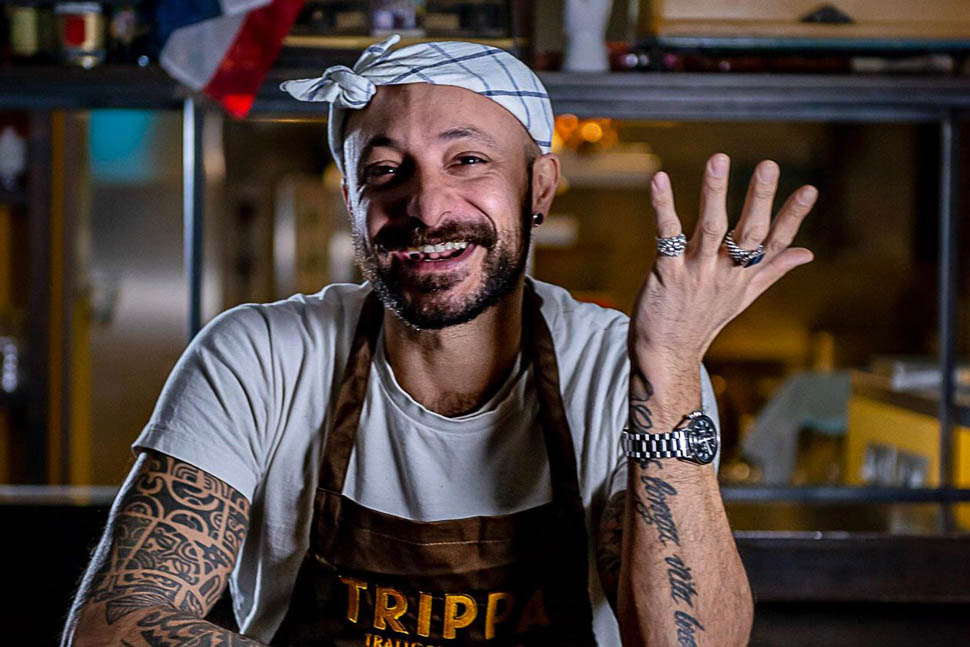
Closing on Saturdays doesn’t mean working less. While many view closing on weekends as a sacrifice in revenue, Trippa’s experience tells a different story. Rather than simply closing on Saturdays, Diego Rossi has redesigned the entire workweek, shifting the balance between financial needs, customer demands, and the quality of life for his staff.
“It’s been a year now since we chose to close on Saturdays, and we wouldn’t go back. It was a decision we thought long and hard about, and we certainly don’t want to set an example for others to follow. We don’t want to tell others, ‘Do as we do and all close on Saturdays,’ partly because then where would we go to eat? In our case, there was a specific need: we wanted to stay open on Mondays, because that’s the day when many colleagues—restaurant owners, chefs, maître d’s, and sommeliers—come in. In Milan, many restaurants are closed on Mondays, and we were happy to continue hosting them on that very evening. At the same time, many customers had been asking us for years to open for lunch as well. So we took the opportunity to introduce Friday lunch service, something we’d never done before. This way, the numbers add up, and we’ve managed to restructure our week.
There was also another very strong need, which came from the team. Our staff had been asking for quite some time to have two consecutive days off. I had explained to them that, to achieve this, they would need to accept some split shifts, returning to work even during lunch. It wasn’t an easy choice, especially for those who had been working a single shift for a long time. They were the ones, however, who told me they were absolutely in favor of it. Having two consecutive days off certainly means recharging your batteries and better managing your personal life, but it also means being able to try out other restaurants, visit wineries, or travel outside Milan—something that becomes much more difficult with just one day off.
Another aspect must also be considered: Milan tends to empty out on the weekend because many people take advantage of the weekend to leave the city and go out to eat. This, too, played a role in our decision-making. It was a well-considered decision, one we tested, and today we can say it works. That’s why we have no intention of going back.”
When the Meaning of Work Changes: Piero Pompili and the Vision of Hospitality at Al Cambio
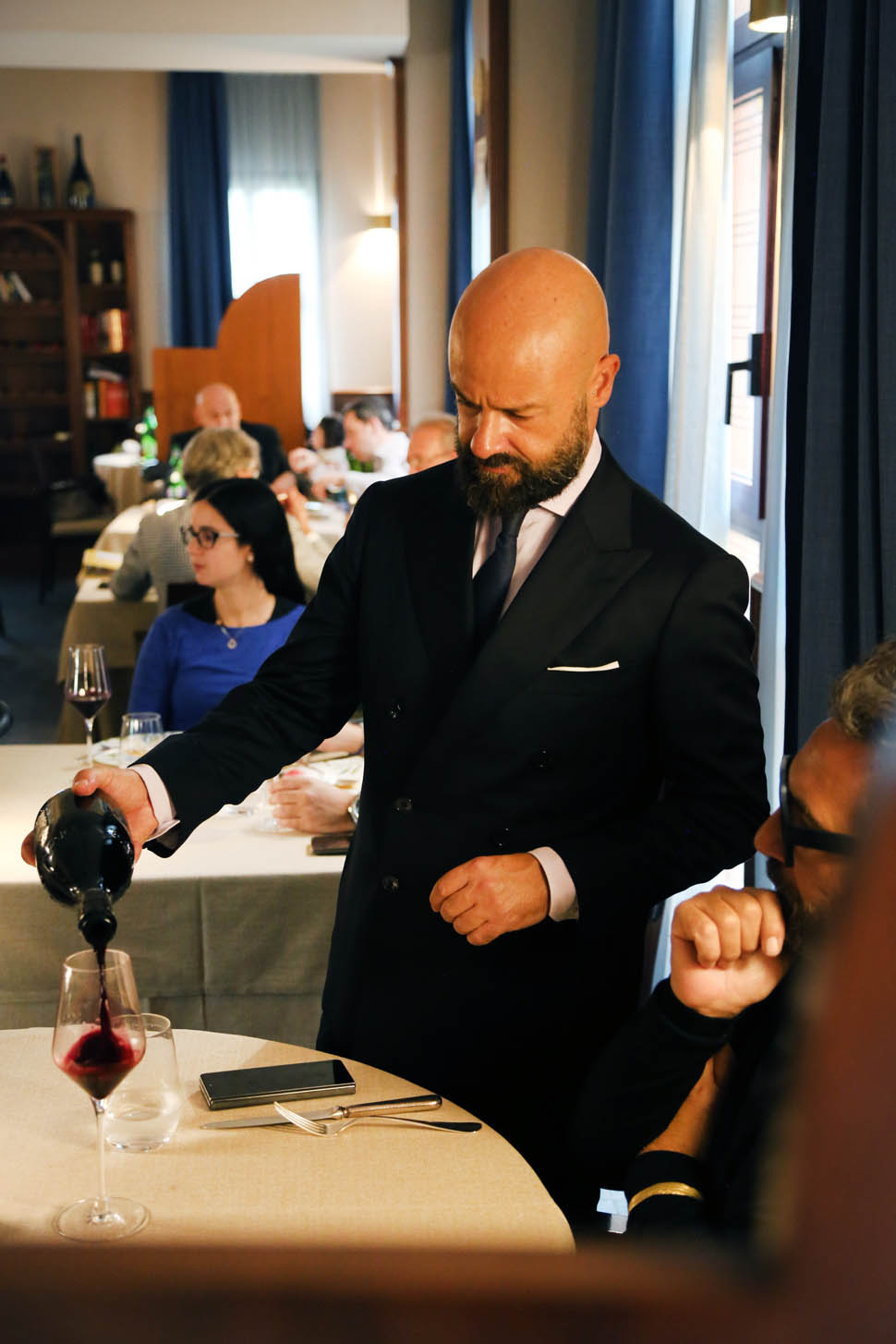
While for Trippa the change stems from a desire to redesign the workweek by finding a new balance between service, customers, and the kitchen staff, for Piero Pompili, the issue takes on an even broader dimension and concerns the very future of the profession.
“The decision to close on Saturday evenings and Sundays is simply the result of a philosophy we’ve been pursuing for years, ever since 2017–2018. We could summarize it in two concepts: life is worth far more than a dish that will go down in history, and the restaurant of the future is one that guarantees moral and economic dignity to its employees. It is on these two principles, in my view, that the future of quality dining will be decided in the coming years. We’ve forgotten a great truth: even before its dishes, a restaurant is made up of people. Without them, no restaurant will ever be able to create great dishes or bring smiles to diners’ faces.
Young people are no longer drawn to the restaurant industry because, given a life of sacrifices, low wages, and almost no free time, this job no longer meets their needs. Just as our parents once left the countryside to work in factories in search of better conditions, today the fourth generation is leaving the restaurant industry to seek something different—and, above all, something better. For us, who were already closed on Saturday for lunch and all day Sunday, adding Saturday evenings to that schedule was relatively easier. The hardest part had been done in previous years: building a restaurant that was always full, for both lunch and dinner, with a waiting list worthy of a three-Michelin-star restaurant—even without actually having one. It took a tremendous amount of work to get to the point where we have over a hundred people on the waiting list every day—a situation that now even allows us to choose the times at which to serve our guests.
The benefits don’t even need to be listed. You can spend time with your wife or husband—who may have a different job than you—and with your children when they’re home from school. You can finally enjoy life with your family and build something together, instead of seeing them only in bits and pieces, as often happens in an industry characterized by completely out-of-sync schedules and a very high divorce rate. On the other hand, frankly, I don’t see any downsides. The restaurant industry is changing, as is the job market, and I believe that in the future, the businesses that survive will be those capable of adapting to this change. For me, time has become the true treasure to strive for. Probably because, when my partner was diagnosed with an incurable form of cancer, we were faced with a life expectancy ranging from fifteen days to a maximum of five years. Since then, time has taken on inestimable value for me and influences every decision I make, both personally and professionally.
I don’t think customers will turn their noses up at this choice; on the contrary, I’m convinced they’ll end up appreciating it even more.If it were up to me, many businesses that stay open on weekends today could easily close. You can do your grocery shopping during the week, just as you can go shopping. Today, however, many families are paying the price of a consumerist culture that forces parents to work constantly, leaving them no time to truly be present as their children grow up. Behind many of my business decisions lies an anthropological analysis that goes far beyond the restaurant industry. I believe that if this sector wants to once again serve as a role model, it must shed old preconceptions and have the courage to change.”
Beyond the differences between individual experiences, a common thread emerges from the testimonials collected: closing on weekends is not a decision driven by a single motivation. The reasons are intertwined, overlap, and vary from restaurant to restaurant, but they all point to a profound transformation in the industry.
Some are rethinking how they organize their work by restructuring the workweek to find a new balance between service, staff, and financial sustainability. Others are observing how the market, customer habits, and the expectations of younger generations have changed, and are adapting their business models accordingly. And still others view this change from an even broader perspective, placing the value of time, family, and the dignity of work at the center.
Three different points of view that ultimately converge in the same direction: the restaurant of the future may not be one that’s open seven days a week, but rather one capable of striking a balance between the quality of the experience offered to guests and the quality of life of those who make that experience possible every day.
The debate remains open, and there is unlikely to be a one-size-fits-all answer. Not all restaurants can afford to skip Saturday nights or Sundays, just as not all operate in the same contexts or cater to the same clientele. One question, however, seems destined to accompany the industry with increasing frequency: what is time really worth? While until just a few years ago the answer was measured almost exclusively in terms of table service and revenue, today people’s well-being is increasingly factored into the equation as well. And perhaps this is precisely the most significant change.