Two restaurant owners explain why even a “simple” sandwich costs more these days: it’s not driven by “greed,” but rather by the grim reality of a situation that’s crushing everyone.
Cover photo: @Breann Bowman
There’s much more to the price of a sandwich than just the cost of the ingredients. Factors such as fuel, utility bills, transportation, management software, electronic payment fees, wages, weather-related crop failures, and even international tensions that drive up the cost of energy and raw materials all come into play. That’s why Kelsey and Jim Bob Strothers, owners of Worth Takeaway, a small independent restaurant in Mesa, Arizona, decided to explain what really goes into a price increase. “Many people see the new menu and immediately think of greed,” they recently explained to the Phoenix New Times. “The reality is very different.”
A Gamble That Became a Landmark
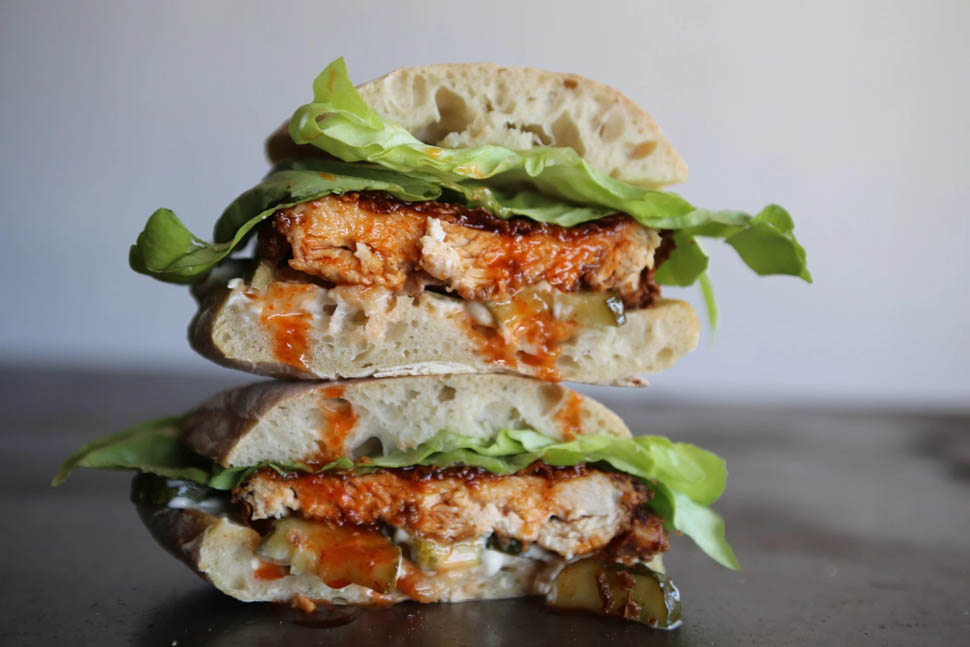
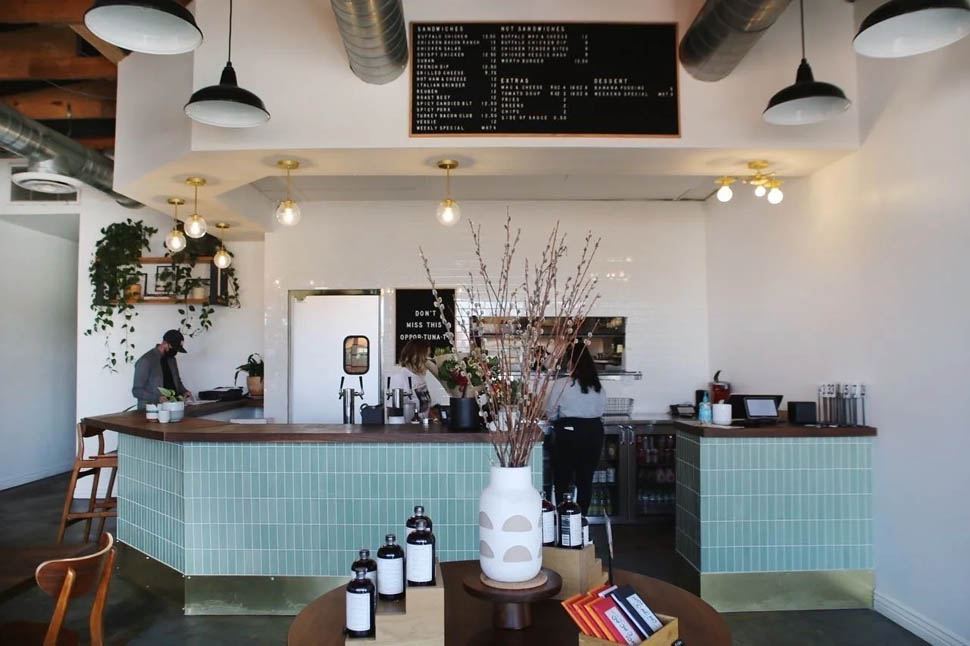
Worth Takeaway was founded in 2016, when downtown Mesa was still far from being a culinary destination. The two founders left their jobs in the restaurant industry, invested their life savings, secured a loan from the city’s economic development agency, and opened a small eatery with a simple idea: to serve quality sandwiches at an affordable price. At first, the menu featured just seven items, all priced at $9. Over the years, the restaurant grew alongside the neighborhood, expanded its space, hosted markets and events, and became one of the community’s gathering spots.
For years, they avoided raising prices
While the cost of almost everything continued to rise, the menu remained virtually unchanged. The Strothers preferred to reduce their profit margins, seek out more affordable suppliers, and reorganize their purchasing rather than adjust prices. Eventually, however, the combination of inflation, rising raw material costs, higher labor costs, and supply chain challenges made it impossible to continue on the same path. After more than three years without significant changes, the menu was updated and some recipes were removed. “We didn’t do it to make more money, but to stay in business.”
The Expenses Customers Don’t See
For a small restaurant, the problem isn’t just the cost of ingredients. French fries, whose cost has nearly doubled in a year; eggs, whose prices skyrocketed during the avian flu outbreak; order-management software; takeout containers; credit card processing fees; insurance; utilities; and security systems all weigh on the monthly budget. Added to these are rising transportation costs. Worth Takeaway pays about $3,000 more per year in fuel surcharges and delivery fees—a direct consequence of rising energy prices and international logistics challenges. For the owners, this demonstrates just how closely a small restaurant is now tied to global dynamics: a geopolitical crisis or rising oil prices inevitably end up affecting even the cost of a simple sandwich.
Higher Wages, Ever-Tighter Margins
Labor costs are also a major expense. Since Worth Takeaway opened, the minimum wage has risen every year, and the Strothers say they have always chosen to pay their employees above that threshold. “We believe it’s right to ensure decent wages. The problem arises when wages, ingredients, energy, and transportation costs all rise at the same time.” In this scenario, they explain, raising prices has become a necessary step to preserve the restaurant and its jobs—not a way to boost profits.
“Behind every sandwich is a community”
The two entrepreneurs’ final message extends beyond their restaurant. Worth Takeaway continues to source ingredients from Arizona producers and collaborate with local businesses, convinced that every purchase made at an independent business creates value for the entire community. They understand the frustration of those who today face increasingly expensive menus—they feel it themselves when they go out to dinner. However, they ask us to look beyond the price printed next to a dish. “We promise just one thing: if someone decides to spend their money with us, we’ll do everything we can to make sure it’s worth it.” It’s a reflection that accurately captures the situation of many small restaurants. Today, the challenge isn’t just about cooking well, but about managing to maintain an increasingly fragile economic balance without compromising on quality or the relationship built with the local community.