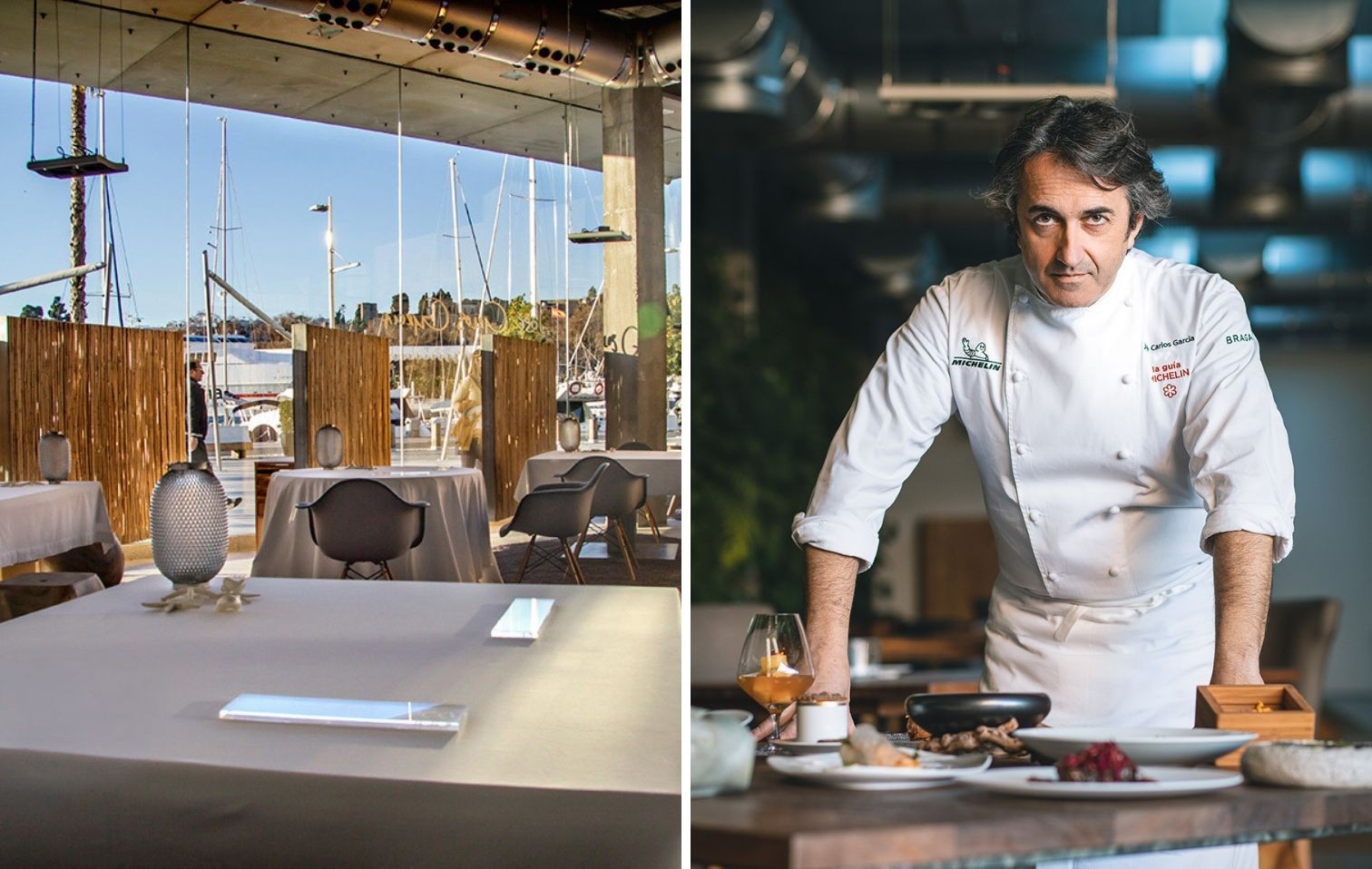
A return to the Café de París: the Andalusian chef’s decision to leave the 1,000-square-meter space at the Port of Málaga in favor of a more intimate and authentic dining experience, with his sights set on a second star. “I want to experience the hospitality industry in a different way, to feel more like a host, because this space is my home, and it’s filled with thousands of memories, people, and moments that have been important to me.”
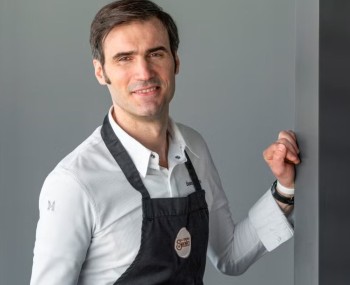
This is neither a surrender nor a retreat dictated by financial considerations. On the contrary, it is a declaration of love for the very essence of “home-style” cooking. At 52, José Carlos García—the doyen of Andalusian haute cuisine and a leading figure in Málaga’s Michelin scene—has chosen to close a monumental chapter in order to return to the cradle of fine dining: the Café de París.
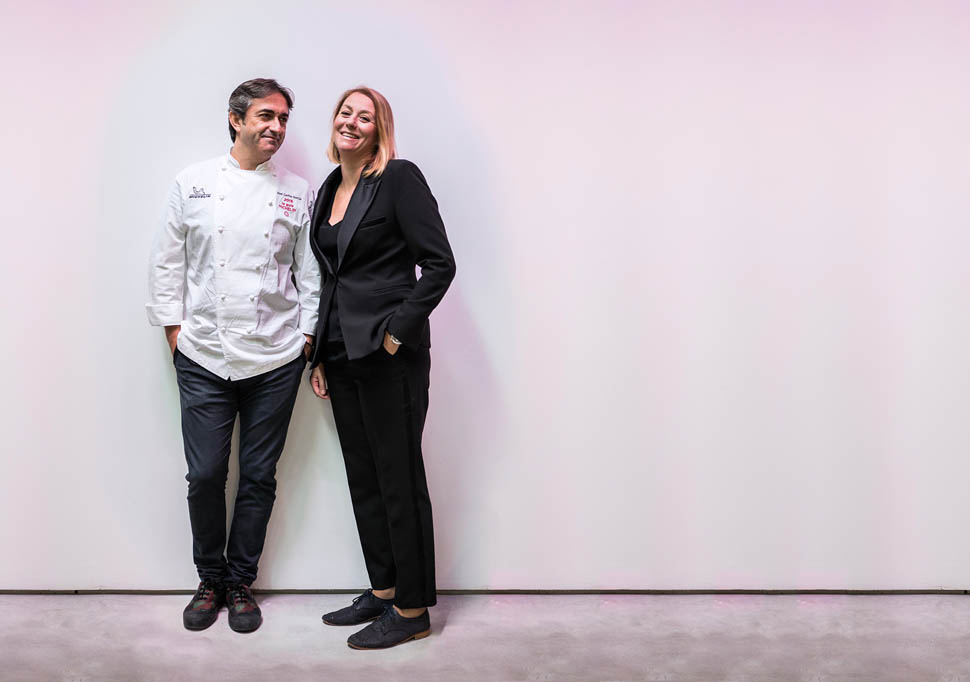
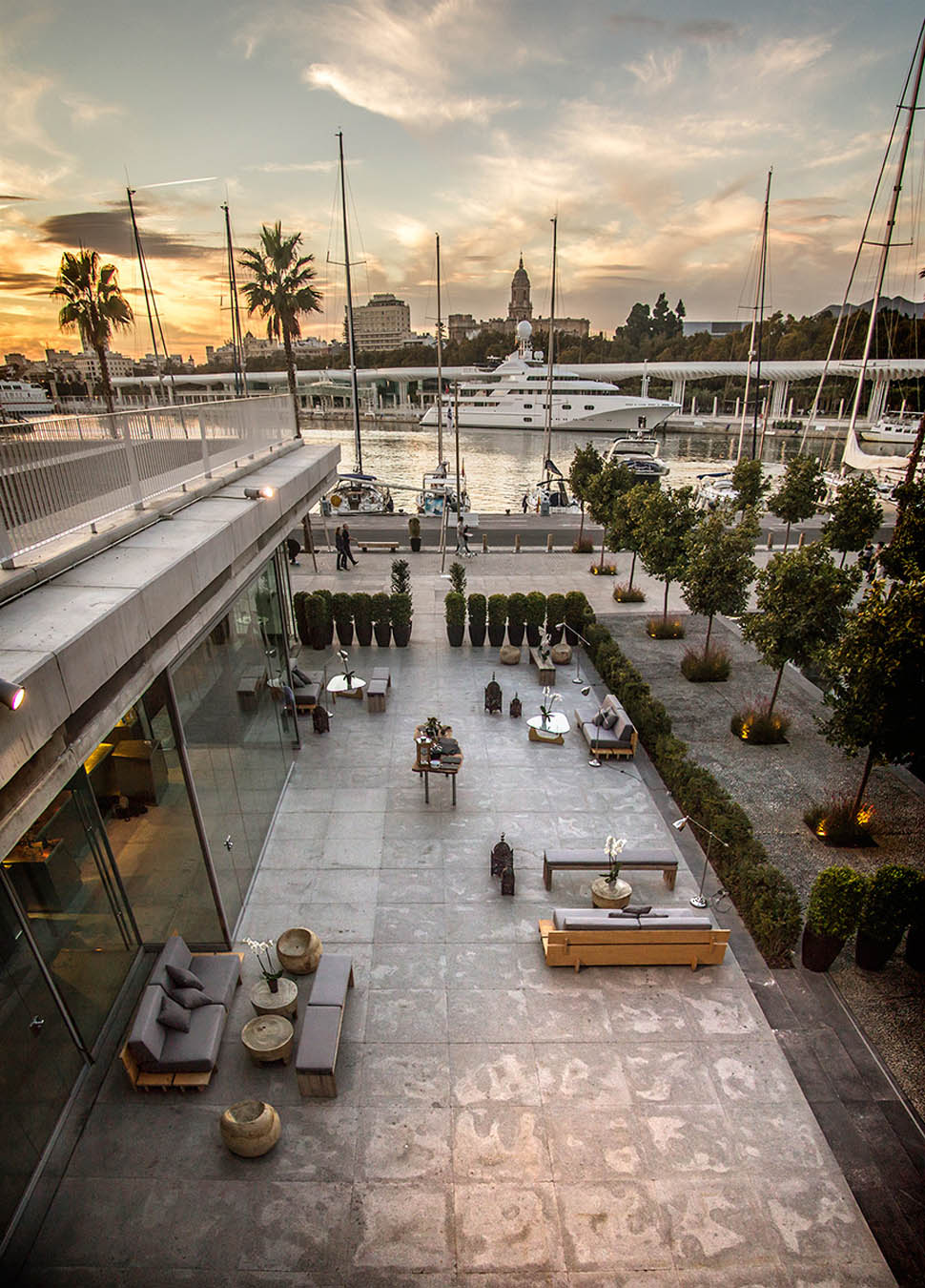
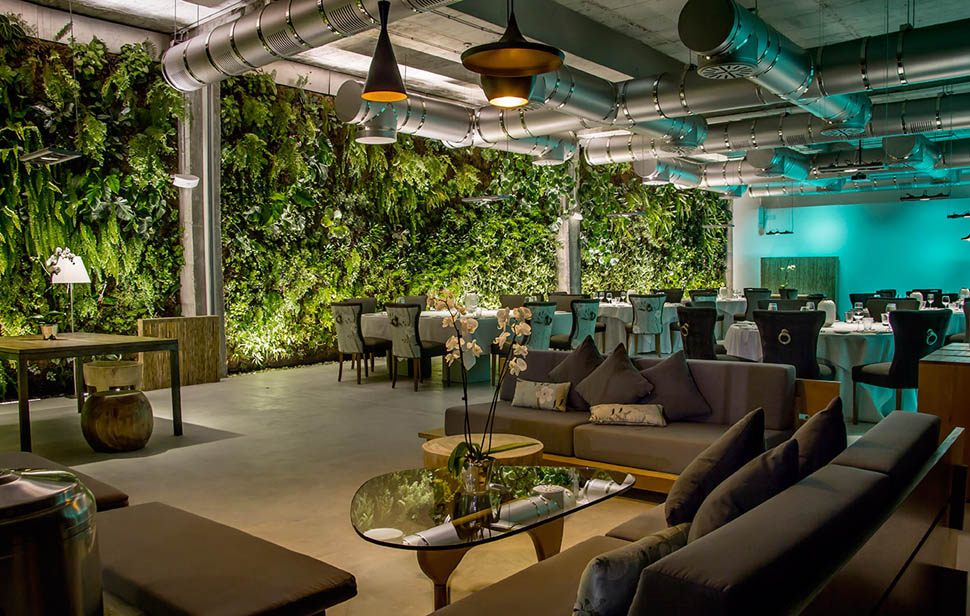
Together with his life and business partner, Lourdes Luque, the chef is preparing to bid farewell to the imposing spaces of Muelle Uno, a thousand-square-meter venue overlooking the sea. A temple of taste that, for three lustres, has not only been a showcase for the city’s opulence and a stage for the most exclusive international luxury brands, but also a managerial burden that risked undermining direct contact with guests.
A Fifteen-Year Epic
The connection between García and the red guide runs deep. Back in November 2001, the first historic star awarded to the city of Málaga shone precisely on the dining rooms of the Café de París, run at the time by a very young José Carlos, fresh out of La Cónsula Hotel School. Then, in 2011, came a bold move: the relocation just a few meters away, to the revitalized harbor, to embrace the ambition of a city opening itself up to global tourism.
An investment of nearly two million euros, undertaken without investors but with only the family’s support, was rewarded by the immediate success of the macaron and fifteen years of solid financial stability. However, the complexity of the massive organizational machine—comprising simultaneous events, a fast-paced schedule, and large numbers of guests—ultimately distanced the chef from his original passion: listening and human connection.
Toward Haute Cuisine with a Homely Touch
Over the coming summer months, the Porto restaurant will celebrate this successful transition with a retrospective menu dedicated to its 15 years in business. Afterward, the kitchen staff will move back to the historic Café de París location, which was purchased a couple of years ago by the chef’s parents. The plan for this return is to offer a more personalized dining experience. Gone are the days of the impersonality of international tourist crowds or the logic of mass production: García intends to reconnect with the local clientele—those longtime patrons who have supported the restaurant even during its most challenging times. In fact, the chef will step away from running his own fine-dining establishment, though he will dedicate himself to a restaurant of equal caliber.
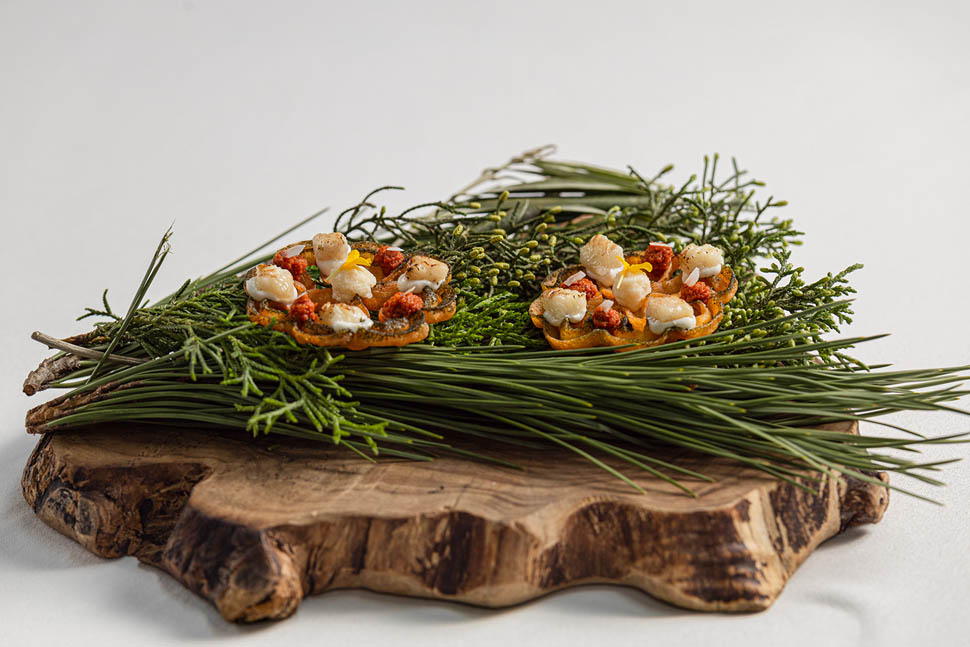
The Vision Behind the Dish: Maternal Roots and Contemporary Sensibility
The new culinary identity will not represent a step backward stylistically, but rather a distillation of the experience accumulated over a three-decade career:
- Ingredients and Regional Identity: an ultra-short supply chain based on the excellence of the Andalusian region, a guarantee of freshness, sustainability, and authentic flavor and aroma.
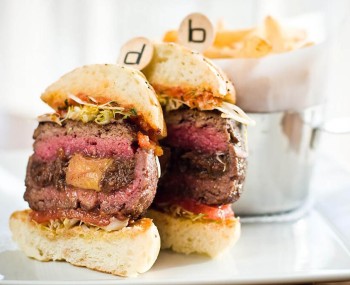
- Tradition and modernity: the rediscovery of the great classics of home cooking—such as his father’s famous spinach crêpe or the iconic Café de París sirloin—reimagined through contemporary techniques and minimalist compositions.
- Flexibility and respect for timing: the reaffirmation of the single-service format (afternoon service), designed to meet the real needs of diners without succumbing to the formal rigidity of the past.
His Father’s Legacy and Ambitions for the Future
Having grown up in the dining rooms and kitchens under his father’s stern gaze—a restaurateur of a bygone era who admonished him to “always check what’s left on the plates to understand the customer”—García now displays a fully realized stylistic maturity. The ambiance of the new Café de París will eschew cold minimalism in favor of a warm, classic elegance that makes guests feel welcomed into a private setting.
He has no fear of critical reviews: the decision to relocate will be communicated to the Michelin inspectors with the serenity of someone who knows exactly where he’s headed. The openly stated goal is to concentrate his creative energy in an intimate space to decisively aim for a second star. A homecoming that feels every bit like a brand-new, brilliant beginning.