“I’ve been a customer for fifty years,” the chef likes to recall. A statement that sums up an approach that’s almost the opposite of that of many signature restaurants: the service doesn’t revolve around the chef, but around those sitting at the table.
The Chef
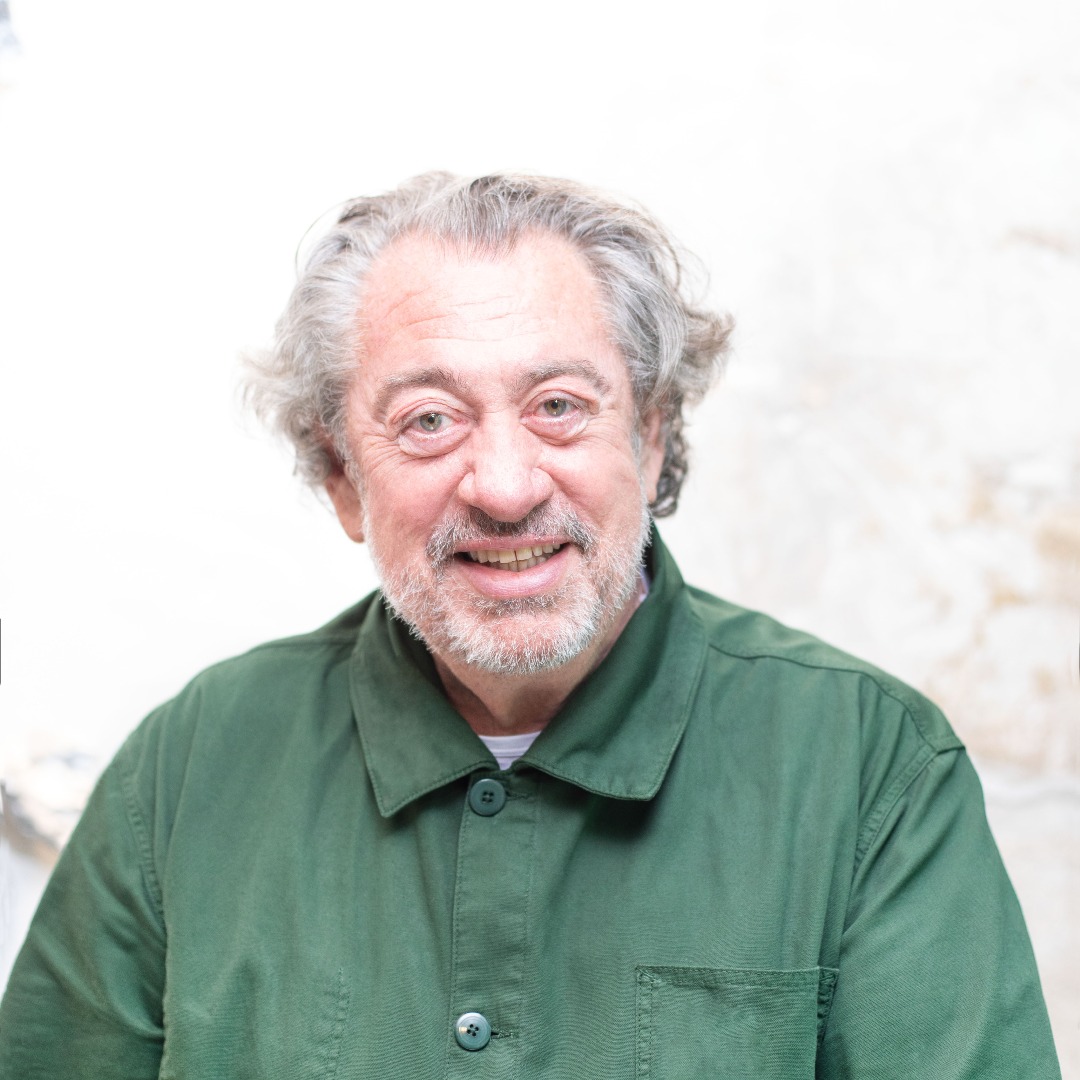
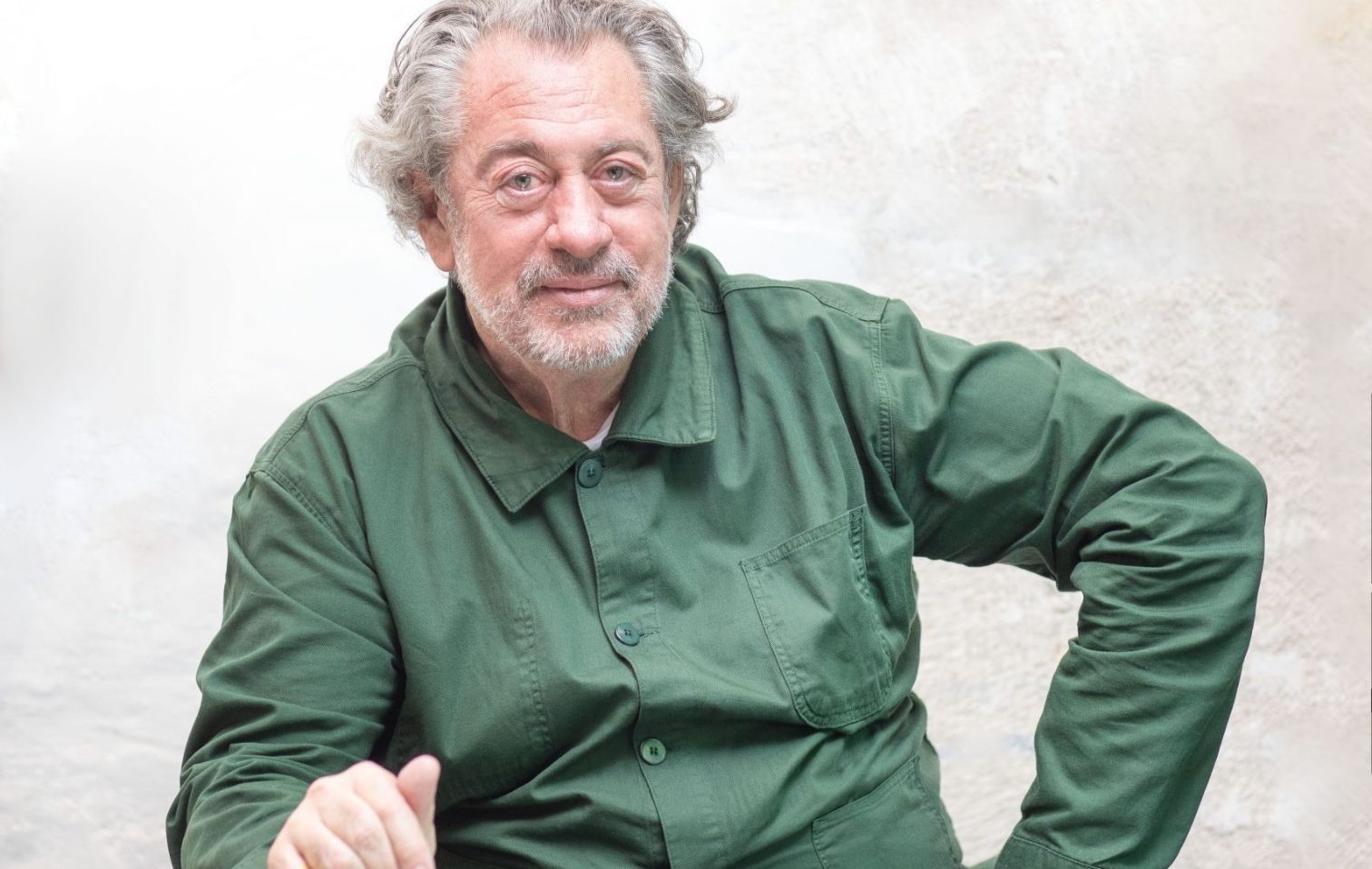
Bruno Verjus’s career defies any predetermined path. First an entrepreneur, then an author, a passionate foodie, and finally a self-taught chef, he now runs Table, the Parisian restaurant that has earned him two Michelin stars and eighth place on the World’s 50 Best Restaurants list. Table, which opened in 2013 in Paris’s 12th arrondissement, far from the most popular tourist routes, conveys his vision from the moment you walk in. Just twenty-four seats arranged around a large metal counter designed by the chef himself, a completely open kitchen, and no distance between the kitchen staff and the guests. Every dish takes shape right before the customer’s eyes, with no curtains or backstage areas.
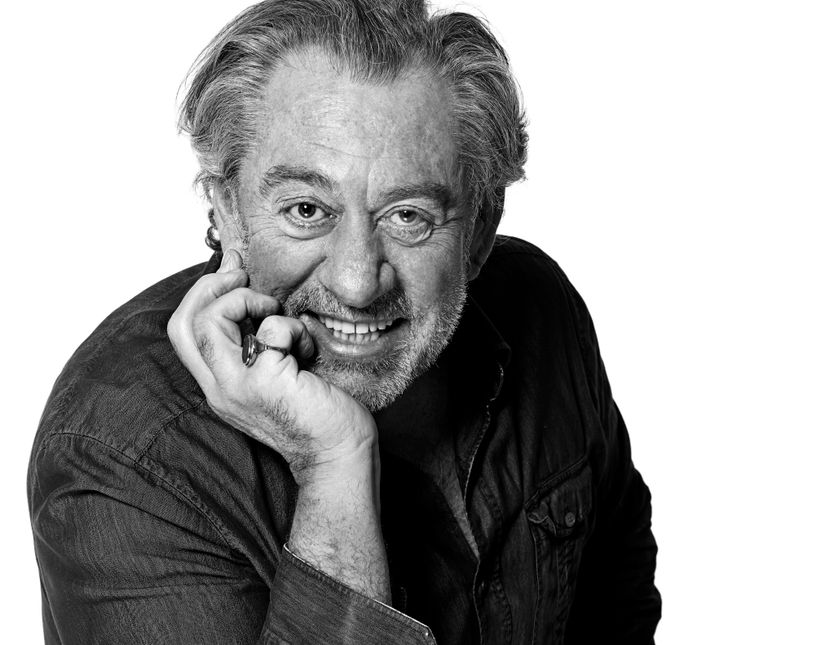
And yet, looking at him twenty years ago, nothing would have suggested such a fate. Verjus did not come from the prestigious French culinary schools, nor had he spent his youth working in the kitchens of haute cuisine. He had lived in California and China, founded a company in the medical field, written books, and built a solid reputation as a food critic through his blog, Food Intelligence. For a long time, his perspective was that of the diner, not the chef. That perspective continues to influence his approach to work today. “I’ve been a customer for fifty years,” he likes to recall—and he recently stated in this wonderful interview with La Vanguardia. A statement that sums up an approach almost opposite to that of many signature restaurants: the service doesn’t revolve around the chef, but around those seated at the table.
The roots of this sensibility lie in his childhood spent in Renaison, near Roanne. As a child, he learned that mushrooms are harvested by cutting them, that a stream must be respected if one wishes to continue fishing there, and that nature gives back only to those who know how to listen to her. That direct connection with the countryside remained intact even after his medical studies, the years he spent abroad, and his career as an entrepreneur. His encounter with Pierre Hermé marked a decisive turning point. While working in renowned kitchens such as those of Pierre Gagnaire and Guy Savoy, he realized that his interest lay not so much in the complexity of preparation as in the intensity of the moment when the dish is served to the guest. Shortly thereafter came Alain Passard, a pivotal figure in his training, who instilled in him the value of moderation and absolute respect for ingredients. Before opening Table, however, there was a small experiment destined to change everything. At his family home on the island of Yeu, he set up a home restaurant with just twelve seats. He cooked, while his teenage son served at the tables. Working practically alone, he developed a personal method, far removed from traditional approaches and built on reasoned improvisation. That experience also gave rise to one of the convictions that still characterizes his cuisine today: minimizing mise en place. In a classic restaurant, much of the work is done before service begins; for Verjus, however, the decisive moment coincides with the arrival of the order. “The essential happens during service, not before,” he stated bluntly to reporters from La Vanguardia.
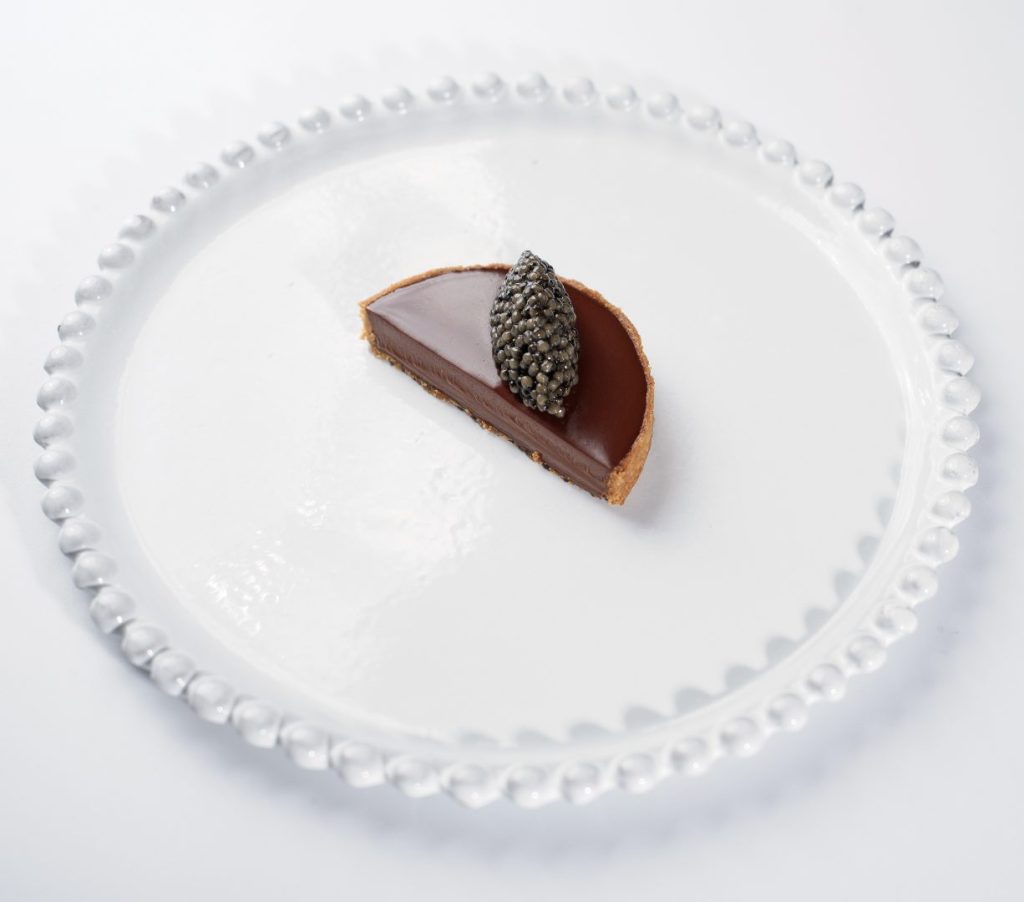
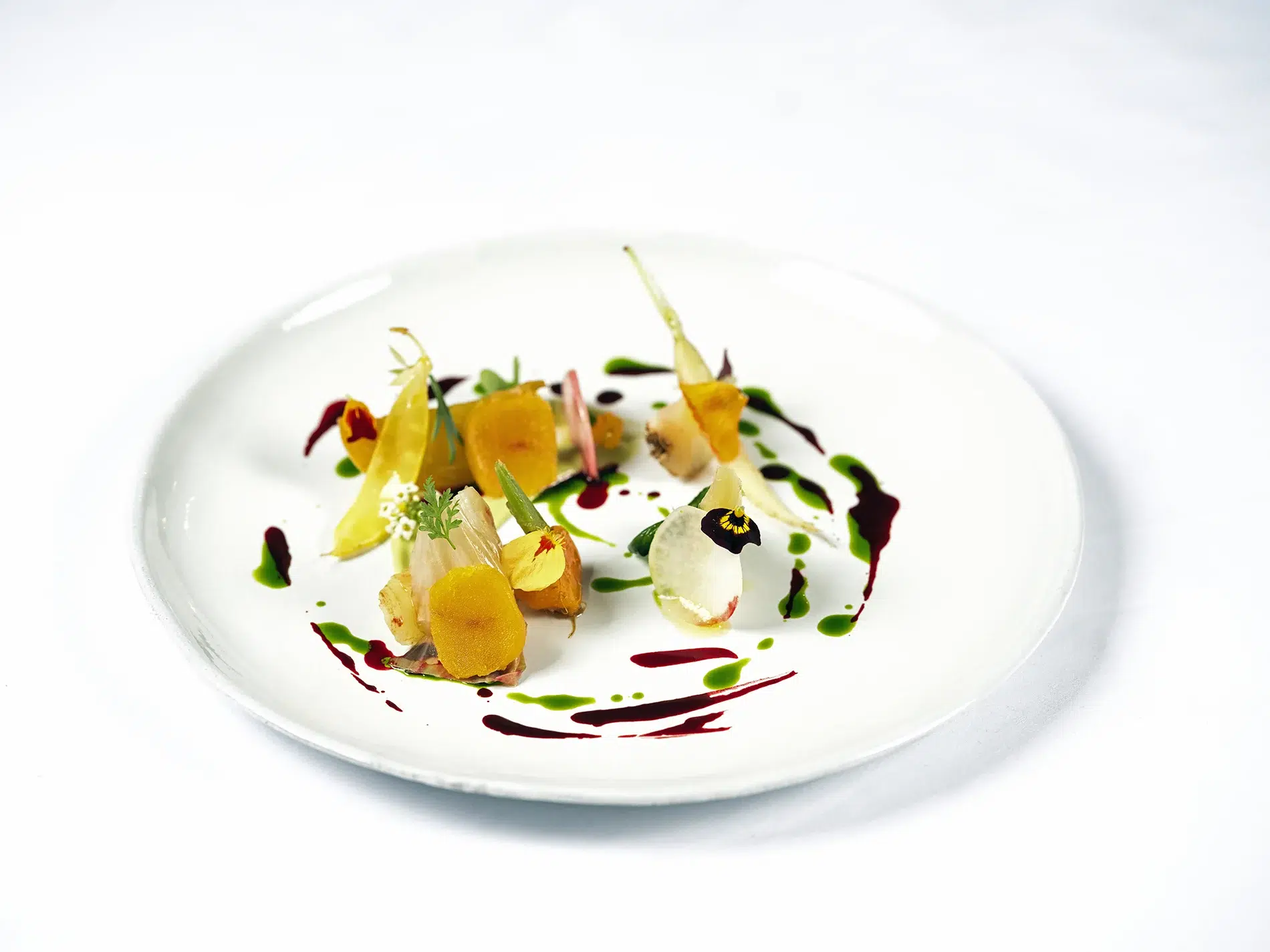
According to him, it is the customer—through their order—who truly brings the dish to life. This approach requires a great deal of organization but, according to the chef, results in greater freshness and authenticity. The tasting menu costs over 480 euros, not including wine, but the luxury that Table offers doesn’t stem from theatrical presentation. Rather, it derives from the quality of the ingredients, the network of producers built up over the years, and the decision to cook almost everything in front of the customer, taking on the risk that every dish entails. “I’m the youngest and oldest chef,” he jokes. A description that perfectly captures his journey. Young because he started late, old because, by the time he turned on the stoves in his restaurant, he had already learned everything he wanted to know from the other side of the table: the customer’s.