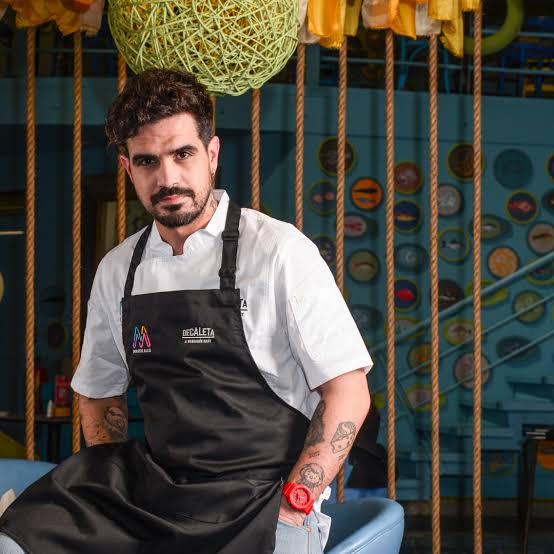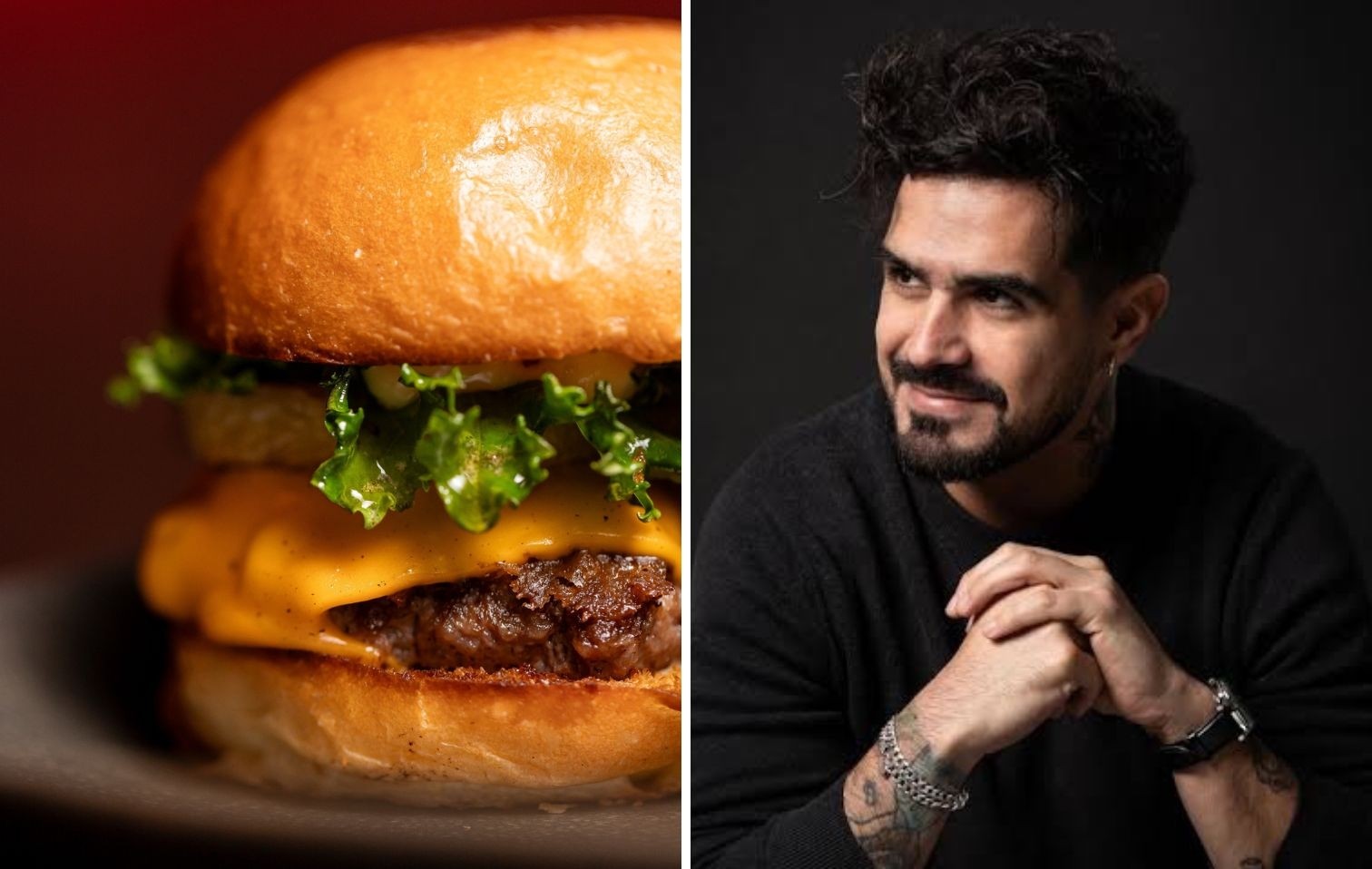
Top chef Benjamin Nast sparks controversy by shattering the taboos of haute cuisine with household appliances, Big Macs, and an intimate map of Santiago, Chile.
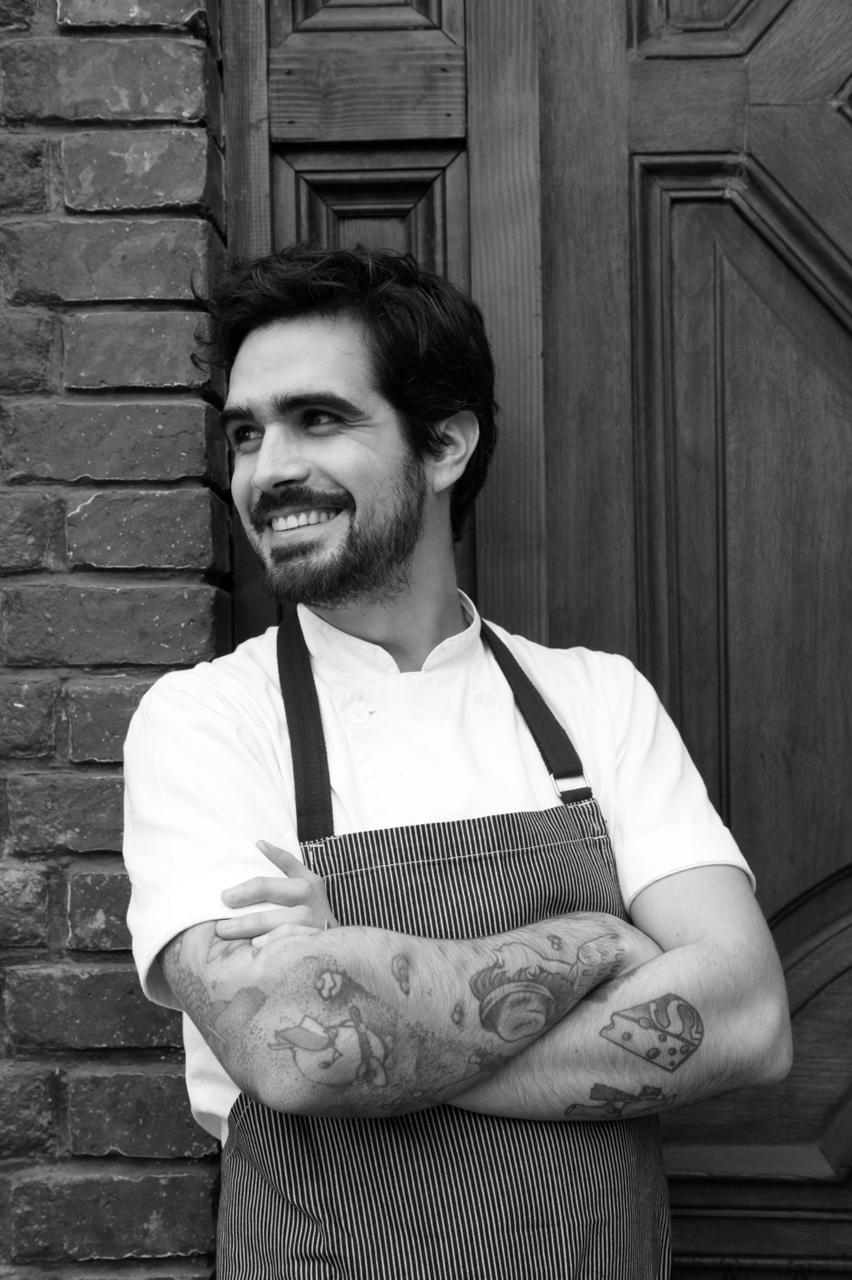
In the often stuffy and somewhat self-referential world of haute cuisine, where reverence for ingredients and traditional cooking methods borders on fanaticism, there are those who deliberately choose to break the spell. Benjamin Nast (born in 1984), a creative force born in Germany but now recognized as one of the leading lights of South American gastronomy, has no intention of playing the role of gourmet guru once the spotlight on his kitchen team fades.
His down-to-earth philosophy has sent shockwaves through the discipline’s purists, a sentiment reinforced by his recent statements to El País: “If you know how to use a blender and a microwave, you can create wonderful things. Like a perfect omelet, for example. The technique doesn’t lie in a wood-fired oven, but in an understanding of transformation.”
A statement that has sparked a lively debate among lovers of culinary fetishism. Yet for Nast—fresh off the conceptual successes of his De Patio, which was transformed after the pandemic into the playful Demencia in Vitacura (inspired by Albert Adrià’s famous Tickets), as well as the mastermind behind De Calle, De Caleta at the Monticello Casino, and a TV judge—the line between sophistication and everyday life is much thinner and more permeable than one might think.
The Royal Pantry: The Big Mac
Where one might expect to find caviar, aged Norman butters, or fermented extracts in a top chef’s refrigerator, Nast’s home life is marked by a comforting simplicity: mayonnaise, ham, cheese, eggs, and fresh fruit—the essential building blocks for the sacred art of the improvised sandwich.
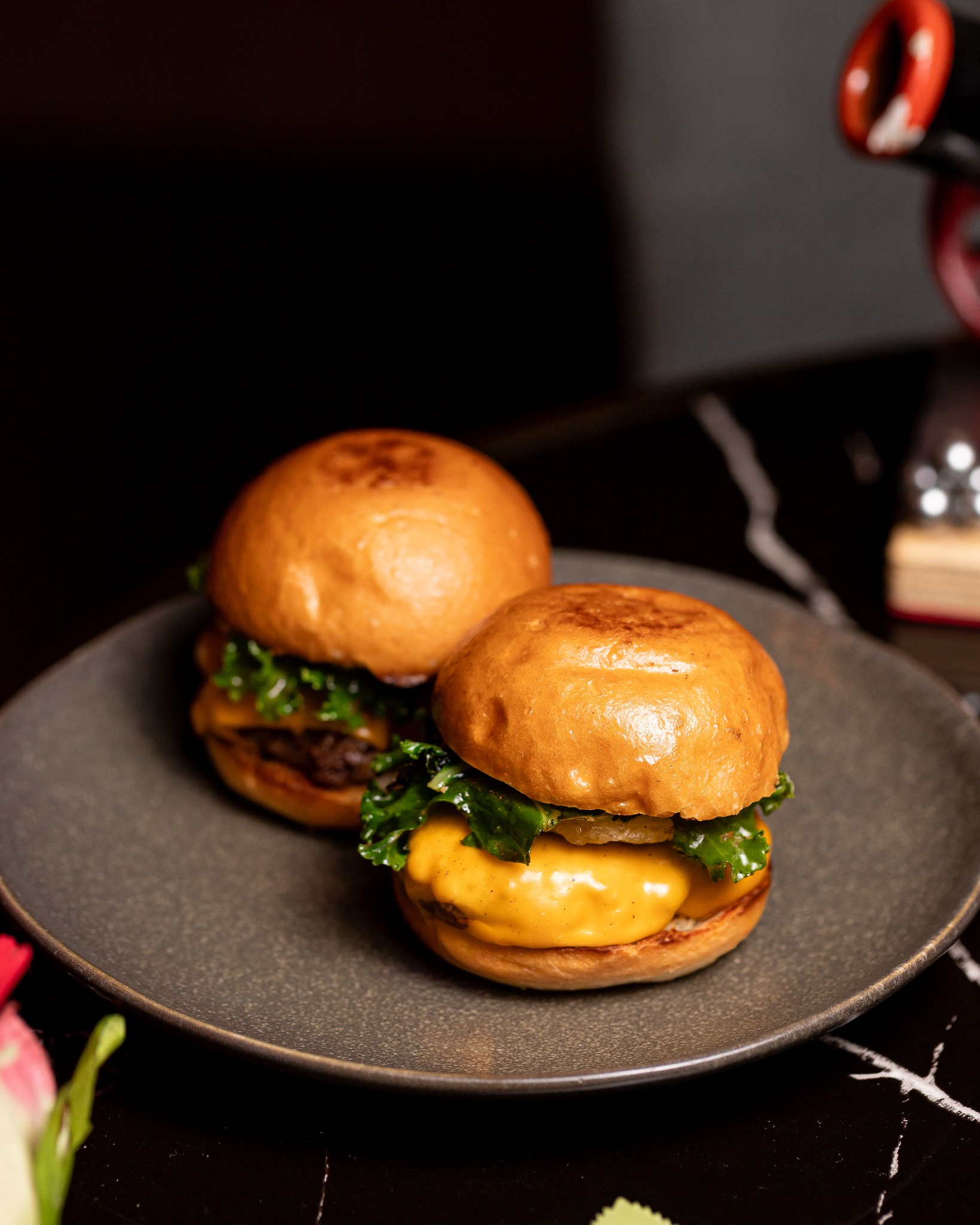
No niche suppliers for everyday meals: the weekly grocery shopping is done on Friday afternoons with his children at a small Santa Isabel supermarket in Vitacura, supplemented as needed with quick purchases via an app. This authentic approach is also distilled in his latest cookbook, ¡Tengo hambre, papá!, which was born out of cooking at home with his children. And when asked about his guilty pleasures, the chef offers no excuses or intellectual posturing: “I’ve said it a thousand times and I’m not ashamed: I really love McDonald’s, especially the Big Mac.”
Pragmatism and Evolution
The story of Benjamin Nast—who trained at the French School of Cuisine before embarking on major international ventures—showcases the maturity of a professional who knows how to separate spectacle from substance. While his first major project, De Patio, embodied technical rigor and stylistic refinement, the shift to Demencia and street food concepts demonstrates that contemporary cuisine must first and foremost entertain and nourish, shedding any performance anxiety.
In an era of celebrity chefs who take themselves too seriously, Nast’s lesson is disarming in its simplicity: true mastery lies in mastering techniques, without ever forgetting that real life happens outside the restaurant kitchen.