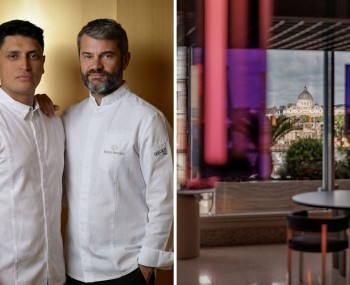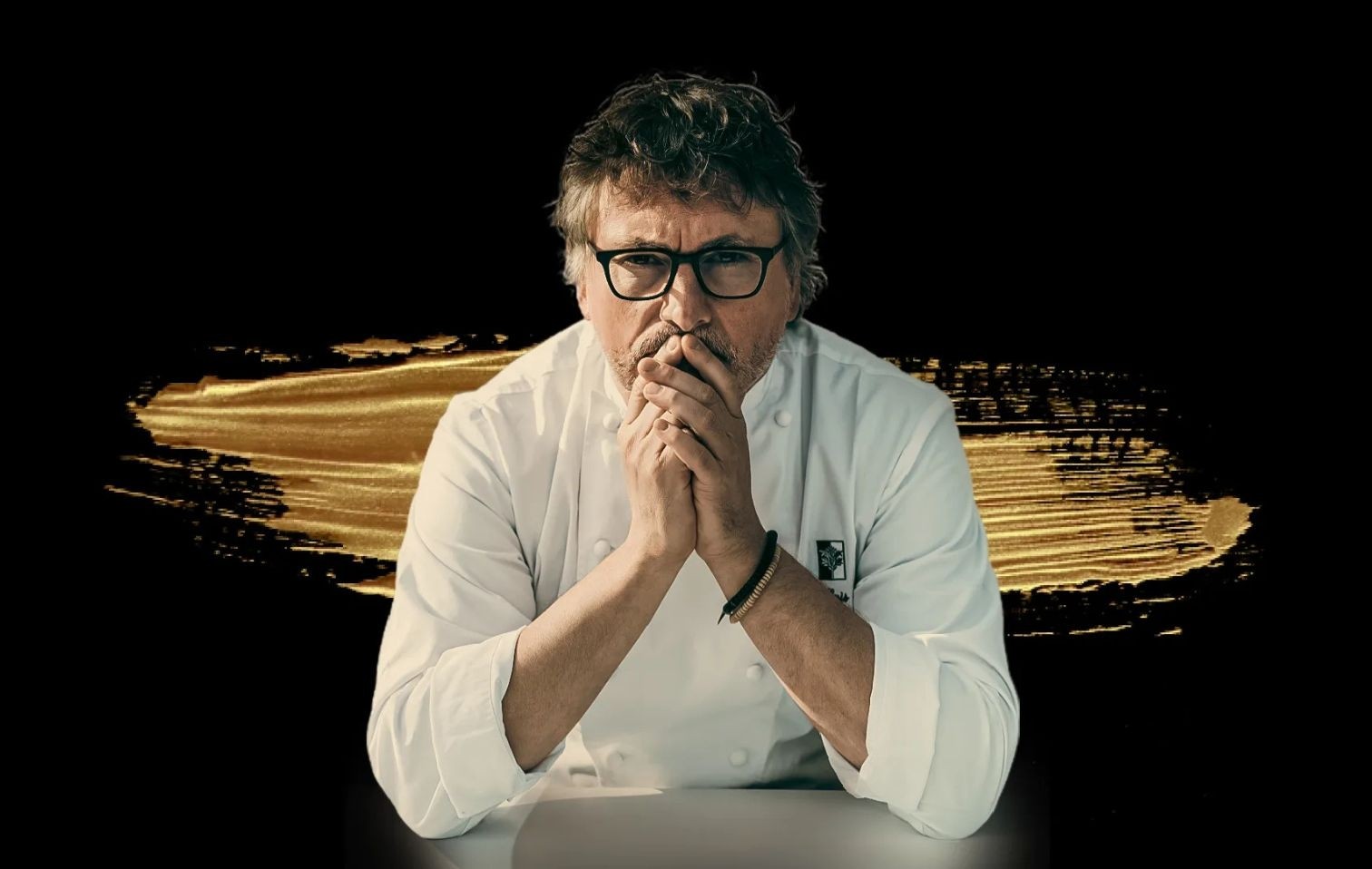
Aduriz is one of the chefs who has most profoundly changed the way we think about contemporary gastronomy. For him, however, the kitchen remains, above all, a place to ask questions.
Opinion
It’s no surprise that the founder of Mugaritz has become the first chef to receive the Círculo de Bellas Artes Gold Medal, an award traditionally reserved for figures in culture, the arts, and philosophy. This award reflects his vision of cuisine: a language capable of going beyond taste to become a tool for reflection. Today, Aduriz brings this approach to the classrooms of the Madrid Culinary Campus (MACC), where he leads the Mugaritz Creativity Program. There, he seeks to dismantle a still-widespread belief: that creativity is a privilege reserved for the few. For him, on the contrary, it is a skill that can be cultivated. “Creativity is a tool for solving problems,” he recently explained to the newspaper ABC. “We have a superpower: we can imagine things that don’t yet exist. That’s what allows us to tackle today’s challenges—and even those that will come tomorrow.”
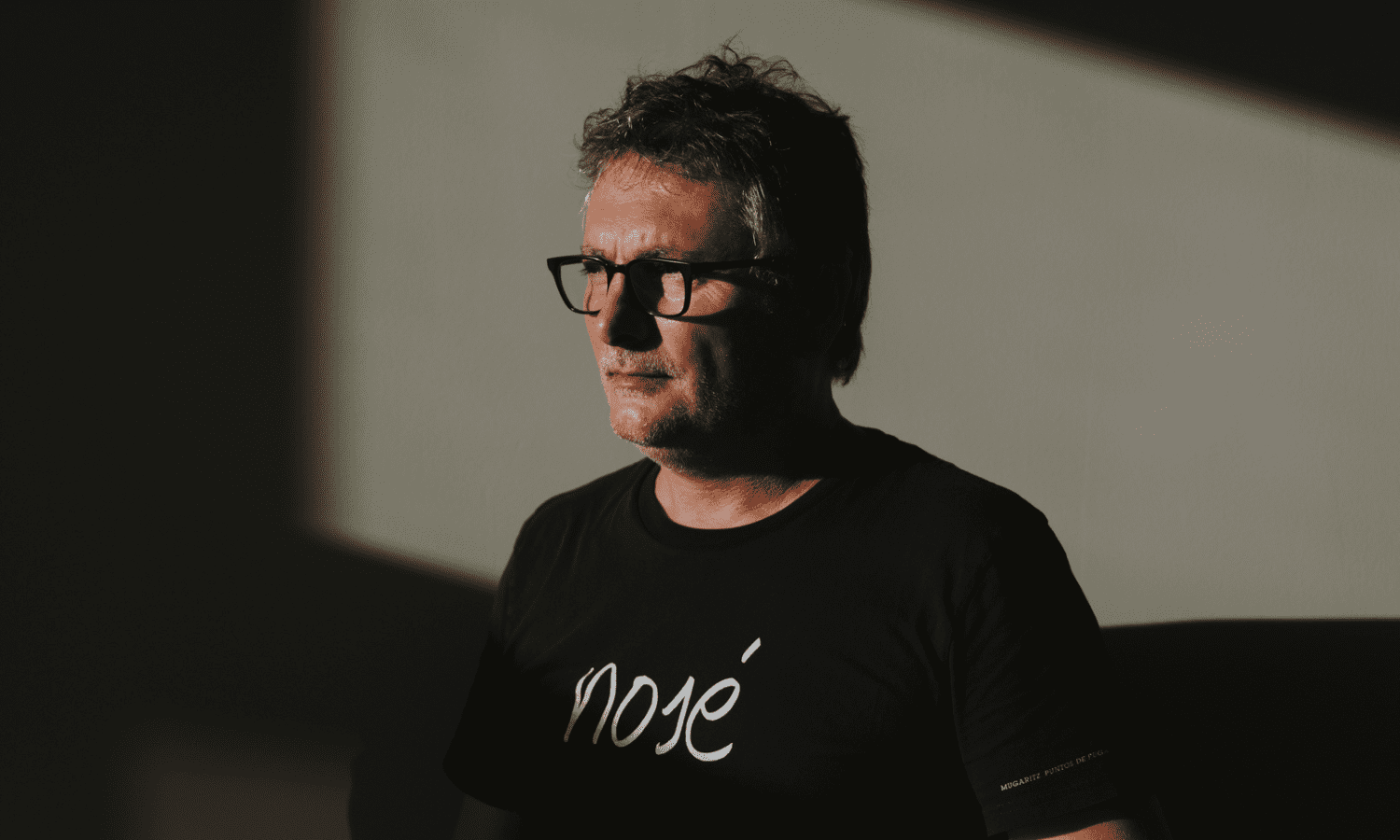
An idea that, he explains, is also supported by scientific research. Mugaritz, in fact, participated in a study focusing on a group of young people who spent months working in a highly creative environment. “Evidence emerged showing how the brain changes when trained in this way.” For Aduriz, natural talent may certainly exist, but it is not an indispensable requirement. What matters is training one’s eye, learning to pick up on details that often go unnoticed. The recognition received from the Círculo de Bellas Artes inevitably brings us back to the age-old debate on the relationship between cuisine and art—a question that has accompanied gastronomy for decades and one to which Aduriz avoids responding with absolute definitions. “Not all cuisine is art, just as not all painting or architecture is.” The difference, in his view, does not depend on the technique or complexity of a dish, but on the intention behind its creation. “Cooking becomes art when it ceases to aim merely to nourish or please and instead seeks to convey an idea, provoke reflection, or even offer criticism.”
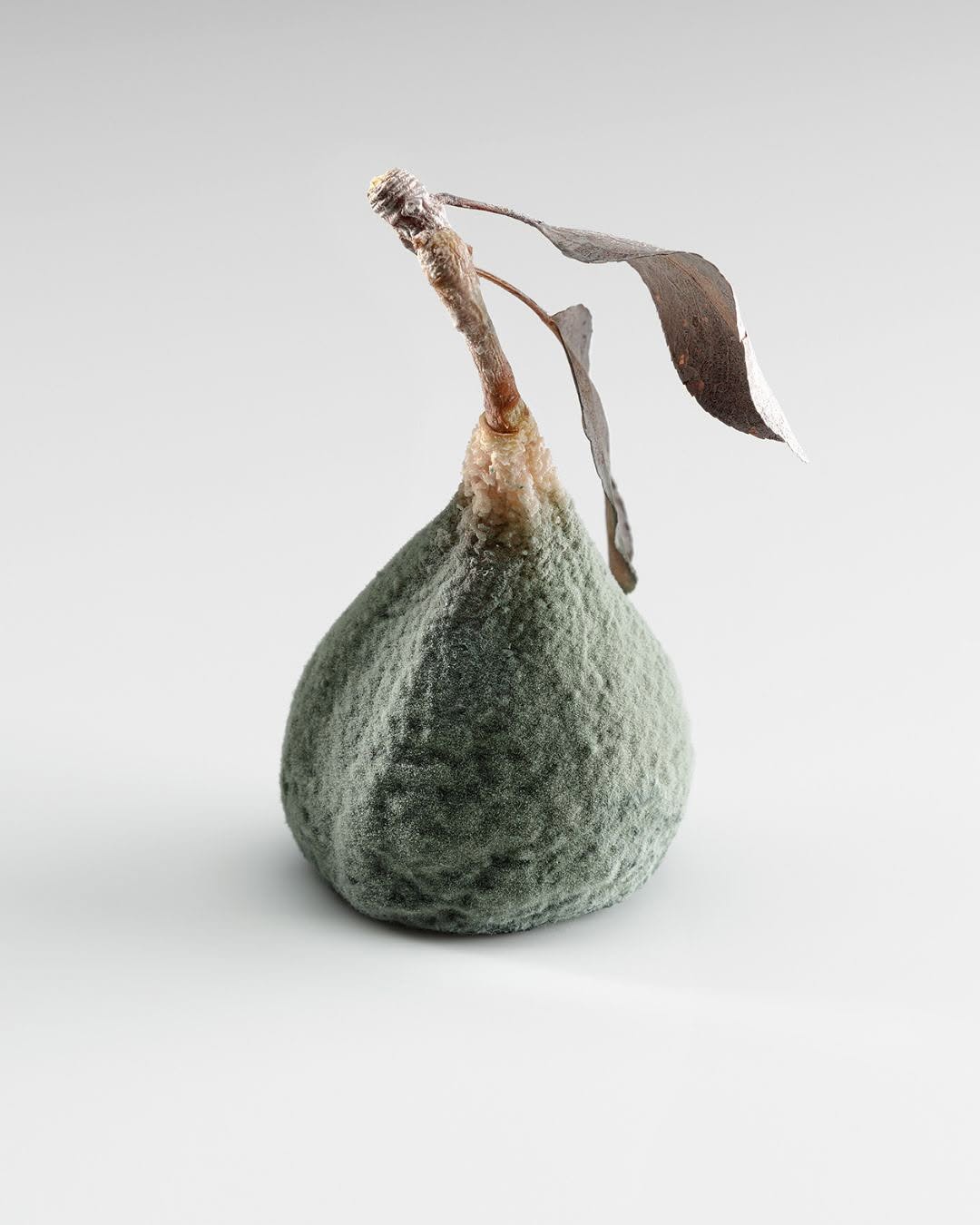
Even a simple croquette can tell us something about this process. Aduriz smiles when asked if the ones his grandmother makes can be considered art. “They’re culture; they’re craftsmanship.” The reason is simple: the recipe is perfected through repetition, just as it is in Japanese tradition. Art, he adds, begins when a dish attempts to explore uncharted territory and pushes itself close to its limits. The chef’s most interesting reflection concerns a word that has accompanied his career for nearly thirty years: avant-garde. Today, he observes, we live in a society that seeks immediate results and shortcuts in every field. Even cuisine risks falling into the same trap. “True avant-garde doesn’t work that way.” Then comes the phrase that sums up his understanding of his daily work. “The avant-garde is built by slicing onions.” A simple, almost domestic image that reminds us how the most revolutionary ideas rarely arise from a sudden flash of genius. Much more often, they take shape through repeated gestures, patience, and a curiosity that continues to be honed every day.
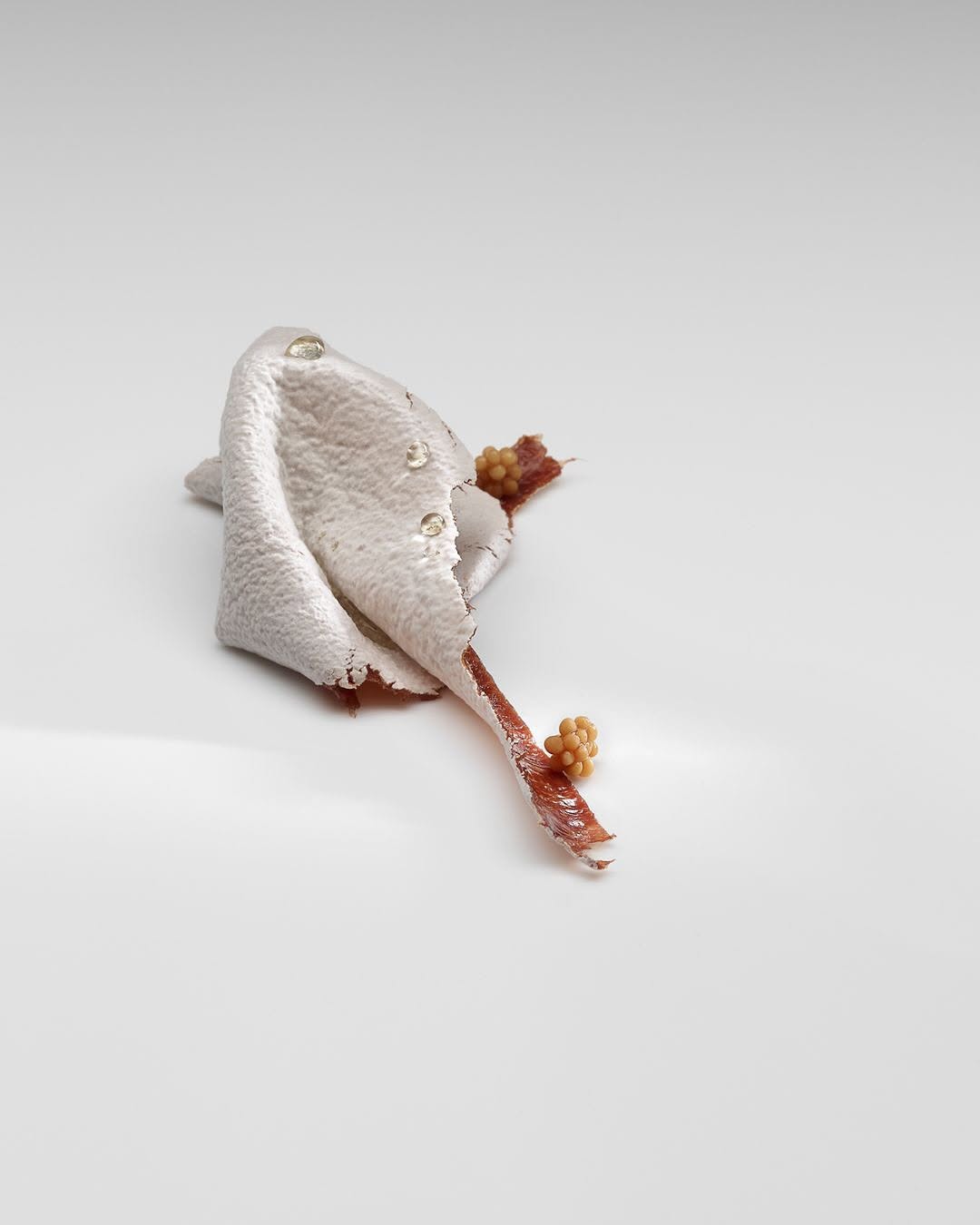
The same attitude emerges when he addresses the topic of young people. He rejects the labels often used to describe them and prefers to talk about the pressure society puts on them. “When I talk to a sixteen-year-old, I’m actually talking to my younger self.” His advice is simple: stop chasing the idea that you always have to measure up to an extremely competitive world. “In the end, you’ll find your place—very often through what you’re passionate about.” According to Aduriz, the leadership model is also changing. For many years, the restaurant industry considered it normal to operate under a system built on pressure and constant sacrifice. Today, that culture is revealing all its limitations. This reflection also stems from observing cases like Noma and the debate that has unfolded in recent years regarding the organization of work in large kitchens. Looking to the future of gastronomy, Aduriz sees very different models coexisting. On one hand, extreme and experimental restaurants like Alchemist; on the other, small establishments capable of building a daily relationship with their customers. Two worlds that, in his view, are by no means mutually exclusive. “Large-scale projects show just how far human beings can go. Smaller ones become places where people can gather several times a week. We need both.”