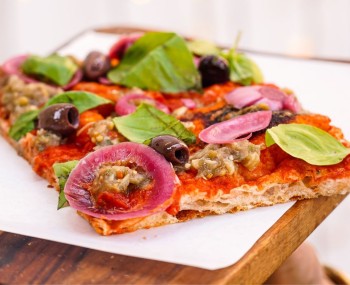
Allergies, food intolerances, and special diets: more and more chefs are asking customers to let them know before sitting down to eat, and the reason is not trivial. Yet there is a segment of the clientele that is indifferent to these issues, and according to reports gathered by the French magazine Food&Sens, this group is only growing.
A request made offhand can change the rhythm of an entire kitchen. “I’m allergic,” “I don’t eat dairy,” “No garlic,” “I’m vegan,” “No shellfish.” These phrases are now part of everyday life in any restaurant and reflect a profound change in the relationship between chef and customer. While the menu once represented the chef’s vision, today it increasingly serves as a starting point to be adapted to the needs of diners.
The reasons are many and all deserve respect. Certified allergies, intolerances, medical prescriptions, ethical choices, religious beliefs, or simple dietary preferences now coexist within the same dining experience. The result, as highlighted by Food&Sens in this insightful analysis, is a restaurant industry increasingly called upon to personalize the experience, even when this means rethinking dishes crafted down to the smallest detail. For the kitchen staff, however, every change has consequences far more complex than they might seem to those seated at the table. Removing an ingredient rarely means simply taking it off the plate. It may involve preparing a different sauce, altering a garnish, arranging for separate cooking, or completely rebalancing a course. In a tasting menu, where each course is designed to interact with the next, changing a single element can alter the entire gastronomic journey envisioned by the chef.
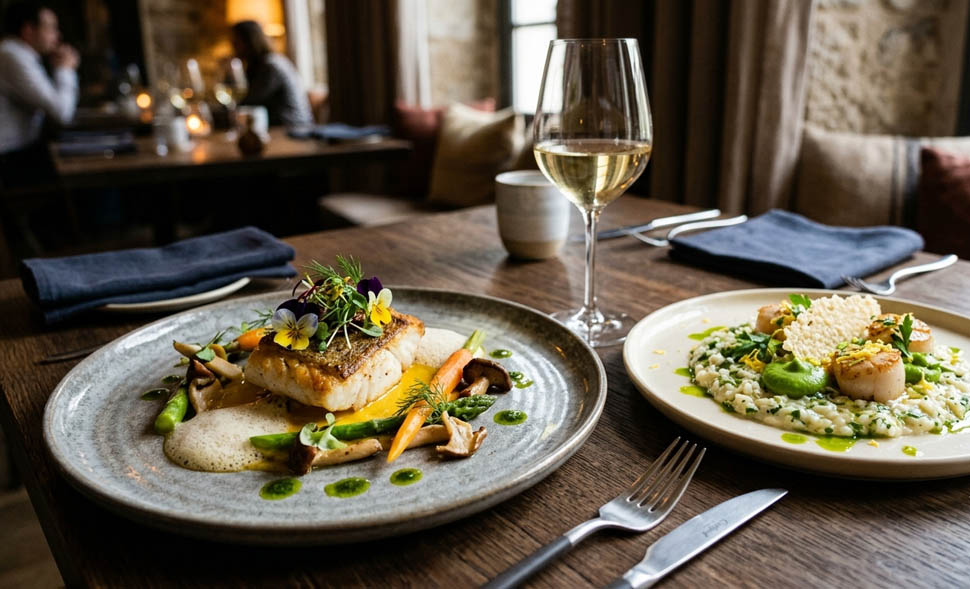
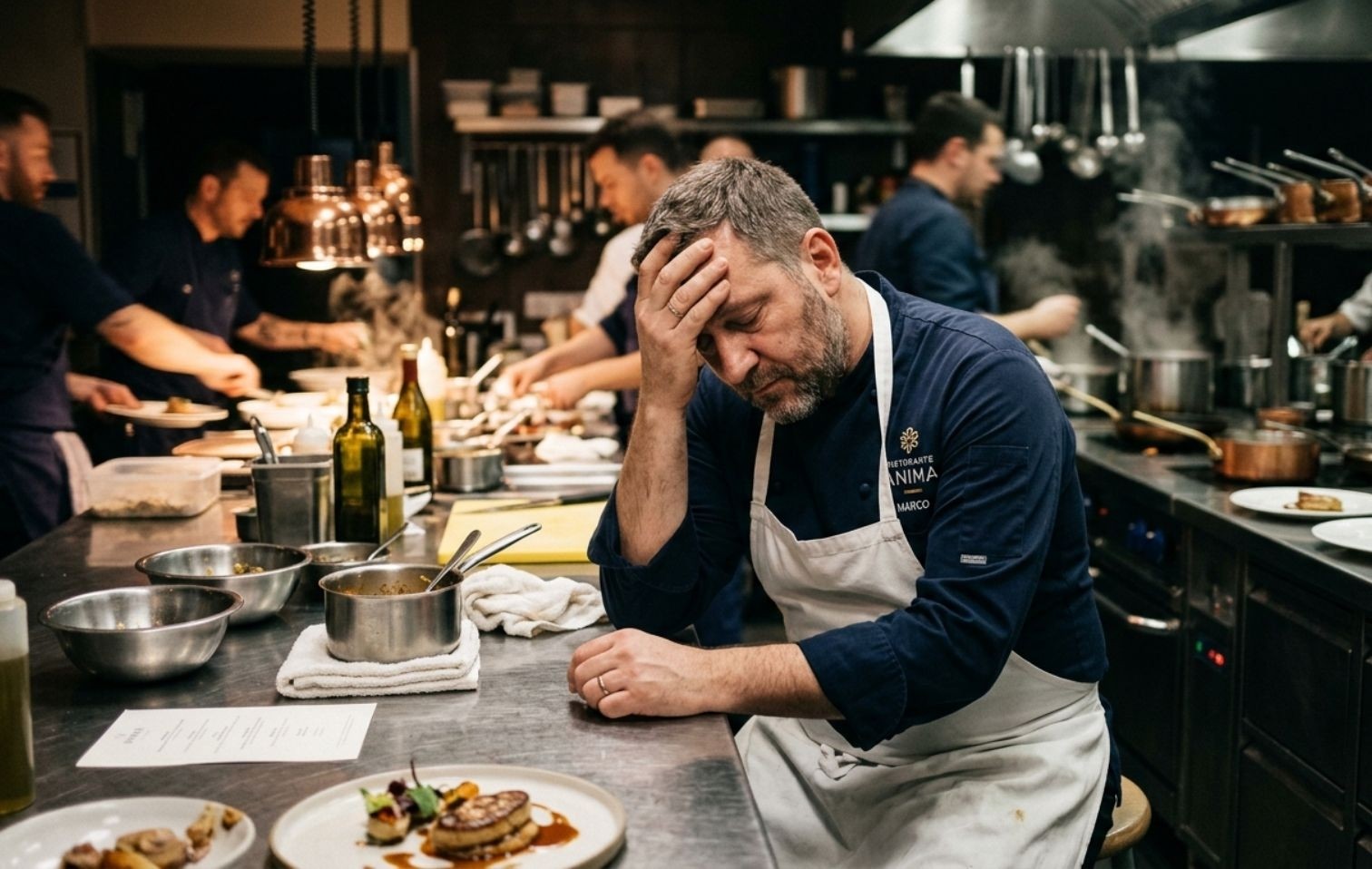
And here we come to the crux of the matter. Many professionals point out that the problem does not concern true allergies—which naturally require the utmost attention—but rather the increasingly frequent use of this term even to describe simple personal preferences. “Real allergies must be taken very seriously,” a chef tells the French publication. “The problem arises when a ‘I don’t like it’ is presented as an allergy just minutes before service. For us, that word triggers completely different protocols: we have to avoid any cross-contamination and follow specific procedures. It’s not enough to simply remove an ingredient from the dish.”The higher the level of the cuisine, the more difficult these requests become to manage. In fine-dining restaurants, many preparations begin days before service. Stock, reductions, fermentations, sauces, and slow-cooking methods are crafted according to a precise plan. Making changes at the last minute means, in some cases, creating a new recipe while the kitchen team is already busy serving all the other tables.
Some chefs report that during certain service periods, nearly half of the customers request modifications to the original menu. This situation inevitably increases the complexity of the work. “Our job is to make people feel good and find a solution,” explains a restaurateur. “But when a table of four guests arrives with four completely different requests, it’s like preparing four different menus at the same time.” Among the incidents that have left the deepest mark on kitchens, there are also a few stories that have become almost emblematic. One chef recalls a customer who had requested an entire tasting menu free of dairy products, only to then order, when the cheese cart arrived, a tasting platter consisting of five artisanal cheeses. To avoid situations like this, more and more restaurants prefer to address the issue at the time of reservation. Many ask guests to report allergies, intolerances, or specific dietary restrictions in advance, so that the kitchen can plan ahead, order any necessary alternative ingredients, and devise substitutions that are consistent with the quality of the culinary offering.
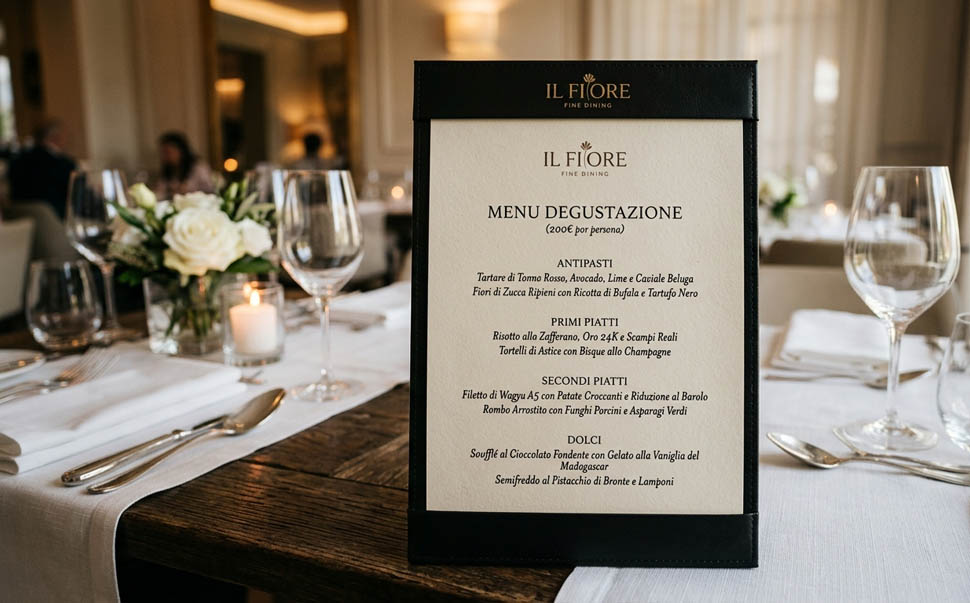
At the same time, a line of thinking is emerging that is likely to spark debate. Some restaurant owners are beginning to wonder whether more complex customizations should carry an additional cost. The goal, they explain, is not to penalize the customer, but to acknowledge the extra work involved—which requires time, organization, and often specialized preparation. In many other industries, customization represents a service with a well-defined economic value; in the restaurant industry, however, this effort is almost always absorbed by the kitchen. It remains a sensitive issue, nonetheless. Hospitality is one of the founding principles of the trade, and welcoming guests also means listening to the needs of those who sit down at the table. At the same time, every chef crafts their menu as a personal narrative, built on balance, technique, and identity. Requesting numerous changes inevitably means interfering with that narrative.
Finding common ground depends above all on communication. Informing the restaurant before arrival, clearly explaining any allergies or dietary restrictions, and distinguishing medical needs from simple preferences allows the kitchen staff to work with greater peace of mind and offer an experience that lives up to expectations. Customization has become a hallmark of contemporary dining and will likely continue to grow. The challenge, for both chefs and customers, will be to find a balance that protects health, respects individual choices, and, at the same time, preserves the gastronomic vision that makes a chef’s work unique.