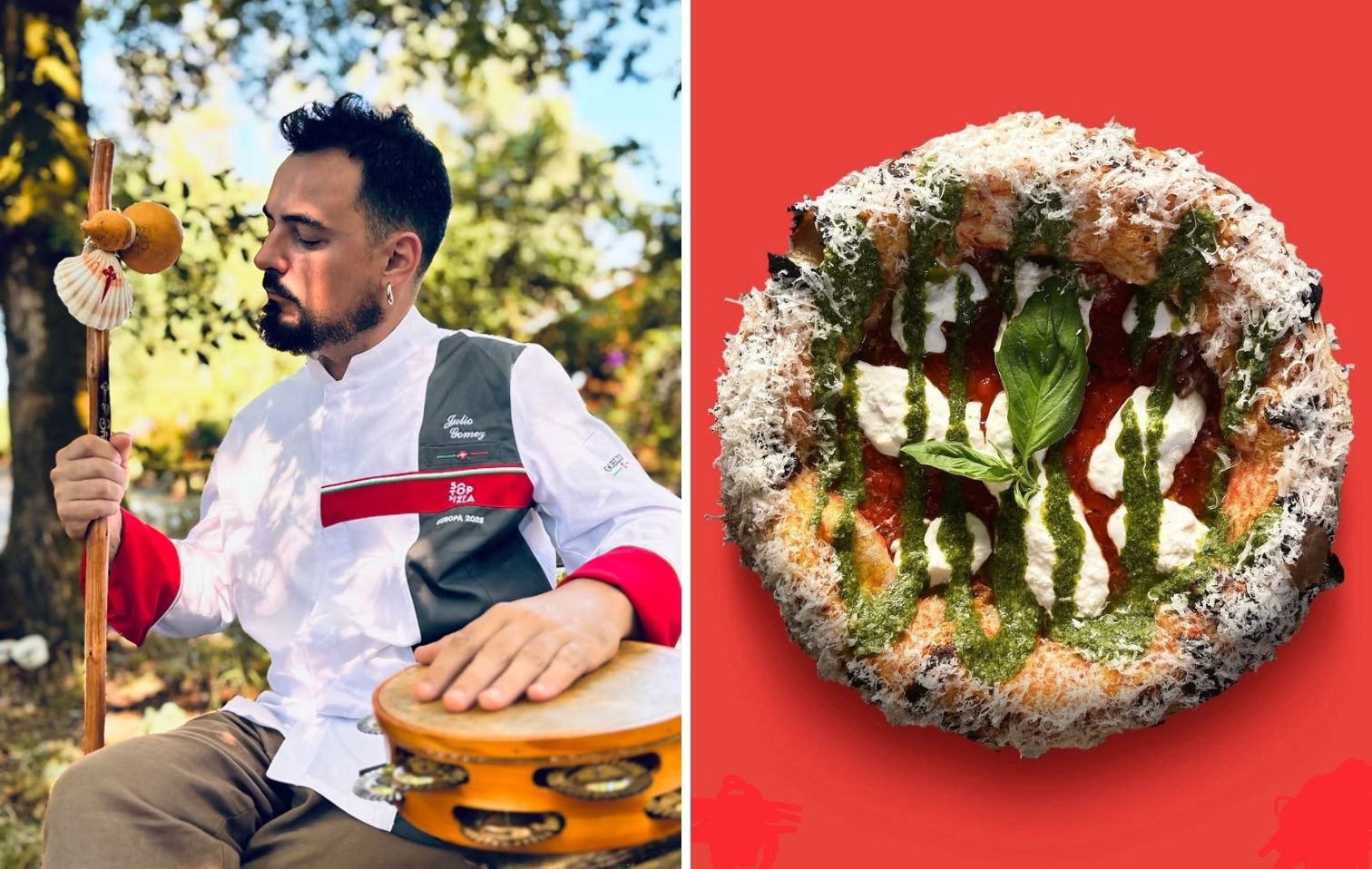
From Barcelona to Santiago, a pizza chef’s return is reshaping the Spanish pizza scene: Oura ranks among Europe’s best by focusing on tasting menus.
The Format
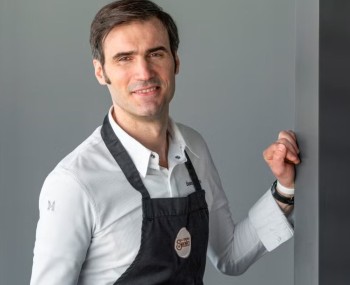
Behind the name Oura—the new star of the 50 Top Pizza Europe 2026 guide—lies a story that goes way back and, like certain great loves, is also one of a comeback. The Santiago de Compostela location entered the 50 Top Pizza European rankings directly at number fourteen, also winning the Performance of the Year – Robo Award and the Green Oven Goeldlin Award. It was a significant debut, especially considering that the Galician location opened only in December 2025. But Oura didn’t come out of nowhere. It’s the evolution of a project that its founder, Julio Gómez, had started a few years earlier in Catalonia. In 2021, Gómez opened a small takeout spot in Pineda de Mar, near Barcelona. Production was limited—almost artisanal in the strictest sense of the word—and it was precisely that choice that helped quickly build a loyal customer base. Shortly thereafter came the first restaurant, Cruel Pizza, which for two consecutive years—in 2024 and 2025—was named by 50 Top Pizza as one of Spain’s best independent pizzerias.
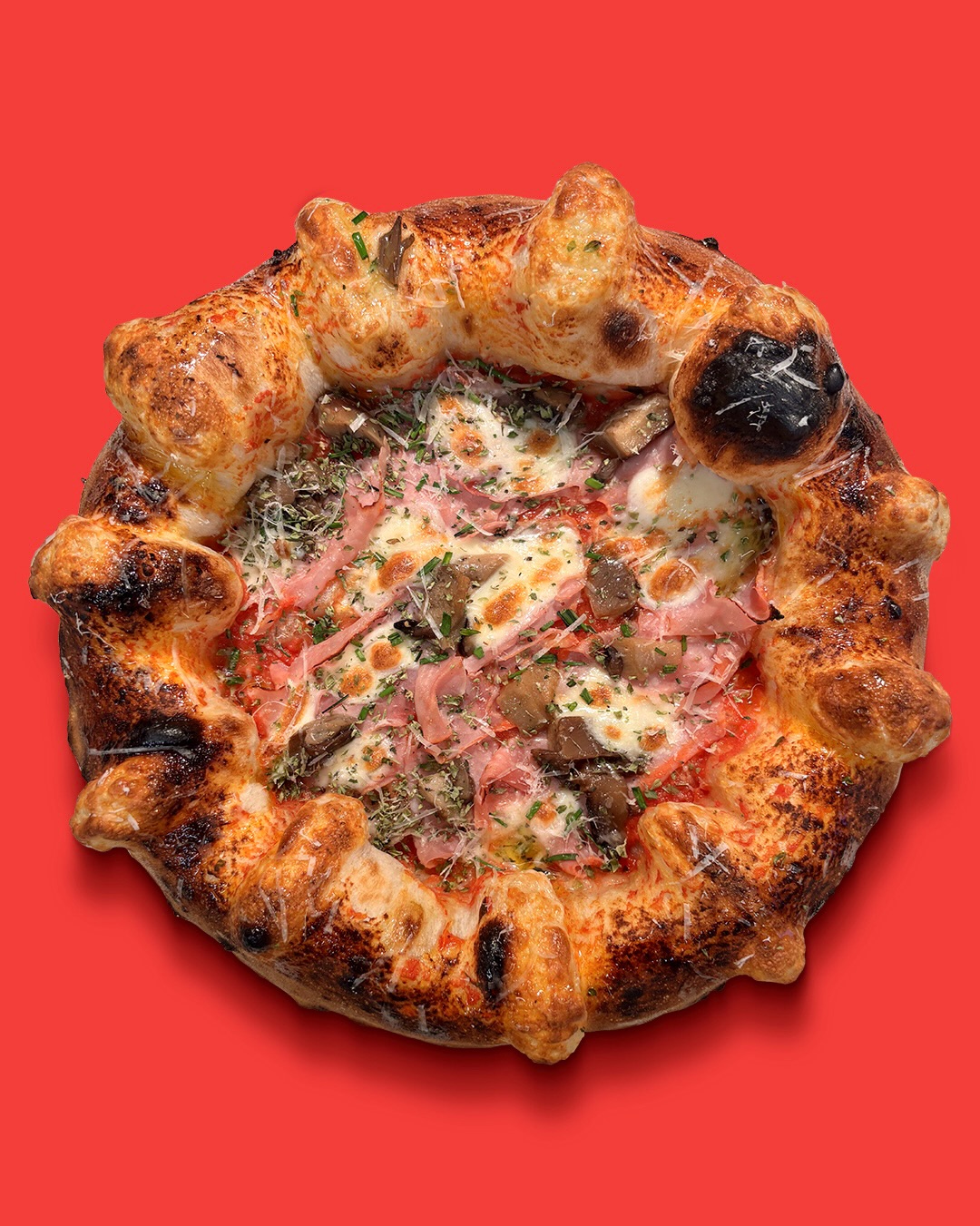
The project’s growth, however, coincided with an unexpected decision. Gómez chose to leave Catalonia and return to the city where he was born. This choice was not driven by nostalgia for its own sake, but by the desire to create a concept that engages with the region where he grew up. Oura takes shape precisely from this idea: using contemporary Neapolitan pizza techniques as a starting point, while letting Galician ingredients define its character. The restaurant is located inside El Dieciocho, in the Área Central of Santiago de Compostela, but avoids any mere stylistic exercise. The focus is primarily on the raw ingredients and on building relationships with small producers, farmers, and local businesses, who are called upon to become an integral part of the project. This philosophy is already evident in the appetizers. The escalivada is served with aioli, romesco sauce, and bread, while the stracciatella di burrata is paired with roasted cherry tomatoes and nori seaweed. These dishes are simple in concept, designed to foster an ongoing dialogue between Italian influences, Mediterranean culture, and local Galician products. Once seated, it quickly becomes clear that Oura doesn’t want to limit itself to simply serving good pizza. The impression is that of a project built around a specific idea: taking one of the world’s best-known Italian dishes and creating a natural dialogue between it and Galicia, letting the ingredients speak for the region.
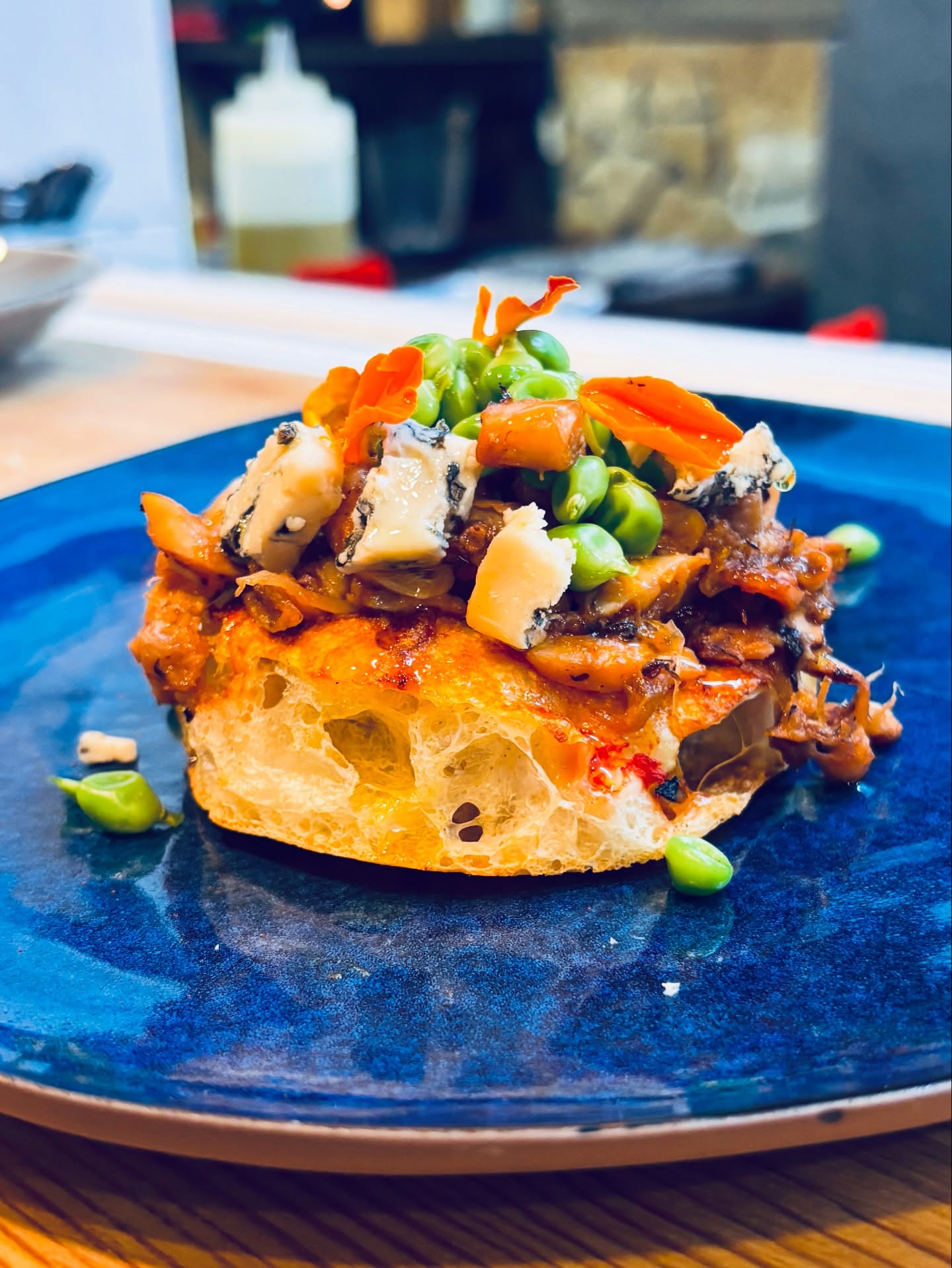
That’s why the menu avoids chasing after showy effects or eccentric combinations. The process begins with the dough, made from a starter culture using organic Italian and Galician flours, and continues with the selection of ingredients. Every ingredient seems to have a reason for being there. The blue cheese from San Sadurniño, the Celtic pig raised in the province of Lugo, the Torre de Núñez cooked ham, and the Cebreiro cheese all contribute to creating a pizza that speaks the language of its land without compromising the techniques of the Neapolitan tradition. The menu features two distinct interpretations. The Pizza Atlántica Contemporánea features a soft, well-developed crust, while the Teglia Romana offers a crispier texture and a different dough profile. Two distinct approaches to the same dough, designed to highlight textures and character rather than mere variations in toppings. The most intriguing option, however, is the tasting menu. In a world where pizza is almost always ordered as a main course, Gómez offers a tasting experience designed to showcase the many forms a single dough can take. Throughout the tasting, Roman-style pan pizza, skillet pizza, wood-fired pizza, and classic round pizza are served in rotation, allowing diners to appreciate how their structure, texture, and behavior during baking change. More than a succession of courses, it is a journey through different techniques.
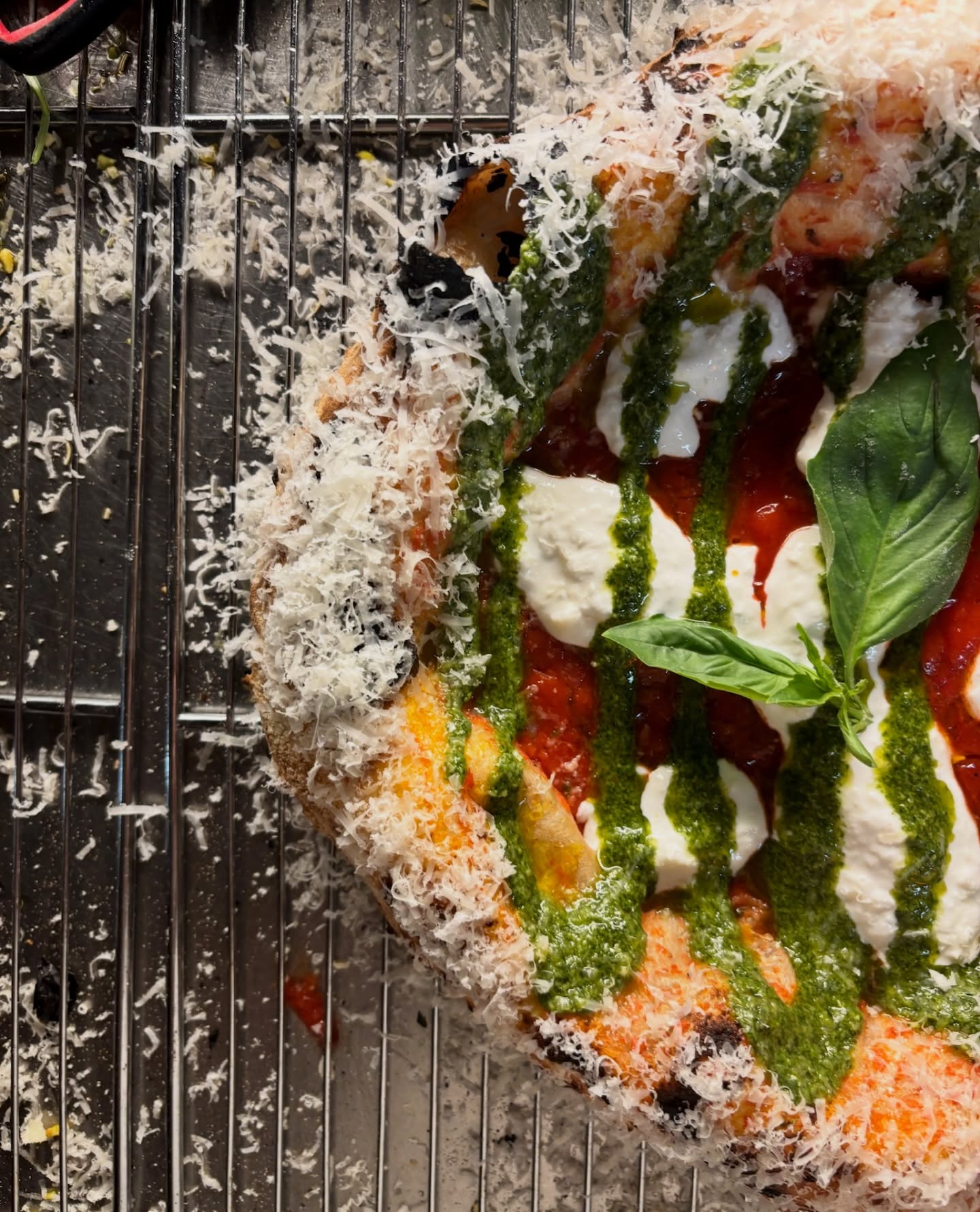
The Raíz menu, consisting of four courses, is priced at 35 euros, while Xeito expands the experience to six courses for 50 euros. Accompanying the menu is a wine selection curated by sommelier Martín Suárez, who brings to the project the experience he gained working alongside Michelin-starred restaurants. Oura’s debut takes on even greater significance when viewed in the context of the new European 50 Top Pizza ranking. Spain, in fact, has seven establishments among the continent’s best: Baldoria and Fratelli Figurato in Madrid, Sartoria Panatieri and Balmesina in Barcelona, Demaio in Bilbao, Gasparic in Girona, and Oura itself in Santiago de Compostela. Some of these pizzerias will also feature in the global ranking, which will be announced on September 15 at the Mercadante Theater in Naples during the 50 Top Pizza World 2026 ceremony. More than the numerical result, however, it is the journey that has brought this Galician restaurant this far that is truly striking. In just a few months, Oura has managed to carve out a place for itself in a ranking dominated by well-established names, proving that pizza continues to evolve even far from its places of origin. In the case of Julio Gómez, this evolution involves a return home and the decision to showcase Galicia through one of the most universal dishes in Italian cuisine.