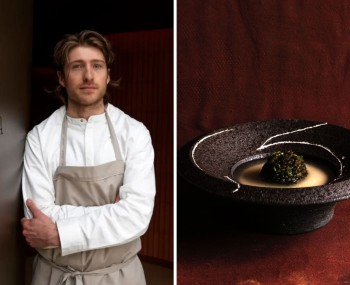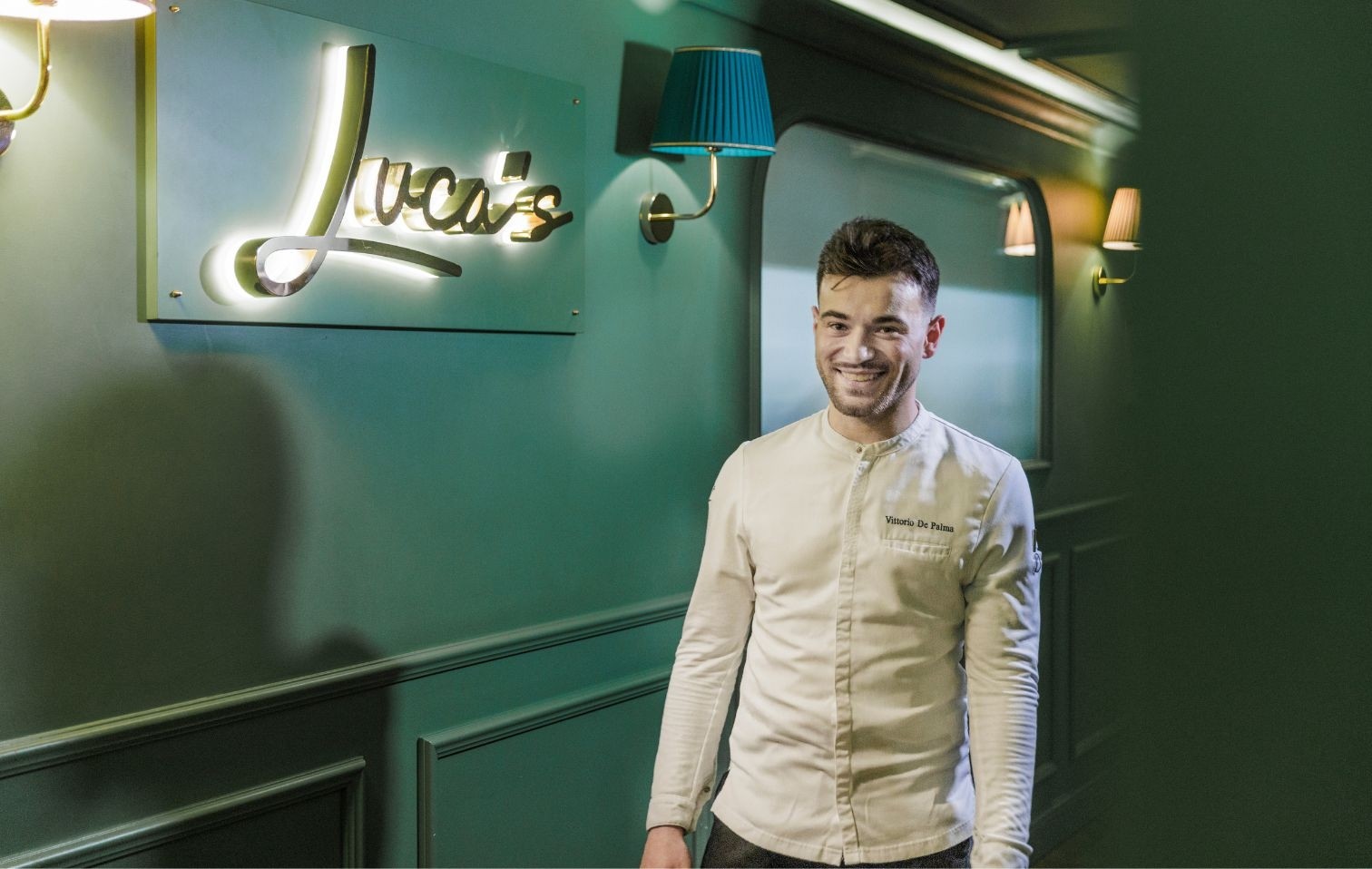
At just 26 years old, after rapidly rising through the ranks in San Sebastián and Hong Kong alongside Paulo Airaudo, the young chef from Campania is taking the reins at Luca’s in Florence with a clear vision and great determination.
*Content with promotional purposes
Official photos of La Gemma Hotel and Lorenzo Noccioli
Rapid growth, following a clear international trajectory, defines the path that led Vittorio De Palma to the helm of the restaurant Luca’s in Florence. A 26-year-old native of Benevento, De Palma is now the Resident Chef chosen by Paulo Airaudo to further develop the restaurant within the Hotel La Gemma, leading a revamped team just a few months after the restaurant earned its first Michelin star in November 2025.
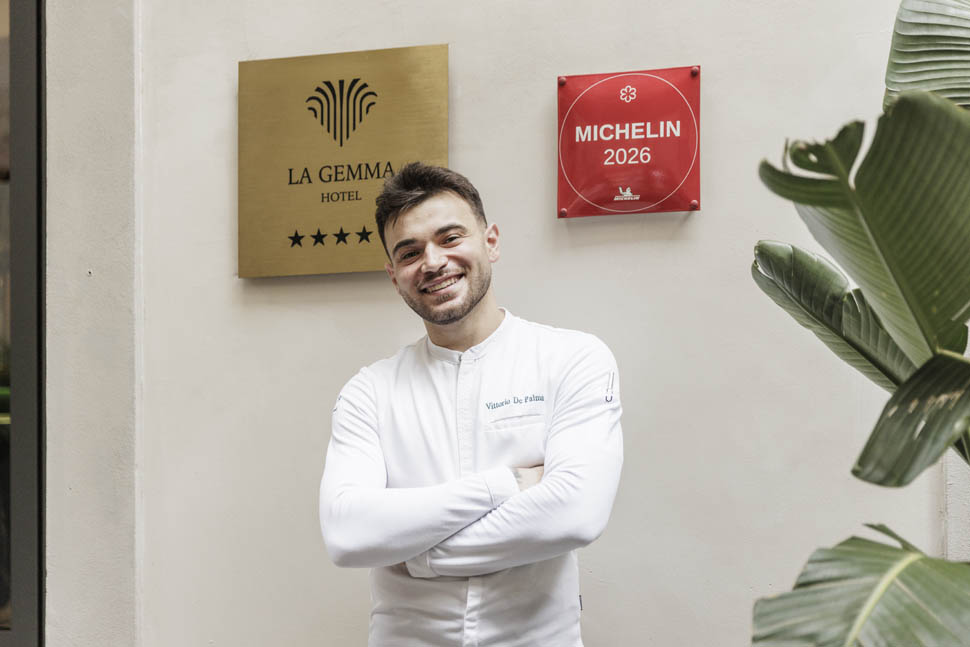
His culinary identity was forged through pivotal stints abroad, first as a sous chef at Amelia in San Sebastián and later at NOI in Hong Kong, both of which hold two Michelin stars. In this interview, De Palma looks back on the milestones of a career that began in the countryside of Pago Veiano, a village of two thousand people in the province of Benevento—where his family envisioned a future for him as a mechanic—and is now defined by the codes of global haute cuisine. It’s an approach where technical rigor and the absence of unnecessary embellishments serve to restore absolute centrality to the ingredients.
Campania, your homeland, boasts a rich gastronomic culture. How has this influence shaped your approach to food and ingredients?
I come from a small village—Pago Veiano—where the community is everything; everyone tends their own vegetable garden and raises their own animals.There’s no big-box retail there; there’s only the land. And that’s exactly where everything I know about ingredients comes from: the true flavor of a tomato just picked from the vine, the difference between a fresh egg and one that isn’t, the aroma of good meat.
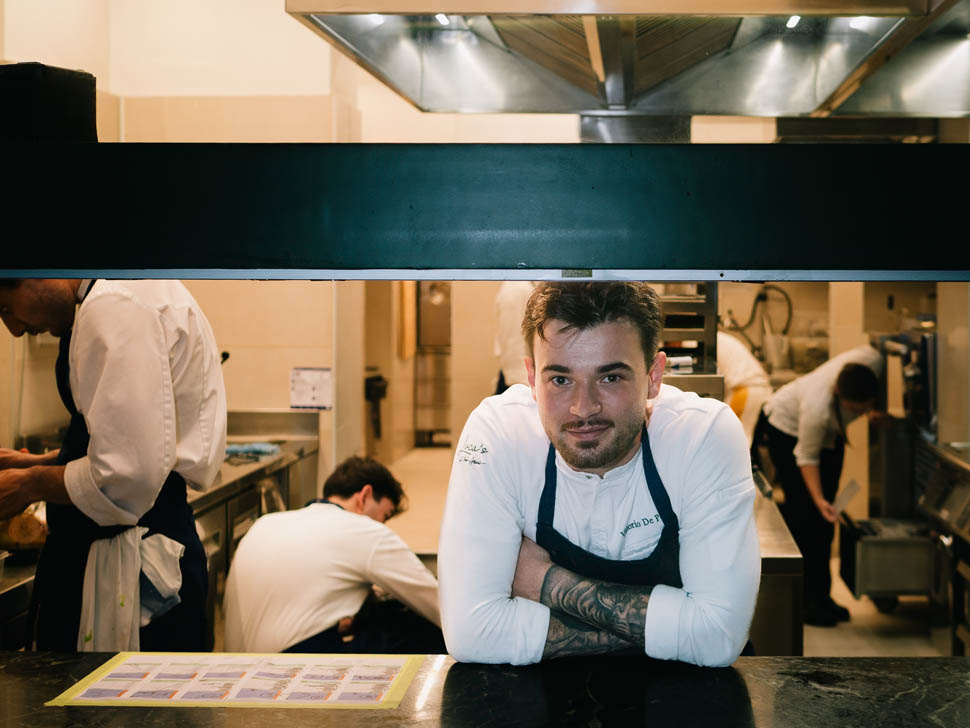
This is what still guides me in the kitchen today; for me, the ingredients always come first, even before technique and plating. My family lives in the countryside and we have a vegetable garden, but no one has ever worked in the restaurant business. In fact, my parents thought I should have become a mechanic. But I started helping out around the house from a young age—even in the kitchen—and I realized right away that my path would be to become a chef
Before you entered the world of international cuisine, what were your plans, and was there a specific job or course of study that led up to this choice?
I spent five years in culinary school, and from the very beginning, I spent a lot of my free time helping my cooking instructor when he worked at events or cooked for special occasions. That’s when I began to realize—even though I was very young—that this was what I wanted to do with my life.
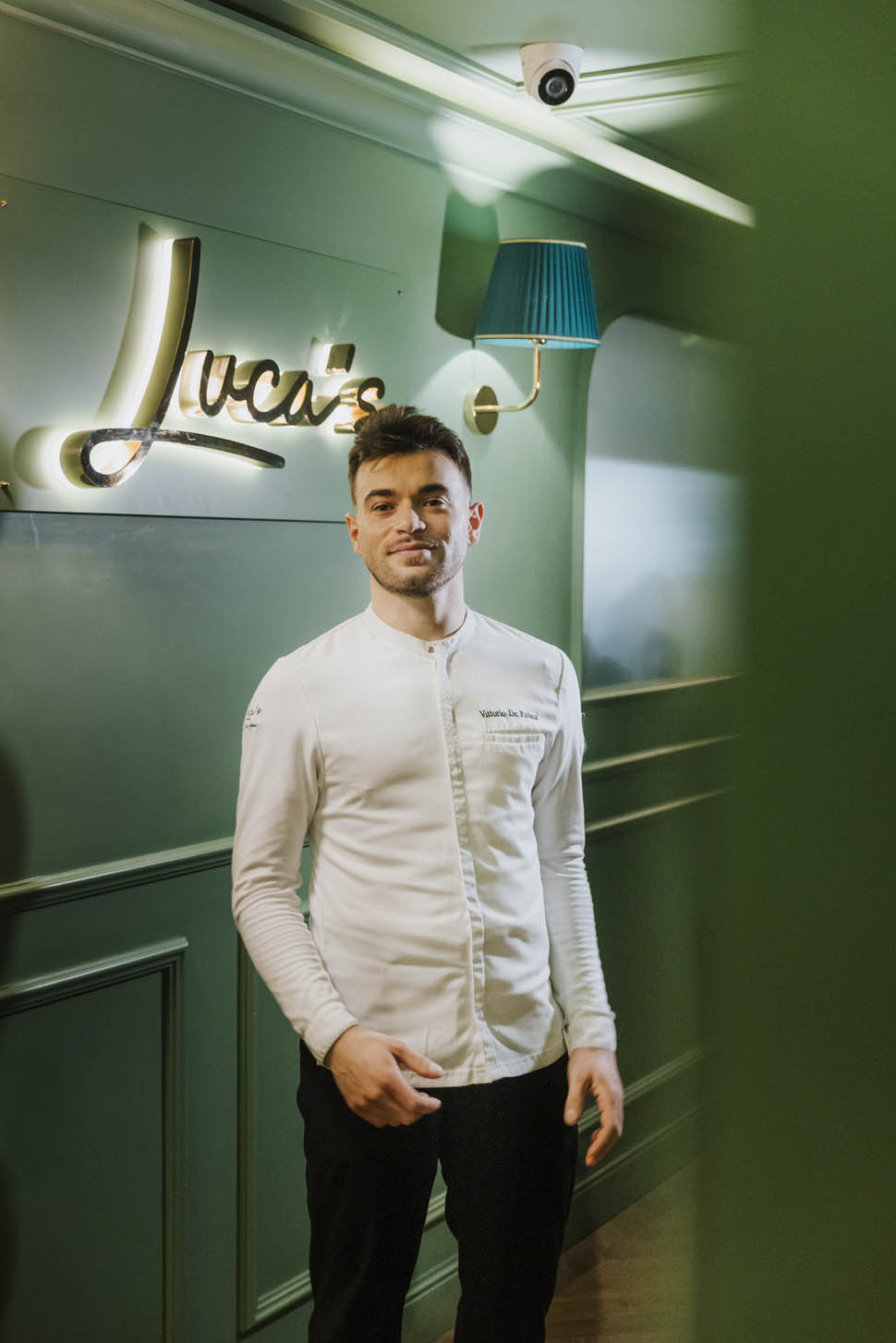
What was the moment or insight that led you to pursue a career as a chef?
I started right away by going abroad; I thought my desire to learn could be best fulfilled by aiming very high, and above all, I figured there’s always time to scale back later. I still remember the date—it was December 10, 2019, when I sent an email and my resume—which was practically blank, since I’d just graduated—to ten of Europe’s most famous three-Michelin-star restaurants.
What did I write in that email?
Simply that I had no experience but was eager to work and learn. The first to reply was Paolo Casagrande, and four months later I arrived with my suitcases at Lasarte in Barcelona. I didn’t speak English, let alone Spanish, and I was the youngest member of a kitchen staff of thirty-five people. Then the pandemic hit, and changes were inevitable—as they were for just about everyone during that time. I returned to Italy and worked as a sous chef at the restaurant of the Relais Villa D’Amelia near Cuneo, during the transition between chefs Damiano Nigro and Dennis Cesco.
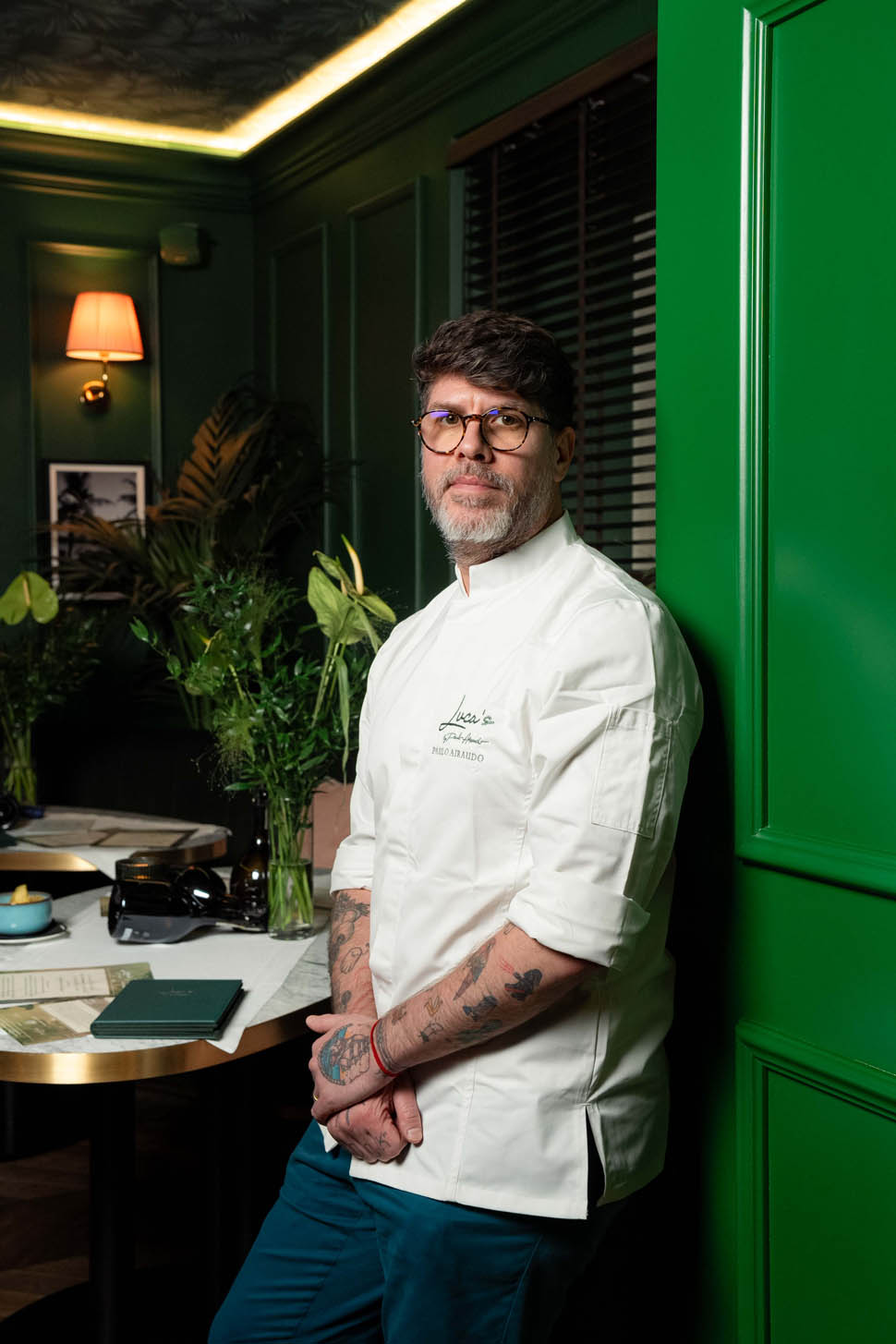
But your career really took off alongside Paulo Airaudo, first as a sous chef at Amelia in San Sebastián and later at NOI in Hong Kong—both two-Michelin-starred restaurants. How did this collaboration come about, and what convinced you to tie your professional growth so closely to his?
I met Paulo through “his” chef at NOI in Hong Kong, Luigi Troiano—who is also from Pago Veiano—who told me they were looking for staff in San Sebastián, and I started right away as a chef de partie. Perhaps Paulo realized right away that I’m a bit of a control freak, and perhaps also due to a staff shortage, he promoted me to sous chef shortly afterward, allowing me to fast-track my career and stay there for three years.
He was my true mentor; his approach, his discipline, and his vision of cooking are clear and well-defined. The ingredient is at the heart of the dish, in all its quality. No compromises, no unnecessary embellishments. That’s why we clicked right away. If I had to name another chef for whom I have the utmost admiration, I’d say Carlo Cracco. When I started culinary school, he was at the height of his media fame, and he immediately became a role model for me. I have all his books, and this year at Festavico I had the chance to let him taste one of my dishes—I couldn’t believe it.
San Sebastián and Hong Kong are two of the world’s culinary capitals—what lessons did you take away from these highly competitive environments?
San Sebastián teaches you to go deep; there, you learn about the culture of ingredients and respect for the historical roots of cuisine, which is the only way to make it relevant today. Hong Kong is a beautiful, incredible city, even if it’s chaotic. It’s like living a hundred years in the future—the facilities are state-of-the-art, and every day the finest ingredients arrive from all over the world for a truly international clientele. You’ll find top-tier French restaurants, top-tier Italian ones… basically, you have the whole world packed into a single kitchen. You don’t need to travel all the way to Peru to experience authentic Peruvian cuisine at the highest level—you can find it all right there. At NOI, I worked closely with Chef Luigi Troiano, who is very meticulous; I had the opportunity to work with the world’s finest ingredients from every corner of the globe. That’s where I realized something I carry with me every day: simple things, done well, make all the difference—precision, cleanliness, and absolute respect for the ingredient.
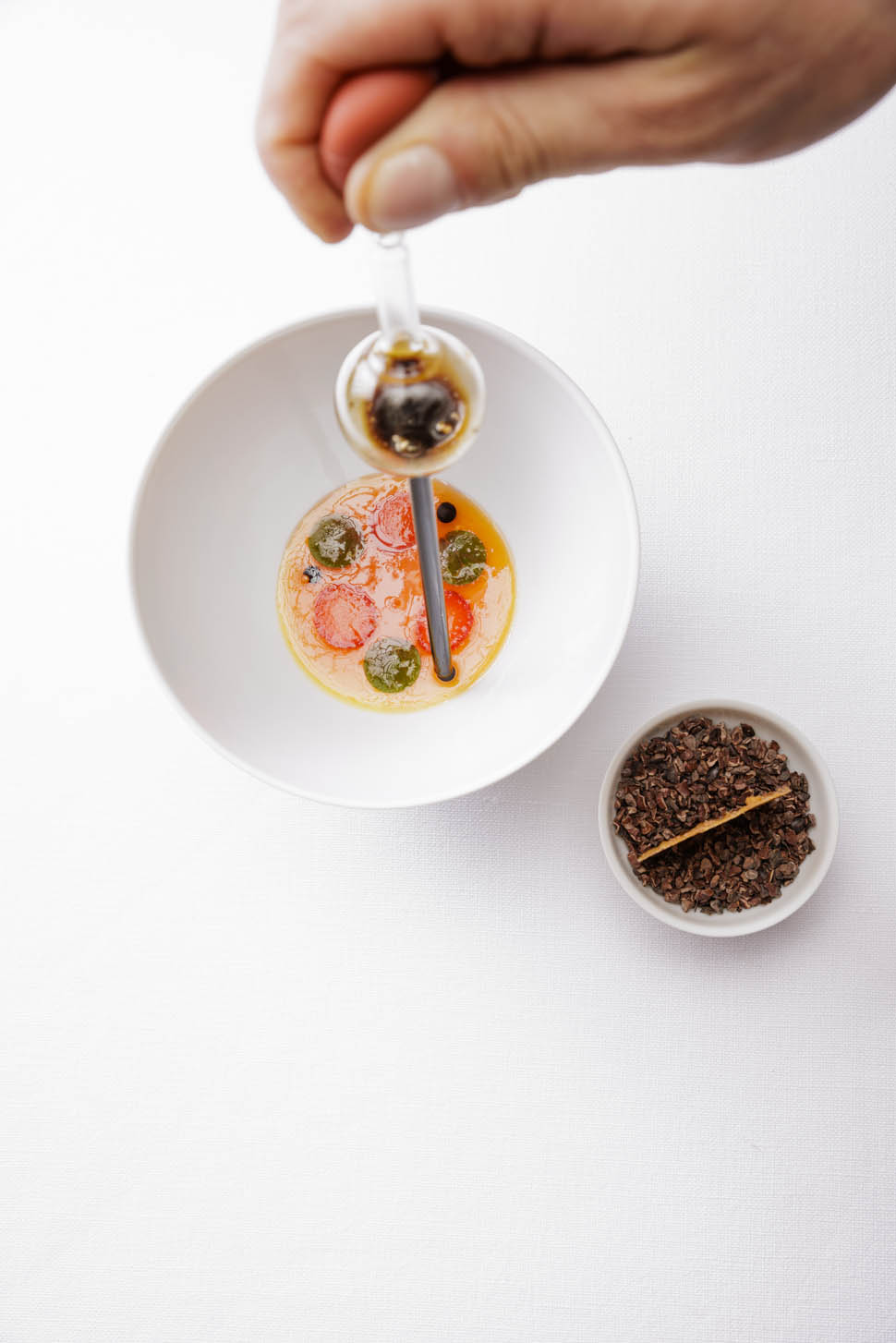
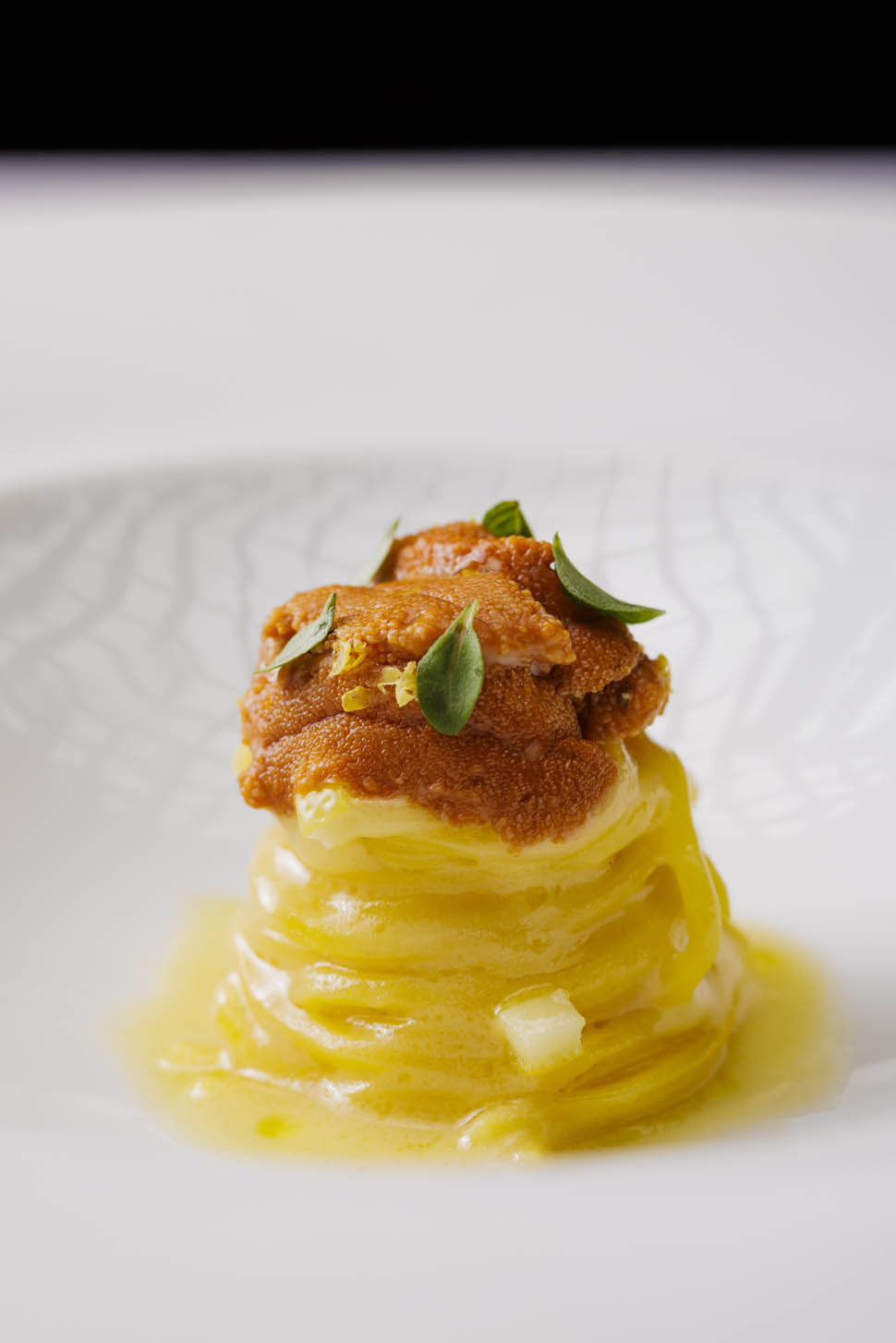
How does sharing Airaudo’s approach, precision, and culinary philosophy translate into your daily work in the kitchen?
Paulo and I are in constant communication about all decisions, ingredients, menu changes, and so on, given his vast experience and knowledge—and his eight Michelin stars scattered around the world. Let’s just say I have a lot of creative freedom, always within certain guidelines, such as keeping the ingredient at the center of everything and seeking out the absolute highest quality.
Luca’s earned its first Michelin star in November 2025—what kind of challenge does taking over the kitchen present immediately after such a significant milestone?
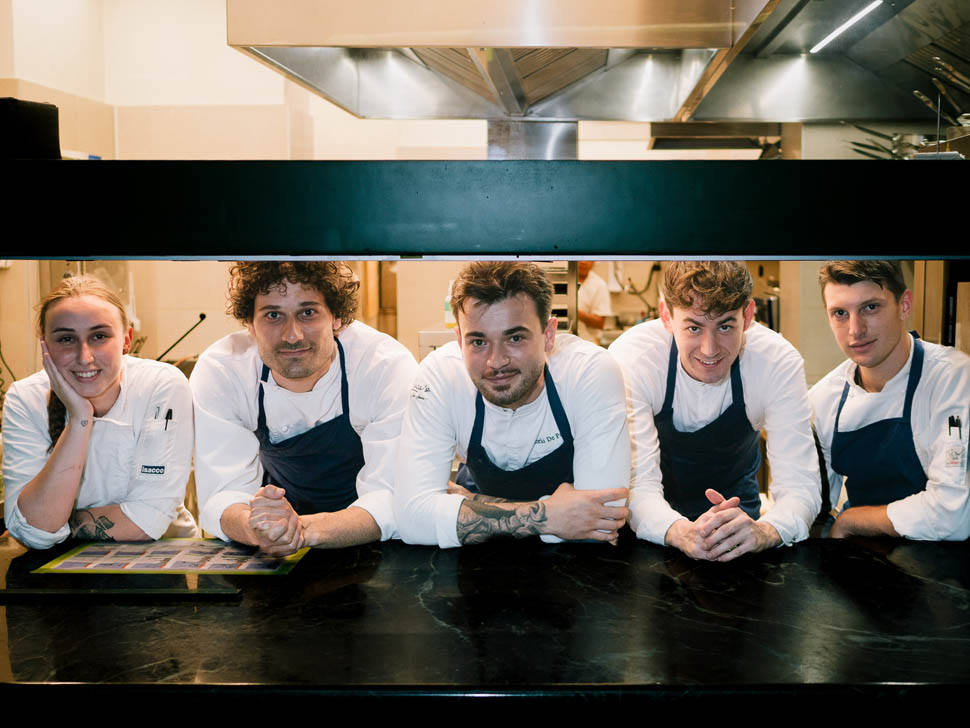
I’m taking it in stride, though of course with the sense of responsibility that managing a team of ten people requires; it was my greatest wish, and now I’m making it a reality. The time has finally come for me to put myself to the test. Working in a hotel is certainly very stimulating and educational because, in addition to the restaurant, I oversee the entire menu—from breakfast to lunch (which has a more limited selection than dinner) to pintxos, the Basque tapas served with aperitifs.
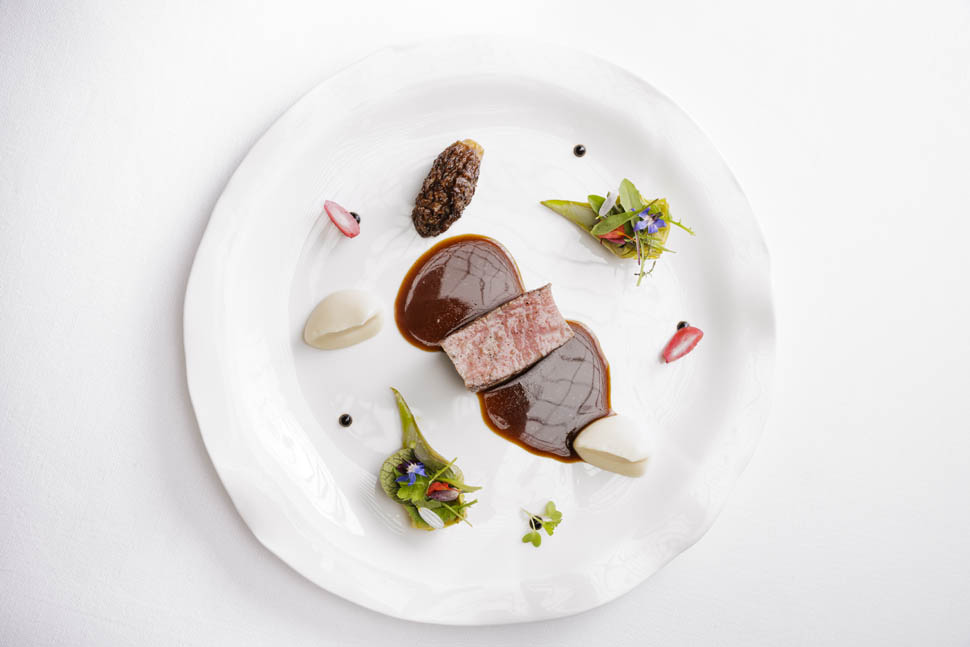
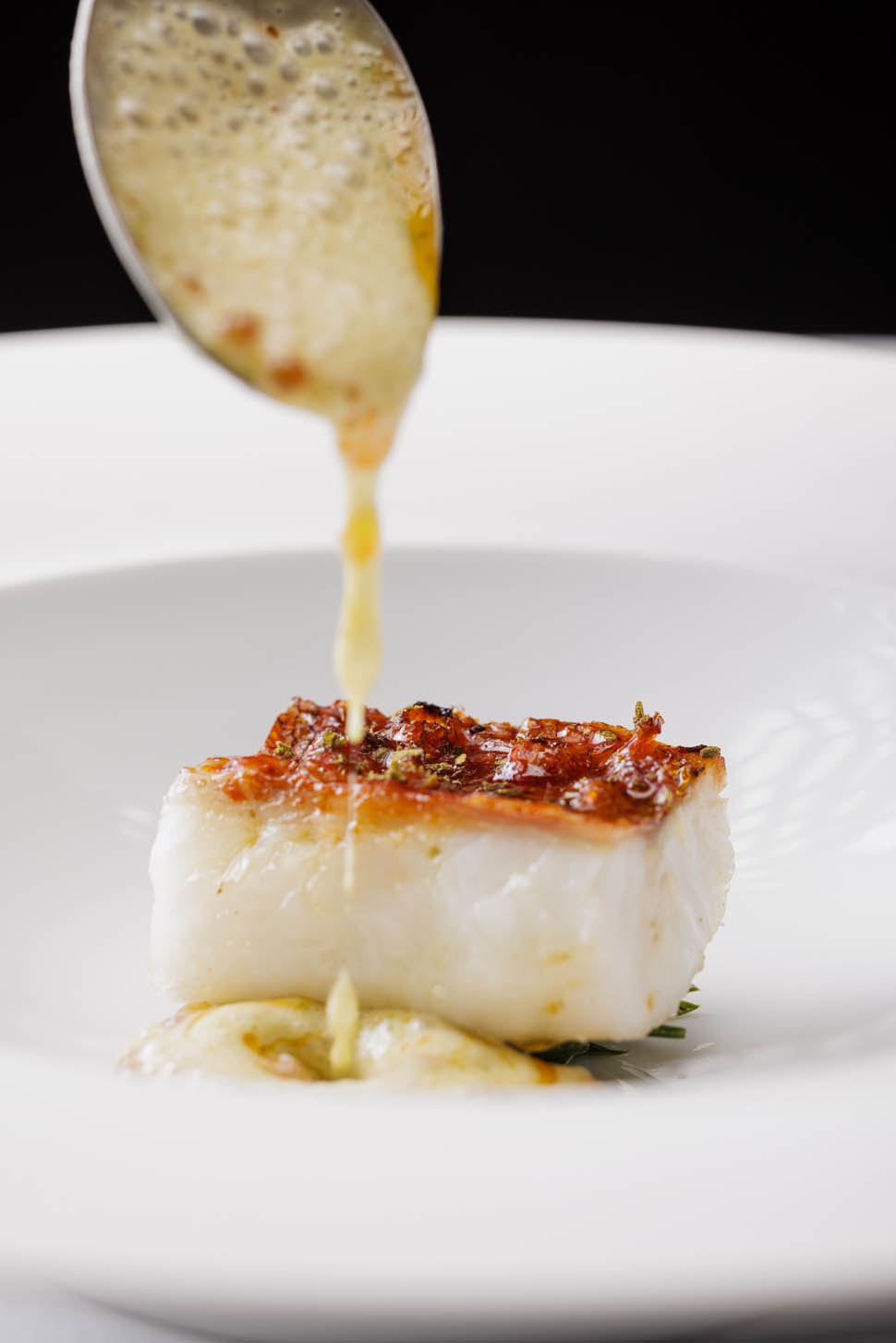
Florence has a strong historical and culinary identity. How does Airaudo’s international culinary approach interact with the city?
What I want to make clear is that the cuisine at Luca’s doesn’t seek to overshadow the Florentine culinary tradition, but rather to create an exchange—to bring an international perspective that is nonetheless attuned to the local context. Guests at Luca’s—whether they’re from Florence or from the other side of the world—should feel a sense of coherence between the place that welcomes them, the history that surrounds them, and what they find on their plate. To be more specific, I’ve been studying Florentine cuisine extensively, and I’ve been particularly struck by the use of spices—especially pepper. That’s why I’ve added a veal fillet to the menu with a sauce made from three types of pepper—Jamaican, green, and long—inspired by peposo.
What are the initial goals you’ve set for yourself, together with the new front-of-house and kitchen team, to consolidate and further elevate the Luca’s experience?
To maintain high standards by incorporating what I’ve developed from my personal experiences in Asia, Spain, and a bit of Campania, using only the finest ingredients available on the market. Of course, we’d all love to follow in the footsteps of Aitor Zabala—the Catalan chef and owner of Somni in West Hollywood, who earned three Michelin stars in just seven months—but we need to keep our feet on the ground and work hard.
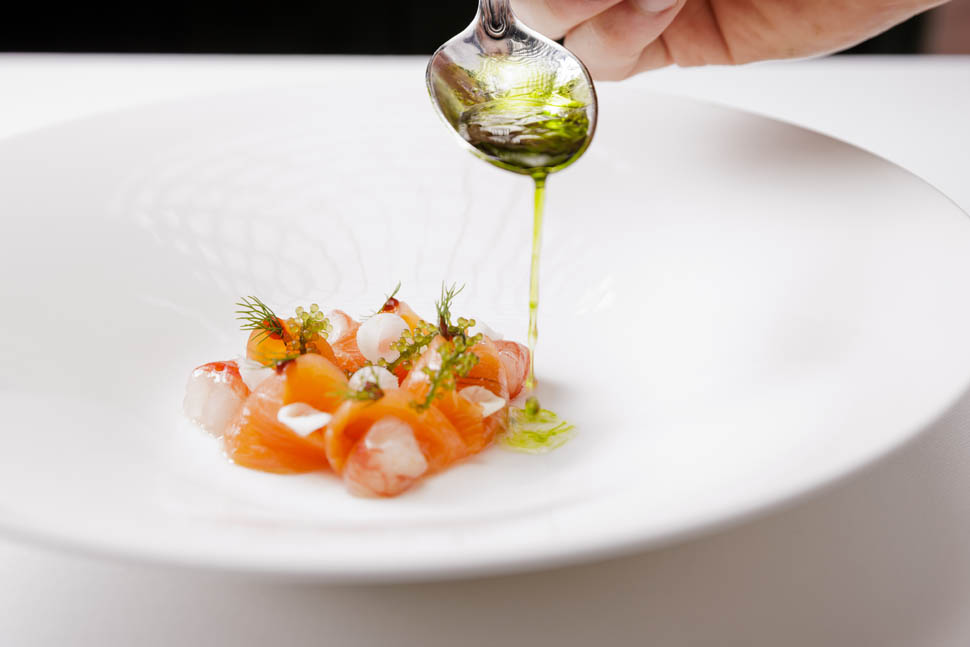
Hotel La Gemma - Luca's
Via Dei Cavalieri 2C, 50123, Florence (IT)
EMAIL: info@lagemmahotel.com
Hotel Phone: +39 055 0105200