At Identità Golose 2026, the chef from Da Lucio discusses the freedom to rethink pasta and his new research project aimed at describing the flavor of every single species of fish.
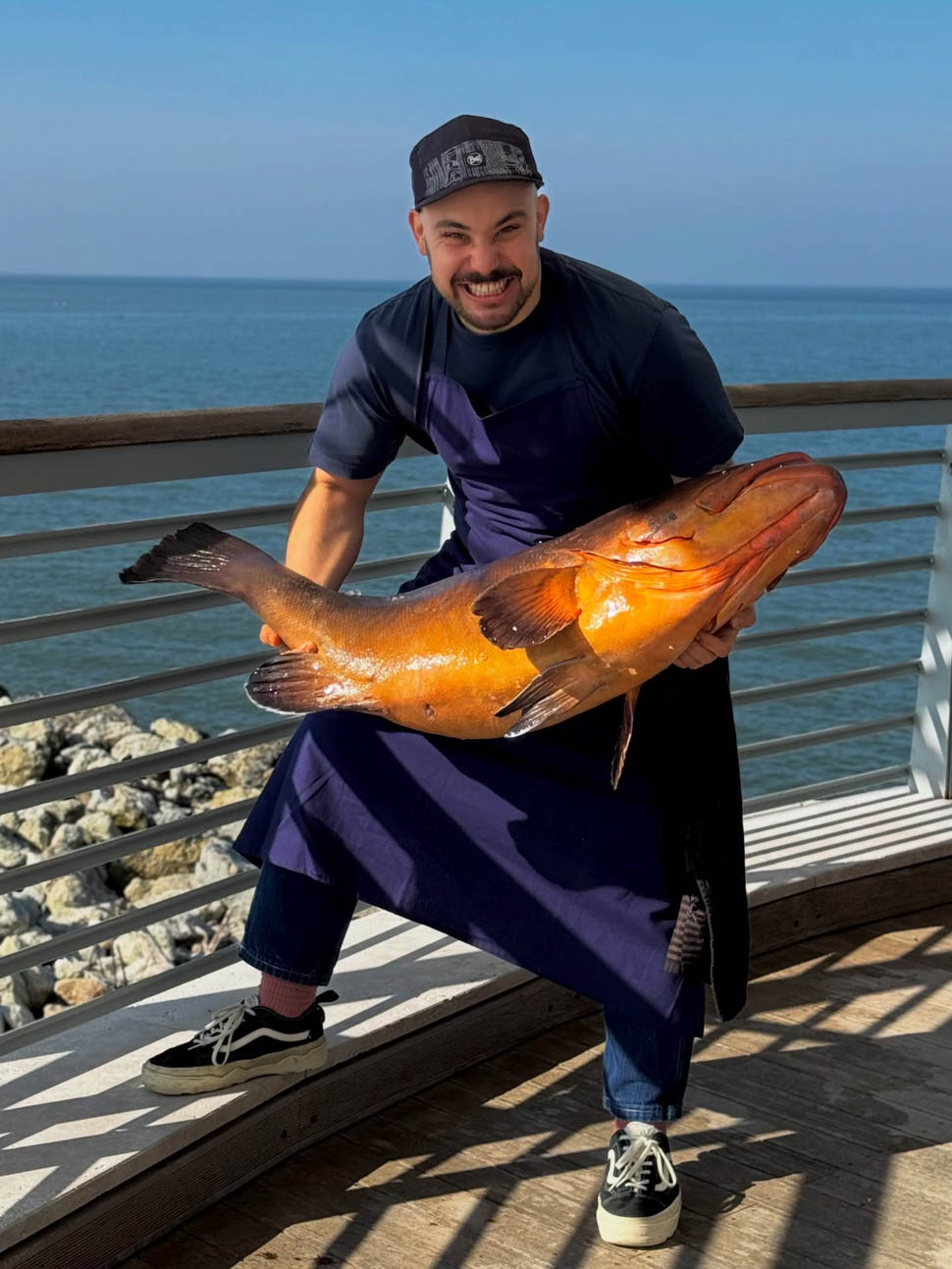
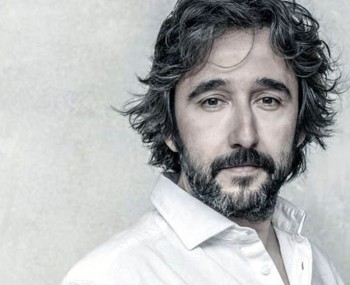
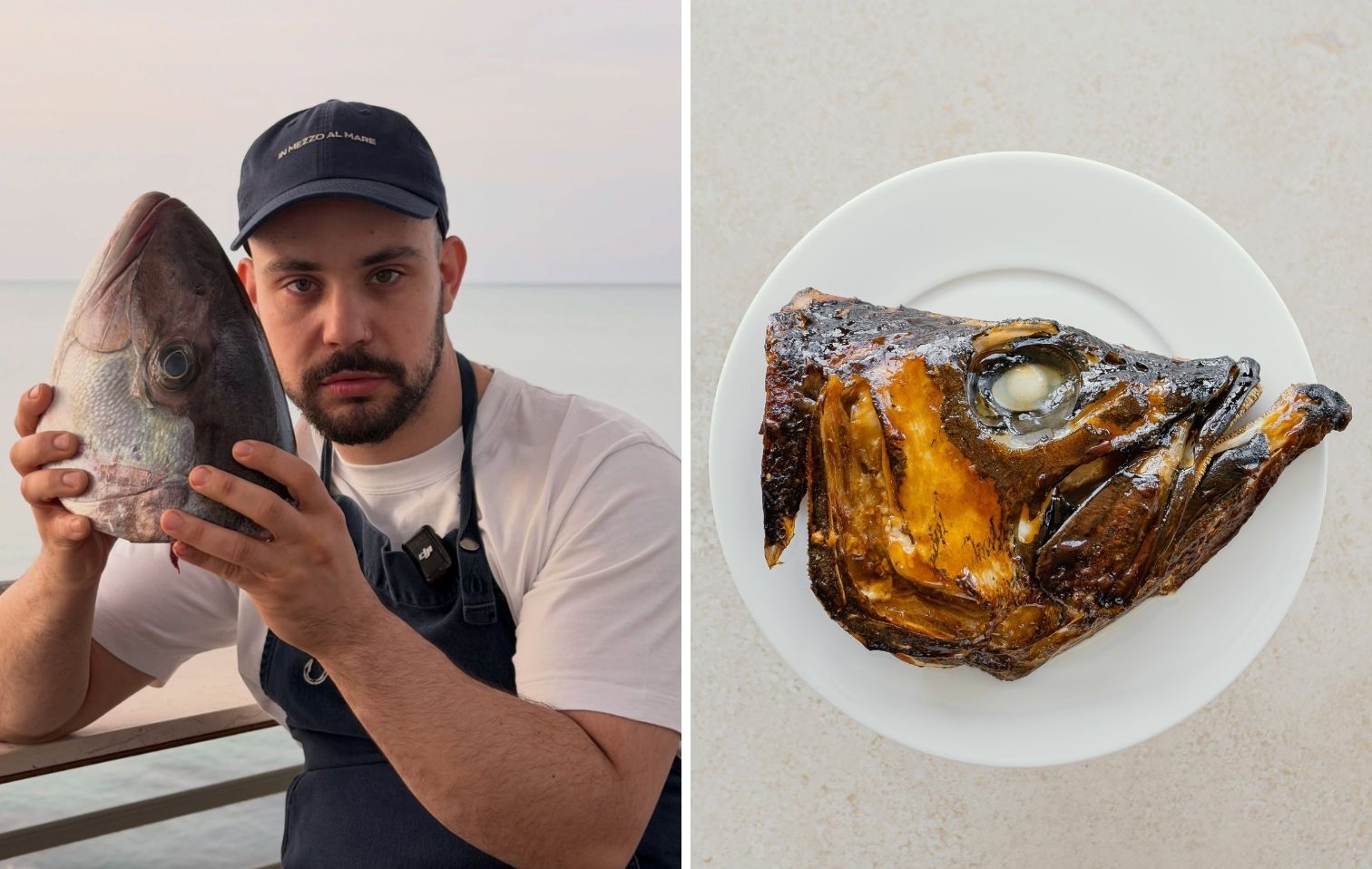
In just a few years, Jacopo Ticchi has become one of the most interesting names in the new wave of Italian seafood cuisine. At his restaurant Da Lucio, which now overlooks the Darsena in Rimini, he has crafted a culinary journey that has helped change the way many chefs view seafood. The aging and maturation techniques he has devoted himself to—now known far beyond the borders of Romagna—do not, however, represent the culmination of his work, but merely one of the tools through which he deepens his understanding of the raw ingredients. Anyone who has had the opportunity to follow the evolution of his cuisine knows that Ticchi is not interested in establishing a definitive method. Every new exploration inevitably raises a subsequent question. This happened with the maturation of fish, then with his work on the grill, and today with an even more complex theme: trying to understand—and above all, to describe—what the taste of the sea truly means.
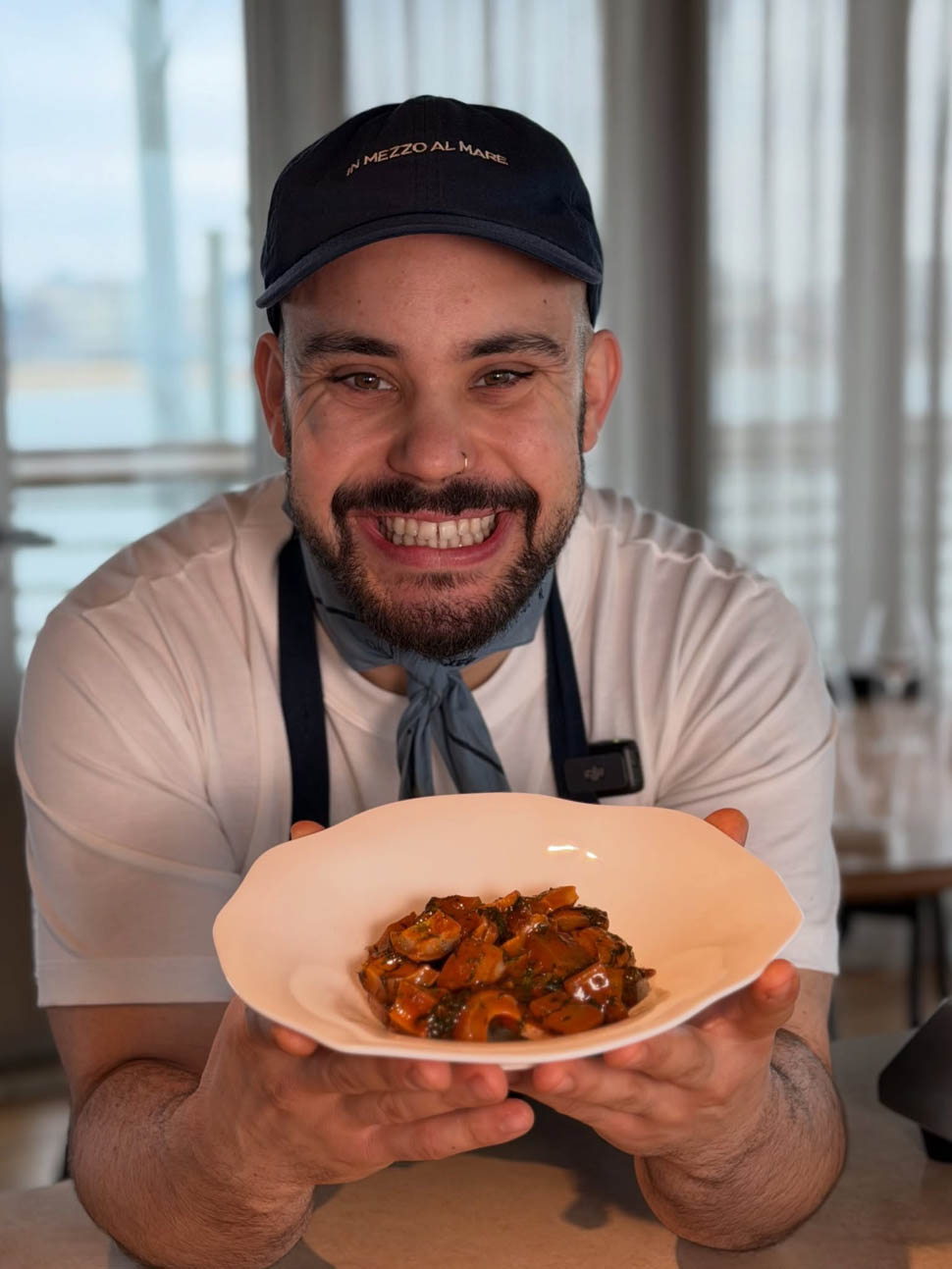
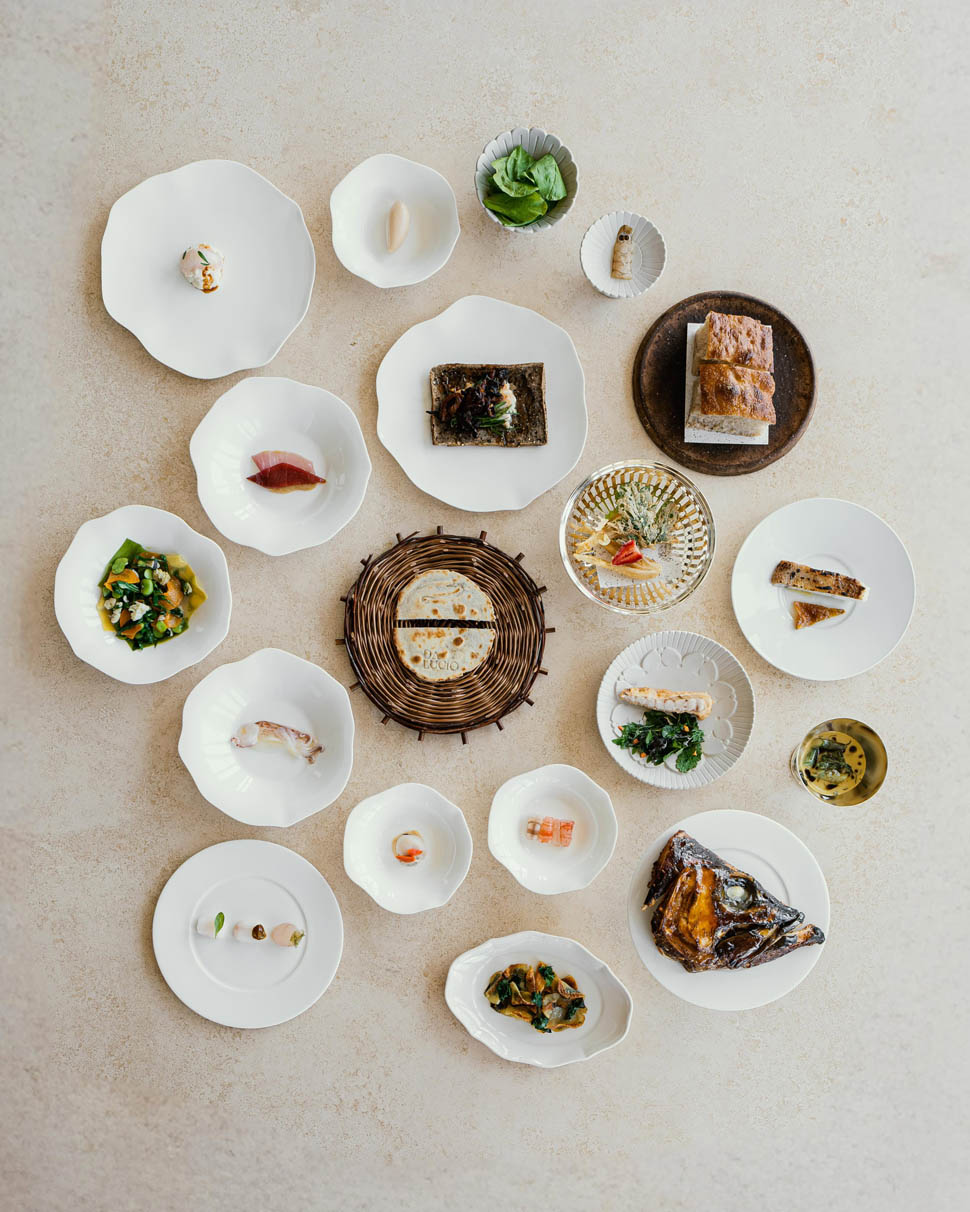
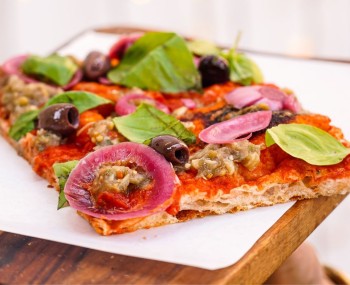
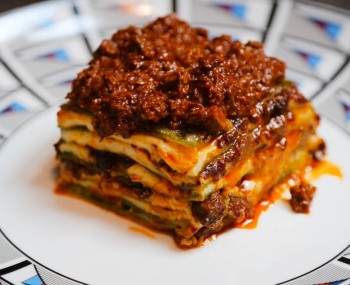
His presentation at Identità Golose 2026 (Identità di pasta, ed.), dedicated to the theme “Future Identities: Freedom to Think,” followed exactly this direction. Rather than presenting a series of recipes, the chef chose to share a way of thinking about cuisine. On stage, Ticchi brought out eight pasta dishes. A choice that might seem unusual for a chef whose cuisine is deeply rooted in seafood, but one that becomes the most direct way to address the theme of freedom. “I didn’t want to focus on a single dish. I like a maximalist narrative, bringing together many possibilities. For me, pasta represents a multitude of interpretations.”
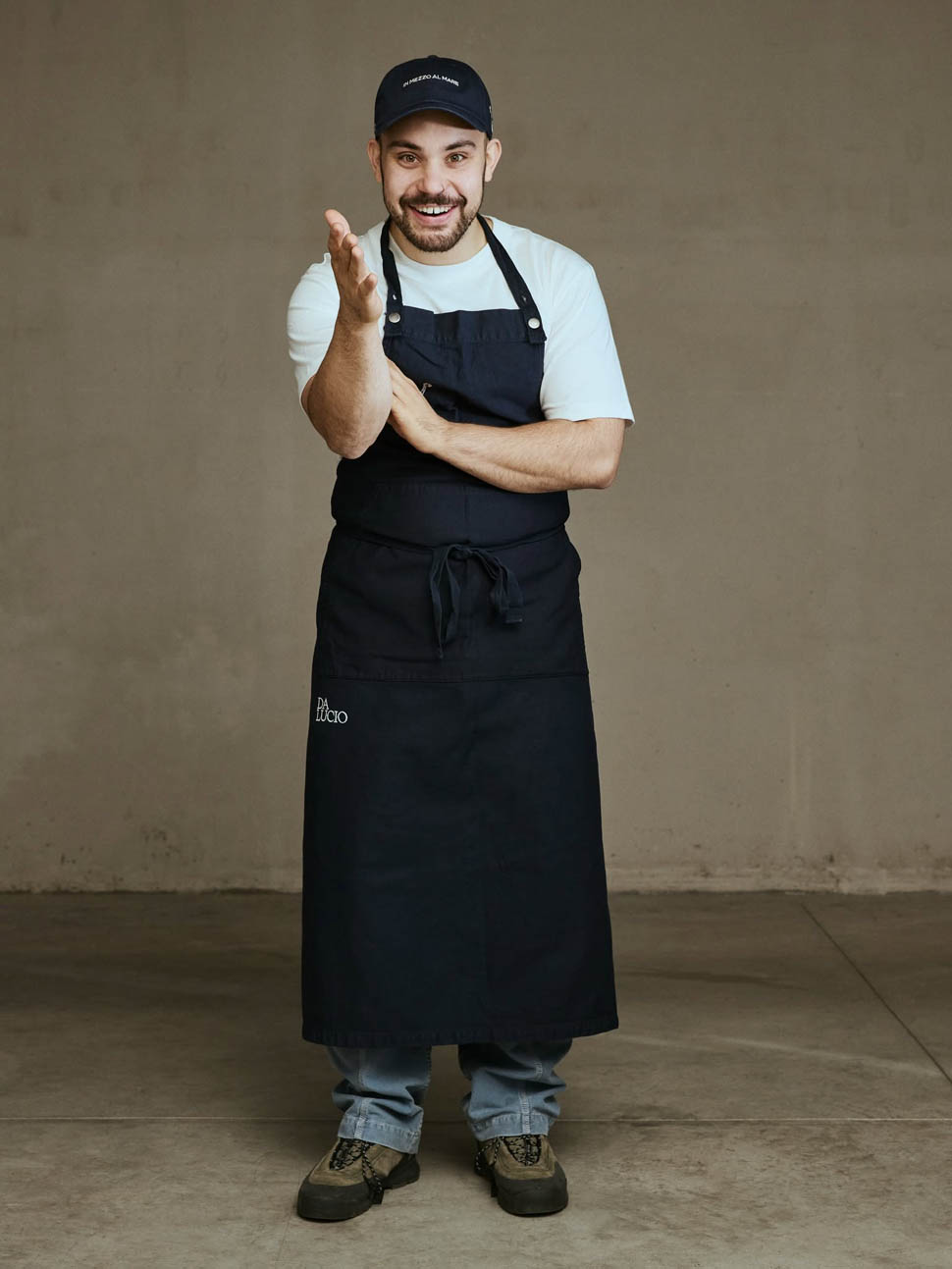
The goal isn’t to present eight recipes, but to challenge certain beliefs that now seem set in stone. “We’re used to thinking of pasta as a first course, that it belongs between the appetizer and the main course, that it should be boiled and then tossed with sauce. But pasta is, above all, a preparation, a vehicle. The freedom to rethink it means breaking it free from its usual conventions.” For Ticchi, this freedom stems precisely from imagining that we’re observing an ingredient as a child would, without the burden of convention. “That’s how my project began. By trying to look at things as if I didn’t already know them, giving them new meaning. Tradition is fundamental; it allows us to move forward more quickly and provides us with important tools. But it can’t stop us from continuing to ask questions.”
There is no such thing as the “taste of the sea.” There are only the flavors of fish.
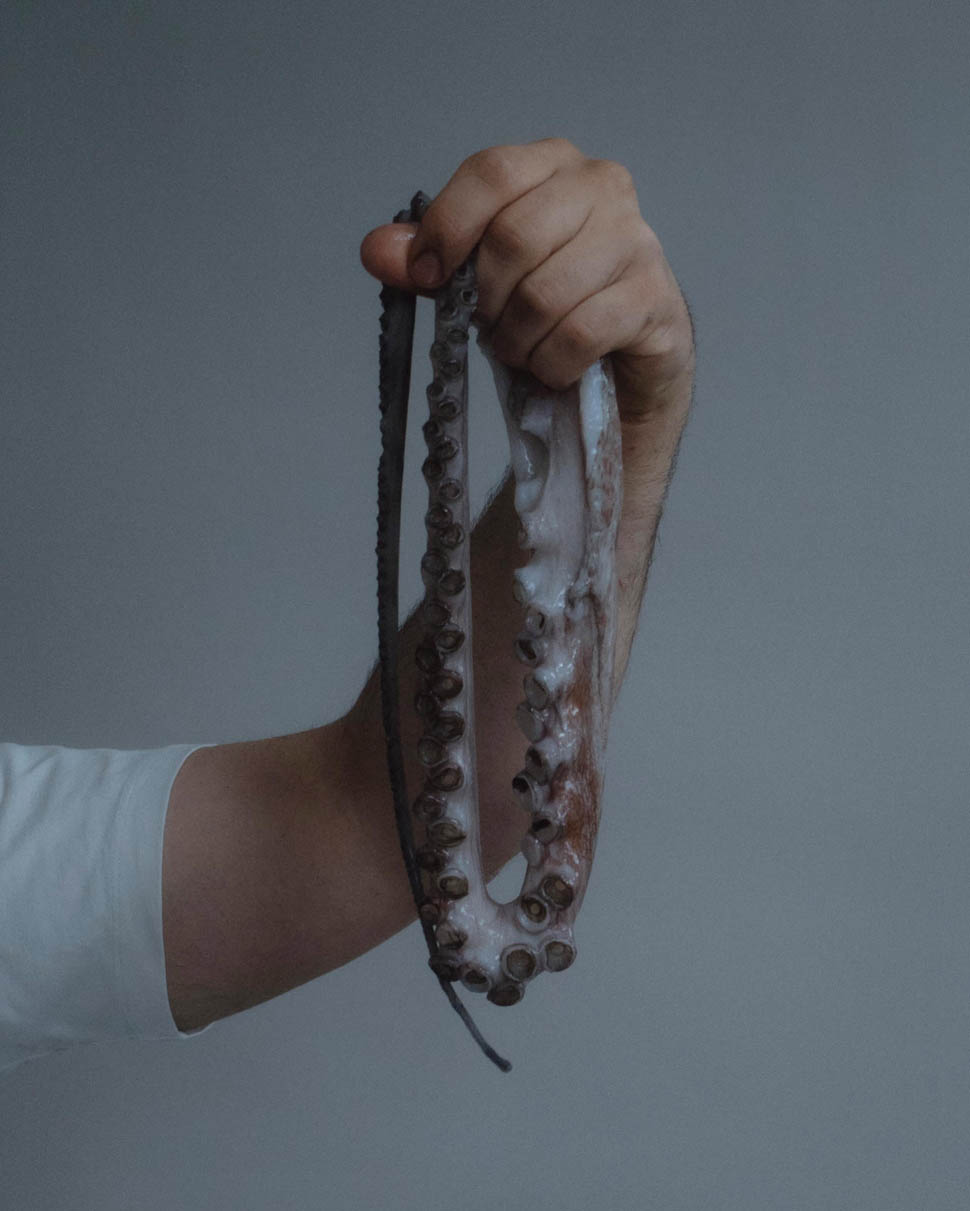
In recent years, Jacopo Ticchi has helped spread a new culture of fish aging. Today, however, his research has taken him even further. “What I hope to achieve is to describe the flavor of every single fish. I’d like to be able to describe it in simple words that everyone can understand.” This reflection stems from a seemingly trivial question: What does the sea taste like? According to Ticchi, the most common answer is also the least precise. “Today, we’ve constructed a mental image of the sea that often coincides with certain very specific flavors: oysters, sea urchins, and shrimp heads. But it’s a construct of memory.”
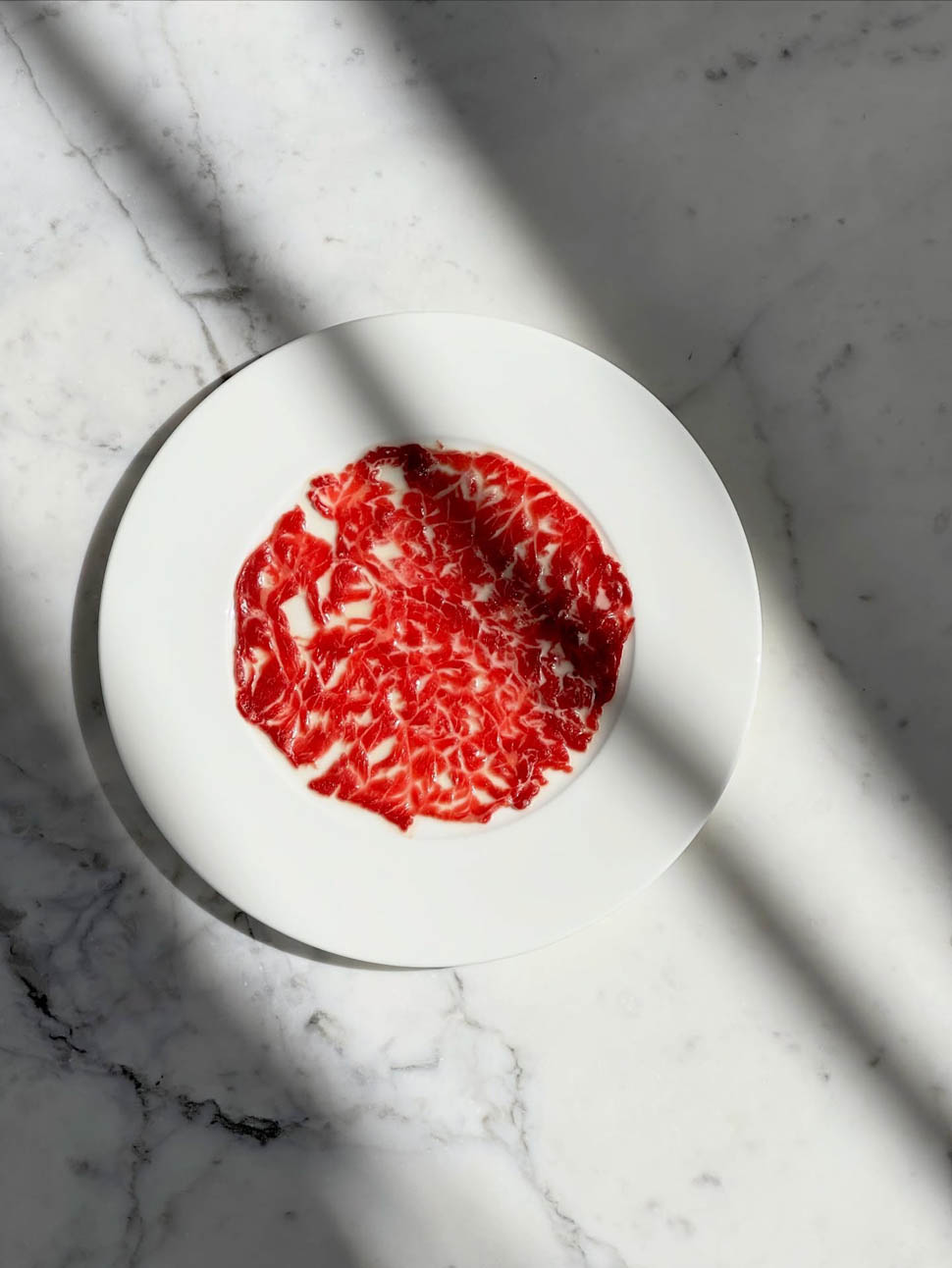
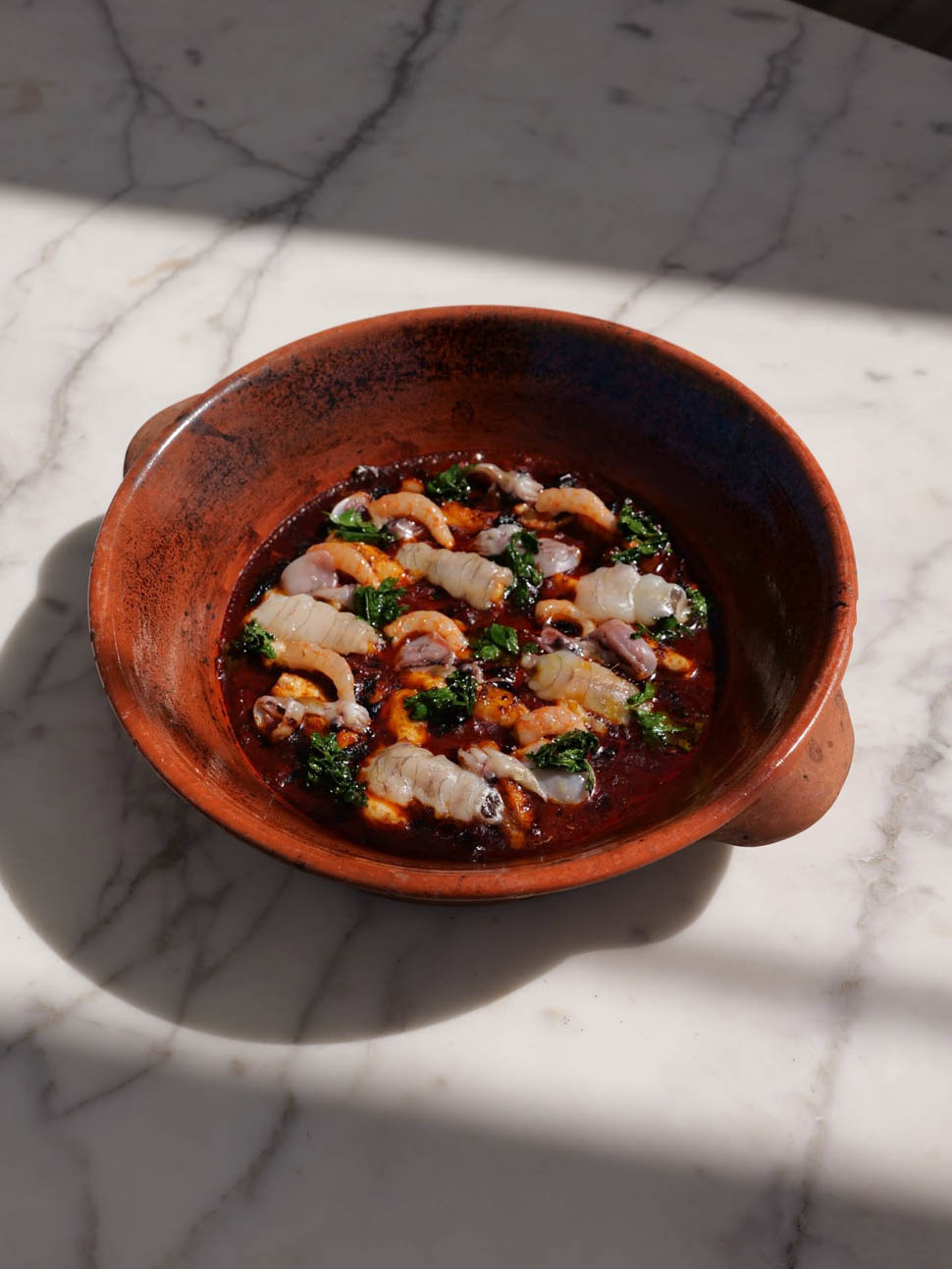
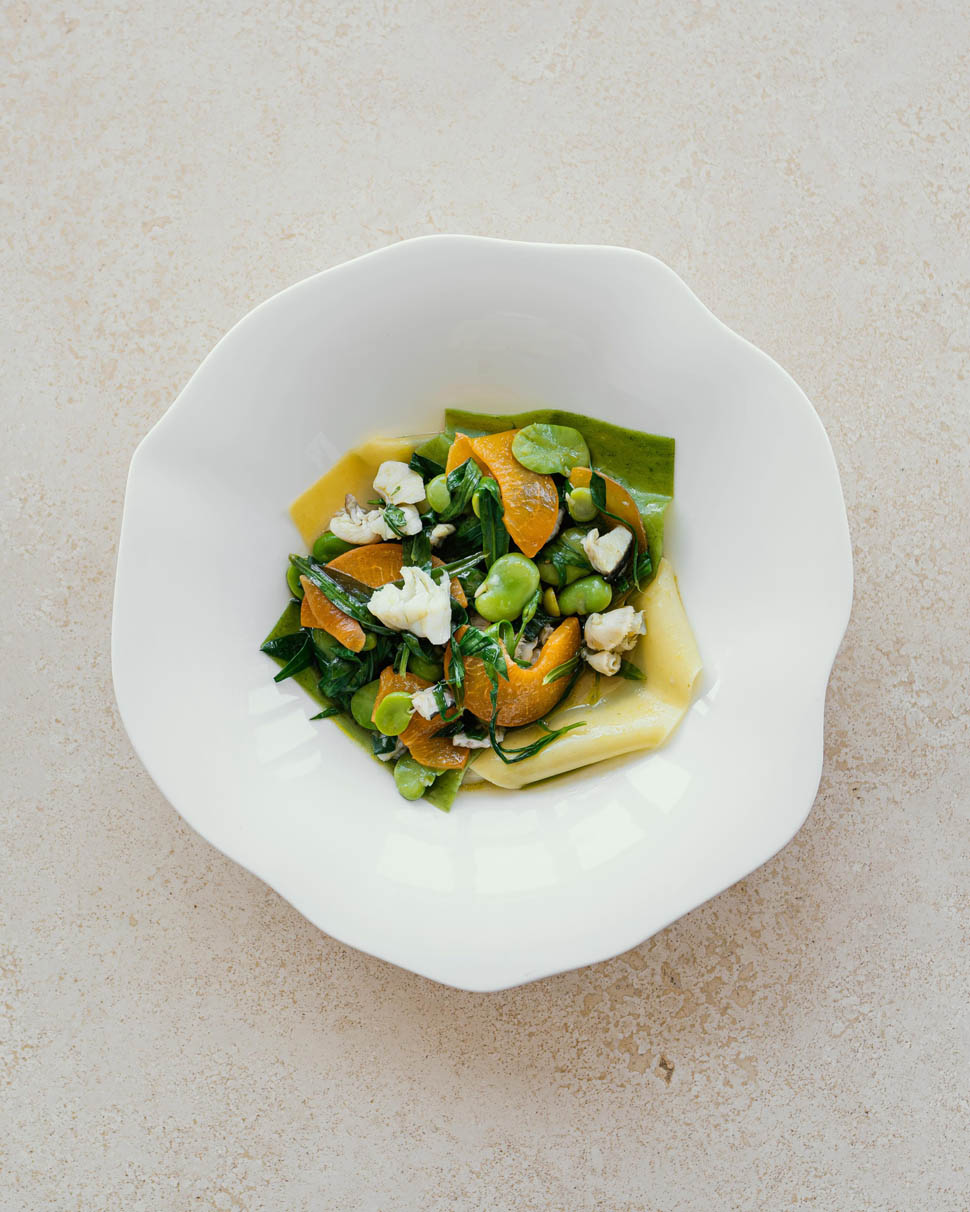
This is also demonstrated by the way we perceive seaweed. “Some people say that one kind of seaweed tastes like the sea and another doesn’t. But they’re both seaweed; they both come from the sea. Why should one represent it more than the other?” The same goes for fish. A sea bass, a striped sea bream, or a gilthead sea bream do not share a single flavor. They have profoundly different flavor profiles, which are often reduced to a generic definition that coincides with the typical seasoning we grew up with. This is precisely where Ticchi’s work is focused today: building a vocabulary capable of describing the sea through its differences, rather than through a single conventional idea.