Best of the World

King’s Joy: The 3-star vegetarian Chinese restaurant with one of the longest waiting lists in the world

by:
Elisa Erriu
|
copertina gary yin

The News

In recent months, the name King's Joy has also been in the spotlight for a decidedly unusual reason. According to a source cited by CNN, Chinese government officials have reportedly been instructed not to dine at the restaurant—a measure that is said to apply to other high-end establishments in the capital as well. There has been no official statement confirming the measure, nor any public explanation, but the most widely accepted theory points to the long-running anti-corruption campaign led by President Xi Jinping, who has for years been committed to cracking down on lavish banquets, excessive spending, and any behavior that might fuel suspicion of privilege or the misuse of public funds. The story takes on an even more intriguing twist when one considers the restaurant’s profile. King’s Joy is one of the symbols of the new Chinese haute cuisine and, at the same time, an international showcase that highlights a contemporary facet of the country. Here, meat and fish are completely absent. The entire dining experience revolves exclusively around plant-based ingredients grown in China, interpreted through refined techniques that transform vegetables, roots, grains, mushrooms, and aromatic herbs into a succession of elegant and complex dishes.

king s joy 6
 
king s joy 4
 

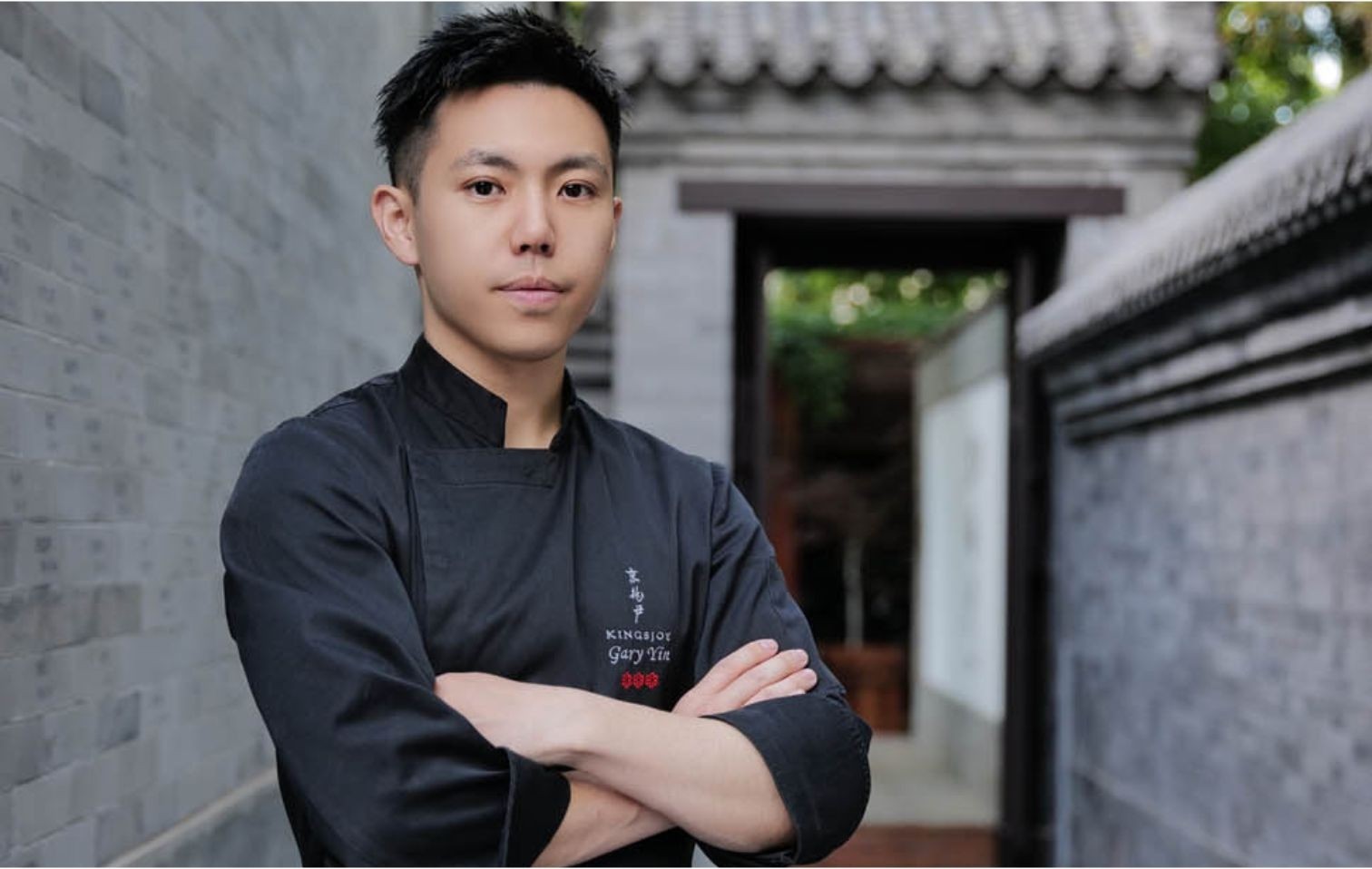
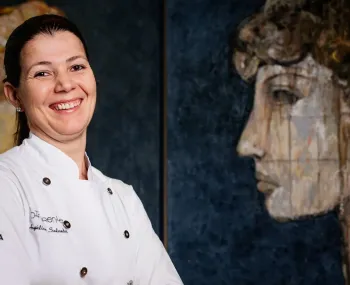
Chef Gary Yin’s philosophy is based precisely on this principle. “We chose to open a fine-dining restaurant because Beijing is a city of great cultural, political, and historical influence,” he told CNN. The location helps reinforce this message. King’s Joy is situated next to the famous Lama Temple, in one of the capital’s oldest neighborhoods, not far from the Forbidden City and the buildings that house numerous ministries and foreign embassies.

The Restaurant

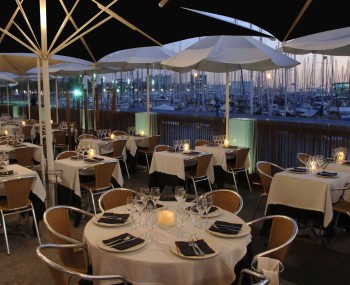
Stepping inside means immersing yourself in an environment that evokes Zen aesthetics without turning it into a stage set. The polished black marble floor stretches across the dining room like a body of water; the windows let in natural light from the inner courtyard, while in the evening the restaurant is illuminated by silk lanterns and candles that create an intimate, almost homey atmosphere. In the center of the dining room, a harp accompanies the service, helping to create an atmosphere that prioritizes calm over spectacle. King’s Joy’s success is also reflected in the accolades it has received. It remains the only Chinese restaurant to have simultaneously earned three Michelin stars and the Green Star for sustainability (now “converted” into the new Michelin Mindful Voices project, ed.). The World’s 50 Best Restaurants ranking has called it “the global standard for vegetarian cuisine,” while its business model even became a Harvard Business School case study as early as 2019.

king s joy 2
 

In this context, the possible ban on civil servants seems almost paradoxical. On the one hand, the Chinese government promotes the celebration of national culture as part of its international image; on the other hand, a restaurant that has become an ambassador for the country’s cuisine would be shunned by a segment of the ruling class. The economic factor might offer a plausible explanation. The tasting menu starts at around $250 per person, a significant sum when compared to the average monthly salary of many civil servants in Beijing, which stands at around $1,600 according to Chinese statistical data from 2025. A dinner of this caliber could easily fuel doubts about the source of the funds used or suggest possible instances of corruption. Gary Yin himself, however, maintains a cautious stance. “I’ve heard these rumors, but personally I’ve never seen any concrete evidence”, he explains, without delving further into the matter. He much prefers to talk about the culinary project he built together with his family. The origins of King’s Joy, in fact, lie in the personal history of his father, David Yin, a lifelong committed vegetarian. After leaving Beijing for Taiwan in 1966, the family opened a restaurant famous for its desserts inspired by imperial cuisine. Among the specialties was a pea pudding which, according to tradition, was particularly favored by Empress Dowager Cixi. In 1995, the family moved to Canada; fifteen years later, their return to the Chinese capital marked the birth of King’s Joy. Today, Gary runs the kitchen, while his sister Mia is in charge of the pastry shop.

king s joy
 

King's Joy Today

Since 2012, the restaurant has become a sought-after destination for business leaders, artists, international figures, and heads of state on official visits. Guests have included Rupert Murdoch, Ashin, lead singer of the Taiwanese band Mayday, Italian President Sergio Mattarella, and Spanish Prime Minister Pedro Sánchez. Its fame, however, does not stem solely from its list of distinguished guests. King’s Joy has helped change the very perception of vegetarian cuisine in China. For centuries, a meat-free diet has been associated primarily with Buddhist tradition or a frugal lifestyle. Here, however, vegetables take center stage in a luxurious dining experience. The menu changes every two weeks, following the twenty-four solar terms of the traditional Chinese calendar—a system far more complex than the simple alternation between spring, summer, fall, and winter. This allows for dishes such as Manchurian rice noodles with black truffles and lilies, soups made with bamboo pith, osmanthus-scented milk puddings, or ingredients little known even outside of China, such as gorgon seeds, used alongside peas and cashews. The meal can be accompanied by tea, wine, or fermented beverages made in-house by the restaurant.

king s joy 5
 

The chef’s goal is to demonstrate that vegetables deserve the same respect normally reserved for animal products. “Chinese cuisine already possesses an extraordinary heritage of techniques, flavor development, and culinary refinement. Yet many restaurants continue to treat vegetables as mere supporting actors. It’s a shame,” he observes. He then adds a reflection that aptly captures the current state of his country’s gastronomy: “Paradoxically, Thailand, India, and even many Western countries have developed a very vibrant vegetarian culture. In China, it should be natural to be able to enjoy great plant-based cuisine.” Curiously, Gary Yin points out that most of his customers do not follow a vegetarian diet. They come out of curiosity, to celebrate an important occasion, or simply to discover a cuisine that manages to surprise without resorting to the ingredients normally associated with luxury. The service features individual courses rather than large shared dishes; the menus are available in both Chinese and English; and most of the staff communicate fluently in both languages—a detail that makes King’s Joy an increasingly popular destination among foreign travelers as well.

king s joy 3
 

Ultimately, the restaurant’s story reveals much more than a supposed blacklist targeting public officials. It speaks to a country that is trying to redefine its culinary narrative, transforming plant-based cuisine into a contemporary language capable of engaging with the world without sacrificing its roots. A quiet revolution, built leaf by leaf, that demonstrates how even a cabbage, a mushroom, or a root can take center stage at the table when technique, culture, and sensibility are all aligned.

Latest news

show all

We respect your Privacy.
We use cookies to ensure you an accurate experience and in line with your preferences.
With your consent, we use technical and third-party cookies that allow us to process some data, such as which pages are visited on our website.
To find out more about how we use this data, read the full disclosure.
By clicking the ‘Accept’ button, you consent to the use of cookies, or configure the different types.

Configure cookies Reject
Accept