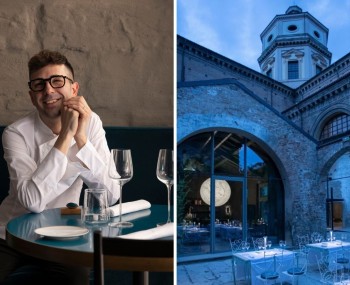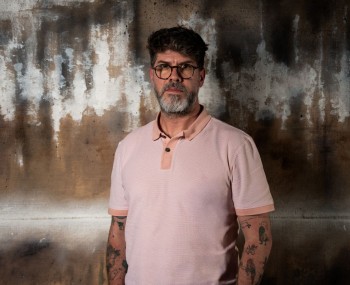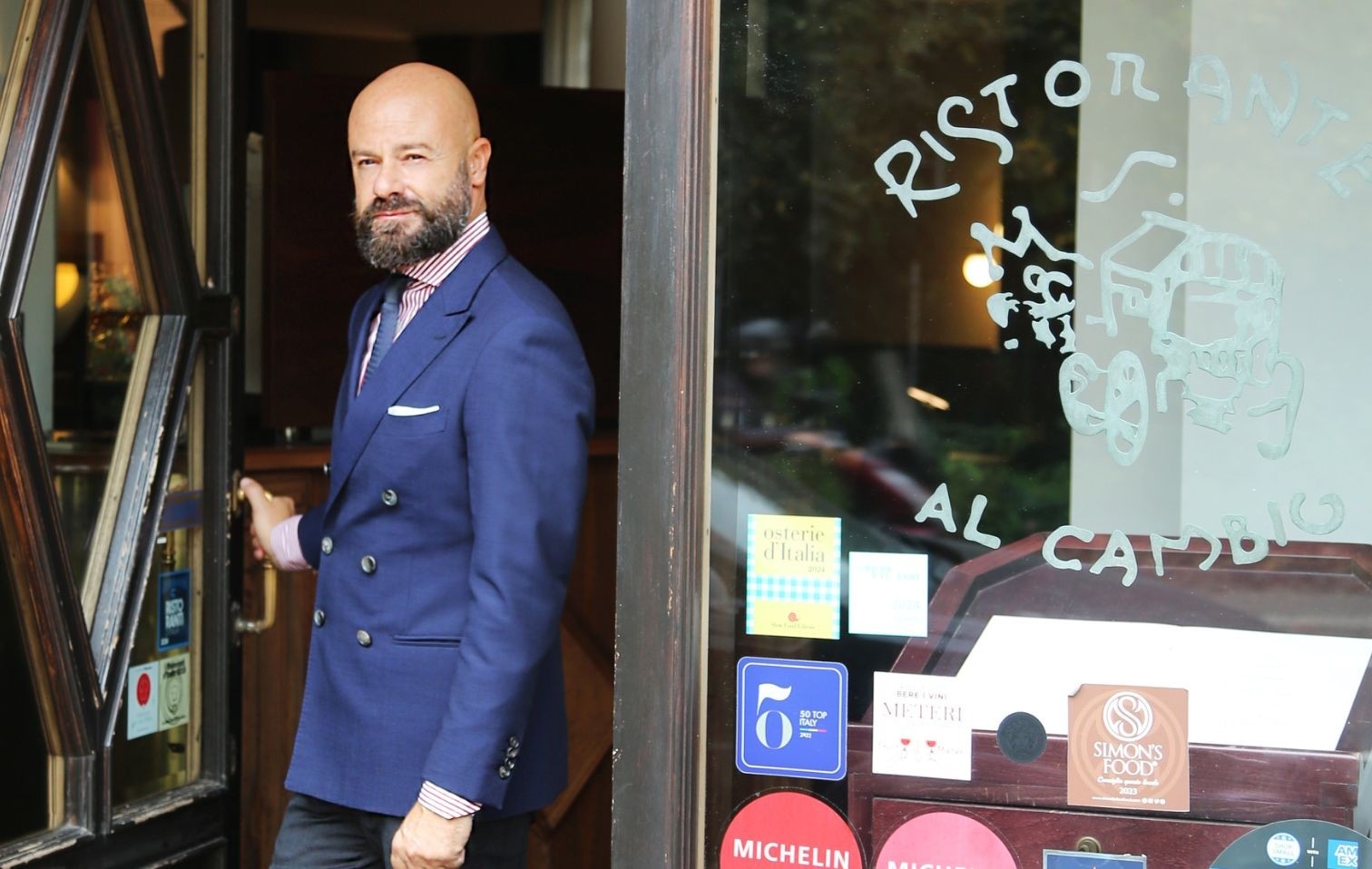
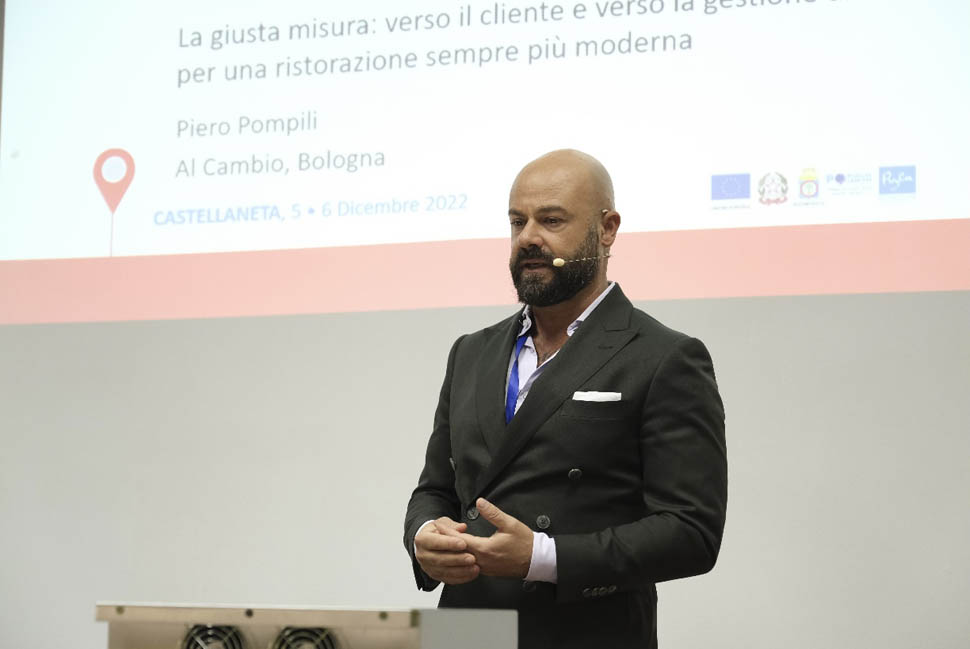
When, at the end of 2025, the maître d’ at Al Cambio in Bologna—a figure who represents an almost unique case in the Italian restaurant industry, having built the restaurant’s identity and image from the dining room without being the owner—proposed introducing a fixed fee paid by customers to benefit the dining room staff, the reaction was immediate.
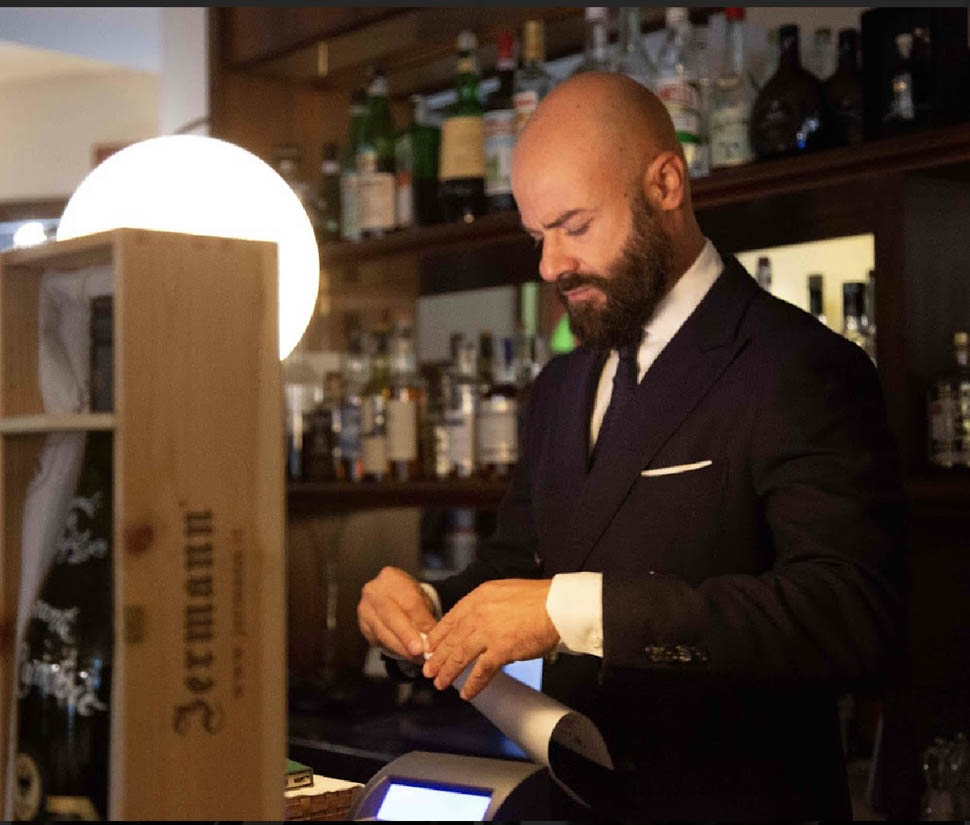
Criticism, televised discussions, statements from industry associations, and a heated debate on social media. Yet, months later, Pompili continues to maintain that the issue wasn’t the tip itself. The point was to draw attention to a much bigger problem.“The controversy has blown up, but almost no one has stopped to discuss the main issue: why do fewer and fewer people want to work in restaurants?” This question comes at a particularly sensitive time for the industry. According to INPS data reported by Sky TG24, the average gross annual salary in the restaurant industry stands at just over 11,000 euros. This figure places Italy among the European countries with the lowest wages in the sector. These numbers, according to Pompili, explain much of the exodus of young people from kitchens and dining rooms. “Four years ago, while speaking with some teachers at hospitality schools in Puglia, a worrying trend had already emerged: enrollment was dropping dramatically. Young people no longer saw a balance between the sacrifice required by this job and the income they could expect.”
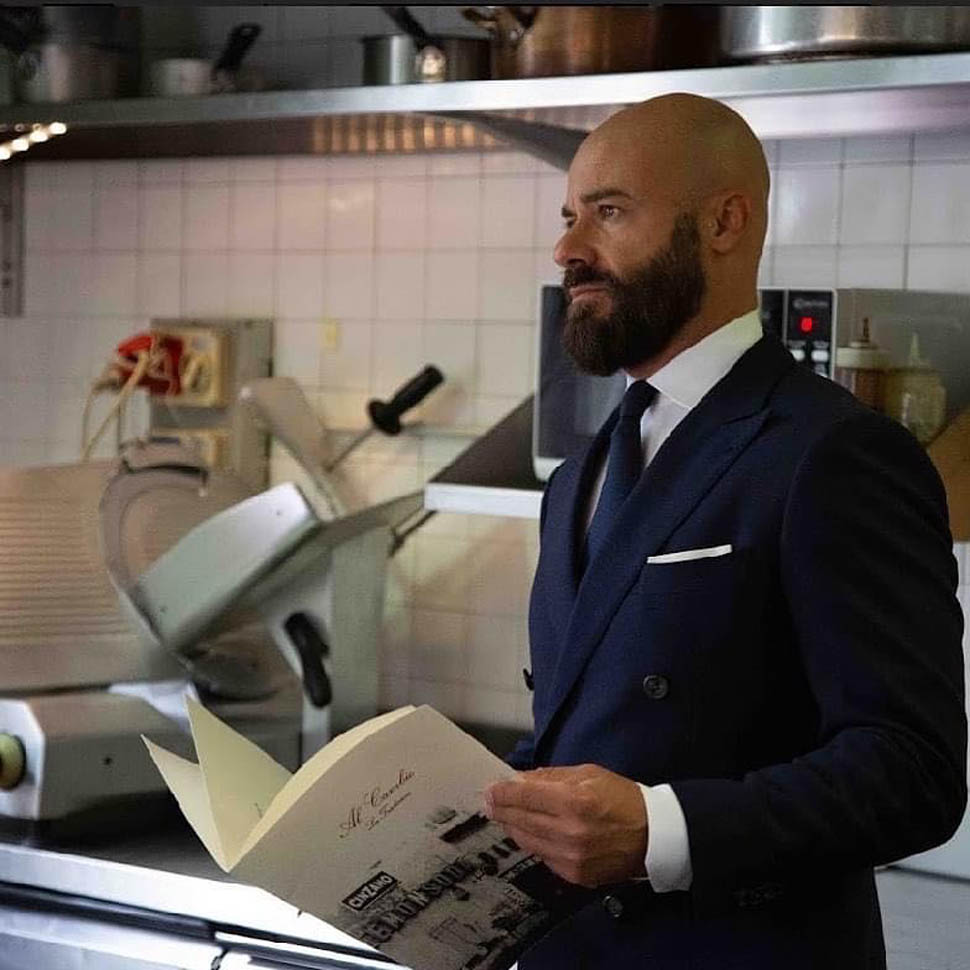
Since then, the situation has not improved. On the contrary, the difficulty in finding staff has become one of the main challenges for countless Italian restaurants, regardless of the level of their culinary offerings. For Pompili, the problem is plain for all to see, but it continues to be treated as a mere consequence of the younger generations’ lack of interest in the profession. He considers this view to be oversimplified. “How can I convince a young person to choose a profession that requires split shifts, working every weekend and holiday, with salaries that often hover around 1,500 euros a month?” The issue, in his view, isn’t just about pay. It concerns the very model of the restaurant industry that Italy has built over the past few decades.
For years, the industry has been built on a family-based structure that has ultimately influenced the relationship between business owners and employees. This system is often described using the rhetoric of “we’re all one family,” but in many cases, this closeness has translated into a constant demand for employees’ availability. Meanwhile, Pompili argues, haute cuisine has helped create another misconception. “Many chefs have turned the restaurant into a vehicle for their personal dreams. But that dream was theirs, not necessarily that of the people working alongside them.”
A reflection that touches on one of the raw nerves of contemporary dining. For years, media attention has focused almost exclusively on chefs. Chefs have become television personalities, the stars of shows, books, and magazine covers. The dining room, on the other hand, has remained in the background. “Why do chefs end up on magazine covers and those who work in the dining room don’t? Why are only the dishes judged on television shows? Do we really think that those who welcome guests, serve them, and tell the story of the food lack culinary expertise?” According to Pompili, this lack of representation has had profound consequences. The younger generations no longer have professional role models to look up to. The result is that the waitstaff profession continues to be perceived as a temporary solution, a stopgap job, something to do while waiting for something else. A view he considers deeply mistaken.
“I believe that one should only begin working in a dining room after completing a rigorous course of study. Today, we’re looking for people who speak multiple languages, know how to sell, are knowledgeable about wine, have strong interpersonal skills, and possess an increasingly broad cultural background. Yet we continue to treat this profession as if it were marginal.” This is also the basis for the proposal that has sparked so much debate. The so-called “mandatory tip” model called for a fixed 5% surcharge on the bill, allocated to staff, with the option for customers to increase it up to 20% at their discretion. Pompili does not claim that this is necessarily the perfect solution. Rather, he considers it one of the few concrete ideas put on the table in recent years. “It may not be the best answer, but at least it was a proposal. What struck me is that almost no one put forward any alternatives.”
To explain his reasoning, he also draws a comparison with another sector of the hospitality industry. During major trade shows, he notes, hotels routinely raise room rates by as much as 400% above regular prices, following the logic of supply and demand. “In the restaurant industry, something different happens: the busiest times almost always coincide with the weekend, but no one would even consider raising menu prices by 300 or 400 percent. If we did that, it would be considered unacceptable. That’s why I believe we need to take a different approach to thinking about how to financially value the work of those on the floor.”
A significant price increase could support higher wages, but it would risk further alienating a clientele that is already very cost-conscious. According to Pompili, there is also a distinctly Italian cultural issue. “Here, once prices exceed a certain threshold, consumers struggle to recognize the value of craftsmanship and the work that goes into a service. We’re willing to spend 80 euros for a technician’s service call fee, but we often consider even just 2.50 euros in tip for a server on a 50-euro bill to be excessive.” A difference in perception that, in his view, carries as much weight as the economic factors.
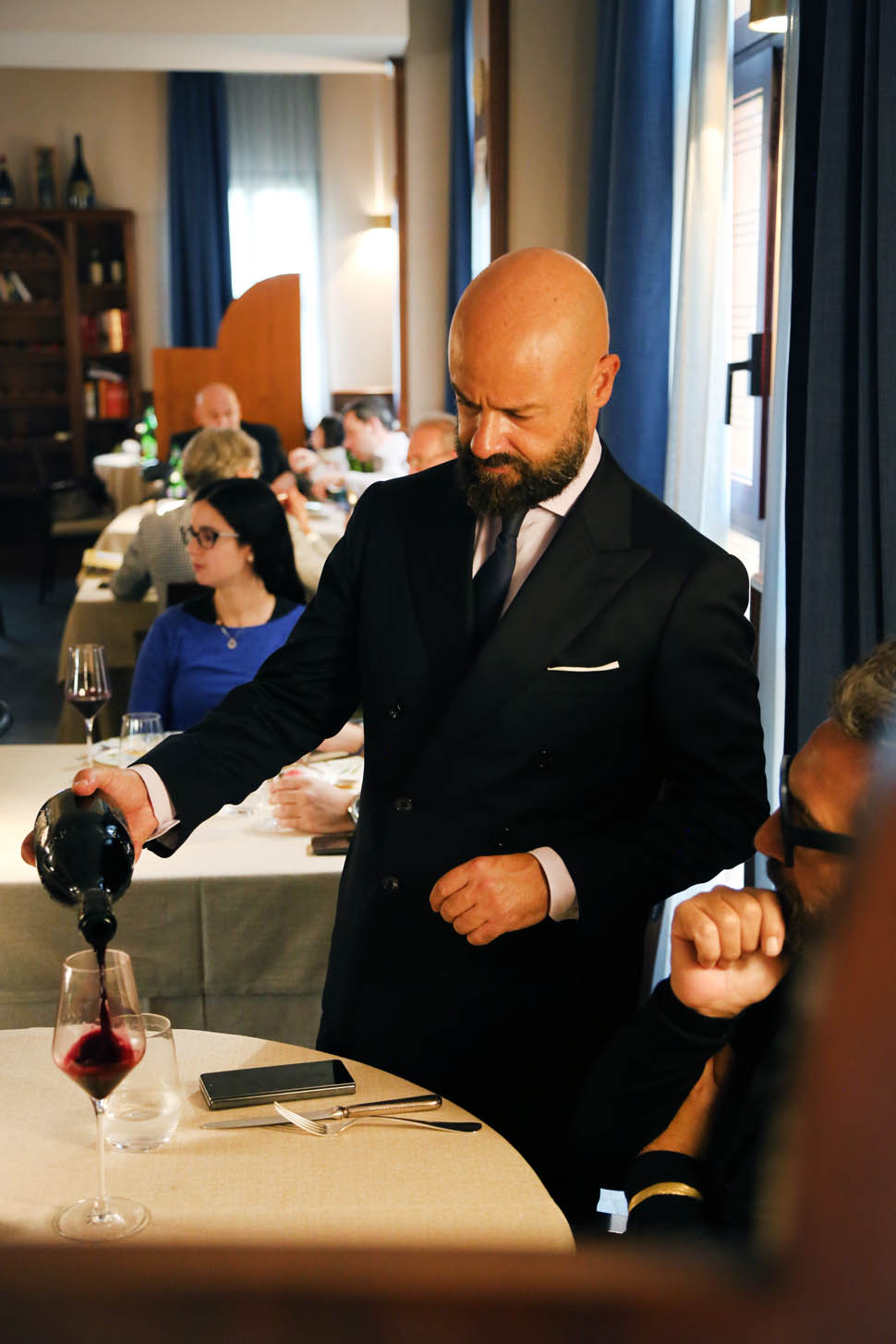
Profit-sharing, another option often mentioned, would have limited effects, according to Pompili, in a sector where many balance sheets show low margins. Even potential reductions in social security contributions would likely have only a marginal impact. “Three hundred euros more in paychecks do not compensate for a quality of life that many young people today are no longer willing to accept.” The real challenge, he argues, is cultural rather than economic. Europe is moving toward shorter workweeks and a growing focus on work-life balance. The Italian restaurant industry, however, remains tied to organizational models often established decades ago. This is precisely where Al Cambio’s personal experience comes into play. For years, Pompili has been pursuing a management philosophy that seeks to reduce working hours and increase employees’ free time. The restaurant deliberately limits its reservation hours. For lunch, guests are seated between 12:30 p.m. and 1:00 p.m., while for dinner, the last seating is at 8:00 p.m.
An unconventional decision that allows the staff to finish their shifts at times that are compatible with a normal life. But that’s not all. The restaurant is already closed on Saturday for lunch and all day Sunday. With renovations planned for the coming months, the goal is to close on Saturday evenings as well, ensuring two consecutive days off over the weekend. “If we want to make this profession attractive again, we have to start ensuring that people have the chance to have a life.”
Added to this are three weeks of closure in August, two weeks between December and January, and a few days during the Easter holidays. According to Pompili, these measures should become increasingly common. Because the future of the restaurant industry depends on more than just the quality of the food. It depends above all on the quality of working conditions. On this point, however, the Bolognese maître d’ also directs criticism at the trade associations. When the proposal for mandatory tipping was publicly rejected by FIPE, he argues, he would have preferred to see alternative ideas put forward. “I would have expected concrete proposals to discuss. Instead, all too often, people simply say that the government should take care of it.”
Of course, the role of politics remains central. Pompili cites, for example, the housing issue, which is becoming increasingly significant in large cities where the cost of housing risks making it impossible for many workers to live near their workplace. But he continues to believe that the sector must shoulder some of the responsibility. Because, without changes, there is a risk that the staff shortage will become structural. And when there aren’t enough people, he argues, quality inevitably declines—first in service, then in the kitchen, and finally in the bottom line.
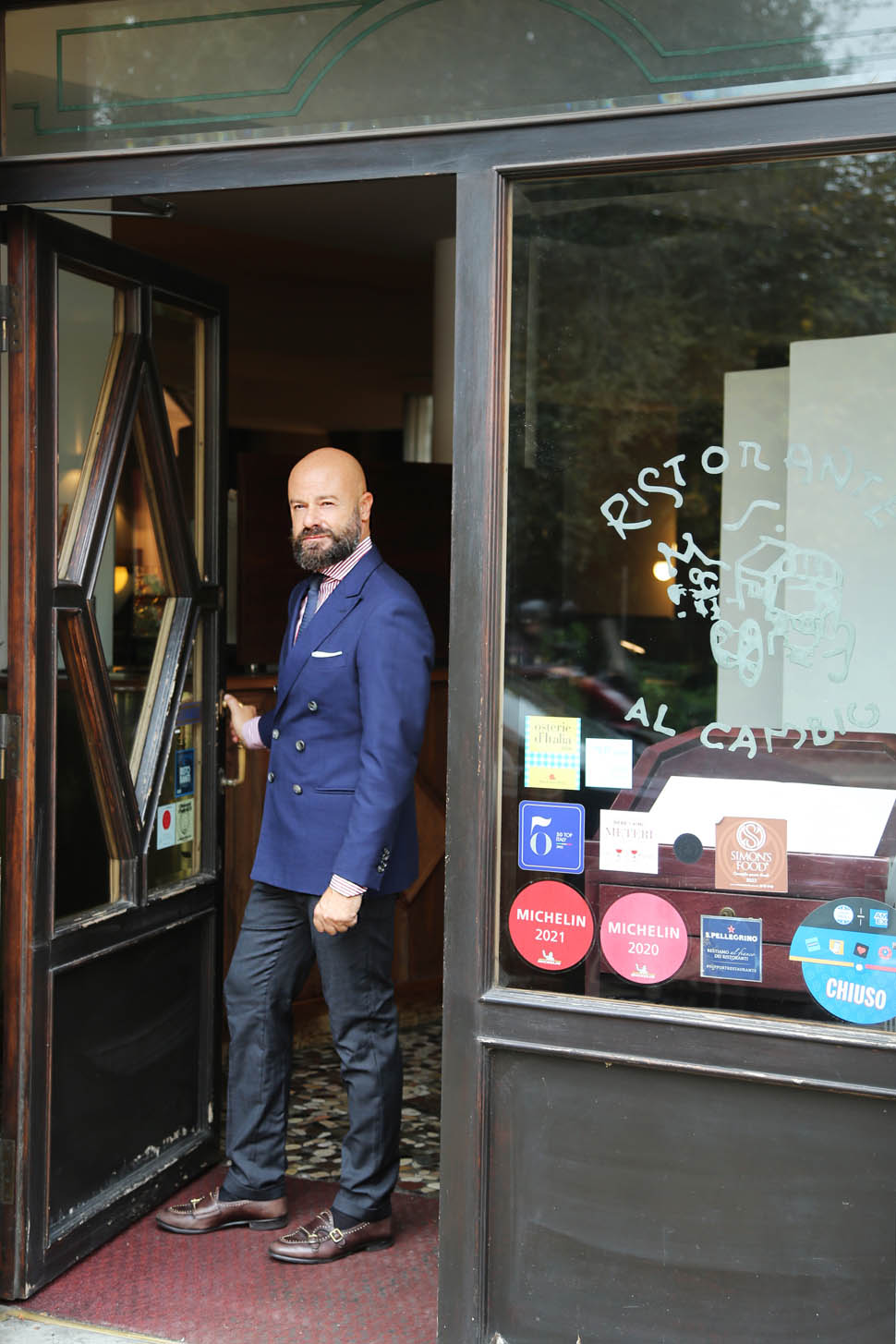
“A restaurant is made up of people even more than it is of dishes.” This is probably the phrase that best sums up Pompili’s thinking. Rather than advocating for a single solution, the Bolognese maître d’ calls on the industry to finally find the courage to openly discuss salaries, quality of life, and the dignity of work. Because, he argues, continuing to put off addressing the problem means accepting that the crisis in the dining room will become irreversible. Who will welcome customers over the next ten years? Who will explain the wines? Who will manage the dining room? Who will choose to dedicate their life to a profession that continues to demand so much and give back so little? These are uncomfortable questions. But perhaps that is precisely why it is worth continuing to ask them.