A cappuccino, a slice of cake, and a dog curled up under the table. For many, this is the image of an ordinary morning; for others, it’s a controversial topic when it comes to the culture of cafes and restaurants.
The News
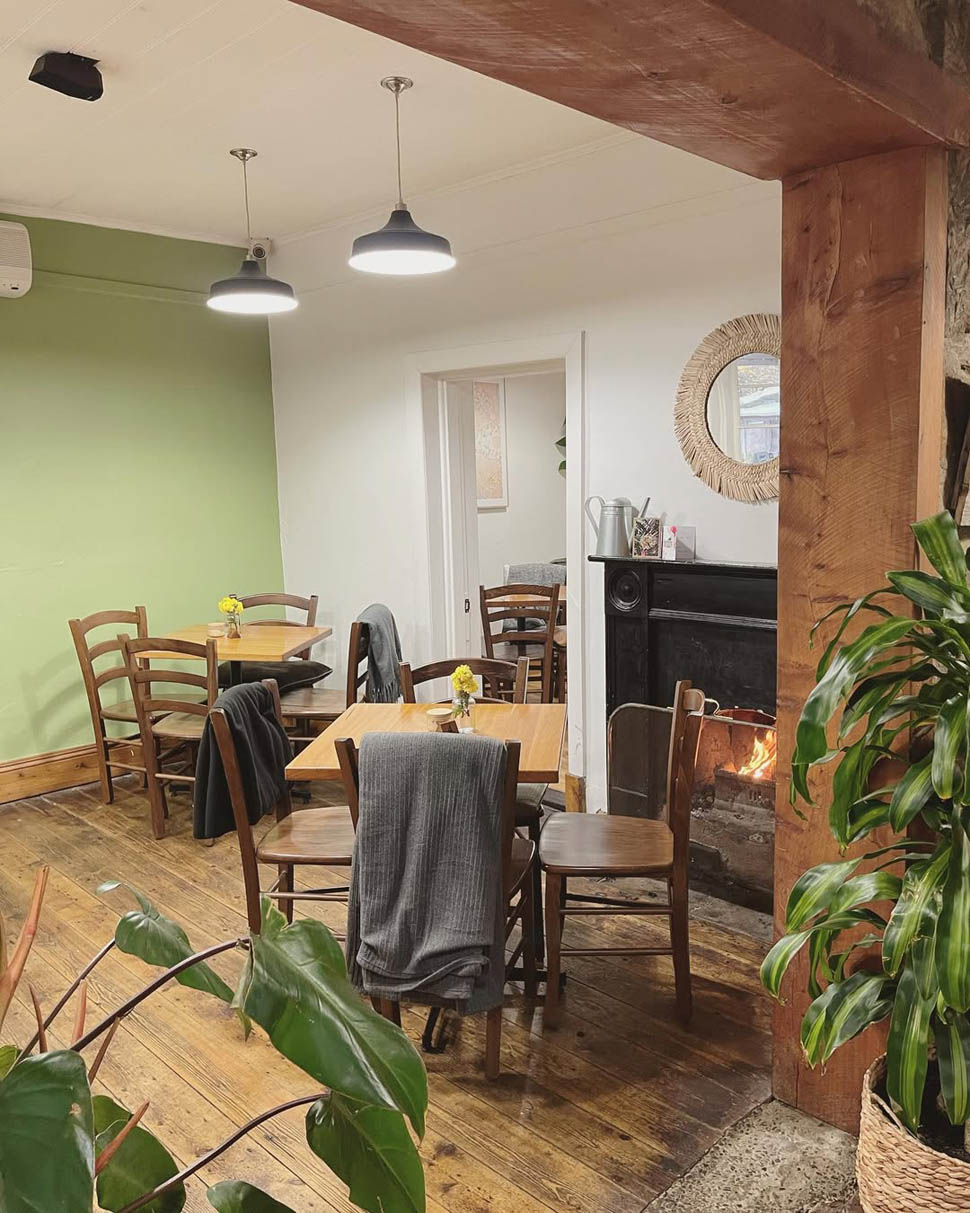
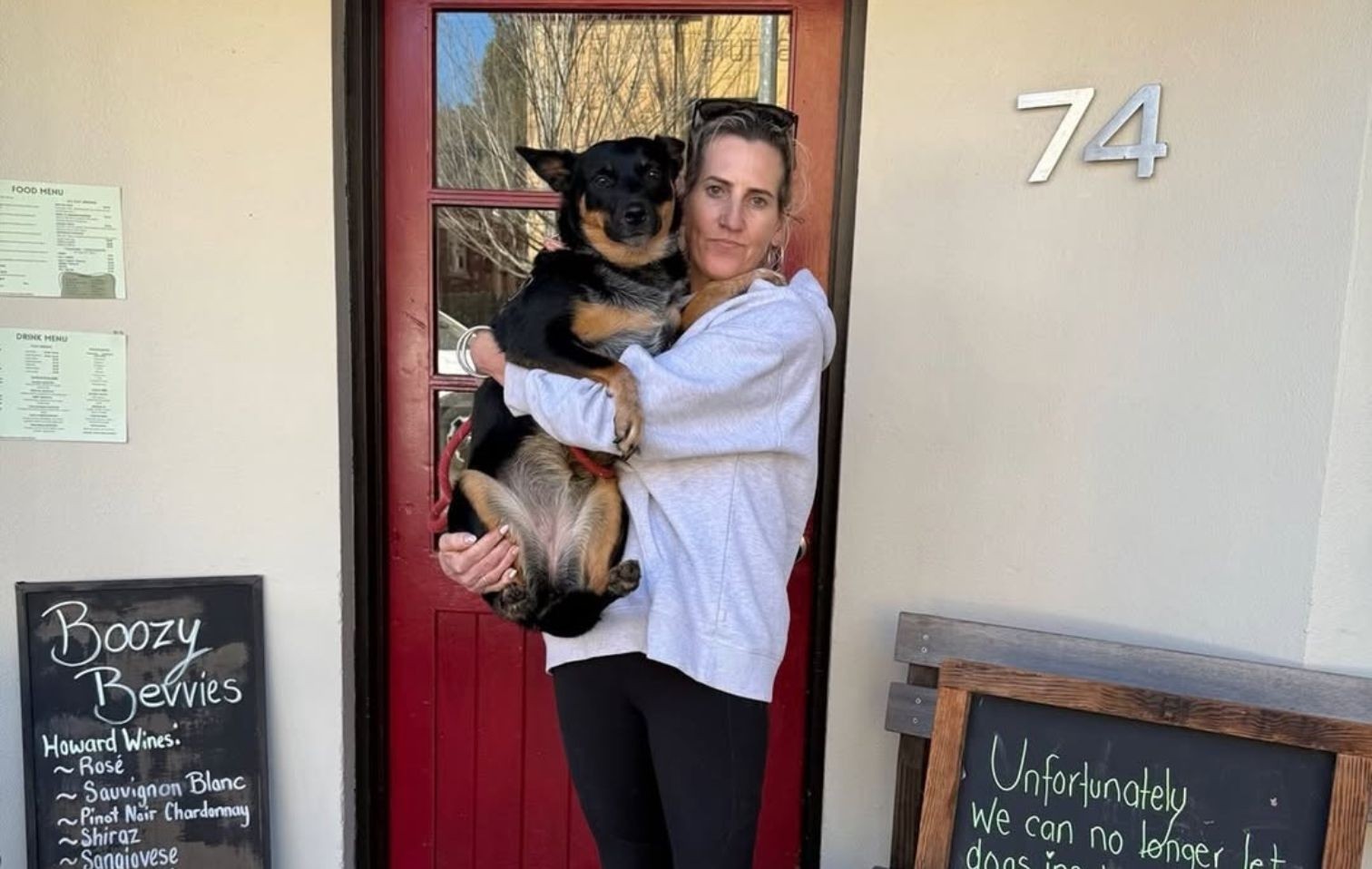
In Hahndorf, a small town in South Australia popular with tourists and travelers, this practice had become part of a local café’s identity. Today, however, that model has become the focus of a dispute that is sparking debate among customers, residents, and local officials. For over three years, the Same But Different Cafe had built its reputation in part on a specific policy: allowing customers to bring their dogs inside. Over time, this policy had become one of the defining features of the business run by Kellie Hunter, which had become a go-to spot for those traveling with their pets. Regulars described the atmosphere as informal and welcoming, with the dogs helping to create a relaxed vibe.
“They brought happiness,” the owner explained to abc.net, emphasizing how watching the animals interact with customers and passersby had become part of the café experience itself. Then a complaint was filed. Just one, according to the owner. That was enough for the Mount Barker District Council to intervene, citing the enforcement of national food safety regulations. Since then, dogs have been barred from the café’s indoor areas. The only exception is for officially recognized service animals. For the Same But Different Cafe, the change was immediate. Customers can still linger with their pets in the outdoor areas, but the image that had defined the cafe since its opening is now a thing of the past. In the event of a violation, the owner faces a fine of up to 2,500 Australian dollars.

Hunter makes no secret of his bitterness. According to him, in over three years of operation, there have been no incidents related to hygiene issues, the presence of animal hair in the food, or problematic behavior on the part of the animals. Precisely for this reason, the decision is perceived as an abrupt interruption of a project built day by day. The story quickly spread beyond the town’s borders. An online petition launched by the owner quickly gathered over 1,700 signatures, a sign of how deeply the issue resonates with people from all walks of life. After all, Hahndorf also relies on tourism, and many visitors choose to travel with their dogs year-round. The debate flared up immediately. On one side are those who consider pets an integral part of daily life and see pet-friendly establishments as a natural evolution of contemporary hospitality. On the other are those who believe that certain spaces should remain reserved exclusively for people, especially when it comes to serving food. The opinions gathered in recent weeks clearly illustrate this divide.
Some customers have pointed out that in many European countries, the presence of dogs in bars and restaurants is now considered completely normal. Others, however, believe that the growing presence of pets in stores, shopping centers, and public venues is crossing boundaries that should be maintained. From a regulatory standpoint, the administration’s position appears clear. According to Natalie Armstrong, the local council’s head of planning and regulation, health inspectors are required to enforce the provisions of the Australia-New Zealand Food Code. The regulations prohibit animals from being present inside food service establishments, with the exception of certified service animals in areas designated for the consumption of food and beverages.
The rationale behind these measures centers on protecting public health and preventing potential contamination. Authorities point to risks associated with the spread of pathogens, the presence of pet hair, or other potential sources of contamination in areas where food is prepared or served. Beyond the regulatory aspect, this issue prompts a broader reflection on the role that pets are playing in contemporary society. In recent years, dogs and cats have become an increasingly permanent part of travel habits, public spaces, and even the business strategies of many restaurants. More and more establishments have chosen to offer water bowls, dedicated menus, or even the famous “puppaccini,” which have become a minor attraction for customers accompanied by their four-legged friends.
The Same But Different Cafe will also continue to provide these special amenities outside the café. However, it remains a symbol of an issue affecting many countries: to what extent can hospitality adapt to new lifestyles without conflicting with rules designed to ensure safety and public health? For now, the answer lies in the regulations. But the debate—fueled by thousands of signatures and a deeply divided community—seems destined to continue for a long time to come.