After seven years in business, the restaurant Le Gabriel in Bordeaux is preparing to close its doors for good. The news has taken the French culinary world by surprise, especially given the prestige the restaurant has achieved in recent years.
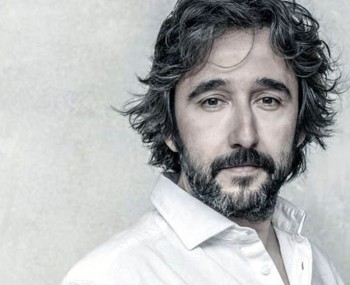
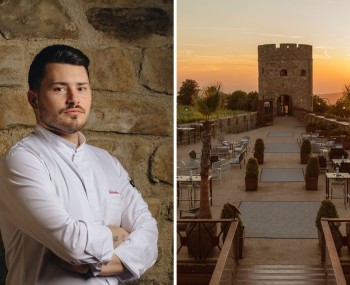
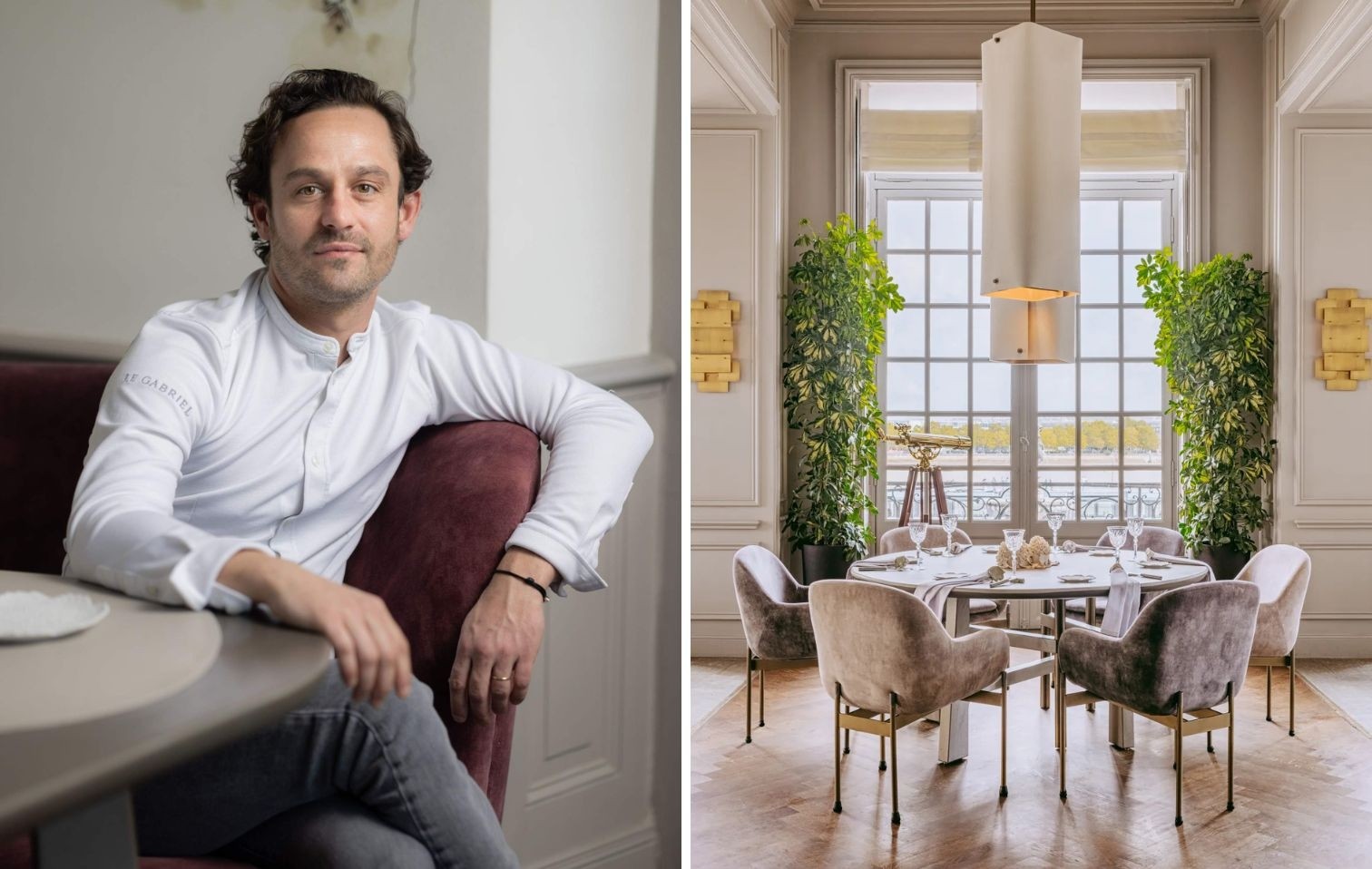
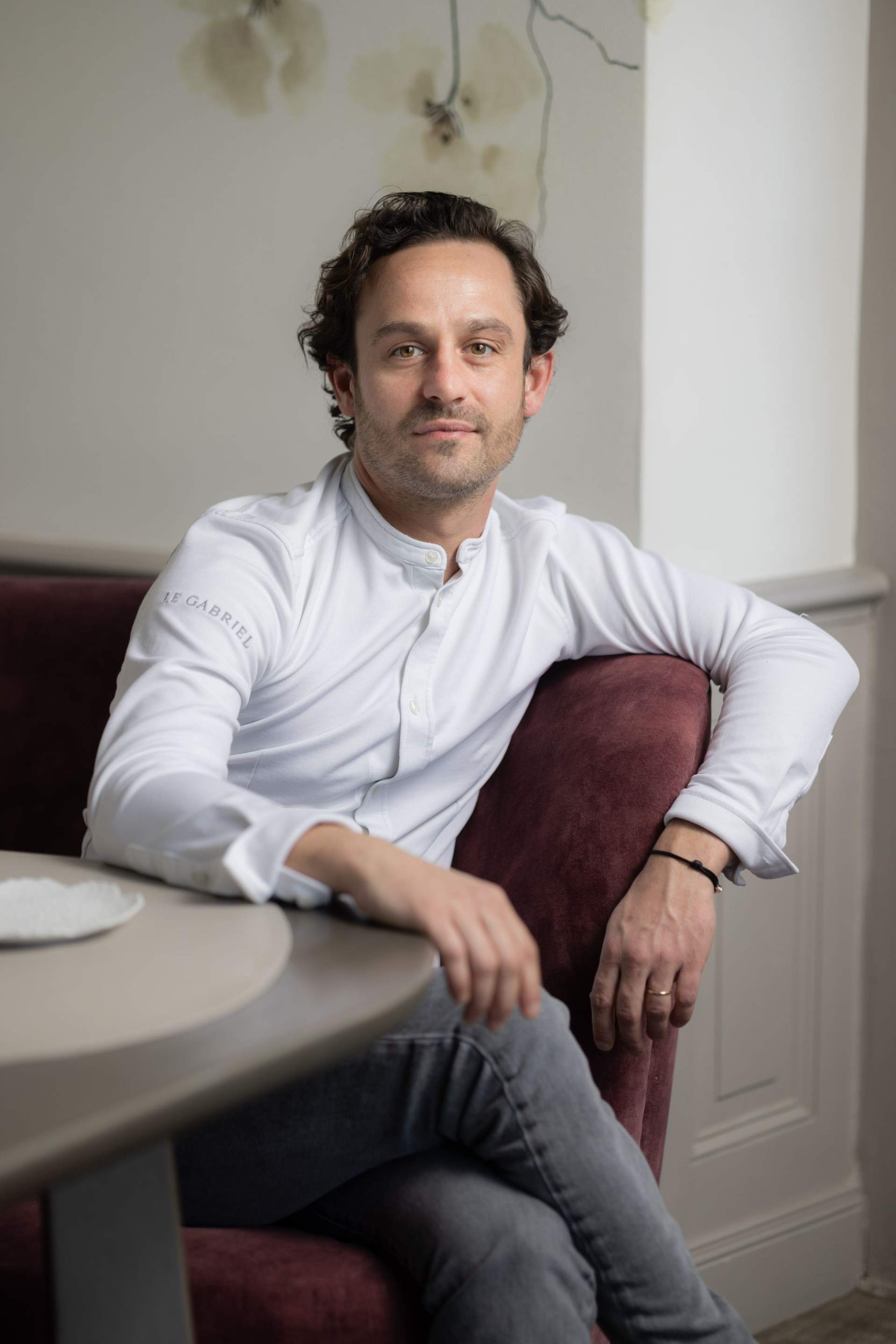
On the cover: the restaurant’s former chef, who has since moved to the Four Seasons Hotel George V in Paris
Photo: ©David Duchon Doris
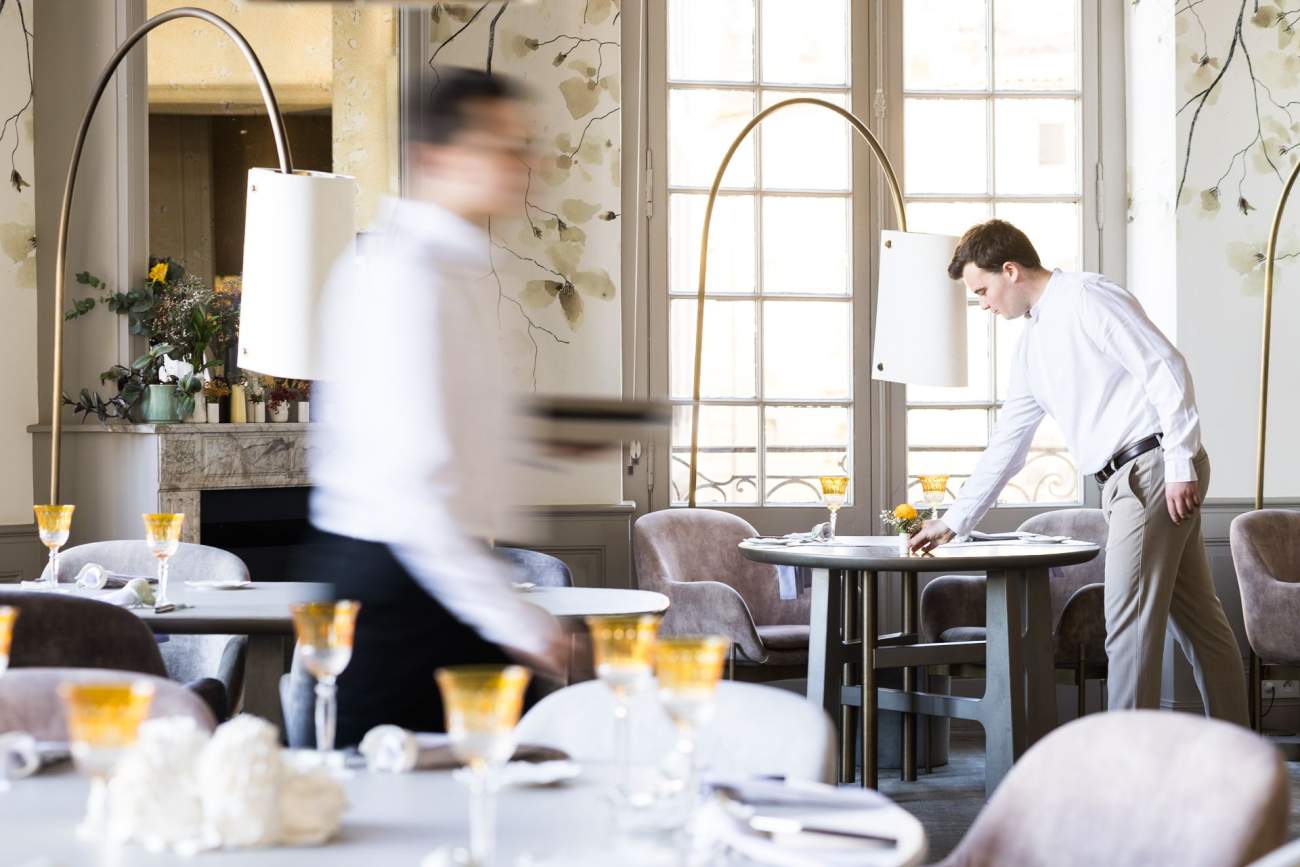
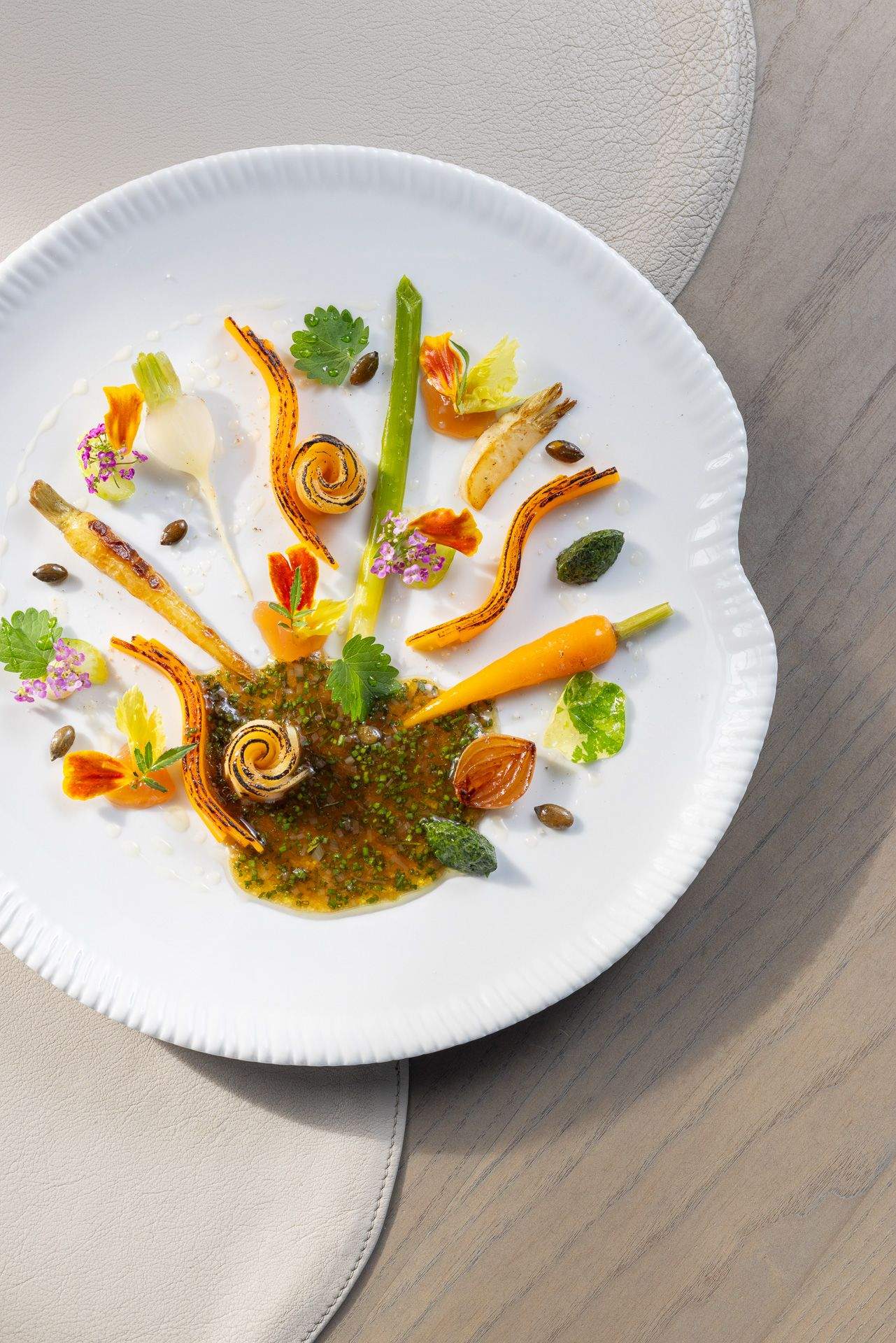
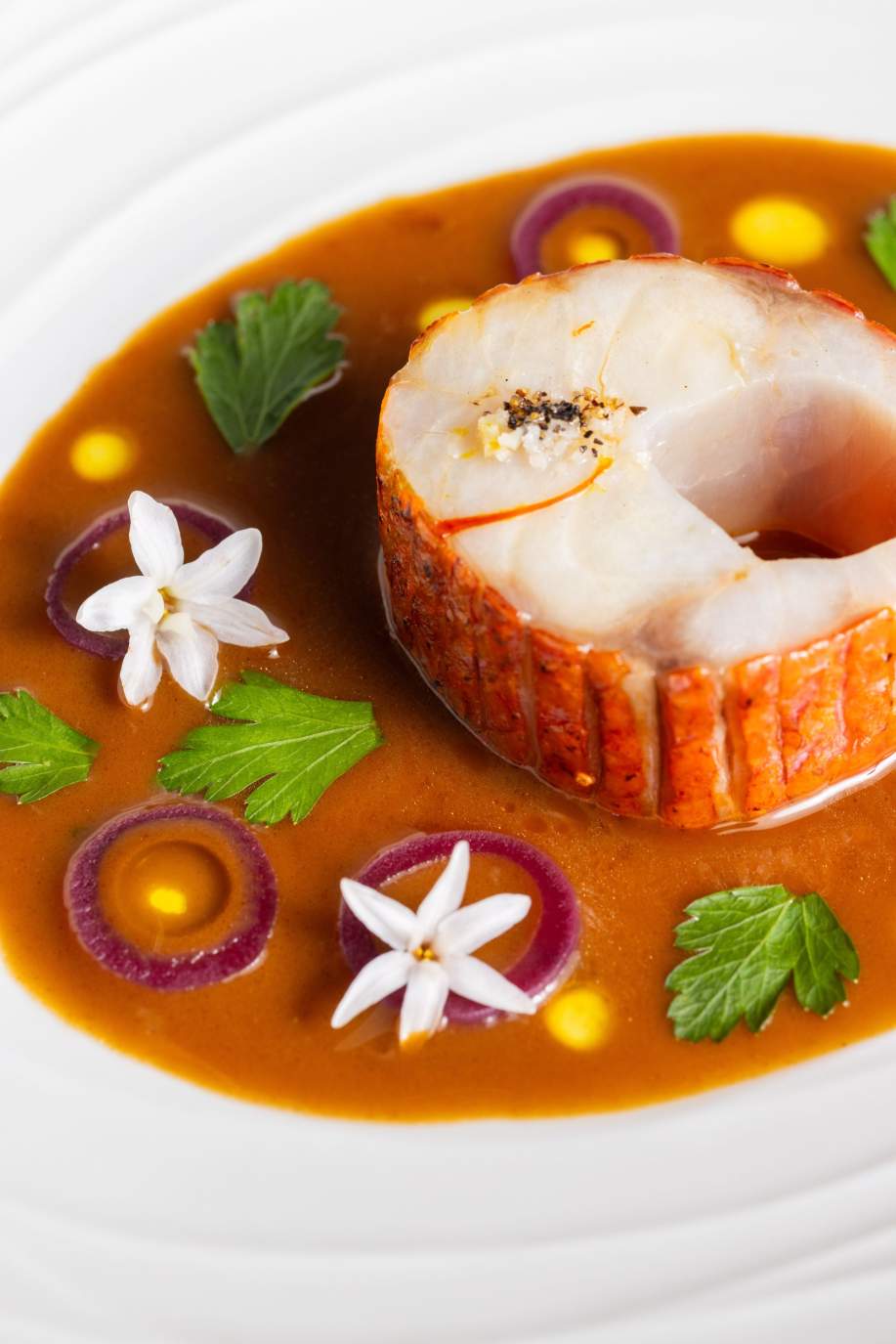
Located on the historic and picturesque Place de la Bourse, within one of the city’s most elegant buildings, Le Gabriel was the culinary venture launched by Château Angélus, one of the most prestigious estates in the Saint-Émilion Grand Cru appellation. The restaurant had won over critics and diners alike, earning two Michelin stars in 2025 for its fine dining “L'Observatoire,” and becoming a benchmark for Bordeaux haute cuisine. Yet, despite the prestige and accolades, the owners decided to shut down the project, as reported by Le Figaro. Behind this decision lies a series of interconnected factors, which we outline below.
The Departure of Chef Bertrand Nœureuil
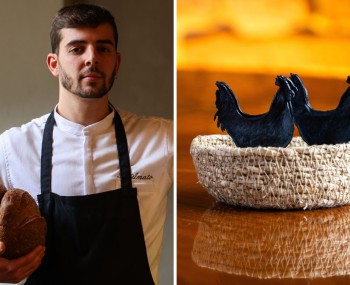
Among the factors that contributed to the decision was the recent departure of Chef Bertrand Nœureuil, a key figure in the restaurant’s culinary growth. Nœureuil left Bordeaux in April 2026 to take on a new position at the prestigious Four Seasons Hotel George V in Paris, one of the most sought-after destinations in international fine dining. According to a statement from Château Angélus, his departure marked a turning point. “His departure was an unexpected turning point that led us to reconsider the conditions necessary to continue the project”, the owners explained. However, the loss of the chef was not the sole cause of the closure.
When Awards Aren't Enough
The story of Le Gabriel demonstrates once again that culinary accolades aren't always enough to ensure a restaurant's financial sustainability. From the moment it opened, the project required significant investment to develop the spaces, the culinary offerings, and the overall guest experience. The complex included not only the fine-dining restaurant but also a bistro and a cocktail bar. In recent years, however, the slowdown in tourism in Bordeaux and rising operating costs have made it increasingly difficult to break even. The owners themselves admitted that Le Gabriel had not yet managed to turn a profit, despite its success in terms of reputation and critical acclaim.
An increasingly complex financial situation
The company’s financial situation appears particularly precarious. According to local press reports, the company managing Le Gabriel has accumulated approximately seven million euros in debt and loans, with costs now exceeding the revenue generated by the business. In 2025 alone, the deficit is said to have reached nearly three million euros. The company is currently under the supervision of the Bordeaux Commercial Court and risks liquidation if a buyer interested in taking over the business is not found. These figures reflect an increasingly common reality in the European fine dining scene, where even prestigious and well-established projects struggle to sustain business models characterized by high costs, specialized staff, and ever-shrinking margins.
A sign affecting the entire industry
The closure of Le Gabriel is part of a broader trend affecting the world of high-end hospitality and fine dining. In recent years, several Michelin-starred restaurants across Europe have had to scale back their operations or close permanently, often due to rising energy costs, difficulties in finding qualified staff, and changes in consumer habits. More and more business owners are thus finding themselves forced to rethink their business models, prioritizing projects that are more sustainable and more closely tied to the local area.
Château Angélus’s Return to Its Roots
Behind the closure of Le Gabriel, however, lies a deliberate strategic choice. Château Angélus has decided to focus its resources, energy, and investments on its core business: wine. This decision comes at a challenging time for the French wine sector as well, which is grappling with a general decline in consumption and new challenges in international markets. “This decision allows us to focus our attention, our ambition, and our efforts on the place where it all began: Saint-Émilion”, said Stéphanie de Boüard-Rivoal, owner of the historic estate. The goal is to further enhance the vineyards, the new winemaking facility, and above all the Logis de la Cadène, the historic inn acquired by the group in 2013.
A future rooted in tradition
The story of Le Gabriel thus concludes not as a culinary failure, but as the result of a business decision that prioritizes focus and sustainability. The restaurant leaves behind a legacy of seven years of top-tier cuisine, two Michelin stars, and a significant contribution to Bordeaux’s culinary scene. At the same time, Château Angélus’s decision reflects an increasingly evident trend: even in the worlds of luxury and haute cuisine, the future depends on the ability to strike a balance between excellence, economic sustainability, and regional identity. And today, Château Angélus has chosen to return to its very roots.