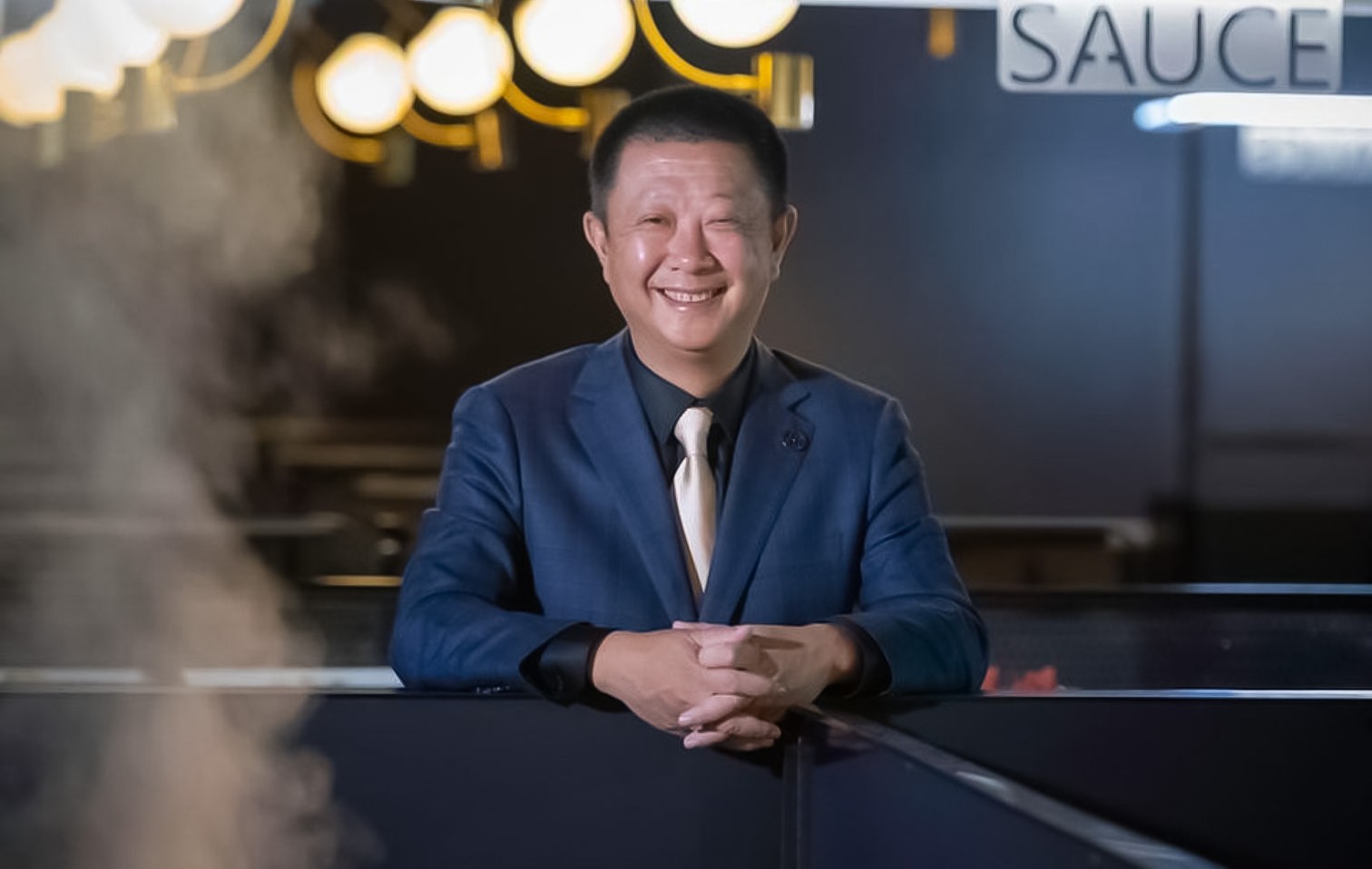
In the global restaurant industry, there are individuals capable of transforming an entire sector without seeking the limelight. Zhang Yong is one of them. The founder of the Xin Rong Ji Group, affectionately known as “Uncle Rong,” has had a profound impact on contemporary Chinese cuisine while maintaining a surprisingly low-key personal style.
Despite holding the most Michelin stars dedicated to Chinese cuisine and having received the 2026 SevenRooms Icon Award, Yong carefully avoids the image of a celebrity chef. His story, recently featured in a special on the 50 Best network, demonstrates how the most lasting influence often stems from consistency rather than media exposure.
From a small food stall to a culinary empire
The story of Xin Rong Ji began in 1995 in Linhai, in the Taizhou region, as a small business specializing in fish and seafood. The underlying idea was simple: to highlight the quality of local ingredients without masking their flavor with overly elaborate seasonings. From those humble beginnings, a group has emerged with over 30 restaurants in China and an international branch in Tokyo. Yet Yong continues to view these achievements with great humility: “I wouldn’t call it a success. I believe it’s thanks to passion, perseverance, and a bit of talent that we’ve managed to keep our restaurants going,” he explains modestly to 50 Best. This perspective helps explain why many colleagues consider him a father figure in modern Chinese gastronomy.
The Philosophy of Taizhou Cuisine
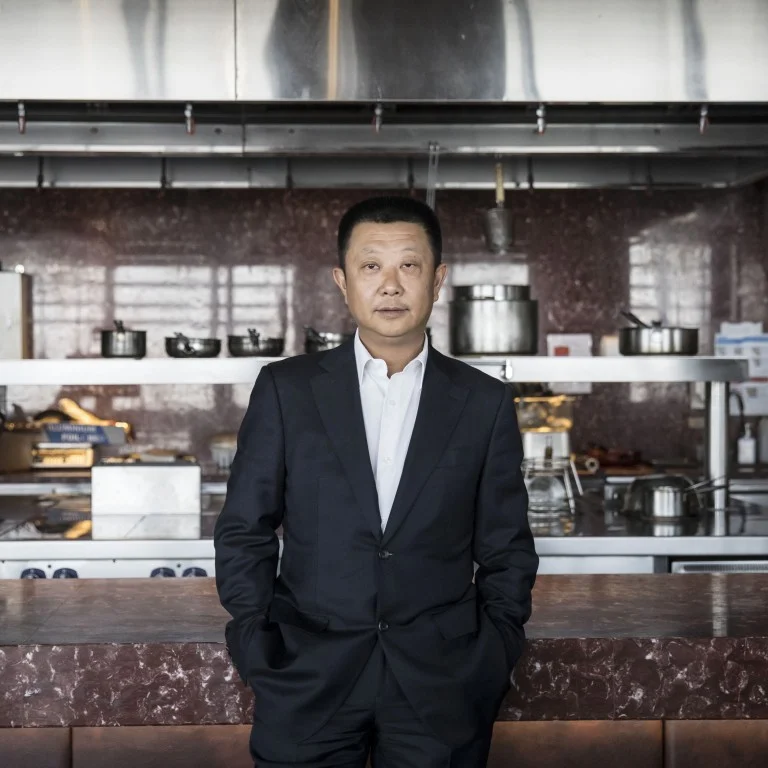
One of Yong’s most significant contributions was bringing Taizhou cuisine to national and international attention. Although not traditionally counted among the eight great classical Chinese cuisines, this culinary tradition possesses distinctive characteristics that Yong sums up in two words: xian and richness.“In Chinese, xian means both freshness and umami. Taizhou, nestled between mountains and the sea, is blessed with extraordinary ingredients.” For Yong, flavor stems first and foremost from the quality of the ingredient and respect for its identity. It is an approach that seems modern today but is rooted in the most authentic tradition.
International Recognition and the Boom in Chinese Fine Dining
In recent years, signature Chinese cuisine has experienced significant growth. Xin Rong Ji’s locations have earned Michelin stars and have become regular fixtures on the Asia’s 50 Best Restaurants list, helping to redefine the international perception of Chinese cuisine. For Yong, however, the central focus is not the prestige of rankings, but the ability to make the flavors accessible to everyone. It is an inclusive philosophy that explains why his most famous dishes often stem from traditional recipes reinterpreted with technical skill and precision.
“Chinese cuisine” or “Chinese cuisines”?
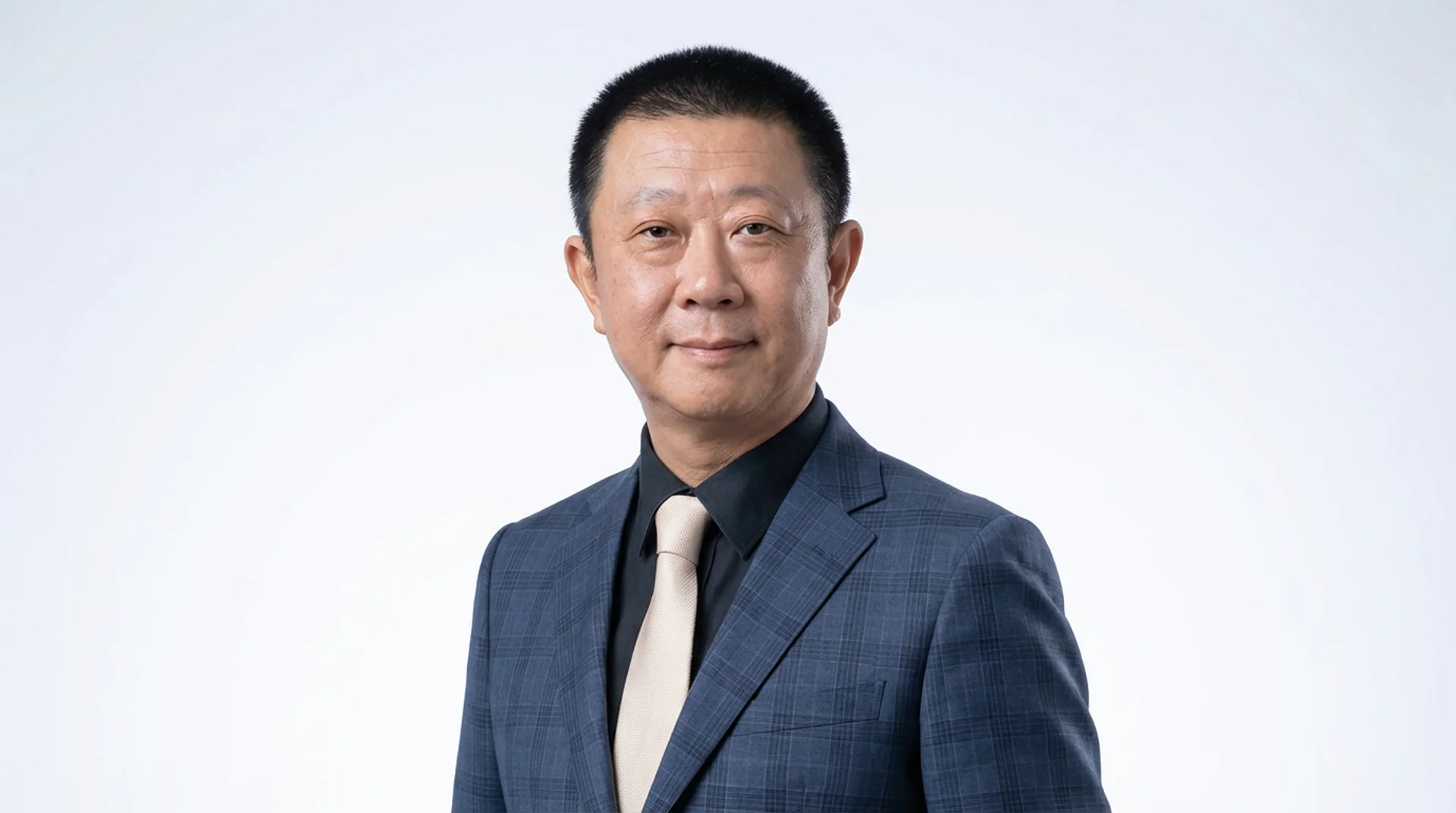
One of the messages Yong seeks to convey to an international audience concerns his country’s extraordinary culinary diversity. “I would speak of Chinese cuisines, in the plural. China is vast, and every region, every city, and even every village has its own culinary identity.” In recent years, he argues, there has been growing interest in regional cuisines and in Chinese fine dining, which is gaining an increasingly prominent place in international rankings as well.
The Final Lesson: The True Flavor of Life
Today, Zhang Yong is gradually preparing for retirement. Yet, when asked what the most memorable meal of his life was, he doesn’t mention a Michelin-starred restaurant. Instead, he recalls a simple bowl of rice porridge and a pan-fried egg offered by a woman in a village when, as a young man, he was lost and hungry.“ “She refused any payment. At that moment, I understood what the true flavor of life was.” Perhaps this is precisely the key to understanding the Zhang Yong phenomenon: behind a gastronomic empire, Michelin stars, and international accolades, there remains the conviction that great cuisine stems from humanity, from memory, and from the ability to do simple things well.