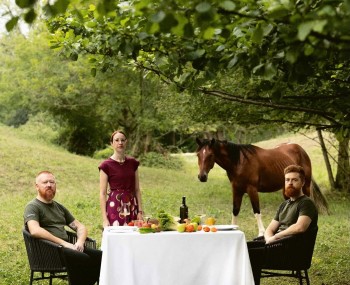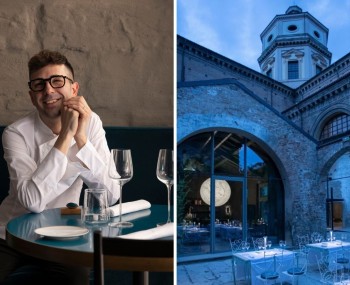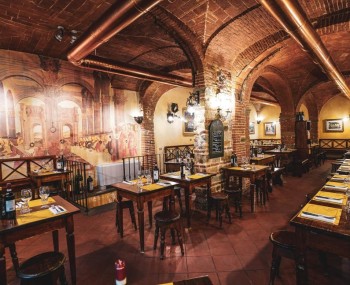
Godia is a peaceful little village, a hamlet of that architectural gem of a town known as Udine. It’s a secluded, out-of-the-way place, much like the people who live there—at least until you get to know them. The Scarello family’s history of hospitality spans three centuries, and in a year’s time, it will have been a full 140 years since they first opened their doors. Yet the family continues to evolve, through its cuisine and exemplary hospitality.
Photo by Fabrice Gallina
The History
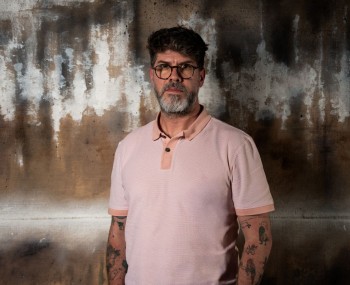
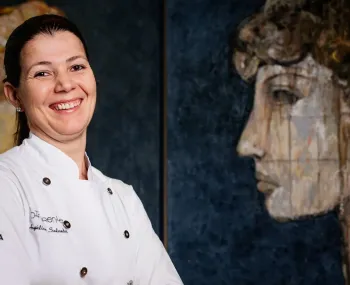
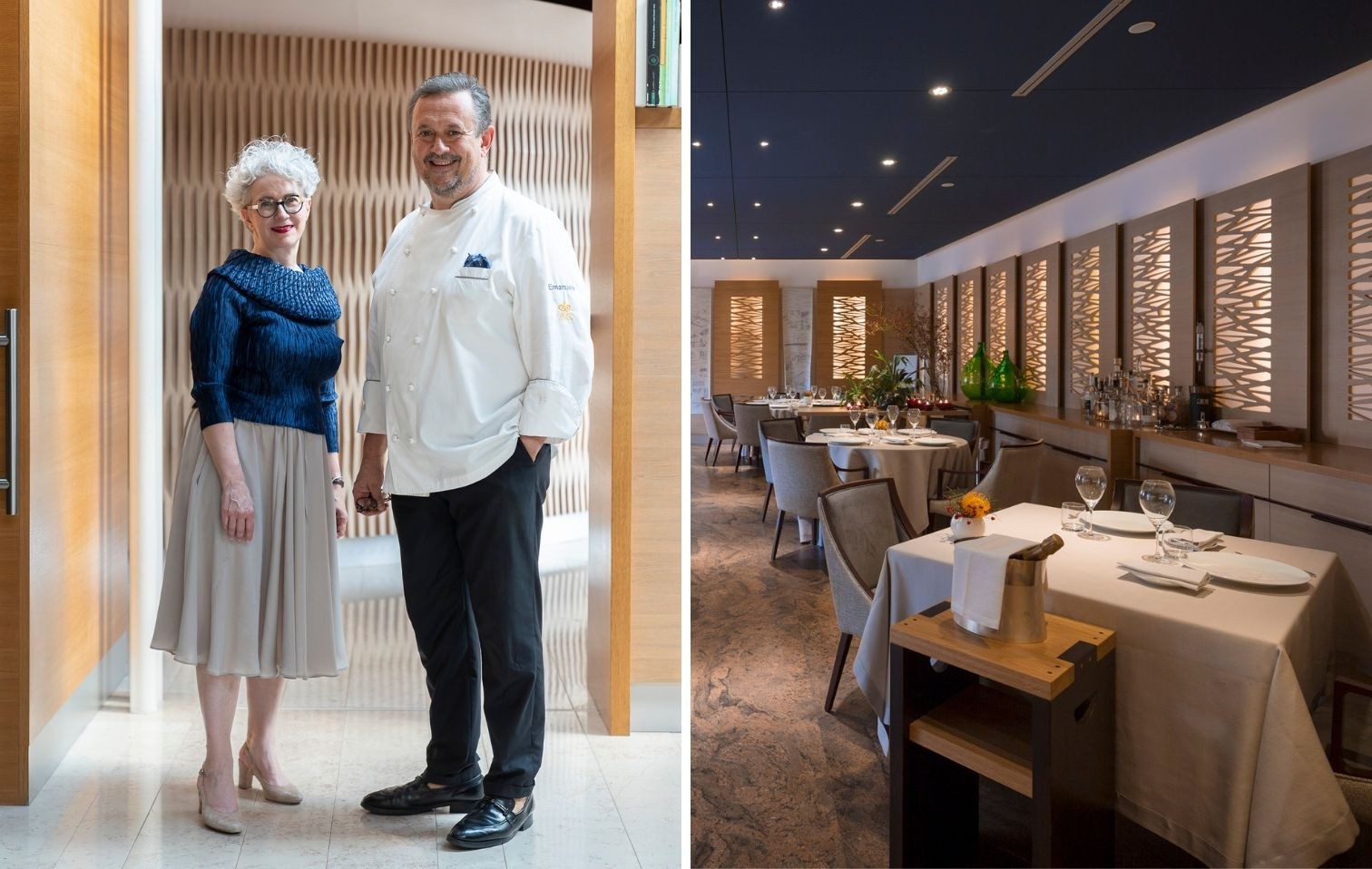
Agli Amici 1887 is undoubtedly one of Italy’s most iconic restaurants: it all began as a grocery and tobacco shop that later became a trattoria serving fresh pasta. It was Tino and Ivonne, the parents of Emanuele and Michela—the current owners—who transformed the restaurant: he as sommelier and maître d’, she as a chef trained at the renowned Gustave Lenôtre school in France. The first Michelin star arrived under the current owners in 2000, the second thirteen years later. You certainly don’t just happen upon Da Godia by chance, and if you do, it’s unlikely that a walk-in guest will be seated at a table, but as Michela explains.
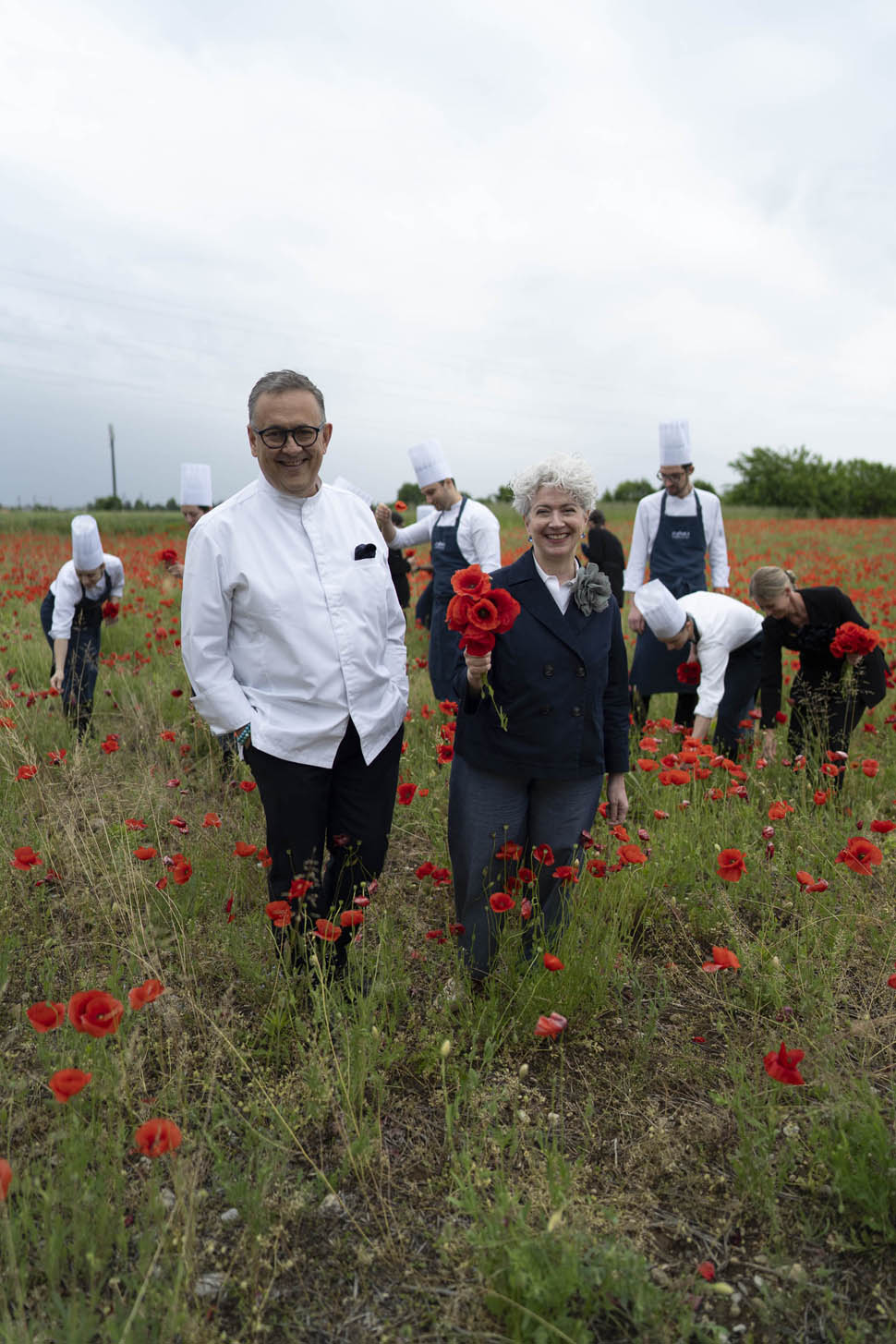
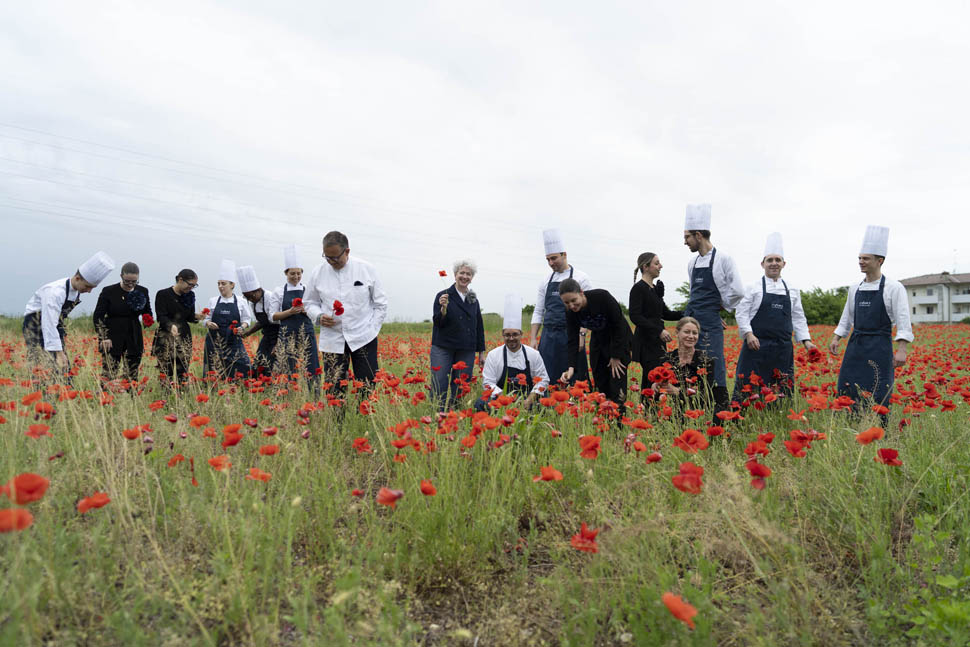
“Many people, when they arrive here, are surprised by the creativity of the cuisine and a certain style of service; we’ve always approached things very naturally—the aesthetic presentation of the dish, the flavors of the producers and our suppliers, and the atmosphere. It seems that in the story, one of the many things we do gets lost”. Maybe it’s because we’re not in a big city, or perhaps it’s due to this blissful isolation—it’s hard to say. What can be said is that a visit to the Scarello brothers, as we see it, becomes a surprise even when you think you know what to expect. Because Emanuele is someone who never stops; on the contrary, he raises the bar and aims for a level of satisfaction that, once reached, must be surpassed again, with a creativity that evolves alongside the quality of the ingredients.
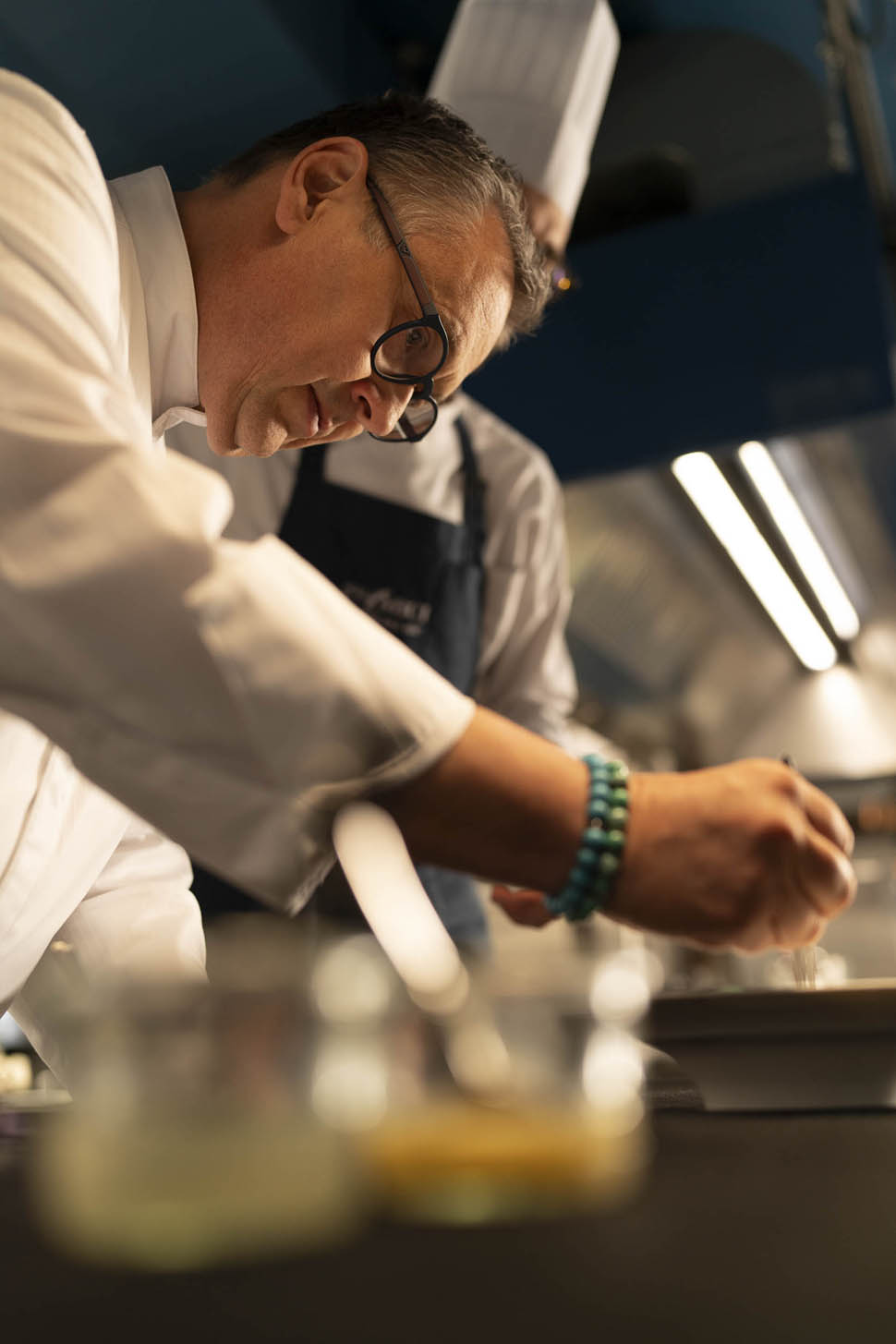
The Kitchen
“It’s clear that we’ve matured; the creative process has changed: just yesterday, during a small meeting with the team, we talked about how we started out using UHT milk: now we use only fresh milk and have the freedom to choose the breed and even the specific animal that suits us best. When you taste UHT milk, you can tell that the high temperature makes the lactose overly sweet. Fresh milk tastes rounder, creamier, and more like the animal itself, but it’s never too sweet. Furthermore, we’ve come to use only wild-caught fish, not farmed. Last year we made the switch with meat; now we use only animals that have lived a dignified life. It’s been a wonderful journey, because we want only the best; and as of yesterday, we use only fresh, strictly organic eggs. We have our vegetable gardens in Godia—we take them for granted by now.” So creative thinking is something that “increasingly stems from the choices made upstream, because the more you bring home a product that is beautiful, good, clean, and healthy—not just fair, because it’s never entirely fair, but fair enough for the farmers and fishermen—the better. You feel good when you touch it, handle it, and transform it. And then that dish must certainly tell at least part of the story of our region.”
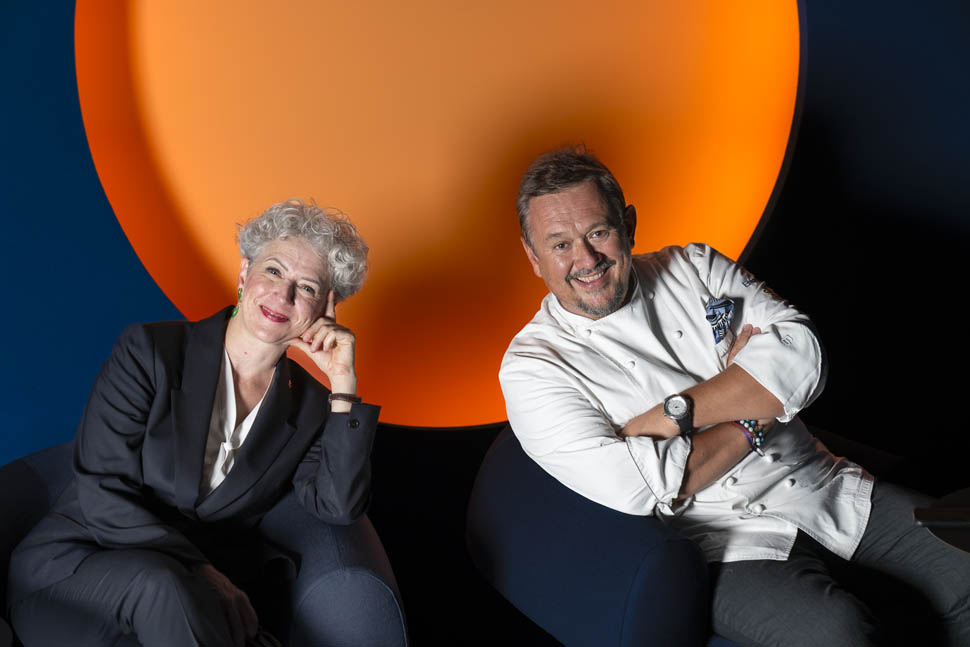
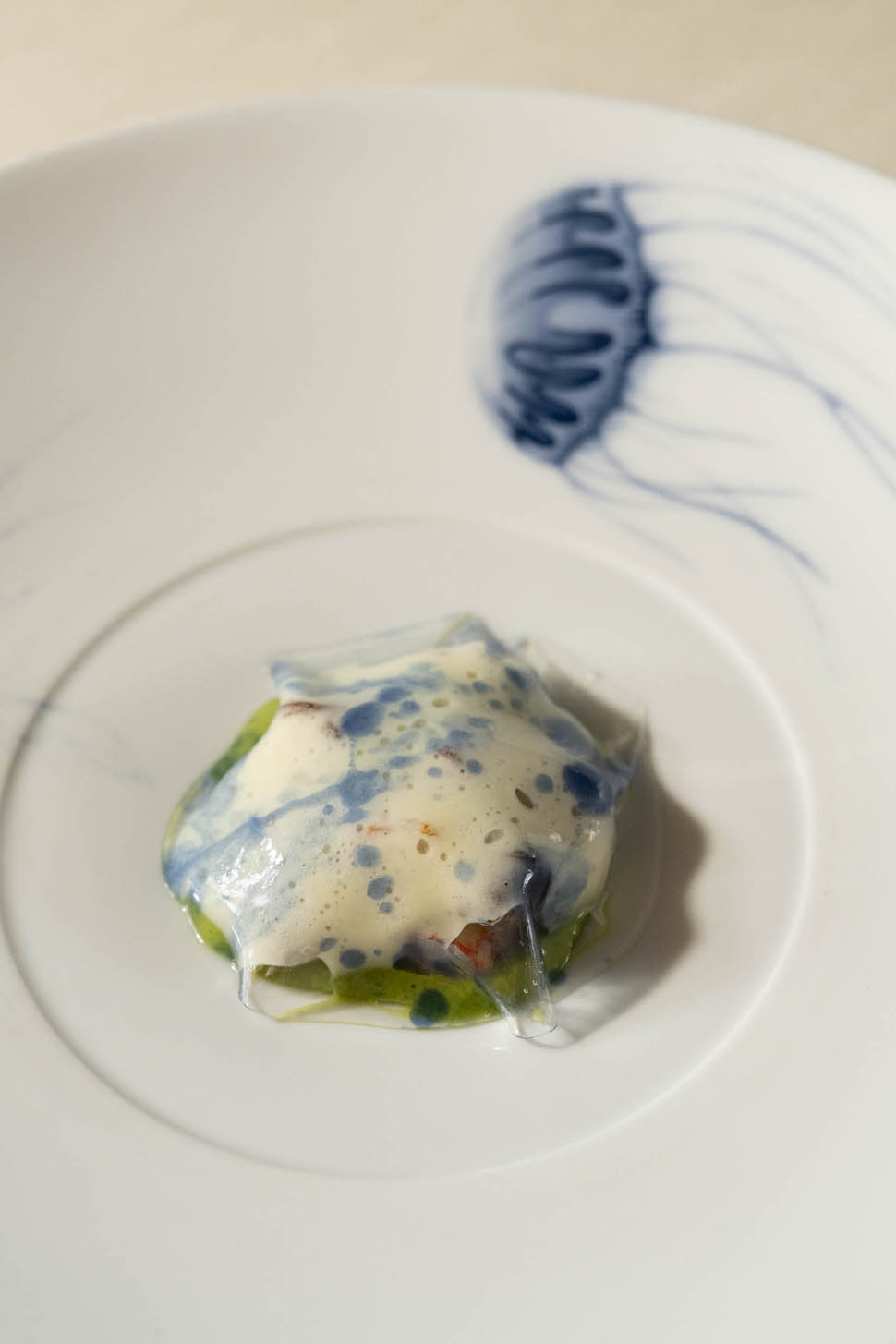
For Scarello, the focus is on bringing out the essence of Friuli: “We must always maintain a strong sense of identity in what we offer. In the scampi, for example, there’s ginger and rhubarb, which aren’t exactly local ingredients. On top, however, there’s a thin layer of smoked guanciale from Sauris that adds richness and depth.” In all of this, the team is essential, starting with key members like his right-hand man Elia Calcinotto, Riccardo the pastry chef, and then Cristian, Cristina—who’s been on the team for several years now—and Anna, who’s been working here for nineteen years. On this subject, Emanuele continues: “Among ourselves, we take moments when we have to be—if you’ll pardon the expression—vulnerable. When we have to honestly tell each other what’s working and what isn’t, where we can step in and improve. Because people are our true asset. There’s no getting around that: now we’ve reached the point of serving four lunches and four dinners to give it a little more life”.
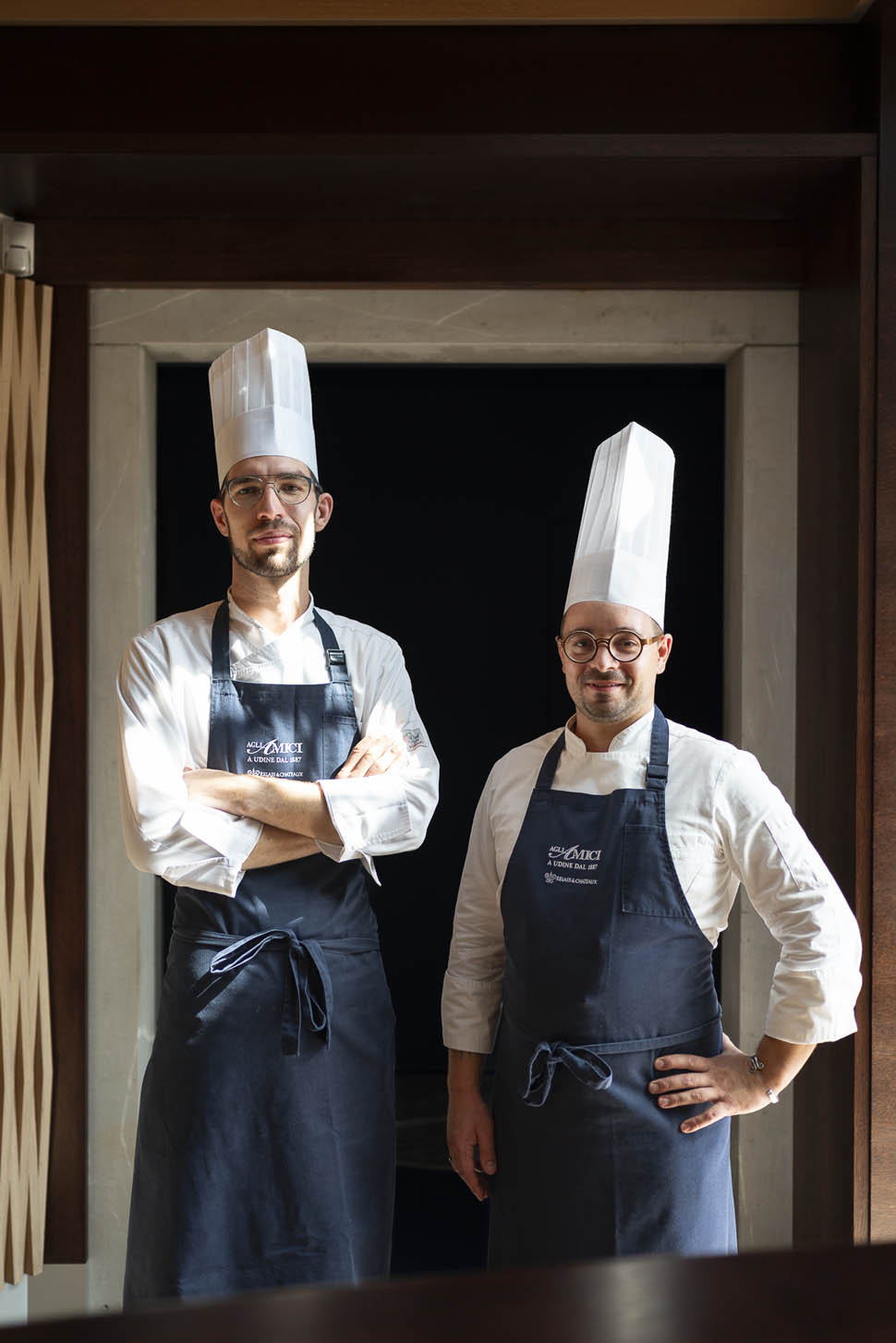
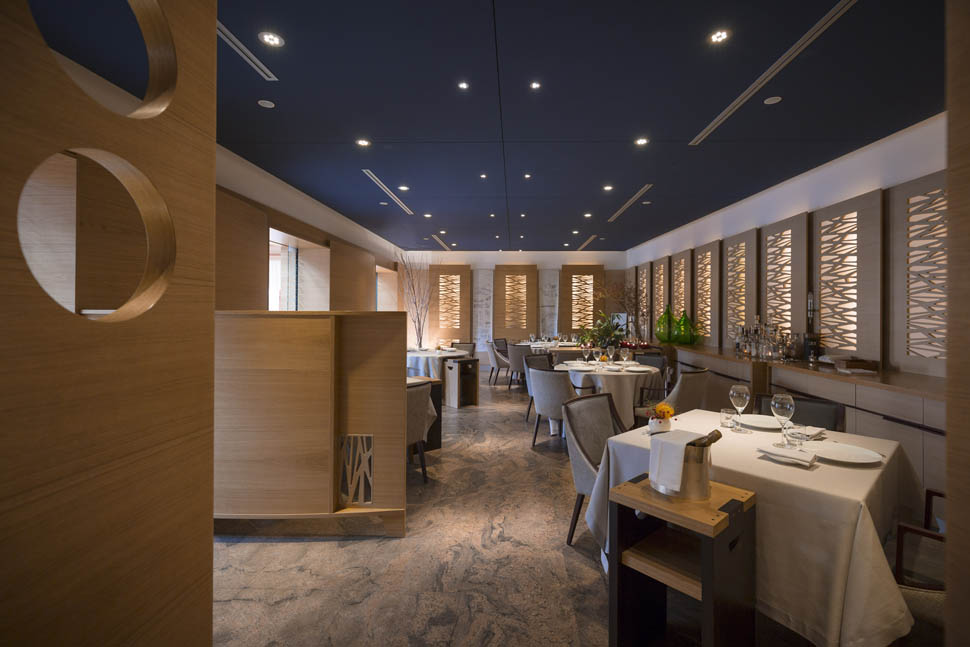
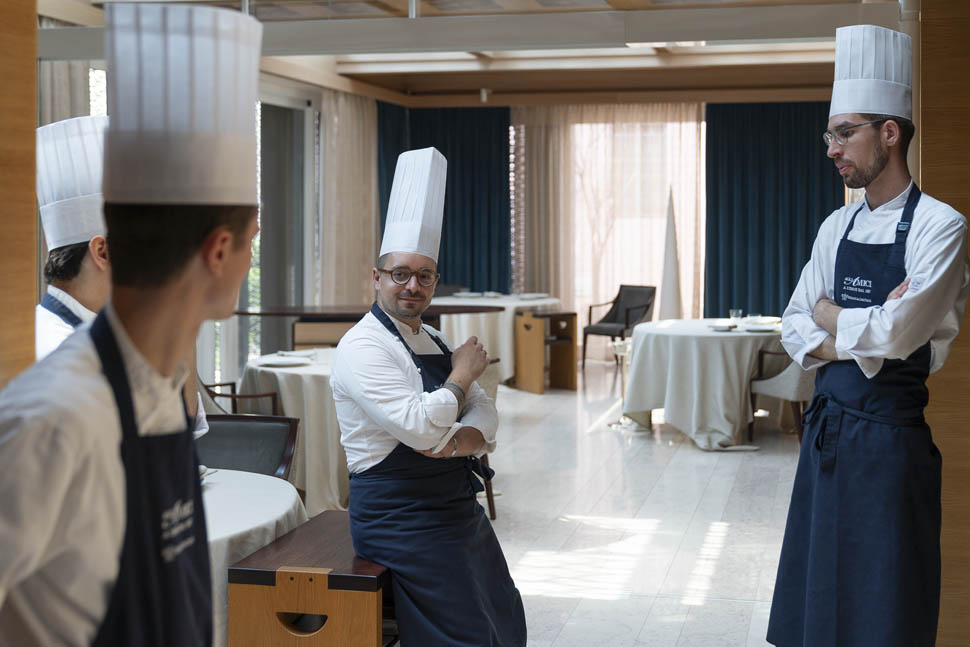
There’s a lot of life—or rather, vitality—in the dining room as well: behind her gentle, calm demeanor, Michela hides the spirit of a leader who, like the perfect guest, watches her team at work, starting with maître d’ Carolina Vaga: “As a dining room team, we operate within the Amici system; the spaces are all interconnected, and discussions on any topic arise naturally from our day-to-day interactions. There are many reasons why everything works, starting with the fact that this is the development of a family restaurant, because we’ve always been used to speaking openly with one another. Mom in the kitchen and Dad in the dining room talked constantly about everything, so Emanuele, the staff working with us, and I have maintained this tradition. If the dining room and kitchen didn’t talk to each other, it would be like if, in a company, the production department and the sales department didn’t communicate—it would be unthinkable. We have a space where we all have lunch together, which we call our refectory; the exchange is constant; it’s a natural way of doing things.” The dining room, as seen by Emanuele: “It’s at the heart of the restaurant because conveying a sense of hospitality is their job—they’re the first people to open the door for you, to welcome you, to show you to your seat: at that moment, you’ve already formed your first impression and know whether it’s going to be a pleasant evening or not. All the girls who work here are in training; the kitchen comes later.”
The Dishes
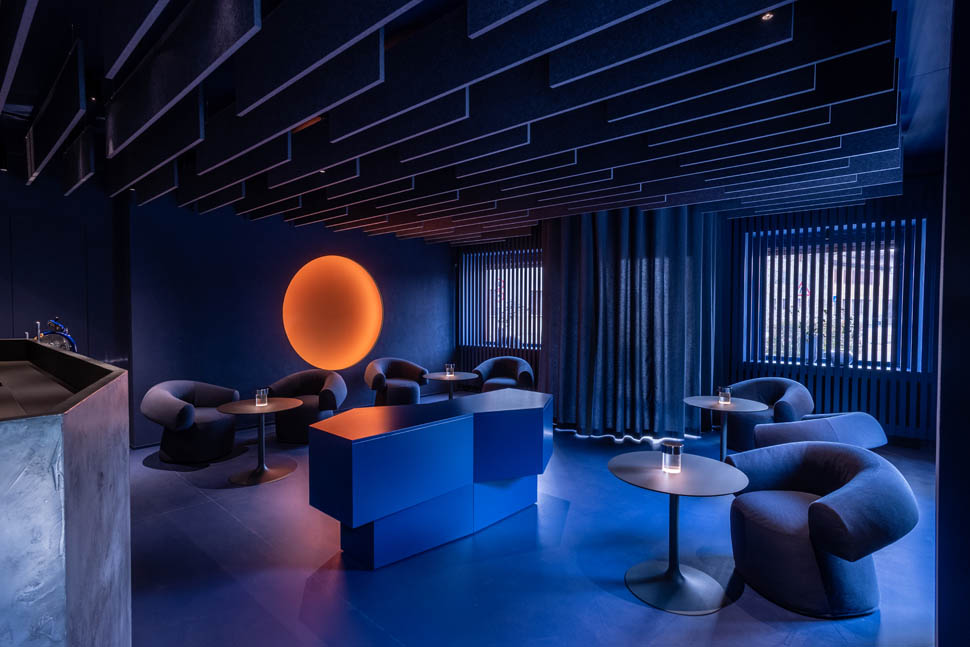
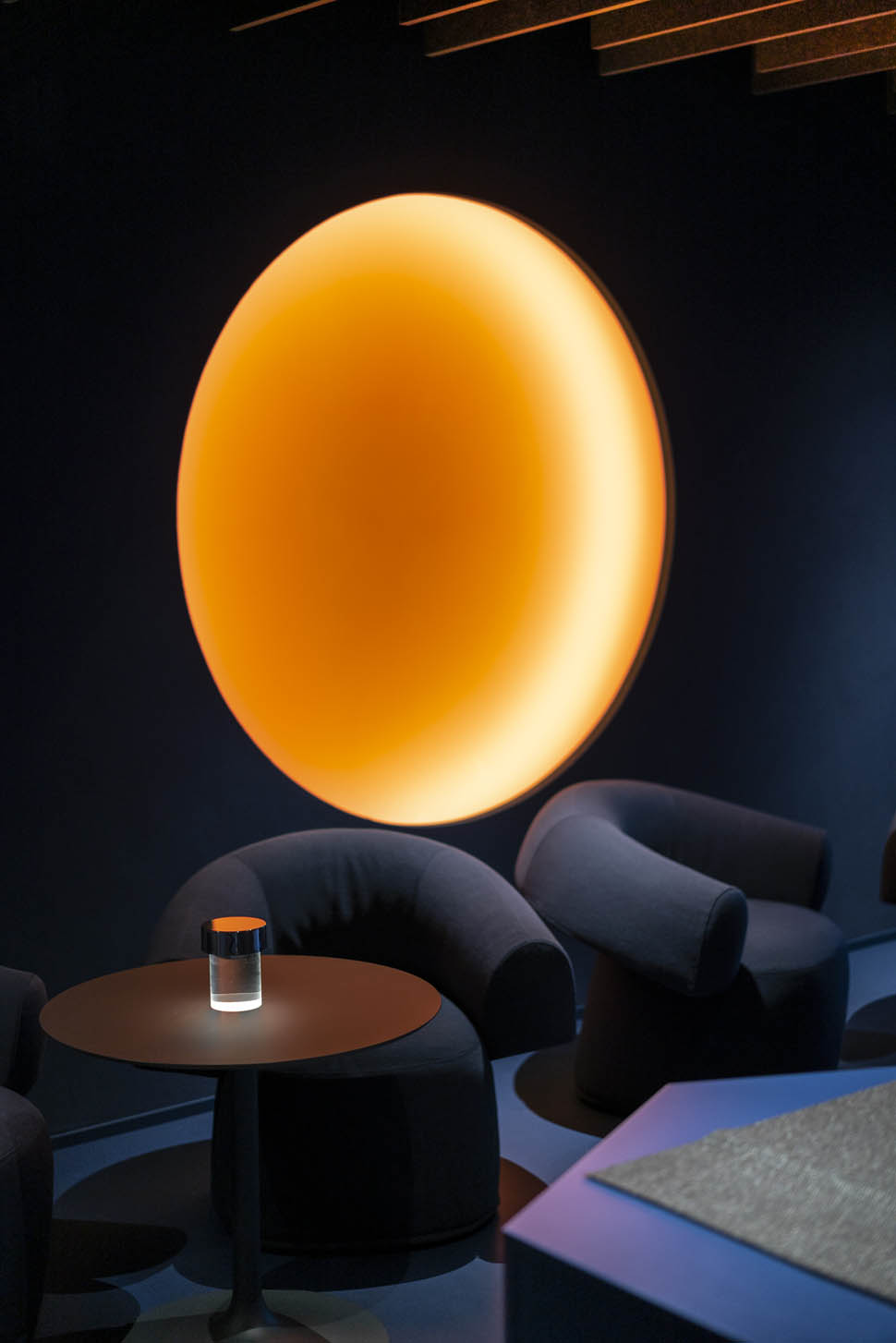
The food will come later, but the dining experience here is divine. Emanuele Scarello’s dishes are characterized by extreme refinement and a distinct personality, the result of meticulous research. The curtain rises in the blue room at the entrance, with its imposing counter where, later on, cheeses will be elegantly displayed for those who wish (and it’s well worth it) to extend the tasting with a break before dessert. The prelude to dinner, if desired, takes place in this room, with a lavish aperitif. At the table, the meal begins with the refreshing ‘yellowtail, asparagus, primrose agretti, and kiwi sauce’, a fruit that makes its (welcome) debut on the menu.
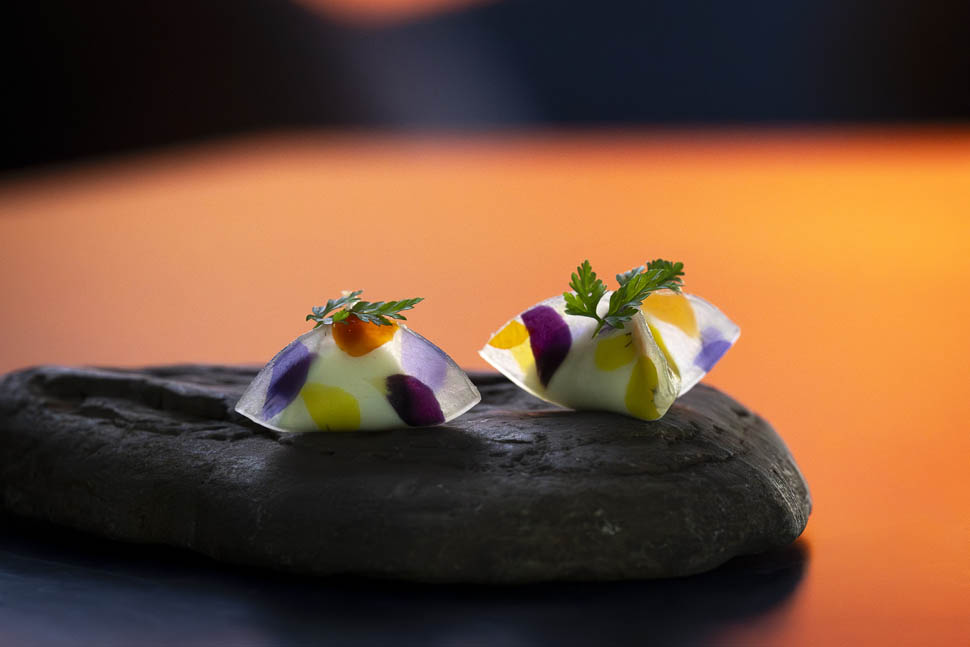
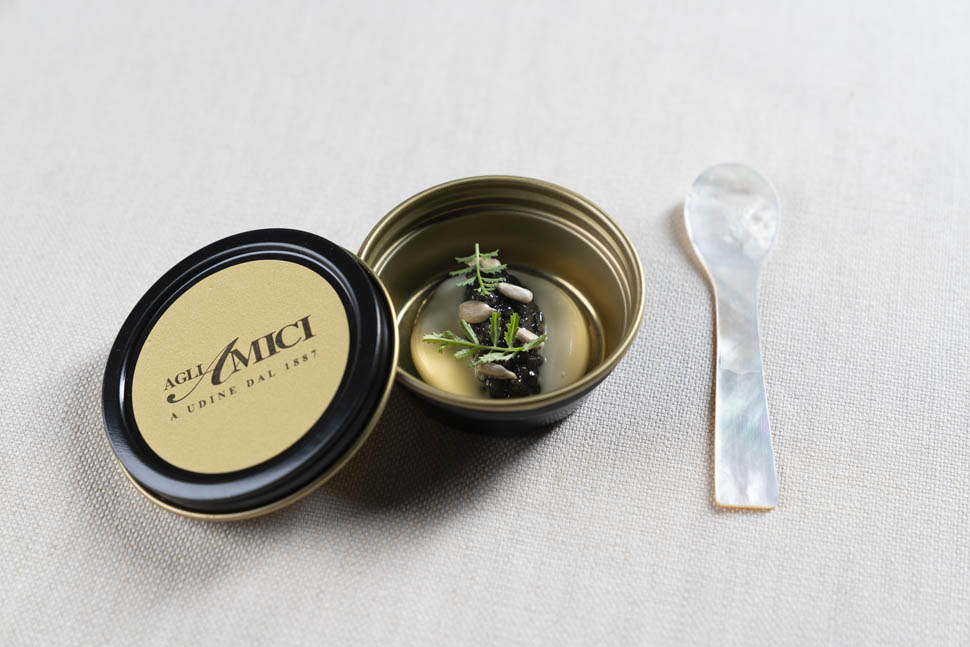
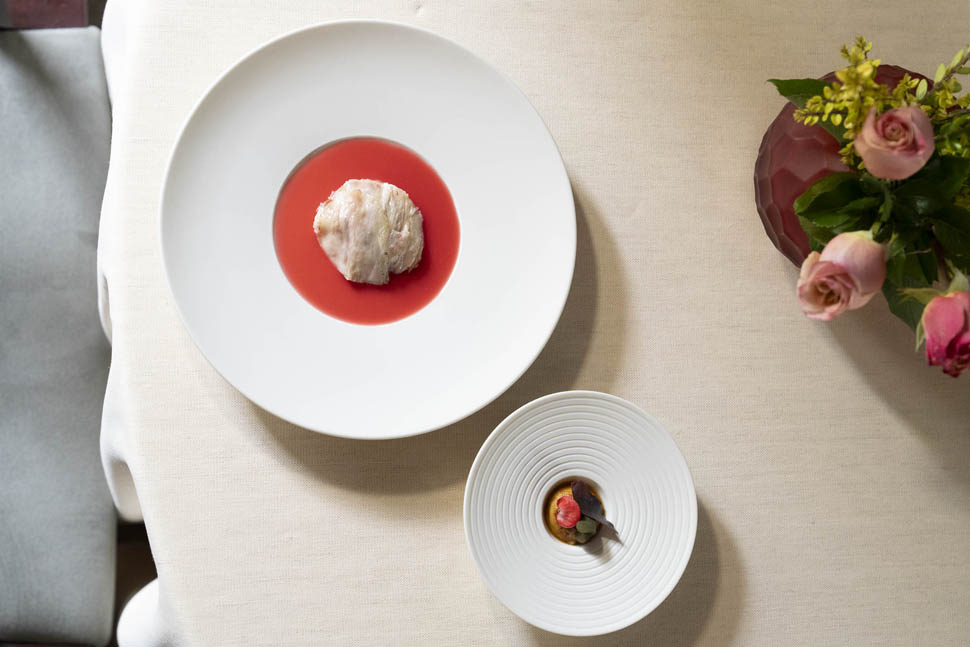
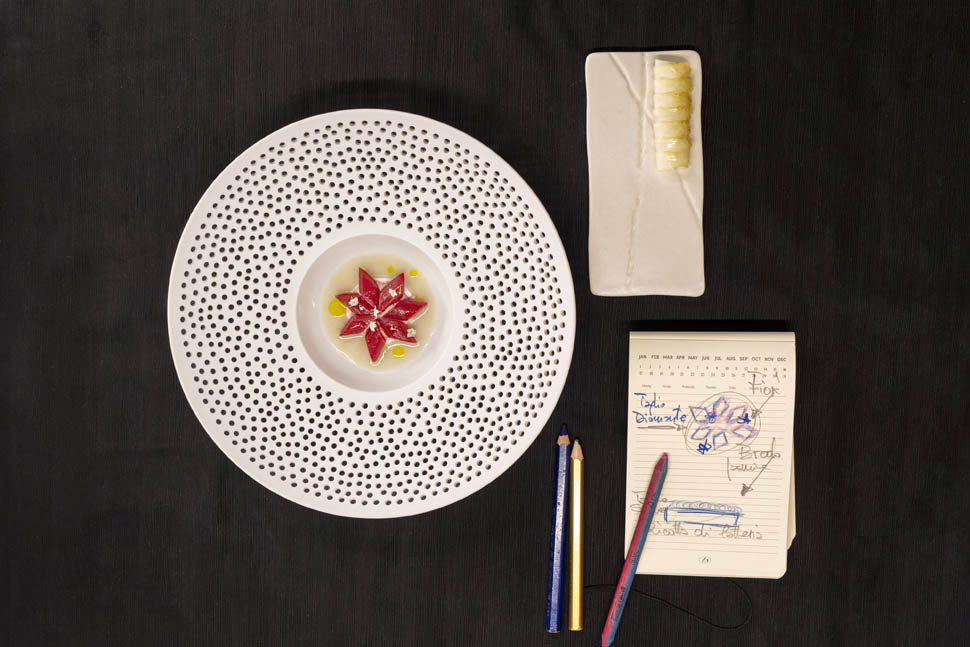
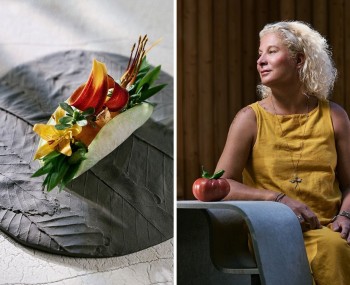
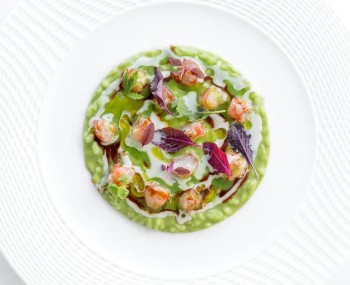
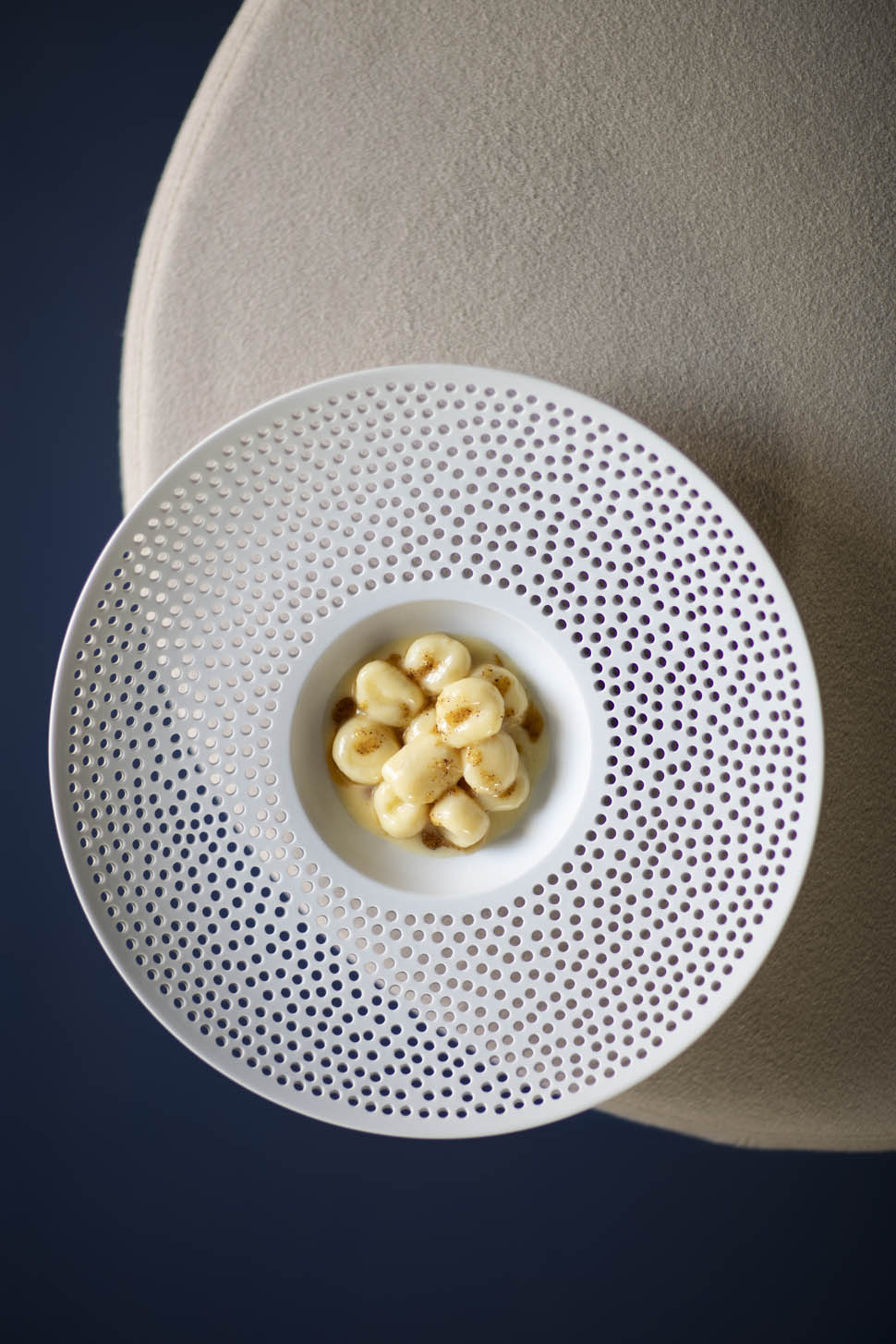
Each course will be accompanied by a small bite: in this case, a cracker with sunflower seeds, chopped yellowtail, and very thinly sliced asparagus stalks. A touch of extreme elegance comes from ‘scampi, rhubarb, and raspberry’: the shellfish is served au naturel, paired with a wafer-thin slice of Sauris guanciale, rhubarb, and a fragrant sauce infused with cilantro, ginger, and raspberry. On the side, in this case, a wonderful savory crème brûlée, made with the scampi heads. A delicate yet no less delicious course is the ricotta tortelli, with John Dory and strawberries: a springtime dish with a touch of ‘sclopit’—sweet-and-sour white and red strawberries, marigold, and licorice—and a reduction made from the fish itself.
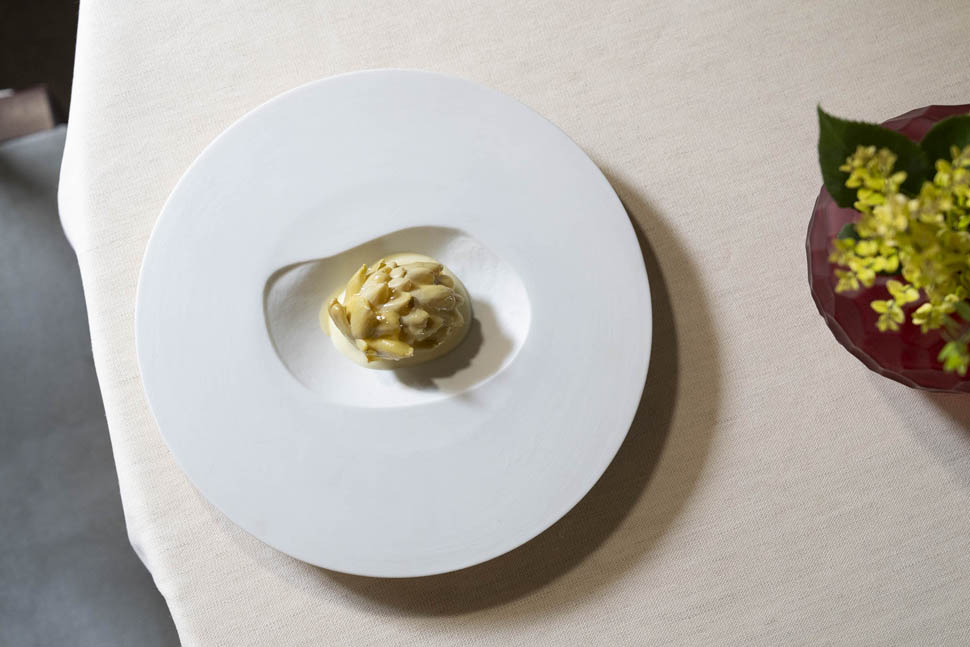
A small masterpiece, both to the eye and the palate, is cuttlefish, eggplant, tomato water, and savory: the cuttlefish is glazed with a vegetable reduction, lemon zest, and tomato water; alongside it, another delight made with burrata milk, featuring a Thai twist, and the cuttlefish trimmings quickly seared over the grill. The connection to Istria is strong, thanks in part to the wonderful sister restaurant in Rovinj.
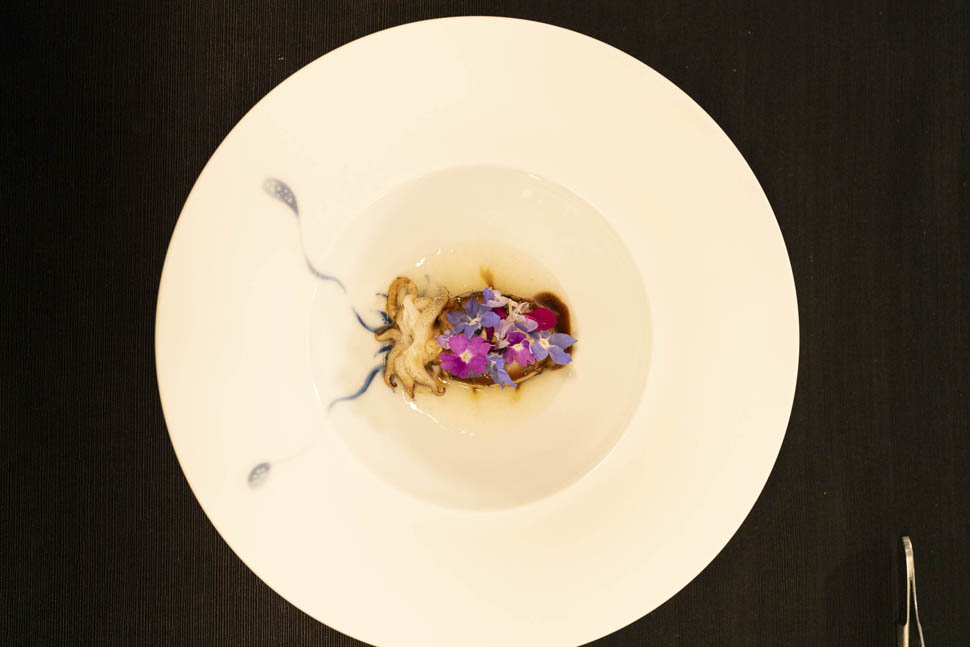
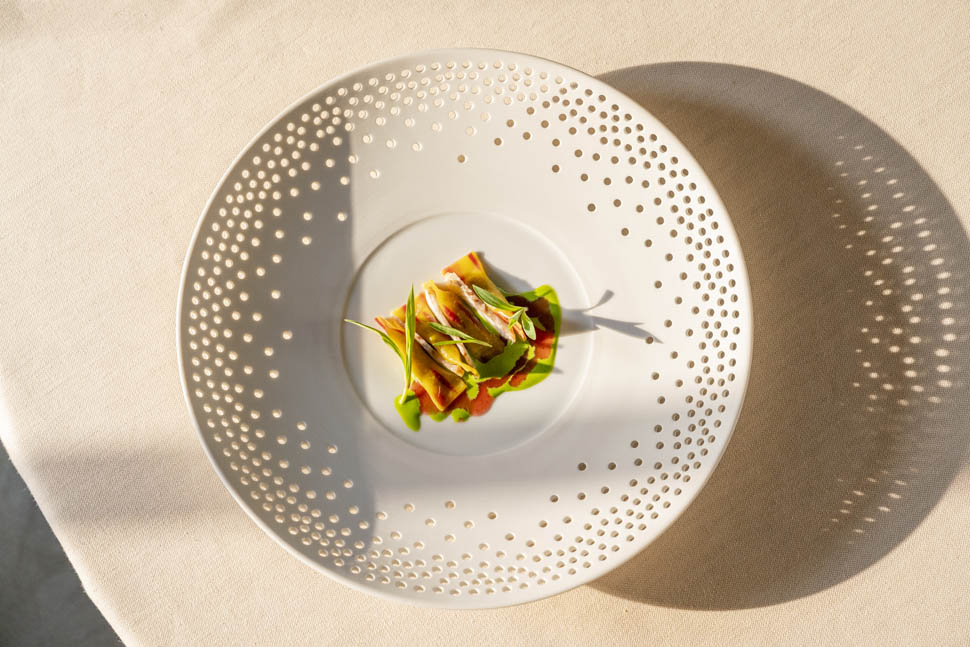
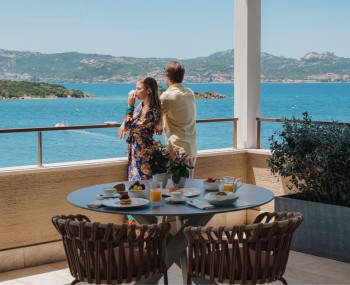
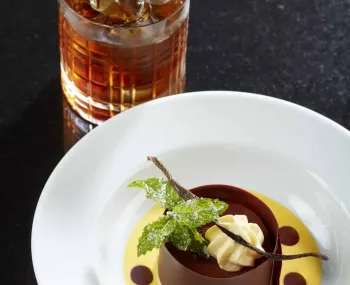
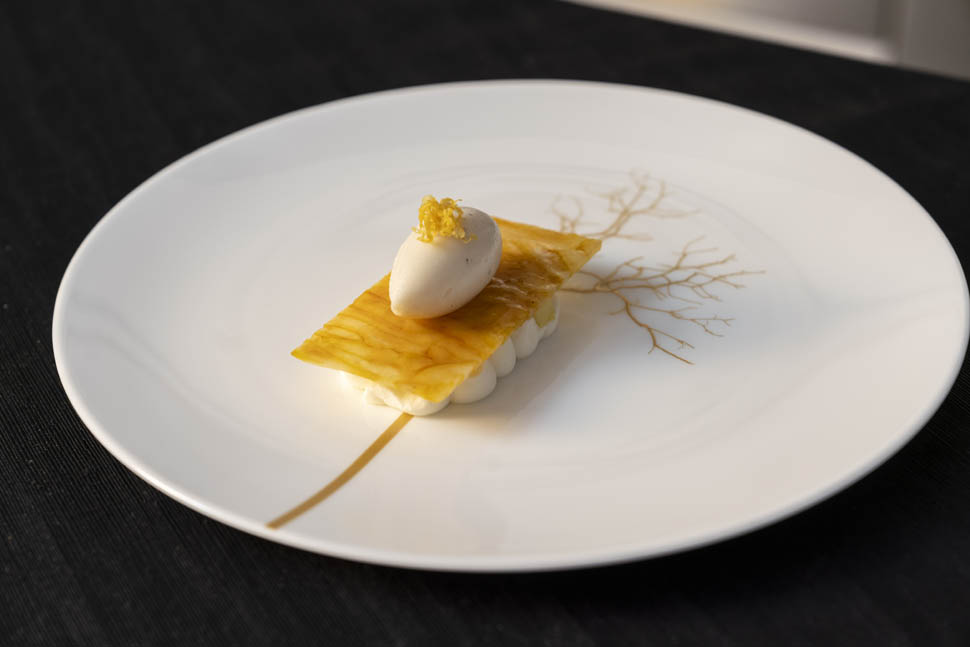
From there, from an inland region at risk of depopulation due to the rise of seaside tourism, comes a kid of incredible quality. Michela tells us: “The inland region is vibrant all year round: when we talk about good cheese, truffles, and meats, you’re inspired to visit certain places even when it’s not swimming season. That’s how the idea to add Istrian kid to the menu came about.” The meat comes from Pazin, a town nestled in the Istrian Karst hills, and is prepared with ingredients from both land and sea. On one side, mussels in scapece sauce; on the other, a cream of spring wild herbs: “going out to forage for them is life itself for us—it’s essential.” The side dish is a delicious little bun, steamed and then fried, stuffed with braised kid and aioli. Dessert begins with a delightful course featuring sa pompìa, a Sardinian citrus fruit, served with panna cotta, mascarpone ice cream, and tonka bean. It concludes with seaweed, sea buckthorn, toasted almonds, and lichen ice cream: simply divine.
One final thought with Emanuele on the never-ending debate in the world of fine dining: “People keep saying it’s dead, time and again. They were saying the same thing twenty years ago: today, go ask all those who’ve stayed, kept working, and are still there, going strong. I think fine jewelry, supercars, and haute couture will always exist, because from there it trickles down and makes things popular. It benefits everyone that cuisine continues to aim high, that there’s a different way of thinking. I’d love for a few of you insiders to spend a day with me, because for us, a dish is just a dish. It’s the last thing on our minds, because at the core there’s truly insane research into the product and extraordinary training of the people”. This, too, is fine dining.
CONTACTS
AGLI AMICI DAL 1887
Via Liguria, 252 Udine
Phone: 0432 565411