Beyond the clichés: the story of Santiago Lastra and how his restaurant KOL is redefining Mexican haute cuisine amid the creative buzz of London.
London is a place it’s easy to fall in love with, a metropolis that blends history and modernity, trends and traditions like no other, starting with everything centered around Buckingham Palace. Like all great cities, it’s a challenging and controversial place, but above all, it’s fascinating. It’s no coincidence that, from a culinary perspective, the British capital truly lacks nothing, because every culinary culture is effectively represented here. Santiago Lastra arrived in London at a very young age, with a clear vision in mind: to introduce the beauty and deliciousness of Mexican cuisine. What struck him was his perception of the city as particularly open to new ideas and the fact that there was, in fact, no truly established Mexican culinary scene here: when you talk to him, you realize that his enthusiasm is genuine; you can see it in his face when he recounts his professional journey, a true journey around the world.
His Story
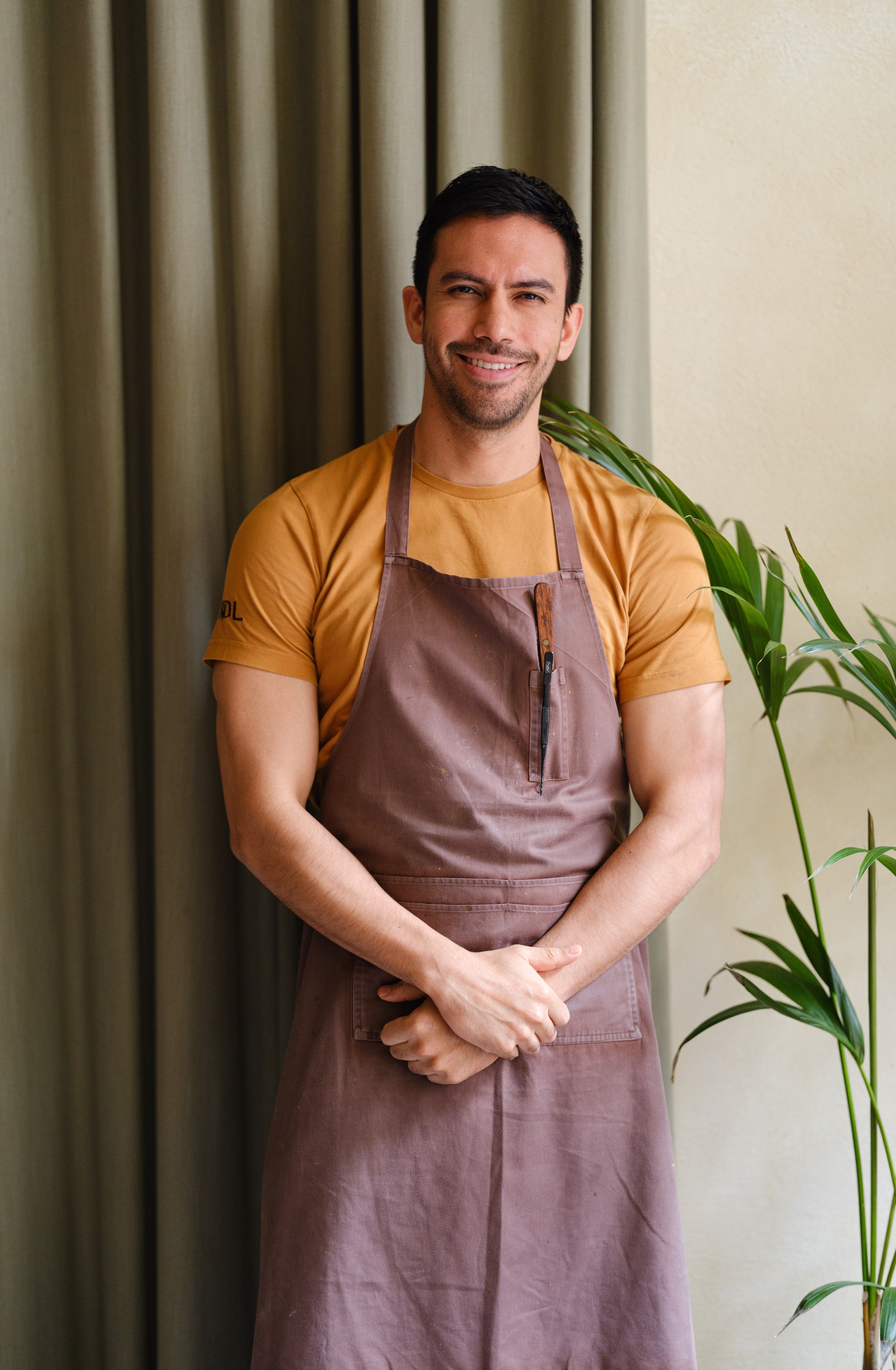
Santiago was born in Mexico City and grew up in Cuernavaca, known in the country as “the city of eternal spring”. Despite a strong aptitude for mathematics in his youth, his passion for cooking prevailed; he initially cooked for his family and later worked in an Italian restaurant. After graduating, he left for a two-year internship at a Michelin-starred restaurant in Pamplona. Upon returning to Mexico, he studied at the Coronado Culinary Arts Institute, then went back to Spain and worked for one year and three months at Mugaritz while also pursuing a Master’s in Culinary Innovation at the Basque Culinary Center in San Sebastián, where he further developed his aptitude for research and creativity, with the goal of opening a culinary lab in Mexico.
He moved from Spain to Copenhagen, again to study, enrolling in an advanced course at the university’s Nordic Food Lab. His project to make tortillas using Nordic grains was a success that led to a long series of pop-up events in 27 countries around the world, where he created dishes inspired by Mexican recipes using local ingredients. All of this allowed him to greatly expand his network of contacts, but the turning point in his career came in Russia about ten years ago, when he received a message from René Redzepi, who had the idea of bringing Noma to Tulum, in southwestern Mexico, for a 7-week pop-up in the country: In 2017, Santiago himself would become the project manager for Noma Mexico.
The research he undertook for this project not only took him far and wide across his country, but also gave him the opportunity to discover the enormous variety of ingredients from one region to another and just how unique Mexican cuisine truly is. That is why Lastra decided to shift his focus to the restaurant industry, precisely to spread such a powerful culinary culture and change its superficial and limited perception. To do so, he needed a particularly receptive city: this could only be London.
The restaurant
KOL opened in 2020 in Marylebone: “At first, when I arrived here, the idea was to make Mexican food using British ingredients, but I didn’t know anything, and there was very little information available. If someone asks you to name a very traditional British ingredient that you can’t find anywhere else, it’s very difficult to find that information.”
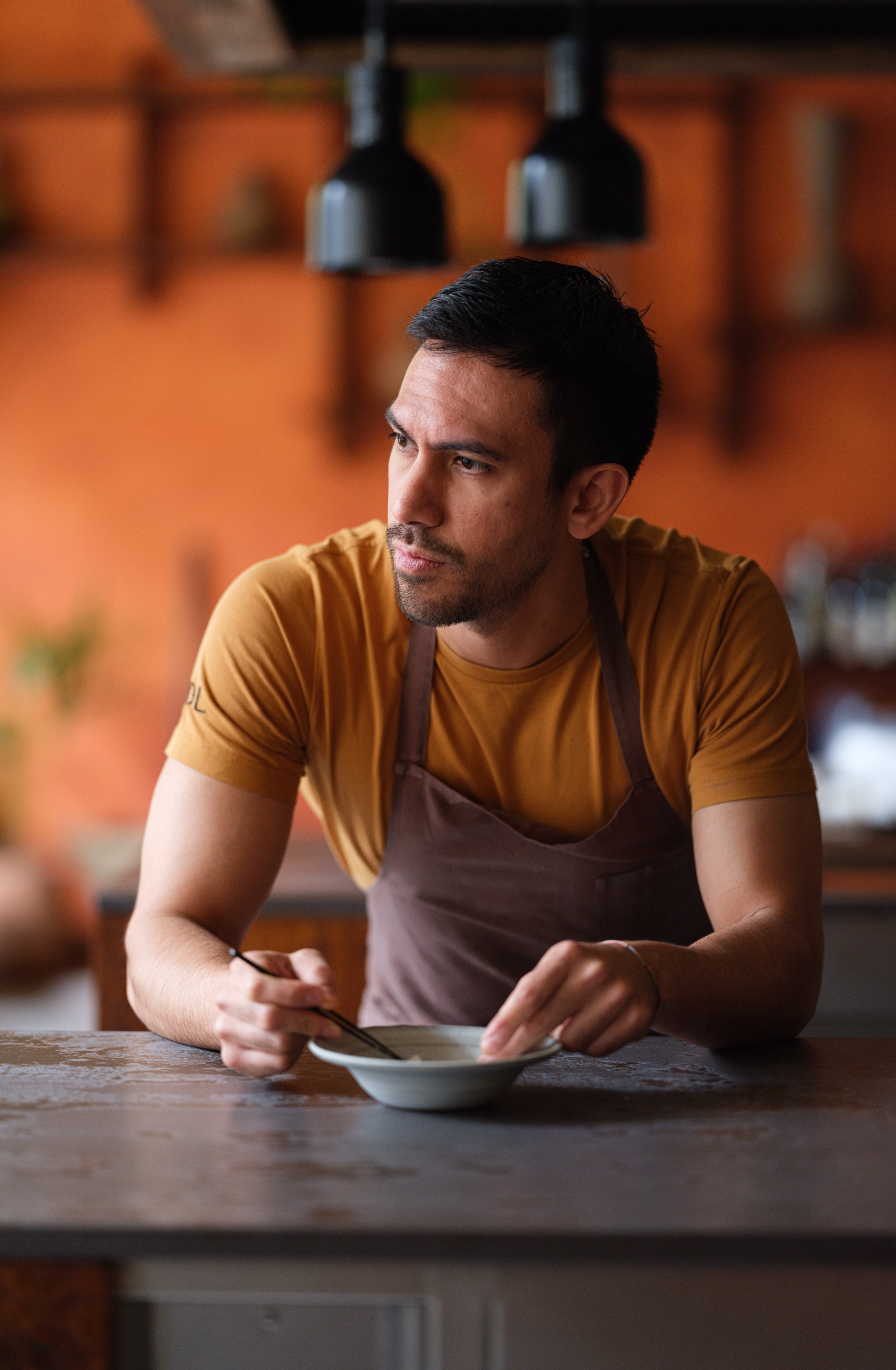
"So I decided to travel for a year and spend time with suppliers and fishermen, trying to understand things. Then there was another year of working in a kitchen in East Acton, an area that isn’t very nice. We turned our home into a kitchen; that was the start of the restaurant: I spent a year doing research and development with my brother. We prepared about 120 dishes; I invited my partners, sometimes even journalists and my friends. Everyone said it was fantastic; I said it was horrible. It was a very complicated thing to achieve because I wanted to create fine dining that was also reasonably accessible”.
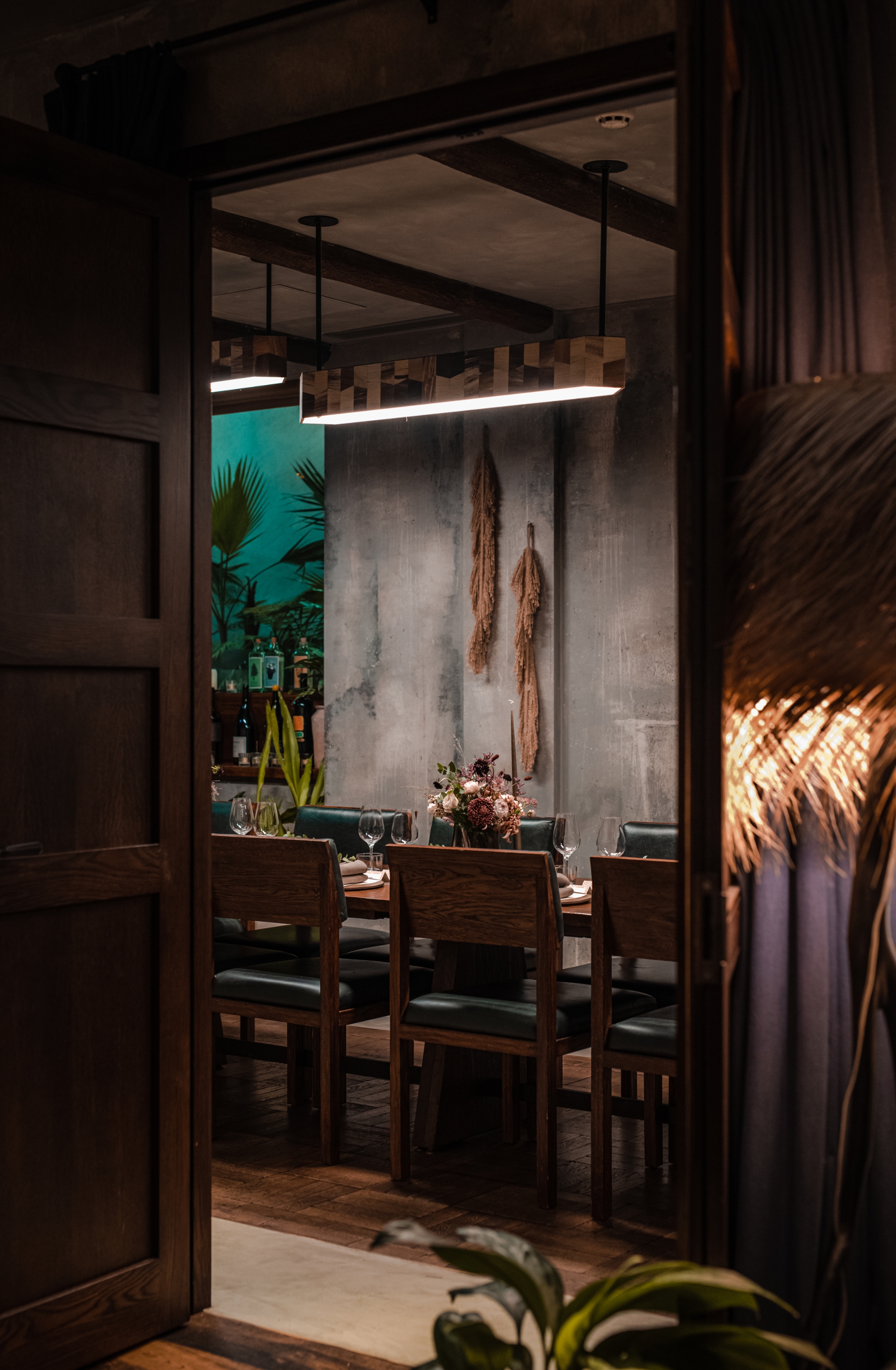
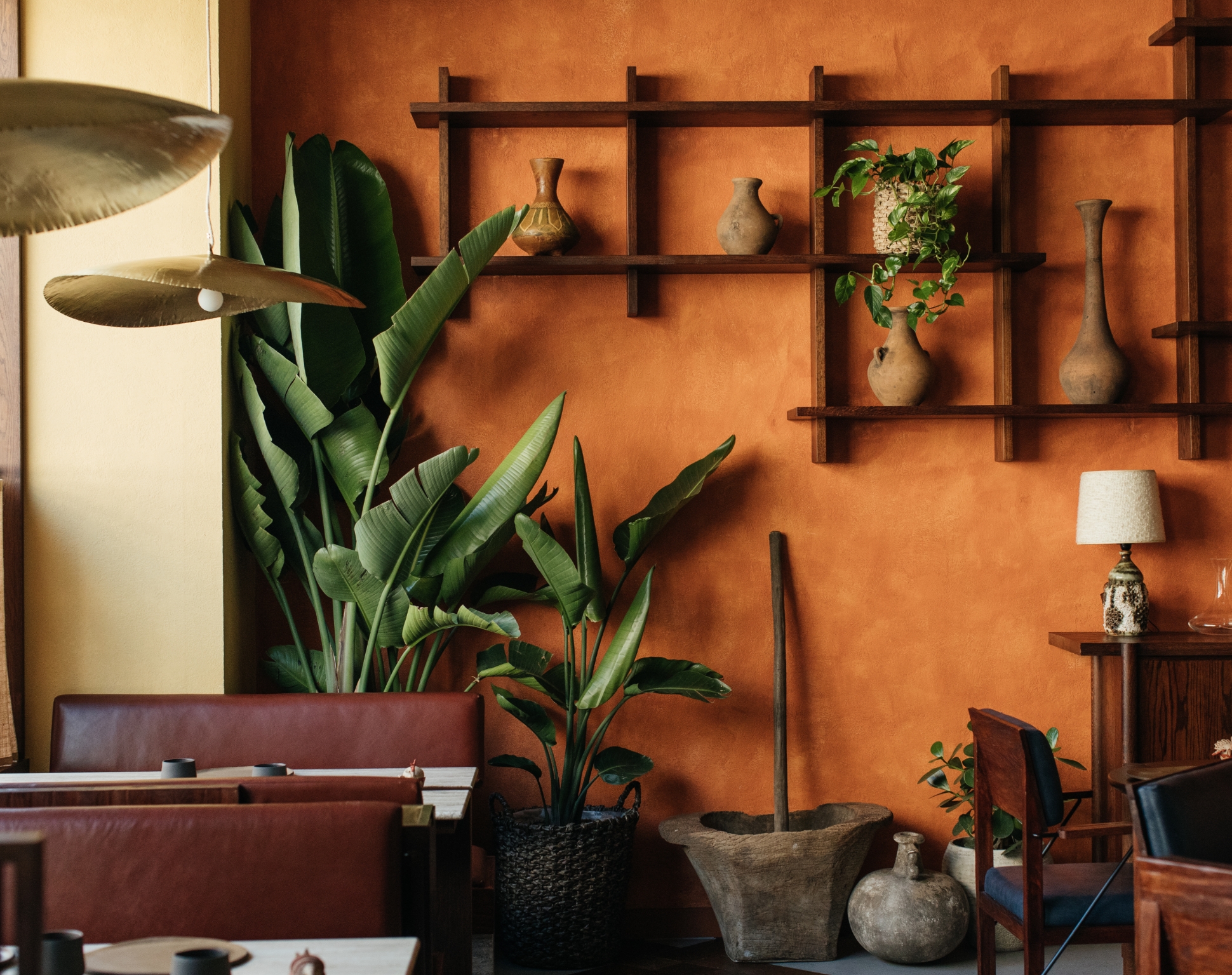
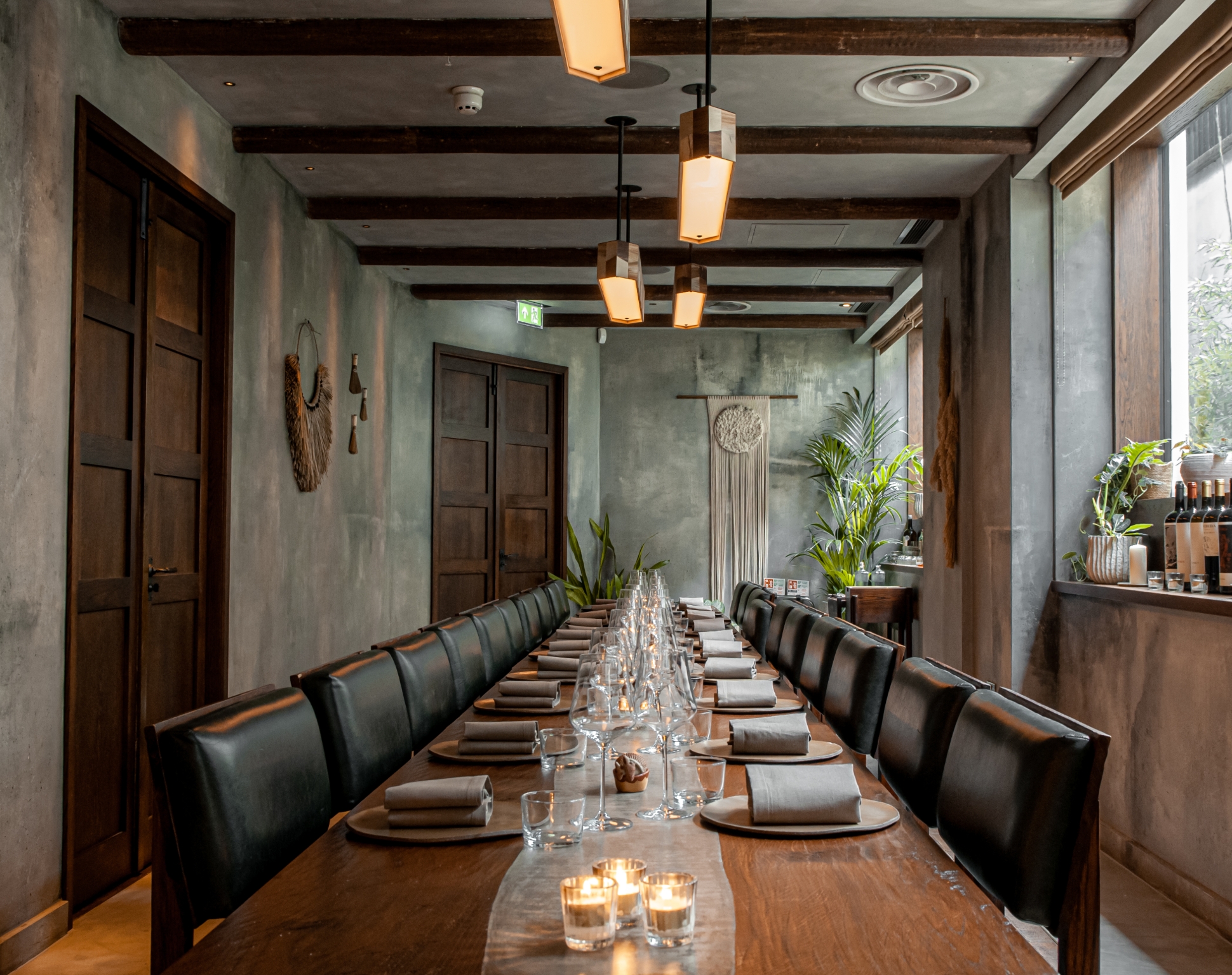
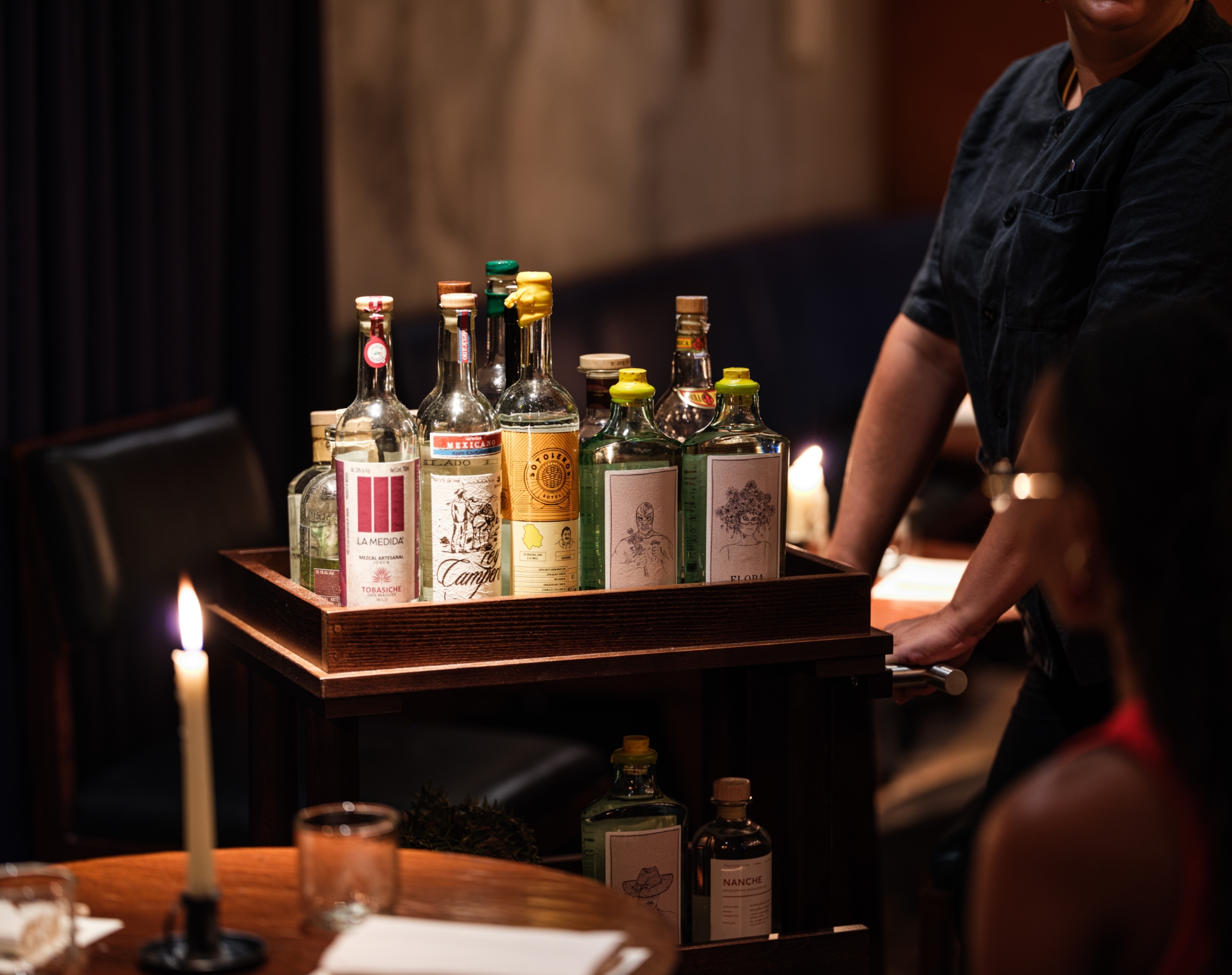
With one Michelin star, ranked 23rd on the 50 Best list in 2023 and 49th in 2025, Santiago Lastra has no shortage of accolades. After all, KOL, just five minutes from Marble Arch, is a cheerful, colorful, bustling place where you’ll feel right at home. On the ground floor is the large dining room, centered around a beautiful open kitchen teeming with chefs, with colors reminiscent of the streets of Mexico, in shades of yellow, pink, and orange; downstairs is a chef’s table reminiscent of the East Acton location and the extensive mezcal bar where desserts are served after dinner.
KOL is a bustling place, just like Santiago. We got a firsthand look at a key aspect of this research, thanks to a long walk through Kent with Miles Irving, a professional forager who seeks out wild plants (wild food), selects them, prepares them, and brings them into the kitchen, contributing to what is known in the English-speaking world as the Wild Food Renaissance. Lastra actively collaborates with the author of The Forager Handbook, a definitive text in the field, sparking a constant stream of activity: “Curiosity grows organically. The more you know, the more you can do. We’re creating our own style; the more flavors we discover and the better we understand local ingredients, seasonality, and what we can do with them, the more our inspiration grows. One of the most extraordinary things about being a chef is that you never stop learning, so you’re always striving to do things better—not because you want to show off, but because that’s just how it naturally works.”
The Experience
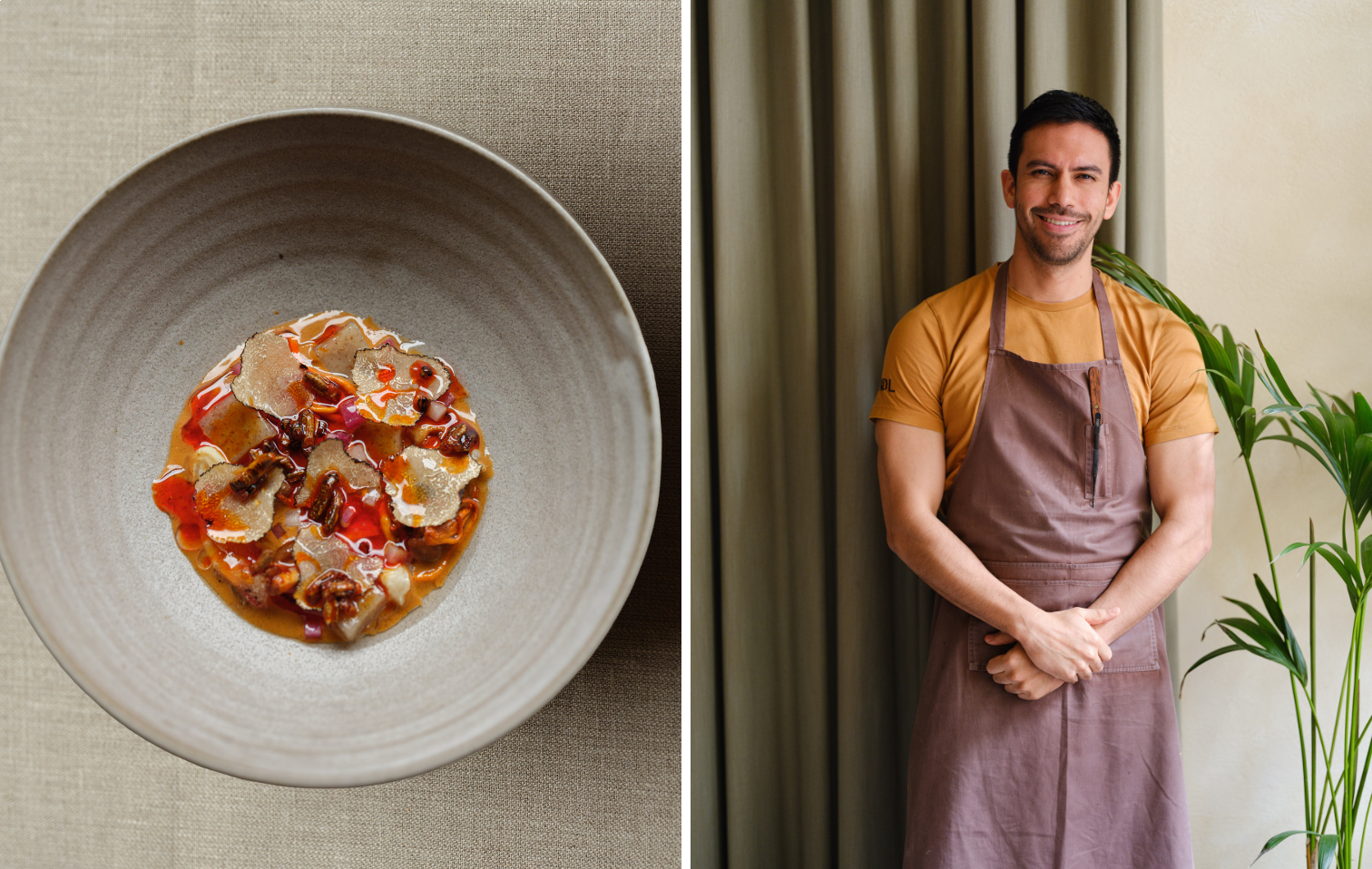
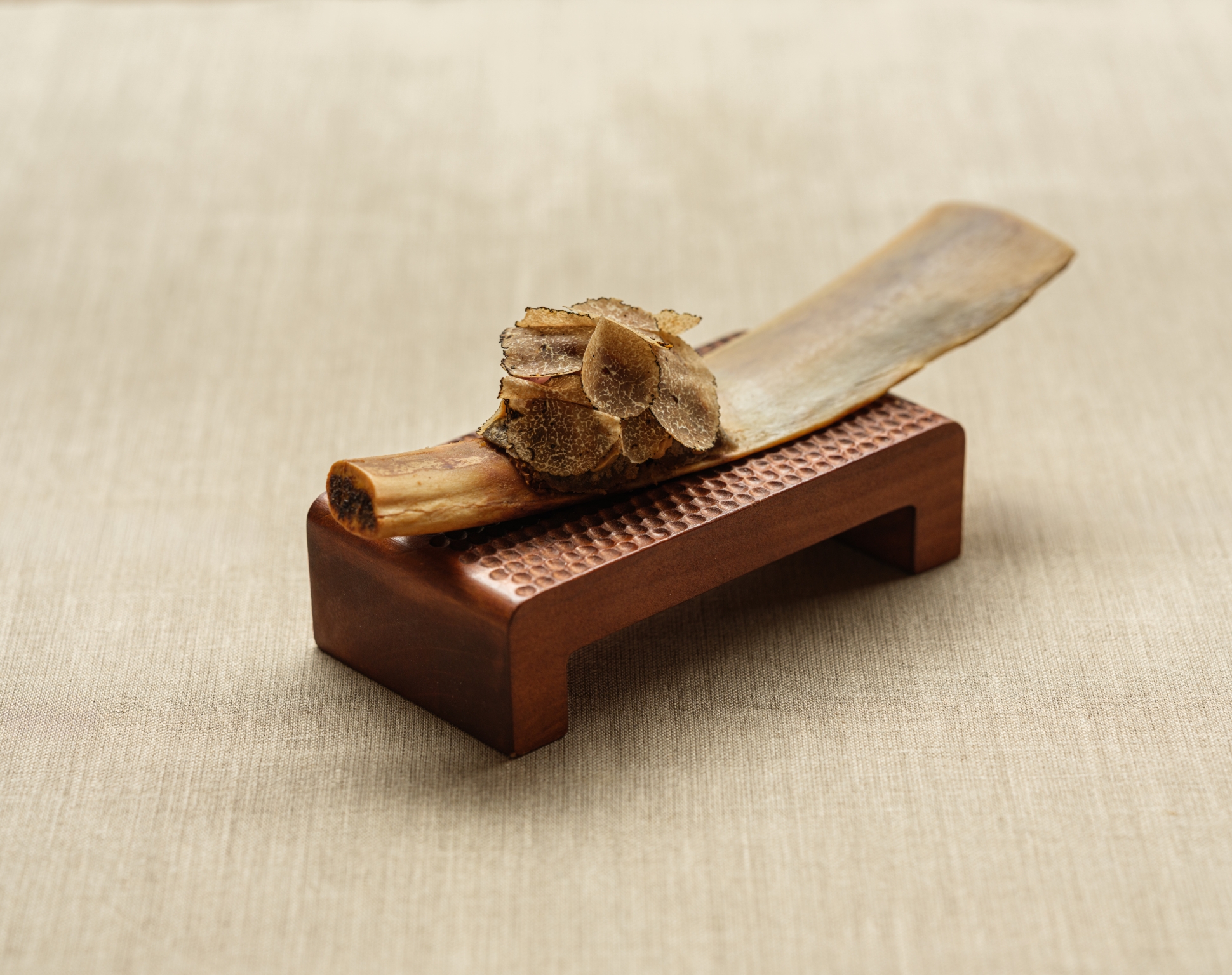
When it comes to the KOL experience, Hannah Gillies, the head of beverages, is impeccable at pairing both alcoholic and non-alcoholic drinks, and the rest of the dining room staff moves with ease to deliver an informal fine-dining experience of the highest quality. The dishes showcase technique and precision, but above all, they are extremely delicious—every single one of them. Take, for example, the short rib quesadilla—in this case, cheese-free—made with shredded beef short ribs mixed with chili peppers and a bit of their juice. The purple corn tortilla is wrapped around the bone and fried. It’s topped with a cream of preserved porcini mushrooms, shavings of Somerset truffle, and shallots, finished with British mustard.
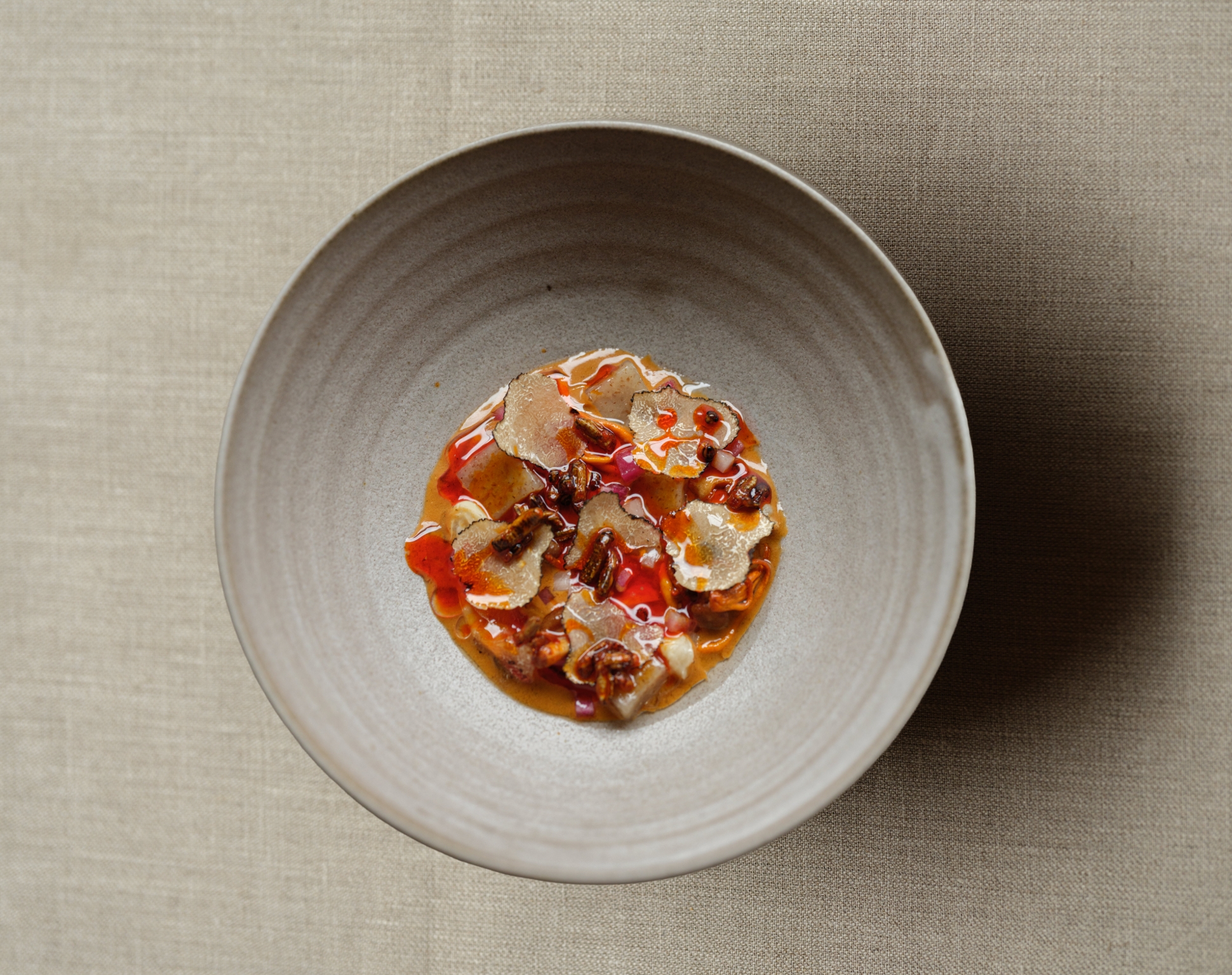
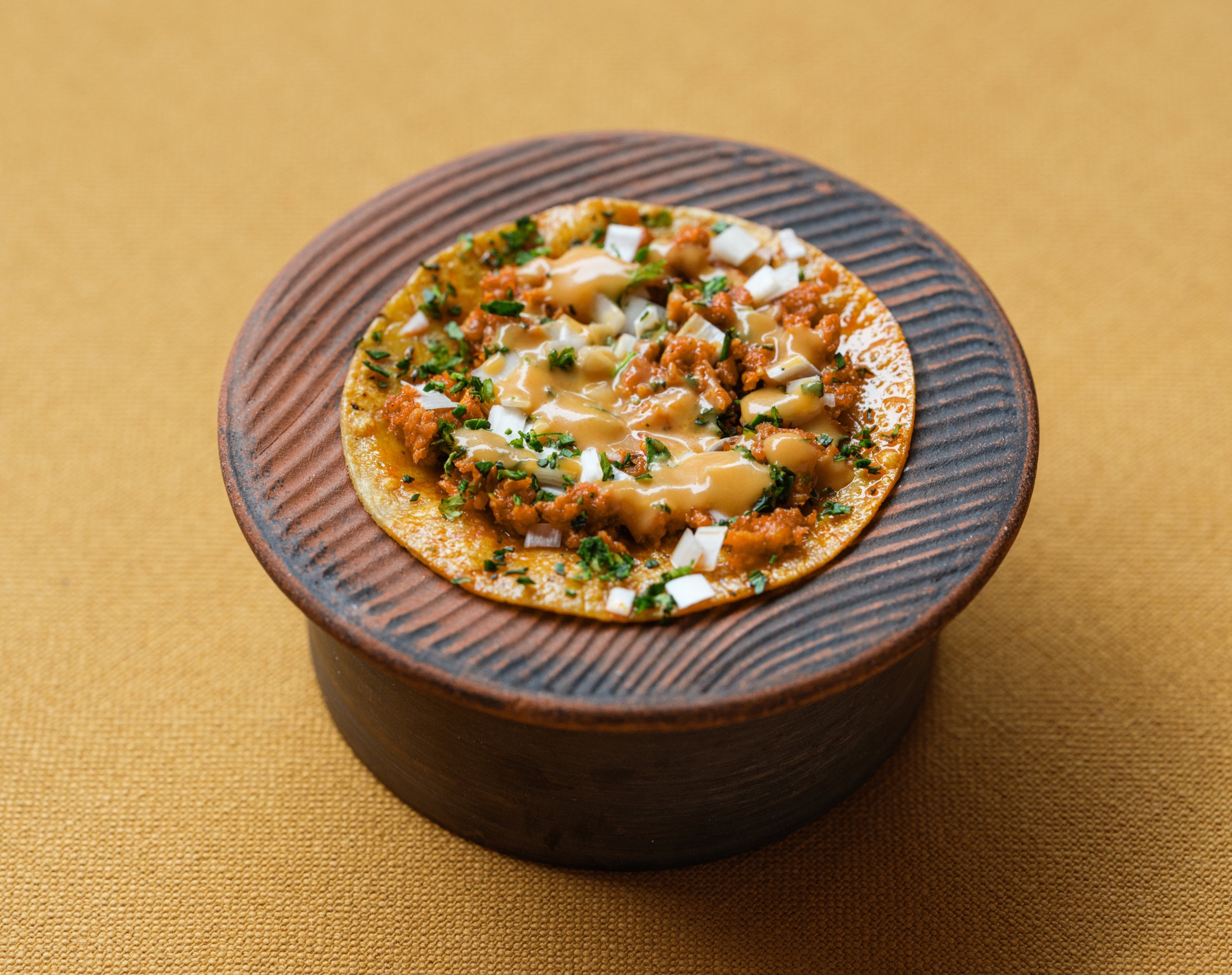
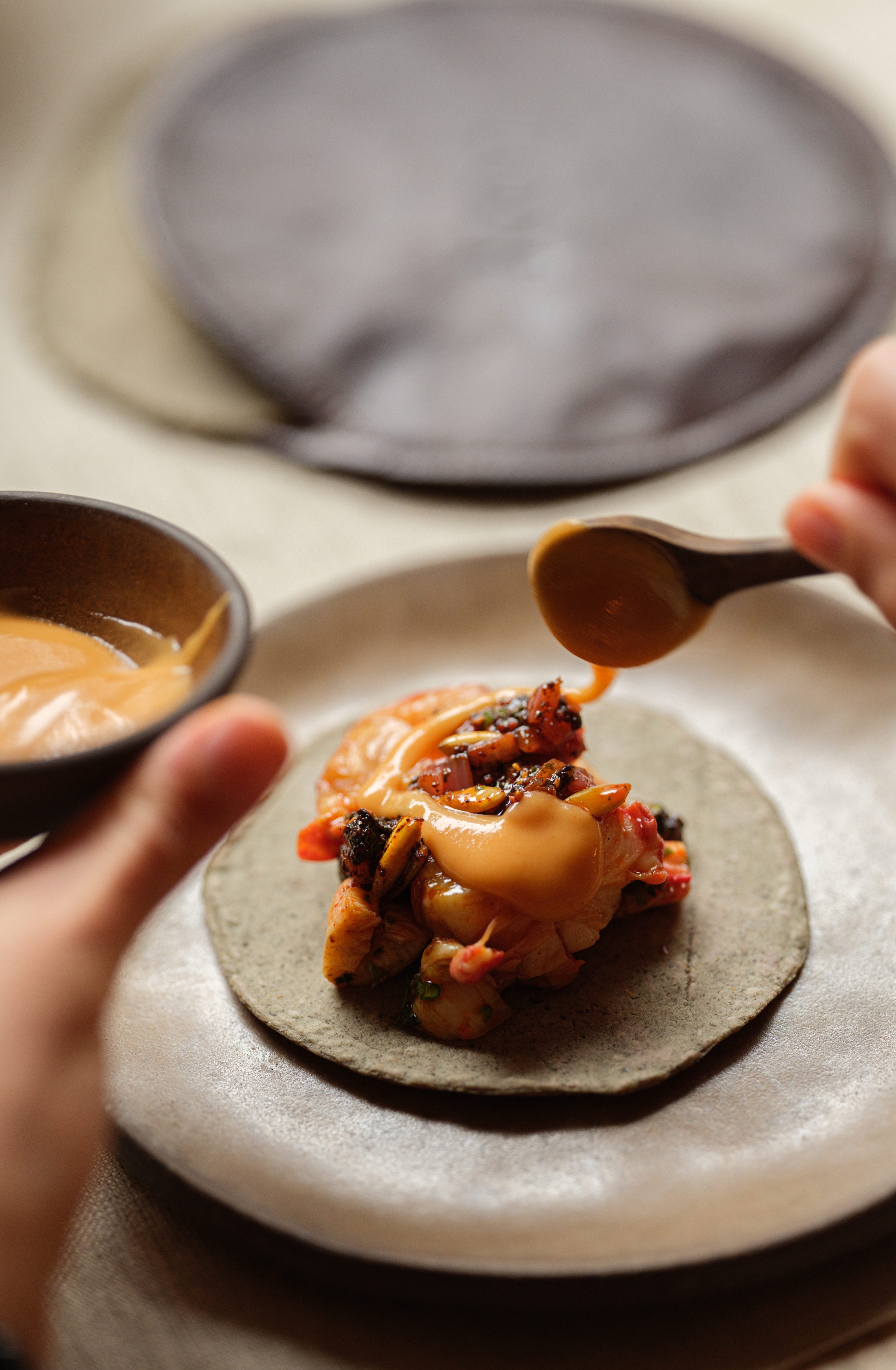
An elegant caviar and ceviche: the scallops are lightly marinated in rhubarb juice; at the bottom of the plate lies a cream made from hazelnuts and prickly broom, a combination that evokes the flavor of coconut. Red currant blossoms and kohlrabi complete the dish, with the caviar adding a luxurious savory note. Lastra’s signature dish, the scampi taco, is absolutely delicious: the crustaceans come from the Isle of Skye in Scotland; they are roasted with garlic and smoked chili peppers, sauerkraut, and served with tortillas and a Mexican flatbread made with duck fat and wheat. On the side are the delicious barbecue-grilled heads, with sea buckthorn juice, which are squeezed over the taco.
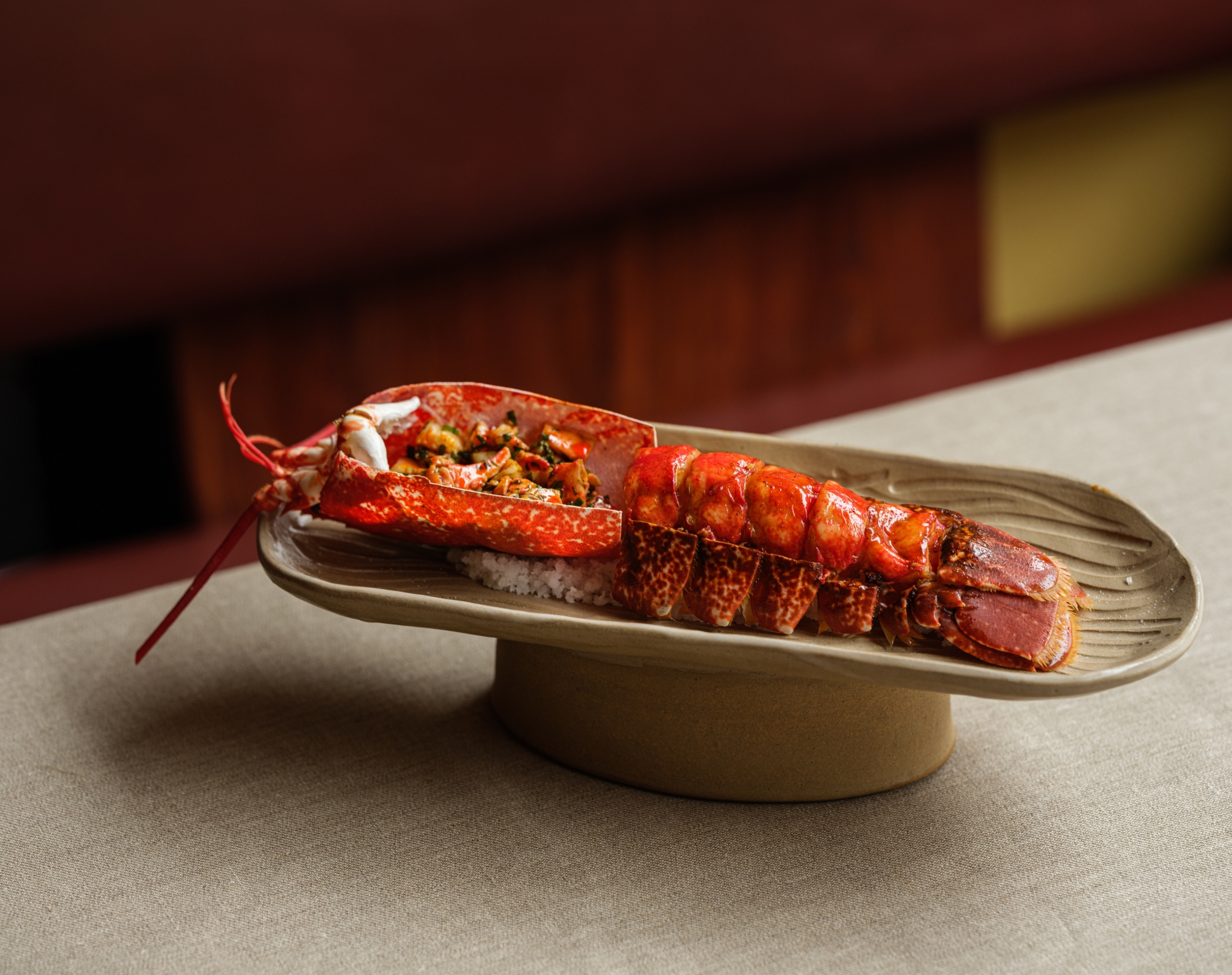
Santiago says: “During one of my many pop-up events, I was in Baja California eating lots of tacos on the beach. Before opening KOL, I took several trips to get to know the local scene: one of these was with a Scottish supplier of scampi who took me out on these small boats, and we had a barbecue on the beach together. I made tacos with scampi instead of lobster, and it was an incredible experience. I felt a connection between that wonderful day on the beach and the incredible Scottish products. It was a union of two cultures. And besides, tacos make people happy.”
Another standout dish is the Wagyu huarache, an oval-shaped tortilla named after a traditional sandal. It’s served with Wagyu beef from northern England, glazed with a veal and marrow sauce and set atop a cream of carlin peas; it’s also accompanied by various pickled root vegetables and other vegetables. Also, the fragrant mushroom pozole, a traditional Mexican soup usually made with chicken or pork, but in this case with wild mushrooms and hemp seeds, along with chili peppers, mussels, their juice, and finally rye dumplings to achieve the texture of the corn typically found in pozole; and truffles and a sauce made from Cambridge crickets raised for KOL: “we mix them with the chili peppers to add more protein to the dish”.
Also noteworthy is the marinated lobster, seasoned with chili peppers and fermented gooseberries and then grilled over an open flame: the tail and claws are tossed in a matcha sauce; the lobster is served alongside delicious potato tortillas accompanied by three sauces of varying heat levels.
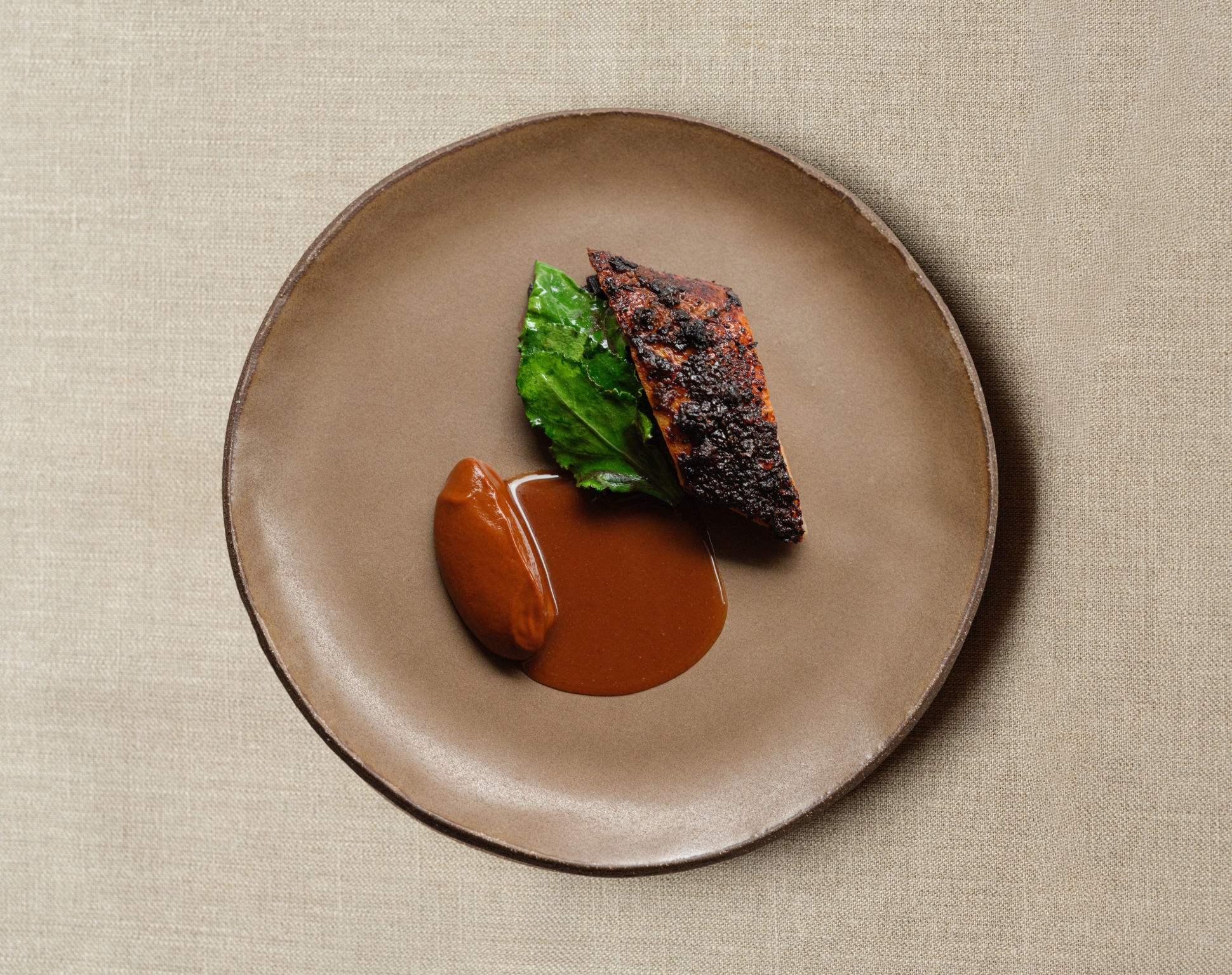
Another delicious masterpiece is duck mole, inspired by the red mole of Oaxaca, a very rich and complex sauce, prepared here in a very different way. Chocolate and nuts are replaced by fermented and toasted rye to achieve the same rich, intense sweetness: “we try to recreate the sauce with as few ingredients as possible, so it’s a major departure from the traditional recipe. It’s served with roast Devon duck, topped with a layer of toasted chili peppers.”
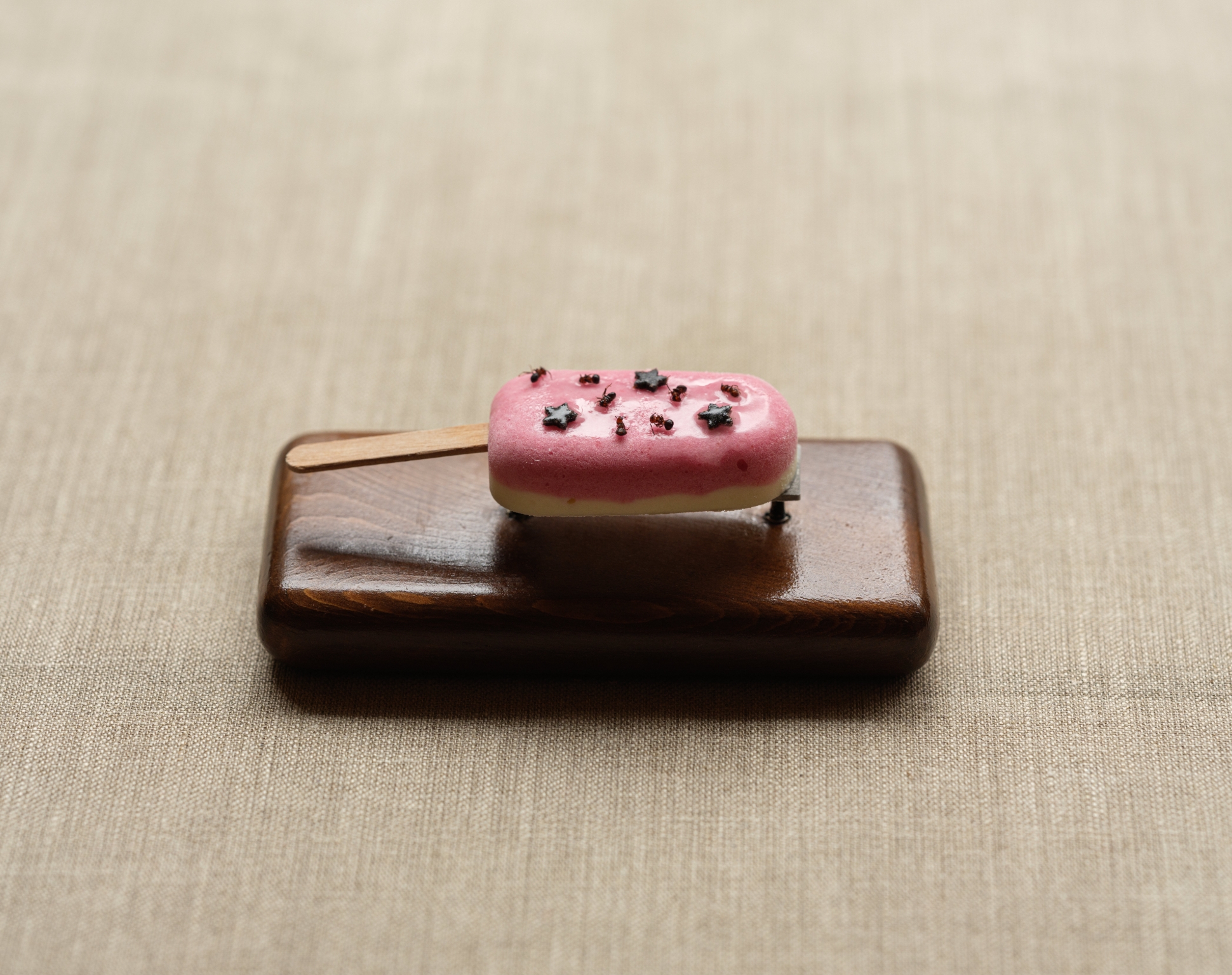
The dessert section is just as interesting, starting with the paleta, a traditional Mexican artisanal popsicle, and continuing with the pastel, a baked cake. A truly delightful, inspiring, and educational culinary experience.