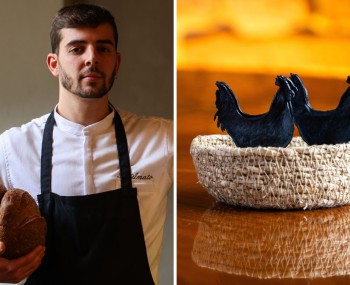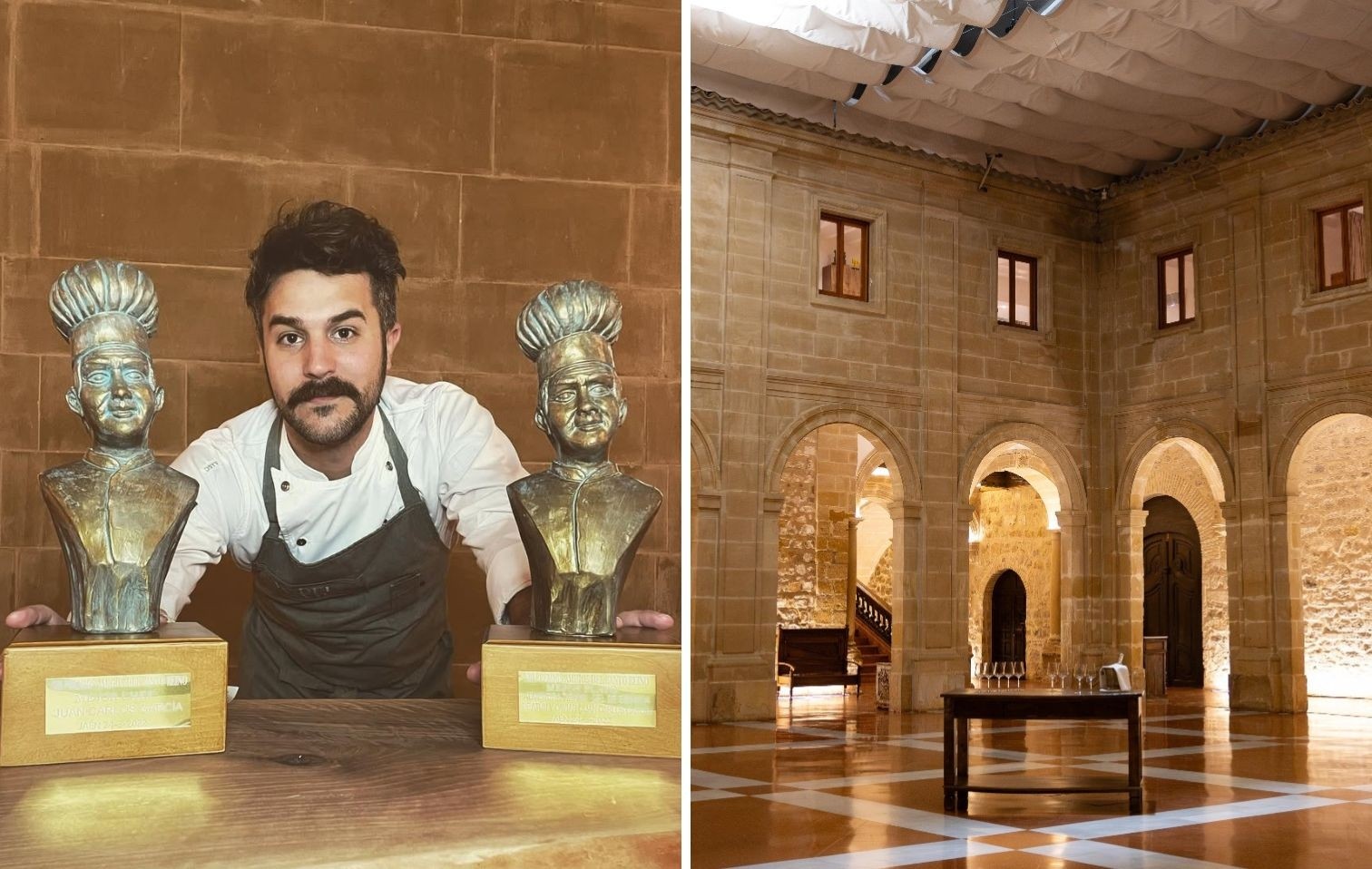
In a Renaissance convent with a contemporary flair, a young chef and his team are racking up awards. The Miracle of Vandelvira with Juan Carlos García.
The Story
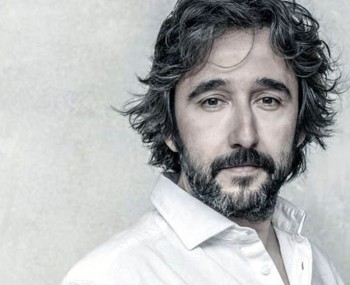
At just 32 years old, Juan Carlos has already graduated at the top of his class from the Basque Culinary Center, worked in restaurants such as Azurmendi, Narisawa, 41º Experience, HeArt, Hoja Santa, and Enigma; earned two Repsol Suns and a Michelin Star for his restaurant; and received the Young Chef 2025 award from the same guide. In Baeza, a town of just over fifteen thousand inhabitants with a historical identity recognized by UNESCO, Carlos is bringing about a transformation in a place that seems to preserve centuries of history while simultaneously opening up new horizons. Vandelvira—as La Vanguardia reports on its website—is located within the cloister of a 16th-century convent designed by Andrés de Vandelvira, a space that suggests solemnity and high expectations, only to overturn them as soon as the journey begins. The building speaks a monumental language; the cuisine responds with an essential, almost understated style, built around the ingredients and a philosophy that avoids any ostentation.
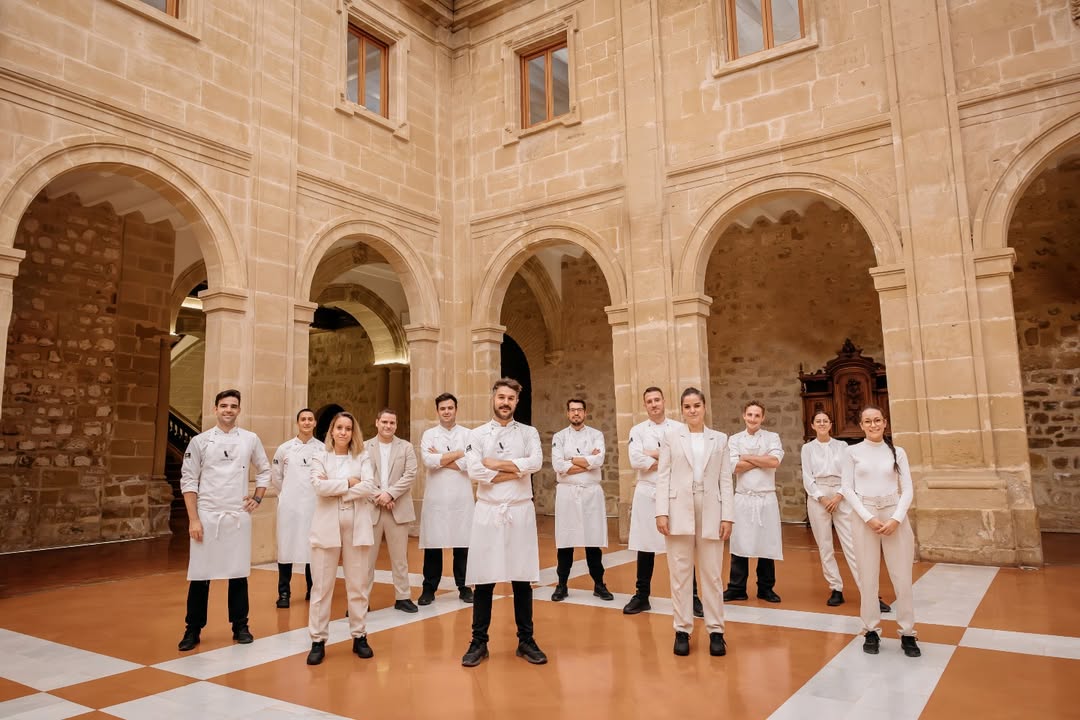
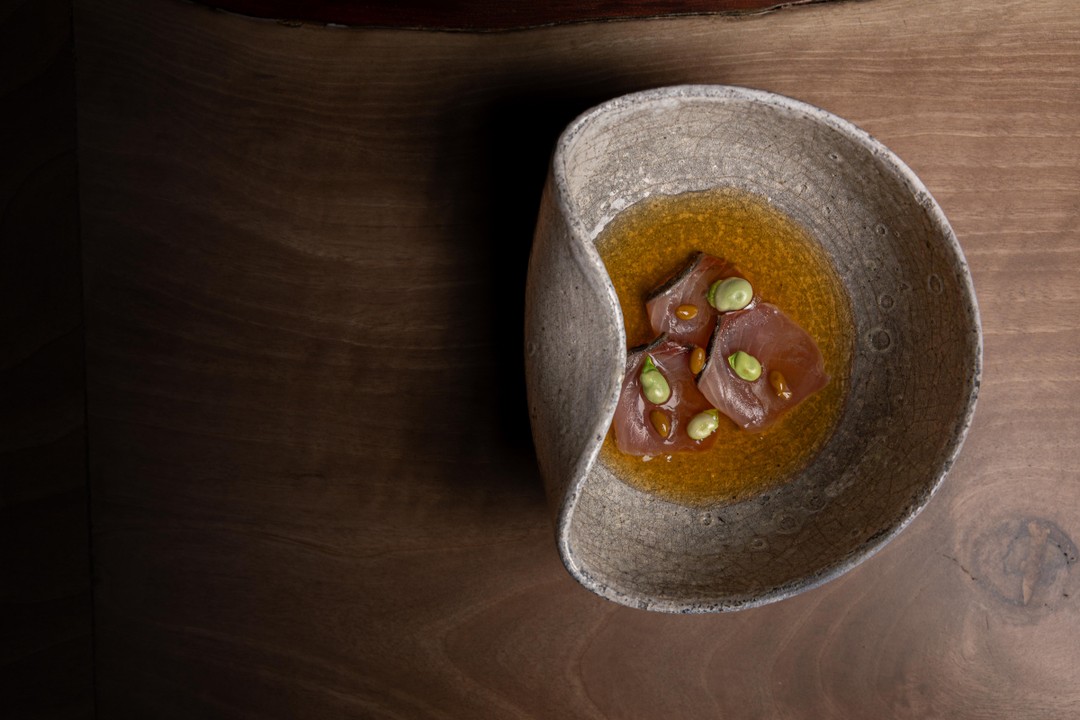
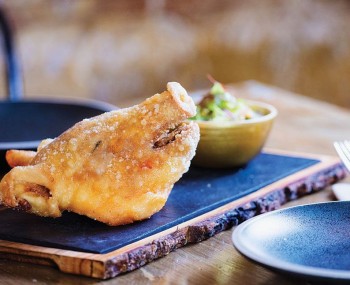
The first gesture, as revealed by the well-known Spanish network,comes right at the entrance: a toast inoculated with penicillium, enriched with walnuts and drops of Pedro Ximénez. An opening that prepares the eye even before the palate, inviting guests to set aside their expectations and embrace a different, more subtle, less predictable logic. As you head toward the dining room, the narrative shifts to a bar overlooking the kitchen, where service takes the form of a close-up, almost theatrical sequence, in which every step becomes visible, observable, and an integral part of the experience. The decision to pair the menu with non-alcoholic beverages proves to be anything but marginal. A grapefruit infusion with juniper and lavender, infused with citrus and woody notes, dialogues with an alcaucil—a wild variety of artichoke—served in cornezuelo olive water and black olive tea. From the very beginning, a clear thread emerges: the territory is not merely a reference but a supporting structure, just as the bitters are, which here become a true expressive code, developed across multiple courses. The narrative unfolds with a coherence that needs no explanation. The squid appears in two forms: a light-as-air “pañuelo,” almost sweet, barely touched by a veil of ham fat, and immediately afterward immersed in an intense dashi, where the marine element gives way to a more structured dimension. The shift in perspective is continuous, yet always controlled. In the dining room, seared mantis shrimp meets a beurre blanc built on olive oil and licorice, while the bell pepper, reduced to its own juices, interacts with caviar and licorice, in a balance that plays between intensity and delicacy.
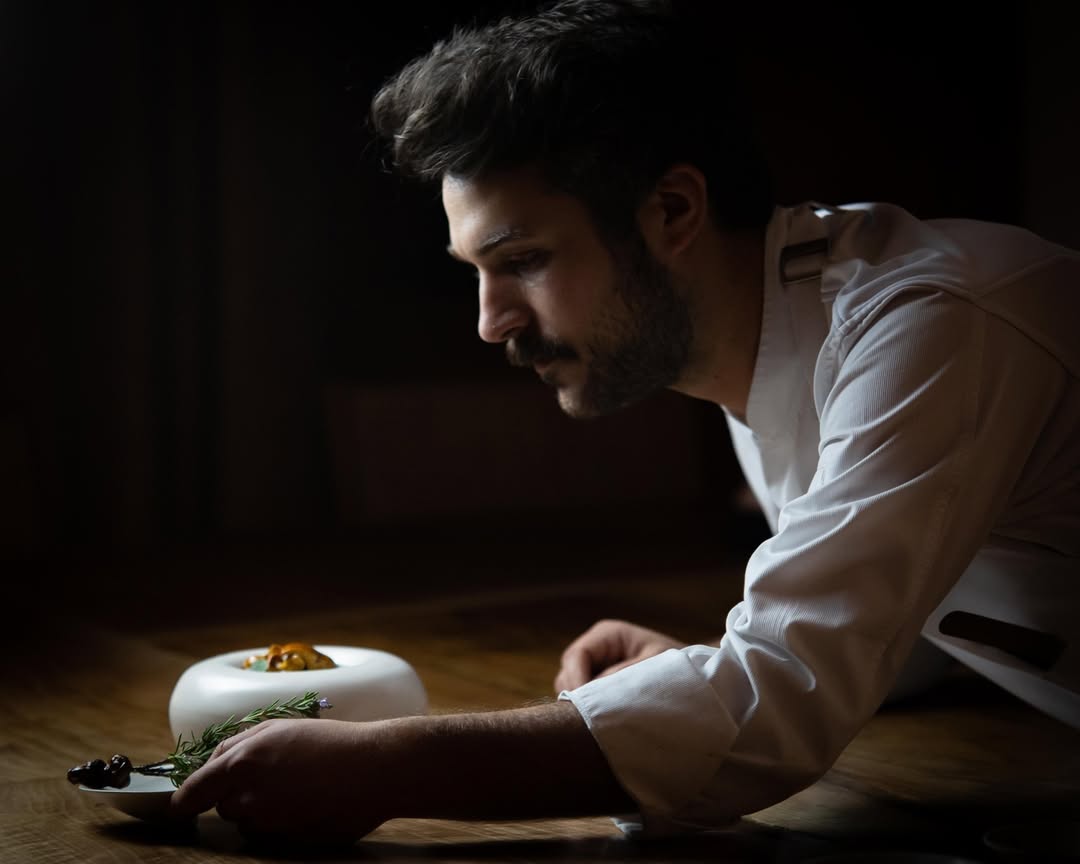
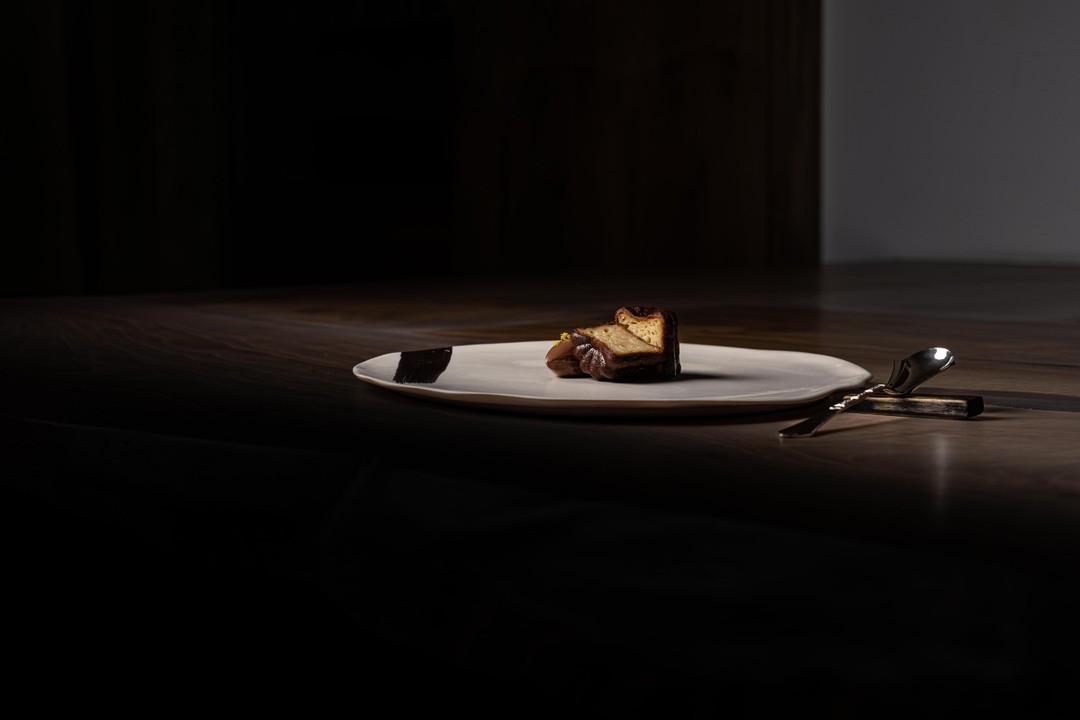
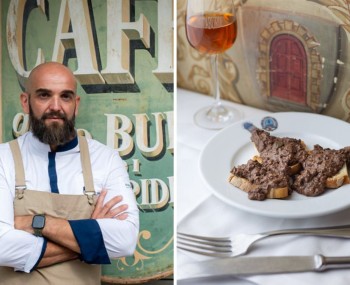
The climax comes with the ochío, a traditional local bread reinterpreted with a filling reminiscent of morcilla that interacts with flavors reminiscent of mole, in a composition that evokes classic game dishes without ever explicitly referencing them. The intensity builds in layers, yet remains clearly discernible. The final course surprises with its ability to turn everything on its head. The “foie” made from oxidized goat’s milk, prepared at Ocoo, offers a texture somewhere between creamy and grainy, with notes that oscillate between caramel and aged cheese. The turnip with pork loin fat, pancetta, and truffle, accompanied by a savory maritozzo, takes you by surprise with its density and consistency. Then the tocinillo, lightened by a bell pepper juice, restores balance, while the house-grown piquillo pepper, stuffed with chocolate, extra virgin olive oil, and black pepper, closes the circle with an interplay of bitter, sweet, and toasty notes. Juan Carlos García’s work treads a fine line, capable of holding together depth and lightness, locality and openness, memory and a forward-looking vision. In an architectural setting that might suggest opulence, he instead chooses a quieter path, built on subtle details and clear-cut decisions. And it is precisely in this measure, in this ability to subtract without impoverishing, that we glimpse the direction Jaén’s cuisine seems to want to take: a direction that has not yet run its course, but which has already learned to make itself heard.