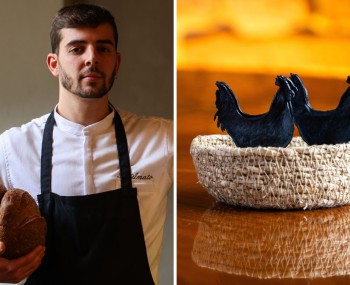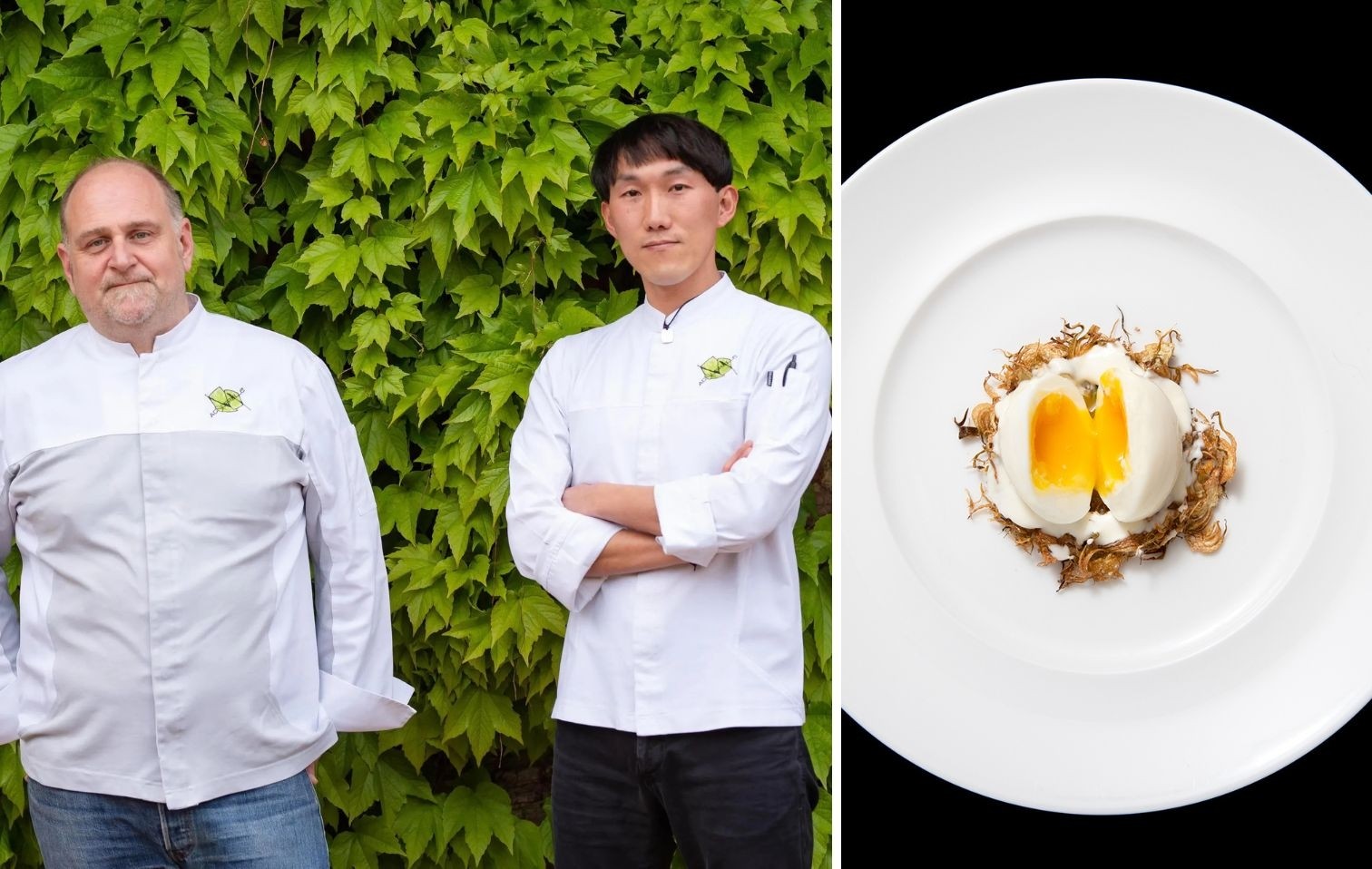
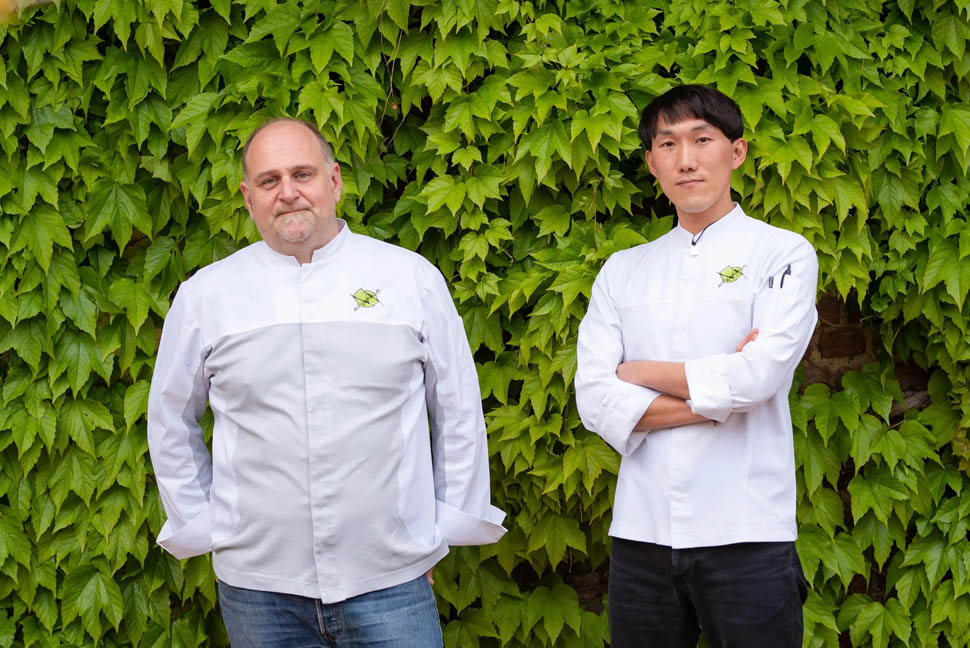
“If you remove an element from a dish and the dish improves, that element shouldn’t have been there in the first place.” Salmoiraghi has taken Marchesi’s lesson to heart. Working alongside him is Cheolhyeok Choi, a Korean partner who came to Italy to study cooking and stayed to build something more lasting.
The Olona Valley is a hard-working valley, a valley that has always been at work. Anyone traveling today along the road leading to Fagnano Olona can still see the signs of that vocation. You don’t need a keen eye: you come across them almost immediately. Slender smokestacks that no longer emit smoke, walls of blackened brick, old factories lined up along the river like weary animals. The Olona flows slowly and seems to carry with it a century of industrial noise: looms, machines, waterwheels. Here, the Lombard Industrial Revolution was not a textbook chapter. It was a way of life. In the late 19th century, the valley was dotted with spinning mills and cotton mills. The river’s water turned the turbines, the turbines powered the machines, and the machines supported entire families. There wasn’t much room for romance. There was a culture of work. It is a landscape that possesses a kind of concrete severity. Things here have always been judged by what they do, not by what they promise. It is not a valley of vivid colors. Its tones are those of rice paper: faded brick, opaque water, muted greens along the river.
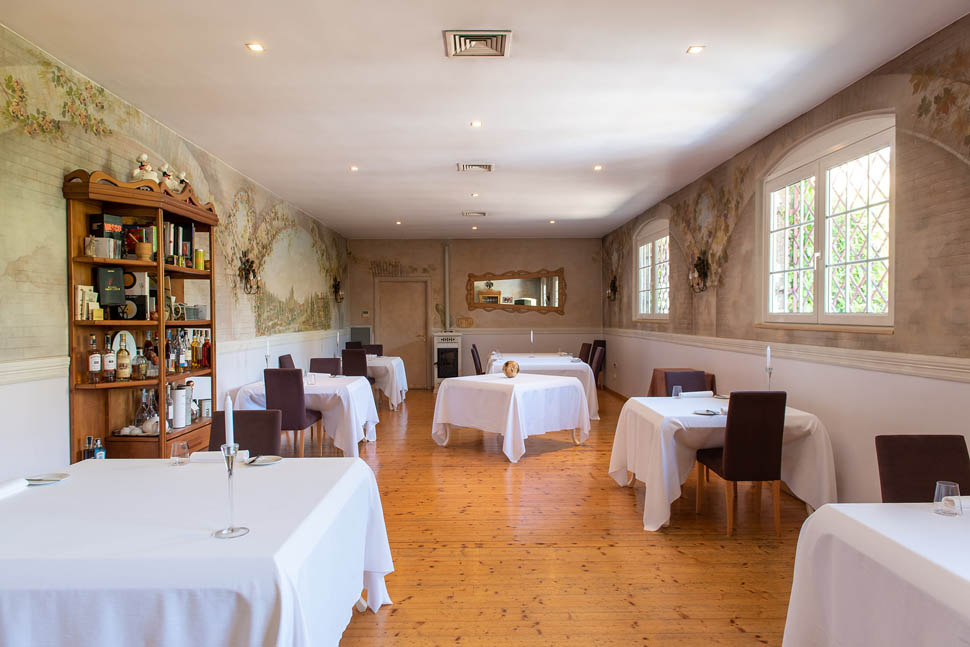
Even the old factories seem to have adapted to this understated color palette. They don’t try to stand out. They just stand there, with an elegance slightly weathered by time. Within this landscape lies a restaurant that seems to have emerged from the same palette of soft hues. It’s called Acquerello. It operates on the same principle as those colors: no jarring contrasts, no bold brushstrokes. Only precise shades, one after another, until they form a complete picture. The kitchen is led by Silvio Salmoiraghi. Anyone meeting him for the first time immediately notices a trait that today seems almost anachronistic: he doesn’t like to be the center of attention. He doesn’t have the attitude of a chef who insists on telling his own story.
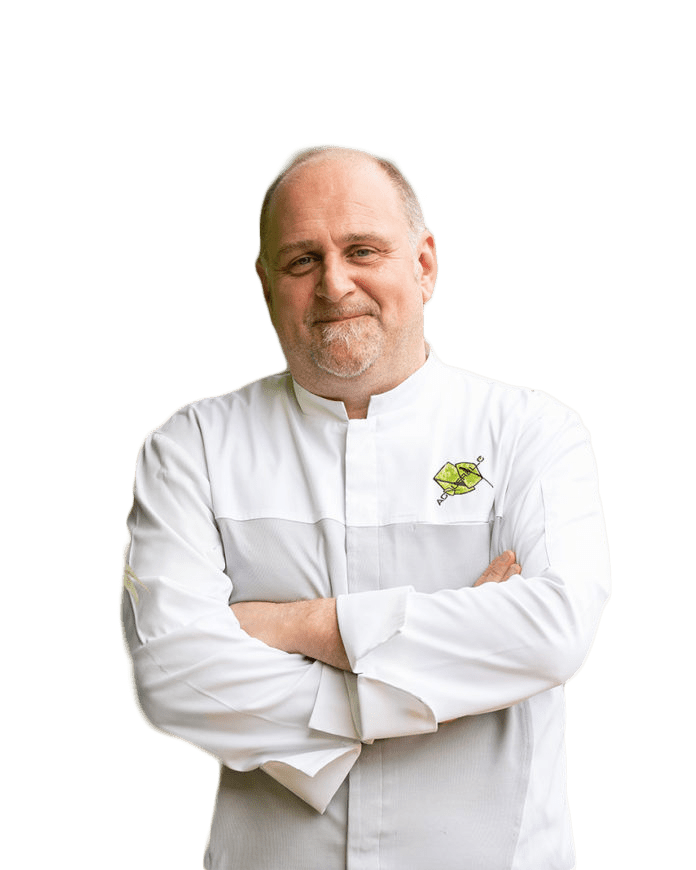
As a humble chef, he prefers to let the dishes tell the story. His training inevitably took him through Gualtiero Marchesi’s kitchen brigade. In the 1980s, Marchesi had brought about a quiet revolution in Italian cuisine. He had taken the great French tradition and stripped it of all unnecessary rhetoric. Every dish had to be a clear statement. No superfluous words. Those who worked with him recall a simple phrase: “If you remove an element from a dish and the dish improves, that element shouldn’t have been there.” Salmoiraghi carried this idea with him.
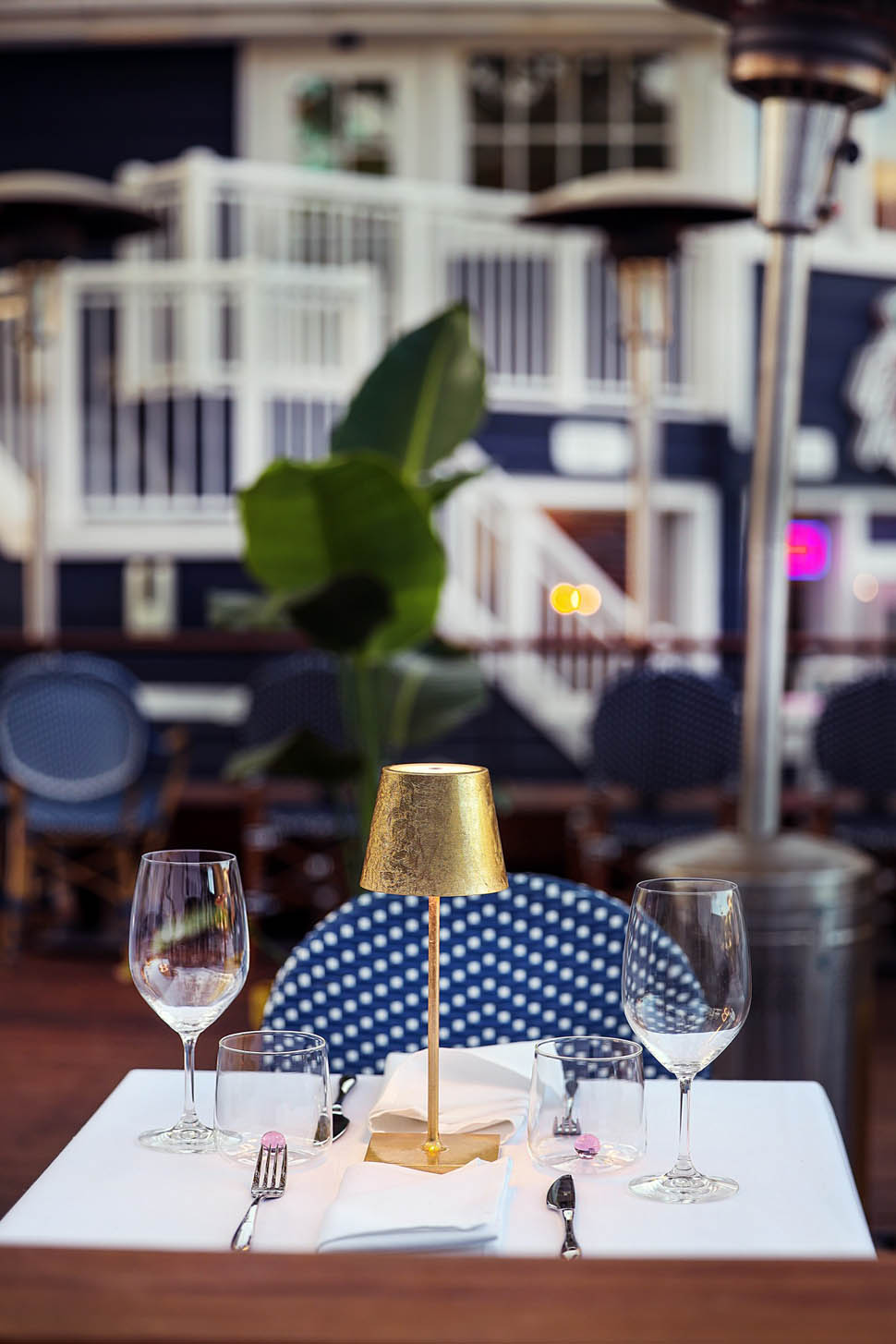
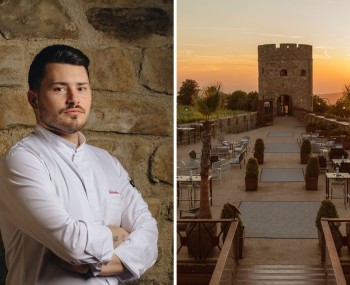
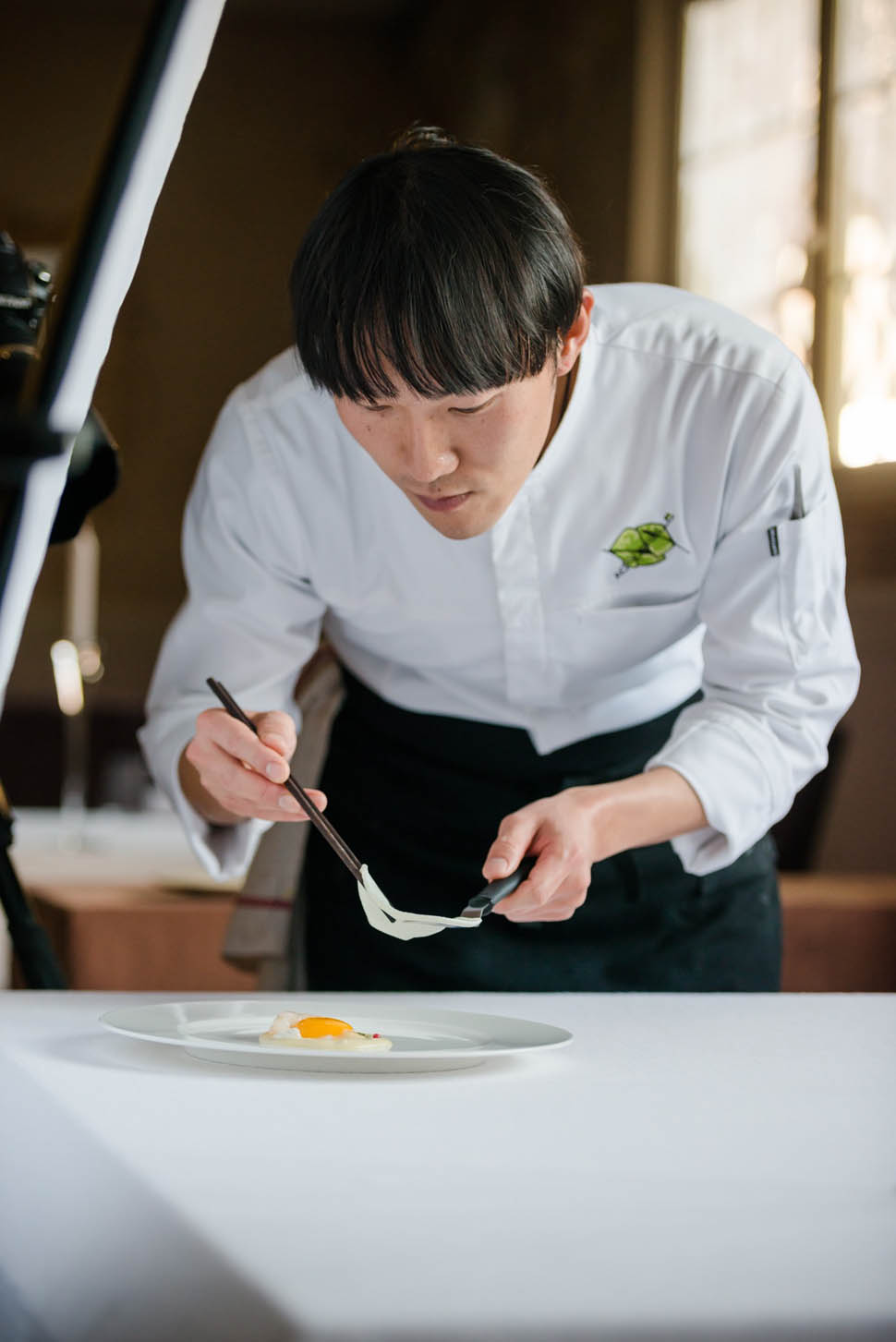
Working alongside him is Cheolhyeok Choi, a Korean partner who came to Italy to study cooking and stayed to build something more lasting. The collaboration between the two has not resulted in fusion cuisine in the most superficial sense of the term. It is not a matter of mixing ingredients from different origins. Rather, it is about sharing the same approach. That approach is very close to the spirit of kaiseki, the great Japanese tradition of the gastronomic sequence. Not an accumulation of spectacular dishes, but a precise, almost musical progression. A rhythm. Sitting at a table at Acquerello, you slowly perceive this rhythm.
The Dishes
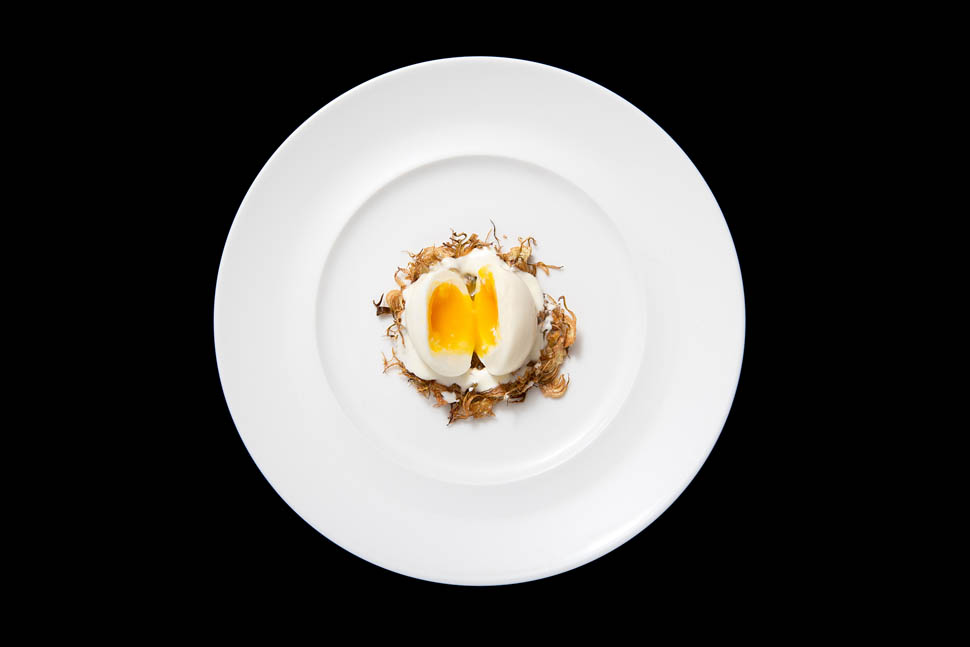
The first dish is the egg in scapece. An egg might seem like the simplest thing in the kitchen. That is precisely why it is one of the most difficult. There is no hiding behind elaborate constructions. Here, the dish has a velvety, almost creamy texture. The acidity of the reinvented scapece cuts through the dish with rigorous precision. It does not overwhelm. It does not invade. It simply keeps the bite in constant tension. It is a beginning that immediately reveals the character of the cuisine. No rush. No display of courtly skill. Immediately after comes the sturgeon in white sauce. The sturgeon is a fish possessing an ancient dignity. An animal that has traversed centuries in the great European rivers without changing its appearance much. The flesh is firm, slightly elastic. The flavor has a natural sweetness. Salmoiraghi treats it with a simplicity that possesses a certain austere essentiality. The fish remains at the center. The elements that accompany it, such as raw cauliflower or plain olives, serve only to highlight its structure. The dish is constructed by subtraction. At that moment, the Olona Valley comes to mind. The old factories operated by the same logic. Every cog had a precise function. If a part was superfluous, it was eliminated.
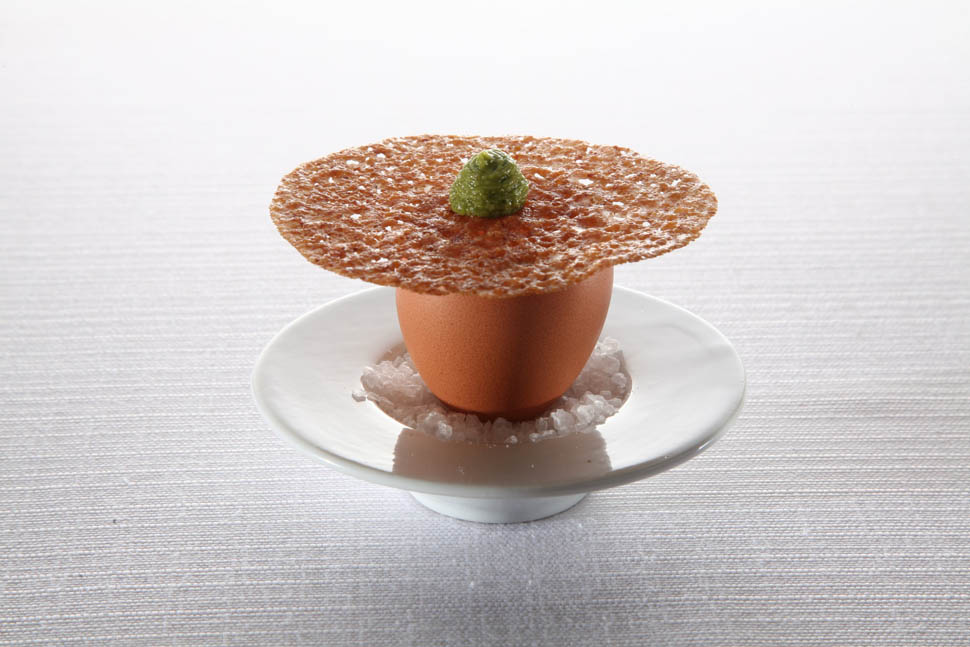
The third dish is the omelette surprise. The name evokes a very theatrical French preparation. Here, however, everything seems restrained. The dish plays on temperature and texture. The result is not a traditional omelette. Rather, it is a sort of reflective pause in the gastronomic journey. A musical four-four time signature: a harmonious and compact structure, simple and measured in appearance, yet holding within it a symphony of flavors. Like a bar in 4/4 time, each “beat” revealed a different note: four distinct parts, each with its own flavor, that entered one after another in a small interplay of contrasts and references between savory and bitter, all plant-based. The result was a rhythmic and surprising flavor composition, where each bite marked a new movement of the same melody.
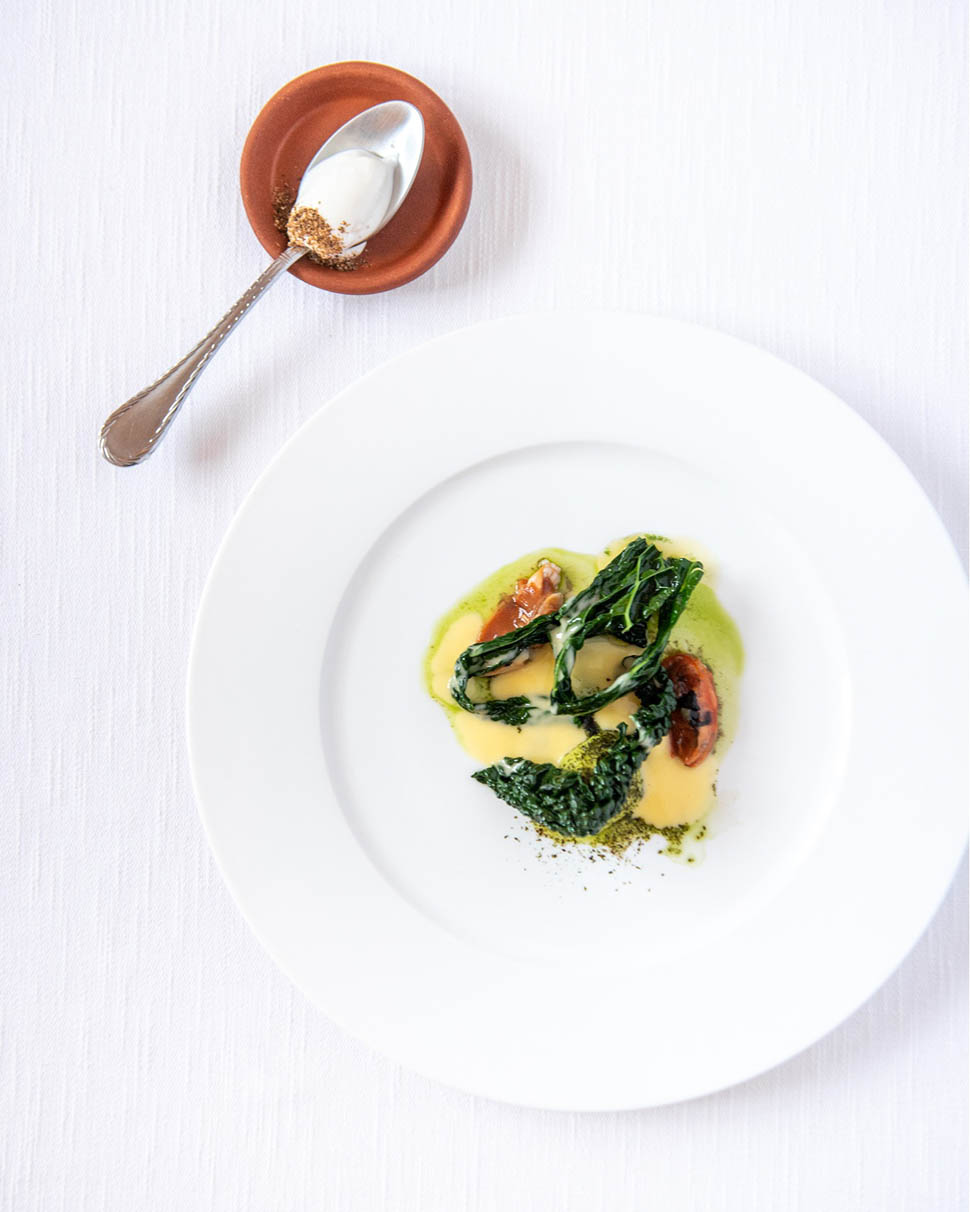
Acquerello’s cuisine possesses this rare quality. It knows how to dictate the rhythm of flavors, with accelerations and decelerations that are always meticulously controlled. When the snails and cabbage arrive, you enter the chef’s most personal territory. Snails and cabbage belong to European peasant cuisine. Robust ingredients, often treated with rustic simplicity. Here, they are transformed into something far more elegant. The snails have a full, tender texture. The cabbage appears in various forms: as a cream, a leaf, or a crunchy accent. The dish creates a continuous dialogue between earth and vegetable. There is no attempt to disguise the ingredient; the snail remains a snail. The cabbage remains cabbage. It’s just that both are treated with a precision that elevates them and are accompanied by enhancing elements such as a reinvention of kimchi, made with a base of Calabrian chili pepper, or the famous missoltino from the lake, evoking the ancient “garum.”
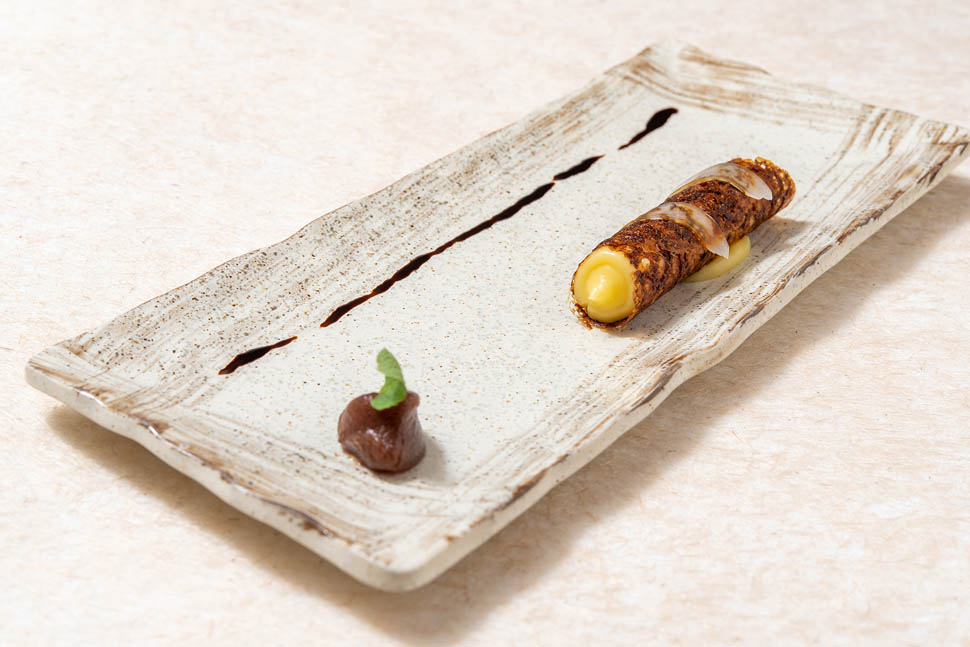
Halfway through, the grapefruit, gentian, and rhubarb chocolate makes an appearance. A tiny bite designed to completely shift your perspective and reset your palate. The grapefruit brings freshness. The rhubarb introduces a green, vegetal note. The gentian adds a bitterness reminiscent of an Alpine liqueur. The chocolate holds it all together with a warm, rounded richness. It is a small exercise in balance. Four flavors that coexist without clashing.
Next comes the rognone alla mugnaia. Kidney is a vibrant, powerful ingredient. It requires a sure hand. Here, the meat remains pink and tender. Steaming brings out its delicacy. The Asian-style sauce replaces the mugnaia’s lemon and lightens the dish. The result has a surprising elegance for an offal dish. Next comes the shabu-shabu hare. The Japanese reference is explicit. The hare meat is meticulously sliced and dipped for a few moments in a mixture of gin and juniper. The gesture is simple, almost ritualistic. The game loses its toughness and becomes tender. It is one of those moments when the dialogue between Lombardy and Asia becomes most evident. All accompanied by a delightful distraction, a purée that would be an understatement to define simply as a side dish. An innocent yellow cloud barely rippled by the creaminess created with butter and goat’s milk. The surface yields immediately. It offers no resistance. It is a warm, dense, velvety substance. The metal sinks in slowly, and the purée opens up with an almost sensual slowness, like a cream that accepts the gesture without protest. The spoon slides in and emerges laden, glistening with butter, with that consistency that belongs to things done right: neither liquid nor compact, just soft.
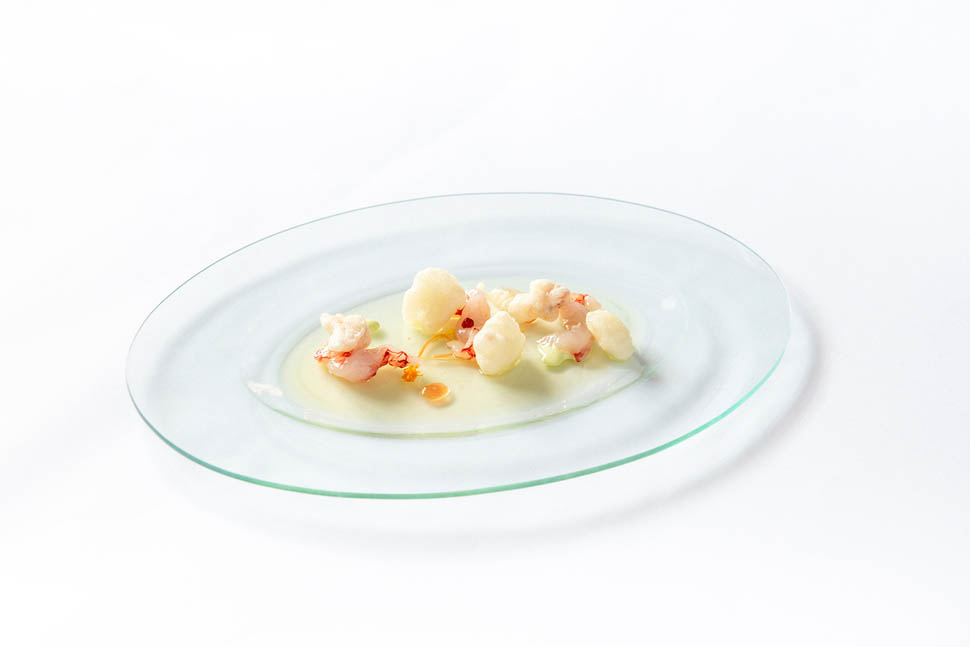
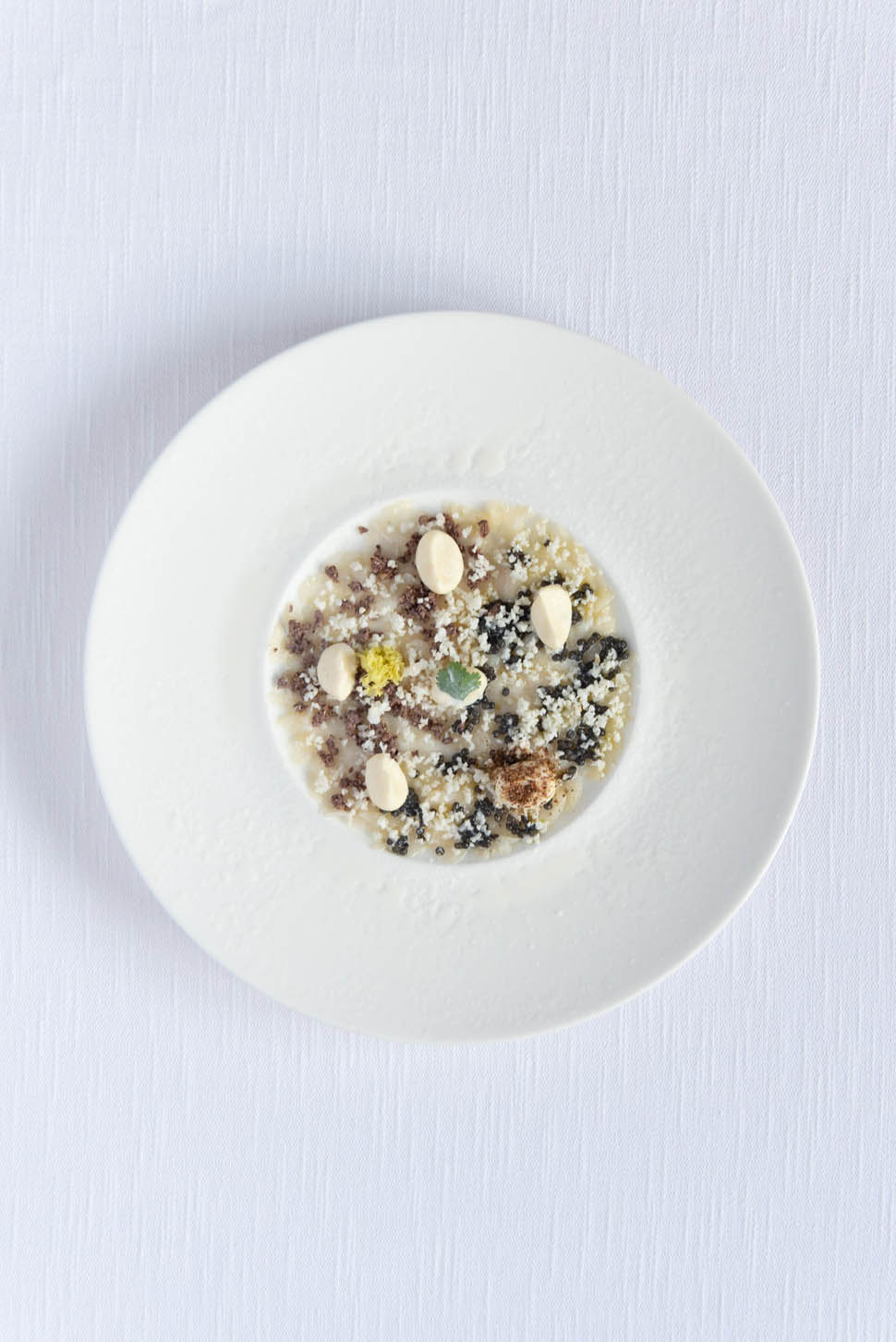
Toward the end, the pasta—resembling soba—and its broth make an appearance. The pasta’s shape is reminiscent of Japanese soba. The broth is clear and precise. A meditative dish that invites you to slow down the pace of the meal. Seemingly minimalist. In reality, it’s deeply thought-out—a “noodle” and raw (downgraded, so to speak) homage to the Master. The finale of the dinner is the carpione di mare. Carpione belongs to the gastronomic tradition of Northern Italy. An acidic and aromatic marinade. Salmoiraghi takes that idea and transforms it into a dessert. The result is fresh, light, and almost salty in perception.
A finish that doesn’t weigh you down. A finish that cleanses the palate. Throughout the meal, the landscape of the Olona Valley keeps coming to mind. Not because of contrast, but because of affinity. This is a land that has always had a very practical relationship with work. Machines had to function. Movements had to be precise. Mistakes were costly. Salmoiraghi’s cuisine seems to operate according to the same ethic. No redundancy. No unnecessary noise. Just meticulous work. Perhaps this is precisely the secret of Acquerello. In a valley where tangible things have been built for generations, a chef has decided to apply the same discipline to flavor. The result is a cuisine that doesn’t try to impress. It prefers to win you over slowly. And at the end of the meal, a very clear sensation remains. The sensation that gastronomy, like the industry of yesteryear, is first and foremost a matter of precision.
Acquerello
Via dei Patrioti 5 21054 Fagnano Olona VA
Tel. 0331611394
https://www.ristoranteacquerello.com/