Enough with the archaic vocabulary, the snobbery of wine snobs, and the technical jargon that alienates diners. The message coming straight from the temple of world gastronomy is clear: wine must once again become a simple, accessible, and democratic pleasure.
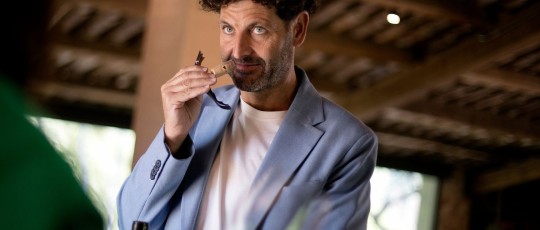
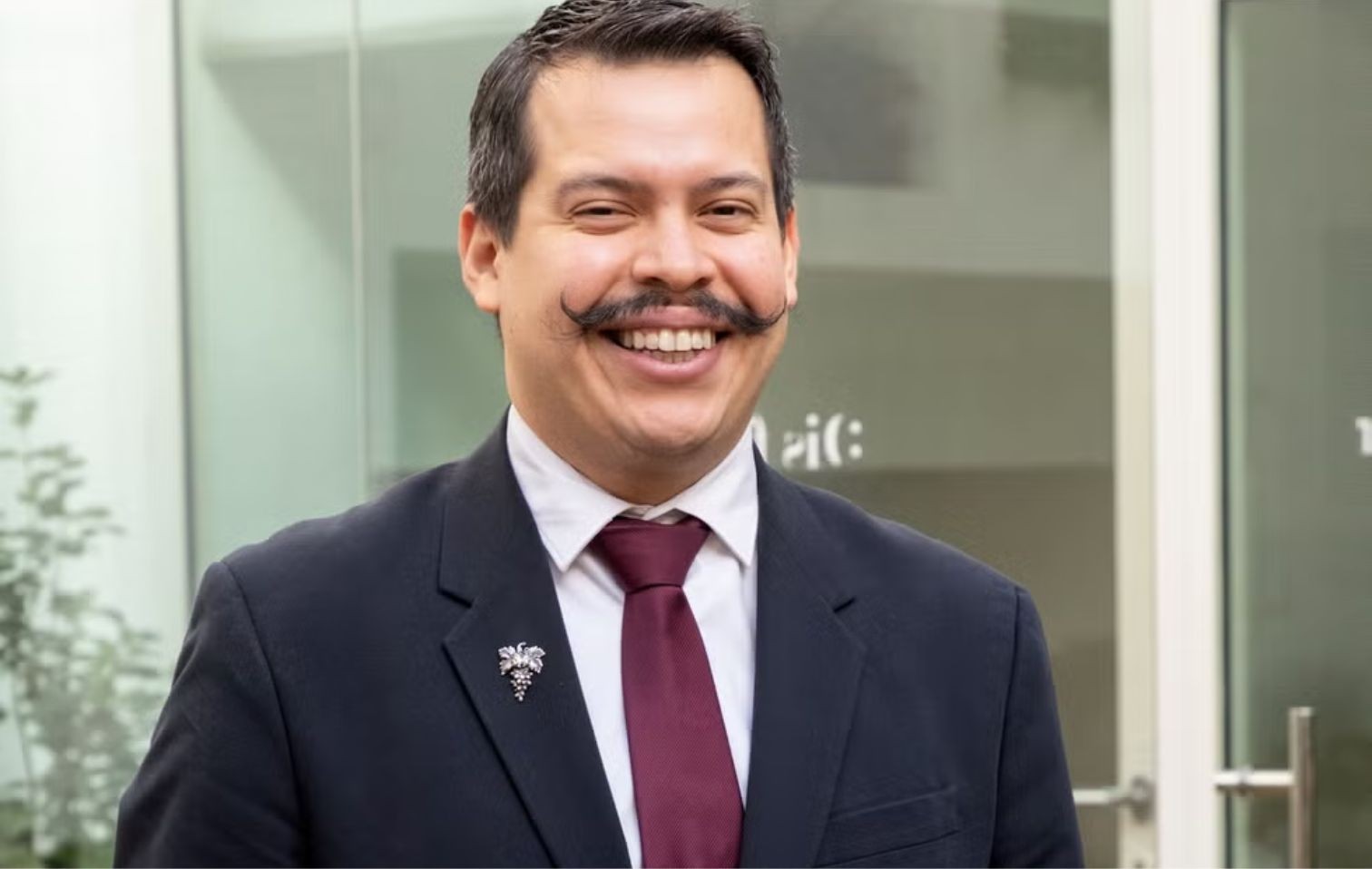
This is not just any provocateur making this bold claim, but Rodrigo Briseño, head sommelier at Disfrutar in Barcelona (voted the world’s best restaurant in 2024 and awarded its third Michelin star in late 2023). A Mexican born in 1991, famous in the dining room not only for his incredible expertise but also for his unmistakable mustache, Briseño perfectly embodies the new wave of international sommelier culture.
Fewer labels, more desire: “What do you feel like drinking today?”
In an era when overall alcohol consumption is declining and diners are shifting their preferences toward fresher, lighter, and more approachable wines, the very way wine is presented in fine dining must evolve. “I believe our understanding of wine is changing,” Briseño explains to La Vanguardia. “The key question is no longer ‘Which wine should I drink?’, but ‘What do I feel like drinking today?’. We need to communicate this world in a fresh way, without too many frills or rigid protocol. If we keep making complicated speeches, young people will never be drawn in. And we desperately need to engage them, because they’re the ones who will take our place.”
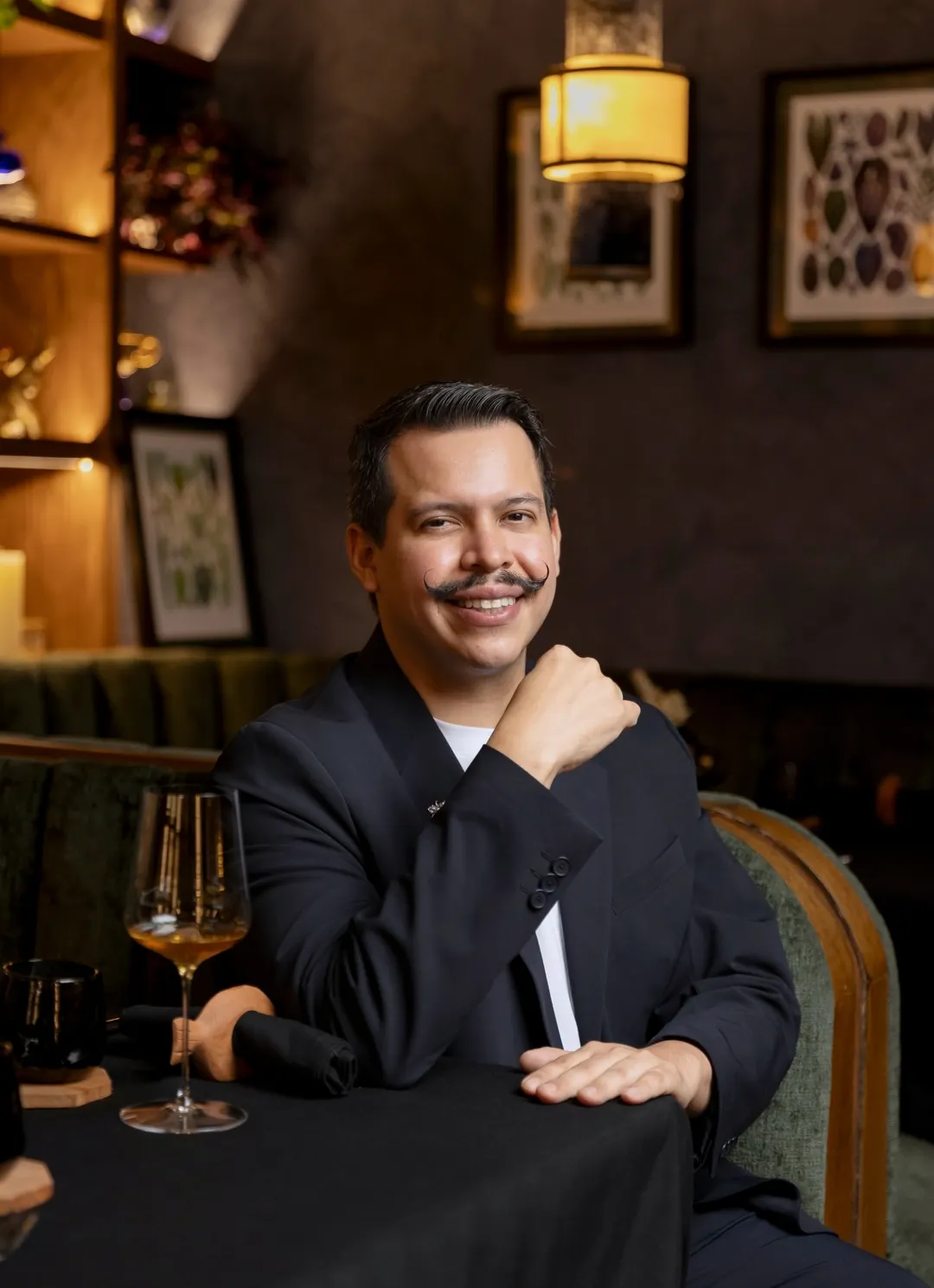
This vision also stems from his far-from-conventional background.Growing up in Mexico City, where tequila served in classic “caballitos” was the norm after family meals, the young Rodrigo watched with curiosity as his father handled those distinctive glasses. He arrived in Spain at age twenty to study tourism and hotel management, then graduated from the Barcelona School of Hospitality (ESHOB) and completed WSET courses, cutting his teeth at the Tlaxcal bistro before receiving a call from Disfrutar in 2018.
Managing 1,500 labels and making it look like a piece of cake
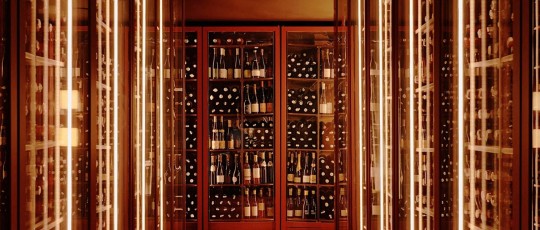
Today, Briseño manages an impressive wine cellar with over 1,500 labels, overseeing the selection, purchasing, cellar management, and—above all—the wine pairings for the creative and complex dishes crafted by chefs Eduard Xatruch, Oriol Castro, and Mateu Casañas.
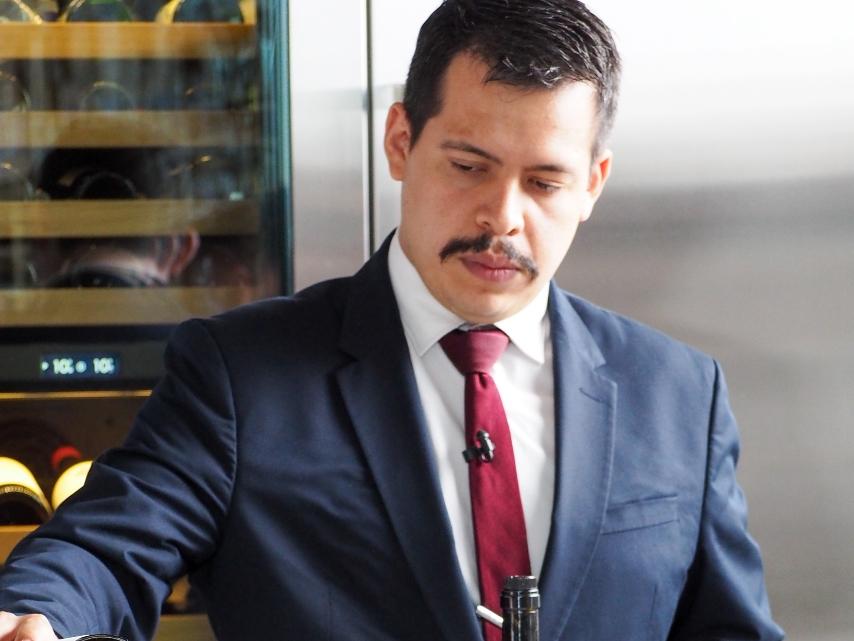
Yet, the greatest challenge for a three-star head sommelier isn’t finding rare vintages, but the human factor:
Managing expectations and performance anxiety: Customers arrive at Disfrutar with extremely high expectations. The sommelier’s role is to make the experience natural, relaxed, and welcoming for everyone, from the connoisseur to the novice.
Adapting to the guest: From handling international guests who request that iconic bottles (such as a Le Pergole Torte) be served non-alcoholic to overcoming language barriers with translators for Asian guests, empathy is the true key to service.
Maintaining accessibility: Looking ahead, his professional aspiration is to one day create an intimate and informal space where great bottles can be uncorked, stories shared, and wine culture fostered—without lecturing or barriers to entry.
In short, the sommelier of the future no longer needs stiff ties or incomprehensible jargon: success comes from listening, transparency, and that touch of spontaneity capable of winning over even the younger generations.