“We’ll make 22 bottles and that’s it.” It will be super exclusive—the first wine produced “at the station.” But we haven’t told you everything about what makes it special yet: below, we’ll also reveal the secret behind its sale!
The News
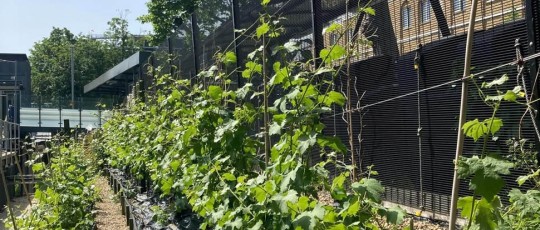
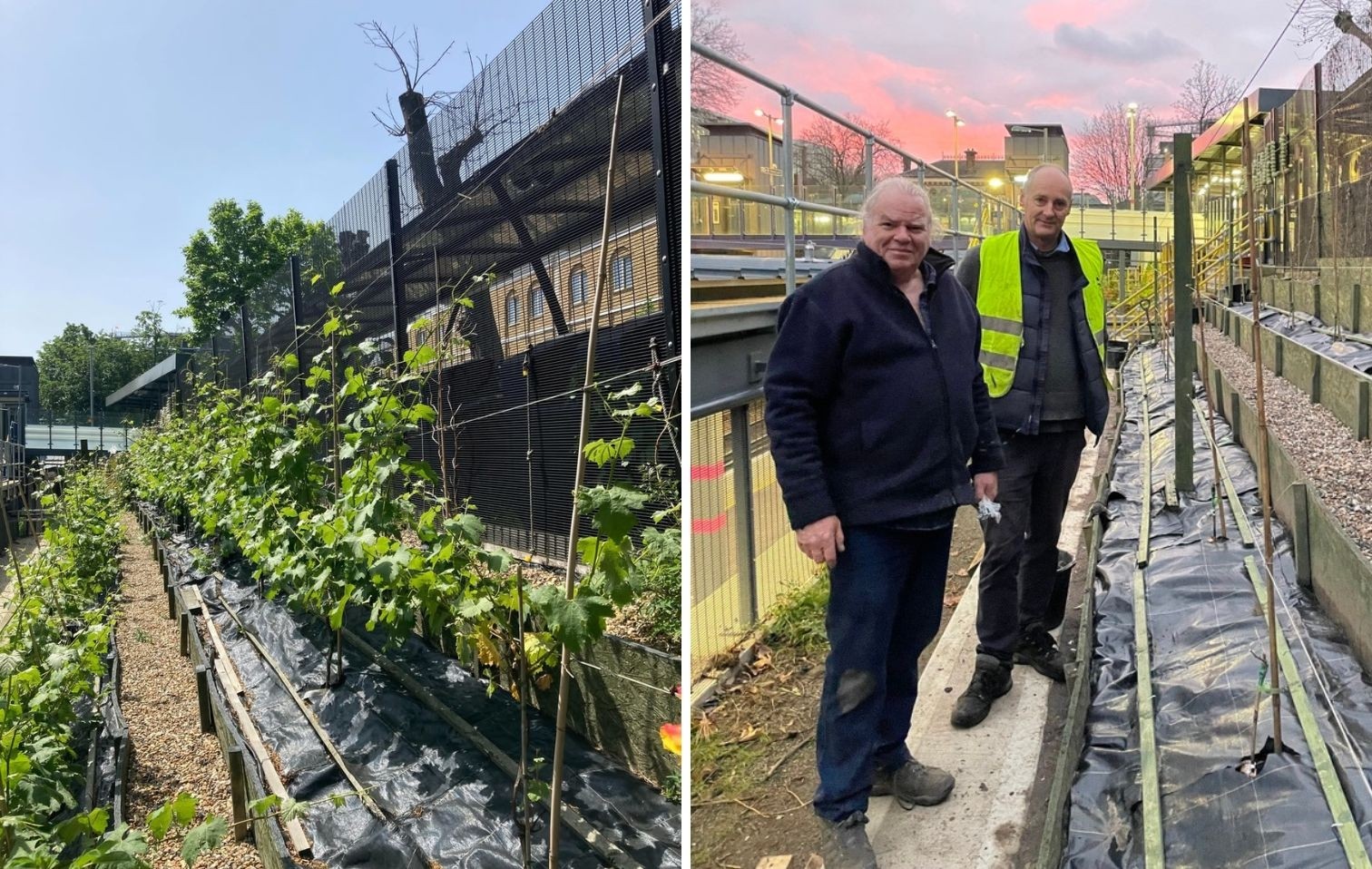
There is a completely unexpected poetry in the exact point where the steel of the rails meets the delicacy of the vine. In Camberwell, a lively corner of South London, the railroad has ceased to be merely a place of hurried passage and has become the cradle of the year’s most daring micro-farming venture. On the elevated terraces of Denmark Hill station, Château Denmark Hill is taking shape—a winemaking experiment suspended in mid-air that promises to produce the rarest vintage of 2026. Contrary to what one might expect from an urban vineyard, the constant vibrations caused by passing trains do not seem to disrupt the grapes’ ripening. Nick Mair, who conceived the project alongside his partner Tony Coleman, casually reassures The Drinks Business: “The vibrations aren’t a problem at all, since the vineyard is well above the level of the tracks. If it had been at the same level, we would have been more concerned, but the vines seem to be thriving, and the rose bushes at the end of each row are blooming profusely. Furthermore, the prevailing southwest wind naturally blows along the railroad cutting.”
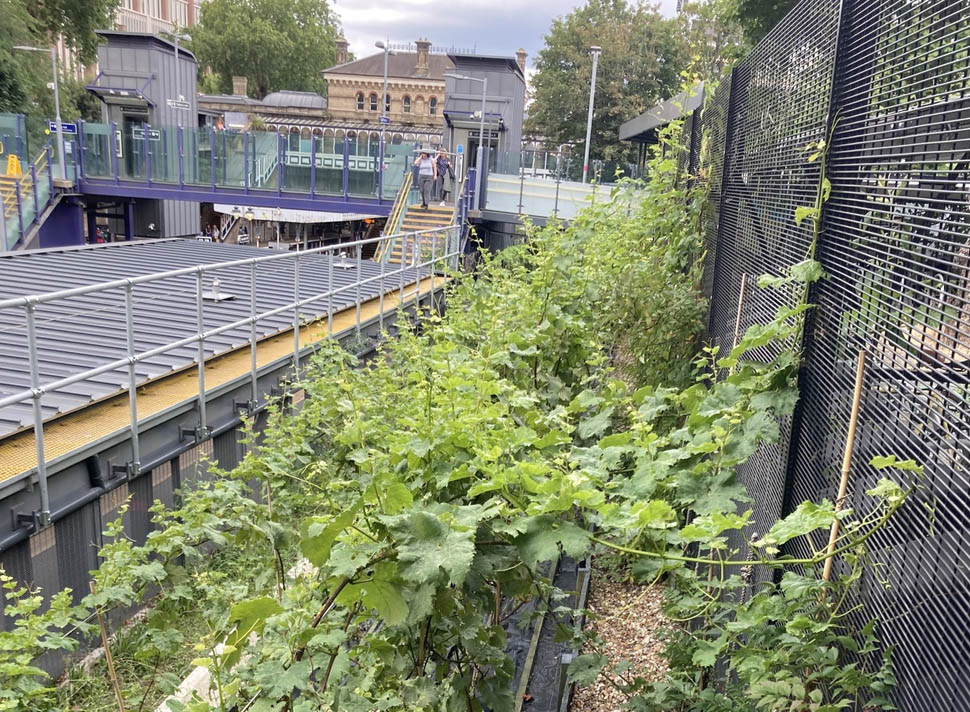
What makes this venture a small masterpiece of urban ingenuity is the perfect synergy between its two creators, neither of whom originally came from the world of wine. Mair, a foreign language teacher, brings the academic vision and passion he developed during his stays in Cahors, the Alpes-Maritimes, and the traditional bodegas of Jerez; Coleman brings the rigor and expertise of the construction industry. “I tend to come up with the ideas, but Tony has the perseverance and structural expertise without which the vineyard would never have seen the light of day,” says Mair. The journey leading up to the planting of thirty Bacchus vines—a famous white grape variety known for its aromatic qualities and adaptability to British climates—was an exercise in patience and urban renewal. The once-abandoned area was granted by Network Rail to the Camberwell Society as part of a community regeneration plan. “It was one of the most neglected areas in Camberwell, and our goal was to transform it into a special place, fostering positive interaction between the community, commuters, and the station,” explains the initiative’s promoter, affectionately describing this process as the very “Provençalization of Camberwell.”
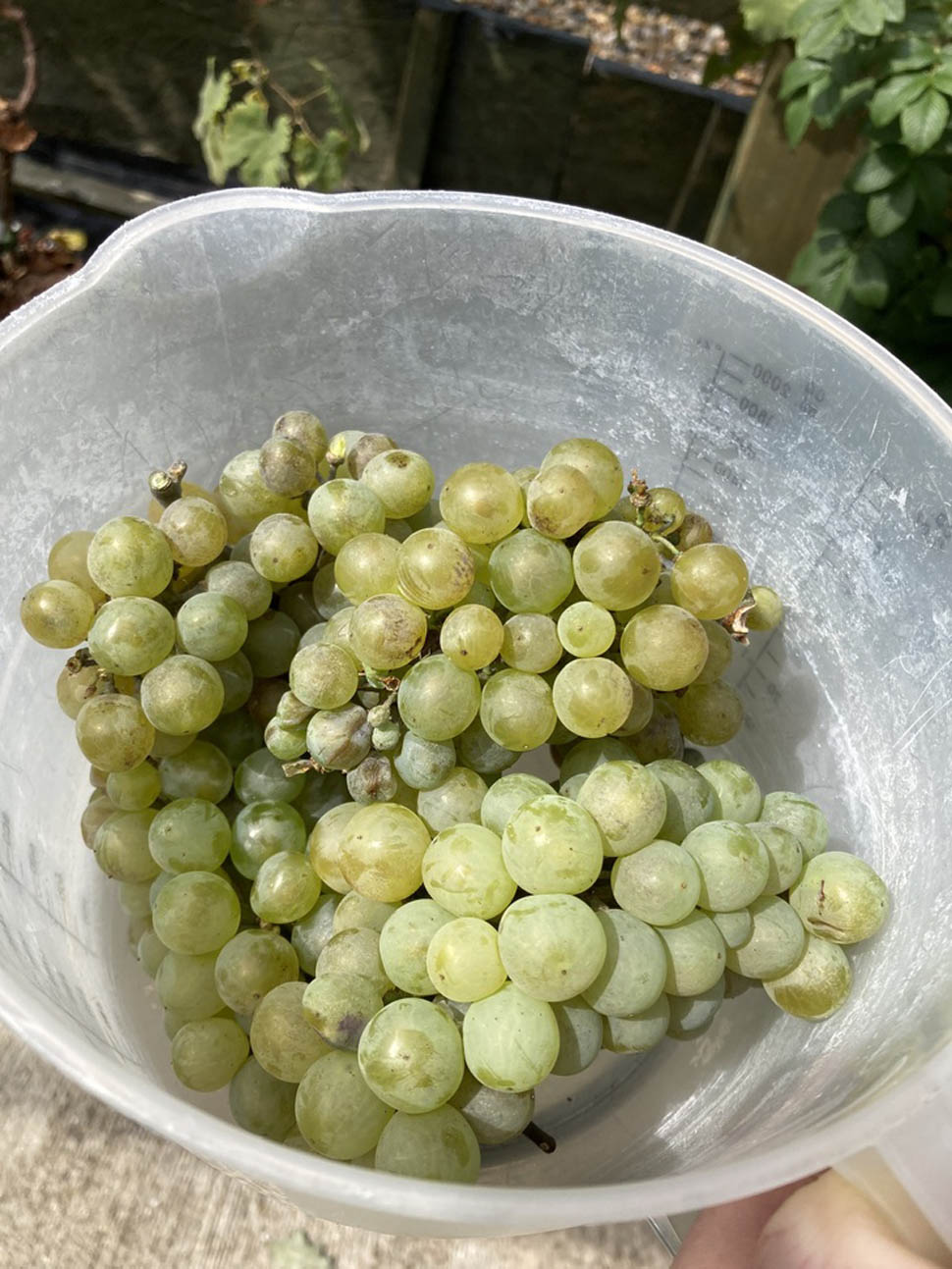
Before planting the vine cuttings, the soil was tested in 2022 with an experimental sunflower crop. Once fertility and good sun exposure were confirmed, fieldwork began in the fall of 2023: clearing weeds, manually terracing the slope, and installing vertical support posts—all completed without the use of electricity or farm machinery. The Bacchus grape variety was chosen because “it is widely and successfully cultivated in southeastern England and is unquestionably easy to manage, even for beginners.” Currently, the vineyard is facing the challenges of an exceptionally hot summer, with temperatures consistently exceeding 30°C. To ensure maximum aromatic concentration in the berries, the vines were pruned using the double Guyot method and thinned to retain only nine clusters per vine. The goal for the debut vintage is deliberately symbolic and modest: “We’d be happy to produce 22 bottles in the first year—roughly one bottle per vine.”
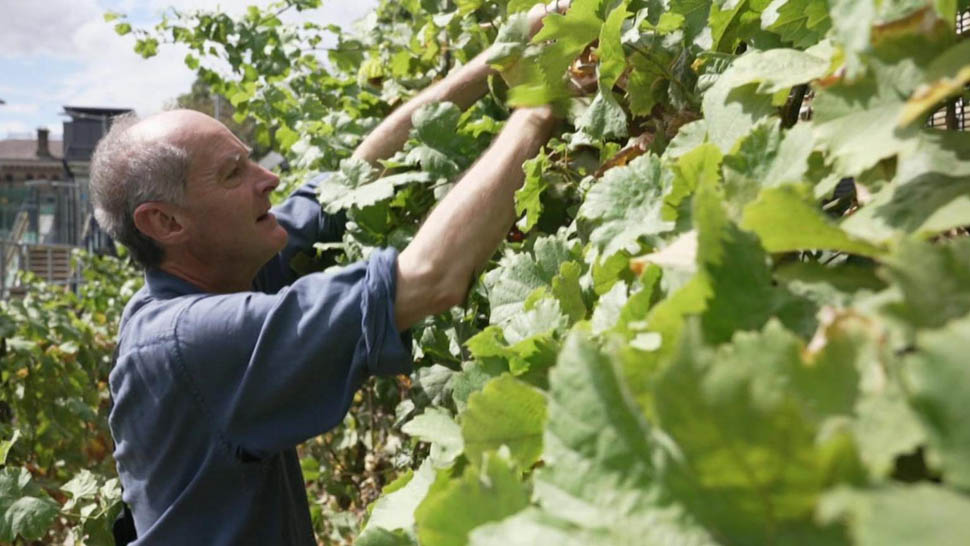
The detail that makes this wine a true object of desire for enthusiasts and Masters of Wine is its complete unavailability on the market. The agreement reached with the railroad company, in fact, imposes an absolute ban on sales. “This is a project born purely out of passion,” concludes Mair. “Given the excellence achieved by British viticulture, we consider ourselves more enthusiasts than expert winemakers. Our approach remains simple and enthusiastic: taste and see!”