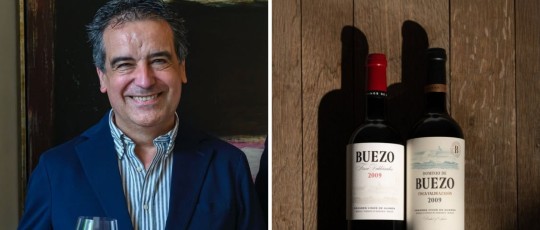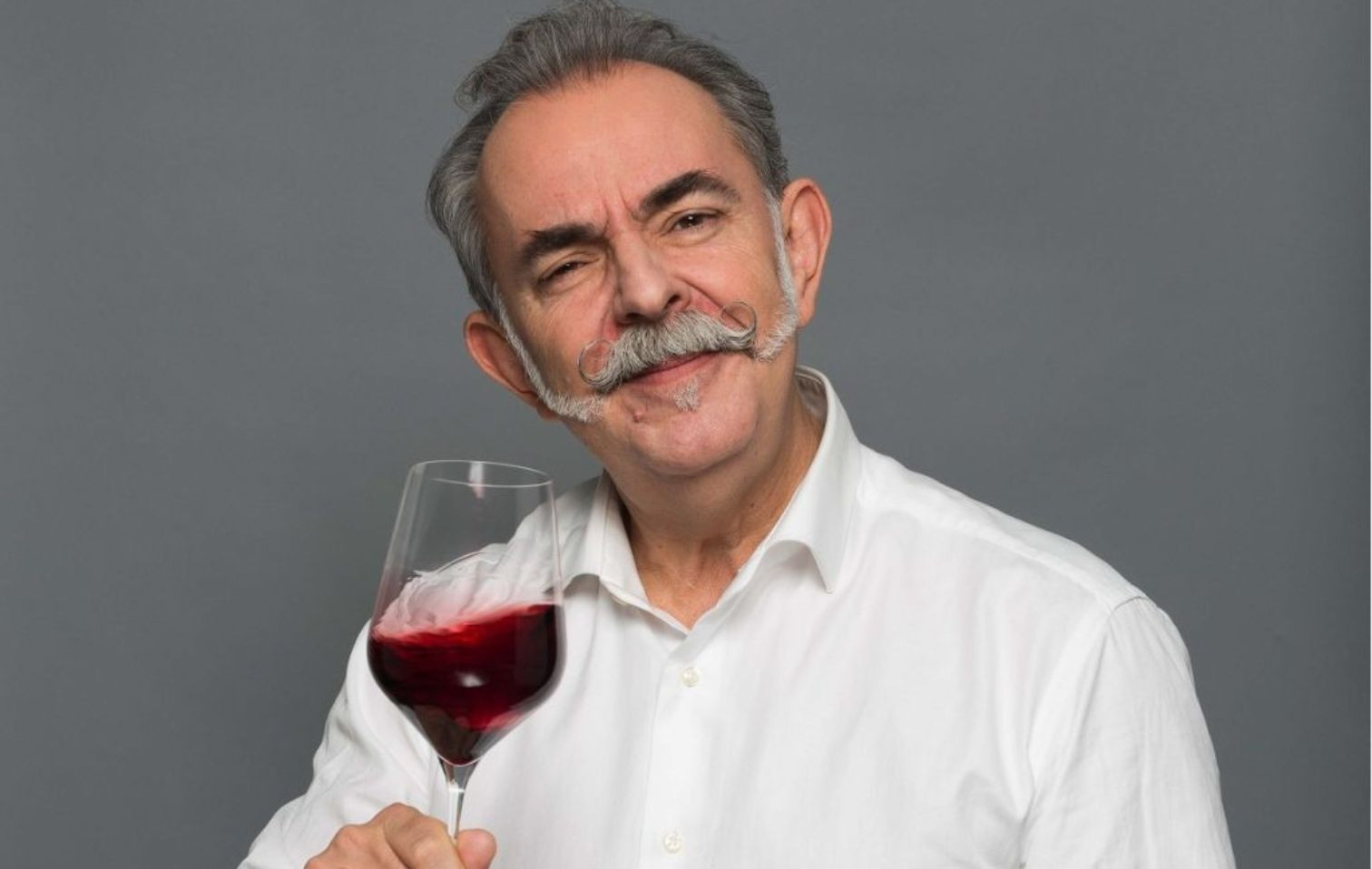
Forget about solemnly swirling wine glasses, technical sheets full of flowery adjectives, and performance anxiety in the face of a 98 out of 100. The very person who, for thirteen years, held the heaviest scepter in the industry is the one bursting the bubble of wine elitism: Luis Gutiérrez.
A longtime contributor to *The Wine Advocate*—the bible founded by Robert Parker—and now poised for a new adventure as Director of Research, Development, and Innovation for the retail giant Vila Viniteca, the Spanish critic has issued a manifesto that feels like a breath of fresh air for anyone who loves to sit down to a meal. The message is disarming in its simplicity: wine is not meant to impress a jury, but to bring joy to the glass.
From the Olympus of Hundredths to “Rock and Roll” in the Cellar
Gutiérrez’s shift says a lot about the spirit of our times. After more than a decade spent grinding through thousands of tastings across Spain, South America, Portugal, and the Jura, the former engineer turned winemaker has chosen to step down from the pedestal of scoring to get his hands dirty again with storytelling, education, and live events. “We tasted too much and wrote too many tasting notes,” he confesses without nostalgia to 7Canibales, citing a hunger for human stories stronger than any compensation or fame. In his new role, he aims to blend wine and “rock and roll,” bringing the bottle back to a carefree and accessible dimension—one that makes you want to pop the cork even before reading the back label.
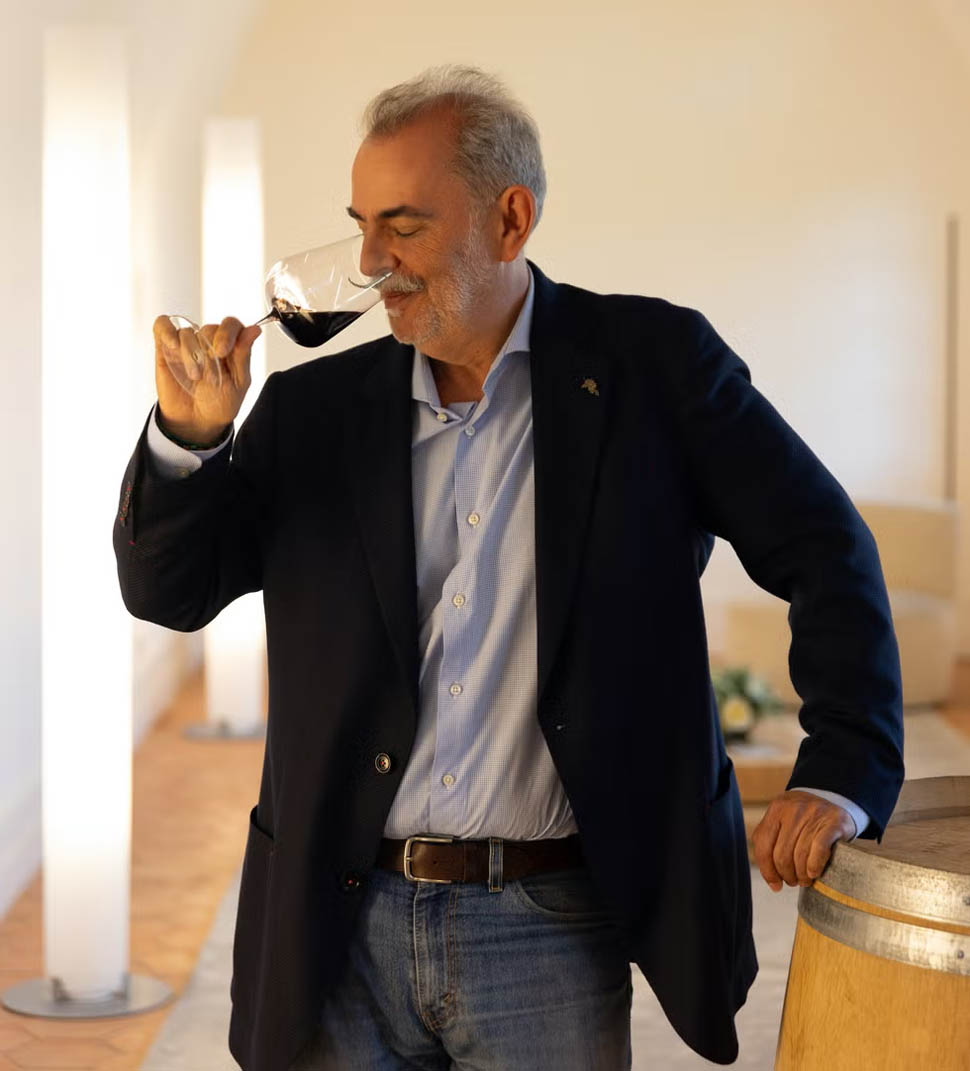
There is a clear understanding of how our way of eating and drinking has changed behind this philosophy of a return to gastronomic normality. While wine was once simply a daily staple—sixty liters per capita per year consumed almost out of habit—today it represents leisure, culture, and conviviality. A metamorphosis that has swept away the old inferiority complex of the Mediterranean regions: just as in the kitchen, a perfectly made potato frittata or hake cheeks have conquered haute cuisine, so too have once-maligned grape varieties like Garnacha and Cariñena become the winning weapon against global standardization. The secret lies not in chasing standardized models, but in having the courage to embrace one’s own identity: a wine must speak of the soil, the climate, and the countless micro-decisions made in the vineyard—not of formulas devised at a desk.
Defending those who work the land (and the end consumer) But Gutiérrez’s perspective doesn’t stop at the hedonism of the wine glass; it also delves into the cracks of a wine industry under pressure from a consumer crisis, stifling bureaucracy, and climate change. From historic vineyards forced to contend with drought—where irrigation becomes a matter of survival rather than an ideological taboo—to the need to pay a fair price for grapes to prevent rural areas from becoming depopulated, the solution boils down to a single word: balance.
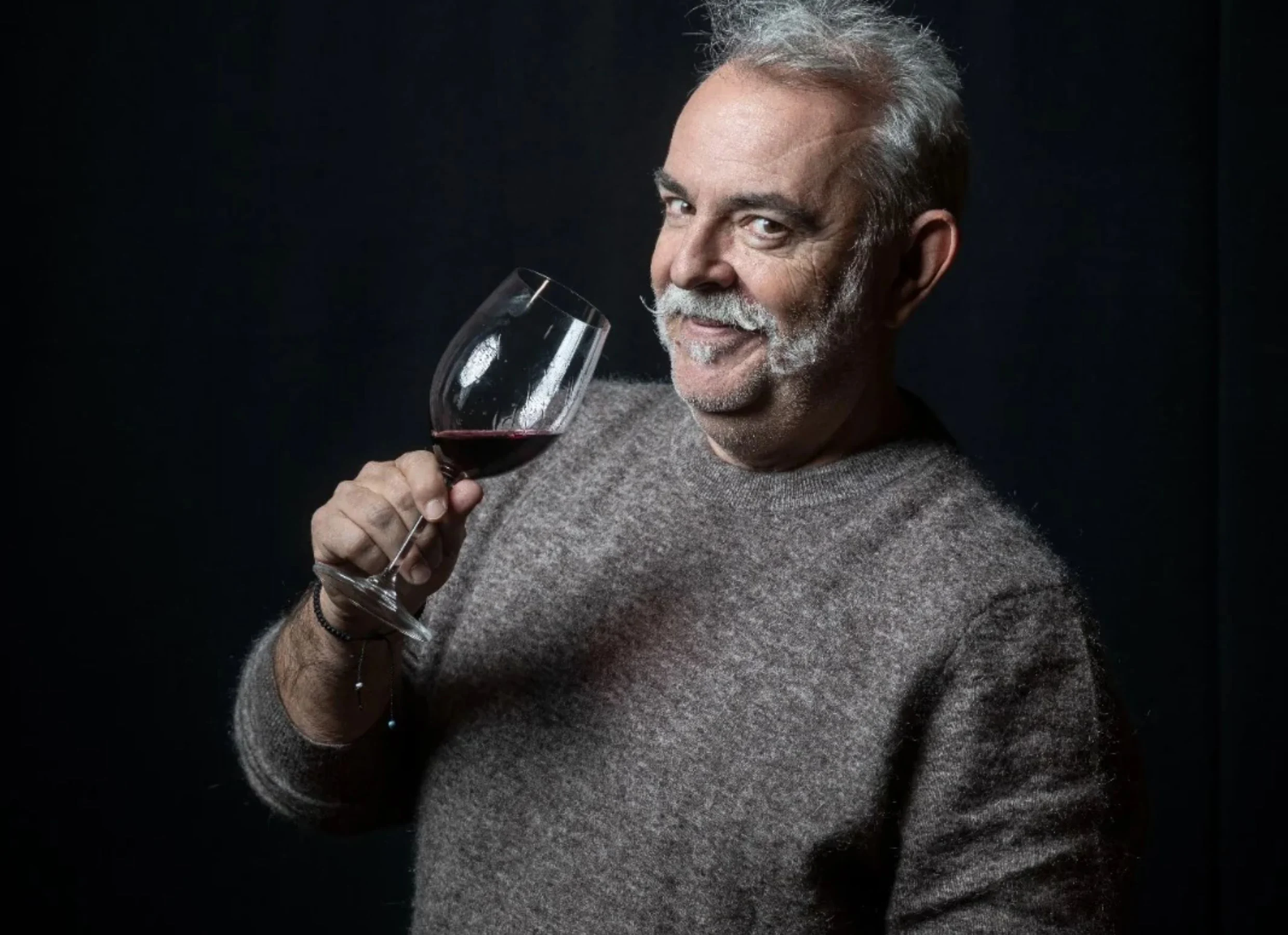
Reducing wine to nothing more than its alcohol content or confining it to unquestionable dogmas means condemning it to irrelevance. Because at the end of the supply chain—after agronomists, winemakers, and distributors—there is only one true arbiter, without whom the whole structure collapses:the person who chooses that bottle, pays for it, and pours it at the table for the sheer pleasure of being together.