Turin's transformation: AL and the new culinary heart of Dock’s Dora.
The Concept
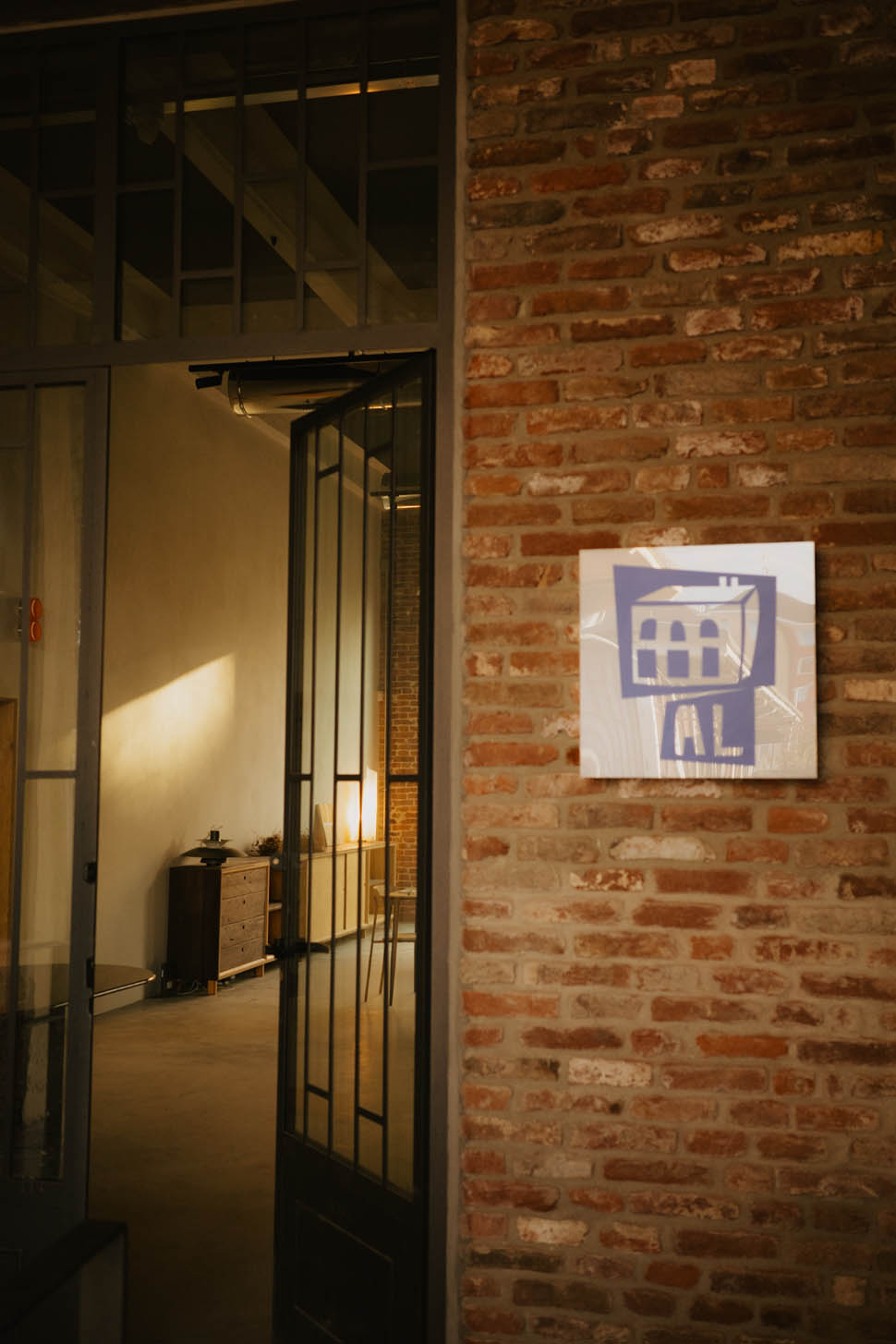
There is a corner of Turin where time seems to stand still, among the warehouses of the Dock's Dora. Step through the gate, and the warehouses—sleeping giants—seem to watch you. It all began here in 1912. Back then, the movement was relentless: workers, metallic whistles, rails vibrating as trains on the Turin-Milan line loaded goods directly onto the platform—it was the beating heart of the industrial city. A geometric world where every space has its function and every gesture is work. Yet, even in industry, there is beauty: in the elegant lines reminiscent of Art Nouveau, in the details that make these buildings more than just a warehouse. Then time changes the rhythm. The noise fades, the doors close, but it is not an end, because certain places do not let themselves be abandoned so easily: the Dock’s Dora do not become ruins, but a place in ferment. Over the years, these spaces have been reclaimed by artists, musicians, and dreamers. The lights have slowly come back on. In this evocative setting, AL was born—not just a restaurant, but an urban refuge nestled between brick and memory.
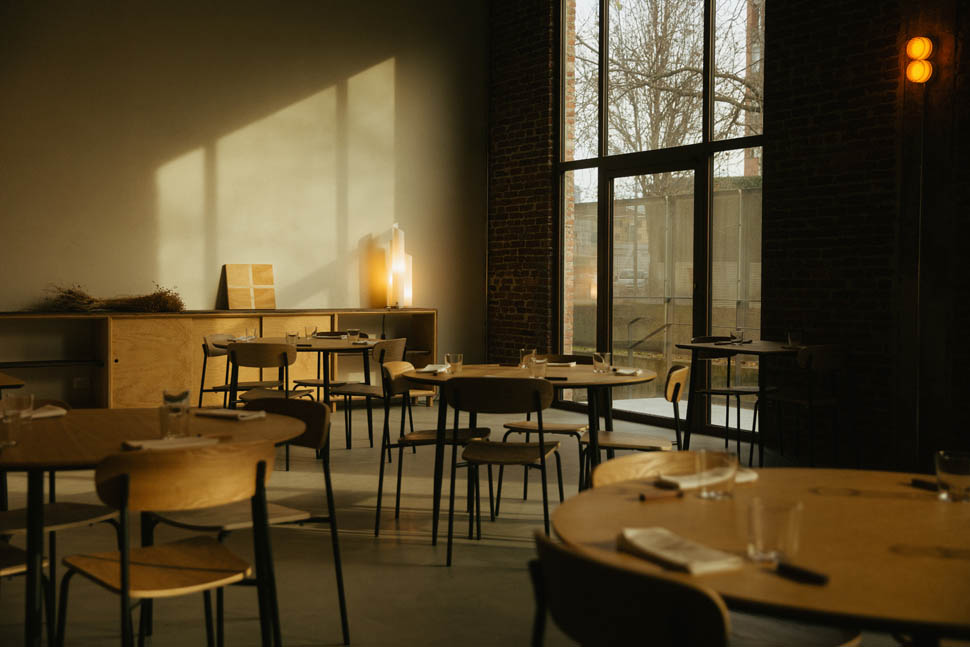
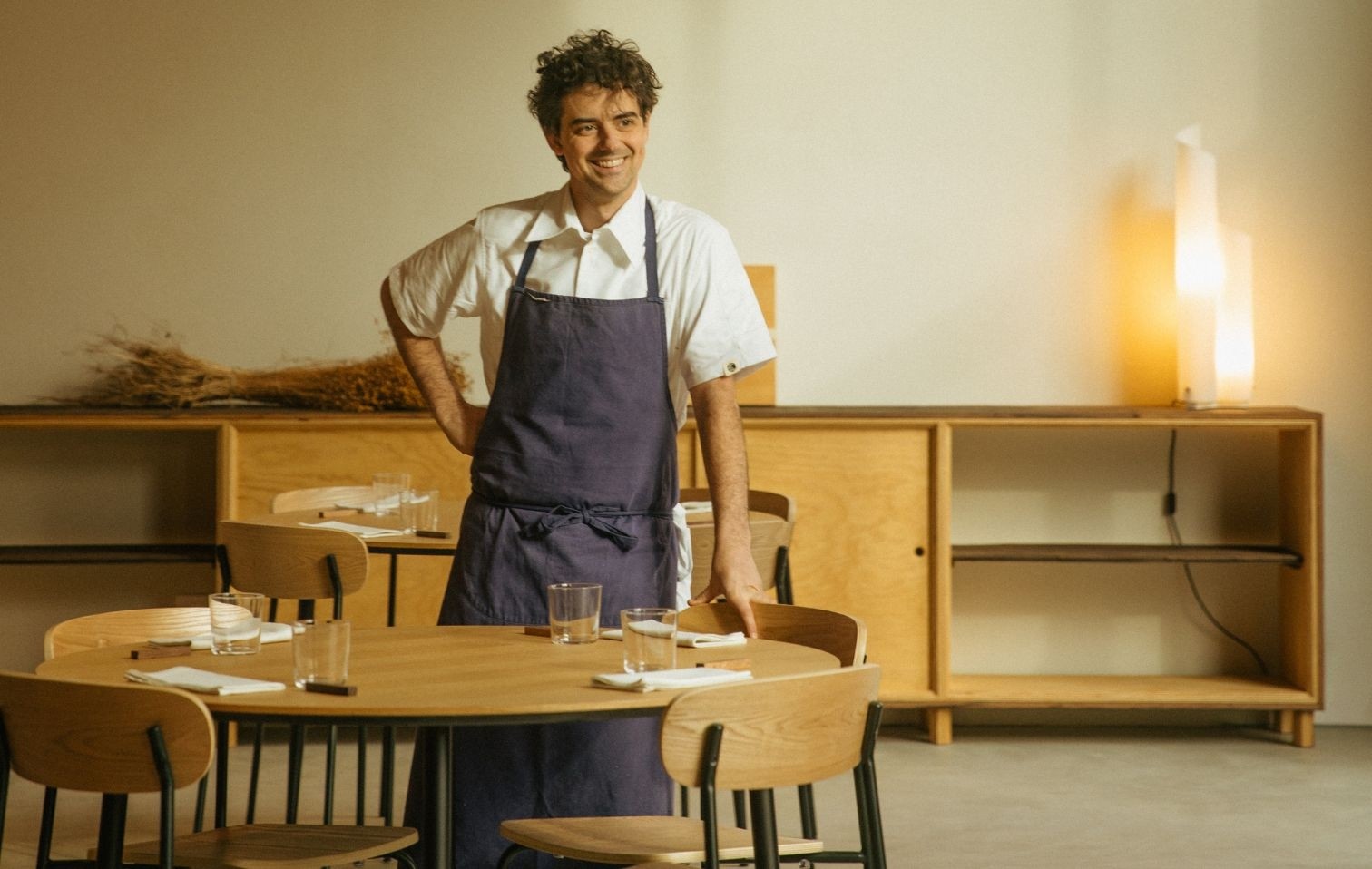
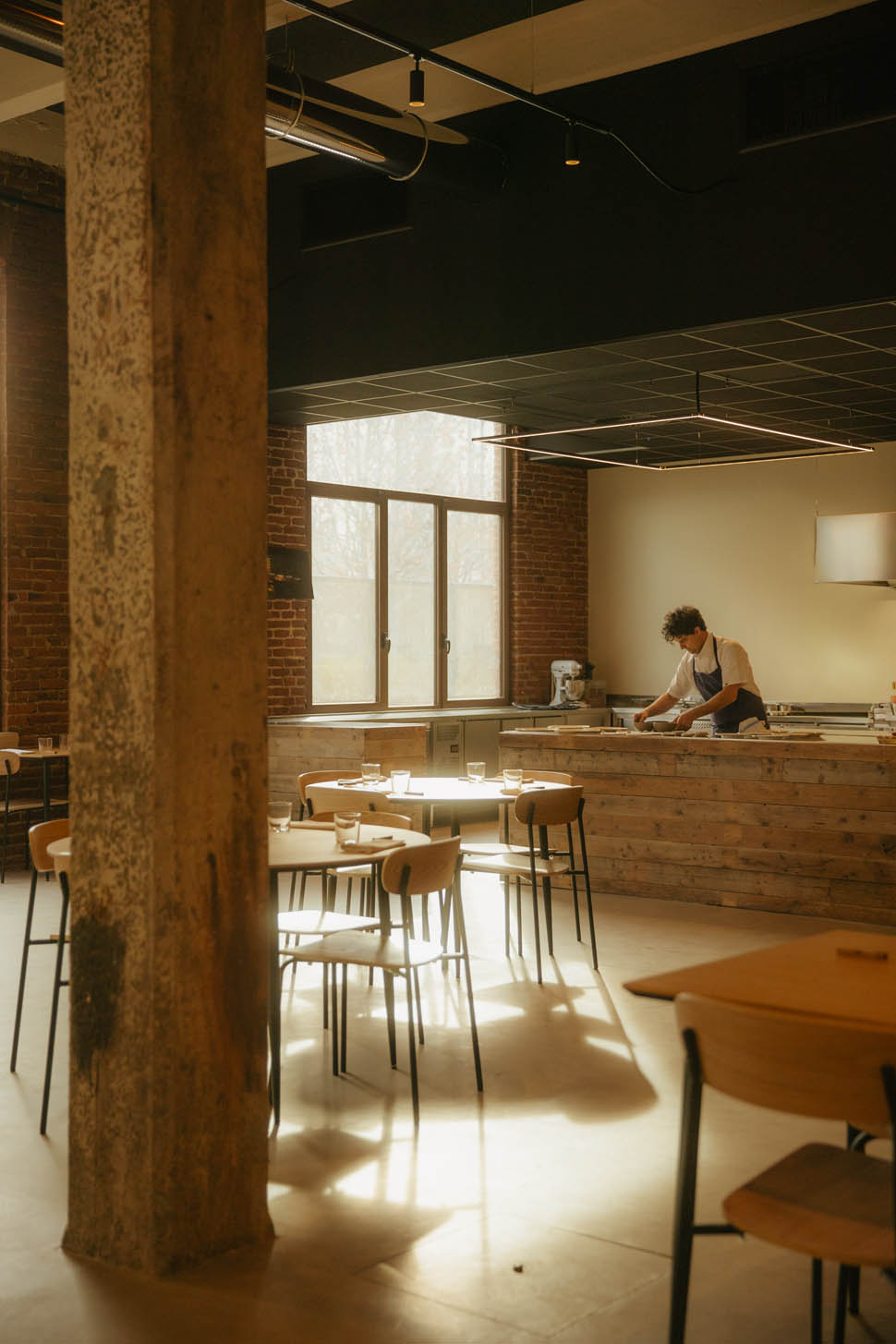
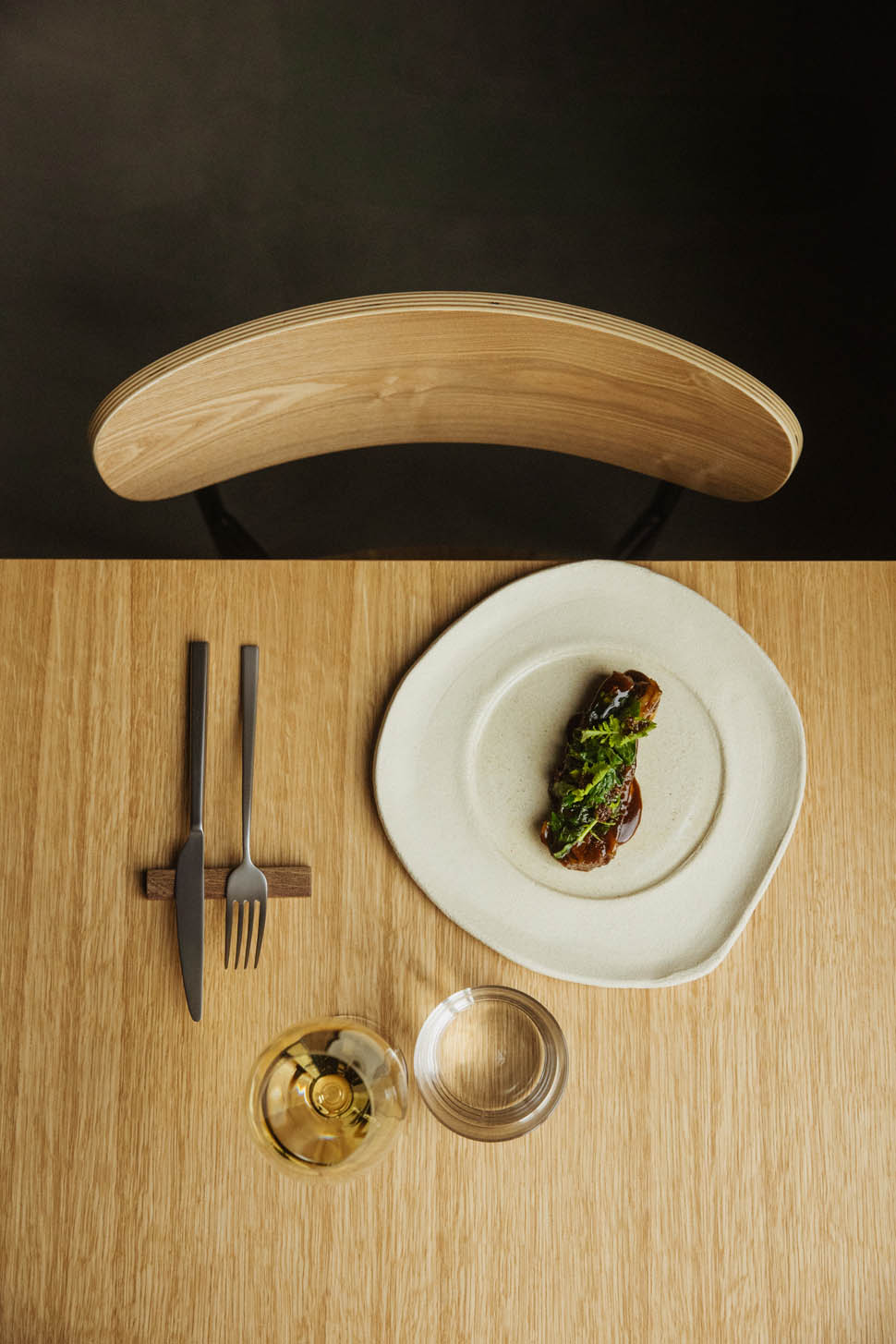
Here, culinary innovation meets minimalism, nestled within Turin’s industrial soul, in a postmodern setting that echoes other international cities: images of London, Manchester, and New York flash through our minds as we step inside this brand-new venue. 100 square meters, a large dining room with an open kitchen, high ceilings, and large windows overlooking the outside, in a space defined by clean lines and raw materials. The minimalist light-wood furniture was created in collaboration with a local designer and creates a welcoming, unpretentious atmosphere; even the table setting is simple, with a slightly Nordic feel, without tablecloths and featuring organic stoneware plates. The menu is projected onto the wall: two options—a 4-course tasting menu for 48 euros and an 8-course one for 68 euros—with no à la carte menu, in an effort to make the concept sustainable, both economically and in its management. A limited selection of dishes that changes frequently depending on the availability of ingredients, much like in the traditional taverns of yesteryear. Perhaps the future lies precisely in the wisdom of the past.
The Chef
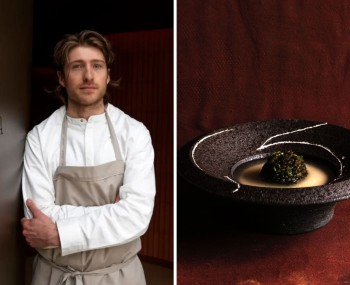
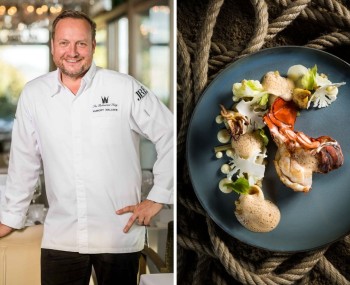
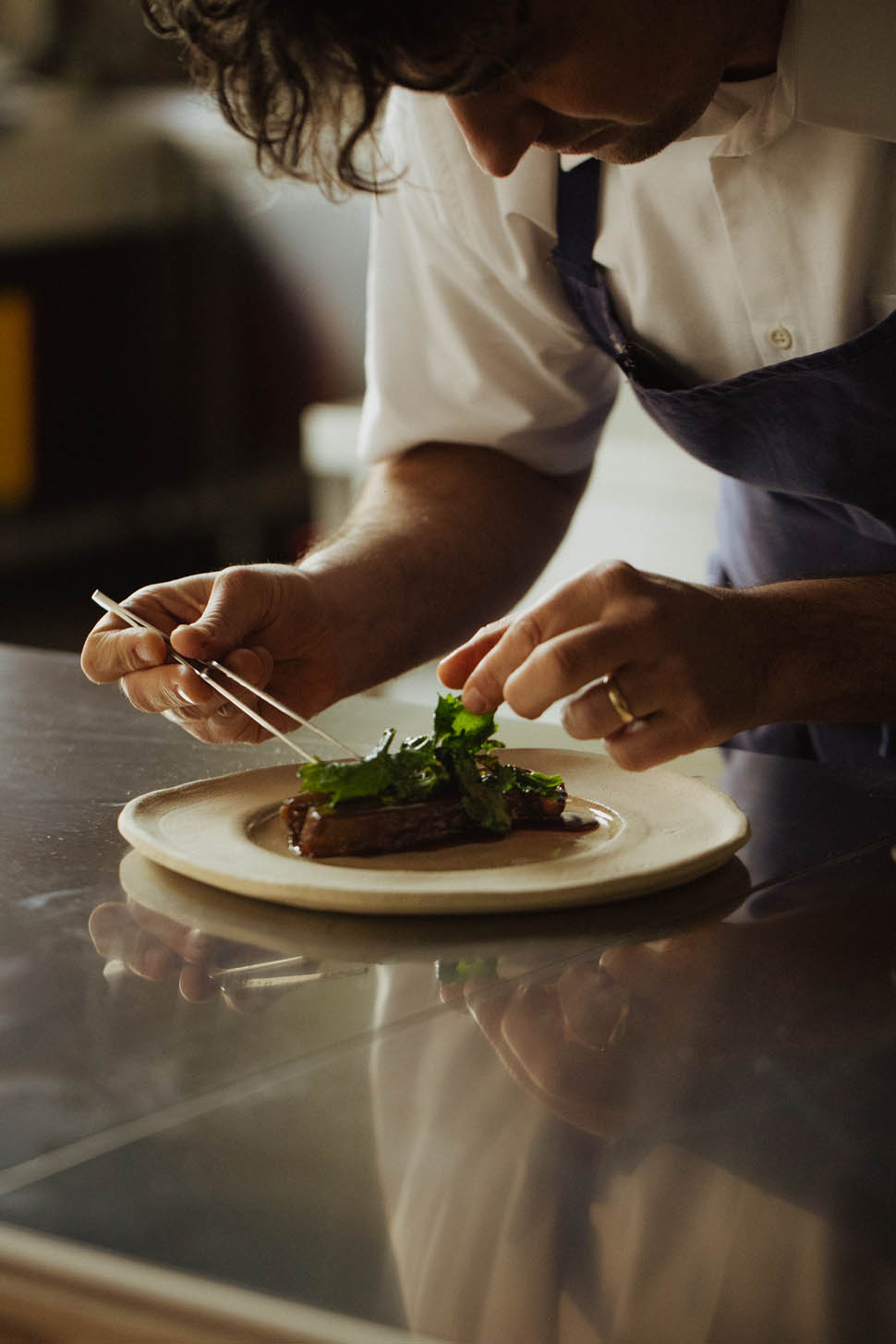
The chef at the helm of the kitchen is Alberto Fluttero, born in 1987 and raised in Castagneto Po, in the province of Turin. A graduate of Alma, he brings significant and formative experience to the table, first working alongside Davide Oldani at D’O in Cornaredo, where he absorbed the model of a contemporary “pop” restaurant, and then at Gavroche in London, where he learned the techniques and charm of classic French cuisine. “I started at Alma when I was 20; I barely knew how to cook, and cooking wasn’t a family tradition. I was studying and working in a pizzeria, then I decided to set a direction for my future and invest in a serious training program. A school like that gives you the structure, mindset, and behavioral tools to survive in a professional kitchen.”
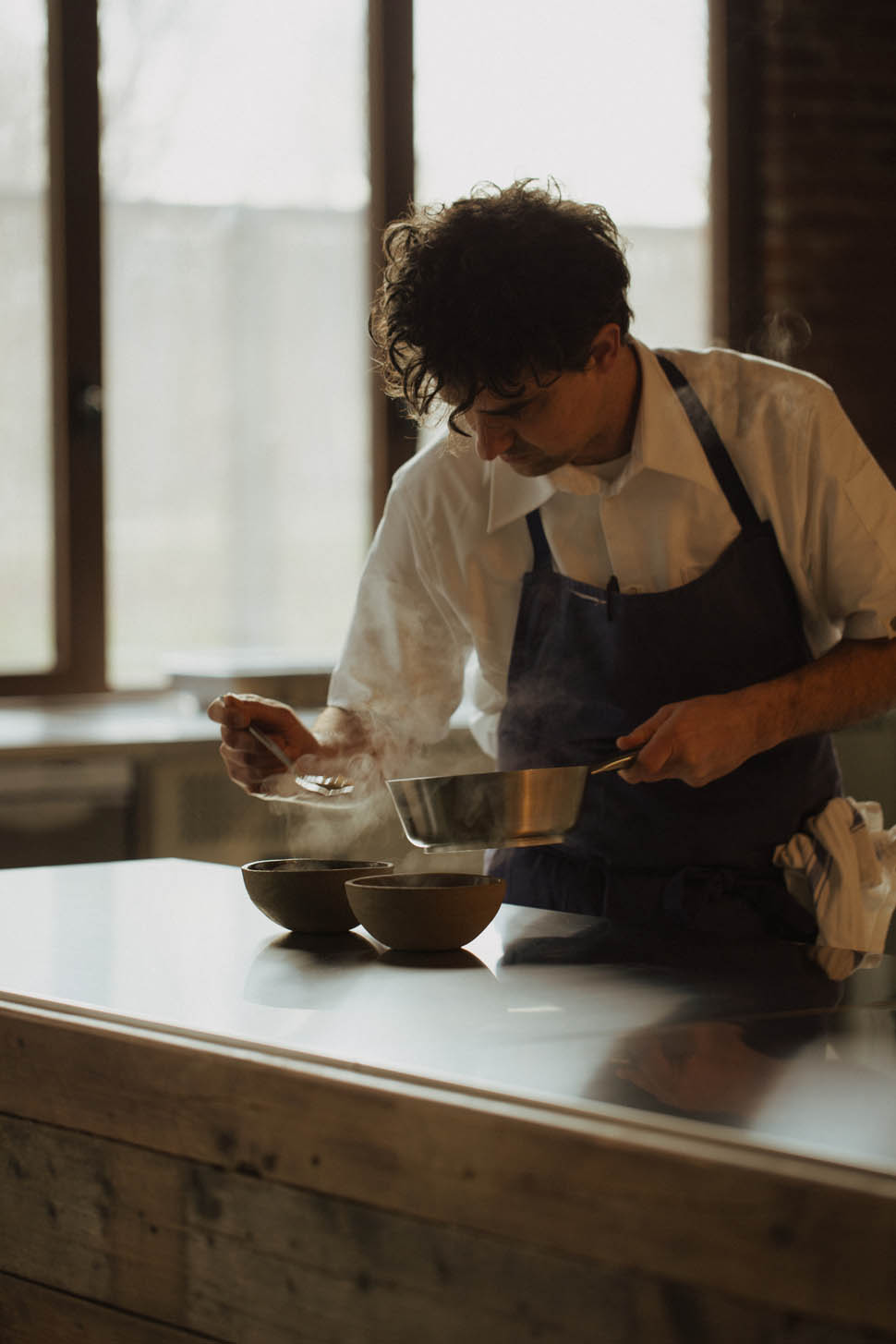
His experience with Oldani also helped him learn how to create an effective business plan, optimize resources, and select high-quality ingredients at reasonable prices. And to make this entirely personal project a success - Alberto has no partners; the business is his own. He relies only on three kitchen staff, a sommelier, and the front-of-house team—a small crew for which he feels full responsibility. The chef knows that an entrepreneurial spirit, an organizational mindset, practicality, and the ability to make ends meet are also necessary, and he is aware that he is the one who must bring all of this to the table, in addition to his culinary skills. Alberto seems like a level-headed young man, cheerful and smiling, humble, and eager to do well.
The Concept
AL is a concept that was missing in Turin, “just like when Oldani opened D'o, there was a gap in the market,” says Alberto. A fine-dining concept that aims to move beyond obsolete and unsustainable business models. “I feel out of place in stuffy settings; while traveling, I’ve noticed that there are places abroad where high-end cuisine isn’t necessarily synonymous with rigid etiquette.” The culinary style is consistent with the setting, the service, and the atmosphere. Dishes with few ingredients that are easily recognizable on the palate, clean, fermentation techniques used to enhance flavor but also for preservation with a view to reducing waste, foraging, and the revival of forgotten fruits such as the quince, to expand the range of flavors in sophisticated dishes, yet without ostentation. “A refined yet unpretentious cuisine, in a setting that blends the energy of a European capital with Turin’s authentic charm.”
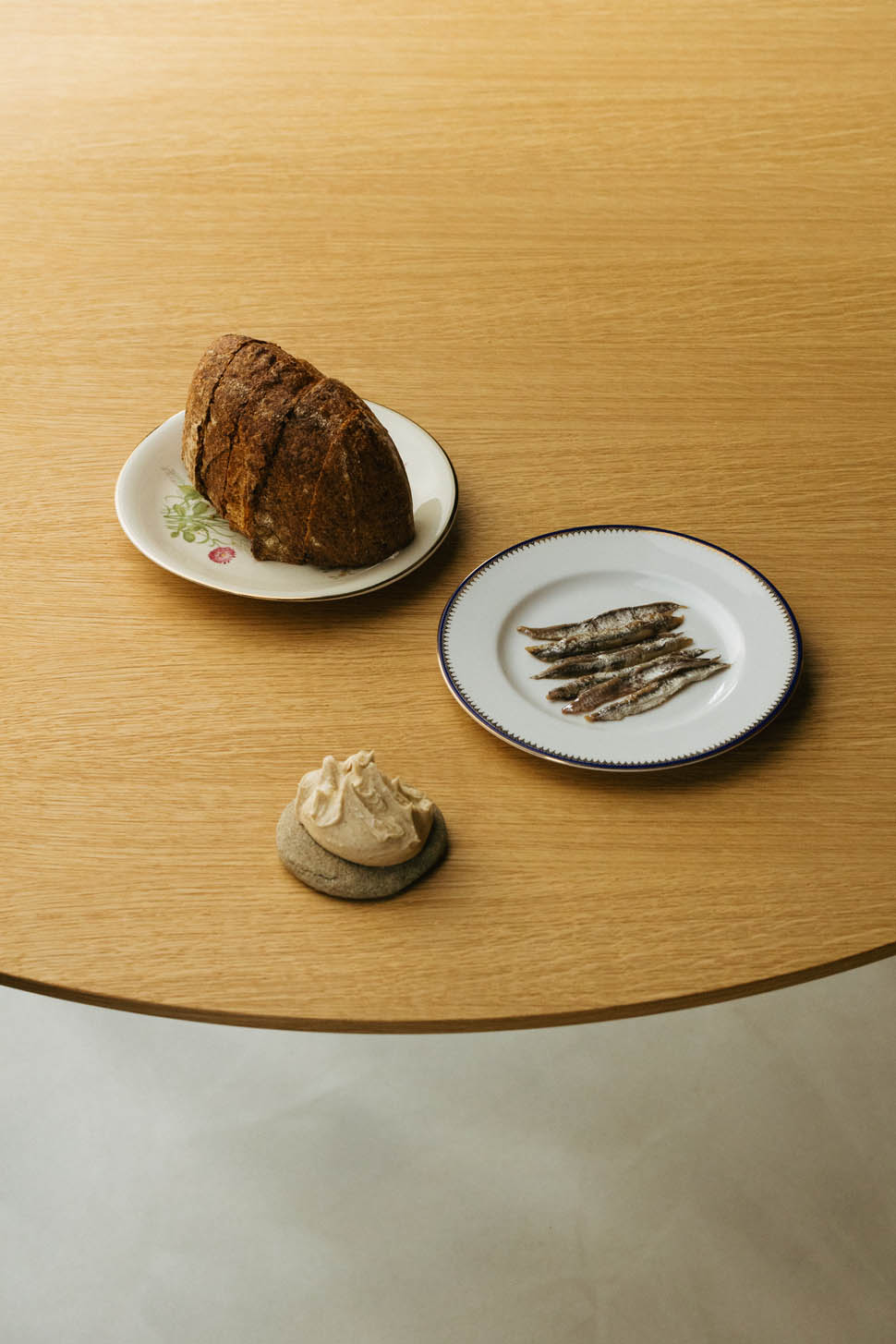
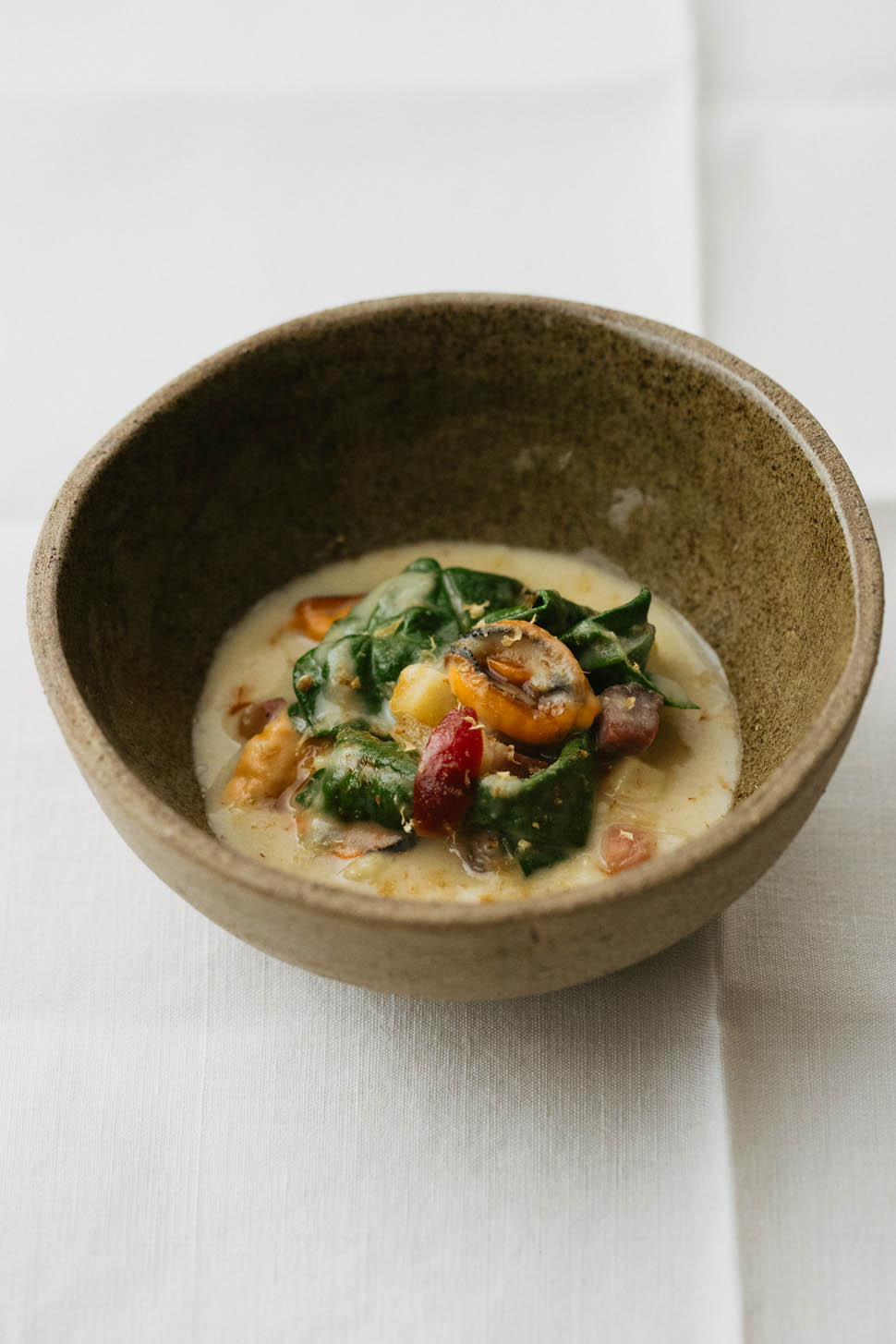
The meal gets off to a down-to-earth start: no amuse-bouche, but sourdough bread, whipped hazelnut butter, and anchovies, followed by a turnip foam with confit egg yolk and an intriguing vegan take on XO sauce, where shrimp and Jinhua ham are replaced by sun-dried cherry tomatoes and rose petals. The finale has a slight bitter note, reminiscent of a bitter aperitif, and while it cleanses the palate of the creaminess and sweetness of the butter, it also prepares the palate for the meal ahead. The common thread continues with the salad of bitter herbs, sunflower seed cream, orange, and cumin; the flavors are always delicate and distinct, never muddled or overpowering. “I’m not an extremist. The bitterness is a coincidence. There are many bitter vegetables in season right now,” says the chef. The classic butter and Parmesan risotto is a creamy canvas, a base with a comforting richness that highlights the fresh confit shrimp from the Ligurian Sea and the roasted artichokes that stand out with elegance.
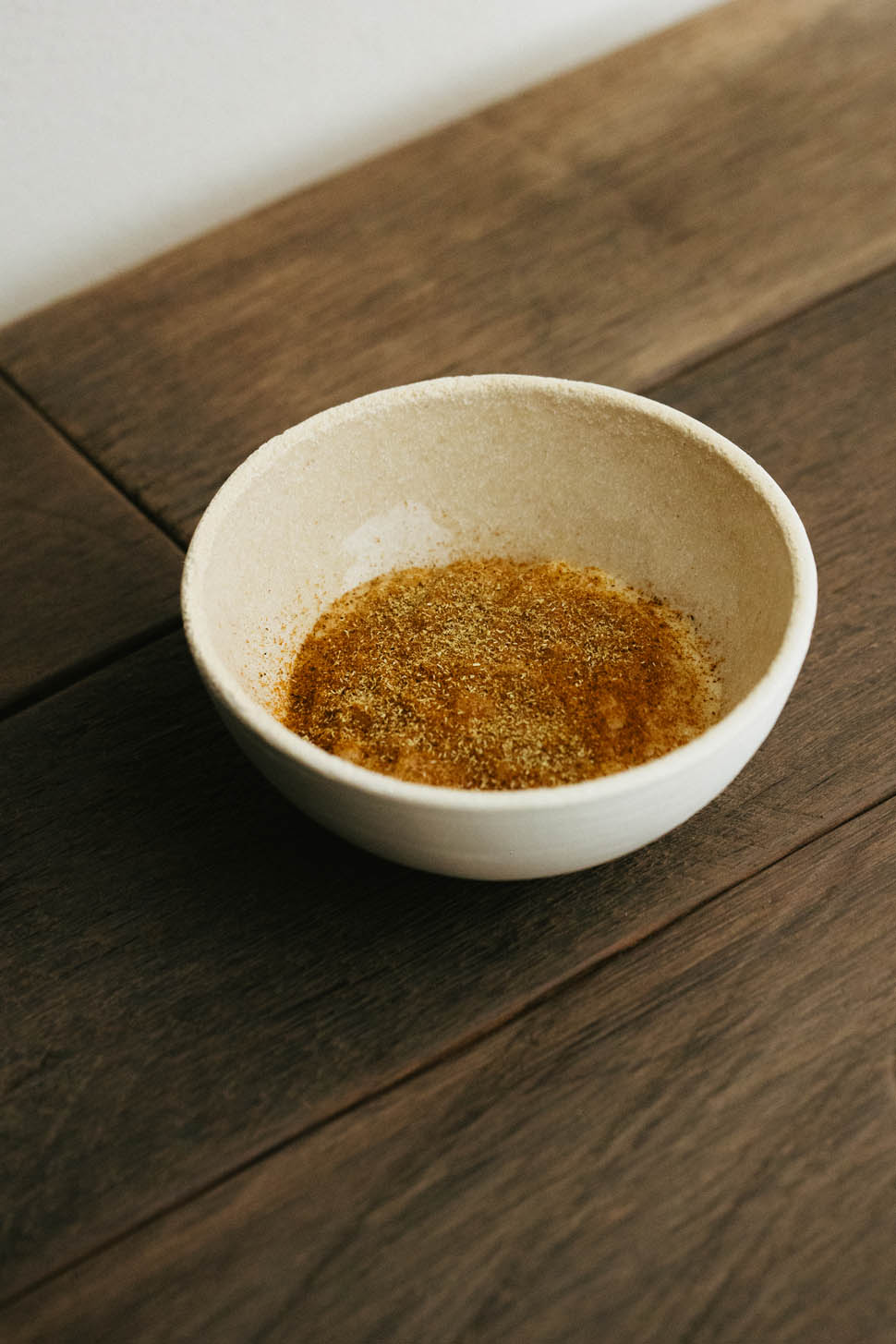
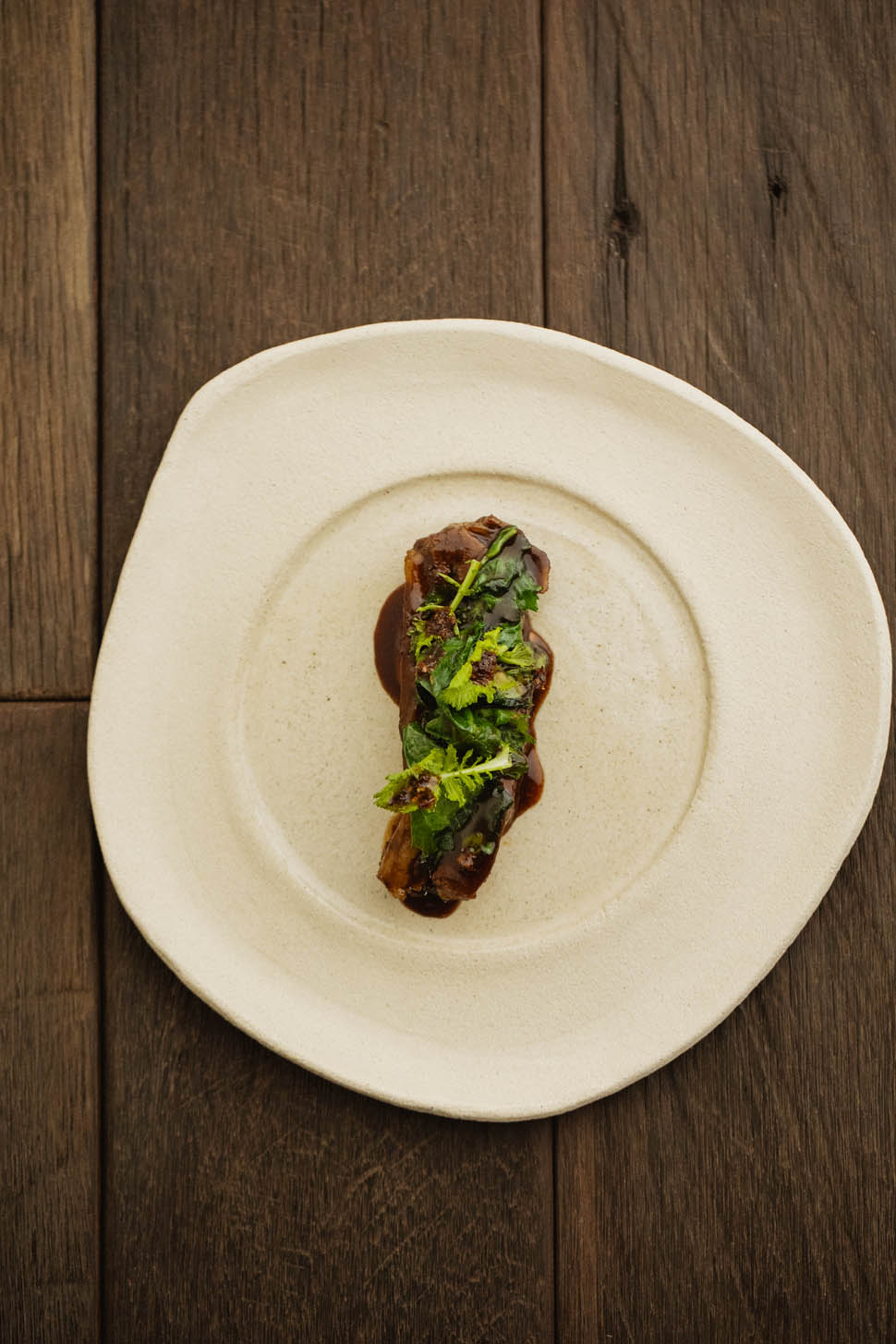
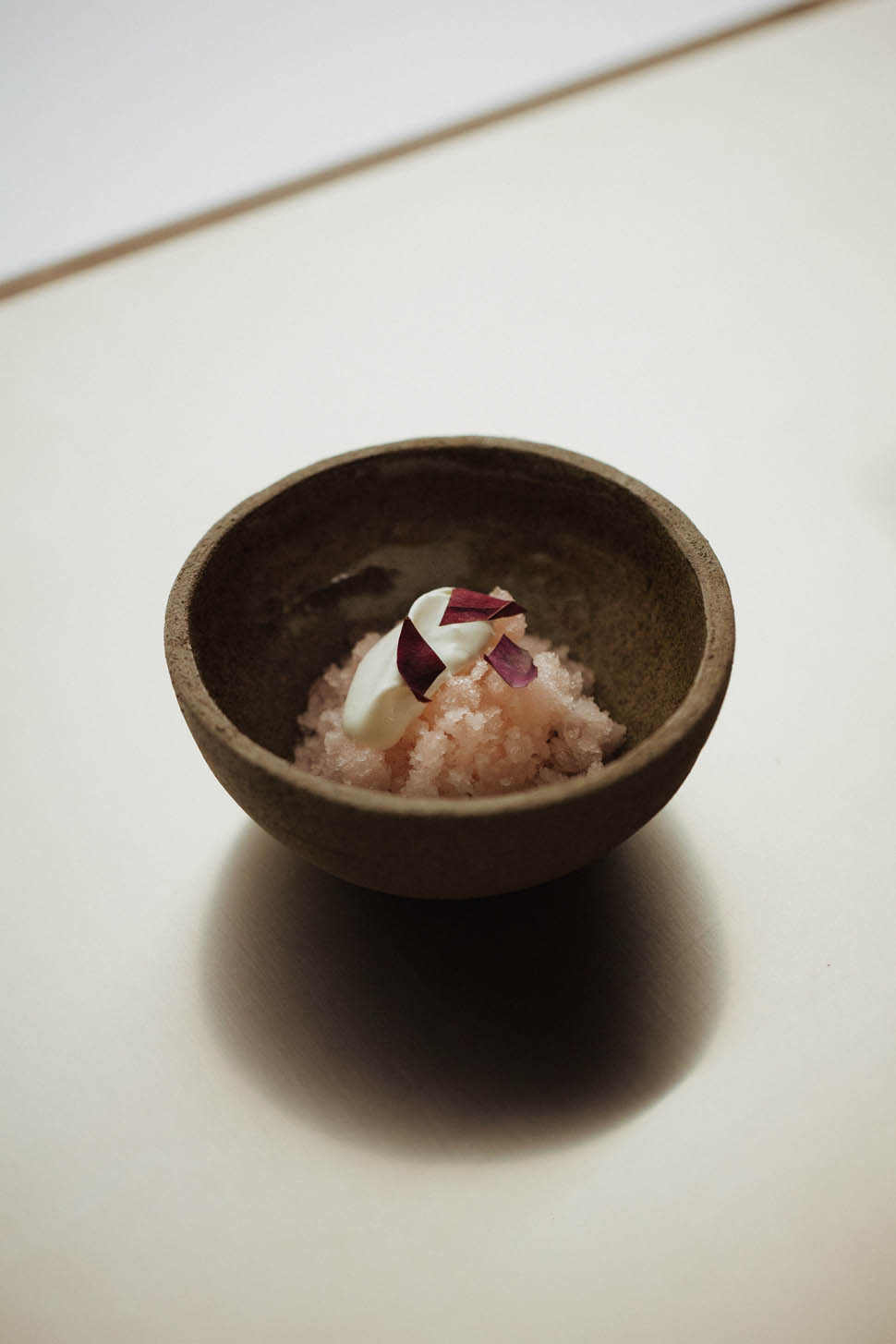
As in the previous dishes, we find a “neutral” and enveloping base, designed to highlight the sweetness of the shrimp, the roasted elements, and the slight bitterness of the artichoke powder that rounds out the dish. The guinea fowl introduces deep, umami-rich notes, accompanied by a borage leaf stuffed with ricotta and cabbage, brushed with rye miso. A touch of poetry then arrives with the magnolia flower granita, a way to honor spring by capturing a moment of it, accompanied by whipped yogurt, mountain pine flowers treated with salt and vinegar to soften their astringency and enhance the aromatic resin notes, and sumac, a herb with a deeply Mediterranean character.
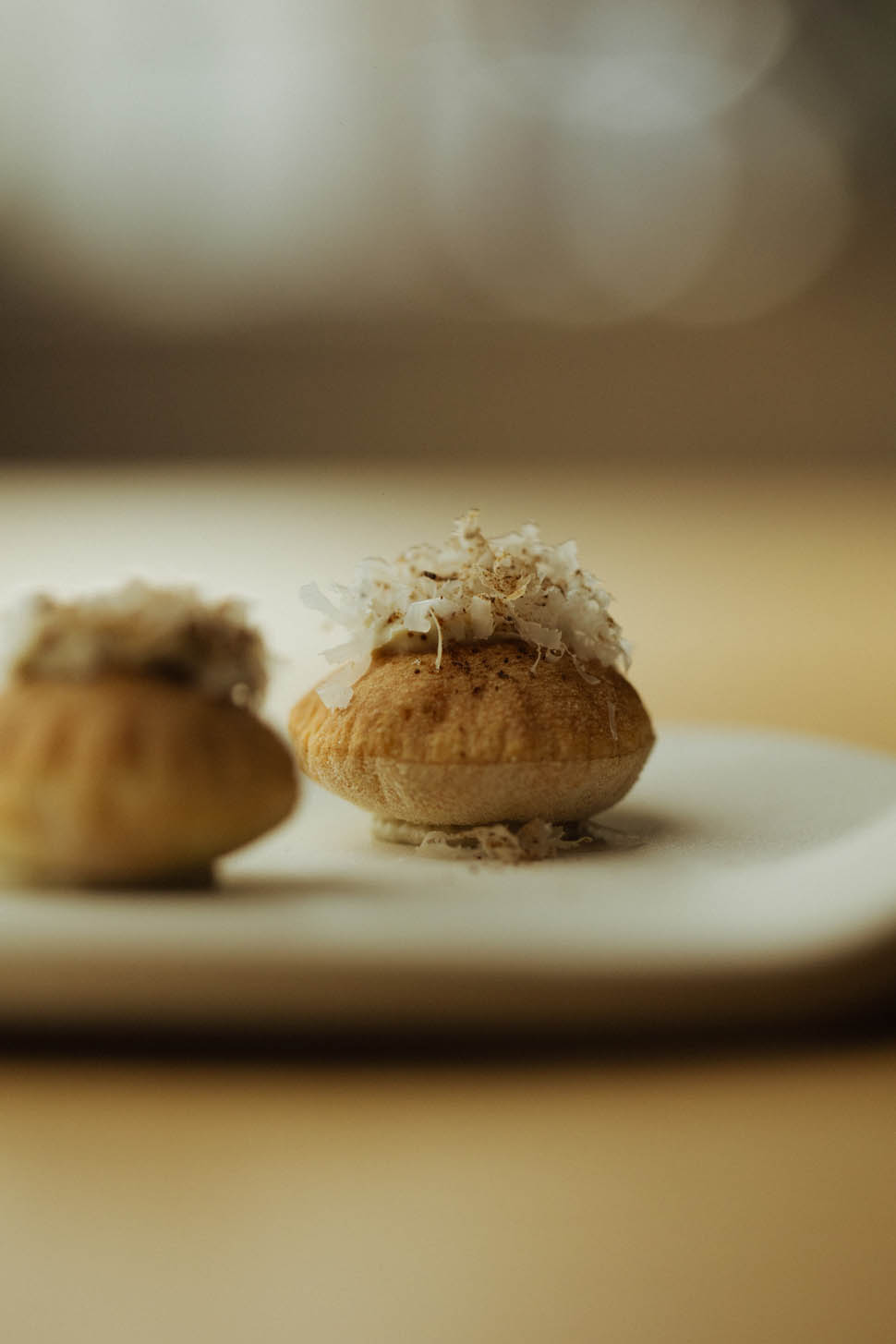
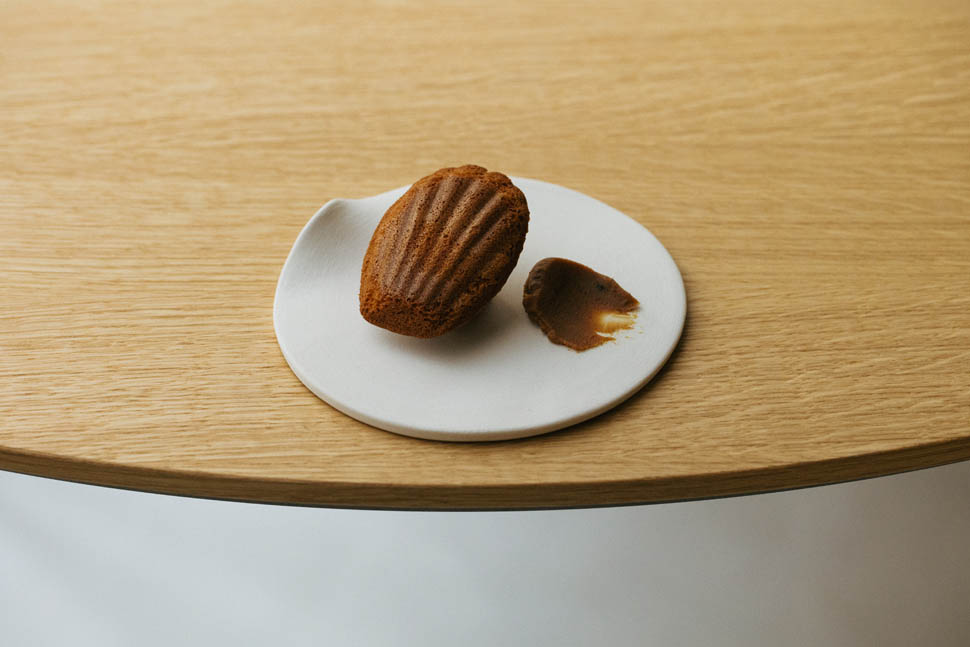
A pre-dessert that takes you on a journey, evoking the scents of the Middle East yet infused with the balsamic notes of Alpine forests, and leading to the caramelized sweetness of tarte tatin, balanced by cream acidulated with quince vinegar. The specialty coffee from Lavazza 1895, one of the city’s proudest companies, is accompanied by a madeleine with chicory root caramel, to recall this vegetable’s past role as a coffee substitute during times when coffee was rare or expensive. A finish that once again features a bitter note, yet you certainly don’t leave with a bitter aftertaste. Alberto tells us he’s been warmly welcomed by the city—perhaps thanks in part to the evocative location—but he’s ready to roll up his sleeves and wait for the results. “This is what Oldani taught me. You can’t have everything right away. It takes time and dedication; we’re no longer used to waiting, to perseverance, to patience. The leap is scary, but I try to take it consciously, one step at a time.”
It is said that fine dining in Turin is dying, following the many closures and the departure of prominent chefs. Perhaps fine dining in Turin is being reborn, in a new, more contemporary form. The excessive, redundant vestiges of the Baroque era are fading away, making room for a minimalist approach that focuses on the essentials. Breaking free from the history of the House of Savoy does not mean losing one’s roots. Turin has always been a city of the avant-garde, of experimentation, and of a promise of a future shaped by industry and progress. Perhaps the new evolution of fine dining begins here, within the walls of the Dora warehouses, a narrative trace of another part of urban history—more working-class, yet equally authentic.
Restaurant AL
Address: Via Valprato, 68, 10155 Turin TO - Italy
Phone: +39 348 783 7783
Website: https://al.superbexperience.com/