The world of gastronomy is undergoing a period of profound introspection. While the recent past has been dominated by extreme technicalities and architectural presentations, 2026 marks a return to a more authentic culinary humanity. According to the inspectors of the MICHELIN Guide, which has summarized the new global trends here, we are entering an era in which “less” finally becomes “more,” with a renewed focus on substance and the emotional connection between the dining room and the kitchen.
The new face of hospitality: between “Bistronomy” and conviviality
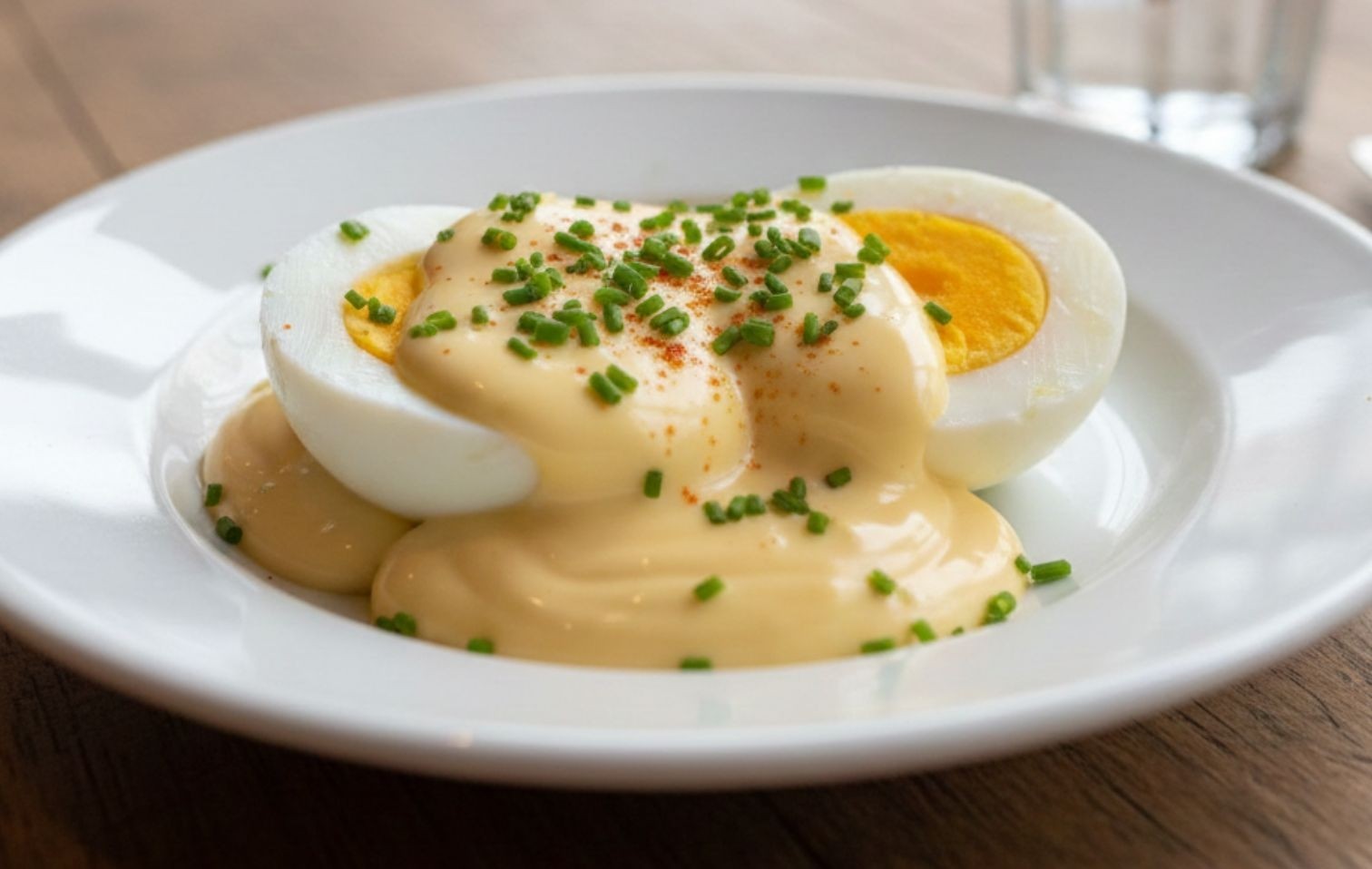
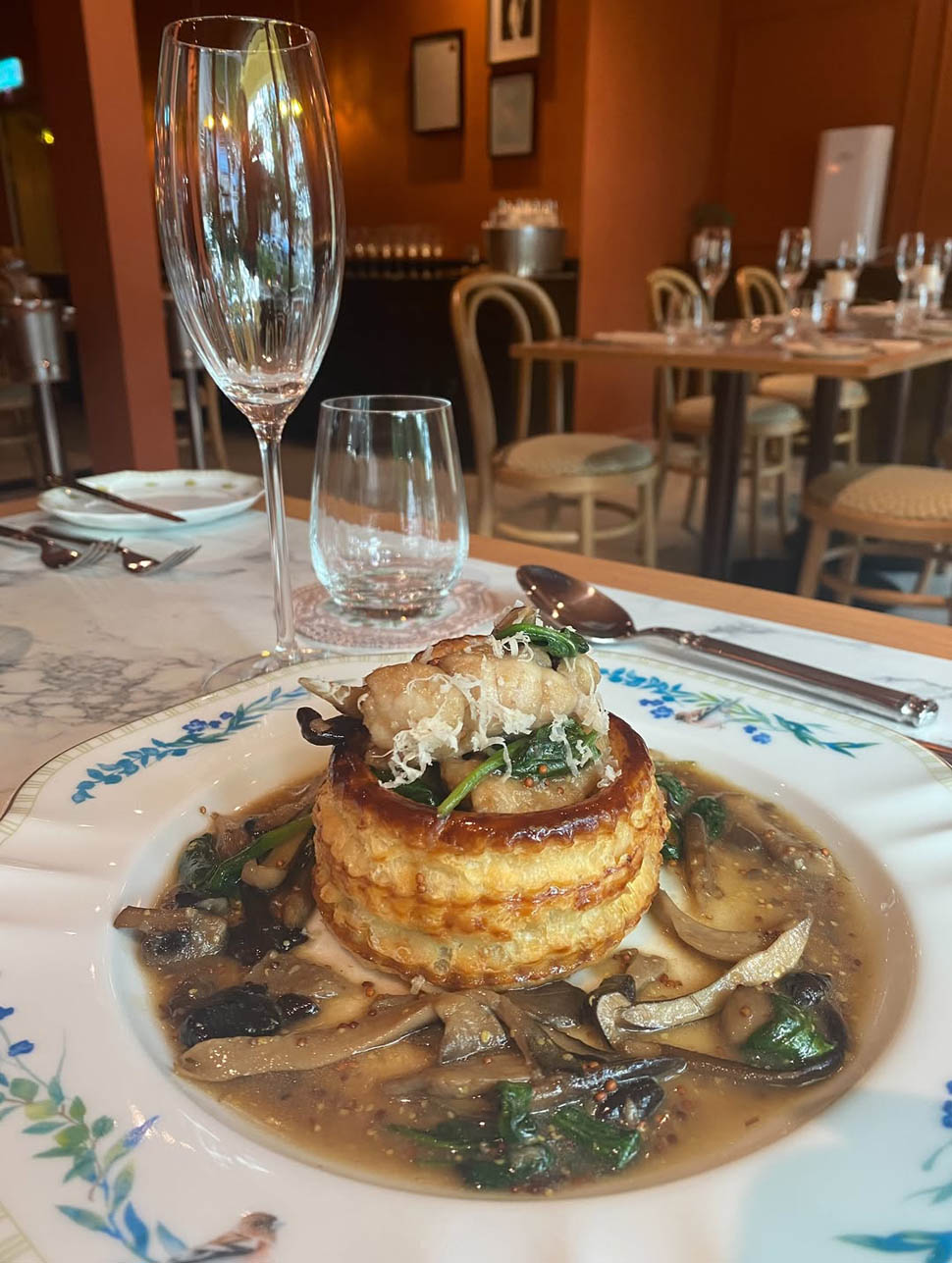
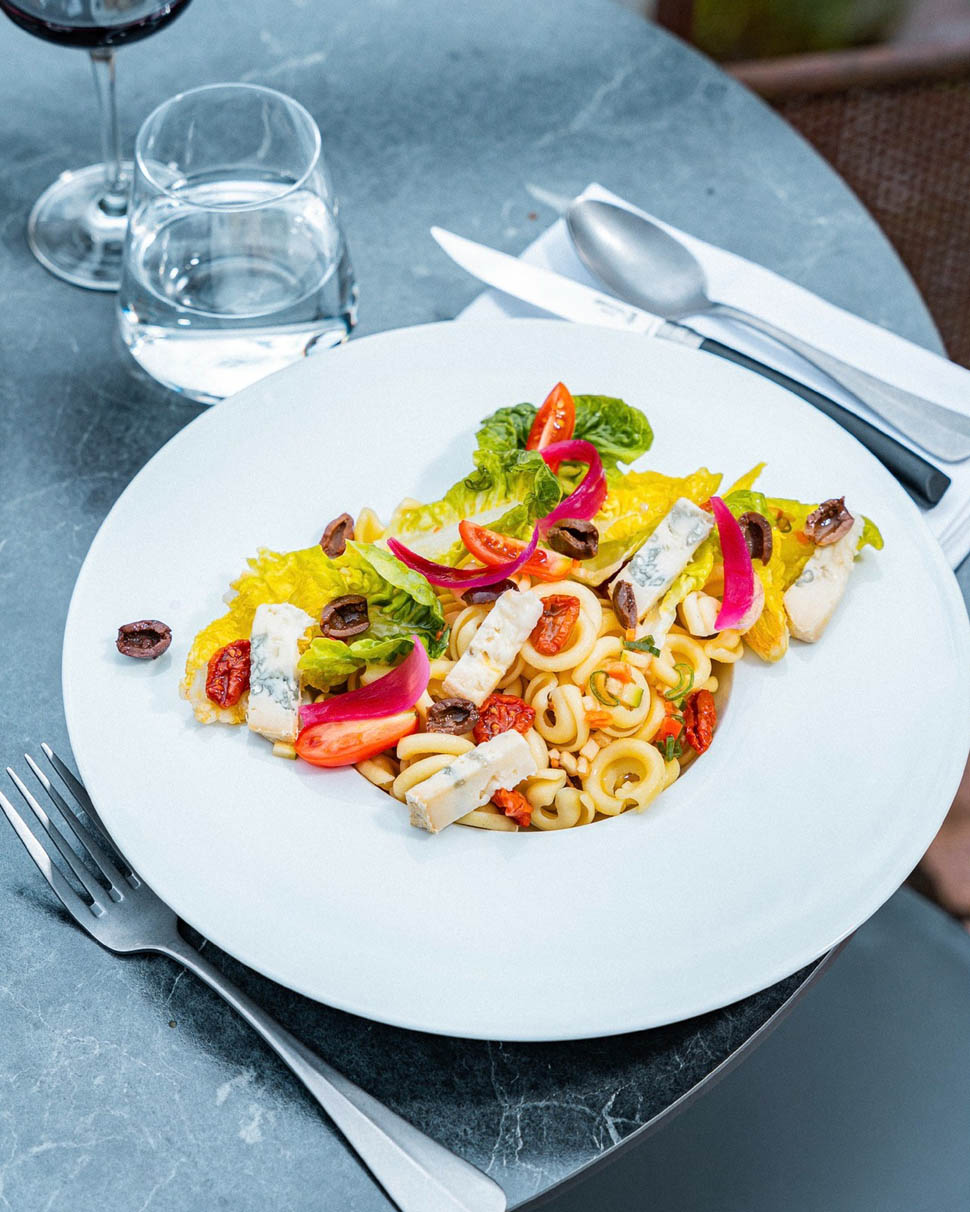
The most disruptive trend of 2026, says author Lanie Goodman, concerns the atmosphere we breathe once seated at the table. We are witnessing a veritable renaissance of popular classics: iconic dishes such as veal blanquette or the timeless oeufs mayonnaise (on the cover) are back in the spotlight, stripped of excessive reinterpretations and celebrated in their glorious simplicity. Some examples of “new classic” restaurants? Bistrot Le Héron at Moulin de Cambelong, a valid alternative to Michelin-starred restaurants, or Bidou, which interprets transalpine comfort in Kuala Lumpur.
At the same time, table service is undergoing a transformation:
- Counter service: Increasingly popular from Quebec to Reykjavik, this approach breaks down the barriers between staff and guests, offering a direct, unfiltered experience.
- The elegance of the trolley: Bucking the trend, the charm of guéridon service is making a comeback, where meat is carved or fish is finished in front of diners, transforming service into an interactive ritual.
- Professional informality: Especially in Northern Europe, staff feel free to express their personality through tattoos or personal styles, ensuring a welcome that Michelin describes as “disarmingly authentic.”
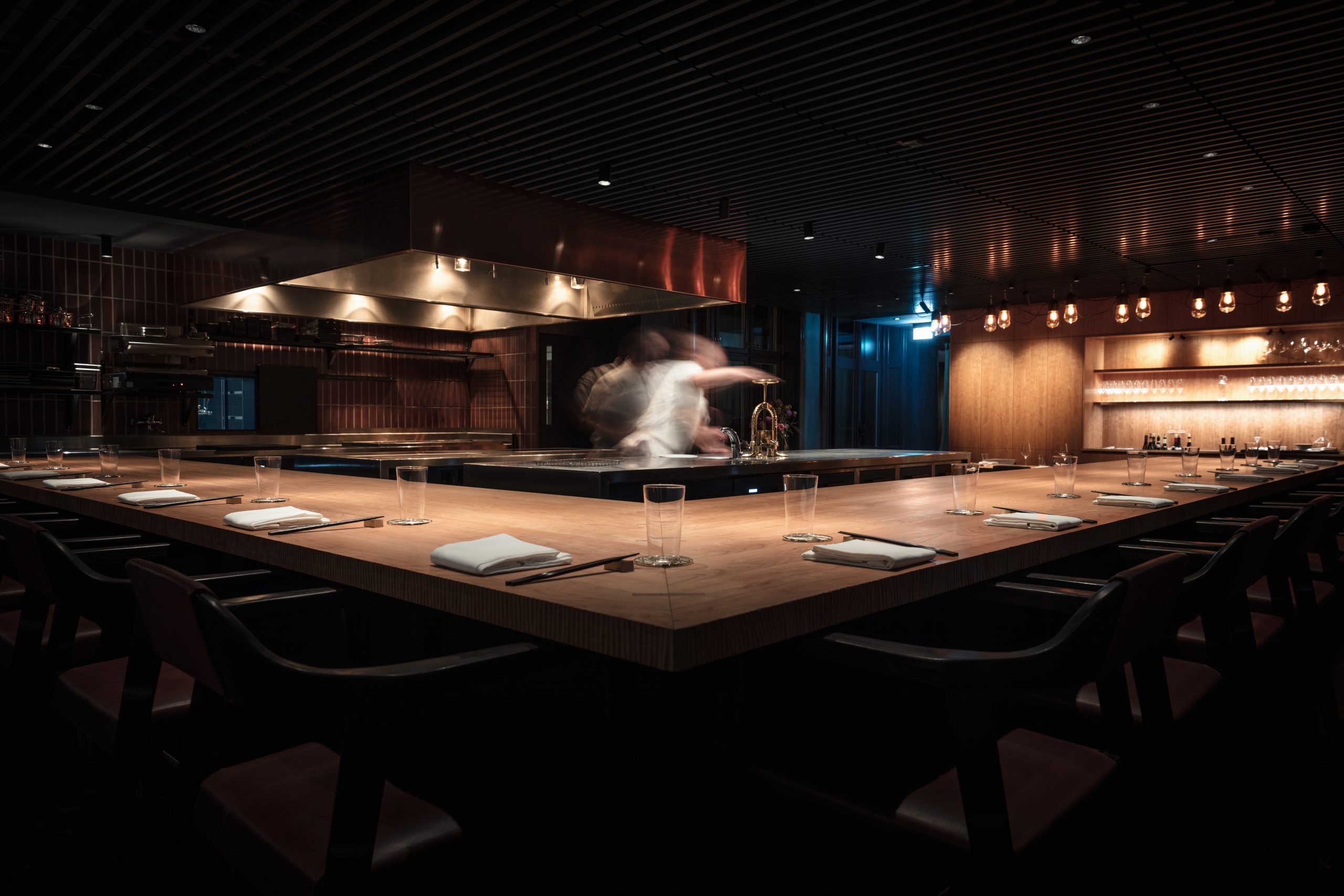
The return of fire: the art of the living flame
Technology gives way to the primordial element. Chefs are rediscovering cooking over embers, wood, and hot stones. It's not just a question of smoky flavor, but of precision: from the use of prized Japanese binchotan charcoal to the mastery of Argentine parrillas, fire is used to enhance the purity of the raw ingredients, making every bite an ancestral and powerful experience.
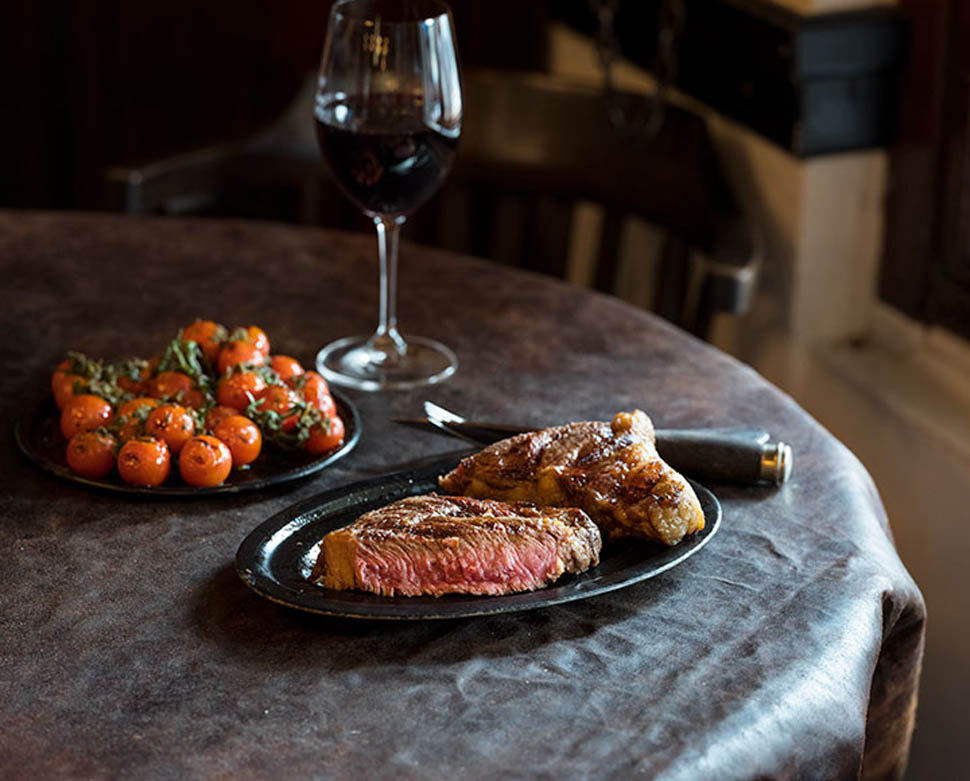
Tradition 2.0: family memories and “wild” ingredients
In Eastern Europe and Asia, the trend is to look at grandmothers' recipe books with new eyes. Beloved recipes are lightened and refined: a homemade meatloaf becomes a work of art thanks to a touch of truffle butter, while herring is paired with delicate notes of cider. In China, there is growing enthusiasm for wild mountain ingredients, such as matsutake mushrooms, which bring the raw and fascinating flavor of unspoiled nature to the table.
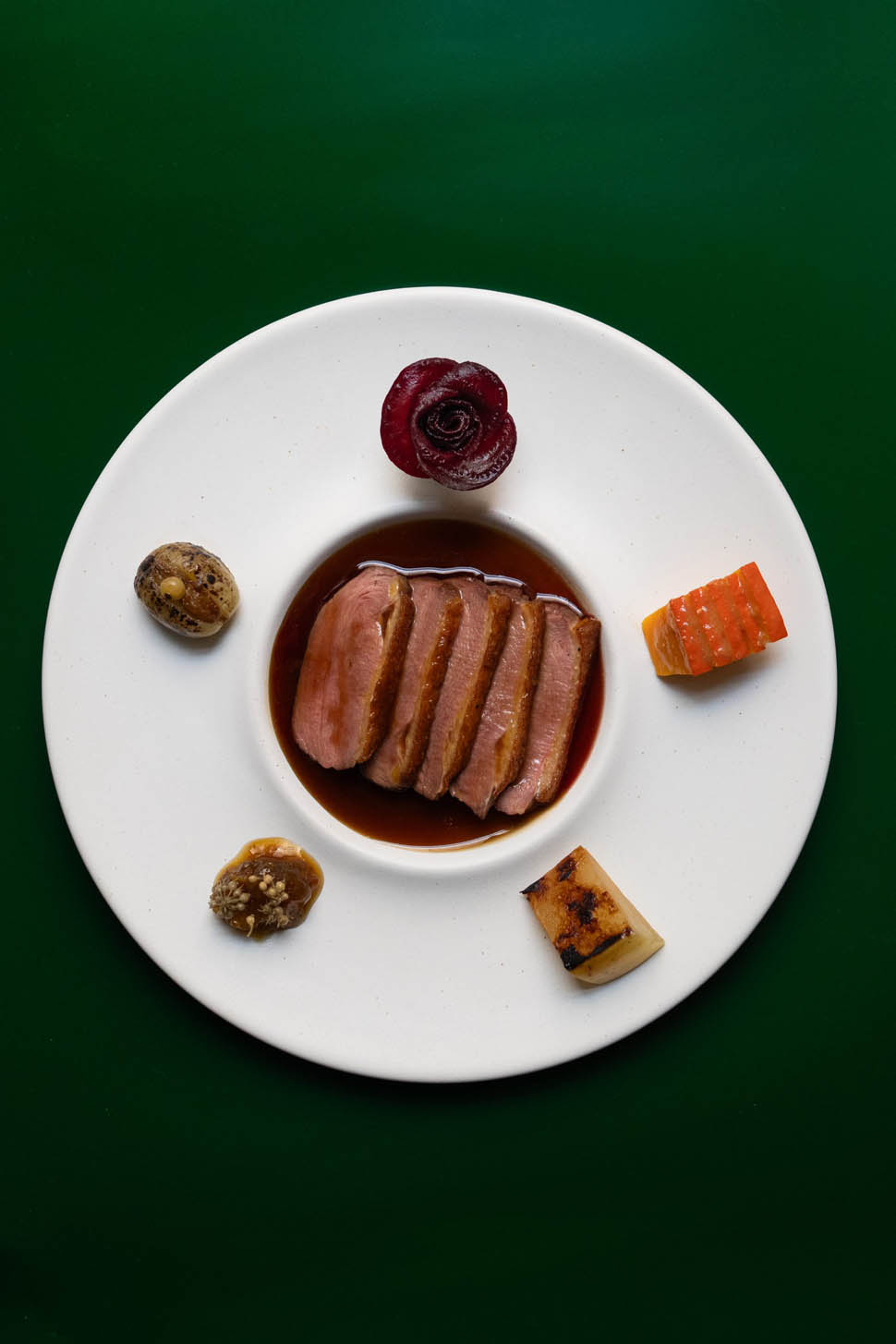
The depth of flavor: umami and bitter
In 2026, gourmet palates will shift toward less reassuring but more complex territories. Umami and bitter notes (radicchio, endive, seaweed) are the new pillars of flavor construction. Tea is emerging as a technical ingredient par excellence: no longer just a drink, but an element capable of imparting elegant tannins and aromas to broths, meats, and seafood without weighing down the final dish.
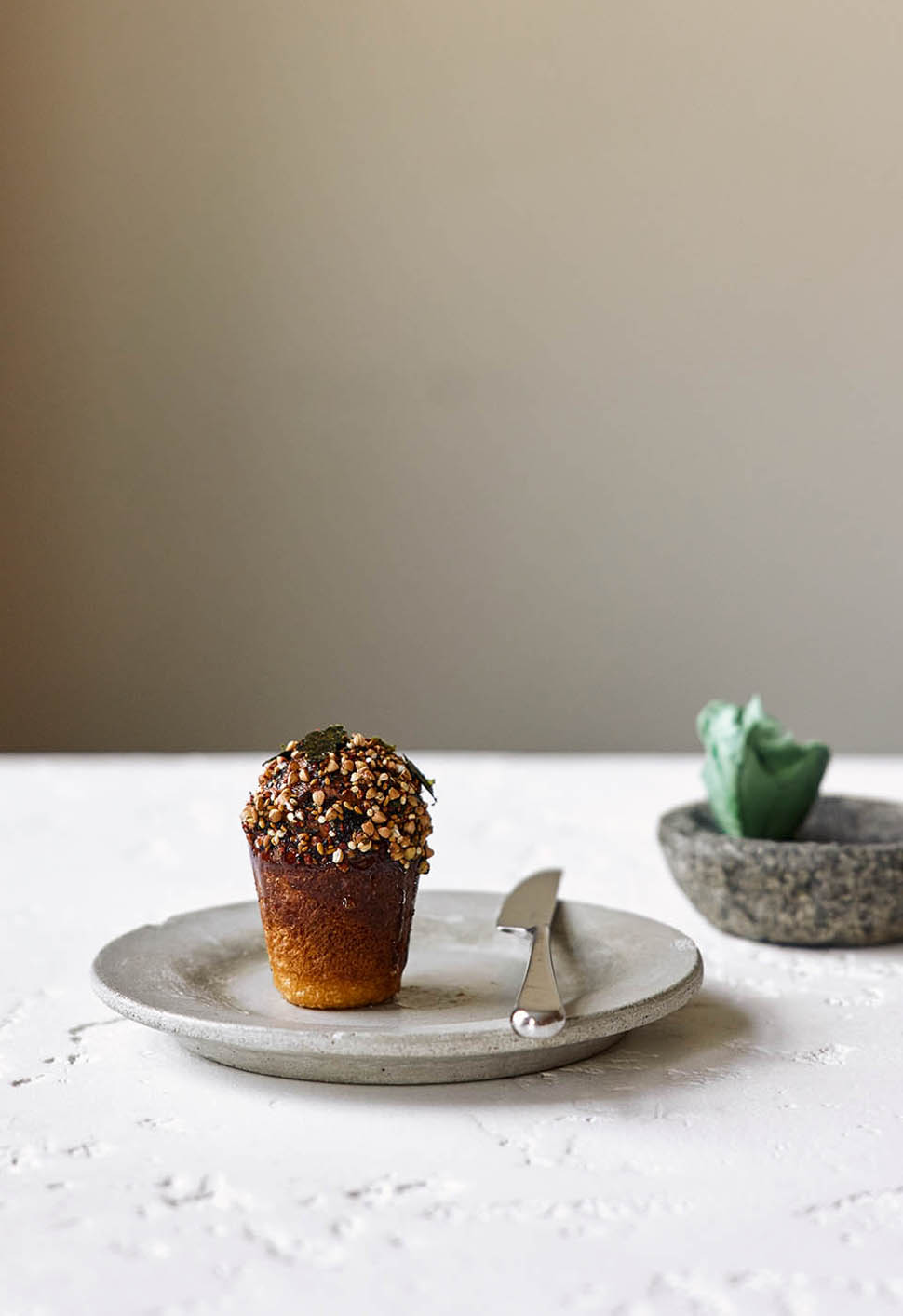
Time as the key to recipes
The speed of modern life clashes with a cuisine that knows how to wait. Fish aging and slow fermentation (often based on koji) are now essential techniques for achieving aromatic depths that cannot be achieved with quick cooking methods. Chefs use time to transform waste into resources and to intensify the character of each ingredient, demonstrating that patience is, in effect, a culinary technique.
New centers of gravity: the rise of Bangkok
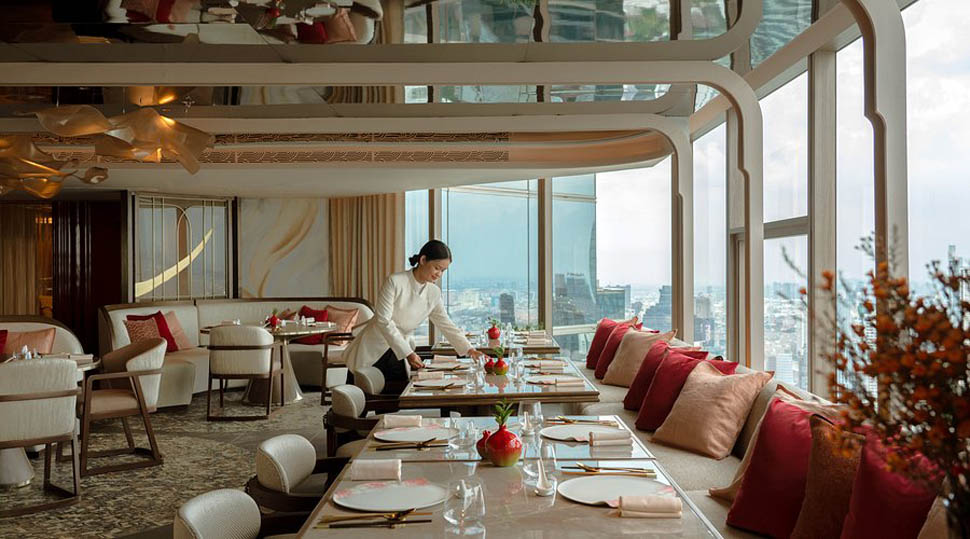
While France and Japan remain the beacons of technique, 2026 sees Bangkok establish itself as the new mecca of global dining. The Thai capital is attracting a host of international chefs ready to blend local roots with contemporary visions, creating a vibrant and ever-evolving gastronomic ecosystem.