Aerospace fantasy has always been a realm of promises, simulations, and prototypes. In recent years, it has found new allies in private capital, commercial launches, and a public that is beginning to consider the Moon not only as a poetic backdrop, but as a potential destination for extreme tourism. Against this backdrop, news has emerged that seems straight out of a hard science fiction novel: it is now possible to book a room in the first lunar hotel by paying a deposit of up to $1 million.
The news
The idea comes from California and bears the signature of a startup that interprets the sector with the same pragmatism with which one books an intercontinental flight, but with figures reminiscent of private rocket collecting. The project is led by Galactic Resource Utilization Space (GRU Space), a startup founded by 21-year-old Skyler Chan, an engineer who graduated from Berkeley at a time that coincides with the most dynamic phase of the space economy. The company presents its lunar hotel through a website designed to capture the imagination of wealthy “early adopters” of orbital tourism. The language is direct, does not hide behind technicalities, and focuses on slogans designed to stimulate the instinct for exclusivity. One above all: “secure your place in history”, a motto perfectly calibrated for those seeking an experience to talk about even before they live it.

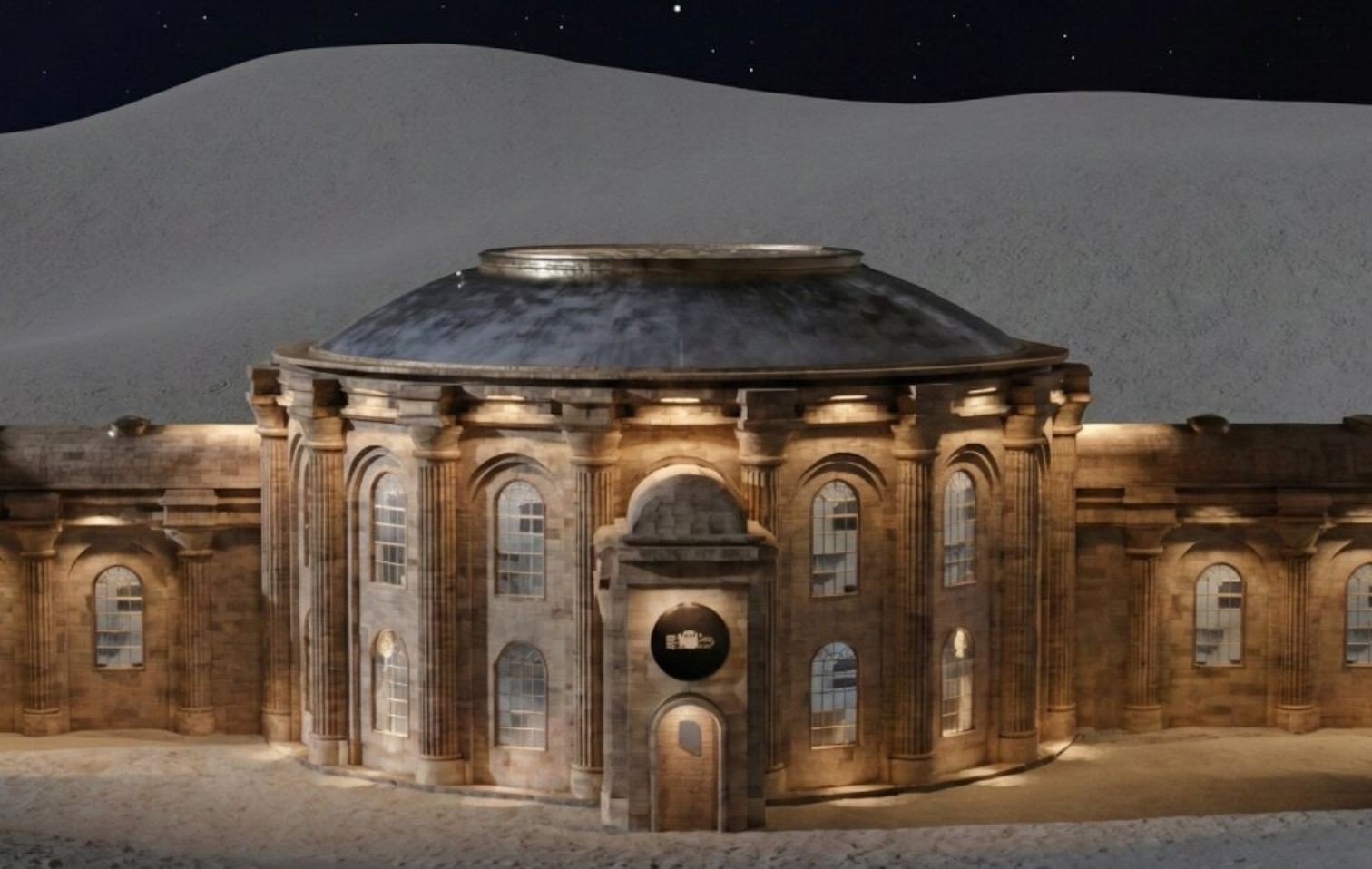
According to GRU Space, the hotel could open in 2032, with construction scheduled for 2029, obviously subject to a complex process of government approvals and industrial partnerships. To date, the structure exists only in renderings and technical documents, but the startup communicates with confidence and presents a construction solution based on housing modules assembled directly on the lunar surface through “an automated process to transform lunar soil into durable structures”. The idea is ambitious: to use regolith, or lunar dust, as the base material for building pressurized, radiation-shielded environments. This approach is common in space architecture studies, reducing the need to transport materials from Earth and lowering costs and logistical risks. Chan says he developed the project within the Y-Combinator accelerator, a startup incubator. He adds a detail that many investors in the sector might consider crucial: he has already raised funds from investors linked to SpaceX and Anduril, the latter specializing in autonomous defense systems. This suggests an ecosystem of contacts that is not limited to inventing an idea, but connects to infrastructure, industrial networks, and capital already present in the private aerospace economy.
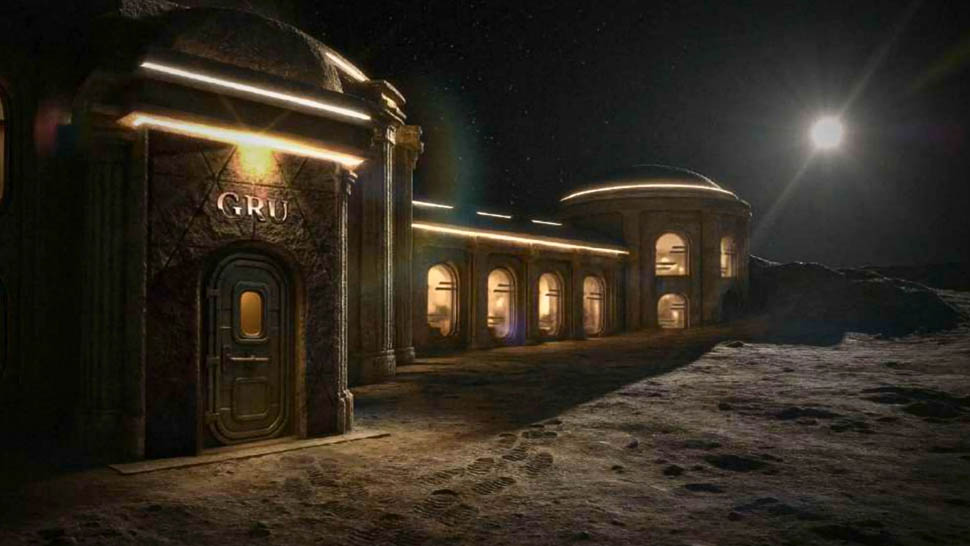
However, what is attracting media attention is not only the technical feasibility of the project, but also its sales model: booking a room requires a deposit of $250,000 or $1 million, depending on the option chosen. The website states that “you can request a full refund of the amount at any time after the first 30 days. Otherwise, the amount will be deducted from the final price of the reservation as soon as the hotel is ready to welcome guests.” There is also a non-refundable registration fee of $1,000 to enter the facility. There are no details on the final cost of the stay, although the startup anticipates that it “will likely exceed $10 million”. The operation should be viewed from a perspective that combines branding, speculation, exploration, and extreme luxury. GRU Space is not simply selling a stay, but priority access to a possible future. It is drawing a line between those who can afford a six-figure expense and those who will be able to say they were among the first to book a bed with a view of the Sea of Tranquility. It is a narrative that fits into the socio-economic bracket that in recent years has purchased tickets on suborbital rockets, participated in private missions, and begun to collect experiences that go beyond the concept of travel.
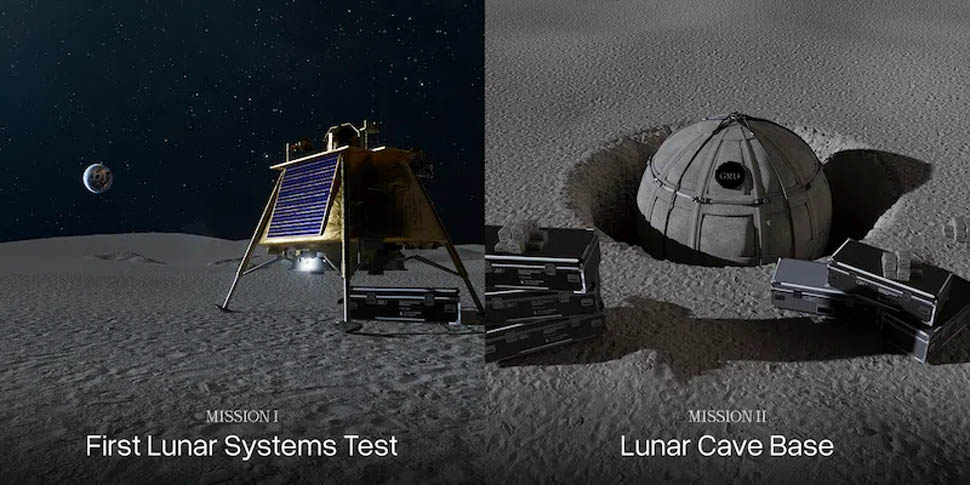
From a technological point of view, the lunar hotel is not an isolated project. It is the result of a new era in the space economy, which sees SpaceX, Blue Origin, Axiom Space, and other smaller companies engaged in different segments: from orbital transport to the construction of commercial stations to the creation of lunar habitats and extraction infrastructure. NASA has repeatedly stated that the future of scientific missions will include partnerships with private companies, especially for the temporary colonization of the Moon and the exploitation of its mineral resources. In this context, GRU Space is not inventing a theme, but is attempting to occupy a niche: that of ultra-luxury tourism. It remains fascinating to observe how GRU Space's communication is constructed. The website suggests a very contemporary view of luxury, not linked to marble and champagne, but to experience as status. It does not focus on comfort, given that the lunar environment is hostile and requires safety protocols, but instead studies the language of ‘you are among the first’, ‘you have access to history’, ‘you can be the protagonist of the next chapter of humanity’.
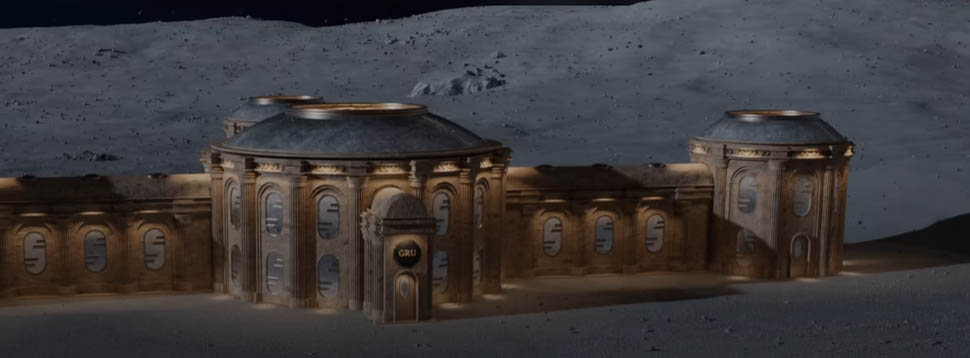
The fact that the deposit is refundable after the first 30 days is a calculated choice. It allows the startup to gauge interest, demonstrate traction to investors, and build a mailing list of qualified customers, filtering out the curious and speculators. Meanwhile, the non-refundable $1,000 registration fee creates a first level of selection and offers a psychological signal: paying for a dream is already a way of making it real. In the coming years, we will see whether GRU Space will succeed in transforming a rendering into a pressurized module or whether this project will remain one of the many stylistic exercises of the space economy. For now, one thing is clear: extreme tourism is undergoing a genetic mutation, and the concept of hospitality is expanding its geography to encompass lunar regolith.