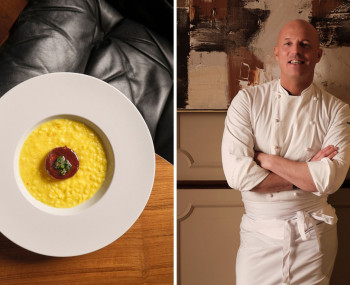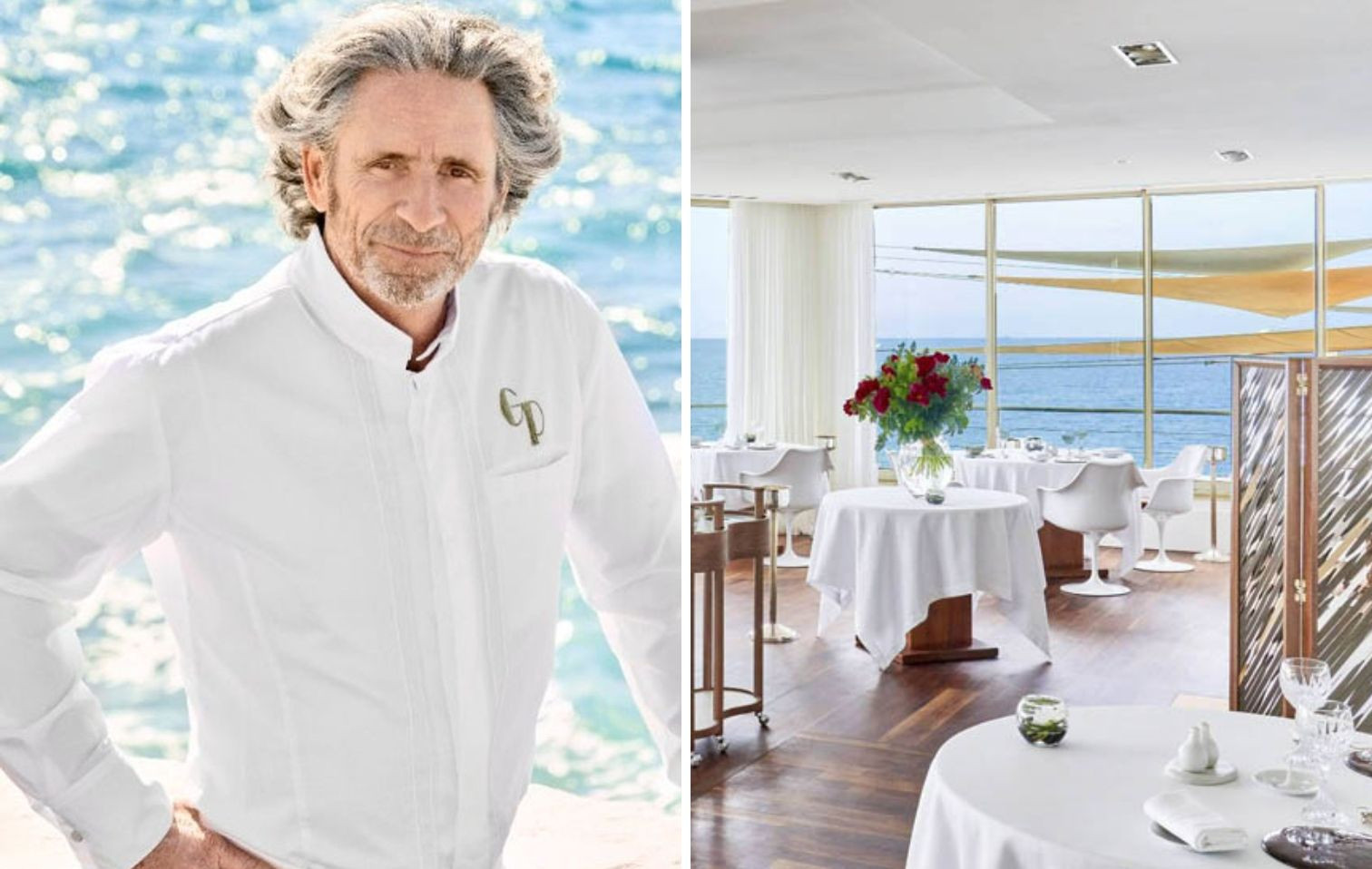
On the cliffs of Maldormé Bay, where the Mediterranean literally crashes against the windows of the dining room, one of the most brilliant chapters in French haute cuisine is about to come to a close. At nearly seventy years old—sixty-seven, to be exact—Gérald Passedat has decided that the time has come to pass the torch.
After forty years in the kitchen of the legendary Le Petit Nice, the three-star chef has officially announced the sale of his restaurant to the Saadé family, owners of the shipping giant CMA CGM and already a minority shareholder in the restaurant. The date for food lovers to mark on their calendars is Saturday, January 30, 2027: that will be the last service before the restaurant closes its doors for an extensive renovation. This decision was driven by realism and a love for his homeland, rather than by fatigue. With his son pursuing other paths and no direct heir ready to take up the weighty culinary mantle, Passedat preferred to entrust the restaurant’s future to a dynasty deeply rooted in the fabric of Marseille, linked to his family by a long-standing friendship. In fact, his father had already maintained very close ties with the founder, Jacques Saadé, who had a regular table here—a bond that was later carried on by Gérald with the heirs Rodolphe, Véronique, and Tanya.
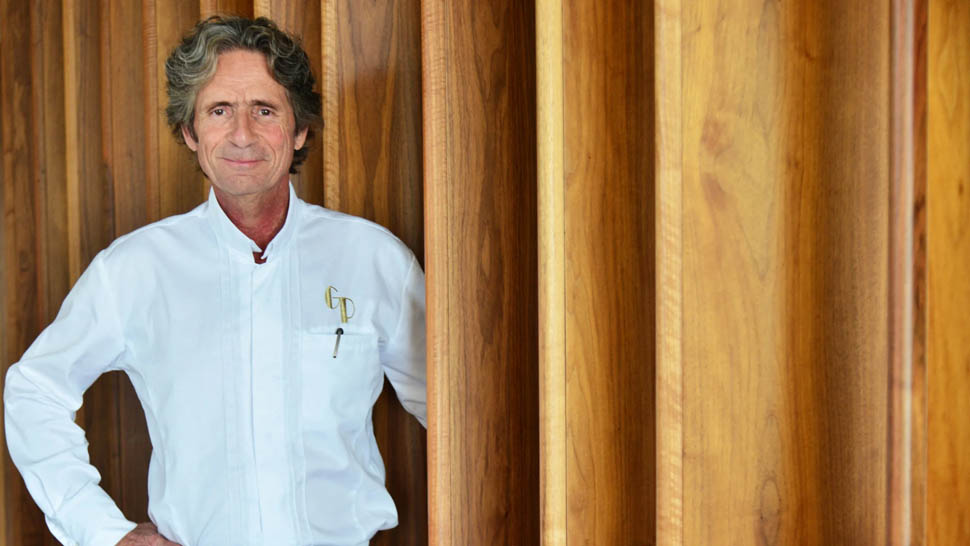
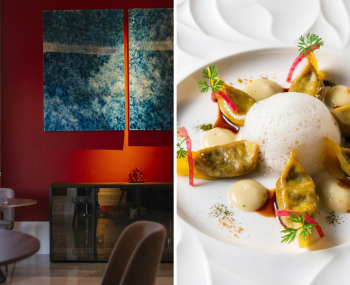
Although ownership is changing hands—the financial details of the transaction remain strictly confidential—the spirit of the place will remain intact, starting with the sign, which will stay the same. Starting in February 2027—the very year the property will celebrate its 110th anniversary—major renovation work will begin, expected to last between twelve and eighteen months. This ambitious project aims to reimagine this iconic location on the Corniche Kennedy, which, in addition to its gourmet dining, features a nineteen-room Relais & Châteaux five-star hotel, a saltwater pool, and the bistro Le 1917.
For Gérald Passedat, however, this is not a permanent farewell, nor is it a retreat into private life. Although he is stepping down as executive chef, he will remain alongside the new ownership as a special advisor for at least two years, combining this role with a new independent consulting practice. The name of the person who will take the reins of the kitchen upon reopening remains top secret, but Passedat himself has already made clear the philosophy behind the new direction: the frantic race to retain the three Michelin stars will not be the main obsession.
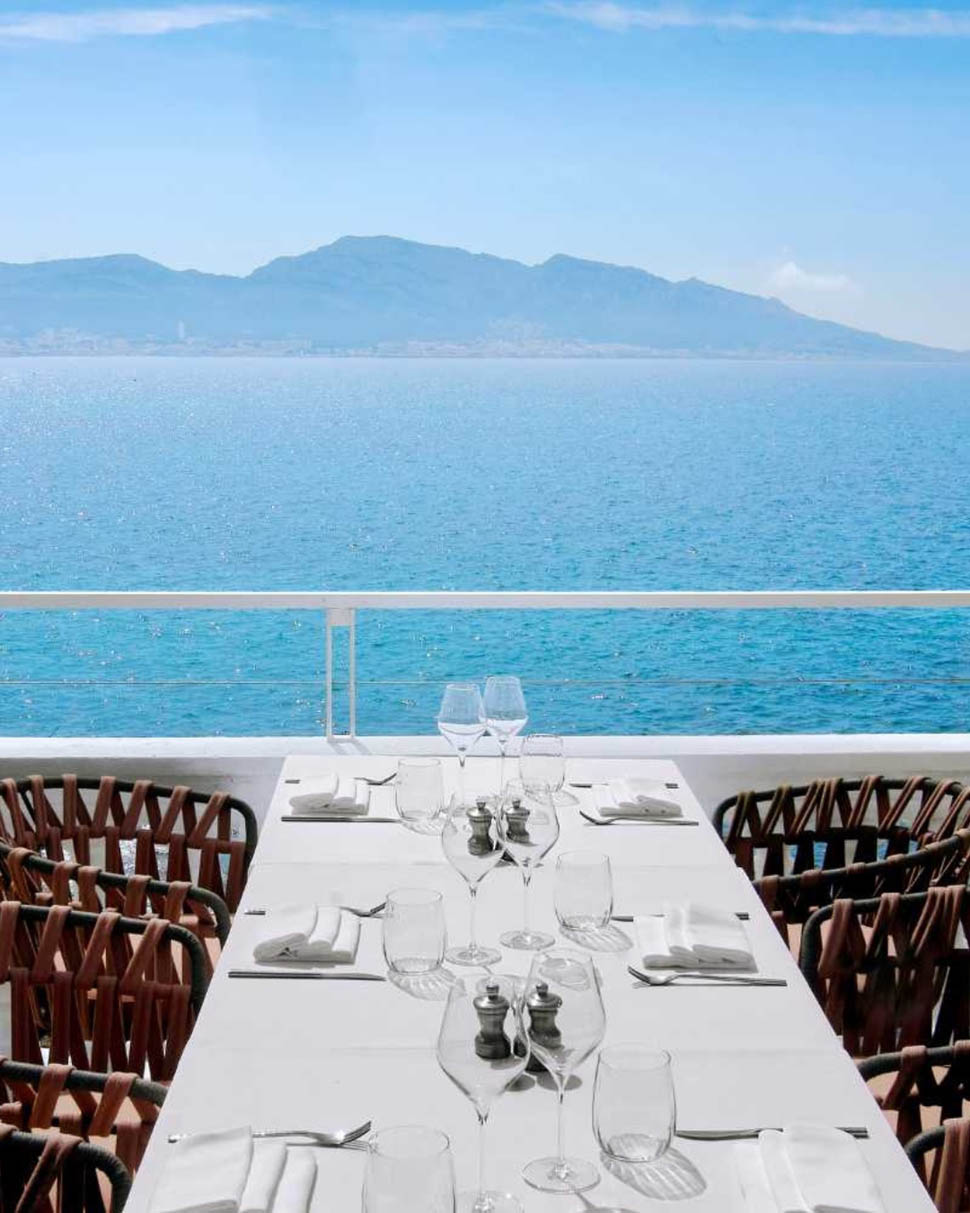
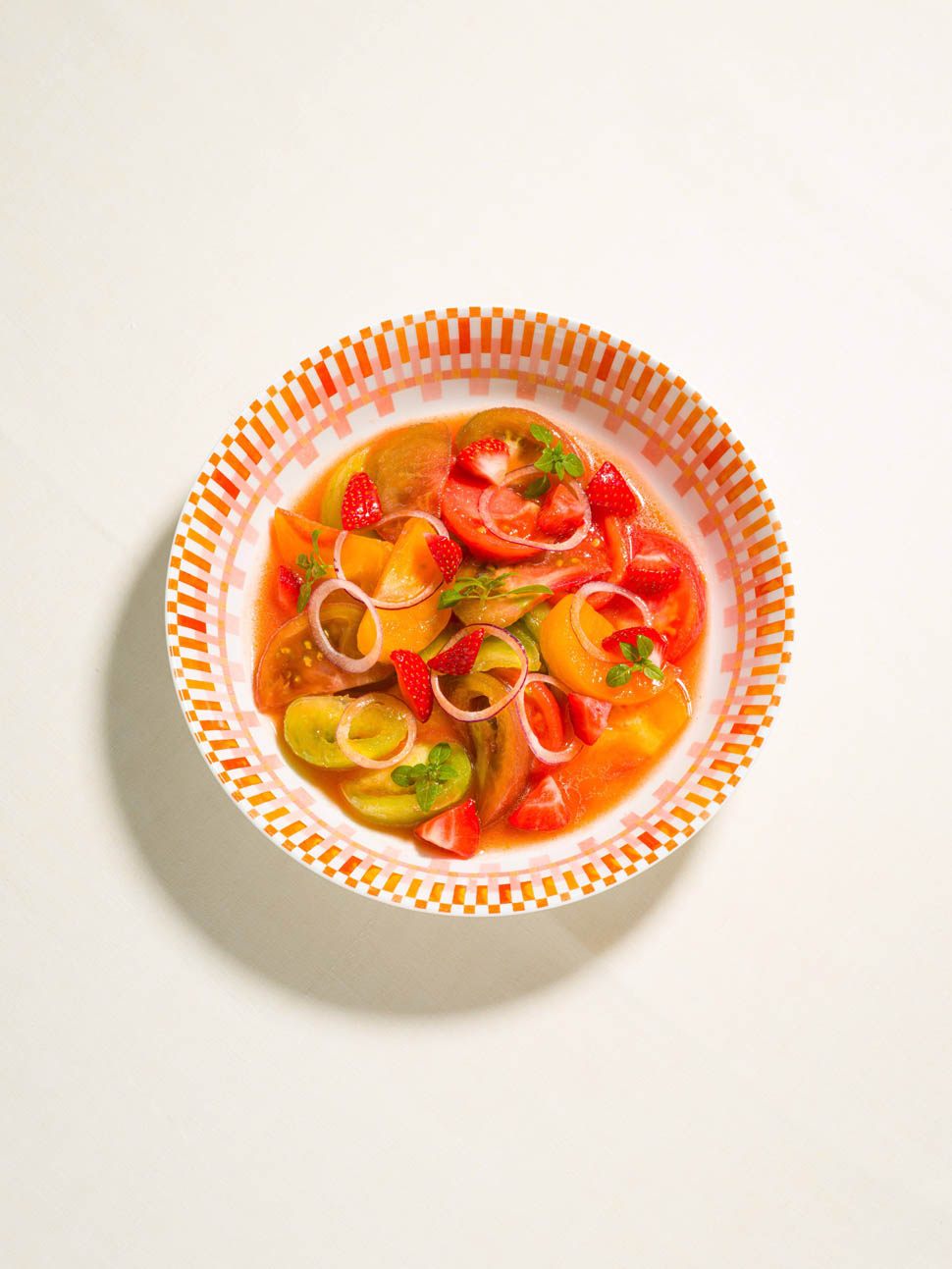
This marks a new chapter for the villa purchased in 1917 by his grandfather Germain, elevated to two stars by his father Jean-Paul in 1981, and enshrined in the pantheon of world cuisine in 2008, when Gérald earned the city of Marseille its first historic trio of Michelin stars. Dishes that have become legendary—such as the Lucie Passedat sea bass—a tribute to his grandmother’s recipe—or his famous reinterpretation of bouillabaisse—have transformed this little gem into an international pilgrimage destination. Now, under the guidance of a family that in recent years has diversified its empire from the seas to the media and into the luxury hotel industry, Le Petit Nice is preparing to reinvent itself, proving that in Marseille, even when an era comes to an end, the wind continues to blow in the same direction.