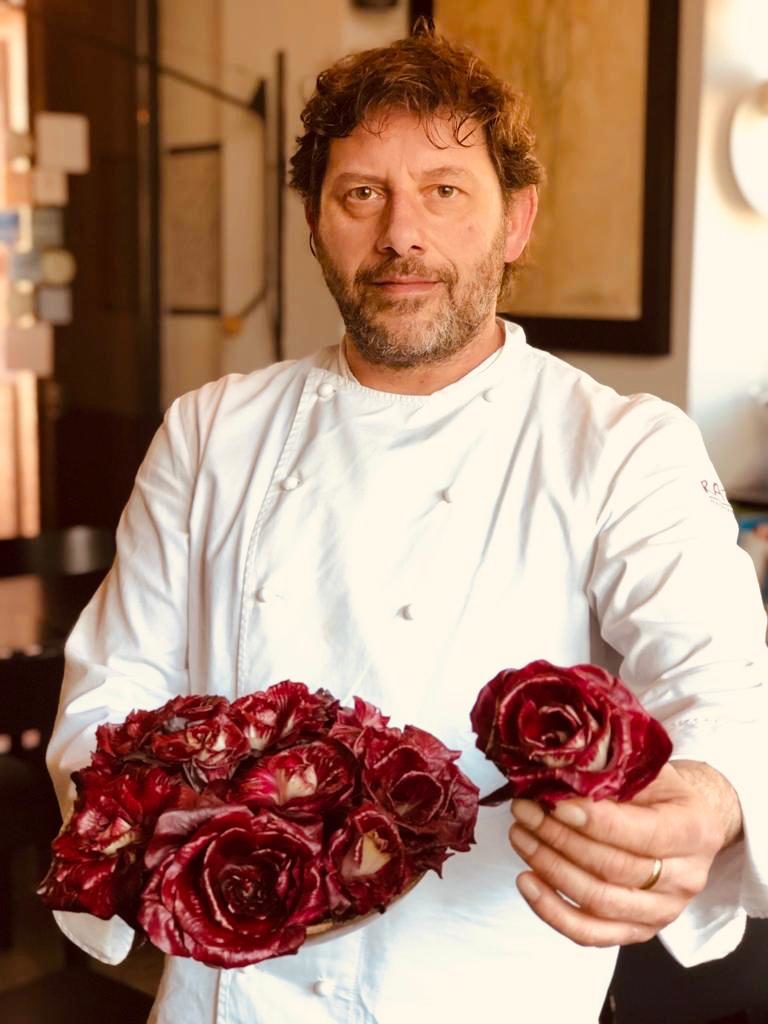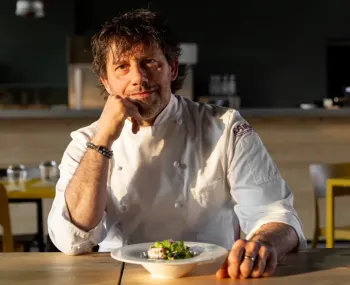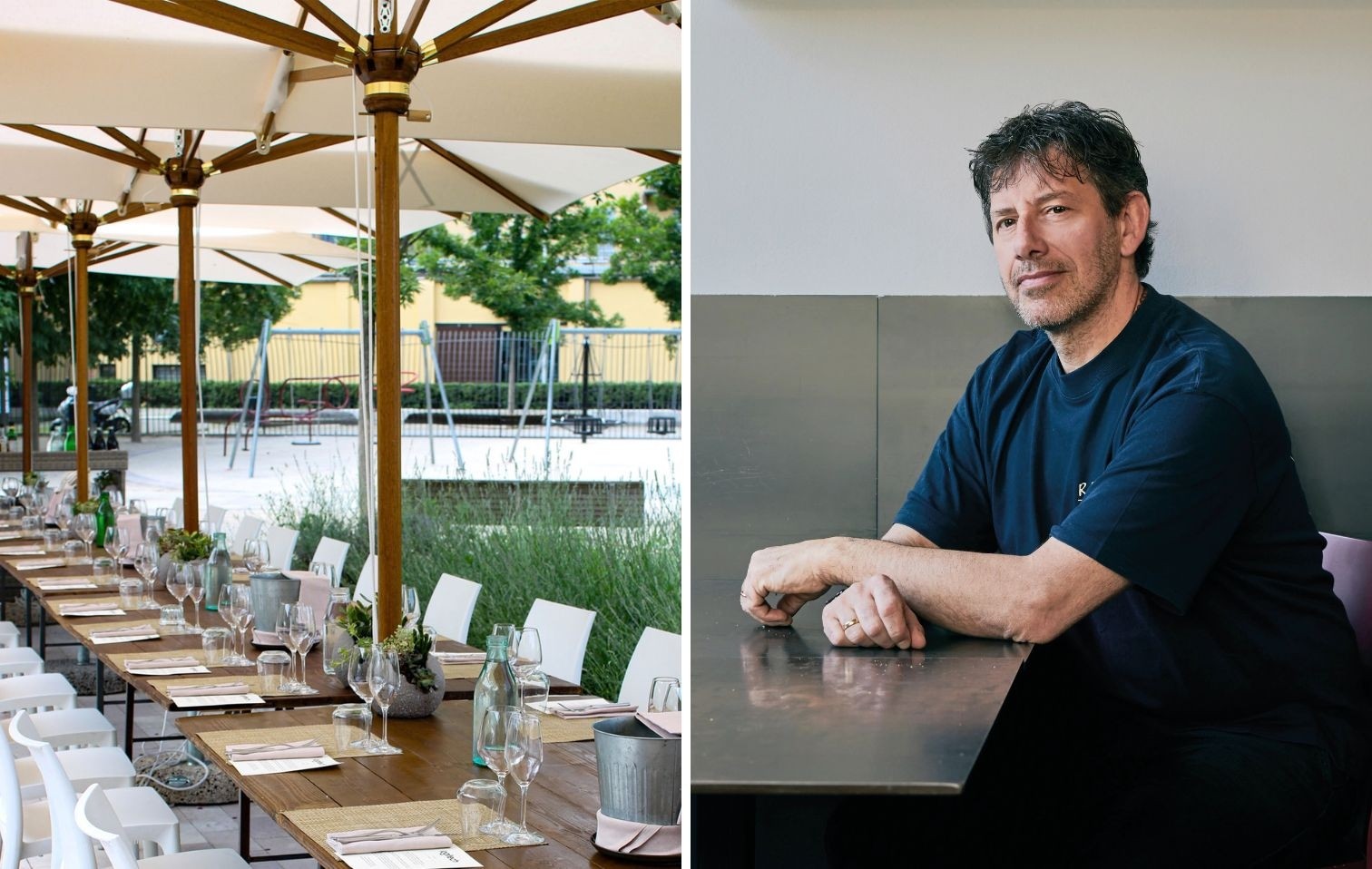
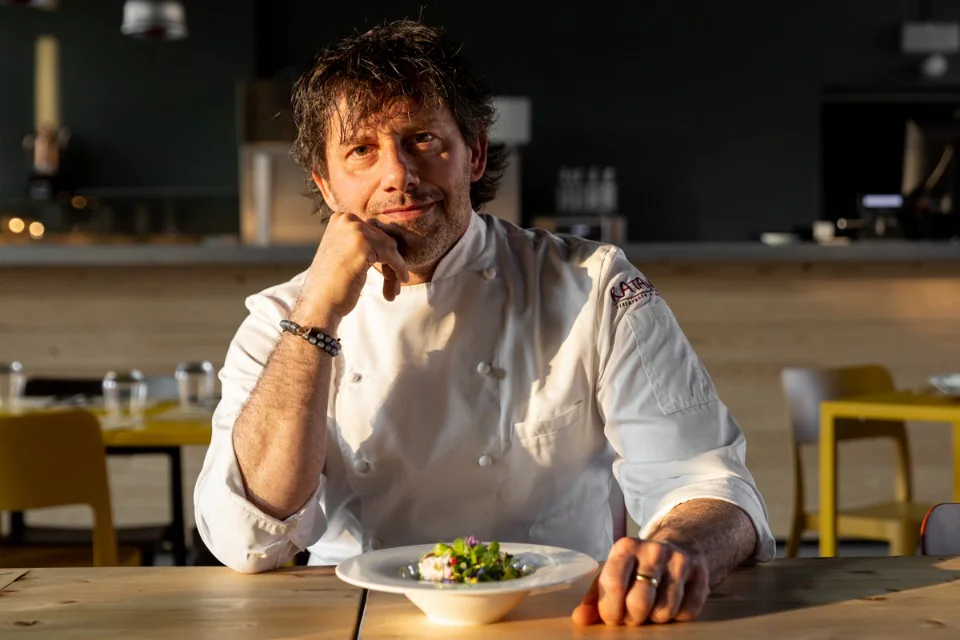
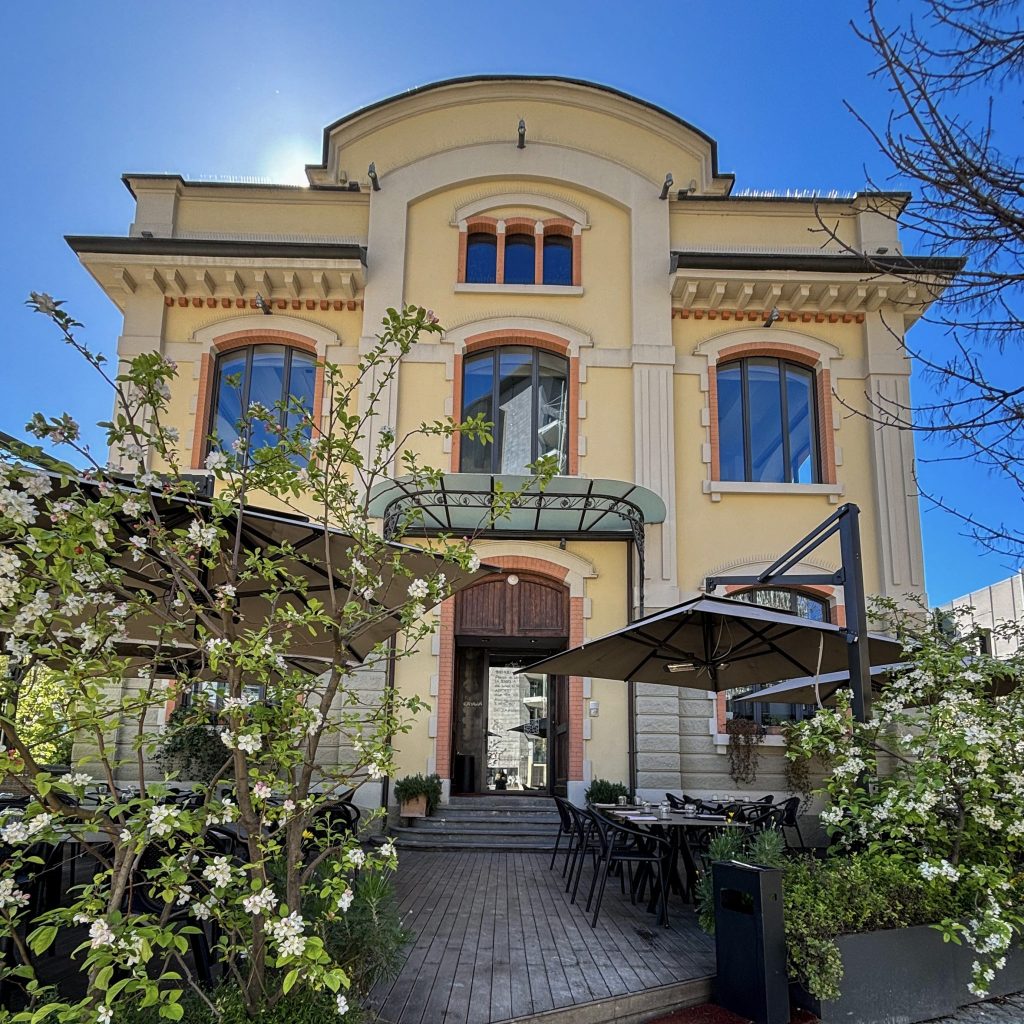
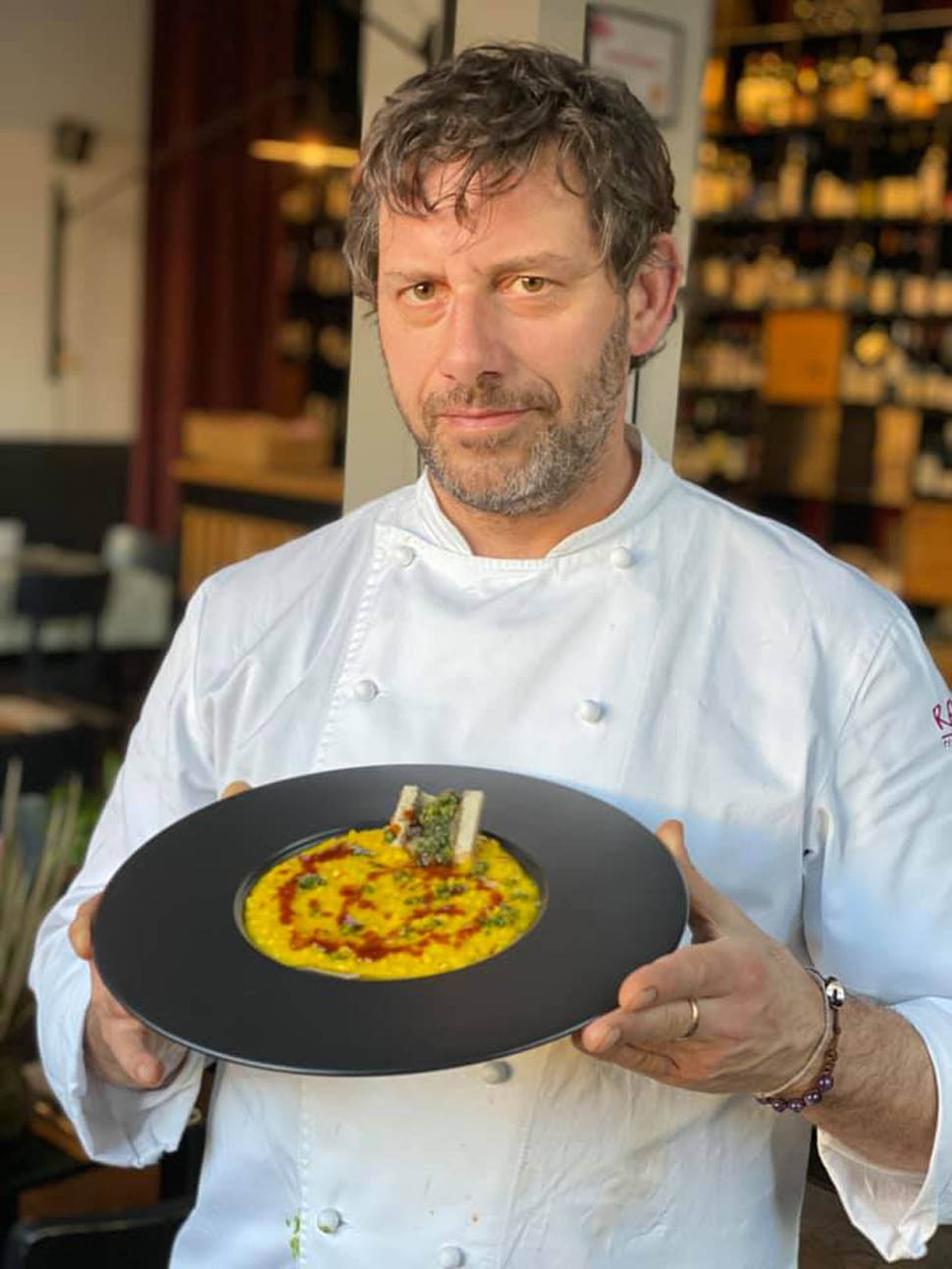
There are those who keep repeating like a mantra that today’s young people no longer want to roll up their sleeves in the kitchen or behind the tables, and those who, on the other hand, have decided to debunk this cliché by starting with an idea that is as simple as it is revolutionary. At the historic Ratanà restaurant in Milan, Chef Cesare Battisti has shown that the real recipe for attracting talent lies not in lecturing, but in how the work is organized.
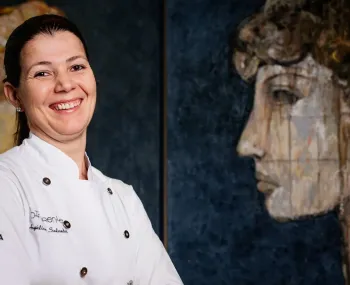
Photo of the chef: Giandomenico Frassi
The result?A sudden surge in applications, with the number of resumes received increasing tenfold compared to the past, and a total of 55 employees—all hired on permanent contracts—with salaries slightly adjusted upward.
Goodbye to the “split shift”: the Barcelona model arrives in Milan
The secret to this success, as Battisti recently told *La Repubblica* and *Gambero Rosso*, lies in having done away with the infamous split shift—historically one of the main reasons people left the hospitality industry—replacing it with a continuous work schedule inspired by international models, particularly that of Barcelona.
Under the old system, the gap between lunch and dinner service forced staff to take very long breaks in between—an unsustainable arrangement, especially for commuters who have to deal with Milan’s high rent while living outside the city (about half of the Ratanà team). Today, however, the team is divided into two fluid, continuous shifts: the first group works from 9:00 a.m. to 5:00 p.m., while the second takes over from 4:00 p.m. until midnight.
All-day dining: an opportunity for the kitchen and for customers
This internal reorganization aligns perfectly with a new vision for the restaurant: to grow “horizontally” by expanding the menu without losing its identity. Keeping the kitchen open during the afternoon hours between lunch and dinner allows Ratanà to attract a dynamic clientele—people with flexible schedules, those attending after-hours business meetings, or simply those who want to eat well at unconventional times.
Under the old system, the gap between lunch and dinner service forced staff to take very long breaks in between—an unsustainable arrangement, especially for commuters who have to deal with Milan’s high rent while living outside the city (about half of the Ratanà team). Today, however, the team is divided into two fluid, continuous shifts: the first group works from 9:00 a.m. to 5:00 p.m., while the second takes over from 4:00 p.m. until midnight.
All-day dining: an opportunity for the kitchen and for customers
This internal reorganization aligns perfectly with a new vision for the restaurant: to grow “horizontally” by expanding the menu without losing its identity. Keeping the kitchen open during the afternoon hours between lunch and dinner allows Ratanà to attract a dynamic clientele—people with flexible schedules, those attending after-hours business meetings, or simply those who want to eat well at unconventional times.