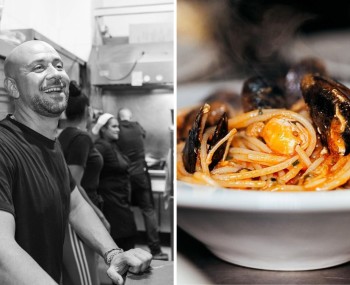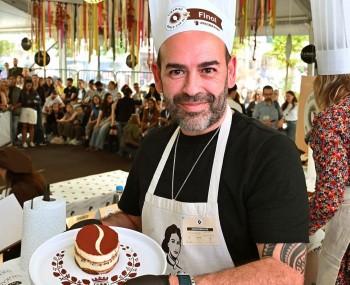
From the kitchens of San Sebastián to Florence—where he earned his first Michelin star in Italy at Luca’s—the Italian-Argentine chef has built an international empire with eight Michelin stars without compromising his direct and often divisive personality. His three Italian ventures reflect his approach to the restaurant business, characterized by rigor, control, and a kitchen where there is no room for error.
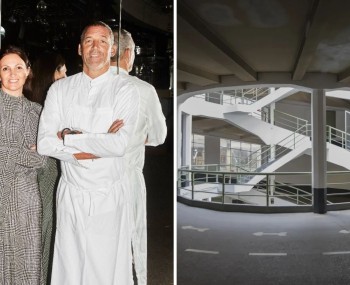
Photos of Hotel Porta Rossa: credits Francesca Anichini
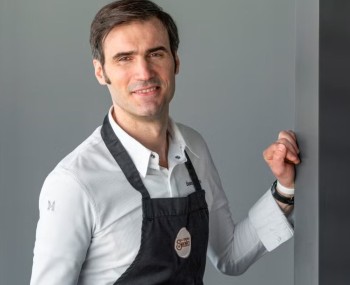
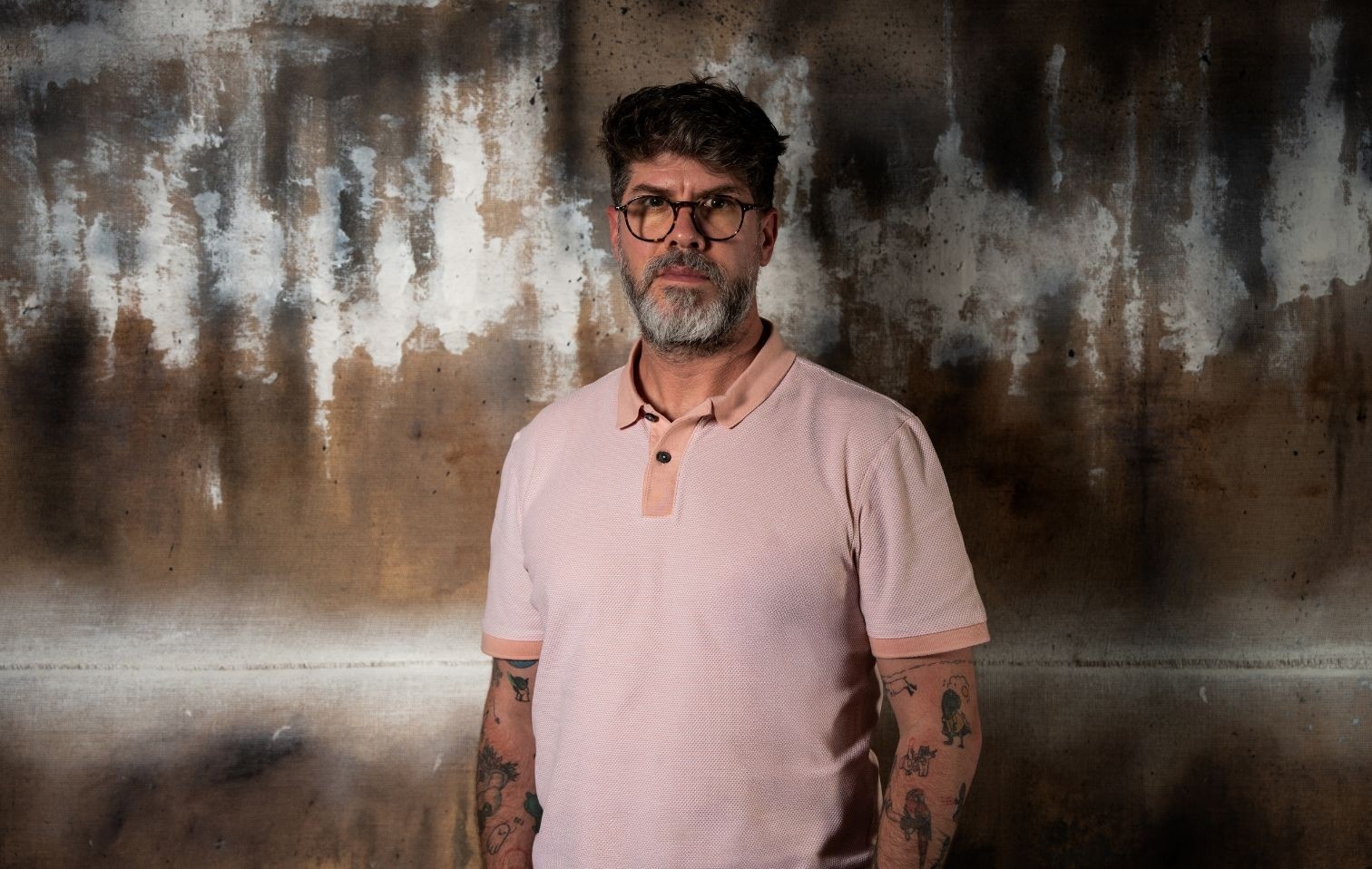
“There is only one thing in the world worse than being talked about, and that is not being talked about.” These are the words of Oscar Wilde, in *The Picture of Dorian Gray*. Over time, the quote has become the famous “for better or for worse, as long as people are talking about it” that we all know. In Paulo Airaudo’s case, however, the point isn’t to seek attention: it’s to have such a distinctive identity that he never goes unnoticed. An Argentine from Córdoba, with Italian roots and a career built across Europe and Asia, he now leads a group that boasts eight Michelin stars and ten restaurants in four countries. But it would be far too simplistic to describe him solely through his accolades. Paulo Airaudo, in addition to being a chef, is a true character: exuberant, direct, not one for diplomatic niceties, and even less interested in coming across as accommodating.
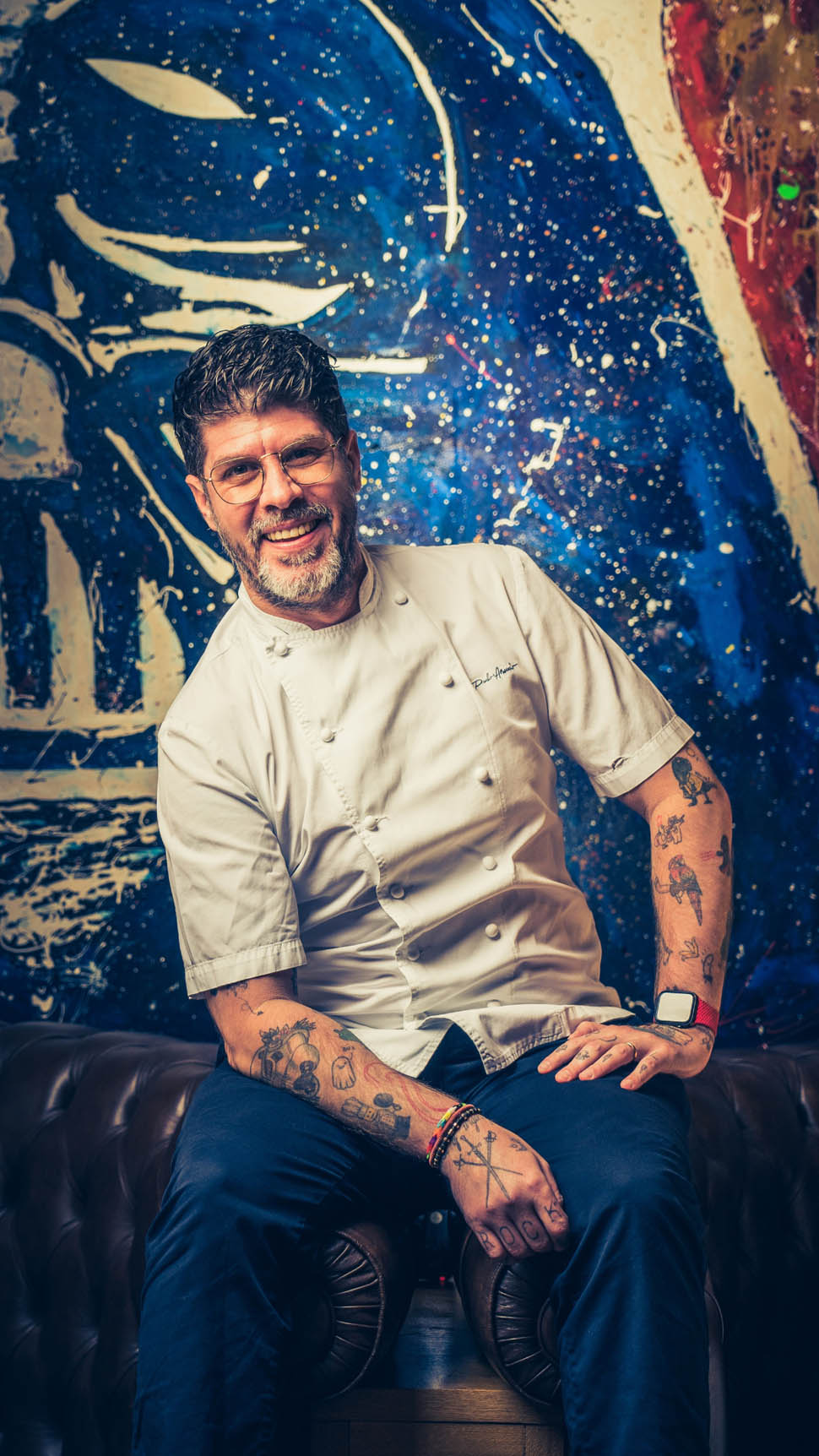
A simple concept often comes up in his interviews: “The food comes first.” Not storytelling, not the latest trend, not how a restaurant is perceived on social media. His standard is straightforward: the dish has to work, because “it’s either good or it’s not.” It’s a phrase that also highlights his approach to consulting: for Airaudo, stepping into a restaurant doesn’t mean signing off on a menu or putting his name on the sign, but rather observing, correcting, training, selecting the right people, and setting a standard. His three Italian projects show what happens when the philosophy of a chef accustomed to working at the highest levels must translate into methodology, teamwork, and everyday cooking. We tried them, one by one.
Luca’s continues to grow—there’s life beyond the star
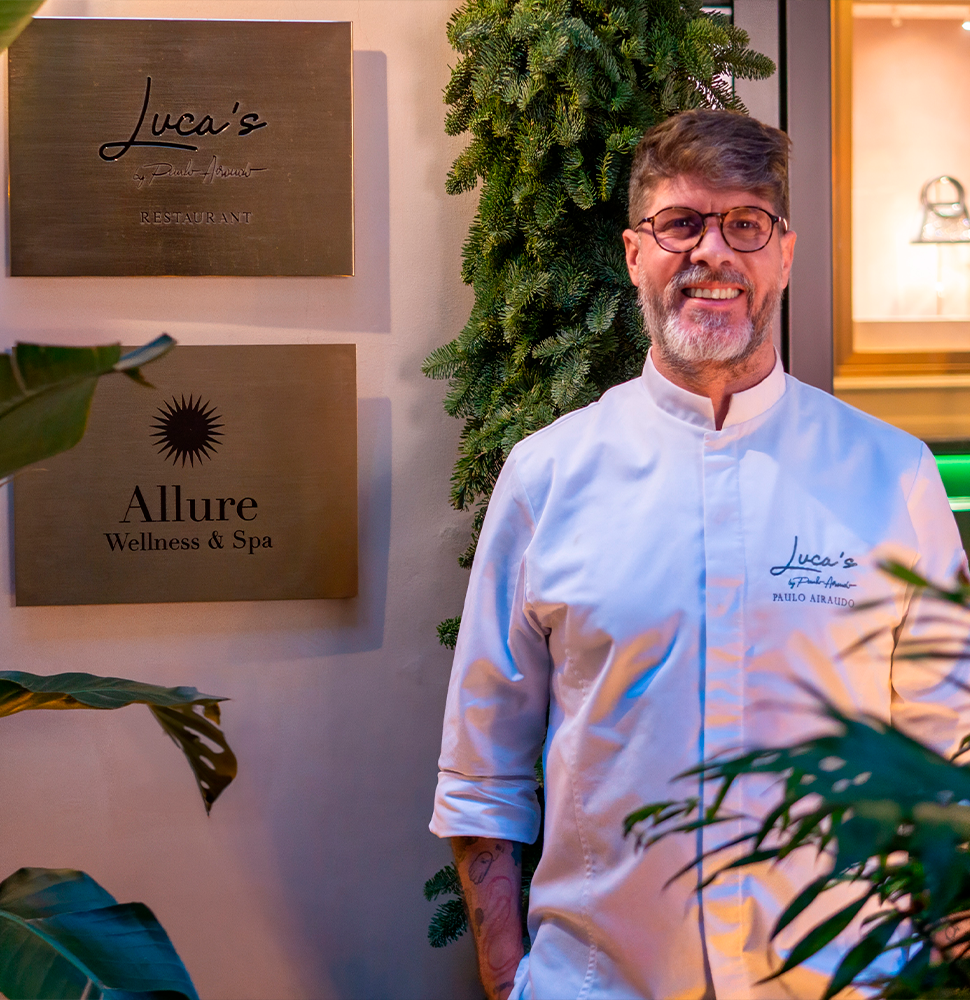
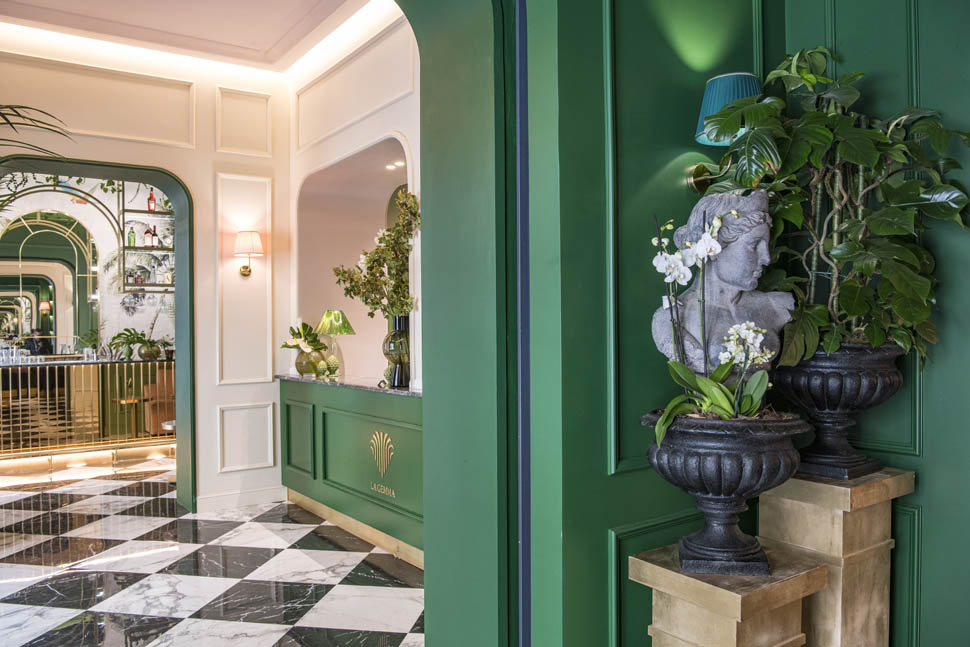
To understand Airaudo in Italy, you have to start with Florence and Luca’s, the restaurant that earned him his first Michelin star on the Italian peninsula in November 2025 (here’s our review). The restaurant, which opened in 2023 inside Hotel La Gemma—a 5-star boutique hotel—in the historic center just behind Piazza della Signoria, has forged its identity around contemporary cuisine with an international flair, where technique and creativity remain secondary to the ingredients. But today, Luca’s is above all a growing venture that’s aiming ever higher. At the helm of the kitchen on a daily basis is Vittorio De Palma, a 26-year-old talent from Campania who honed his craft right alongside Airaudo: first as a sous chef at Amelia in San Sebastián, a two-Michelin-starred restaurant, and then at NOI in Hong Kong, also a two-starred establishment.
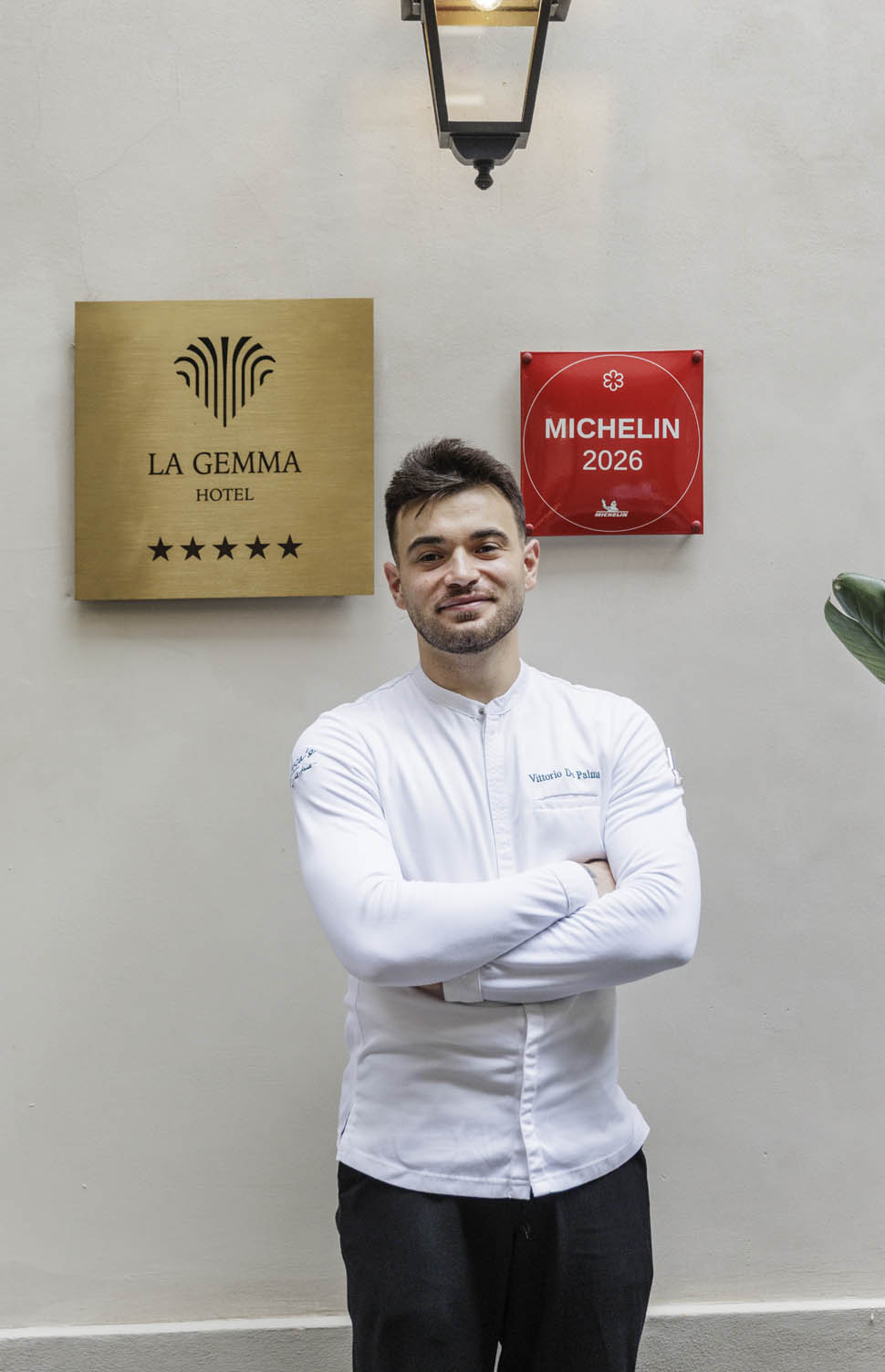
This choice clearly illustrates his approach to consulting. He doesn’t seek to create cold, decontextualized copies of himself, but rather to pass on a method. It’s no coincidence that De Palma told us he’s in constant dialogue with Airaudo and his team regarding ingredients, menu changes, and restaurant decisions—always adhering to precise guidelines: the product takes center stage, the highest quality, and no superfluous elements. This philosophy also runs through “Atto II,” the new seven-course tasting menu. After all, you don’t need too many ingredients for a great dish: it’s simplicity and perfection that define haute cuisine.
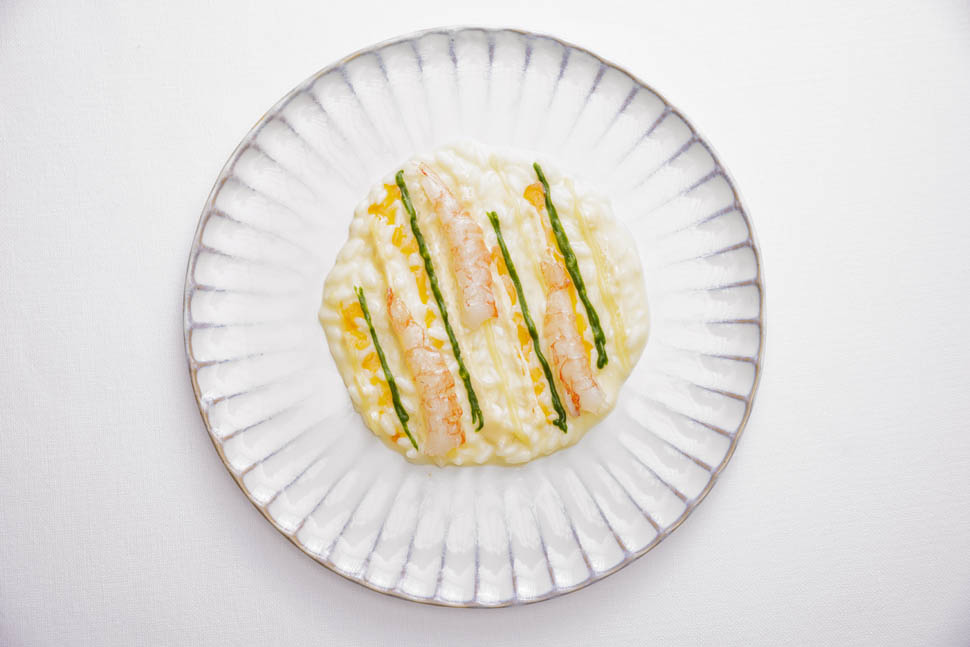
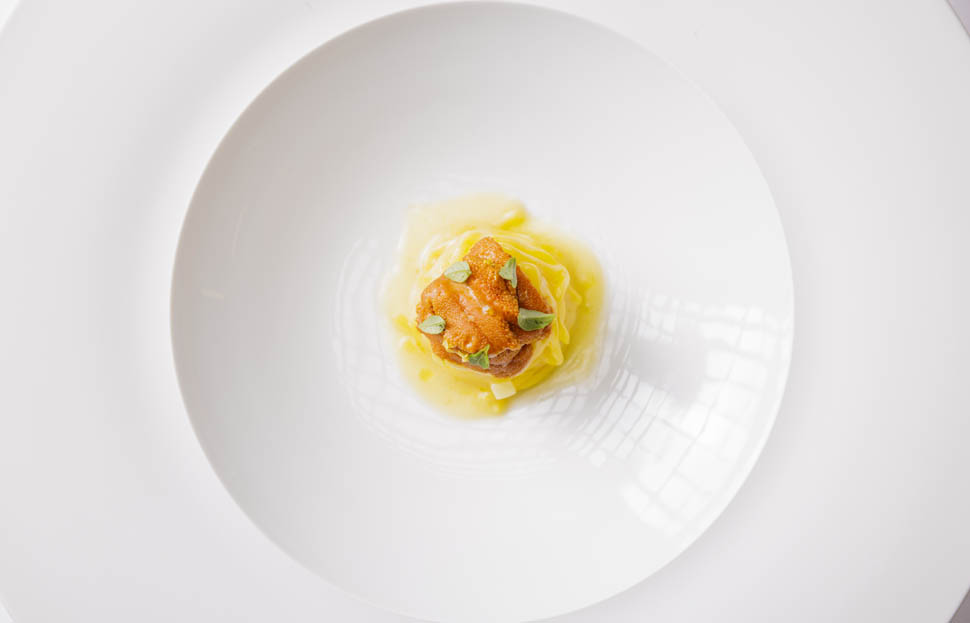
The relationship with Florence has also become increasingly interesting. Luca’s does not attempt to overshadow Florentine tradition, but rather to engage with it through a broader perspective. De Palma admits, for example, that he has studied the local cuisine at length and was particularly struck by the use of spices, paying homage to the classic “peposo” with a contemporary dish such as veal with a three-pepper sauce. It is here that Luca’s becomes a faithful portrait of its creator: Airaudo does not necessarily impose a dish; he imposes a set of rules. Technique must serve the ingredient, complexity must make sense, and nothing should end up on the plate merely for decoration.
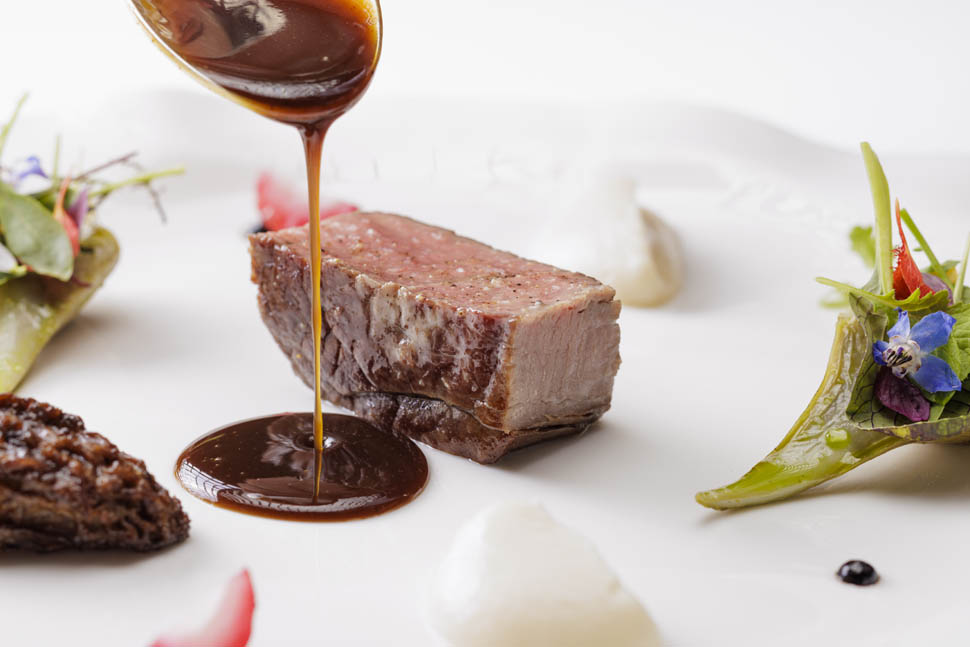
The Michelin star, therefore, did not mark the end of Luca’s journey. If anything, it made it even more demanding. And entrusting the kitchen to a chef under 30—one who is already deeply grounded in this philosophy—is the most concrete demonstration of how Airaudo envisions his own future: less time at the stove, more focus on developing people and passing on his methods.
From Lorenzo in Venice, face to face with Paulo Airaudo
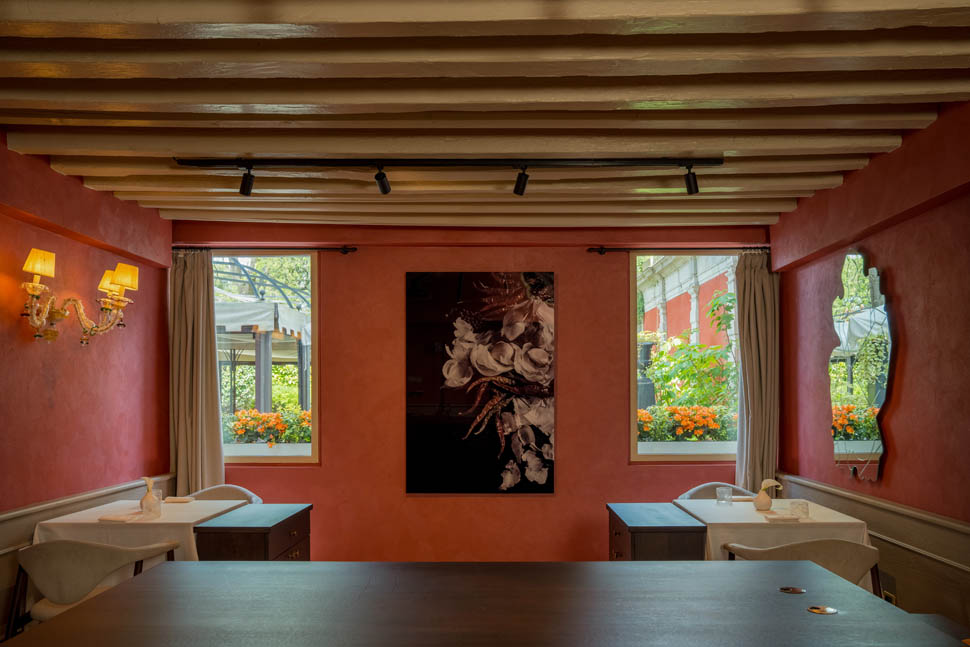
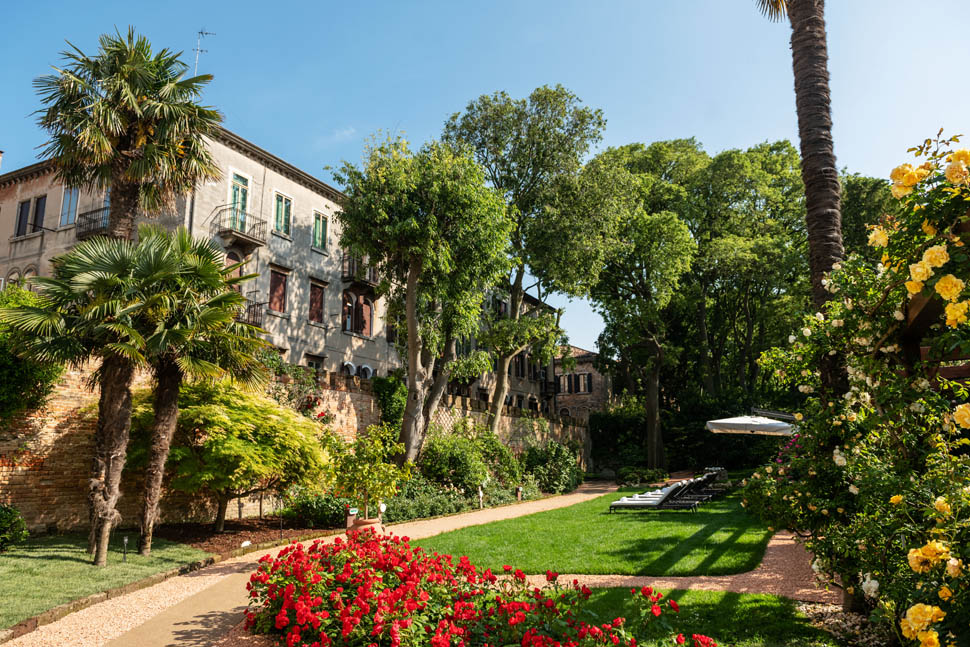
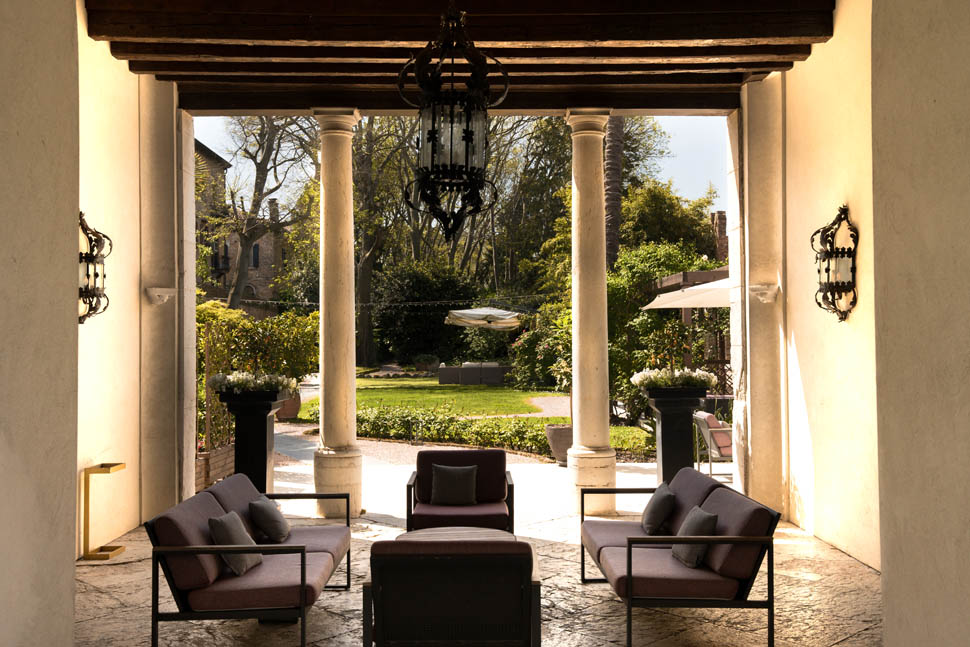
In Venice, it’s a different story. Da Lorenzo - Al Giardino Segreto, located inside the NH Collection Palazzo dei Dogi, is an intimate and cozy restaurant, nestled in one of the city’s most evocative settings. The cuisine bears the signature of Paulo Airaudo, whileday-to-day management is entrusted to chef de cuisine Salvatore Paladino. Described as a destination for creative and fusion cuisine, where technique and elegance meet local flavors and Japanese accents. In hindsight, that’s exactly how it is. The restaurant is located in the heart of Cannaregio, in the historic Palazzo Rizzo Patarol, and overlooks the sumptuous garden that gives the restaurant its name. It’s a place where it would be easy to let the setting do most of the work. Airaudo, however, seems to ask for the opposite: the setting must complement the cuisine, not replace it.
The real highlight was meeting Airaudo in person. Sitting next to me, I asked him questions about everything related to the restaurant industry: from today’s kitchens to his relationship with young people, from fine dining to the rigors of the profession. In the end, it was hard not to ask a hundred questions. I started with the most popular one, since the movie *Tony* about Anthony Bourdain has just been released in theaters: how much does the restaurant world we see on screen actually resemble what goes on behind the scenes in the kitchens? Short answer: according to him, shows like The Bear and Il Sapore del successo are nothing compared to what really went on in top restaurants until just a few years ago.
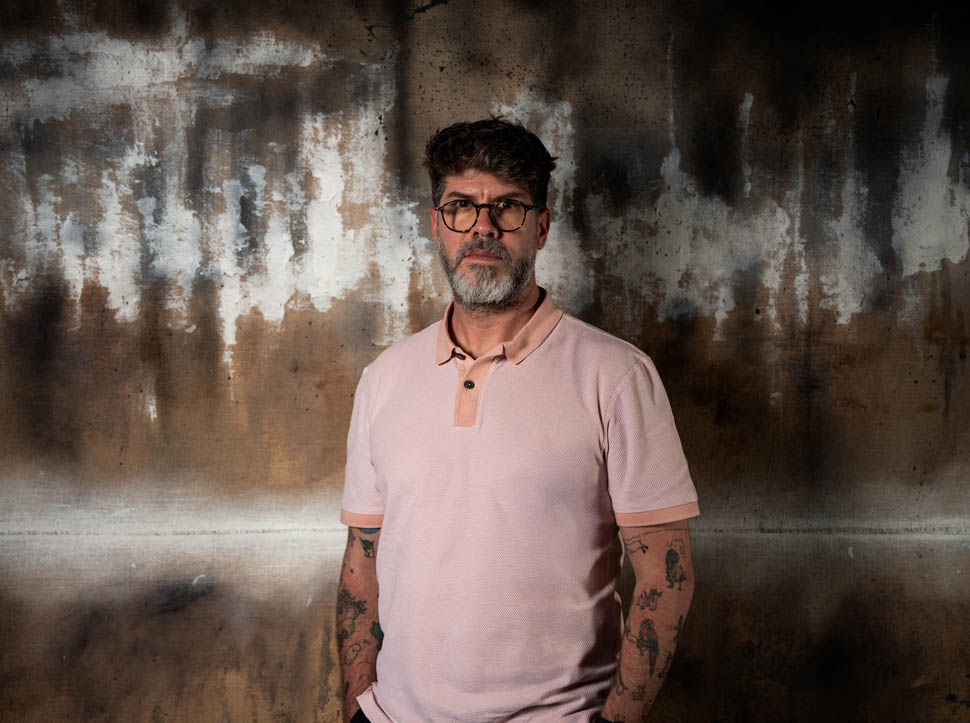
From there, the conversation naturally turned to work in the kitchen and the relationship with the younger generations. Airaudo doesn’t lump everyone together: he acknowledges that there are talented and well-trained young people—De Palma is a prime example—but he also sees a lack of dedication among some of the young people entering the restaurant industry today, as well as a lesser willingness to take on what he calls, without mincing words, “the classic shitty stuff.” His is a rough, colorful way of speaking, perfectly consistent with his view of the profession. “My job is to cook, not to save lives,” I recall one of his most interesting statements. In other words: cooking is hard, grueling work, and anyone who decides to do it must know what they’re getting into. Long shifts, complicated schedules, pressure, exhaustion, and even a supervisor’s yelling are all part, in his view, of a profession that cannot be tackled with the expectation of eliminating every hardship. If you know that’s how the kitchen works, you have to be willing to accept even the hardest parts of it. In his view, this isn’t a celebration of suffering for its own sake, but rather a matter of expectations: if you choose a profession, you have to be willing to work your way up, learn, listen, and endure even the toughest moments.
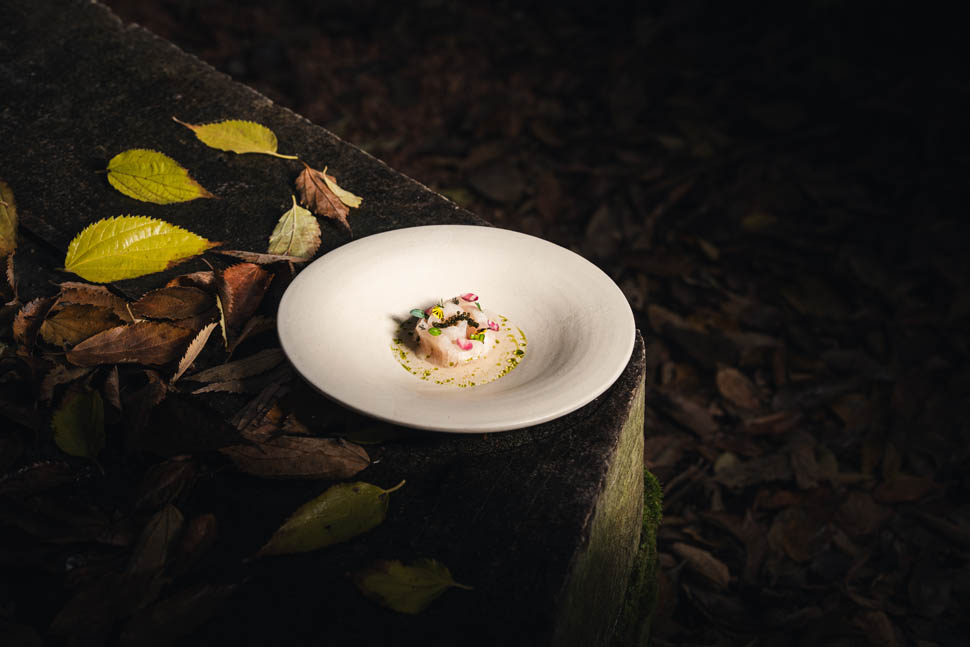
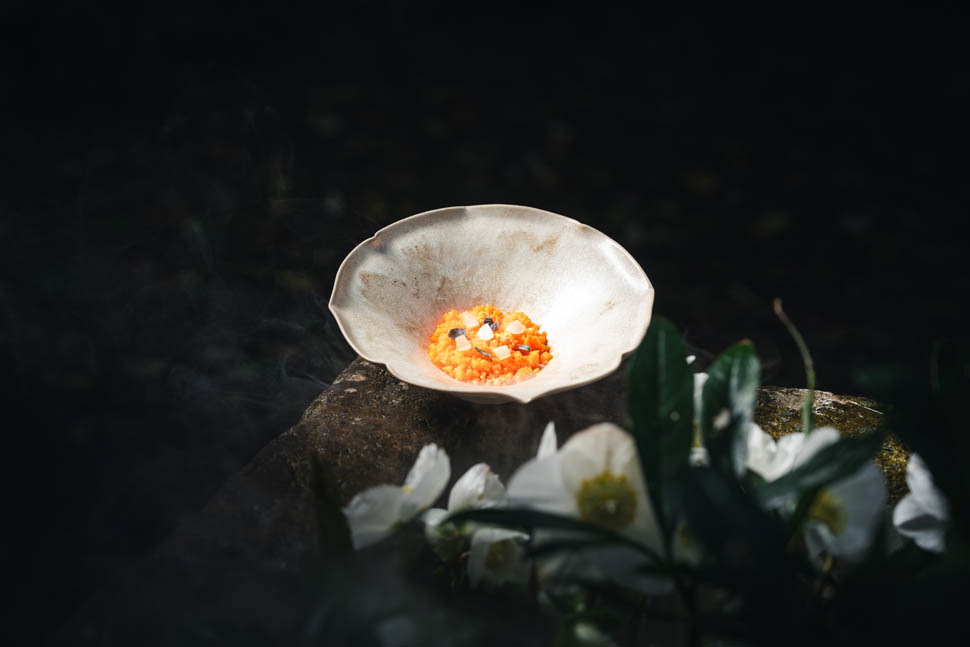
Airaudo is just as categorical when it comes to the concept of mistakes. In his view of fine dining, mistakes cannot become something to be normalized just because “they can happen every now and then.” If a person spends a lot—a great deal—of money to eat at a restaurant, that expense comes with a responsibility. The customer should not have to pay for inefficiencies, carelessness, or a lack of preparation on the part of the kitchen staff. The dish must be just right—period. This does not mean, however, that the customer is always right: “I don’t offer lactose-free or vegan alternatives on my menu; they would distort it too much,” he declares at one point during dinner.
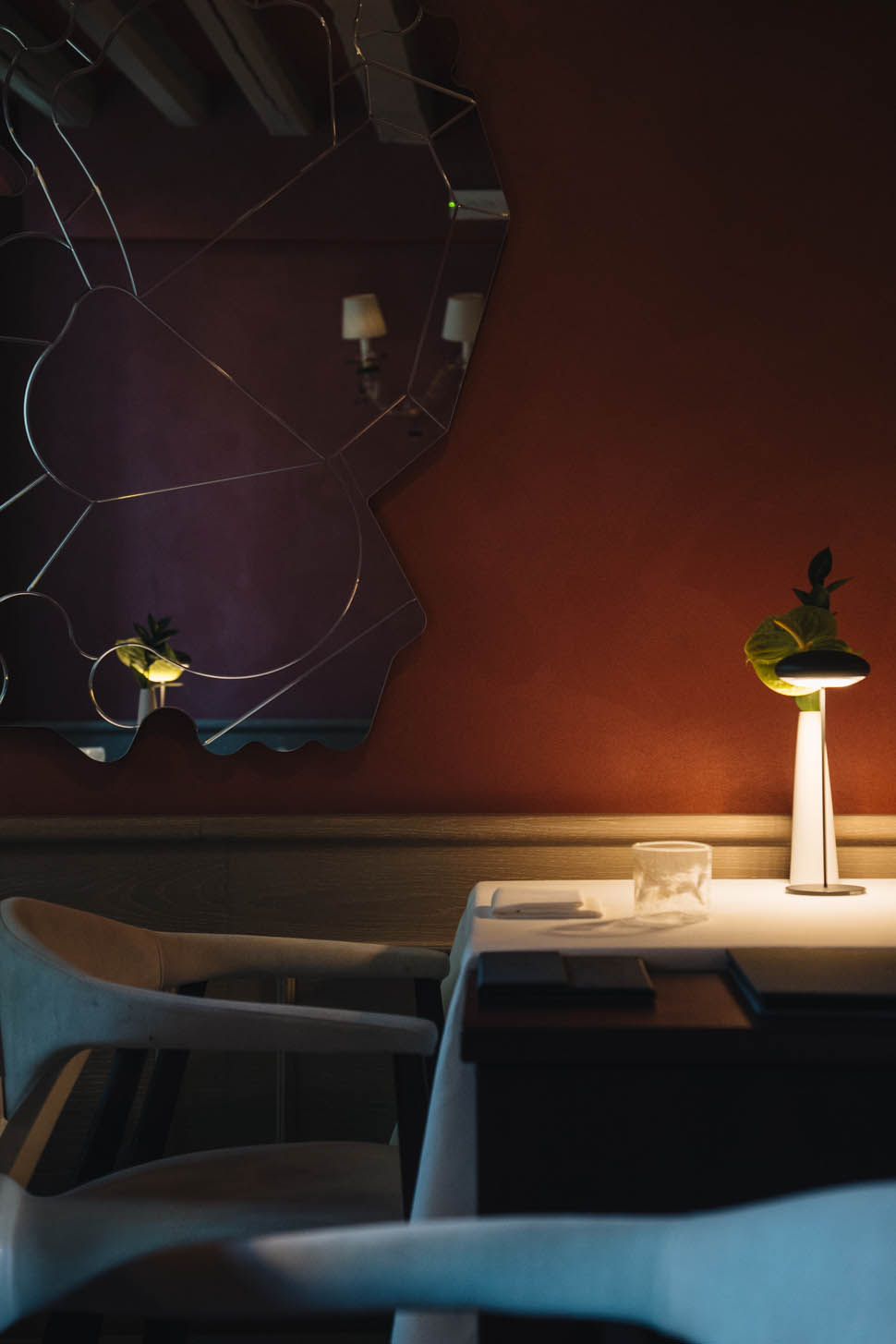
Meanwhile, as he speaks, his vision of cuisine takes shape before our eyes. Airaudo methodically takes notes on every dish he tastes. He doesn’t just eat: he observes, evaluates, and compares. If it’s lacking salt, he points it out. If the ingredient isn’t the right one, he says so. If a dish can be improved, he isn’t afraid to point it out. It’s a scene that also makes his character much easier to understand. That impetuosity of his, which outside the kitchen might seem excessive, now becomes total dedication.
Portale: the same philosophy, with a different tone
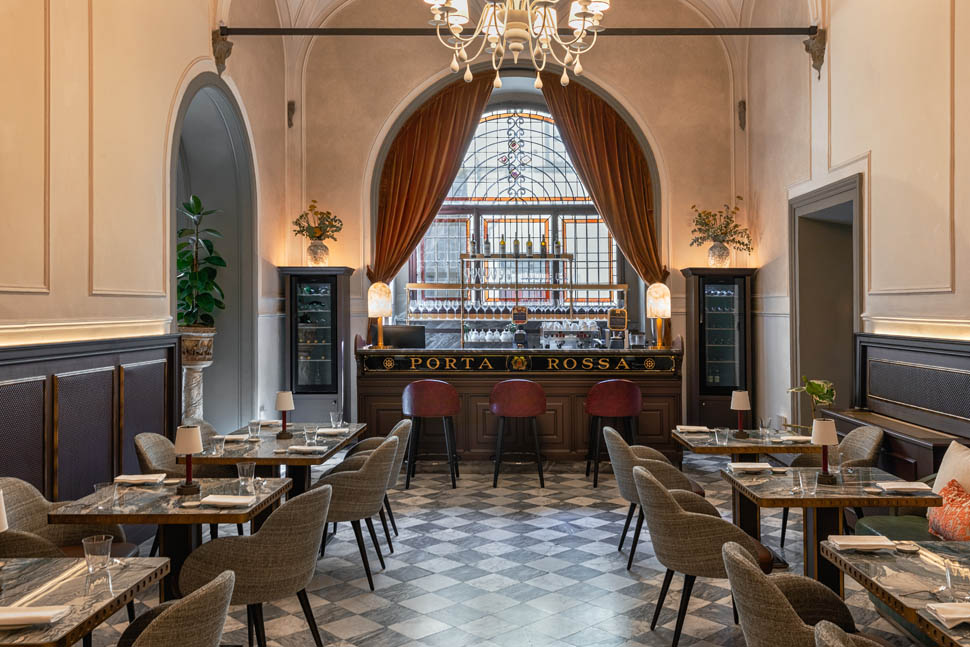
The third Italian project is very recent and takes us back to Florence, albeit with a completely different vibe. On September 15, 2026, Portale by Paulo Airaudo, opened inside the Porta Rossa Hotel Firenze, Colbert Collection, in the heart of the historic center. While Luca’s represents fine dining and Da Lorenzo offers a more intimate and immersive experience, Portale was conceived with a more accessible and convivial concept. “Local roots. Italian soul” is the tagline that sums up the project: contemporary Italian cuisine with a Tuscan focus, yet designed to appeal to an international audience as well.
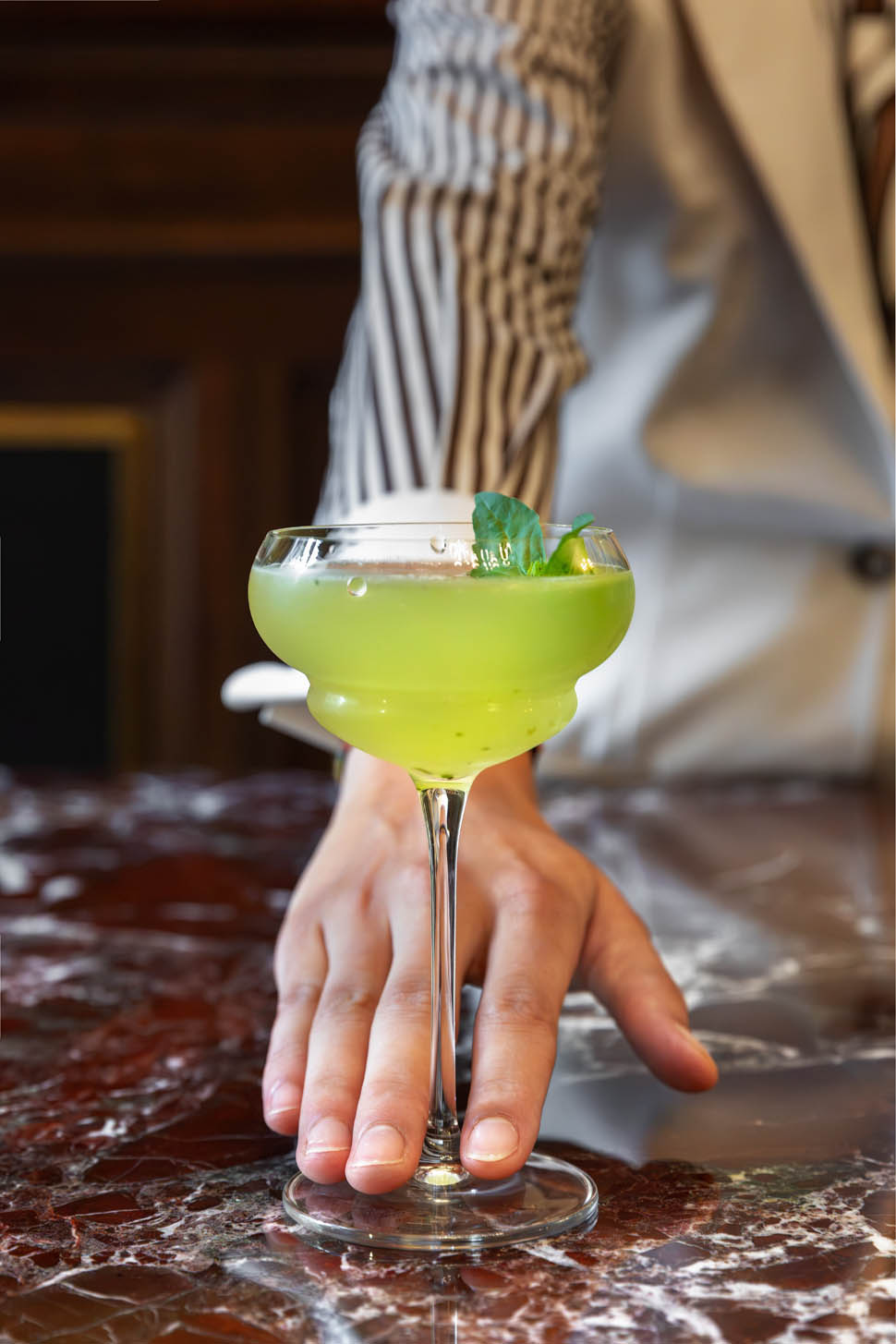
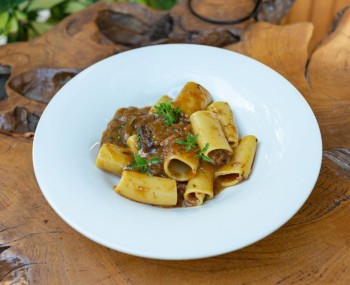
In the kitchen is Mirko Margheri, the head chef with a long history working the stoves at Gunè, while Airaudo and his team oversee the development of the culinary offerings and the hospitality concept. The first menu features instantly recognizable dishes, ranging from pappa al pomodoro to ravioli with finocchiona and pecorino, from Valdarno chicken to fagioli all’uccelletto, all the way to fillet à la Rossini. This third venture reveals yet another side of Paulo: that of an entrepreneur capable of adapting his philosophy to distinctly different formats. You don’t need a tasting menu to apply rigor, just as you don’t need a Michelin-starred restaurant to create an ambitious culinary offering. In short: Portale is not a second Luca’s and doesn’t try to be one; rather, it confirms that a method can change form without losing its identity.
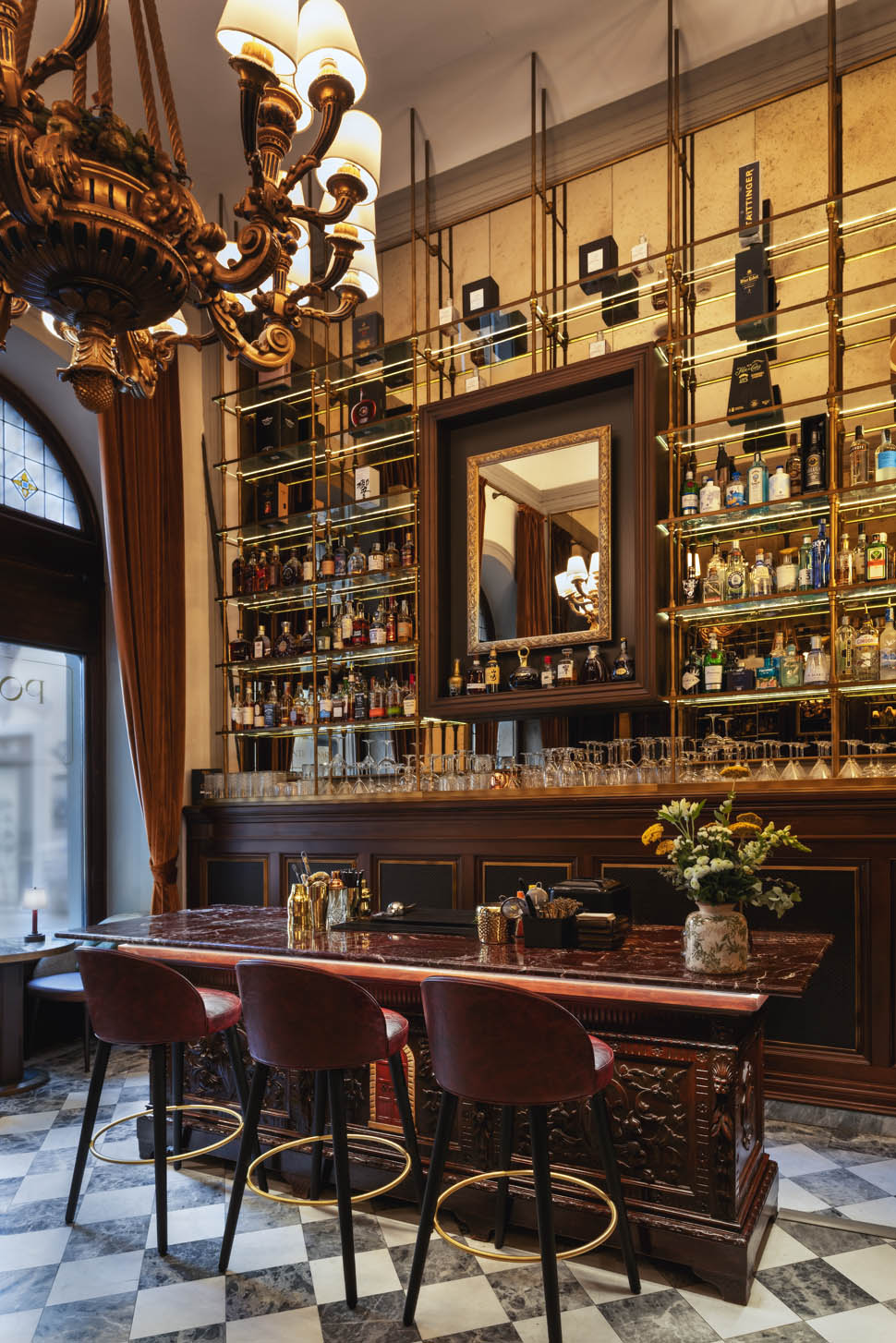
Today, looking at his three Italian projects, Airaudo’s stance appears even clearer. The cities, brands, teams, level of formality, and dining experience may change, but his principles remain the same: ingredients, technique, rigor, and precision. You may or may not like the way he acts and speaks. He may come across as excessive, awkward, or even divisive. But it would be hard to imagine Airaudo in a different role. Because his persona doesn’t seem to be a separate construct from the chef: it’s an integral part of his way of working. At a time when the restaurant industry is increasingly defined by identity, storytelling, experiences, and formulas, Paulo Airaudo continues to boil everything down to a question that’s almost brutal in its essence: the customer sits down, orders, pays, and expects to eat very well. The rest comes later. And that’s probably exactly why, for better or worse, people keep talking about Paulo Airaudo.
Contact
Luca’s at La Gemma Hotel in Florence
Portale by Paulo Airaudo at the Porta Rossa Hotel Florence, Colbert Collection
Da Lorenzo - Al Giardino Segreto at the NH Collection Palazzo dei Dogi