The era of the takedown for the sake of it is over. After more than twenty-five years spent tasting, dissecting and judging British restaurants — earning himself the fearsome nickname Acid Rayner — renowned food critic Jay Rayner is reassessing his approach. During his years writing for The Observer and the Financial Times, Rayner’s trajectory has taken a decisive turn: the severity has not disappeared, but its target has changed.
Cover photo: Pal Hansen
The Opinion
The turning point, as Rayner himself explained in an interview with Reuters, came with the upheaval of COVID-19. The crisis that hit the industry reshaped the ethical purpose of restaurant criticism. His new golden rule is as simple as it is clear: “If you’re going to write a negative review, you’d better have a damn good reason. And the motto is: take it up with those at the top, not those at the bottom.” A small family-run bistro struggling to stay afloat or having a bad night does not need to be brought down by a scathing review; natural selection will take its course soon enough. The equation changes when it comes to fine-dining temples, luxury concepts fuelled by marketing, or restaurants charging eye-watering prices while failing to live up to expectations: that is where critics should wield their pen most firmly, in order to protect consumers.
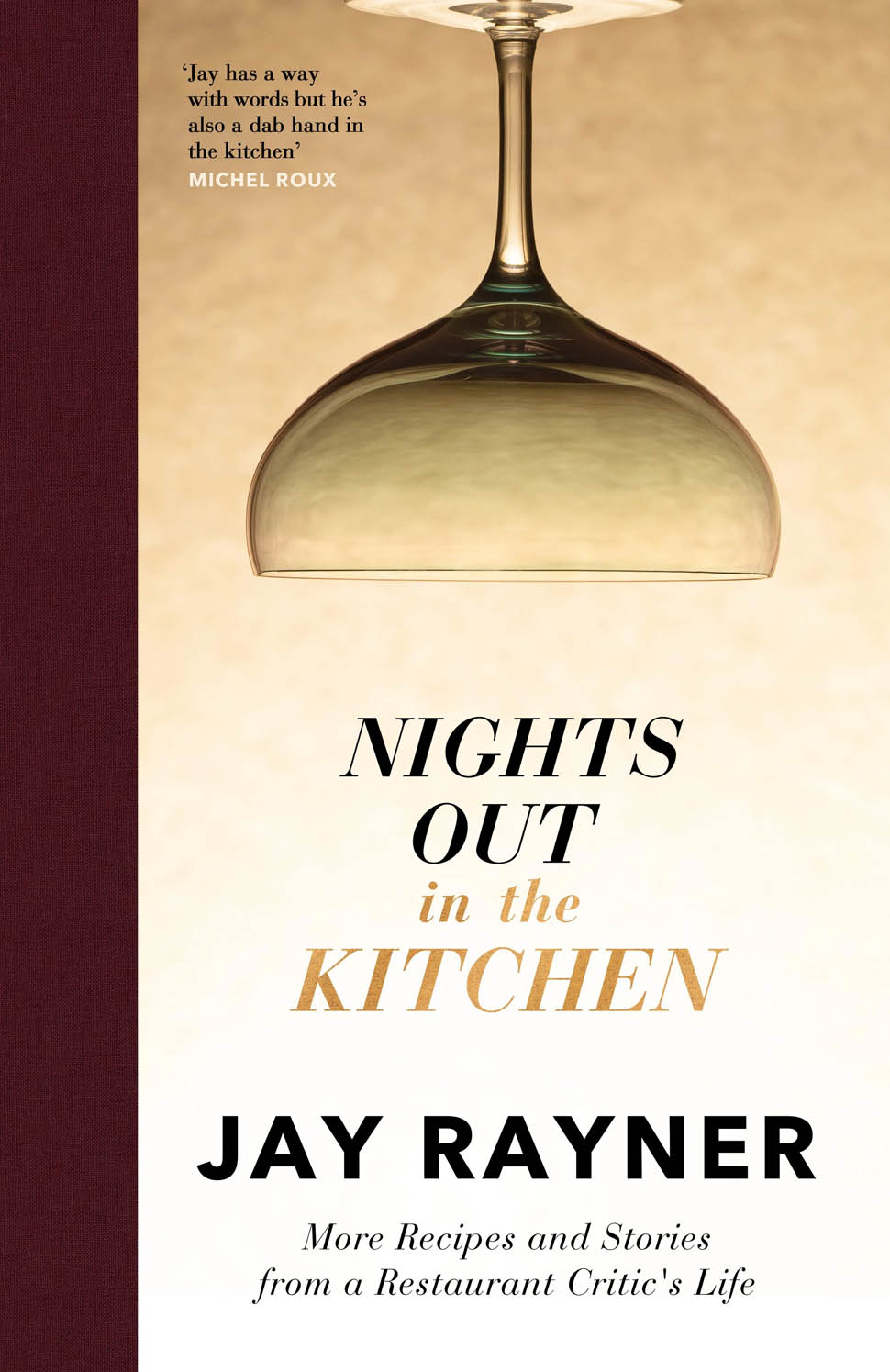
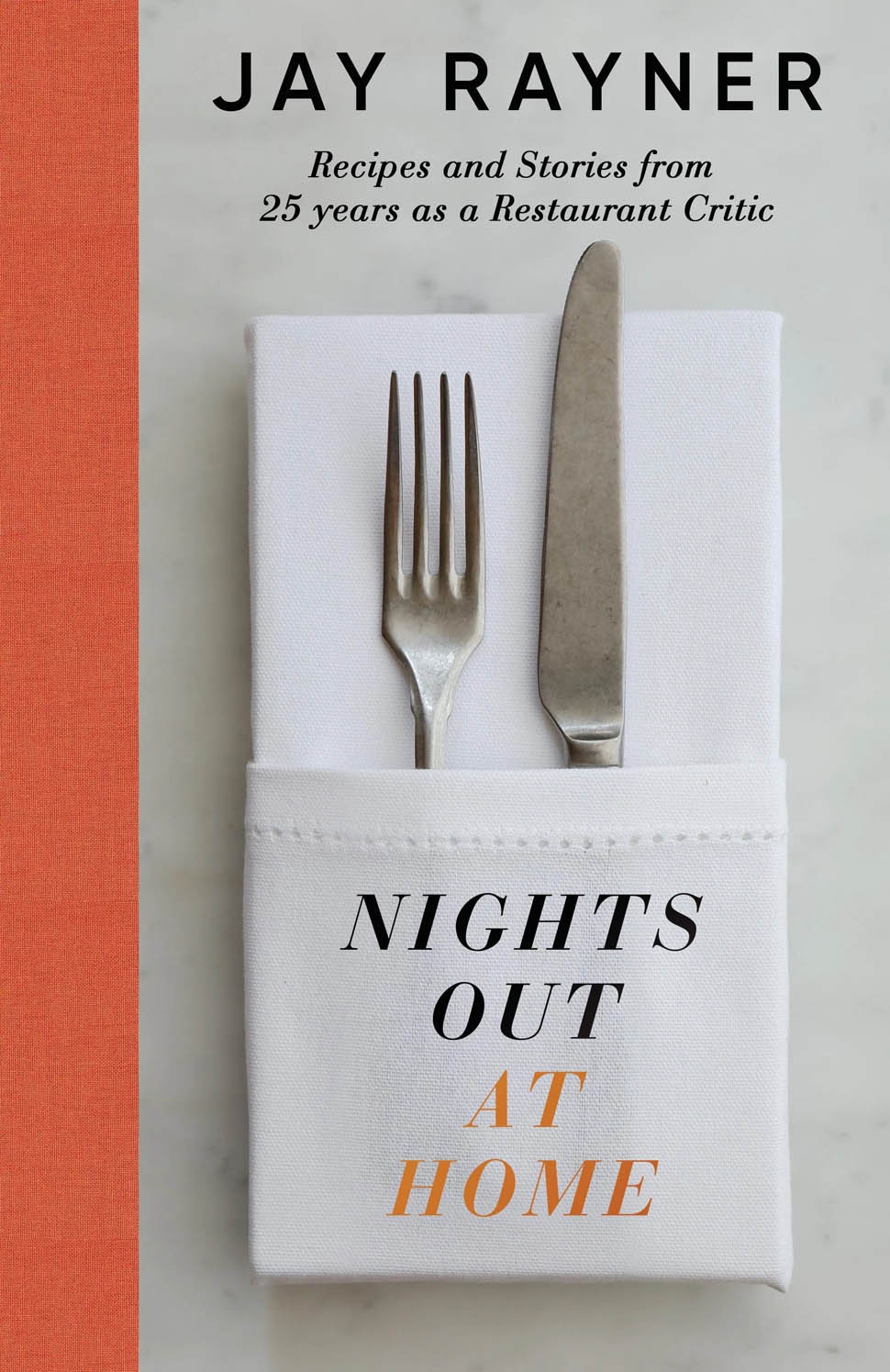
An ethics of the plate that Rayner also applies to the workplace and human conduct: “There are certain chefs I won’t review because I consider them monstrous individuals. If you’re a nightmare person, I won’t go near you.” But the sharp-tongued critic also knows his way around the kitchen and approaches food from a more down-to-earth perspective. With the release of his latest book, Nights Out in the Kitchen — part memoir, part cookbook — Rayner celebrates home cooking and the ability to pick up the secrets of great restaurants and recreate them in your own kitchen. True gastronomy, he explains, is not the preserve of a select few: “What I discovered about food is that it contains everything: politics, economics, history, trade routes.” The rise of TikTok, Instagram and the endless ranks of content creators does not worry him. Credibility remains a daily challenge, one that is earned by engaging with the everyday reader, rather than speaking only to the small circle of food experts, “the ones who sniff the napkin.”

Between sharp remarks and lighter confessions to Reuters, the critic also allows himself a few glimpses into his personal tastes: among his most memorable recent dining experiences was the live-fire cooking at IGNI in London — an exception to his well-known aversion to tasting menus, which he often considers “boring and contrived” — while his ideal dinner party would include icons such as Dorothy Parker and Ella Fitzgerald. Proving that, in the end, good food is always best served with a generous dose of biting wit.