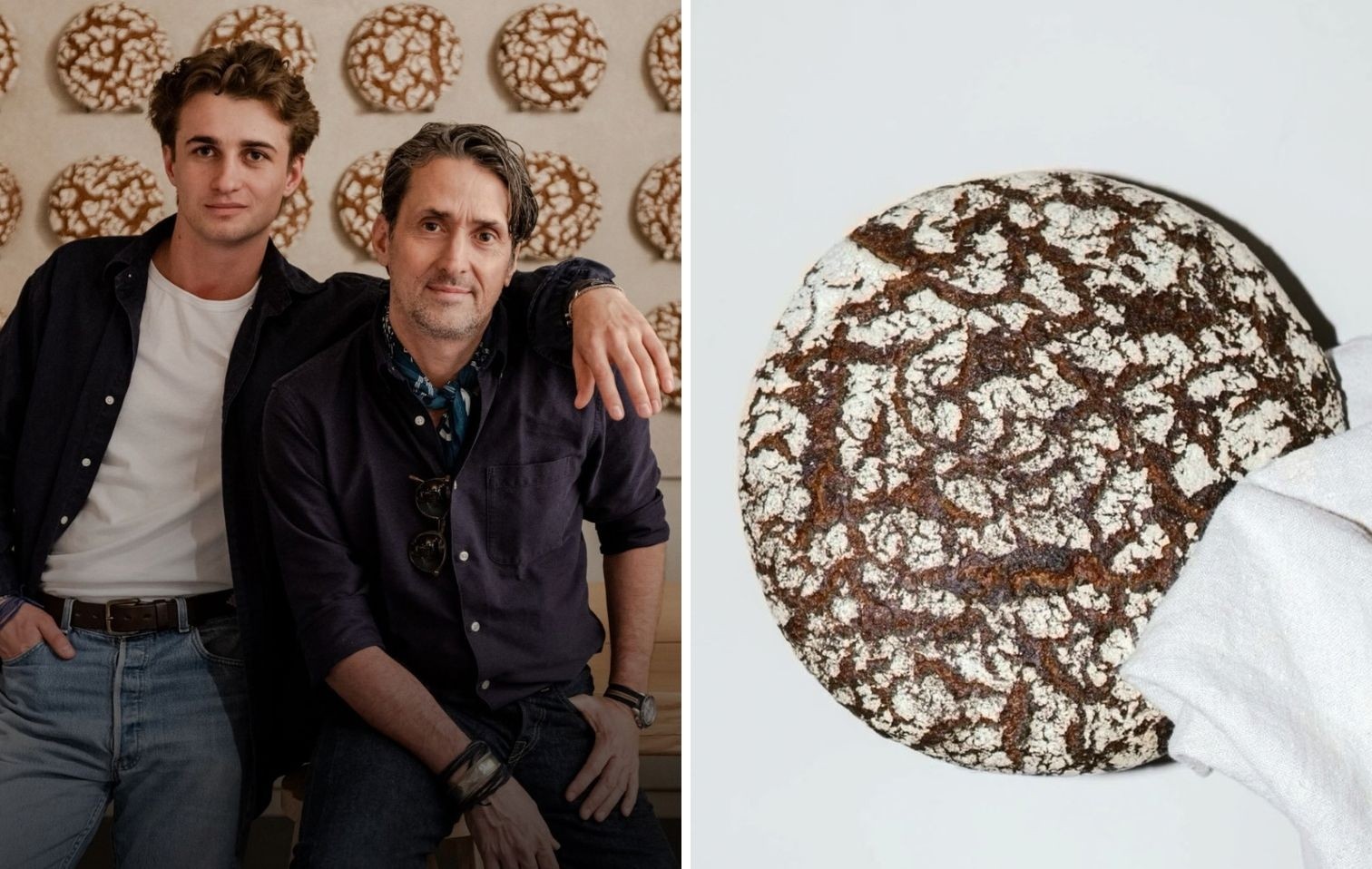
Some people book a table at a three-Michelin-starred restaurant for an experience; others queue in SoHo to buy a single $60 loaf of bread (around €53). In Manhattan, everyone is talking about Rye, the first American flagship store of the historic Austrian bakery Martin Auer, which has opened its doors on Lafayette Street with one ambitious star of the show: a majestic 1.5 kg naturally leavened rye loaf.
No croissants, no baguettes, no distractions. Just the black gold of baking, sold whole or by the portion ($30 for half a loaf, $15 for a quarter), alongside “open sandwiches” topped to order. It is a gastronomic gamble that has sparked debate on social media, drawing crowds of curious customers and even prompting rival chains to put up tongue-in-cheek posters outside the bakery. But what makes this bread exclusive enough to justify the price of a dinner?
Dark crust, living crumb and plenty of patience: the anatomy of a $60 legend
What explains the excellence and cost of this product is not polished marketing, but the chemistry of fermentation and the quality of the raw ingredients. Rye’s formula is a lesson in rural minimalism: water, flour, salt and time.
The raw ingredient: The flour is 100% organic rye, imported directly from Austrian mills. No compromise with local grains.
The “family” sourdough starter: The starter is a living culture fed daily and passed down for 57 years, started by the Auer family’s grandfather in Graz.
Extreme slowness: The dough requires up to 24 hours of fermentation. During this time, natural probiotics and prebiotics develop, making the crumb structure highly digestible and lowering the glycaemic index typically associated with rye.
The mandatory resting period: Once it comes out of the oven, the loaf cannot even be touched with a knife for at least 8–12 hours. Cutting into it while still warm would ruin its dense, aromatic internal structure.
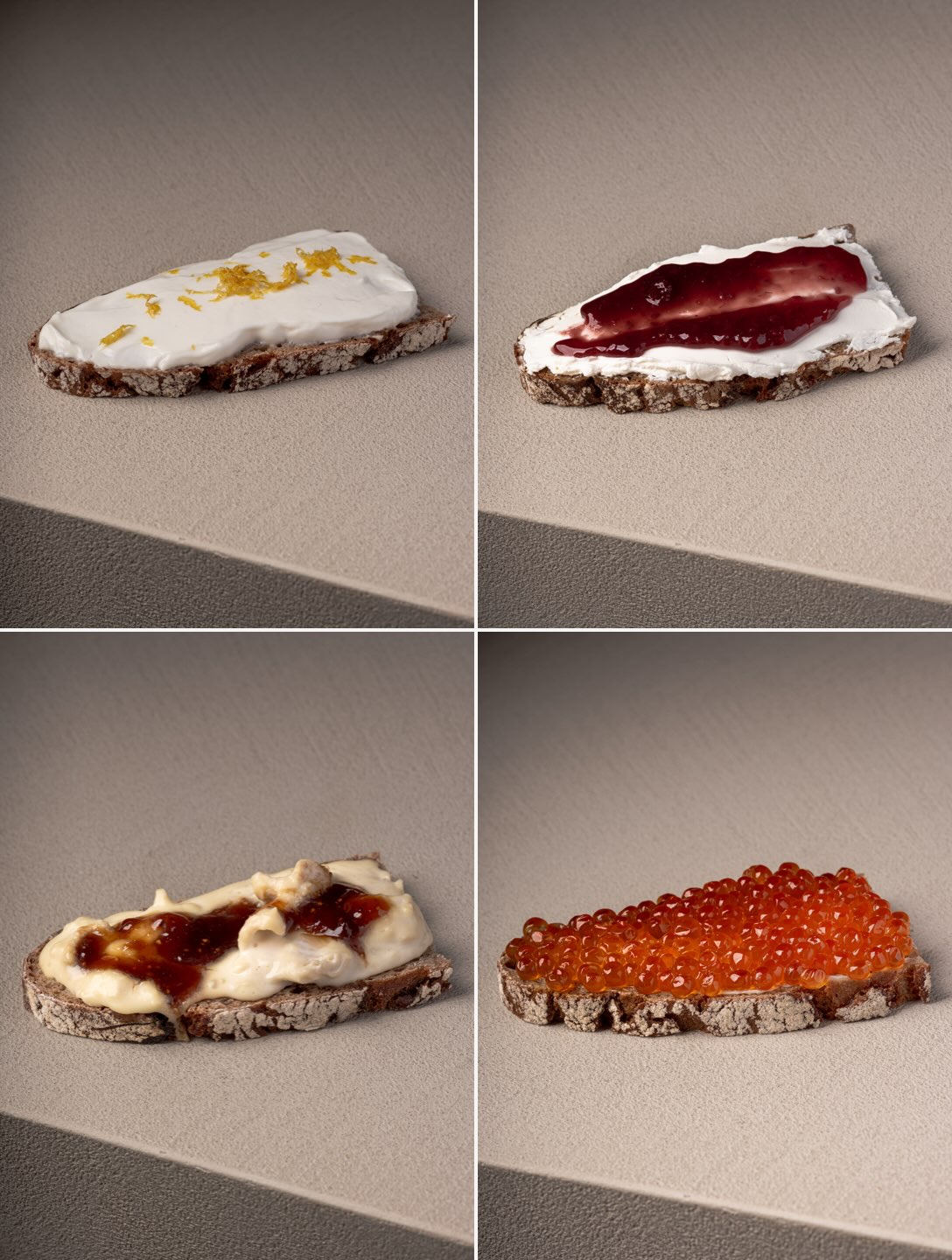
The result? A loaf with a thick, dark, caramelised crust encasing a moist, nutty and delicately tangy crumb. Unlike industrially produced breads, Rye’s bread does not need to be stored in the refrigerator and develops even greater flavour and aromatic complexity after 10 days: simply moisten it slightly and toast it to bring back its original fragrance.
A glass-fronted bakery to rediscover the value of craftsmanship
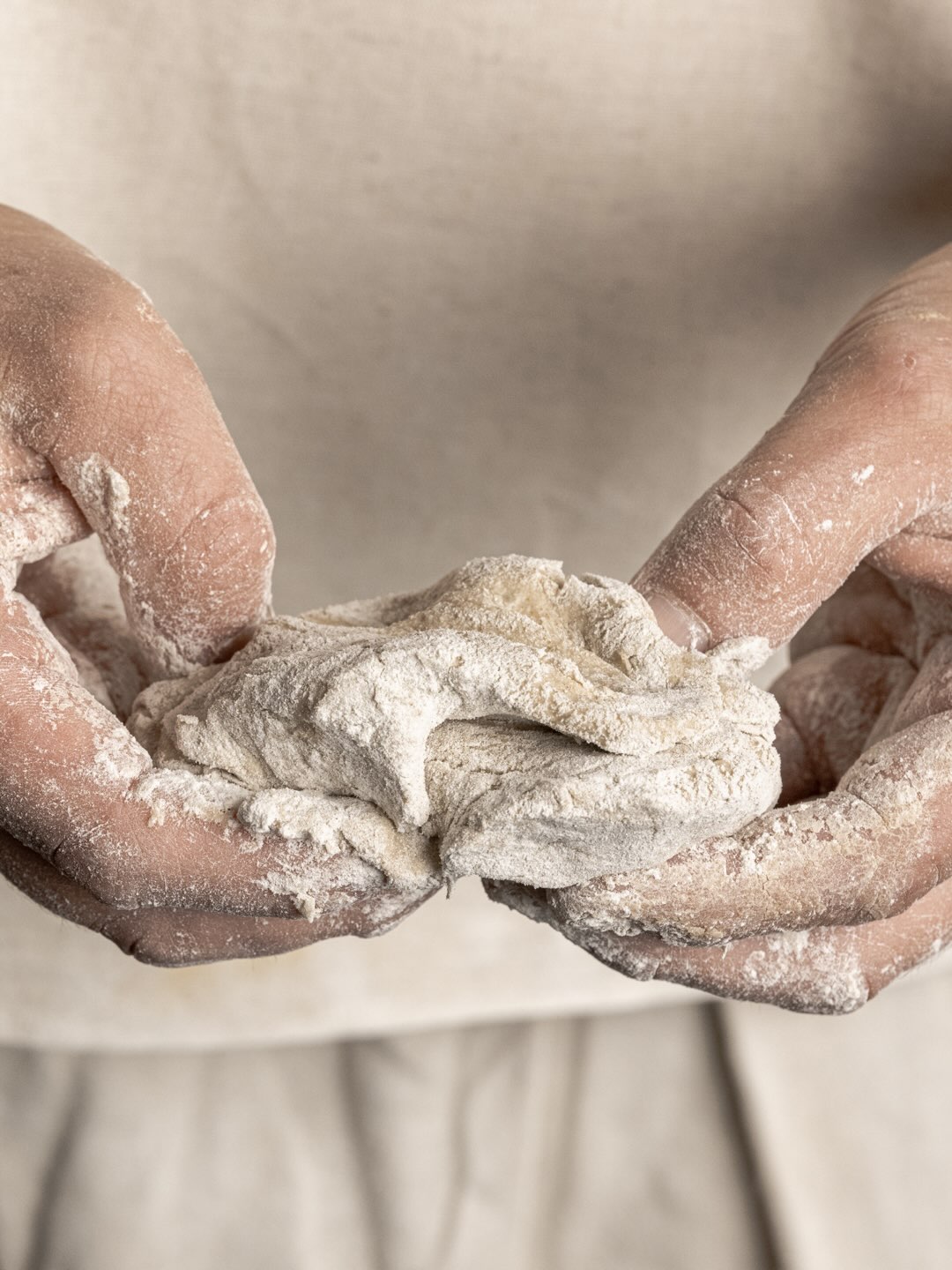
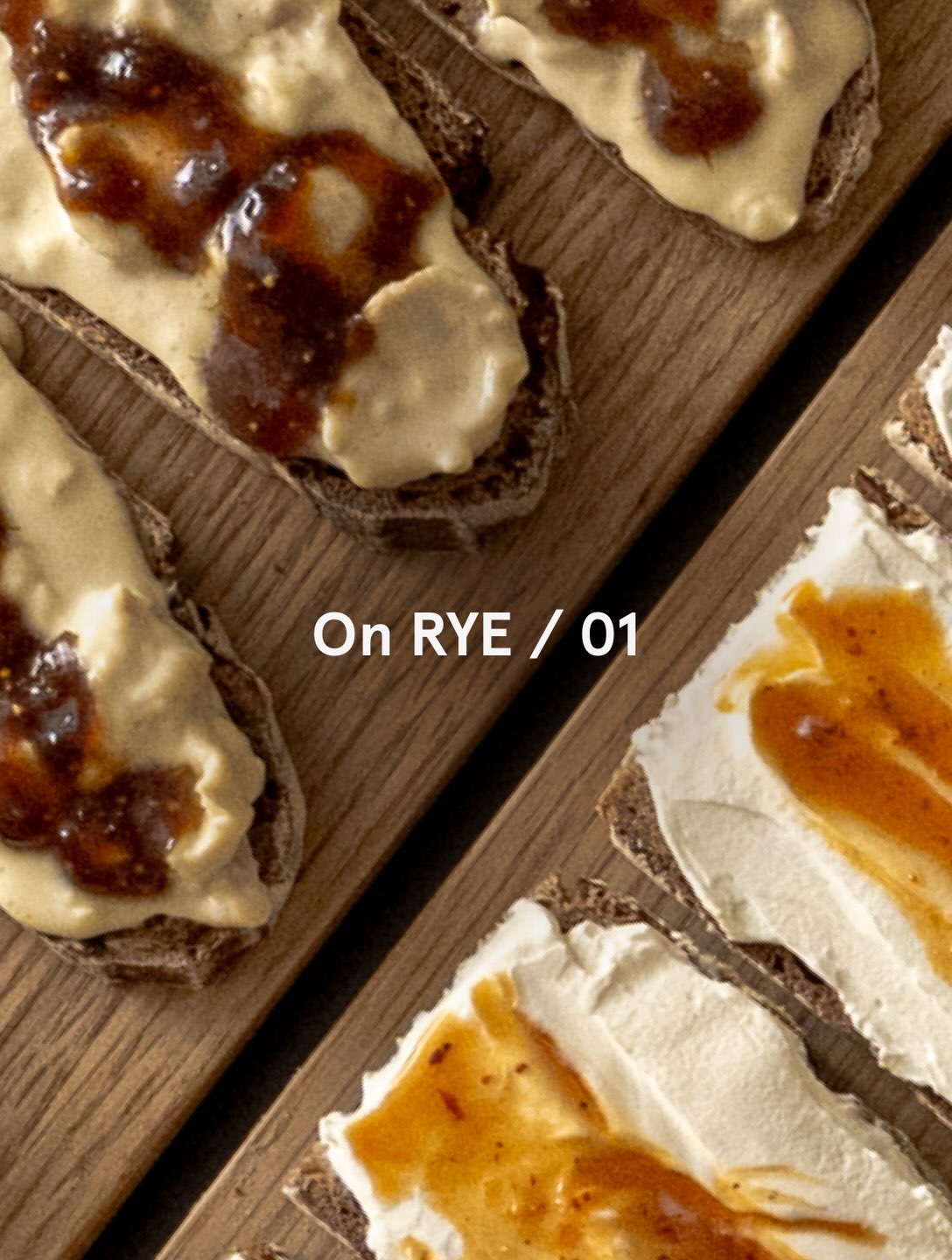
Beyond the fixed costs associated with importing flour across the Atlantic and New York’s record rents, stepping into Rye means entering a kind of “bread theatre”. The space has been designed around a fully visible bakery: floor-to-ceiling glass allows customers to slow down the frantic pace of Manhattan and watch the master bakers knead the dough by hand, shape the loaves and slide them into the oven.
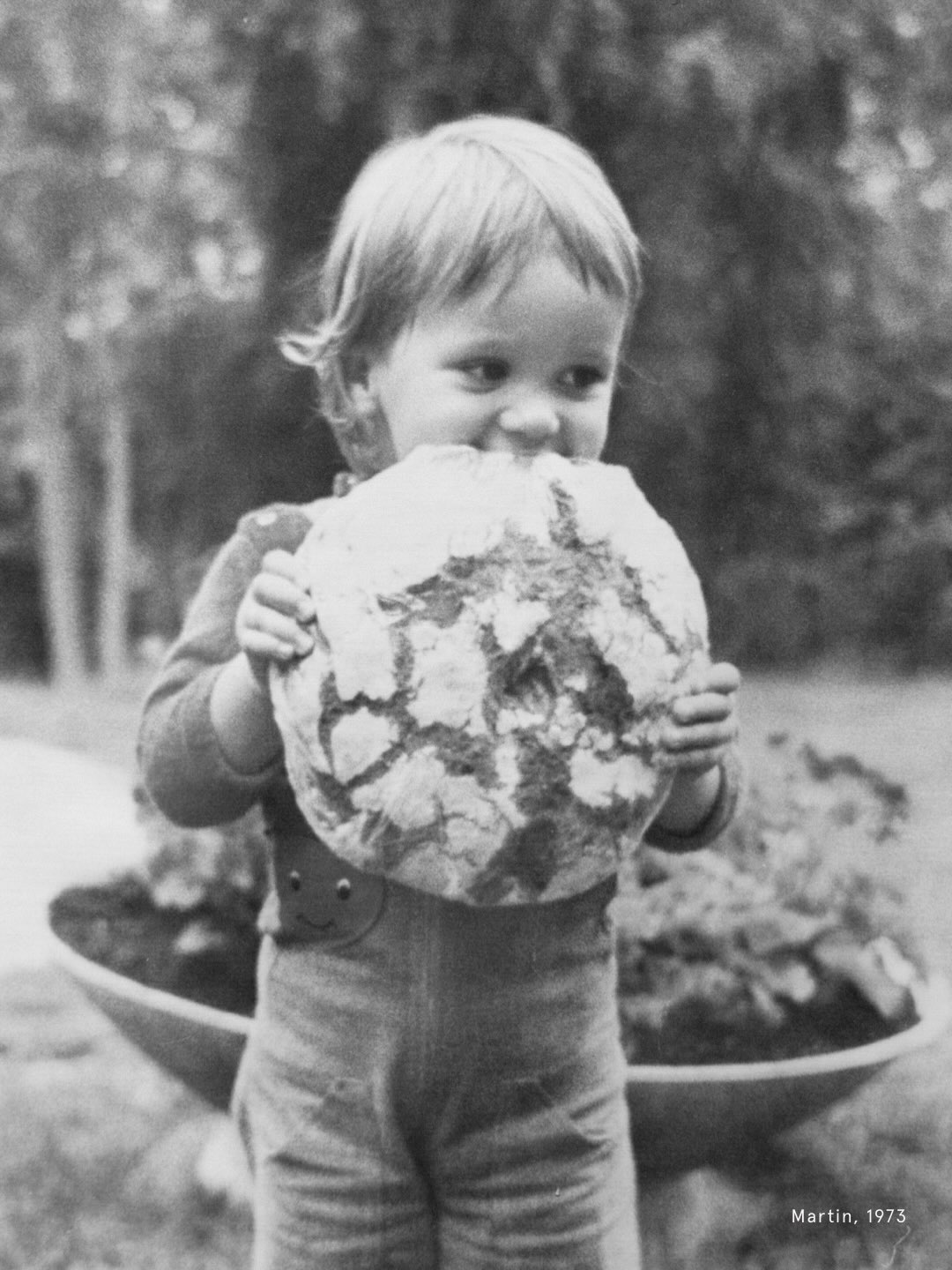
“We wanted to create a place where bread isn’t simply something you buy, but something you can smell, hear as the crust crackles and watch as it comes to life,” Tim Auer, a fourth-generation member of the baking dynasty, tells People. “Everything revolves around the art and our passion for craftsmanship, and the ability to take something inherently simple and do it exceptionally well. The price is also the result of all the effort and costs involved, from importing organic rye flour from Austria to baking the bread right here on Lafayette Street.”
Between local offices organising informal “bread parties” to share a loaf topped with Alpine butter or caviar, and regulars queuing from early morning, Rye shows that when baking becomes pure art, quality is not just a slogan: it is an experience to be savoured, crumb by crumb.