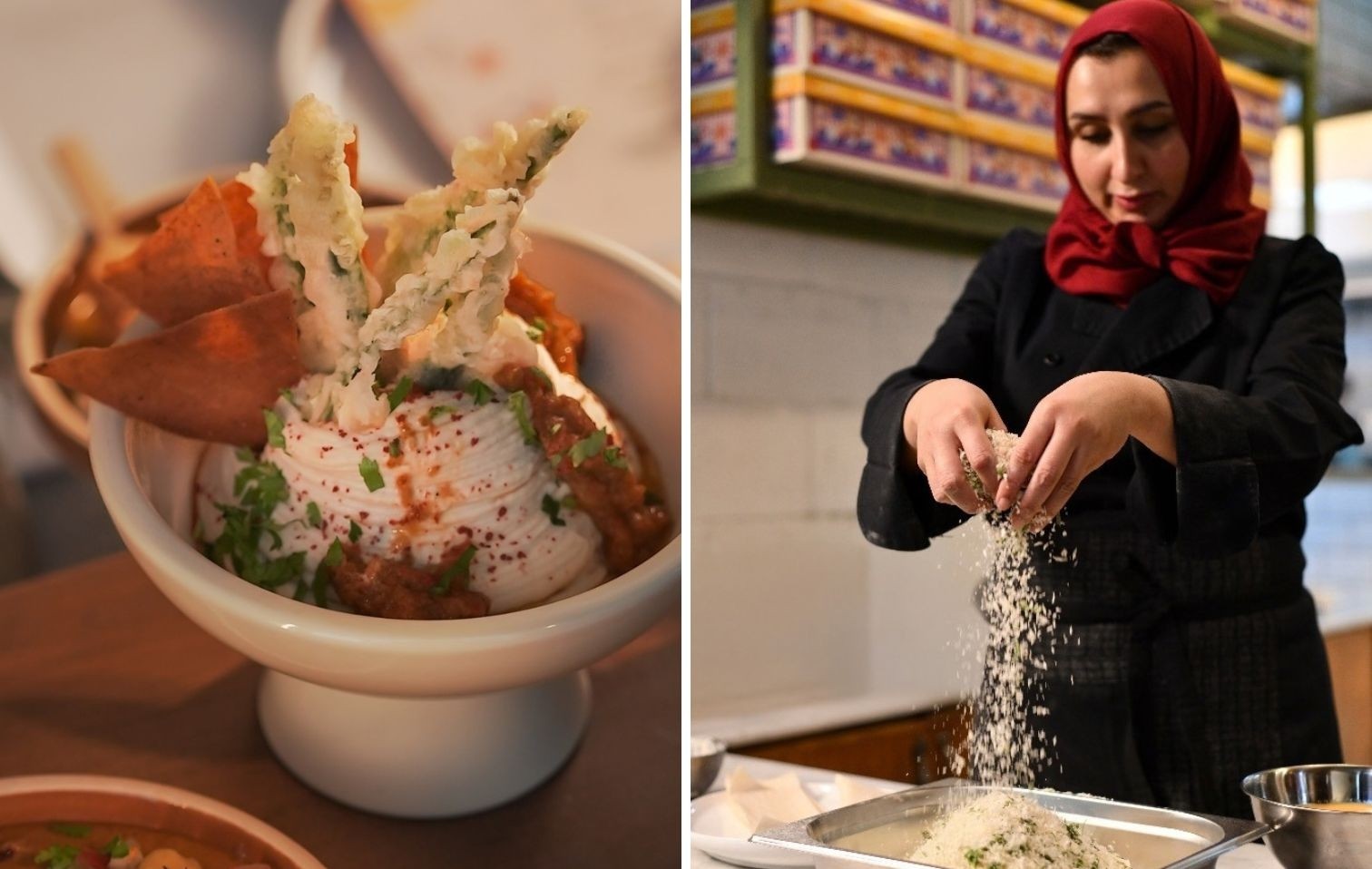
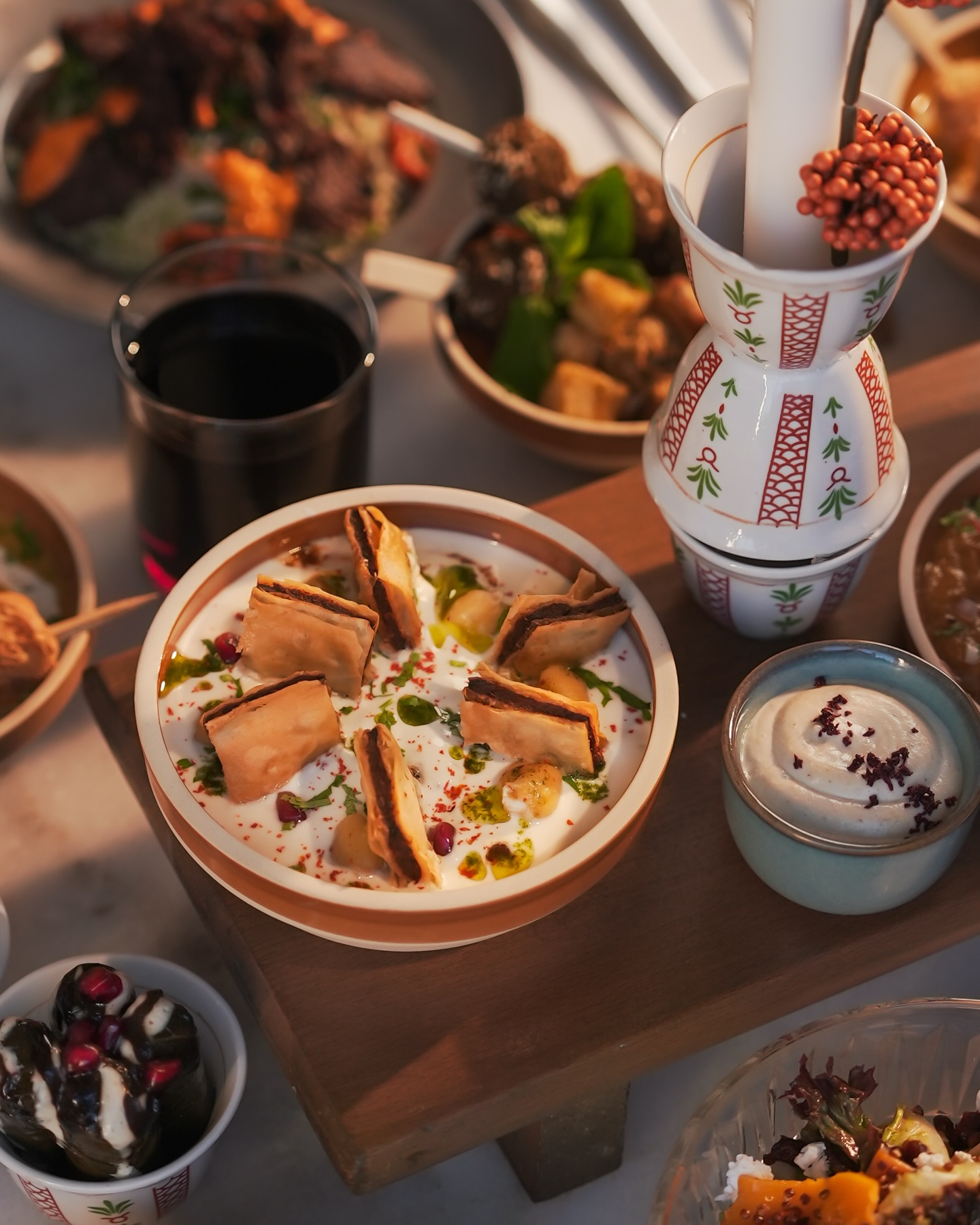
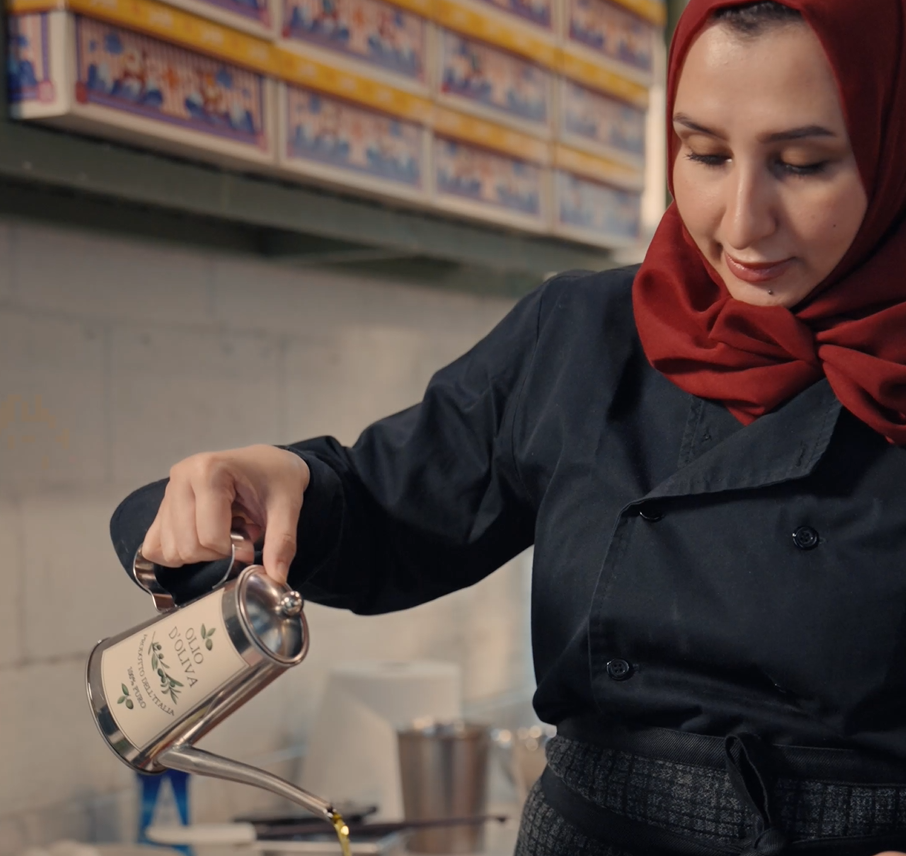
In Jeddah, sambosa is much more than a Ramadan dish: brought to the city by traders and pilgrims, over time it has evolved into a speciality deeply rooted in Saudi cuisine. At Al Meez, chef Mai Alhoraibi serves a contemporary version filled with mac and cheese.
Cover photo: ©Ali Alawajy
The Chef
Jeddah is a city shaped by encounters. For centuries, its Red Sea port has welcomed pilgrims bound for Mecca, merchants and travellers from distant lands, bringing with them ingredients, cooking techniques and recipes that would evolve once they reached local tables. For chef Mai Alhoraibi, sambosa is also deeply connected to personal memory. Her relationship with the dish dates back to childhood and the preparations that took place in the weeks leading up to Ramadan.
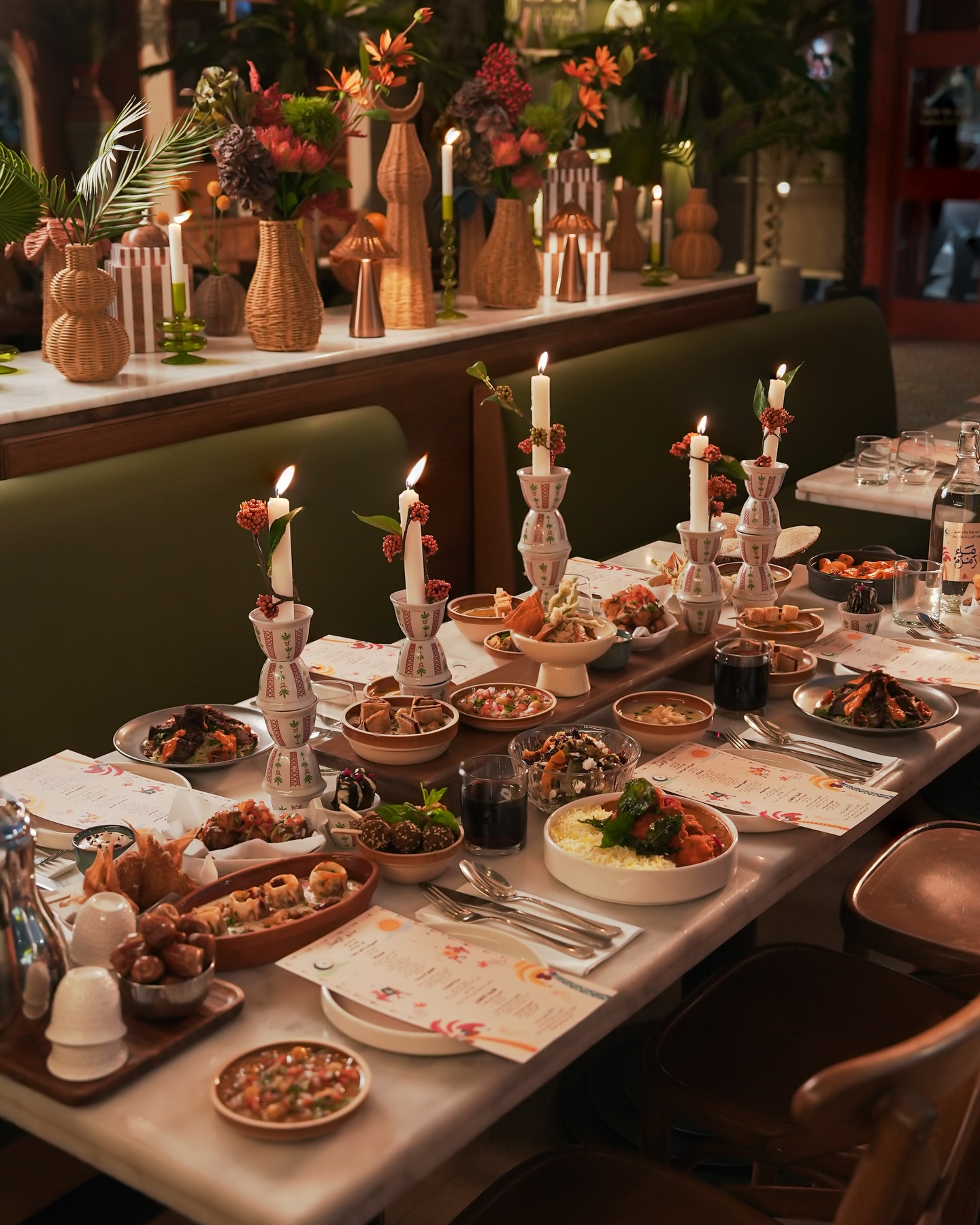
In her family, the process would begin weeks before the holy month. The women would gather around a large table, with the filling already prepared and sheets of pastry ready to be filled and folded. The preparation thus became a communal moment, almost a domestic ritual announcing the arrival of Ramadan even before the fasting began. It is from these memories that the version now served at Meez also takes shape — a restaurant featured in the Michelin Guide in Jeddah.
A Pastry Shell That Holds a Story
Sambosa, known around the world mainly as samosa, is perhaps one of the clearest examples of this process, as the Red Guide itself explained in a feature dedicated to it. A small pastry parcel, filled and fried, that over the centuries has crossed borders and cultures to become an almost indispensable presence on Saudi tables during Ramadan. In Jeddah in particular, the dish found fertile ground, adapting to local tastes and family traditions.
In the city’s kitchens, the pastry shell was shaped using different techniques, while the fillings and spices used also evolved. Successive generations preserved some elements and changed others, eventually creating a preparation with its own distinctive characteristics. Beyond the many regional and family variations, three elements above all define sambosa: the pastry, the folding and the frying.
The pastry is made with flour, water and salt, then rolled out thinly and cut into strips. The filling is placed inside and the dough folded until it forms its characteristic triangular parcel. In the most traditional version, the filling is generally minced meat, either lamb or beef, cooked with onion, spices and aromatic herbs. The mixture is then left to cool before being enclosed in the pastry and fried. It is a simple style of cooking, in which technique plays as important a role as the ingredients.
Sambosa Becomes Mac and Cheese
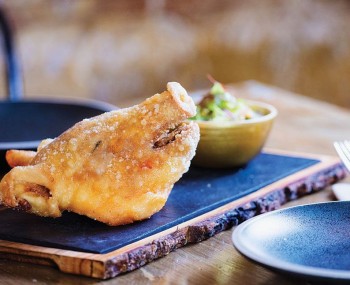
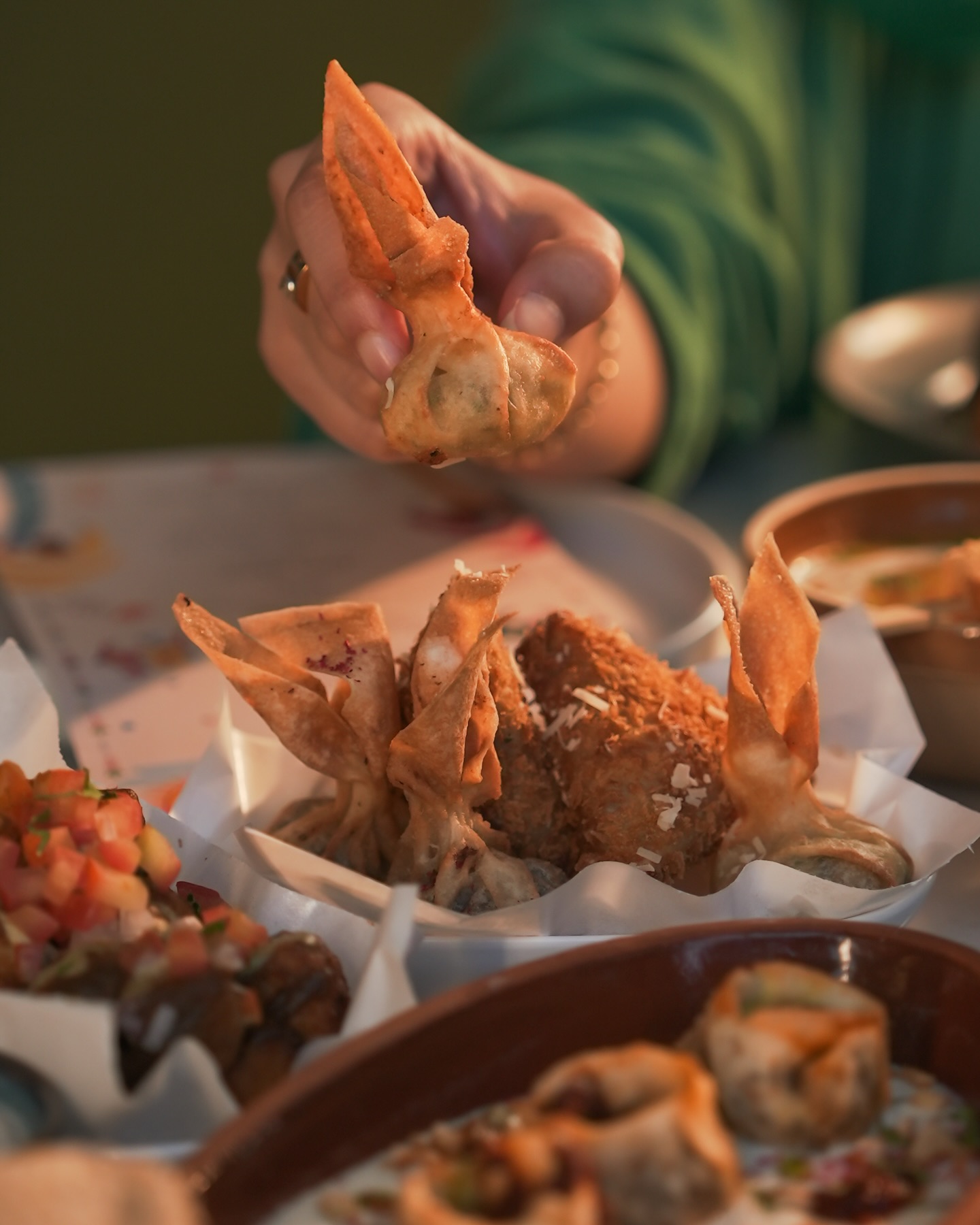
At Meez, which is included in the MICHELIN Guide Saudi Arabia selection, Alhoraibi chooses to rework the filling without altering the elements she considers essential. The result is the Sambosa Mac and Cheese, a contemporary reinterpretation that preserves the structure of the traditional dish while taking it into completely different territory.
The pastry is folded using the traditional method and then fried. Inside, however, instead of the meat filling, there is a cream made from three cheeses, slowly cooked with mushrooms and a delicately smoky spice. The pastry is also coated with a thin layer of panko, which helps keep it crisp while creating a barrier between the pastry and the filling.
The sambosa is prepared to order and served with a marinara sauce, designed to introduce a fresher, more acidic element capable of balancing the richness of the cheese. The result is primarily about contrasting textures: first comes the crisp pastry, followed by the soft, stringy filling, and finally the smoky note that lingers on the palate.
A Tradition That Evolves Without Disappearing
Meez’s Sambosa Mac and Cheese reflects a broader evolution taking place in contemporary Saudi cuisine. A new generation of chefs is reworking traditional recipes by experimenting with ingredients, techniques and presentation, without necessarily abandoning the elements that make them recognisable. In Jeddah, a dish born from the meeting of different cultures is therefore evolving once again.
The sambosa retains its shape, the gesture of folding and the frying, while the filling looks towards an international palate. In many ways, this journey mirrors the history of the city itself: a cuisine born from encounters, still capable today of transforming what comes from afar into something new and deeply local.