From the dining room of the Motel Agip, where Paracucchi served oysters and caviar, to the Locanda dell’Angelo, and on to La Sosta in Pisa: the story of a dessert that has become a cherished memory, a testament to culinary artistry, and a tribute to one of the great masters of Italian cuisine.
*Content with promotional purposes
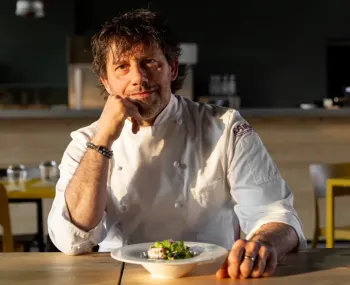
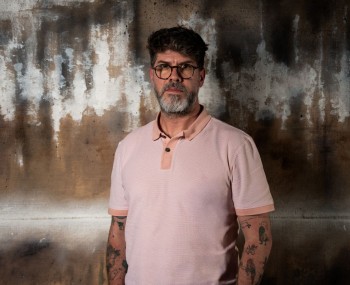
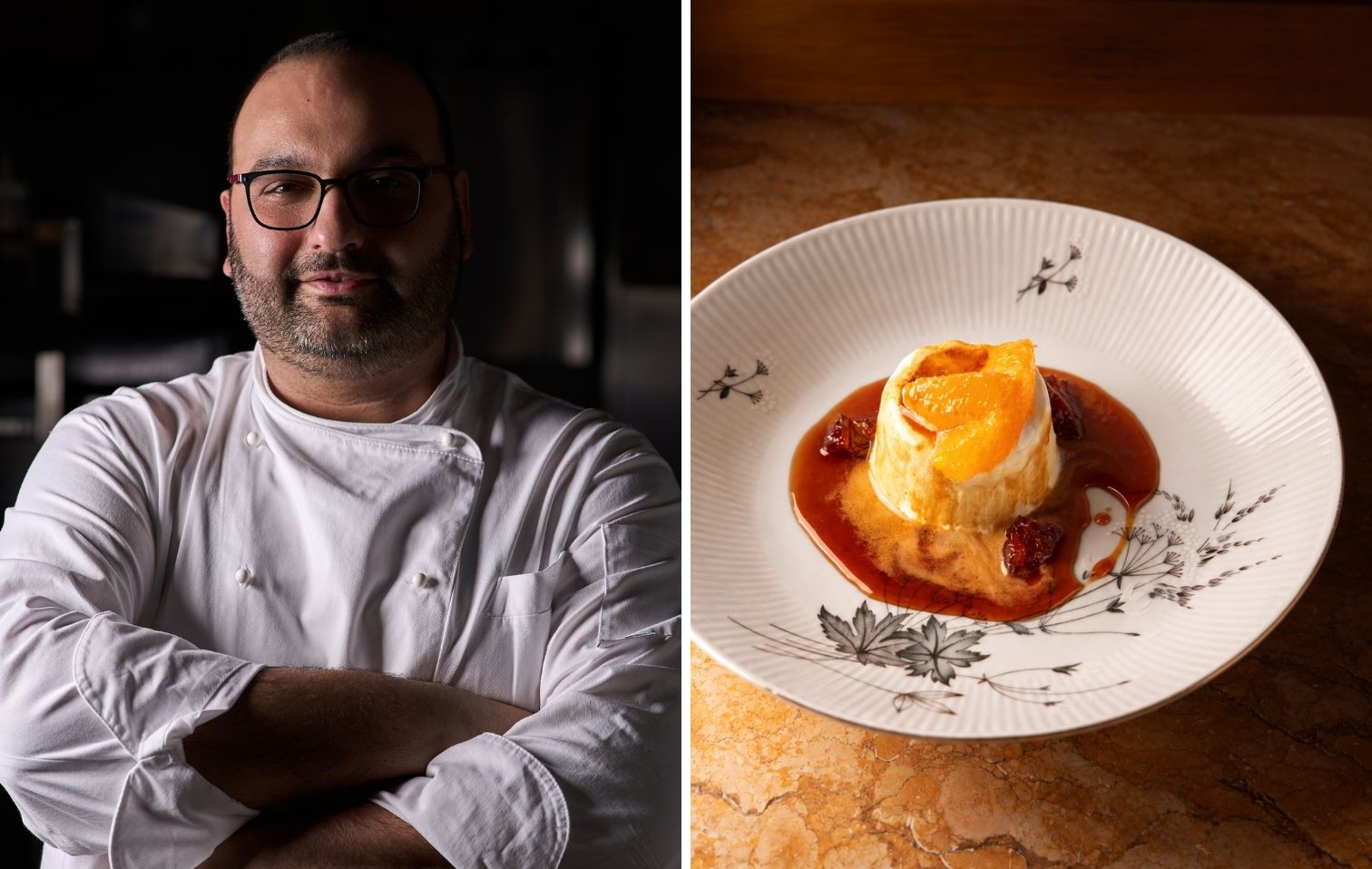
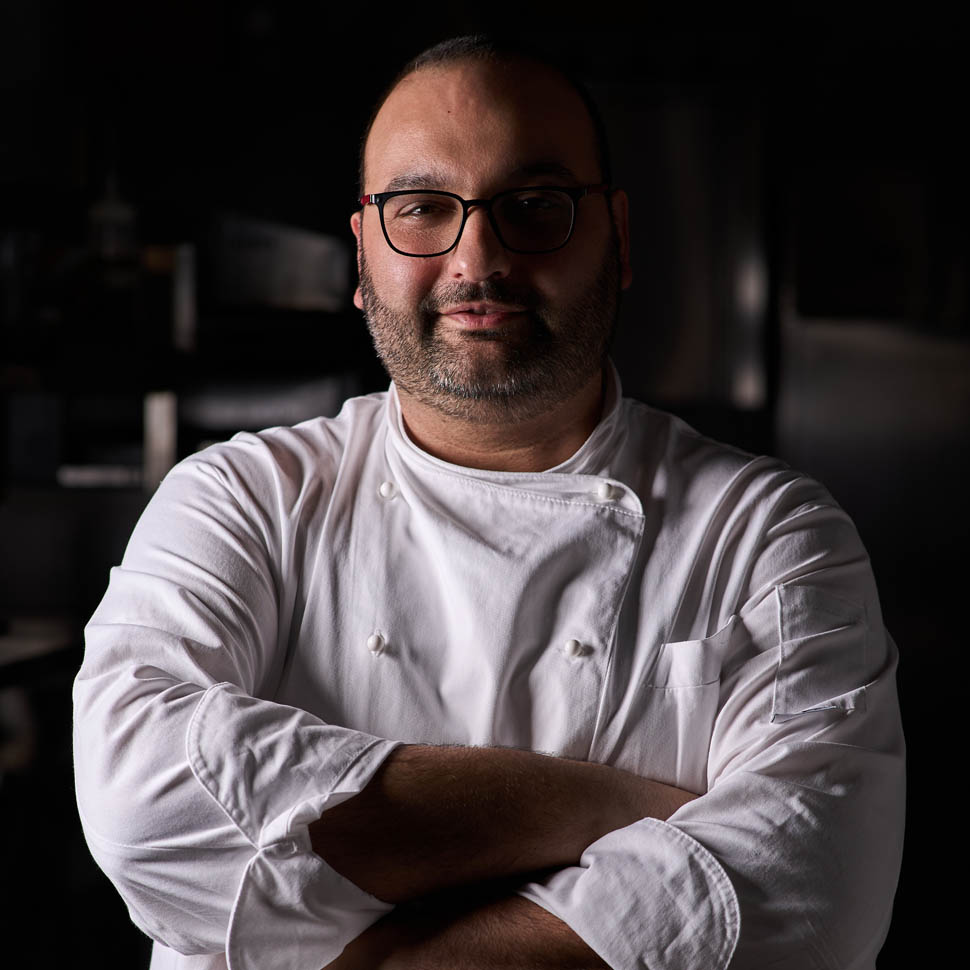
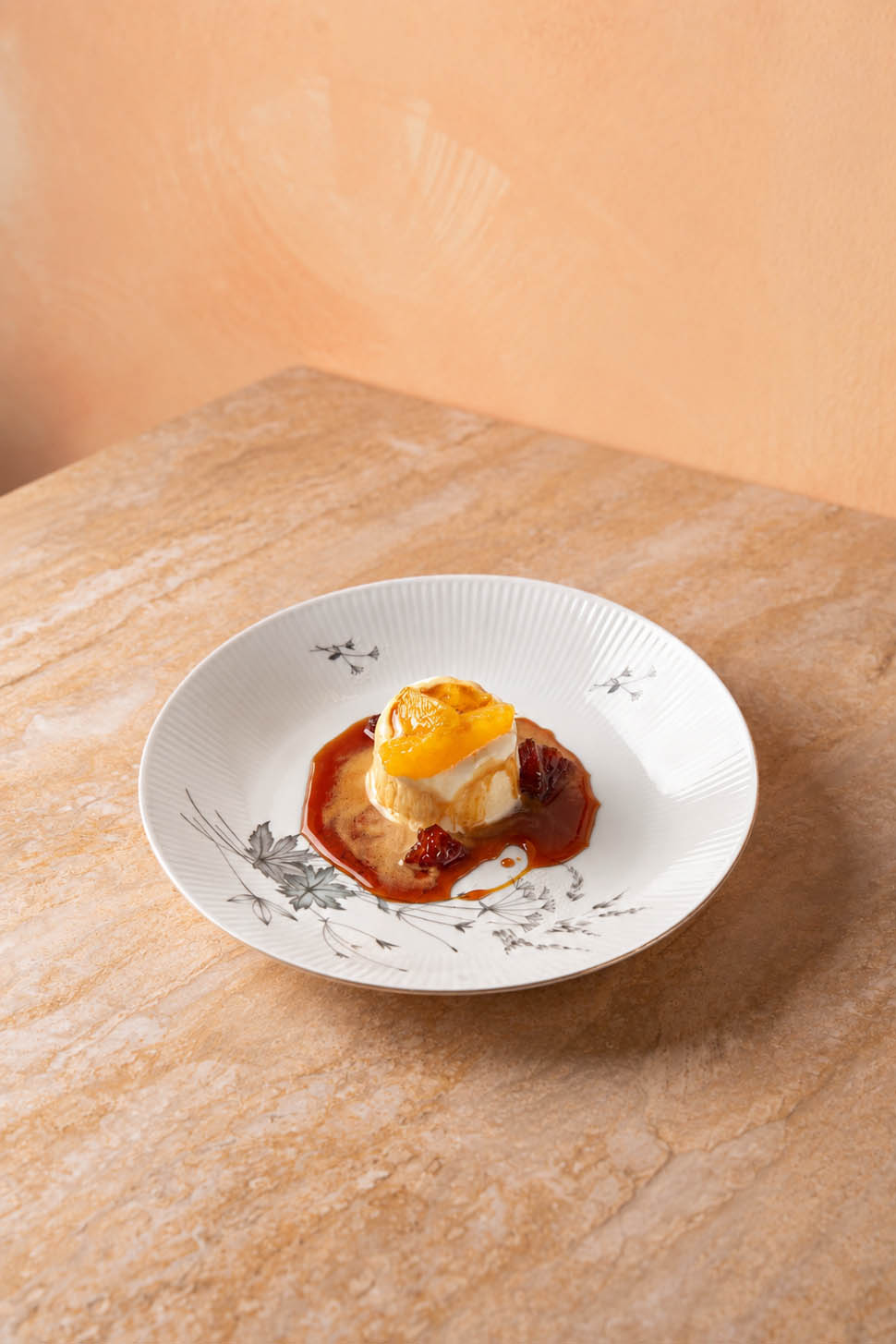
A vanilla parfait with caramelized fruit. Just a few ingredients, but a history spanning more than fifty years. Today, Lorenzo Barsotti serves it at La Sosta di Pisa as a tribute to Maestro Angelo Paracucchi, but this dessert belongs to another era of Italian cuisine. Barsotti first encountered it during his years at the Locanda dell’Angelo in Ameglia (SP), where the dessert was on the menu; there, he learned to recreate it, season after season, using ever-changing fruits. Today it is no longer prepared in the dining room as it was back then, yet it lives on in memory and, above all, on the chef’s menus. “This dessert always moves me; every time I make it, my eyes well up,” Barsotti begins, with a touch of emotion mixed with pride.
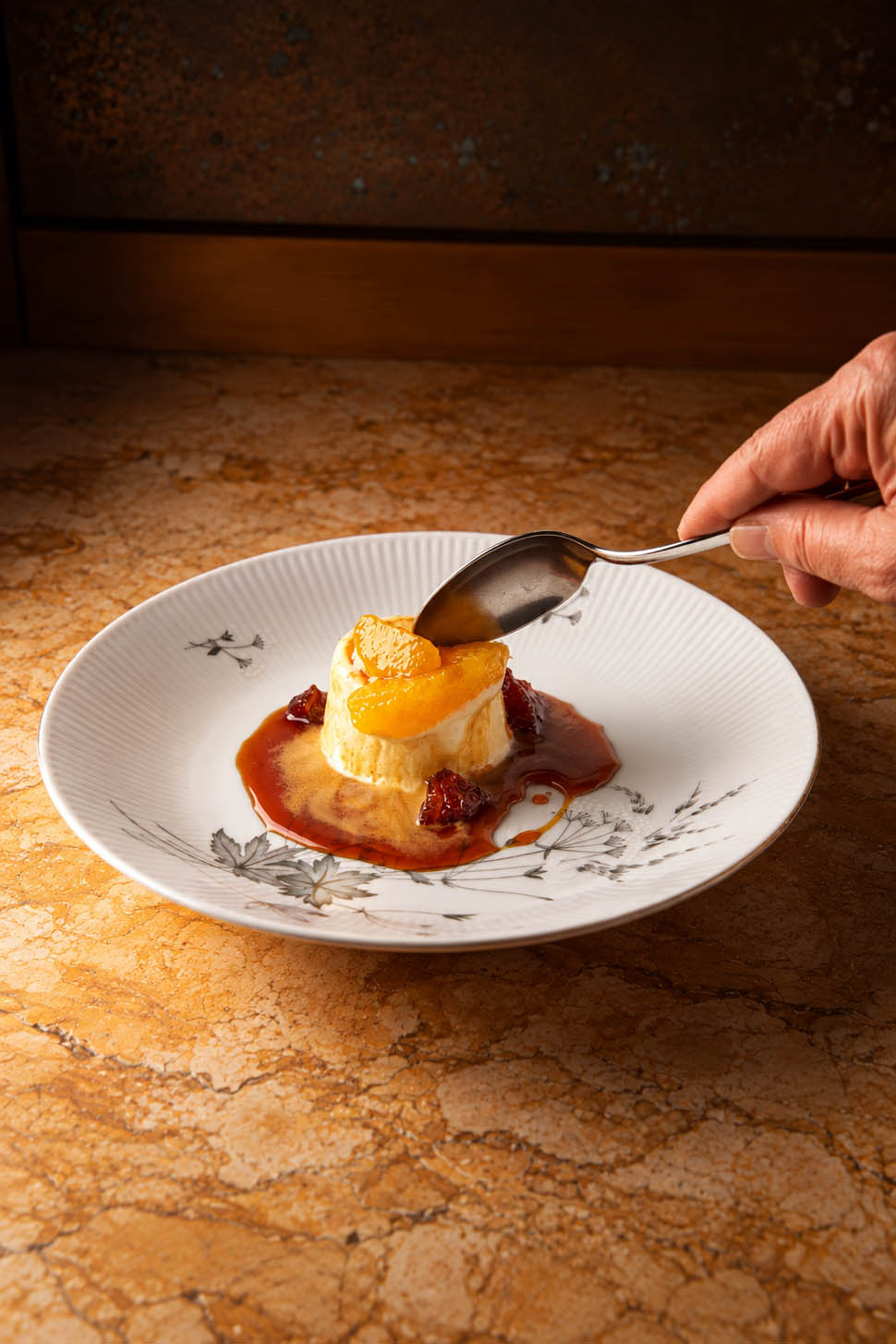
Behind that parfait stands Angelo Paracucchi, along with a very specific vision of cuisine. The composition is simple: the vanilla parfait is cold, the caramelized fruit adds warmth, and the sweetness meets the bitterness of the sugar. “This dessert encompasses all four tastes: hot, cold, sweet, and bitter. It’s truly complete,” explains the Tuscan chef. To understand the origins of this creation, however, we must go back to Sarzana, to the Motel Agip, where Paracucchi moved in 1968.
From the Motel Agip to the Locanda dell’Angelo
It was at the Motel Agip in Sarzana that Paracucchi began to define his vision of cuisine rooted in the local territory and accessible to everyone, far removed from the notion of fine dining reserved for the few, with passing truck drivers seeing oysters and caviar on their plates for the first time. From there began a journey that would eventually lead to the Locanda dell’Angelo in Ameglia, opened in the mid-1970s, where the famous chef would solidify a philosophy centered on technique, quality ingredients, and a direct relationship with the customer.
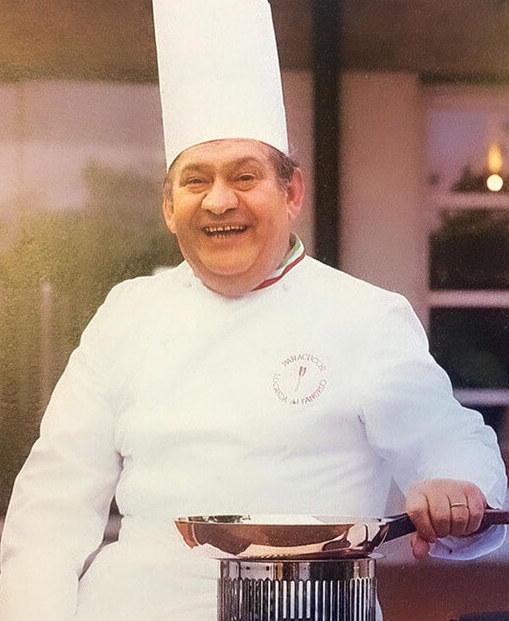
It was precisely at the Locanda dell’Angelo that Barsotti came into contact with that world. “I went through an intense period in my professional and personal life; I had a great time with the Paracucchi family.” In those kitchens, he didn’t just learn recipes and techniques, but also an alternative way of looking at the craft. “There was a focus on ingredients that respected the local area, the employees, and women… We were operating at a high level.” Among the dishes Barsotti had to learn to prepare was that vanilla parfait with caramelized fruit that Paracucchi had crafted around the contrast between temperatures and flavors. A dessert that appears simple, yet requires precision and, above all, a very clear understanding of what needs to happen on the plate—and beyond.
A recipe that continues to evolve
Today, Barsotti doesn’t simply recreate the dessert as he knew it at the Locanda dell’Angelo. He’s carried it with him for years and continues to refine it constantly, adjusting the fruit according to the season and adapting it to his own culinary journey. In summer, one fruit may change; in winter, another, but the structure remains the same: the cold parfait and the warm fruit, the sweetness and the bitter note of caramelization.
It is also through this renewal that the dessert becomes something personal without ever losing its connection to the Master. “I am carrying on the long tradition of this dessert,” says Barsotti, linking it to other lessons he learned from Angelo Paracucchi, such as the use of oil to cream the dough and, more generally, a culinary approach built on a deep understanding of ingredients and the precision of each individual gesture.
At the Locanda dell’Angelo, however, that dessert also had a spectacular element that today seems almost like something from another era of dining. It was prepared right in the dining room, at the guéridon: the parfait was brought to the customer’s table, and the fruit was caramelized on the spot with an oil lamp—not a gas one. Barsotti recalls having prepared dishes this way at the Locanda for as many as eleven dishes, ranging from spaghetti alla lampada to penne with ginger to fillet à la Rossini. The dessert was one of those that were completed entirely in front of the customer. The technical gesture became part of the experience, as did the aroma of the fruit as it warmed and the immediate transformation of the sugar.
Can something be “contemporary” at 50 years old?
At one point, Barsotti himself poses the question that perhaps best sums up the essence of this dessert: “How can a dessert from half a century ago be contemporary? Simple: someone who’s 30 years old today has never eaten a dish like this. It’s contemporary because all four senses of the palate are stimulated simultaneously.”
For him, therefore, the answer does not lie in modernizing an ancient dish through a new presentation or different ingredients. Rather, it lies in its ability to still speak to the palate. It has nothing to do with its archaeological value, but with its ability to still offer a precise, clear, and surprising experience. Today, the memory is not just about taste. It’s about people, daily work, and the relationship with the raw ingredients. “Fine dining isn’t dead—let someone else say that.” The message is clear: certain concepts of haute cuisine can continue to find a place, provided they engage with the present and do not merely nostalgically defend the past.
La Sosta by Barsotti
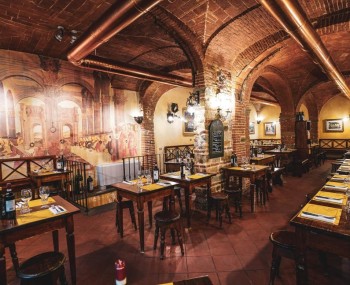
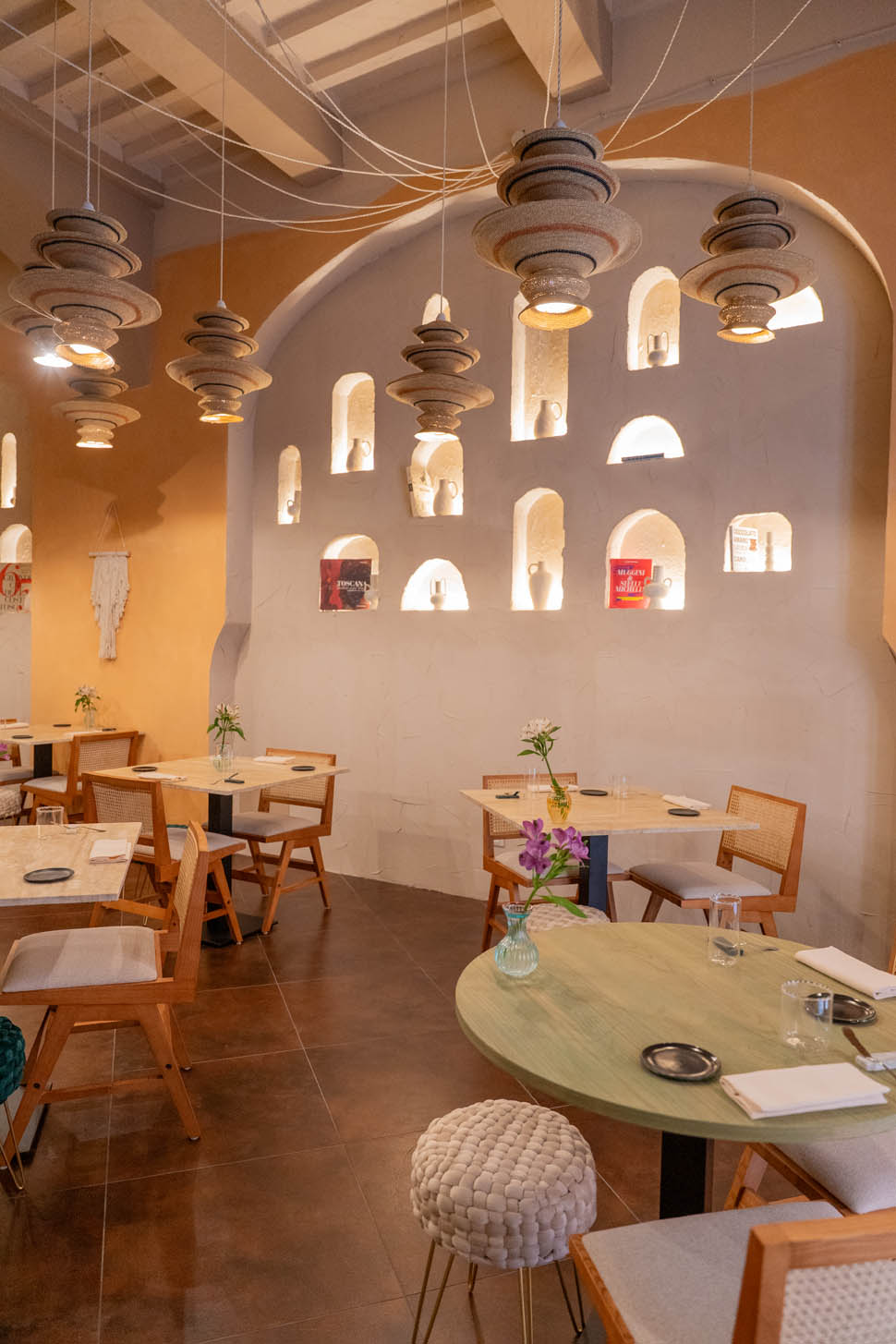
Lorenzo Barsotti’s current venture is La Sosta, a restaurant in the heart of Pisa, just a short walk from the Leaning Tower, which he has led since November 2019 and whose interior underwent a major renovation in the summer of 2026. With seating for twenty-four, it offers an intimate setting with warm tones—refined yet informal—and a cuisine built on direct relationships with small-scale producers and artisans carefully selected over time. “A chef must create culture” is Barsotti’s motto, as we’ve already mentioned here, and at La Sosta, this principle is embodied in a cuisine that begins with the raw ingredients and the relationships with those who produce them.
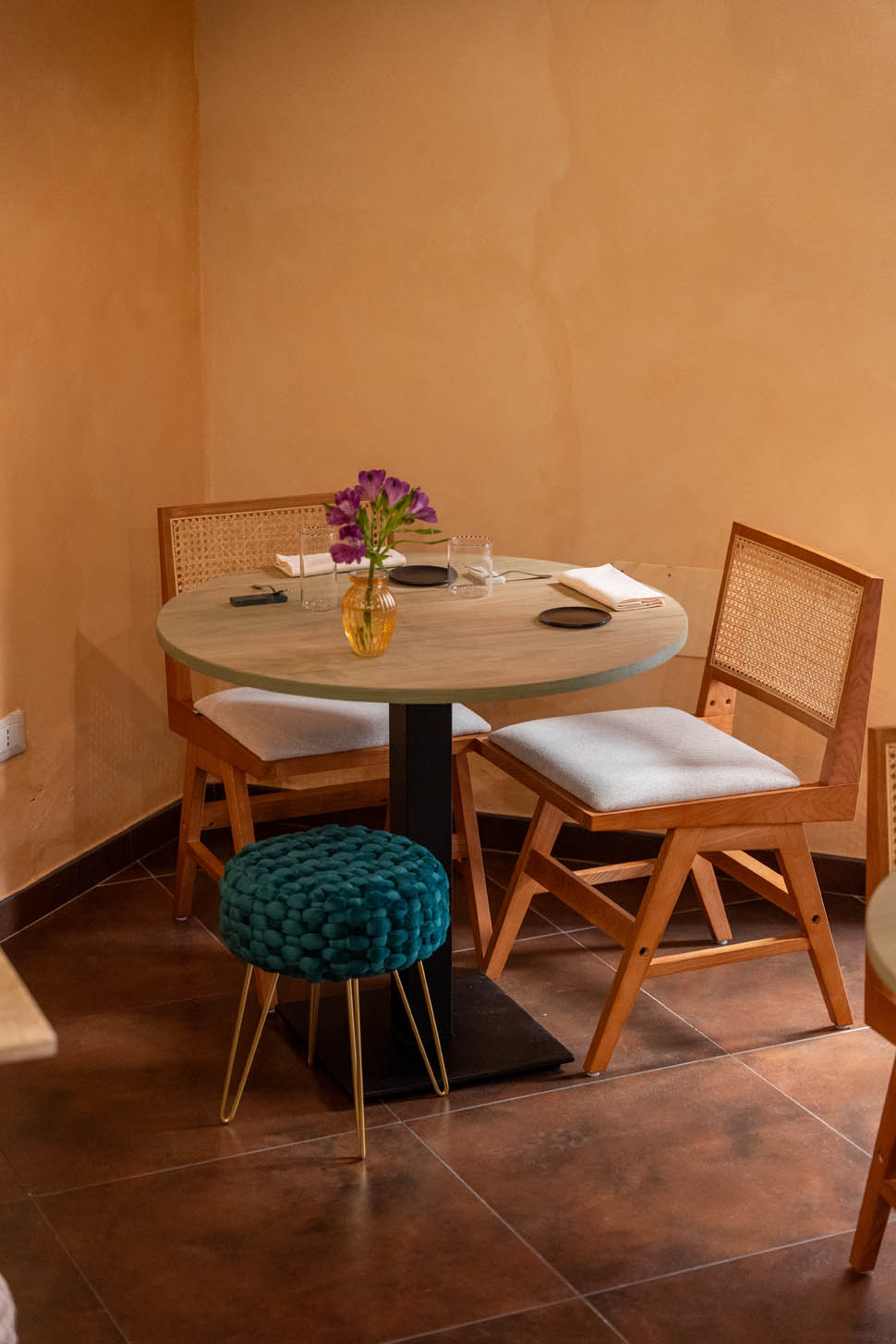
Vegetables, for example, take center stage through fermentation, concentration, and preparation techniques that bring out their various nuances. Alongside them are select meats and prime cuts, as well as humble fish, elevated through respectful techniques, all within menus that change with the rhythm of the seasons. In general, Tuscan tradition is reinterpreted with a contemporary sensibility, without compromising its recognizability. La Sosta is the culmination of a journey that began in Prato in 1983, when Barsotti took his first steps in the kitchen, assisting his mother in preparing homemade desserts.
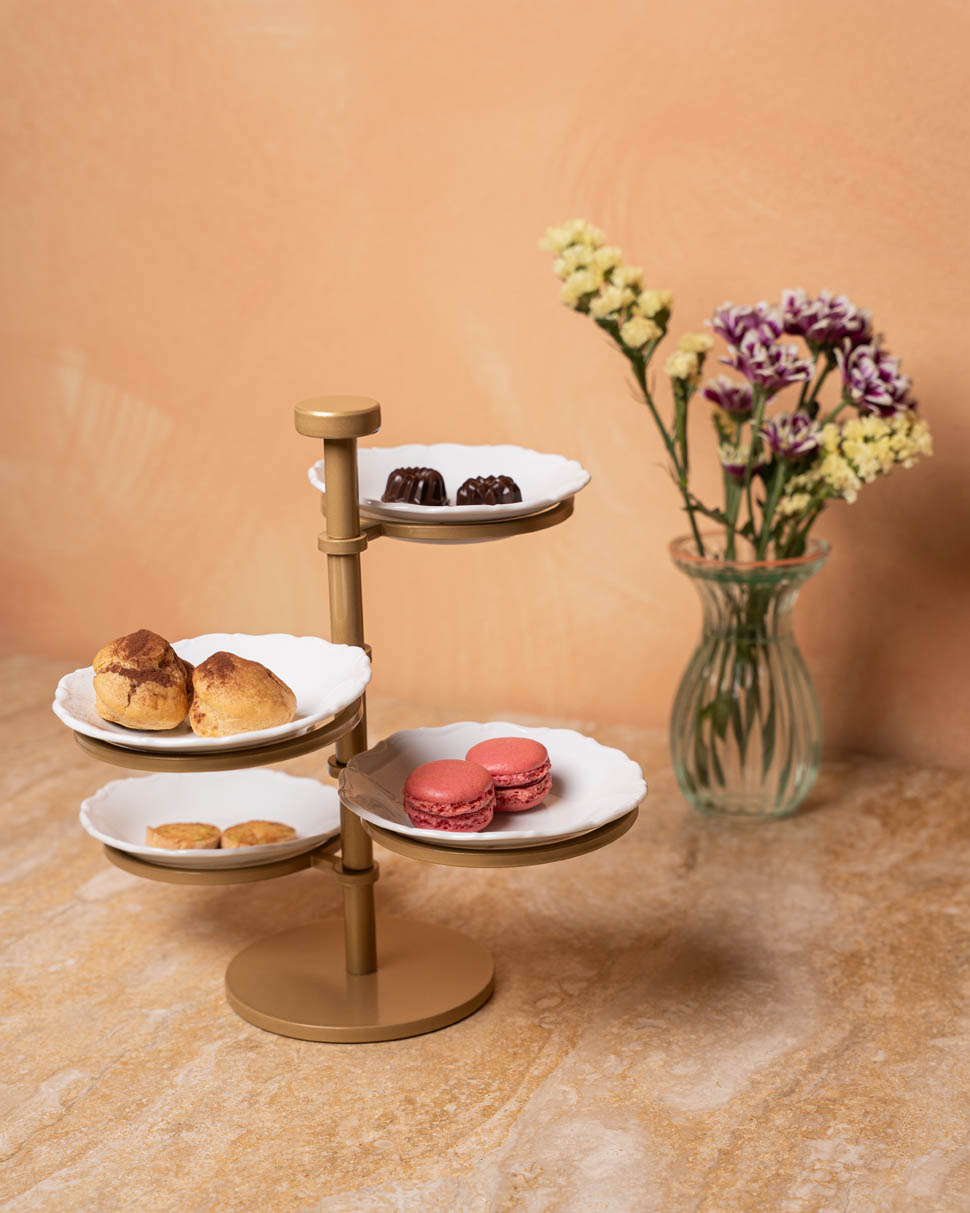
After graduating from the Aurelio Saffi Hotel Management School in Florence, he gained experience at Enoteca Barni in Prato, the Grand Hotel Villa Cora, the Hotel Terme di Saturnia, and, indeed, at the Locanda dell’Angelo in Ameglia, where he became head chef. This was followed by a training stint in Girona at the Celler de Can Roca, and in 2010, he opened Trattoria Enoteca Barsotti in Marzabotto with his brother Francesco, before continuing his career across Tuscany, Emilia-Romagna, and Liguria, culminating in his time at Pesce Briaco alongside his friend, chef Maurizio Marsili.
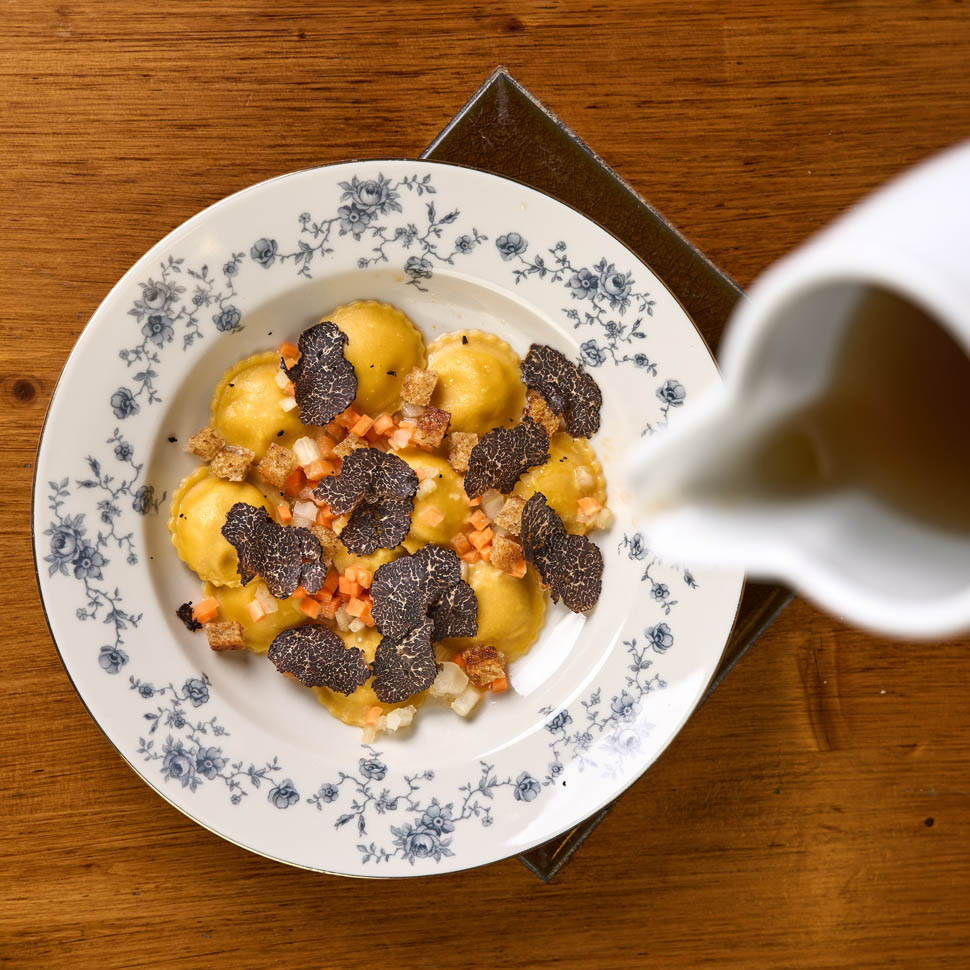
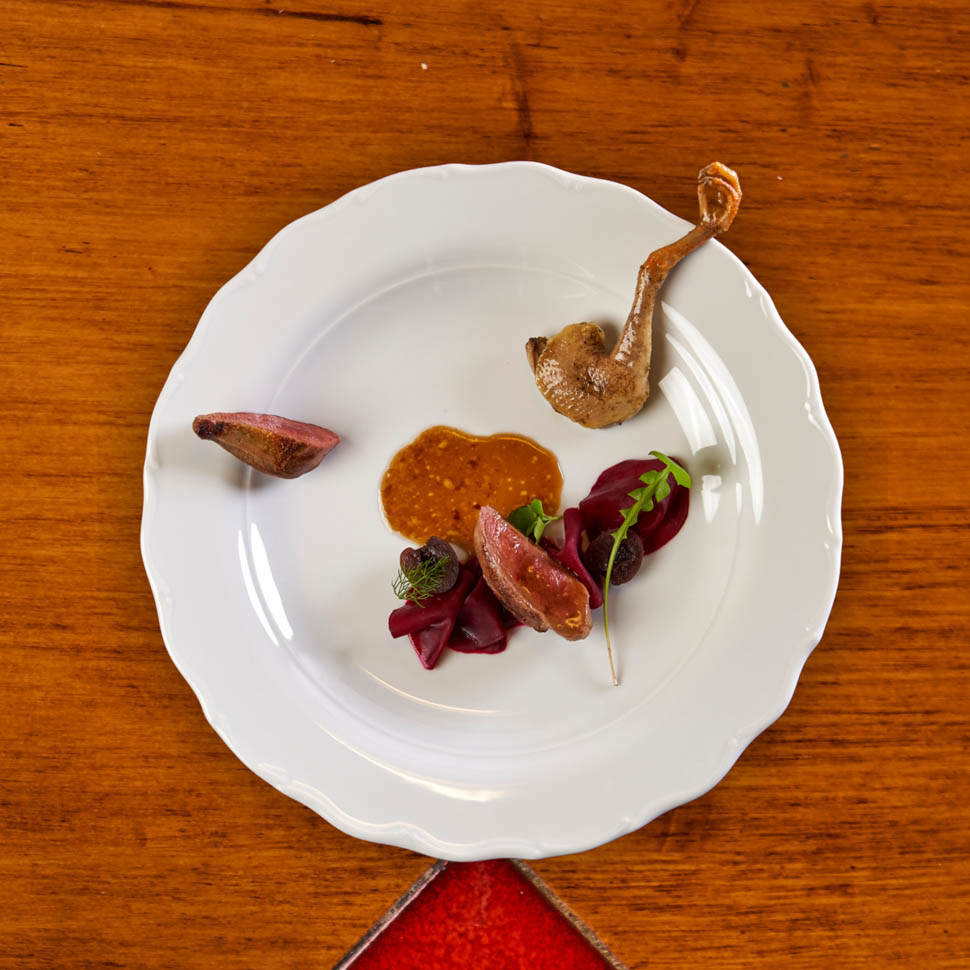
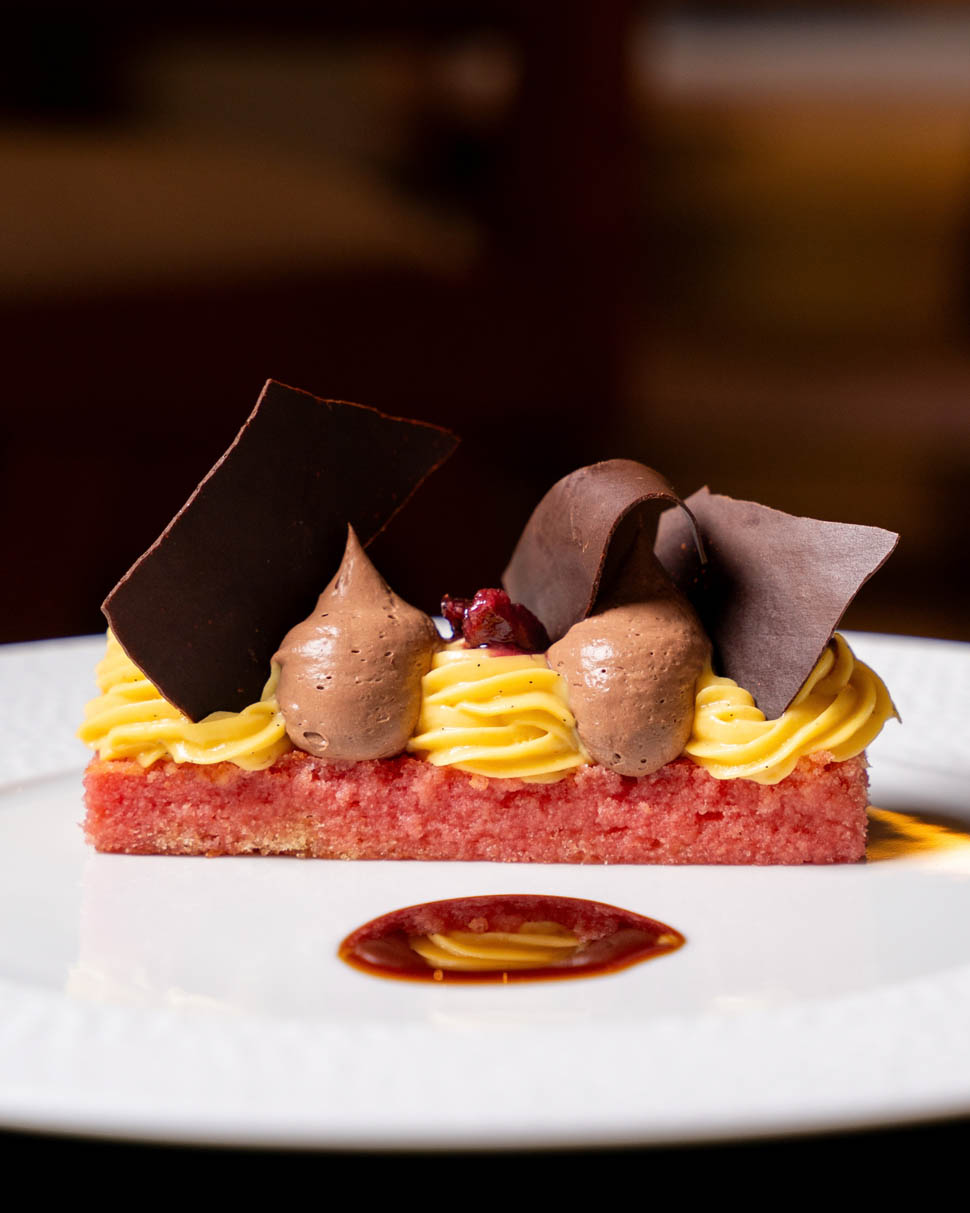
And then there’s that dessert. It hasn’t remained stuck in the days when it was prepared at the guéridon; instead, it has passed through different kitchens, seasons, and hands, eventually arriving in Pisa with a new identity but the same underlying principle. Its essence still lies entirely in that contrast that has defined its identity: the coolness of the parfait, the warmth of the fruit, the sweetness of the vanilla, and that hint of bitterness that follows. A simple, almost instinctive balance, within which decades of Italian cuisine coexist. Paracucchi conceived it back then; Barsotti continues to bring it to life today, changing the fruit but leaving the principle intact. And when the spoon sinks into the parfait and encounters the still-warm fruit, that history no longer seems so distant.
La Sosta
Via S. Frediano, 3, 56126 Pisa PI
Phone: 050 991 2410